















News

Laser Facial Hair Reduction: How It Works, Safety, Results, and Who It’s Right For
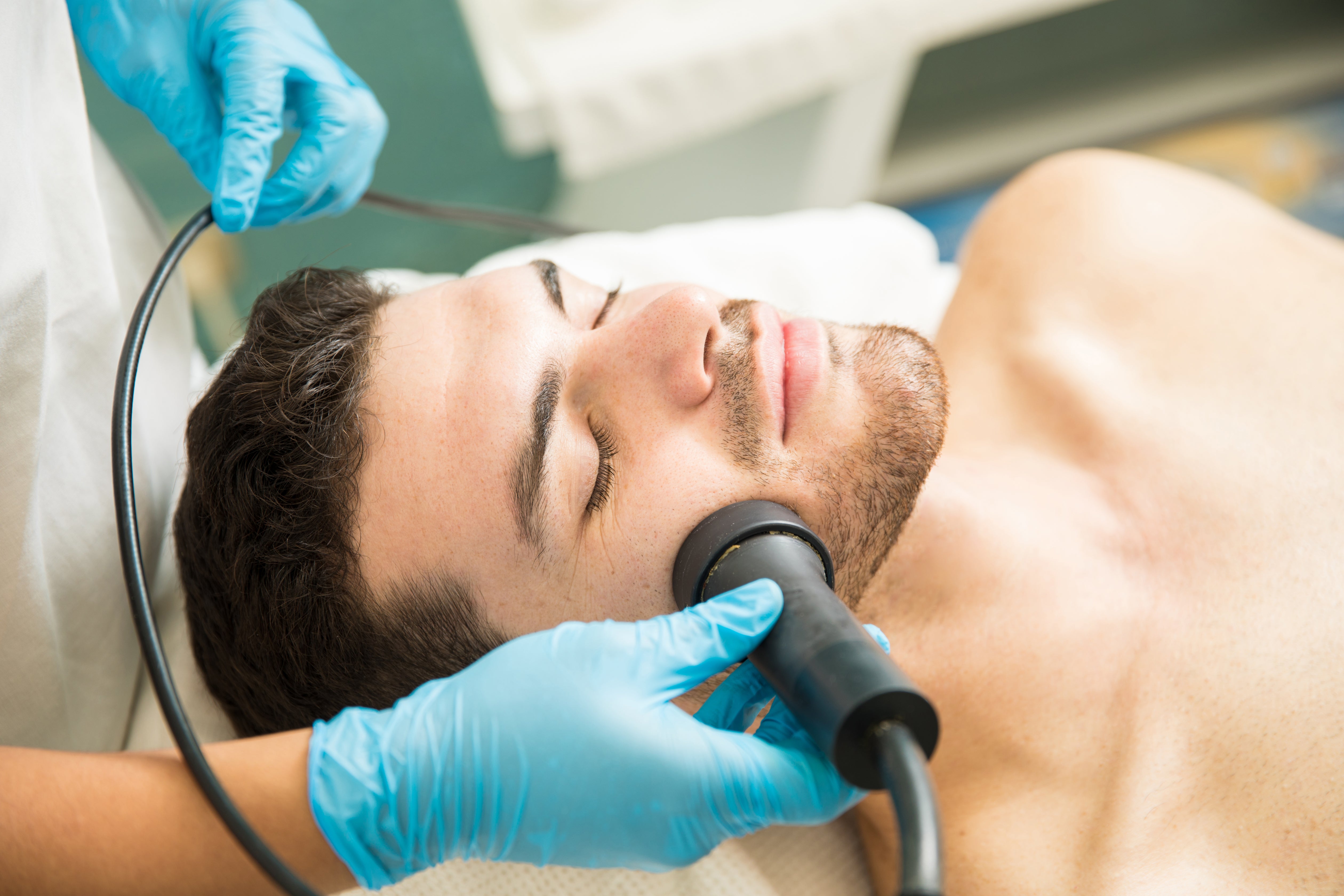
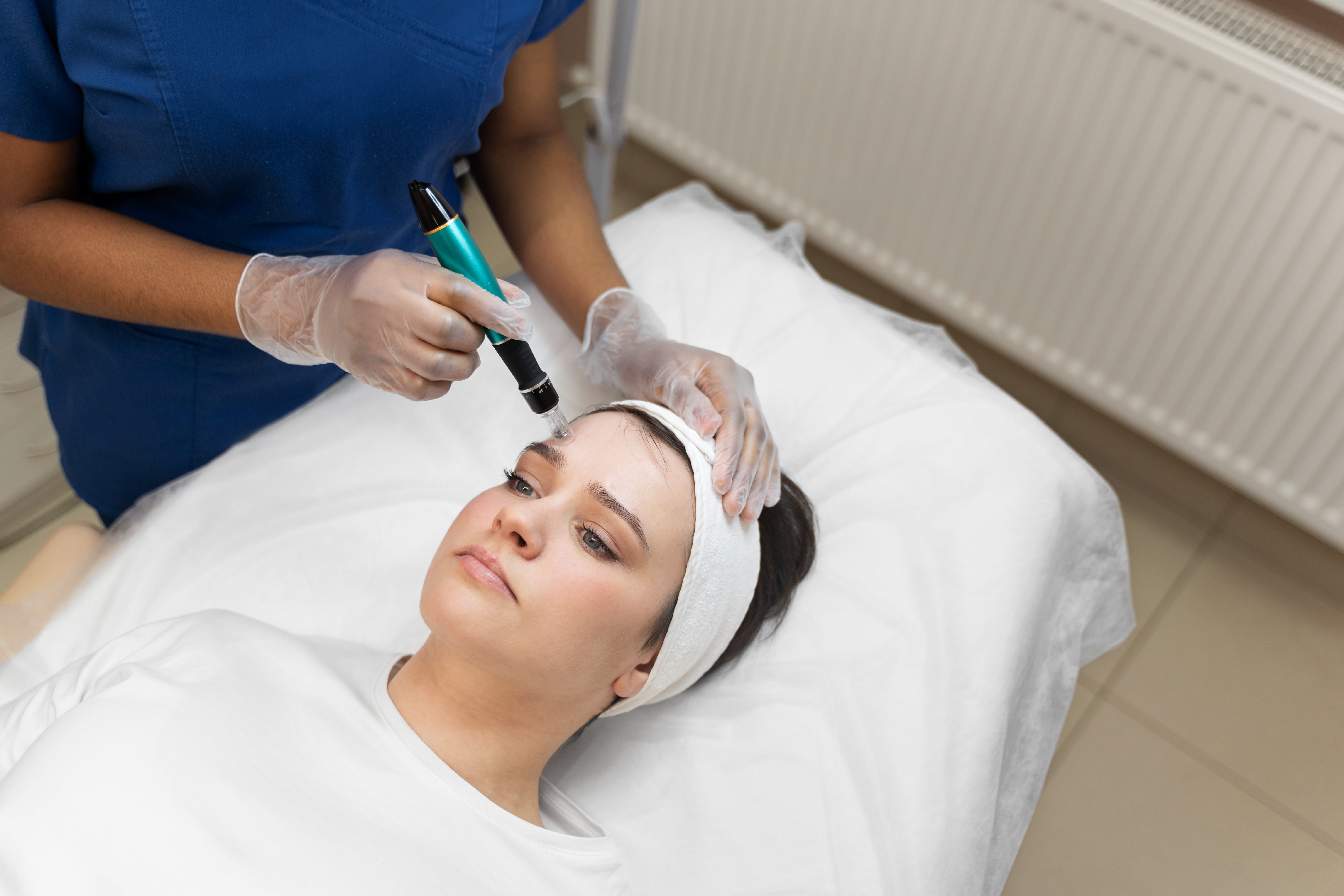
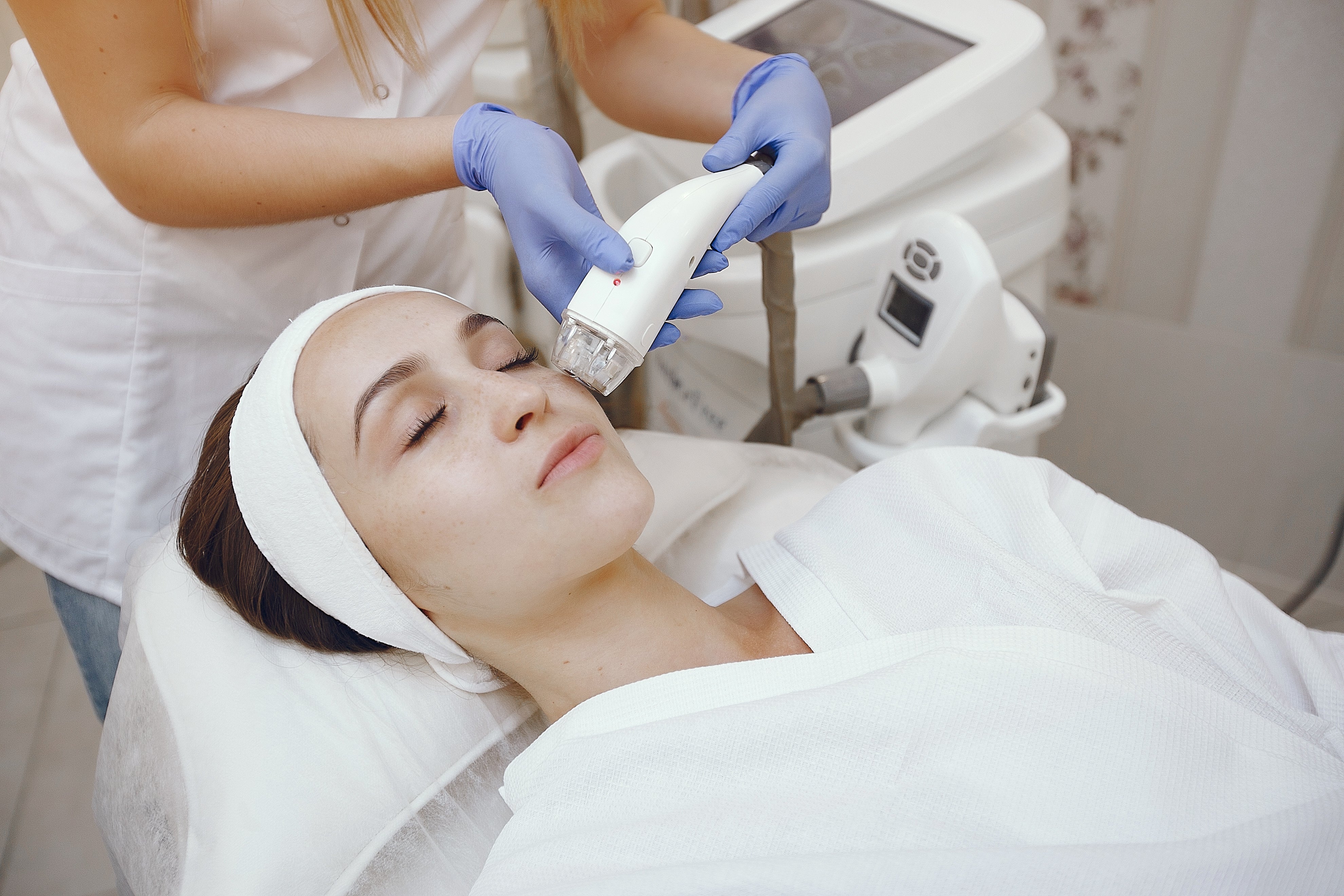
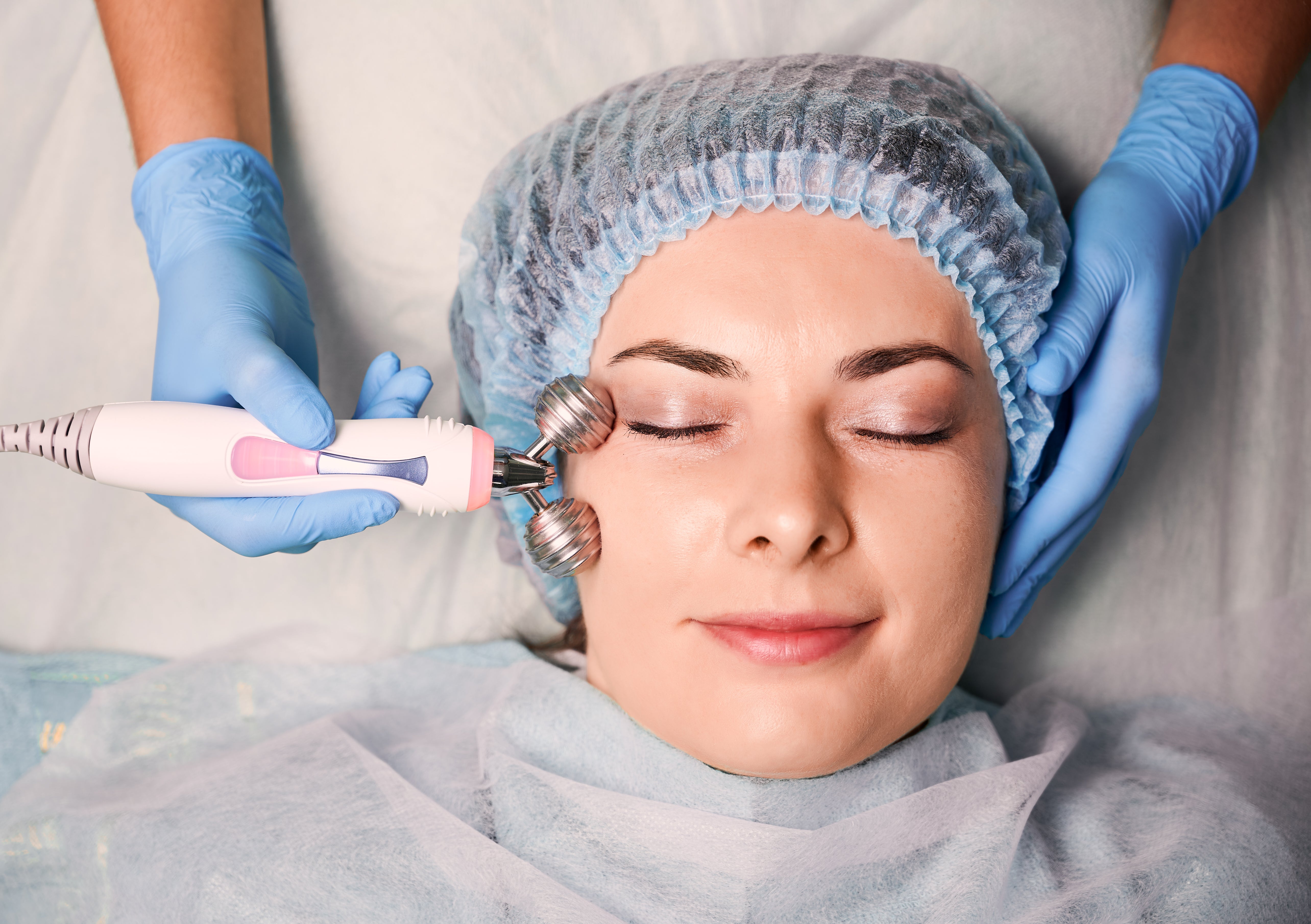
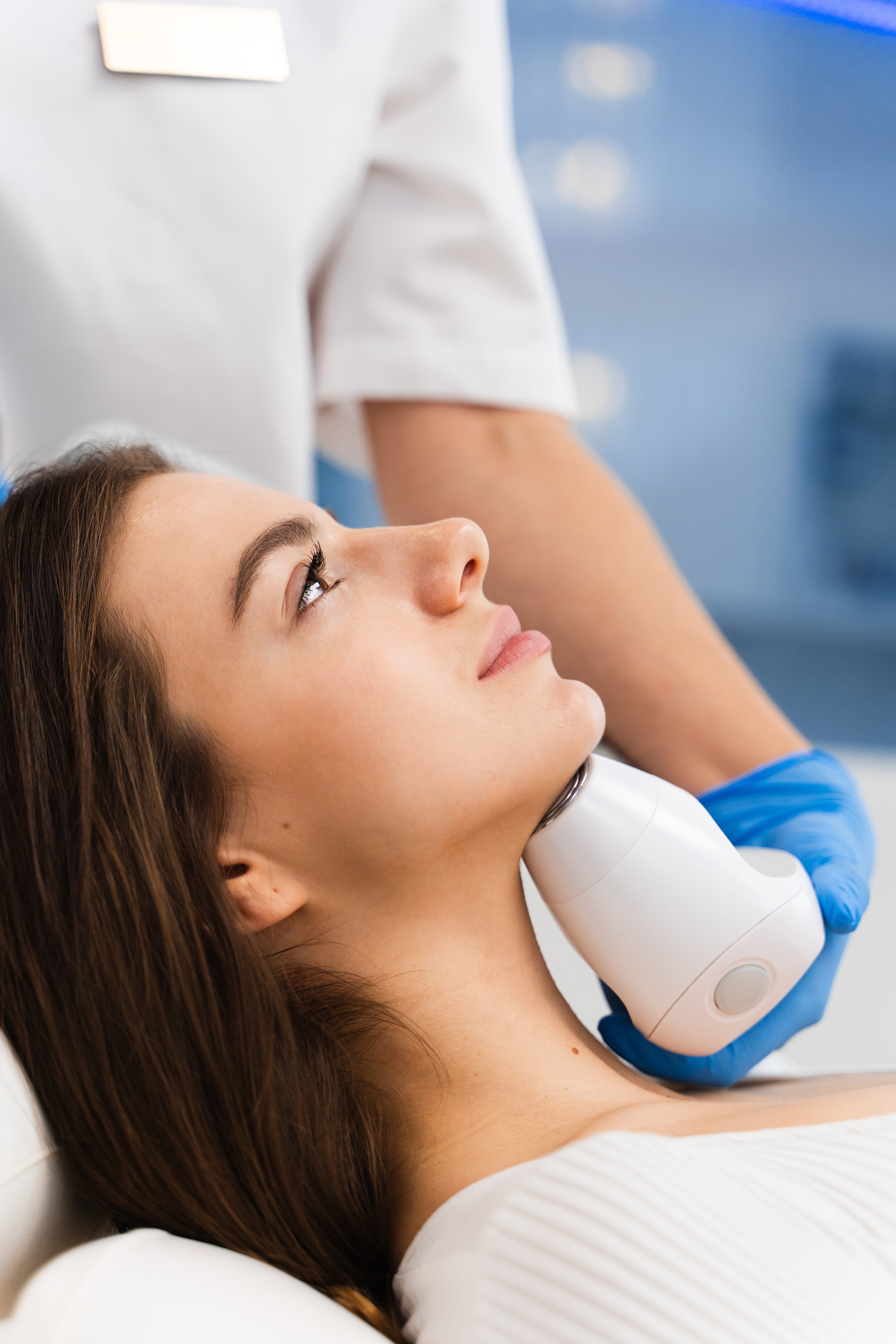
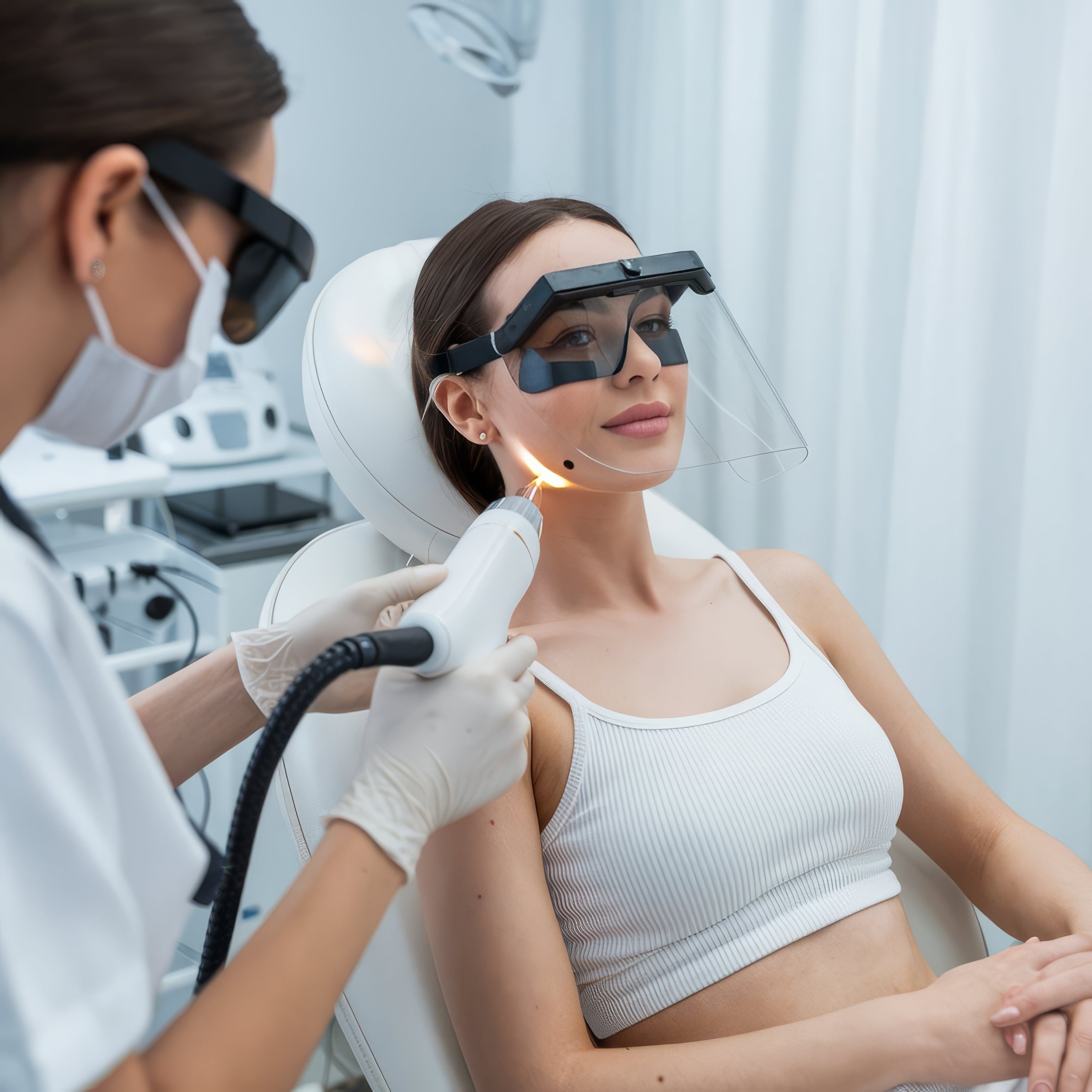
Facial hair can be a persistent concern, especially when repeated methods like threading, waxing, or shaving lead to irritation, pigmentation, ingrown hairs, or rapid regrowth. Laser facial hair reduction is a medically guided approach designed to reduce unwanted facial hair progressively while preserving skin health. This article explains the science behind laser facial hair reduction, who it is suitable for, expected results, safety considerations, and how outcomes differ based on skin type and hormonal factors. What Is Laser Facial Hair Reduction? Laser facial hair reduction is a dermatologist-supervised procedure based on selective photothermolysis. The laser targets melanin (pigment) within the hair shaft and follicle, delivering controlled heat that reduces the follicle’s ability to produce thick, terminal hair over time. Because facial skin is thinner and more pigment-sensitive than body skin, treatment parameters must be carefully selected—especially for Indian skin tones and hormonally driven hair growth. How Laser Facial Hair Reduction Works Laser energy is absorbed by melanin in the hair follicle. This energy converts to heat, which gradually weakens the follicle during the anagen (active growth) phase. Key points to understand: Not all hair grows at the same time Only follicles in the active phase respond optimally. Multiple sessions are required for a meaningful reduction. Most people require 6–8 sessions, spaced several weeks apart, to achieve long-lasting hair reduction. When performed using appropriate wavelengths and cooling systems, laser hair reduction can be safely used for Fitzpatrick skin types III–VI, which are common in India. Common Facial Areas Treated Laser facial hair reduction is commonly used for: Upper lip Chin Jawline Sideburns and cheeks Forehead hairline Hair between the eyebrows PCOS-related facial hair growth Laser Facial Hair Reduction and Hormonal Hair Growth Conditions such as PCOS, hirsutism, and insulin resistance can influence facial hair growth patterns. Laser can significantly reduce hair thickness and growth speed in these cases, but expectations must be realistic. In hormonally driven hair growth: More sessions may be required Maintenance sessions may be needed. Underlying hormonal management improves longterm result. Medical Evaluation Before Laser Treatment A dermatologist-led approach typically includes: 1. Skin, Hair, and Hormonal Assessment Evaluation may include menstrual history, PCOS indicators, thyroid patterns, medication use, and genetic factors—only when clinically relevant. 2. Dermoscopy and Growth Pattern Mapping Magnified examination helps assess: Hair thickness and density Follicle distribution Pigment behavior 3. Personalized Laser Settings Parameters are adjusted based on: Skin tone Hair caliber Sensitivity Hormonal background This customization is critical to reduce risks such as burns or pigmentation. What Happens During a Laser Session? Treatment duration: 10–20 minutes, depending on the area Cooling systems reduce discomfort. Sensation is often described as mild warmth or a sensation. Temporary redness or sensitivity may occur and typically settles within a few hours. Benefits of Laser Facial Hair Reduction Reduced Ingrown Hair Laser therapy lowers follicular inflammation, reducing ingrown hair and folliculitis. Smoother Skin Texture By avoiding repeated mechanical trauma, skin appears calmer and more even. Lower LongTerm Maintenance After the initial course, many individuals need only occasional maintenance sessions. Cost Efficiency Over Time Reduced dependence on frequent salon visits or home hair removal methods. Is Laser Facial Hair Reduction Safe? Laser facial hair reduction is considered safe when performed under medical supervision using appropriate devices and settings. Temporary effects may include: Mild redness Warmth Sensitivity Risks increase when: Unregulated devices are used Skin type and hair characteristics are not assessed. Incorrect energy settings are applied. Aftercare instructions are ignored. Proper evaluation significantly reduces the risk of pigmentation or burns. Laser Facial Hair Reduction for Men Men often have thicker and denser facial hair, requiring adjusted settings. Common uses include: Beard shaping Neckline correction Cheekline definition Laser Facial Hair Reduction for Women Frequently used for: PCOS-related facial hair. Fine to coarse hair on the face Recurrent ingrown hair caused by waxing or threading Expected Results and Timeline Laser hair reduction leads to: Thinner, slower-growing hair Reduced density over time Visible improvement usually becomes noticeable after 2–3 sessions, with progressive reduction over subsequent treatments. Complete removal is not guaranteed, but long-lasting reduction is achievable for most individuals. Can Laser Facial Hair Reduction Be Permanent? Laser offers longterm reduction rather than absolute permanence. Hormonal factors, genetics, and age influence regrowth patterns. Maintenance sessions may be required, especially in hormonally driven cases. Frequently Asked Questions Is laser facial hair reduction painful? Most people experience mild discomfort. Cooling systems significantly reduce pain. Can lasers worsen facial hair growth? Rarely, paradoxical hair growth can occur, particularly in hormonal patterns. Proper assessment minimizes this risk. Is laser safe for sensitive or acne-prone skin? Often yes. Settings and timing are adjusted based on active inflammation. How many sessions are needed?Most individuals need 6–8 sessions. Some may need maintenance. Laser facial hair reduction is a scientifically grounded, dermatologist-guided procedure that can significantly reduce unwanted facial hair while improving skin comfort and appearance. Outcomes depend on accurate assessment, correct technology, and realistic expectations—especially in hormonally influenced hair growth.
Learn more