



















10 Best SPF 50 Sunscreens in India (2026): Dermatologist-Picked for Every Skin Type

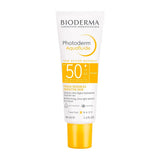
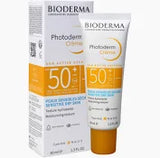
Quick answer: The best SPF 50 sunscreen is the one that suits your skin type and that you'll actually reapply. For oily, acne-prone skin, choose a matte or gel sunscreen; for dry skin, a hydrating cream; for sensitive skin, a mineral (zinc oxide) formula; and for daily wear under makeup, a tinted SPF 50. Whatever you pick, it should be broad-spectrum (UVA + UVB), SPF 50, PA+++ or higher, and applied every morning. Explore dermatologist-selected sunscreens at allodermis.com.
TL;DR - SPF 50 is the daily minimum for Indian sun. Match the formula to your skin type (matte/gel for oily, cream for dry, mineral for sensitive, tinted for makeup days), use two finger-lengths for the face and neck, and reapply every 3-4 hours outdoors. Sunscreen is also the single most important step in any pigmentation or anti-ageing routine.
Why SPF 50 matters (especially in India)
India gets intense UV year-round, and sun damage is the leading cause of tanning, pigmentation, dark spots, premature ageing and dullness - the exact concerns most people visit a dermatologist for. Daily sunscreen is the cheapest, most effective anti-ageing and anti-pigmentation product you can own.
Here's what the label terms mean:
- SPF 50 measures protection against UVB rays (which cause burning and contribute to skin cancer). SPF 50 blocks roughly 98% of UVB when applied correctly.
- PA+++ / PA++++ measures UVA protection (the rays that drive ageing and pigmentation). Higher is better.
- Broad-spectrum means it protects against both UVA and UVB - always choose this.
For anyone using pigmentation treatments, retinoids or undergoing procedures like peels or laser, sunscreen isn't optional - it's half the treatment. Skipping it is the number-one reason those treatments fail.
How to choose the right SPF 50 sunscreen for your skin type
Use this quick guide, then see the picks below.
| Your skin type | Best sunscreen formula |
|---|---|
| Oily / acne-prone | Matte or gel, oil-free, non-comedogenic |
| Dry / dehydrated | Hydrating cream or lotion with moisturising agents |
| Sensitive / reactive | Mineral (zinc oxide / titanium dioxide) |
| Combination | Lightweight fluid or gel-cream |
| Makeup / daily wear | Tinted SPF 50 (doubles as light coverage) |
| Outdoor / sports | Water-resistant, high PA rating |
Chemical vs mineral: Chemical sunscreens absorb UV and feel lightweight (great for oily skin). Mineral sunscreens sit on top and reflect UV (best for sensitive skin, but can leave a slight white cast). Many modern formulas are hybrids.
10 best SPF 50 sunscreens in India (by skin type & need)
Below are dermatologist-recommended sunscreen categories with the kind of formula to look for. Allodermis stocks dermatologist-selected SPF 50 sunscreens across all these needs - browse the full range at allodermis.com.
1. Best matte SPF 50 for oily & acne-prone skin
Look for an oil-free, non-comedogenic gel or matte sunscreen that controls shine without clogging pores. Ideal for humid Indian weather and anyone prone to breakouts. Pair it with our guide to the best sunscreen for oily, acne-prone skin.
2. Best gel SPF 50 for combination skin
A lightweight gel or gel-cream SPF 50 hydrates lightly without greasiness - suited to combination skin that's oily in the T-zone and normal elsewhere.
3. Best hydrating SPF 50 cream for dry skin
Dry skin needs a moisturising cream or lotion SPF 50 that protects while it hydrates, reducing flaking and tightness. See our dedicated sunscreen for dry skin guide.
4. Best mineral (zinc oxide) SPF 50 for sensitive skin
Sensitive, reactive or rosacea-prone skin does best with a mineral sunscreen using zinc oxide and/or titanium dioxide, which is gentle and less likely to sting or irritate.
5. Best tinted SPF 50 for daily wear & makeup
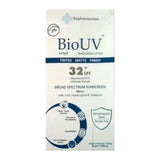
A tinted SPF 50 gives light coverage, evens tone and avoids a white cast - perfect as a daily base or under makeup. Tinted mineral formulas also help block visible light, which can worsen melasma.
6. Best SPF 50 for pigmentation & melasma-prone skin
If you're treating pigmentation, choose a broad-spectrum SPF 50 PA++++, ideally tinted, to shield against UVA and visible light. This is essential alongside any pigmentation cream or serum - see our pigmentation creams guide.
7. Best lightweight fluid SPF 50 for everyday comfort
A fluid or watery-texture SPF 50 absorbs fast with no heaviness - great for people who dislike thick sunscreens and skip reapplication because of it.
8. Best SPF 50 for men
Men often prefer a quick-absorbing, matte, non-sticky SPF 50 that works under a beard and doesn't leave residue. The same skin-type rules apply.
9. Best water-resistant SPF 50 for outdoors & sports
For long outdoor hours, choose a water-resistant SPF 50 with a high PA rating, and reapply more frequently, especially after sweating or swimming.
10. Best SPF 50 for use after treatments (peels, laser, actives)
After chemical peels, laser or while using retinoids, skin is more sun-sensitive. A gentle, broad-spectrum SPF 50 (often mineral) is essential to protect results and prevent post-treatment pigmentation.
How to apply sunscreen correctly
Even the best sunscreen fails if you under-apply. Follow these rules:
- Use enough: about two finger-lengths of product for the face and neck.
- Apply as the last skincare step in the morning (after moisturizer), and before makeup.
- Wait 10-15 minutes before sun exposure so it sets.
- Reapply every 3-4 hours, and more often outdoors, after sweating or swimming.
- Don't forget ears, neck, hands and any exposed areas.
- Wear it indoors too if you're near windows - UVA passes through glass.
Common mistake: applying a thin layer. Most people use only 25-50% of the amount needed, which drastically lowers real-world protection. Be generous.
Do you apply moisturizer or sunscreen first?
Moisturizer first, sunscreen last. Cleanse, apply any serums, then moisturizer, and finish with sunscreen as the final layer before makeup. If you're short on time, a moisturising SPF 50 can combine the last two steps - but a dedicated sunscreen usually gives more reliable protection. For a full routine breakdown, see our guide on whether to apply moisturizer or sunscreen first.
When to see a dermatologist
Sunscreen prevents damage, but book a consultation if you already have:
- Stubborn pigmentation, melasma or dark spots that need targeted treatment
- Sun tan you want removed professionally
- Signs of sun ageing (fine lines, dullness, uneven tone)
- Sensitive or reactive skin and you're unsure which sunscreen suits you
At Allodermis, dermatologists treat sun-related concerns and can recommend the right sunscreen for your skin:
Book a consultation: +91 9717503031 - WhatsApp us - Try the free AI Skin Analysis
Frequently Asked Questions
Which is the best SPF 50 sunscreen in India?
The best SPF 50 sunscreen is the one that matches your skin type: a matte or gel formula for oily, acne-prone skin, a hydrating cream for dry skin, a mineral (zinc oxide) formula for sensitive skin, and a tinted SPF 50 for daily or makeup wear. It should be broad-spectrum, SPF 50, PA+++ or higher. Browse dermatologist-selected options at allodermis.com.
Is SPF 50 enough for Indian sun?
Yes, SPF 50 is a suitable daily minimum for Indian conditions, blocking roughly 98% of UVB when applied correctly. What matters most is applying enough (two finger-lengths for the face and neck) and reapplying every 3-4 hours outdoors.
What is the difference between SPF and PA?
SPF measures protection against UVB rays (burning), while PA measures protection against UVA rays (ageing and pigmentation). For full protection, choose a broad-spectrum SPF 50 with PA+++ or PA++++.
Which sunscreen is best for oily, acne-prone skin?
A matte or gel, oil-free, non-comedogenic SPF 50 is best for oily and acne-prone skin, as it controls shine and won't clog pores. Avoid heavy, greasy creams that can trigger breakouts.
Which sunscreen is best for dry skin?
A hydrating cream or lotion SPF 50 with moisturising agents is best for dry skin, as it protects while reducing flaking and tightness. Mineral hydrating formulas suit dry, sensitive skin especially well.
Is mineral or chemical sunscreen better?
Neither is universally better. Chemical sunscreens are lightweight and blend easily (good for oily skin), while mineral sunscreens (zinc oxide/titanium dioxide) are gentle and ideal for sensitive skin. Choose based on your skin type; many modern formulas are hybrids.
Do I apply moisturizer or sunscreen first?
Apply moisturizer first, then sunscreen last, as the final skincare step before makeup. Sunscreen needs to sit on top to protect effectively. A moisturising SPF 50 can combine both steps if you're short on time.
How often should I reapply sunscreen?
Reapply every 3-4 hours, and more often if you're outdoors, sweating or swimming. A single morning application wears off through the day, so reapplication is essential for real protection.
Can sunscreen help with pigmentation and melasma?
Yes - daily broad-spectrum SPF 50, ideally tinted, is essential for pigmentation and melasma, because UVA and visible light drive these conditions. Sunscreen is considered half of any pigmentation treatment plan; without it, results stall or reverse.
Medically reviewed by the Allodermis MD Dermatology team. This article is for general education and does not replace an in-person consultation. Always patch test new products. Last updated: 14 September 2026.
Authors & medical review
Swaraj Dhar is a sociopreneur, technologist, and the co-founder of Allodermis.
Every article is fact-checked against current peer-reviewed dermatology literature and Allodermis clinical protocols.
This article was last reviewed and updated on . Published .
Have a skin or hair concern?
Book a free consultation with our AIIMS MD dermatologists. Clinics in Bhubaneswar, Gurgaon, and Delhi NCR.