
















Acne Treatment Guide: What Works for Clear Skin

Updated on: 2026-06-19
Acne treatment works best when it targets the main causes of breakouts, including clogged pores, inflammation, and excess oil. A reliable routine combines gentle cleansing, evidence-based active ingredients, and consistent daily use. Patch testing and skin barrier support reduce the risk of irritation and treatment setbacks. With the right plan and realistic timelines, many people see meaningful improvement over time.
1. What Acne Treatment Should Focus On
2. Product Spotlight: A Targeted SPF Approach
3. Step-by-Step How-To Build an Acne Treatment Routine
4. Personal Experience: Turning Irritation Into Consistency
5. Summary & Recommendations
6. Q&A Section
7. About the Author
What Acne Treatment Should Focus On
Acne treatment is not a single product. It is a coordinated plan that reduces breakouts and supports healthier skin. When you choose an approach, focus on the root drivers of acne. Most acne involves clogged pores, increased oil production, inflammation, and the presence of acne-causing bacteria. When these factors are addressed together, results tend to be more stable.
Clogged pores often form when dead skin cells and sebum block the opening of hair follicles. Inflammation can then make lesions look red and feel tender. Because these cycles repeat, a routine must be consistent. It also must be gentle enough to avoid barrier damage. When the skin barrier is impaired, irritation can increase, which may worsen the appearance of acne.
A strong acne treatment routine typically includes four pillars: a cleanser that removes oil without stripping, an active ingredient plan designed to treat acne, moisturization to maintain comfort and resilience, and daily sun protection to support overall skin tone and prevent post-breakout marks. If you skip one pillar, your plan may still help, but it often becomes harder to stick with.

Diagram-style: clogged pore, oil flow, and redness
Product Spotlight: A Targeted SPF Approach
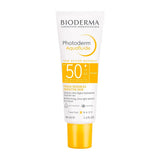
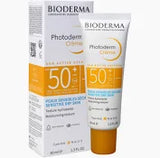
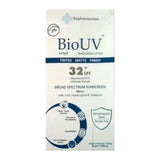
When acne treatment includes sun protection, it can help reduce the risk of dark marks after breakouts. Sun exposure can worsen discoloration and uneven tone, especially when skin is inflamed. A lightweight sunscreen can support a clear-skin goal by protecting daily and pairing well with other steps.
Look for an acne-friendly sunscreen format that feels light and layers without heavy residue. A smooth finish helps you stay consistent. Consistency is crucial because acne care depends on daily adherence rather than occasional use.
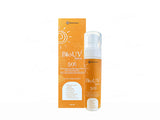
To support your routine, you may consider an acne-friendly SPF option from Allodermis. For example, you can review acne UV gel SPF for a focus on daily protection that can integrate into an active skincare routine.
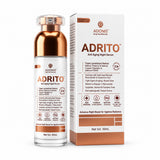
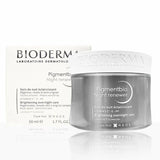
If you prefer a broader skin-support angle, a proactive serum can complement targeted care. You may also explore proactive serum for an approach that emphasizes daily skin readiness and balanced texture.
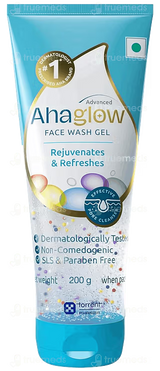
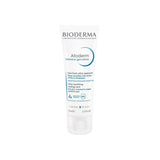
Finally, do not underestimate the role of cleansing. A gentle, non-stripping cleanser can reduce excess oil while keeping the skin calm. For a cleanser option, review gentle cleanser.
Step-by-Step How-To Build an Acne Treatment Routine
The following routine is designed to be practical and repeatable. It balances active care with barrier comfort. Adjust based on your skin sensitivity, and prioritize gradual changes rather than adding many new steps at once.
-
Step 1: Cleanse with a gentle approach. Use a mild cleanser once or twice daily. Focus on removing oil and sweat without over-scrubbing. Over-cleansing can increase dryness and irritation, which may make acne look worse.
-
Step 2: Add one targeted active ingredient. Choose one treatment strategy first. Options often include salicylic acid, benzoyl peroxide, or retinoid-based care, depending on tolerance. Starting with a single active reduces the risk of compounding irritation.
-
Step 3: Moisturize to protect comfort. Use a light moisturizer that does not feel heavy. A stable skin barrier supports better tolerance of acne actives. When skin feels tight, you may need a more soothing formula or less frequent application.
-
Step 4: Apply sun protection every morning. Use sunscreen as the final step in your morning routine. Daily SPF supports tone consistency and reduces the chance that post-breakout marks deepen. If your skin is acne-prone, choose a formula that feels comfortable and stays consistent.
-
Step 5: Introduce treatment changes gradually. Increase frequency only if your skin remains calm. If irritation occurs, pause the active and focus on cleanser and moisturizer for several days. Resume slowly after the skin stabilizes.
-
Step 6: Use a spot-support strategy for inflamed breakouts. For highly visible lesions, you can use targeted care rather than applying strong products to the entire face. Spot care can reduce irritation spread and keep your routine manageable.
-
Step 7: Track what you change. Keep a simple log of products and how your skin responds. This makes it easier to identify which step helps and which one triggers dryness or redness. Tracking also helps you avoid cycling through many solutions at once.
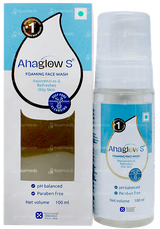
If your acne treatment plan also includes brightening support for uneven tone, consider gentle exfoliation and hydration. A foaming face wash designed for a balanced routine may fit in during the cleansing step. You can review foaming face wash as an example of a cleanse that many people find compatible with daily routines.
For additional hydration that can help skin feel resilient, a lightweight lotion can be useful in the middle of the day or after cleansing. You may consider facial hydrating lotion.

Routine timeline: cleanse, treat, moisturize, protect
Personal Experience: Turning Irritation Into Consistency
I used to treat acne treatment as a search for the fastest solution. I would add multiple actives within days, then stop when my skin felt dry and reactive. The outcome was predictable: breakouts appeared, and the skin barrier looked stressed. Instead of fewer lesions, I saw more redness and sensitivity, which made my routine feel overwhelming.
Later, I shifted to a simpler method. I kept cleansing gentle and reduced active overload. I chose one treatment direction and used moisturization consistently. Most importantly, I added daily sun protection. Over time, my skin looked calmer and my routine became easier to follow.
This change helped because acne is not only about one moment. It is about managing cycles. A routine that you can repeat every day is often more effective than a routine that you abandon after irritation. If you experience burning, peeling, or persistent redness, your plan may be too aggressive for your current skin barrier level. That is not a failure. It is a signal to slow down and simplify.
Acne treatment outcomes are more realistic when you treat your skin like a system. Cleansing affects how actives feel. Moisturizer affects tolerance. SPF affects long-term marks. When these components work together, breakouts and post-breakout discoloration often improve in a more stable way.
Summary & Recommendations
Acne treatment is most successful when it focuses on the causes behind breakouts and supports long-term skin health. Begin with gentle cleansing, use one targeted active at a time, moisturize to maintain comfort, and include daily sun protection. Consistency and skin-barrier respect usually outperform frequent changes.
Recommendation checklist:
Use a mild cleanser and avoid aggressive scrubbing.
Introduce one acne-targeted active strategy first.
Moisturize daily to reduce irritation and improve tolerance.
Apply SPF every morning to help protect tone and reduce dark-mark deepening.
Track your routine changes to identify what works for your skin.
If you want to refine your routine, start by selecting compatible basics. For morning protection, consider an acne-friendly SPF option such as acne UV gel SPF. For gentle cleansing, evaluate gentle cleanser. For hydration support, you may review facial hydrating lotion.
Q&A Section
How long should acne treatment be followed before judging results?
Acne treatment is typically evaluated by how your skin responds over repeated days and weeks. Judging too early often leads to unnecessary changes. A more accurate approach is to keep your plan steady long enough for your routine to show patterns. If irritation is severe, reduce active frequency first and then reassess once the skin is calmer.
Can acne treatment be done without drying the skin?
Yes. A drying experience usually comes from overuse of strong actives, overly harsh cleansing, or insufficient moisturization. Using gentle cleansing, adding moisturizer, and reducing active frequency during flare periods can help maintain comfort. When the skin barrier is supported, your treatment tends to be easier to maintain.
What should I do if my acne treatment causes redness or burning?
Stop the most irritating step first and keep the routine simple. Return to gentle cleansing and supportive moisturization while your skin calms down. Resume active treatment gradually and consider using it less frequently. Persistent burning, swelling, or worsening symptoms should be discussed with a qualified healthcare professional.
Does sun protection matter in an acne treatment routine?
Sun protection is an essential part of acne treatment for many people. Breakouts often leave marks, and UV exposure can deepen discoloration. Daily sunscreen helps support a more even tone and protects skin that may be more sensitive during acne care.
About the Author Section
Allodermis
Allodermis is a skincare and dermatology-minded team focused on evidence-based routines and product compatibility for acne-prone and tone-sensitive skin. Our expertise centers on building practical daily systems that balance treatment effectiveness with barrier comfort. We encourage thoughtful, consistent skincare rather than rapid changes. Thank you for reading, and we hope this guidance helps you build a routine you can sustain.
Disclaimer: This article is for general informational purposes only and does not replace professional medical advice, diagnosis, or treatment. Individual results vary. If you have severe acne, painful lesions, or signs of infection, consult a qualified healthcare professional before changing your routine.
Authors & medical review
Swaraj Dhar is a sociopreneur, technologist, and the co-founder of Allodermis.
Every article is fact-checked against current peer-reviewed dermatology literature and Allodermis clinical protocols.
This article was last reviewed and updated on . Published .
Have a skin or hair concern?
Book a free consultation with our AIIMS MD dermatologists. Clinics in Bhubaneswar, Gurgaon, and Delhi NCR.