




















Acne Treatment Solutions: What Actually Helps

Updated on: 2026-06-09
Acne treatment solutions work best when they match your skin type and acne pattern. A practical routine should balance cleansing, targeted active ingredients, and daily sun protection. Many people improve faster by combining spot-focused care with consistent barrier support. This guide explains how to choose acne treatment solutions responsibly and how to build a routine that can be sustained.
TLDR | Introduction | Product Spotlight | Did You Know? | Pros & Cons Analysis | FAQ | Conclusion & CTA
TLDR: Acne treatment solutions should be selected based on acne type, skin sensitivity, and routine consistency. Use gentle cleansing, add evidence-based active ingredients in a controlled way, and do not skip sunscreen. When irritation appears, reduce frequency and prioritize barrier-friendly steps. Track progress over time and adjust with a professional when needed.
Acne treatment solutions: how to choose and combine them for reliable results
Acne is not only a skin surface issue. It often involves clogged pores, inflammation, and skin barrier disruption. For that reason, acne treatment solutions should not be random or purely cosmetic. The most effective approach is structured care that targets the main driver of your breakouts while supporting your skin between flare-ups.
In this guide, you will learn how to identify common acne patterns, how to select ingredient categories, and how to assemble a routine that stays comfortable. You will also see how a few well-chosen steps can reduce friction, improve tolerance, and help your skin respond more consistently.
As you read, keep your expectations realistic. Acne management is rarely linear. Changes in texture, oil balance, and redness can vary by individual. However, a disciplined routine can reduce the frequency of new lesions and limit post-acne marks.
Product Spotlight: oil-control cleansing for acne-prone skin
When acne treatment solutions are discussed, many people focus on strong actives only. In practice, cleansing is the foundation. A gentle cleanser can remove excess oil and daily buildup without stripping. This step helps prevent re-clogging and reduces the risk of irritation when you use targeted products.
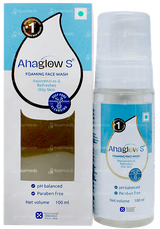
One option that aligns with this foundation is a daily oil-control foam wash designed for acne-prone needs. If your breakouts are linked to oiliness, this style of cleanser can help you start your routine with a cleaner surface and less active product waste.

Illustration of pores clearing, gentle foam, and balance
For example, you can consider Cetaphil Pro Oil Control Foam Wash as a cleansing base. Use it once daily at first if your skin is sensitive, then increase only if your skin remains comfortable. Pairing a stable cleanser with a targeted leave-on active is often more effective than relying on a single step.
Importantly, avoid over-washing. Excess cleansing can worsen dryness and trigger a compensatory increase in oil production. Consistency matters more than intensity.
Did You Know?
- Acne often clusters around “oil-meets-friction” areas such as the forehead, cheeks, and jawline.
- Inflammation can persist even after visible bumps improve, so routine support matters.
- Sun exposure can worsen dark marks after acne, which is why sunscreen is a key acne treatment solutions step.
- Barrier-supportive habits reduce the likelihood of irritation when using strong actives.
Pros & Cons Analysis: ingredient categories in acne treatment solutions
Acne treatment solutions typically rely on ingredient categories that work in different ways. The best plan combines compatible categories while managing irritation. The table below summarizes common options and realistic trade-offs.
| Ingredient category | What it targets | Pros | Potential cons | Best fit |
|---|---|---|---|---|
| Salicylic acid (BHA) | Clogged pores | Helps reduce blackheads and whiteheads; typically versatile for oily skin | Can cause dryness or stinging in sensitive skin | Comedonal acne and uneven texture |
| Benzoyl peroxide | Inflammatory lesions | Reduces bacteria and supports lesion control | May irritate and can bleach fabrics | Red, tender breakouts |
| Retinoids (topical) | Pore turnover and prevention | Supports long-term acne control and texture improvement | Often requires slow introduction; initial dryness can occur | Recurring acne and visible texture concerns |
| Azelaic acid | Acne, redness, and post-acne marks | Can be gentler for many users; supports a more even look | May tingle for some skin types | Mixed acne with redness and uneven tone |
| Soothing and barrier support | Skin comfort and tolerance | Improves the ability to stick with actives | May not fully treat active acne alone | Dryness, sensitivity, and routine adherence |
Because different categories can overlap, you should prioritize compatibility. For instance, using multiple strong actives at once can lead to irritation that makes acne treatment solutions harder to sustain. Instead, introduce changes one at a time.
How to build a routine that is consistent
- Cleanse once daily to start, then adjust to your skin tolerance.
- Treat with one main acne-active ingredient first, such as salicylic acid, azelaic acid, or a retinoid approach.
- Moisturize with a lightweight, non-greasy formula to support barrier function.
- Protect with sunscreen every morning, especially if you use acne actives.
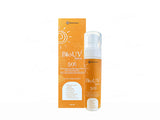
In many cases, sunscreen improves tolerance and reduces the risk of dark marks that persist after breakouts. If you require an acne-friendly daytime step, consider IPCA Acne UV Gel SPF 50 to support daily protection.

Layering routine steps: cleanse, treat, moisturize, protect
FAQ Section
What are acne treatment solutions that work for different acne types?
Different acne types often require different targets. Comedonal acne (blackheads and whiteheads) generally responds to pore-clearing ingredients such as salicylic acid. Inflammatory acne (red bumps and tender lesions) often benefits from antibacterial or anti-inflammatory categories such as benzoyl peroxide. For acne that recurs and leaves marks, a retinoid approach and supportive ingredients like azelaic acid can be useful. The most reliable plan matches the active to the predominant acne pattern.
How do I combine actives without irritating my skin?
Start with one active category and introduce it slowly. Use a lower frequency at first, then increase only if your skin remains comfortable. When adding a second active, consider timing changes. For example, use one active in the evening and another in the morning, rather than stacking multiple actives in the same routine step. Always include moisturizing support and daily sunscreen. If irritation appears, reduce frequency and focus on barrier comfort.
Why does sunscreen matter when using acne treatment solutions?
Sunscreen is essential because many acne actives can increase sensitivity to light, and post-acne marks can become more visible with sun exposure. Daily protection helps reduce the appearance of dark spots and supports overall skin tone recovery. A consistent sunscreen step also improves the long-term appearance of skin texture after acne activity decreases.
Which supporting products help acne-prone skin feel balanced?
Acne-prone skin often needs gentle cleansing and lightweight moisturization to maintain comfort. When your skin barrier is stable, you can better tolerate acne-focused actives. Some users also benefit from hydration products that reduce tightness after cleansing. If you want a gentle base, Cetaphil Gentle Cleanser can be a practical option for many routines, particularly when you are introducing stronger treatment steps.
Conclusion & CTA
Acne treatment solutions are most effective when they follow a clear strategy: gentle cleansing, one primary active that targets your acne type, supportive moisturization, and daily sunscreen. Avoid treating acne with intensity alone. Instead, choose compatible ingredient categories and introduce them in a controlled manner so you can maintain the routine.
If you are building your next routine, review your current steps and select one area to improve first, such as cleansing comfort or daytime protection. Explore carefully matched options on Allodermis and compare ingredient benefits to your skin needs. For additional targeted care, consider azelaic-acid-focused serum options and hydration-supporting products that help you stay consistent.
Disclaimer: This article is for educational purposes only and does not replace professional medical advice. Individual skin responses vary. If you experience severe irritation, worsening acne, or signs of an allergic reaction, discontinue use and consult a qualified healthcare professional.
About the Author
Allodermis is supported by a team with expertise in skincare formulation and routine design for acne-prone needs. The content is developed to help readers understand ingredient categories, tolerance strategies, and practical daily habits that support skin comfort. For best results, build your routine gradually and use products in a way that aligns with your sensitivity. Thank you for reading, and continue refining your acne management approach with consistency.
Authors & medical review
Swaraj Dhar is a sociopreneur, technologist, and the co-founder of Allodermis.
Every article is fact-checked against current peer-reviewed dermatology literature and Allodermis clinical protocols.
This article was last reviewed and updated on . Published .
Have a skin or hair concern?
Book a free consultation with our AIIMS MD dermatologists. Clinics in Bhubaneswar, Gurgaon, and Delhi NCR.