





























Updated on: 2026-05-18
Advanced skincare technologies help improve the way skin products deliver actives and support skin barrier health.
Modern systems such as encapsulation, delivery gradients, and precision hydration can enhance consistency and reduce common irritation from poorly matched formulas.
Smart approaches to exfoliation, sun protection, and ingredient stabilization support long-term results rather than short-lived effects.
When you pair the right technology with a skin plan that matches your needs, you can build a routine that feels more controlled and predictable.
Table of Contents
- Myths vs. Facts
- Step-by-Step Guide
- Frequently Asked Questions
- Summary & Key Takeaways
- Q&A Section
- About the Author
Myths vs. Facts
Advanced skincare technologies are often discussed like magic solutions. In reality, they are engineering tools that improve formula performance. The difference matters, because the best outcomes come from matching technology to skin needs, not from chasing novelty.
-
Myth: More advanced formulas always work faster.
Fact: Speed depends on the active, the skin condition, and the routine schedule. Technology can improve delivery, but it cannot replace realistic usage.
-
Myth: High-strength ingredients automatically mean better results.
Fact: Concentration is only one factor. Stability, skin penetration, and tolerance determine whether an ingredient performs well over time.
-
Myth: If a product feels gentle, it must be low performance.
Fact: Delivery systems and barrier-friendly textures can feel comfortable while still supporting measurable skin improvements.
-
Myth: Sun protection is separate from skincare technology.
Fact: Modern UV filters and formulation systems can improve coverage comfort and wearability, which supports daily adherence.
Step-by-Step Guide
To get value from advanced skincare technologies, build a routine that is measurable, repeatable, and compatible with your skin. Use the steps below to evaluate products and organize your day-to-day use.
Step 1: Start with barrier-first cleansing
Your skin is a living barrier. Cleansing removes excess oil, pollutants, and residues, but harsh cleansing can disrupt barrier lipids. Look for gentle surfactant systems and supportive moisturizing components. A cleanser designed for daily use can help reduce friction and support smoother skin texture.
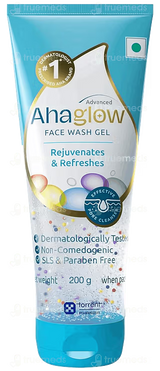
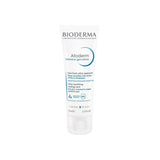
You can explore examples of barrier-friendly cleansing by reviewing options such as gentle cleanser from Allodermis. Pair it with lukewarm water and avoid aggressive scrubbing.
Step 2: Choose technology that matches your goal
Not all advanced systems target the same concern. Some focus on controlled release of actives. Others improve stability so ingredients remain effective from bottle to application. Choose based on what you want to address.
Texture and dryness: technologies that support hydration and lipid compatibility.
Uneven tone and dullness: stable brightening systems and consistent exfoliation support.
Acne-prone skin: oil-balancing and targeted treatment systems designed for tolerance.
Fine lines and resilience: formulations that support antioxidant protection and skin comfort.

Cross-section icons showing layered hydration delivery
Step 3: Use encapsulation and delivery systems with patience
One reason advanced skincare technologies have grown is the use of delivery methods. Encapsulation can help protect sensitive actives, reduce premature breakdown, and support more even distribution on skin. Delivery gradients can improve how ingredients spread, which may reduce hot spots of irritation.
However, these systems still require consistent use. Many actives work through gradual processes such as improved turnover, antioxidant defense, and barrier strengthening. Apply products as directed and track comfort during the first two weeks.
Step 4: Add a targeted treatment layer
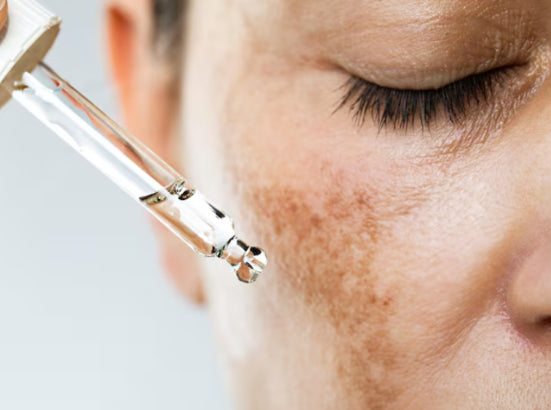
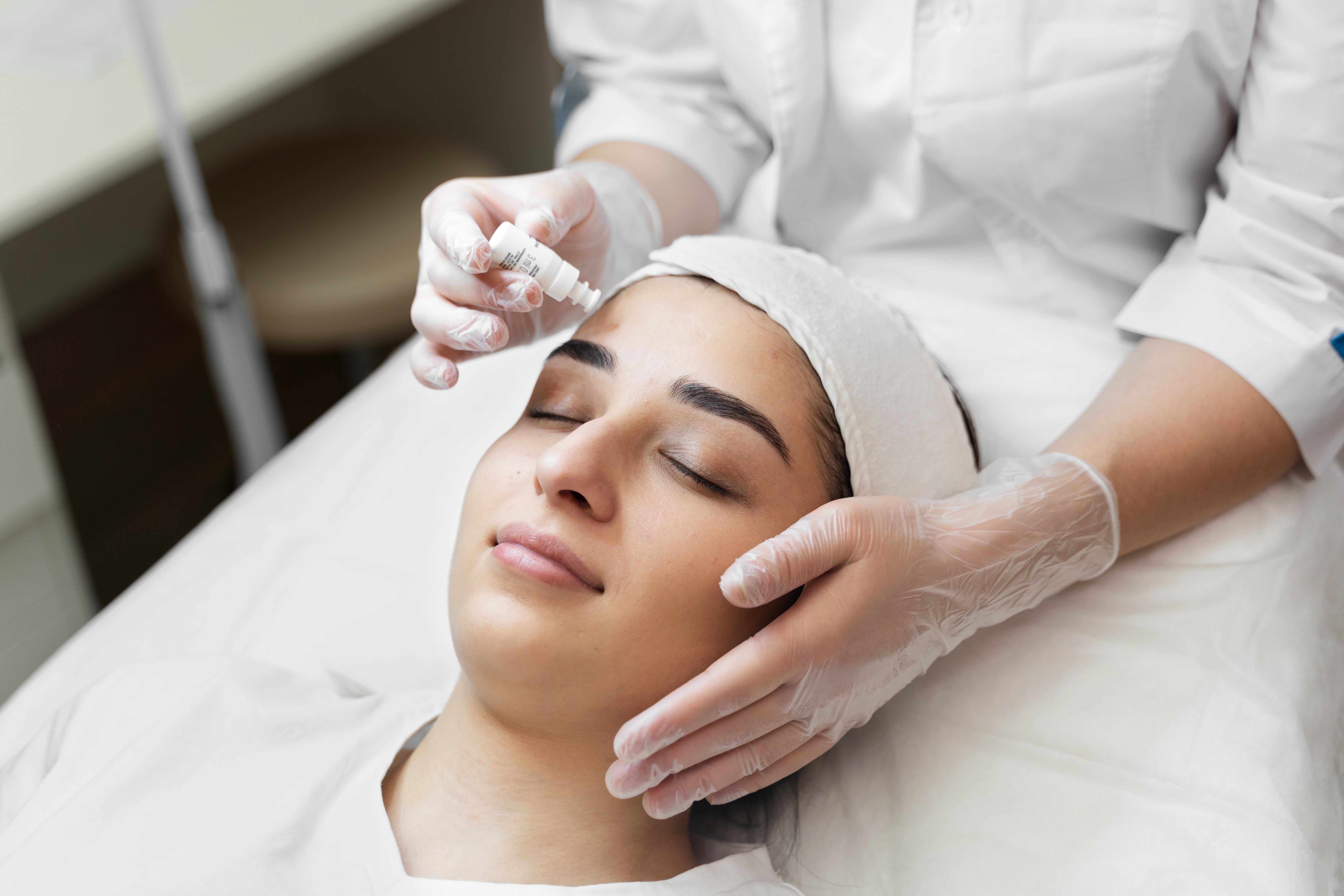
A dedicated treatment layer helps separate daily essentials from active-focused products. This structure reduces overlap and makes results easier to interpret. For example, a serum can deliver brightening or anti-blemish benefits while a moisturizer supports barrier comfort.
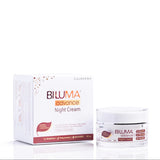
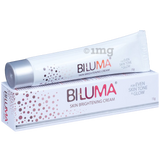
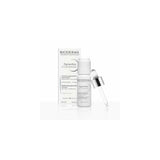
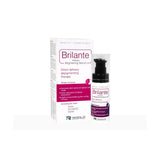
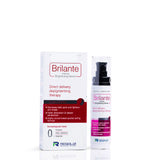
If you are searching for treatment-focused options, consider reviewing serum designed for proactive support and brightening serum to see how product positioning aligns with your skin goals.
Step 5: Choose exfoliation with controlled frequency
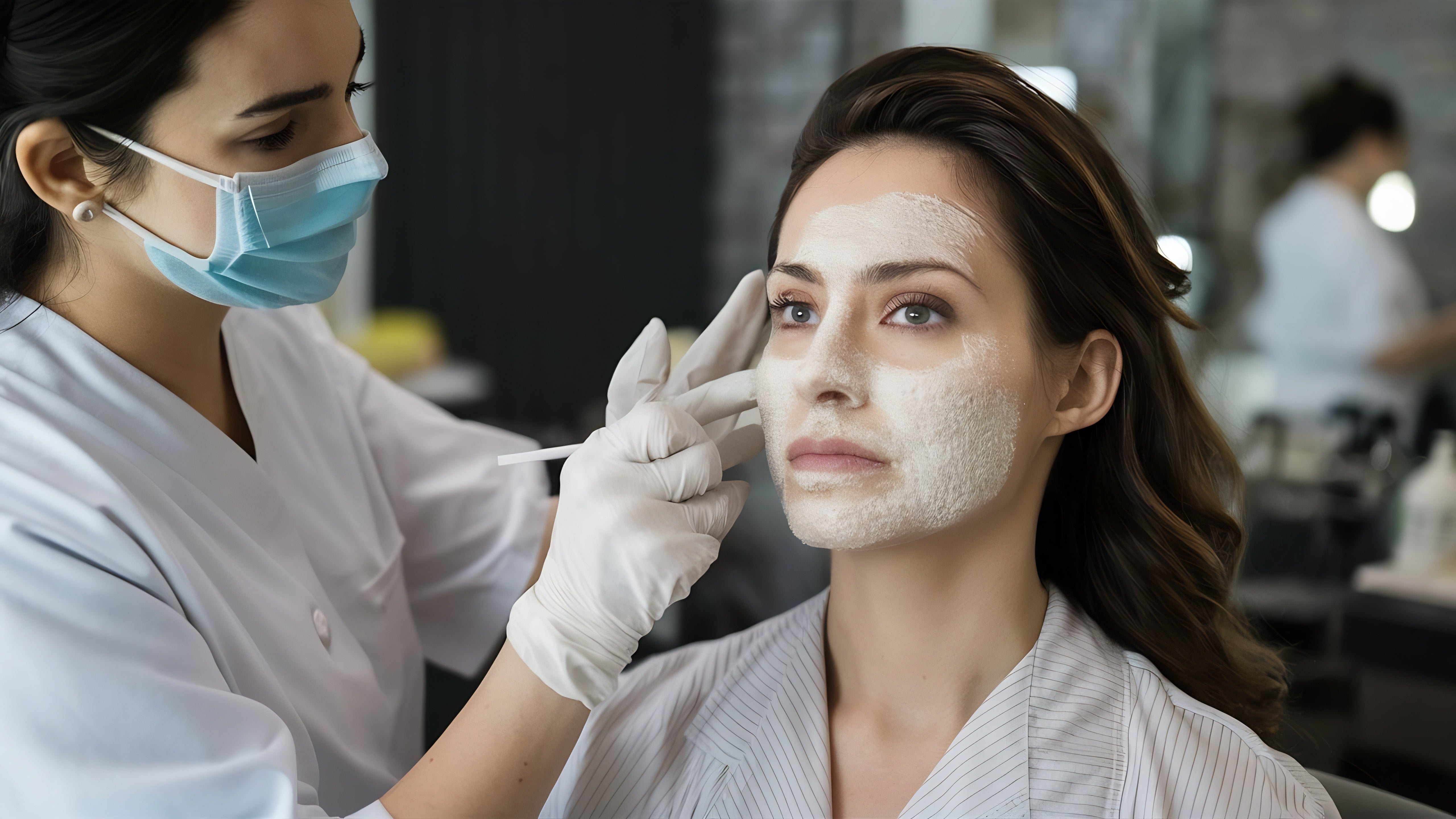
Exfoliation supports smoother texture and more even appearance. The safest approach is to choose an exfoliation system that is formulated for predictable use and to avoid frequent stacking of multiple exfoliating acids. Advanced skincare technologies can help blend exfoliants into formats that reduce sharp irritation and improve tolerance.
When you introduce exfoliation, consider starting slowly. Maintain hydration afterward. If you experience persistent redness or burning, adjust frequency and prioritize barrier support.
Step 6: Use moisturizer systems that support hydration retention
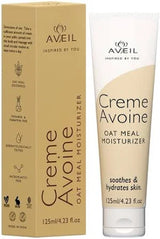
Hydration retention is a key concept in advanced skincare technologies. Look for humectants, film-formers, and barrier-compatible emollients that support comfort after washing. A well-designed moisturizer can improve the look of dryness and help skin feel less reactive to active layers.
For oil-balanced routines, you may also consider a supportive lotion option such as hydrating lotion, particularly when dryness is part of the overall concern.

Routine timeline graphic with treatment, moisturize, protect
Step 7: Prioritize UV protection as a technology-based system
Daily UV protection supports the long-term stability of many skincare goals. Modern sunscreens can improve spreadability, reduce residue feel, and support consistent wear. Consistency matters because UV exposure can change how skin responds to brighteners, exfoliants, and barrier-supporting ingredients.
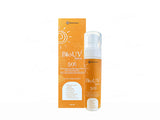
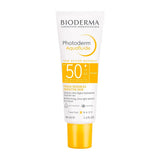
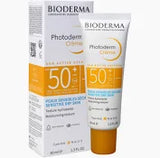
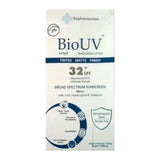
When selecting UV protection, consider texture, reapplication comfort, and compatibility with your makeup routine. You can review product examples such as acne UV gel or sunscreen cream to understand how formulation choices can support daily adherence.
Step 8: Build a routine that avoids ingredient overload
Advanced skincare technologies should simplify decision-making, not complicate it. A disciplined routine usually includes cleansing, treatment, moisturizing, and UV protection. Treatment products can be rotated if you need different goals, but you should not introduce multiple new active-heavy products at the same time.
A good rule is to add one new product per routine cycle and observe skin response. This approach supports tolerance and helps you identify what truly helps your skin.
Frequently Asked Questions
How do advanced skincare technologies differ from standard skincare?
Advanced skincare technologies focus on formula performance: ingredient stability, controlled release, improved absorption, better texture spread, and barrier support. Standard skincare can be effective, but advanced systems are engineered to optimize how actives behave on skin over time.
Can I combine multiple advanced actives in one routine?
Yes, but it requires structure. Use a cleanser that prepares skin, apply one primary treatment layer, add a moisturizer for barrier comfort, and use UV protection daily. If you add another active, introduce it gradually and avoid stacking multiple strong exfoliants at once.
Do encapsulation and delivery systems require special use?
No special technique is usually required. Apply according to directions and allow the product time to settle into skin before applying moisturizer or sunscreen. The key is consistent application rather than unusual handling.
Summary & Key Takeaways
Advanced skincare technologies can improve the way skincare products deliver actives, support barrier comfort, and maintain ingredient stability. By choosing technology that aligns with your goal, using a barrier-first cleansing step, adding one targeted treatment layer, and protecting your skin with reliable UV coverage, you create a routine that is both effective and manageable.
If you want to build a calmer, more predictable routine, start with foundational steps and evaluate treatment products based on performance design. Consider reviewing a few options from Allodermis to see how technology-focused formulas fit together.
Q&A Section
What ingredient qualities should I look for when I want tone and brightness support?
Look for stable brightening systems, supportive exfoliation formats, and hydration layers that reduce dryness-related dullness. Technology that improves stability and controlled release can help maintain consistent performance and comfort across routine days.
Why does my skin sometimes react to new skincare even when the ingredient list seems gentle?
Skin reactivity can come from texture friction, layering order, or sensitivity to delivery systems. Even gentle formulas can feel different depending on how they spread and how quickly they interact with your skin. Introduce one change at a time and prioritize moisturizer and UV protection to maintain tolerance.
How can I tell whether a routine is working without relying on temporary “instant” effects?
Track longer-term indicators such as comfort level, reduced visible dryness, fewer rough patches, and more even appearance. A technology-driven routine often shows value through steadier wear, improved texture over weeks, and more consistent skin behavior when you repeat the routine.
About the Author
Allodermis contributes to skincare education by focusing on ingredient literacy, routine design, and formulation performance. The author team specializes in helping readers understand how advanced systems such as delivery formats, stabilization strategies, and barrier support can fit into real routines. With a practical, evidence-minded approach, this guide supports informed decisions and long-term consistency. Thank you for reading, and may your skincare plan feel more structured and effective.
Disclaimer: This article is for educational purposes only and does not provide medical advice. Individual skin needs vary. If you have a skin condition, irritation, or sensitivity, consider consulting a qualified healthcare professional before making changes to your routine.


