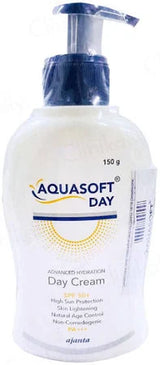
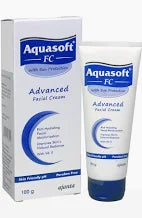


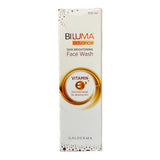
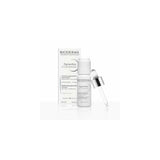
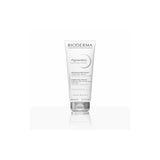
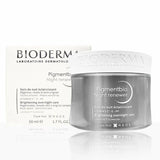
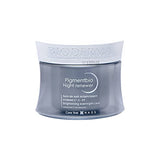








































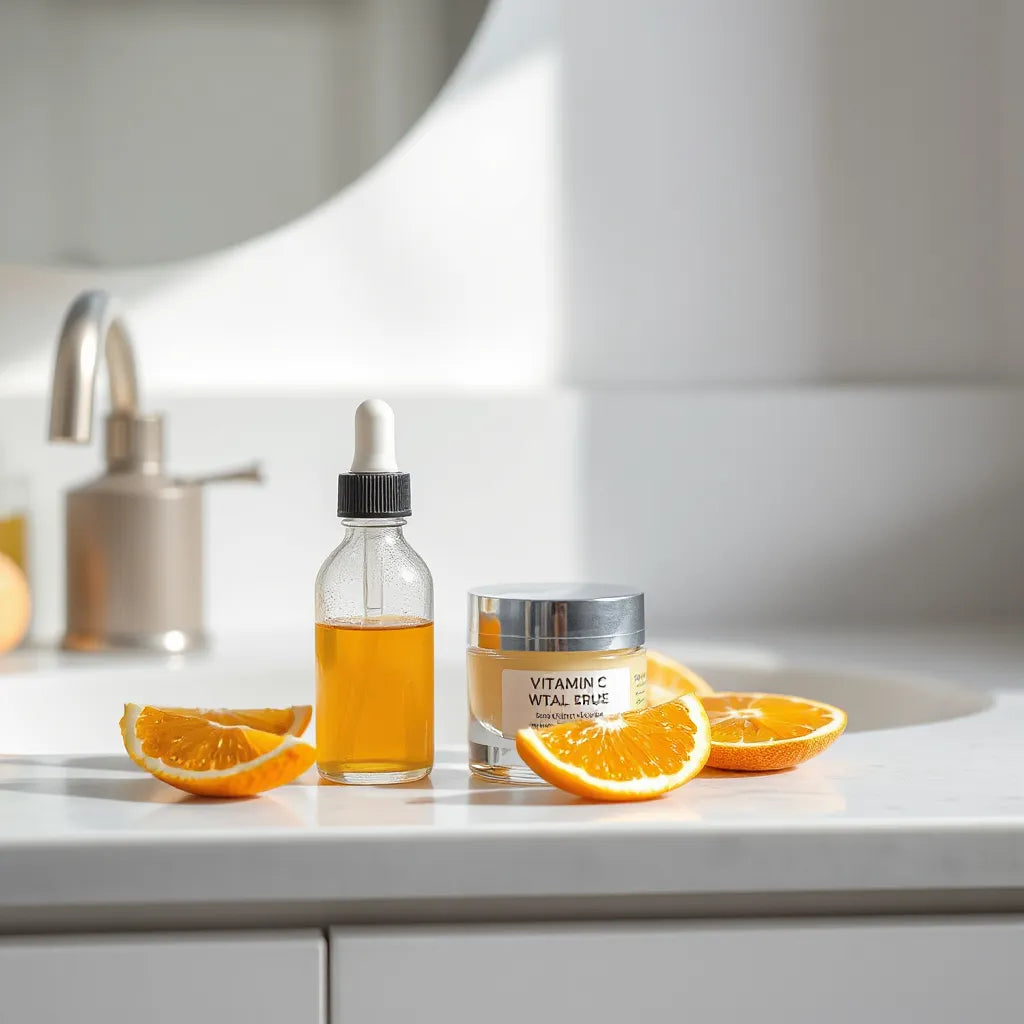
Vitamin C skincare products are a widely used way to support brighter, more even-looking skin. This guide explains what to look for, how to choose a formula that fits your routine, and how to introduce it with sensible expectations. You will also find a practical buyer’s checklist, a simple application process, and answers to common questions. The goal is to help you select products that match your skin type and ingredient preferences.
Updated on: 2026-05-18
Vitamin C skincare products are often chosen for their role in supporting a more even skin tone and a healthy-looking glow. The best results come from choosing the right derivative, the right concentration range, and a compatible texture for your routine. Proper application and gradual introduction can reduce irritation for many skin types. This article provides a clear checklist and step-by-step method so you can evaluate options with confidence.
Buyer’s Checklist
When you are evaluating vitamin C skincare products, focus on formulation quality, skin compatibility, and consistency. Start with the basics, then refine based on your skin goals and sensitivities.
- Choose the right vitamin C form: Different derivatives vary in stability and feel. Common options include L-ascorbic acid, ascorbyl glucoside, and ethylated or lipophilic derivatives. If you want a classic, fast-acting feel, L-ascorbic acid may be relevant. If you prefer a gentler approach, many people consider water-soluble derivatives.
- Check stability signals: Look for packaging that protects from light and air, such as opaque, airtight, or pump-style containers. Oxidized formulas can lose effectiveness and may irritate.
- Assess concentration with realism: Higher strength does not automatically mean better results. The best choice is the one your skin tolerates well and that you can use consistently.
- Match texture to your routine: Serums often layer well under moisturizers and sunscreen. Creams or lotions may be easier for drier skin. Gel formats can suit oilier skin. Choose what you will actually use.
- Review the full ingredient context: Vitamin C works best when the formula supports barrier health. Look for soothing ingredients and compatible hydrators. If you have reactive skin, review your entire routine so you do not stack too many strong actives at once.
- Plan for daily sunscreen use: Many users combine vitamin C products with a broad-spectrum sunscreen to support an even skin look. Even the best topical routine cannot replace sun protection.
- Consider your skin type: Dry skin often benefits from more emollient textures. Oily skin may prefer lightweight textures and minimal heaviness. Sensitive skin usually requires slower introduction.

Checklist icons: stability, texture, tolerance
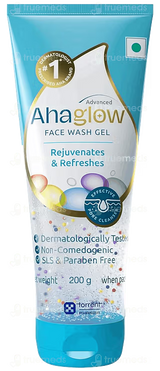
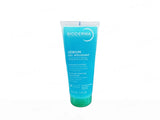
If you want a wider routine foundation, cleanse gently and keep skin calm. For example, you can explore a gentle cleanser option such as gentle cleanser to reduce friction and support barrier comfort before vitamin C.
Step-by-Step Guide
To get the most from vitamin C skincare products, focus on correct layering and an introduction schedule that respects your skin. Use this method as a repeatable approach for different formulations.
- Start with clean, dry skin: Wash with a mild cleanser and pat dry. Avoid rubbing. Apply on fully dry skin to reduce pilling and uneven distribution.
- Choose the right placement in your routine: Vitamin C is commonly used after cleansing and before moisturizer. If you use other actives like retinoids or exfoliating acids, consider spacing them on different days.
- Use an appropriate amount: Apply a thin, even layer. More product does not always improve outcomes. A controlled amount also supports tolerance.
- Patch test for compatibility: Test on a small area for several days. This helps you gauge comfort and reduces the chance of irritation when you scale up.
- Introduce gradually: Begin with a lower frequency, such as a few times per week, then increase if your skin remains comfortable.
- Moisturize to support the barrier: Follow with a moisturizer that suits your skin type. This step can reduce tightness and help you keep routine consistency.
- Use sunscreen in the daytime: If your vitamin C product is part of a morning routine, apply broad-spectrum sunscreen after moisturizer. This supports an even skin look and helps protect against environmental stress.
- Monitor changes and adjust: If you notice persistent redness, dryness, or stinging, reduce frequency and reassess the rest of your routine.
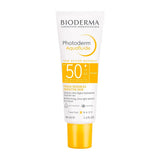
Many people also benefit from simplifying surrounding steps. If you use sunscreen daily, you can integrate it smoothly with your vitamin C routine by selecting a suitable SPF product. You may consider a widely used option such as SPF gel for daily wear if your skin prefers a lighter finish.

Layering steps: cleanse, vitamin C, moisturize, SPF
FAQ
How do I choose among different vitamin C skincare products?
Start by selecting a form that matches your tolerance and your texture preference. If you are sensitive, consider gentler derivatives and introduce slowly. Also evaluate packaging for stability, and prioritize formulas that feel comfortable to use every day.
Can vitamin C skincare products replace sunscreen?
No. Vitamin C products support an overall skincare routine, but they do not replace sunscreen. Daily broad-spectrum protection remains a core step for supporting an even skin look and reducing exposure-related concerns.
What should I do if my skin tingles or becomes dry?
First, reduce how often you apply the product and ensure you are using a moisturizer afterward. Consider using it on alternate days while keeping other strong actives spaced out. If irritation continues, stop use and reassess the formula and your routine.
Is it better to use vitamin C in the morning or at night?
Vitamin C can be used either time depending on your routine. Morning use often pairs naturally with sunscreen. Night use can help you focus on barrier support and reduce daytime exposure. Choose the schedule that you can maintain consistently and that fits your other actives.
Closing Thoughts & CTA
Vitamin C skincare products can be a valuable part of a balanced routine when you select the right form, confirm stability, and introduce the product in a way your skin can tolerate. Focus on consistency, correct layering, and supportive hydration. If you want to build a complete skincare workflow, consider combining your vitamin C step with a gentle cleanser and a reliable daily SPF.
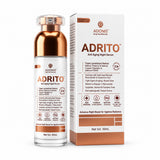
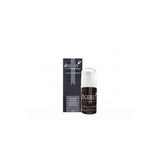
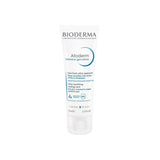
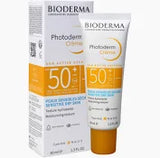
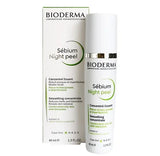
If you are ready to refine your routine, explore options on Allodermis and choose products that align with your skin type and texture preferences. You can also review targeted serum options such as proactive facial serum and sun care such as sunscreen cream to complement your daily regimen.
Disclaimer: This article is for informational purposes only and does not provide medical advice. Results vary by individual and are influenced by skin sensitivity, routine consistency, and product formulation. If you have a skin condition or experience persistent irritation, consult a qualified healthcare professional.
About the Author Section
Allodermis is a skincare-focused organization specializing in formulation guidance, ingredient education, and routine planning. The author behind this guide has expertise in dermatology-informed skincare principles, product selection strategy, and consumer-friendly education on active ingredients. The team emphasizes balanced routines, barrier support, and evidence-aware expectations. Thank you for reading, and we welcome you to build a routine that feels consistent, comfortable, and sustainable.


