











































Updated on: 2026-05-20
Advanced skincare treatments can improve the appearance of skin when they are chosen with care and used in a structured routine.
This guide explains how to assess your skin goals, understand in-clinic options, and support results with daily habits.
You will also learn how to build a safe plan that balances actives, sun protection, and recovery time.
Practical checklists and a step-by-step process help you make informed decisions.
Table of Contents
Advanced skincare treatments are designed to address skin concerns more deeply than basic cleansing and moisturizing. In practice, they work best when you match the treatment type to your goal, consider skin sensitivity, and support the process with consistent daily care. This article provides a clear framework so you can approach advanced options with confidence and reduce the risk of irritation.
Essential Tips
- Define one primary goal at a time, such as texture improvement, clearer pores, or more even tone.
- Track how your skin behaves across days, including dryness, redness, stinging, and breakouts.
- Start with the least irritating approach that still aligns with your target outcome.
- Use sunscreen every day and treat it as a non-negotiable recovery step.
- Introduce new actives slowly and keep your baseline routine stable.
- Ask about ingredient and treatment interactions, especially if you already use retinoids or strong exfoliants.
What Advanced Skincare Treatments Mean for Your Skin
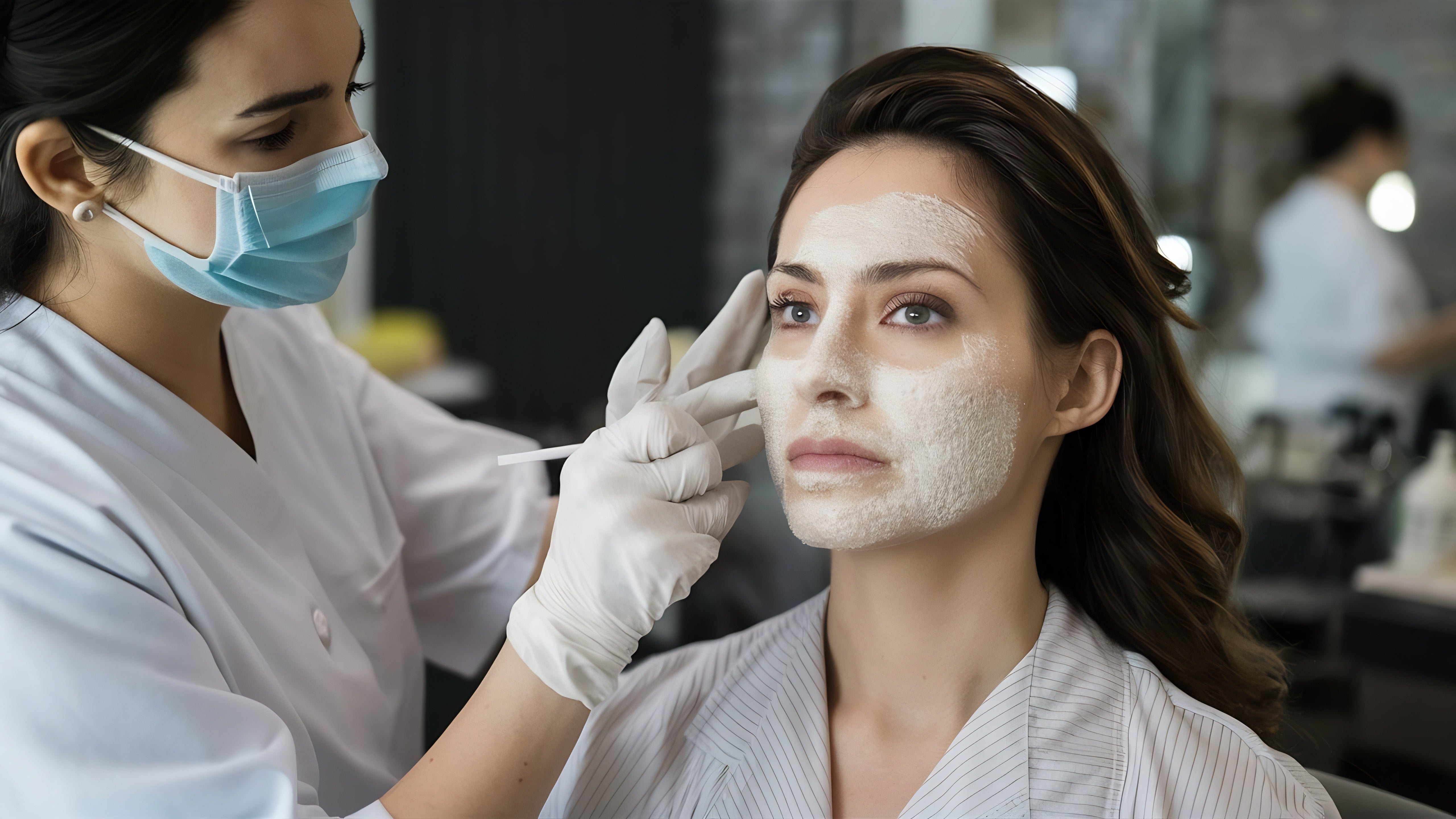
“Advanced skincare treatments” typically refers to procedures and structured regimens that use stronger delivery systems, higher-intensity formulas, or supervised techniques. These may include in-clinic methods, prescription-strength topical regimens, or carefully layered skin-care protocols. While options vary, the common theme is targeted action with a defined course and expected phases, such as preparation, active treatment, and stabilization.
When advanced care is aligned with skin biology, results often appear gradually. Early changes can include improved hydration balance, smoother surface texture, and more consistent tone. Later improvements can involve reduced visible signs related to clogged pores, uneven pigmentation, or dullness. Because responses differ across skin types, the most effective plan is the one that is realistic for your lifestyle and tolerability.

Layered skincare routine and recovery timeline icons
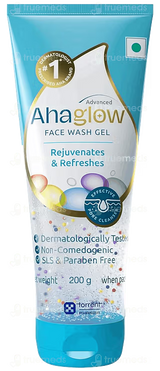
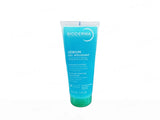
If you want to support advanced treatments from home, focus on three essentials: gentle cleansing, barrier-friendly hydration, and daily sun defense. For cleansing that does not overstrip, consider a mild foaming cleanser such as Cetaphil Gentle Cleanser. For oil control and a more balanced look, a targeted wash like Oil Control Foam Wash can help maintain a stable baseline.
Detailed Step-by-Step Process
Use this process to plan advanced skincare treatments responsibly. Each step is designed to improve compatibility, reduce irritation risk, and support consistent progress.
-
Assess your skin goals and triggers. Identify whether your concern is mainly texture, tone, pores, or surface dullness. Also note triggers such as heat, friction, harsh cleansers, or inconsistent sunscreen.
-
Evaluate your current routine. List every product you use morning and night, including cleansers, moisturizers, serums, masks, and exfoliants. This inventory helps prevent accidental over-layering.
-
Choose a treatment path: in-clinic, topical, or hybrid. In-clinic options can provide structured intensity. Topical regimens allow you to control frequency. A hybrid plan can be effective, but it requires careful timing.
-
Prepare your skin for active ingredients. For many routines, barrier support improves comfort and stability. A simple hydration layer can reduce sensitivity during active phases.
-
Introduce one active change at a time. If you plan to use multiple stronger ingredients, stagger them. This makes it easier to identify what works and what causes irritation.
-
Set a realistic cadence. Advanced skincare treatments typically require consistent repetition. Start with a conservative frequency and adjust based on tolerance and observed response.
-
Monitor for expected and unexpected reactions. Mild dryness or temporary tightness can be manageable. Persistent burning, swelling, or worsening redness is a sign to reduce intensity and seek professional guidance.
-
Stabilize after active phases. Once your skin is calmer, focus on hydration and protective care. Stabilization helps preserve progress and supports long-term skin health.
To help with hydration and comfort during active routines, choose moisturizers that feel supportive rather than heavy. If you use acne-prone care or need oil balance, a lightweight approach is often more consistent. For daily hydration with a smooth finish, you may explore Rich Facial Hydrating Lotion as part of a simplified baseline.
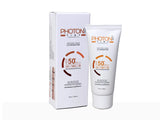
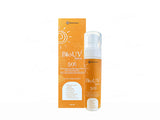
For acne-focused routines and visible clarity support, a non-comedogenic sunscreen and gentle daytime care are important. A product like Acne UV Gel SPF 50 can be a practical example of balancing protection with skin comfort.
Supportive Daily Routine That Improves Outcomes
Advanced skincare treatments work best when you maintain consistent support throughout the week. The goal is to reduce friction, avoid unnecessary irritation, and keep skin protected from environmental stress.
Morning routine for stable progress
- Gentle cleanse or rinse. If your skin is not oily, a rinse may be enough to reduce dryness.
- Targeted serum, if tolerated. Use one main active based on your goal, not a mix of multiple strong ingredients.
- Sunscreen as the final step. This helps prevent unwanted pigmentation and supports barrier recovery.
Evening routine for repair and consistency
- Cleanse thoroughly but gently. Remove sunscreen and daily residue without stripping.
- Moisturize to support the barrier. Choose a moisturizer that reduces tightness and improves comfort.
- Use actives at a tolerable frequency. Many people benefit from a pattern of alternating active nights and recovery nights.
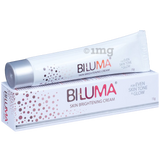
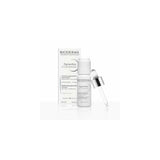
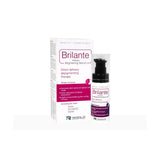
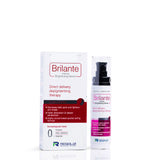
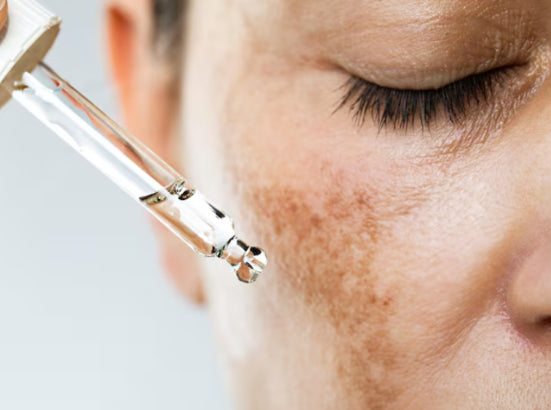
If your plan involves tone care, you may consider gentle brightening support. For example, Brightening Serum can be used thoughtfully in a routine where irritation is monitored. For pigmentation-focused regimens, careful layering and sunscreen compliance matter more than aggressive frequency.
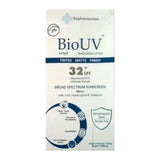
If you are building a complete sunscreen strategy, select a formula that you are willing to use daily. For a richer consistency, Shadow Sunscreen Cream may suit those who prefer a thicker texture.

Sun shield, cleanser droplet, and barrier comfort symbols
Advanced Safety and Compatibility Considerations
Safety is central to successful advanced skincare treatments. Even effective ingredients can cause setbacks if your skin is overwhelmed or if your routine layers incompatible actives.
Ingredient compatibility checks
- Avoid stacking similar exfoliation methods. Using multiple exfoliating products at the same time can increase sensitivity and compromise the barrier.
- Consider retinoid timing. Retinoid-like regimens often require gradual introduction and consistent moisturization.
- Watch for sudden changes. A new product, a new cleanser, or a shift in climate can change tolerance quickly.
Skin type adjustments
- For oily or acne-prone skin: prioritize gentle cleansing and consistent sunscreen. Keep hydration balanced to prevent rebound dryness.
- For dry or sensitive skin: slow the pace of actives and increase barrier support. Choose formulas that feel comfortable rather than drying.
- For combination skin: treat areas differently when possible. Many routines work best with a blended approach across zones.
How to verify whether a plan is working
Improvement is best measured by patterns, not by single-day changes. Look for sustained comfort, stable texture, and a gradual improvement in the targeted concern. If the routine worsens redness or causes repeated flare-ups, reduce frequency and simplify the regimen. For persistent or complex concerns, professional guidance is recommended.
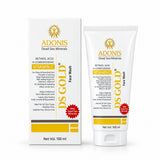
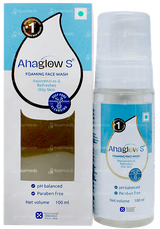
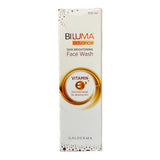
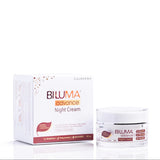
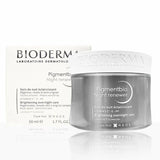
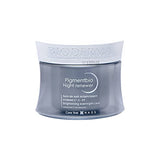
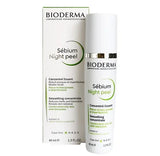
For people who prefer a more structured approach to exfoliation and support, products such as Pigment-Bio Foaming Face Wash can support cleansing needs while remaining gentle in routine design. If you want to focus on night care stability for uneven tone, Night Renewer is one example of a dedicated nighttime option to consider within a careful plan.
Summary & Takeaway
Advanced skincare treatments can be transformative when approached with structure, patience, and safety. Start by clarifying your goal, reviewing your current routine, and choosing a suitable treatment path. Build support through gentle cleansing, barrier-friendly hydration, and daily sunscreen, then monitor tolerance as you progress. When you prioritize consistency over intensity, you are more likely to maintain comfort and achieve visible improvements.
Q&A Section
Are advanced skincare treatments suitable for sensitive skin?
They can be suitable, but the key is controlled pacing. Sensitive skin often requires slower introduction of actives, more barrier support, and a simplified baseline routine. If you experience persistent burning, swelling, or worsening redness, reduce frequency and seek professional evaluation.
How can I combine topical actives with an in-clinic plan?
Combination plans should be scheduled intentionally. Many people benefit from timing actives away from more intense sessions and focusing on soothing support during recovery periods. A clinician or qualified dermatologist can help map a safe sequence based on the treatment type and your tolerance.
What is the role of sunscreen in advanced routines?
Sunscreen is central because it protects against pigmentation changes and supports barrier stabilization. Even the most carefully selected advanced skincare treatments can underperform if daily sun defense is inconsistent.
What signs indicate that I should adjust my routine?
Routine adjustment is appropriate when you see prolonged irritation, recurring flare-ups, or a pattern of worsening texture despite reducing frequency. Simplifying the routine and returning to a gentle baseline can help restore stability.
About the Author
Name: Allodermis Editorial Team
Expertise: The team specializes in skin-care education, formulation concepts, and routine design that emphasizes skin barrier support and practical compatibility.
Personal note: We aim to make advanced skincare treatments easier to plan with clear, safe guidance. If your skin is complex or you are unsure about combining actives, consult a qualified professional for personalized advice. Thank you for choosing evidence-informed skin-care learning.
Disclaimer: This article is for educational purposes only and does not provide medical advice, diagnosis, or treatment recommendations. Individual results vary, and skin-care responses depend on many factors including skin health, tolerance, and product selection. Consult a qualified healthcare professional or licensed dermatologist for concerns that are persistent, severe, or require personalized guidance.


