































Updated on: 2026-05-20
Chemically-exfoliating products can support smoother texture and clearer-looking skin by helping to renew the surface layer.
They work through acids or enzymes, which can be more controlled than mechanical scrubbing when chosen correctly.
Success depends on selecting the right type and strength, using a consistent routine, and matching products to your skin condition.
With careful patch testing and gradual introduction, many users can reduce dullness while maintaining comfort.
Table of Contents
Product Spotlight
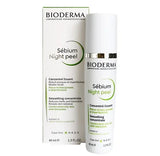
Chemically-exfoliating products are designed to refine the look of skin by encouraging more even turnover. The most common categories are alpha hydroxy acids, beta hydroxy acids, and enzymes. When used with a barrier-supporting routine, these formulas can help reduce the appearance of roughness, clogged pores, and surface dullness.
One approach is to choose a cleanser or serum that complements your main exfoliation step. A gentle wash can reduce friction and leave fewer residues that may worsen dryness. For example, consider pairing your exfoliating routine with a mild baseline cleanser such as Cetaphil Gentle Cleanser. This helps maintain comfort while you introduce actives.
For uneven tone concerns, users often select a targeted product after exfoliation rather than adding multiple exfoliating layers at the same time. If your routine already includes a brightening-focused option, you can align exfoliation with hydration. You may explore a hydrating lotion like Excela Rich Facial Hydrating Lotion to support a smoother feel after active use.

Diagram of acids, enzymes, and calm skin barriers
When selecting chemically-exfoliating products, consider your skin type and the primary goal. If you are prone to visible texture and clogged pores, beta hydroxy acids are often chosen for their oil-soluble behavior. If your main concern is surface dullness and uneven tone, alpha hydroxy acids and certain supportive enzymes may be more appropriate. The key is selecting one exfoliation pathway and keeping the rest of your routine steady.
Step-by-Step How-To
Below is a practical, routine-based method for using chemically-exfoliating products safely and consistently. This approach emphasizes gradual frequency, barrier care, and responsive adjustments.
-
Start with a clear objective. Choose one main outcome such as smoother texture, improved radiance, or reduced appearance of clogged pores. This reduces the temptation to use multiple actives at once.
-
Choose the right exfoliation category. Identify whether you are using an alpha hydroxy acid, beta hydroxy acid, or an enzyme-based formula. Match the category to your skin pattern rather than following trends.
-
Patch test before full use. Apply the product to a small area and observe comfort for multiple days. Stop if you notice persistent burning, swelling, or significant irritation.
-
Introduce frequency slowly. Begin with a low frequency, such as one or two times per week. Increase only after your skin remains comfortable and stable.
-
Apply to clean, dry skin. Use your cleanser, then wait until the skin is fully dry before applying the exfoliating product. This can help reduce unnecessary harshness.
-
Use a barrier-supporting moisturizer. After exfoliation, apply a hydrating layer to reduce the chance of dryness and tightness. A consistent moisturizer improves tolerance for chemically-exfoliating products.
-
Do not combine too many exfoliants in one routine. Avoid layering strong exfoliating acids, scrubs, and harsh toners on the same day. If you use additional actives, introduce them one at a time.
-
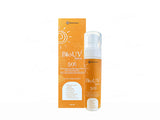
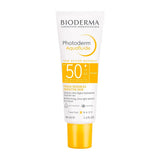
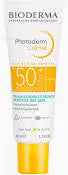
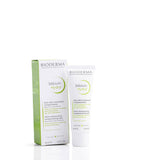
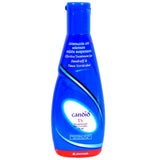
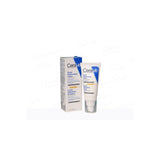
Follow with sun protection in the daytime. Exfoliated skin can appear more sensitive to ultraviolet exposure. Use a daily sunscreen such as Acne UV Gel SPF 50 to support an even look over time.
-
Track results and adjust. If you experience persistent dryness, reduce frequency. If the skin feels comfortable but results are slow, maintain the same frequency and ensure consistent use.

Routine timeline with cleanser, exfoliant, moisturizer, sunscreen
For many users, the most overlooked step is the selection of compatible companion products. A strong cleanser combined with a strong exfoliant can increase dryness. If you also manage breakouts, a consistent approach matters. For example, acne-prone routines often benefit from non-stripping cleansing and a sunscreen that does not feel heavy. You can also explore targeted skincare options such as Aze Proactive Serum for supportive hydration and clarity-focused care, while still keeping exfoliation frequency modest.
In addition, consider how you apply the exfoliating product. Excess product or extended contact can increase irritation. Use the amount suggested on the label and follow the direction for leave-on or rinse-off use. If the formula is leave-on, avoid immediate layering with multiple strong actives.
Personal Experience
When I first evaluated chemically-exfoliating products, I treated them like a quick fix. I used a stronger exfoliant more often than my skin could tolerate. Within days, my face felt tight, and my complexion looked less even. I expected instant clarity, but the result was irritation that made everything harder to manage.
After that, I changed only two variables. First, I reduced exfoliation frequency and used it on a consistent schedule. Second, I improved the supportive layers by using a gentle cleanser and a reliable moisturizer. My skin gradually became more comfortable, and the texture I wanted started to appear. The improvement did not happen overnight, but the routine became sustainable.
The lesson was clear: chemically-exfoliating products can support refinement, but skin systems require balance. Barrier support, sunscreen use, and gradual introduction mattered more than strength alone.
Summary & Recommendations
Chemically-exfoliating products can be an effective part of a modern skincare routine when you treat them as a controlled tool rather than an aggressive step. Select a category based on your skin pattern, introduce the formula slowly, and keep your non-exfoliating products gentle and consistent.
Practical recommendations:
Choose one exfoliation category to start, such as alpha hydroxy acids, beta hydroxy acids, or enzyme-based formulas.
Patch test and monitor comfort before increasing frequency.
Use a moisturizing step after exfoliation to support barrier function.
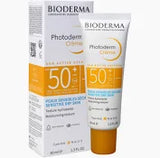
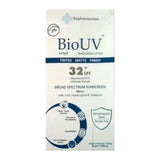
Use sunscreen daily, including I Shield Sunscreen Cream SPF 50 PA, to maintain an even look.
If you are building a routine, start with the basics. Consider a gentle cleanser, select one exfoliation product, add moisturizer, and then protect with sunscreen during the day. This structure is reliable for most skin types.
Q&A Section
How often should I use chemically-exfoliating products?
Most users begin with one to two times per week. If your skin stays comfortable, you can gradually increase frequency. If you notice persistent dryness, redness, or stinging, reduce use and focus on barrier support.
What isn not allowed when using chemically-exfoliating products?
You should avoid combining multiple strong exfoliants in the same routine. This includes harsh scrubs, strong acid toners, and additional leave-on exfoliants at the same time. If you use other actives, introduce them slowly so you can identify what your skin tolerates.
How can I tell whether the product is right for my skin?
Look for comfort and stability. A good fit feels tolerable within the first days and supports gradual improvement in texture. If you experience sustained burning, significant peeling, or swelling, stop use and reassess product choice and frequency.
Do chemically-exfoliating products replace moisturizer and sunscreen?
No. Exfoliation supports surface renewal, but moisturizer helps maintain barrier comfort and reduces dryness. Sunscreen helps protect against ultraviolet exposure that can worsen the appearance of uneven tone.
About the Author Section
Name: Allodermis Expert
Expertise: Skincare formulation strategy, routine building, and ingredient selection guidance for everyday use.
Bio: The Allodermis team focuses on practical, evidence-aligned approaches to improving skin comfort and clarity. This article reflects a structured understanding of how exfoliation fits into a complete routine. Thank you for reading and for choosing informed skincare decisions.
Disclaimer: This article is for educational purposes only and does not provide medical advice. Individual results vary based on skin type, product formulation, and routine consistency. If you have sensitive skin, active irritation, or a diagnosed skin condition, consider consulting a qualified healthcare professional before using exfoliating actives.


