






































Anti-Aging Skincare Mistakes That Slow Your Glow

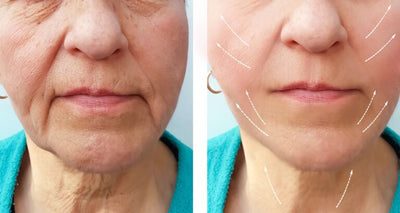
Anti-aging skincare is not about chasing a single miracle ingredient. It is a disciplined routine that supports healthier-looking skin over time. In this guide, you will learn how to choose products by skin function, build a step-by-step regimen, and align daily habits with evidence-based skin care principles. You will also find practical recommendations for cleansing, hydration, sun protection, and targeted treatment. The goal is consistent, skin-friendly care that reduces the visible signs of aging while preserving skin comfort.
Updated on: 2026-06-21
Short Takeaways
Anti-aging skincare works best when it is built around three pillars: gentle cleansing, daily hydration, and consistent sun protection. Targeted actives can further support visible brightness and smoother texture, especially when used steadily. Choose formulas that match your skin barrier needs and avoid frequent over-correction. Track how your skin responds and adjust gradually to maintain comfort and long-term results.
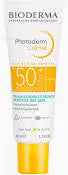
Product Spotlight: Daily Broad-Spectrum Sunscreen for Visible Anti-Aging Support
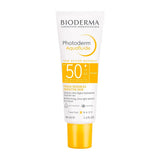
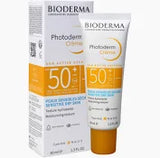
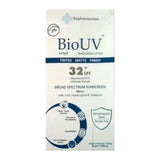
Broad-spectrum sunscreen is the most important product in an anti-aging skincare routine because ultraviolet exposure is a major driver of visible aging signs. When sun protection is consistent, skin often looks more even, feels more comfortable, and shows fewer new dark marks over time. A well-formulated sunscreen can also help reduce the daily stress your skin experiences from light exposure.
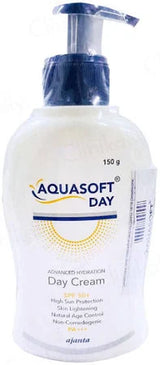
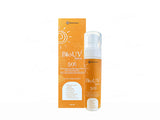
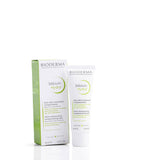
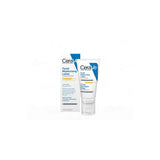
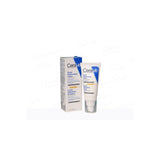
For face care, consider choosing a sunscreen designed for everyday wear and easy reapplication. If you want a reliable option that aligns with daily habits, you can review a dedicated facial sunscreen here: daily face sunscreen. In a routine focused on barrier-friendly care, sunscreen also pairs well with moisturizers and gentle exfoliation, allowing actives to work with less irritation.
When selecting sunscreen, look for these practical features: a broad-spectrum claim, a skin-comfort texture, and stability for daily use. If you wear makeup, a non-greasy finish can improve adherence. If you have sensitive skin, prioritize formulations that feel light and do not create tightness after application.

Light rays, shield icon, and even-skin color map
Step-by-Step How-To: Build an Effective Anti-Aging Skincare Routine
A strong regimen is not defined by the number of products. It is defined by order, consistency, and skin compatibility. Use the steps below to structure your routine for comfort and steady visible improvement.
-
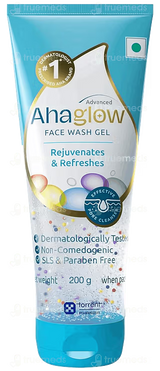
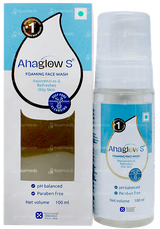
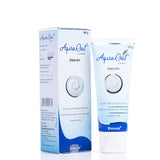
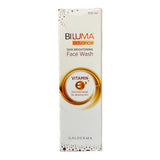
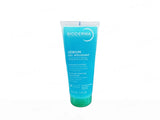
Cleanse gently in the morning and evening. Use a cleanser that removes surface oil and impurities without leaving skin tight. Over-stripping can weaken the barrier and reduce how well other products perform. For a low-friction option, you may consider a gentle daily cleanser.
-
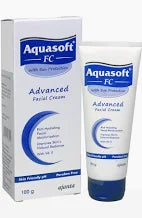
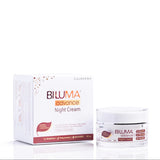
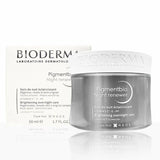
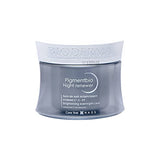
Apply a hydrating layer to support the barrier. Hydration improves the look of fine lines because well-moisturized skin reflects light more evenly. Choose a lotion or serum that feels comfortable and supports long-term wear. If you want an example of a hydration-forward facial approach, you can review a rich facial hydrating lotion.
-
Use targeted treatment for visible concerns. Different concerns respond to different actives. For brightness and uneven tone, consider vitamin C-based formulas. For texture and resilience, look for formulas that support exfoliation carefully. Keep the frequency moderate at first to avoid irritation.
-
Finish with broad-spectrum sunscreen every morning. Apply to the face and neck as the last step. Reapply when you are outdoors for extended periods. Sunscreen is the central product that helps protect the results of your other work.
-
Create an evening routine focused on recovery. Cleanse, hydrate, and then use your treatment product(s) based on tolerance. The evening is ideal for formulas that support renewal. Use a calm schedule and do not introduce multiple new actives in the same week.
-
Exfoliate with restraint. If your skin tolerates it, incorporate exfoliation to support smoother texture. Use low frequency and monitor dryness. Consider adjusting based on seasons and stress.
-
Support your routine with skin-friendly habits. Avoid harsh scrubs, manage dryness, and keep your sleep consistent. Your daily environment can affect how your skin behaves, so adjust your routine when needed.
To make the routine easier to follow, you can organize products into three categories: cleanser, hydrating base, and targeted actives. Then add sunscreen in the morning. This structure reduces decision fatigue and supports adherence, which is the most common reason people see limited progress.
How to choose the right actives without irritation
When building anti-aging skincare plans, the most frequent issue is not a missing product. It is an incompatible combination that overwhelms the barrier. Start with one treatment at a time, use a conservative frequency, and increase only if your skin remains comfortable. Pay attention to redness, stinging, and persistent dryness. If those appear, reduce frequency and return to hydration and barrier support.
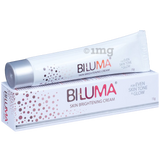
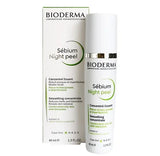
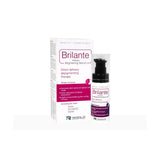
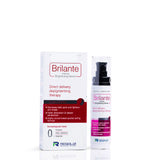
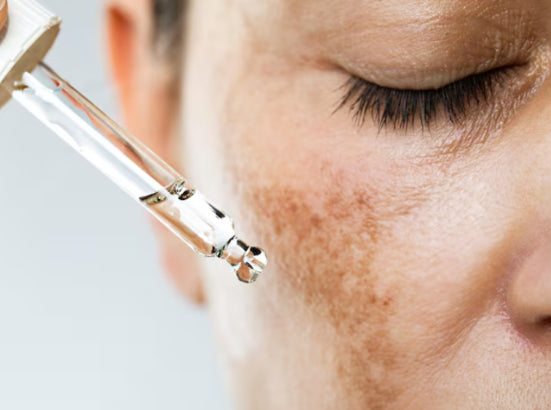
For users who prioritize brightening support, a vitamin C product can be a useful option. You may explore vitamin C liposomal serum as one example of a brightening-focused approach. For acne-prone or oily skin that also needs daily protection, you can also consider oil-control sunscreen to reduce shine while maintaining protection.

Layered routine steps, dropper icons, and calendar schedule
Personal Experience: What Changed My Results
During the early stages of my own routine, I focused on finding the “strongest” product. I changed multiple steps within the same week and expected fast improvement. Instead, my skin became reactive. It felt rough, looked dull, and any brightening effect disappeared quickly.
What helped me was a shift in method. I reduced my routine to the essentials: gentle cleansing, consistent hydration, and daily sunscreen. I then reintroduced a single targeted active, slowly, while keeping everything else stable. Over a few weeks, my skin calmed down. My texture looked smoother, and my overall tone appeared more even under natural light. This experience reinforced a simple principle: steady anti-aging skincare habits outperform rapid changes.
Another practical lesson was tracking irritation triggers. Seasonal dryness, stress, and inconsistent sleep affected how my skin responded to treatment. When I adjusted hydration and reduced exfoliation frequency, my skin returned to baseline comfort. The most sustainable routine was the one that I could maintain without causing dryness or redness.
Summary & Recommendations
Anti-aging skincare should be approached as a system, not a single product strategy. The highest-impact step is broad-spectrum sunscreen, used consistently and applied correctly. Gentle cleansing and reliable hydration support barrier health, which improves how your skin tolerates actives. Targeted treatments can help with visible tone and texture concerns when introduced gradually and used consistently.
Recommendations to implement now:
Keep cleansing gentle and avoid daily over-exfoliation.
Use a hydrating base to reduce visible dryness and improve comfort.
Choose one targeted treatment at a time to avoid irritation.
Apply sunscreen every morning as the final step and reapply when needed.
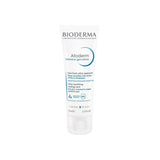
If you want a clear starting point for daily care, consider building your regimen with a gentle cleanser such as gentle cleansing, a hydrating lotion such as deep hydration, and a daily sunscreen like face sunscreen coverage.
Q&A Section
Which ingredient categories are most useful for anti-aging skincare?
Look for categories that support hydration, sun protection, and gradual improvement in tone and texture. Vitamin C is commonly used for brightness support, while careful exfoliation can help with smoother texture. For barrier-focused routines, glycerin-based hydration and soothing ingredients can reduce visible dryness. The most important category is sunscreen, because it protects new skin changes from forming due to ultraviolet exposure.
How often should I exfoliate when I am building an anti-aging routine?
Exfoliation frequency depends on skin tolerance. Many people benefit from a conservative schedule, such as using exfoliating products a few times per week rather than daily. If your skin becomes dry, stings, or appears red, reduce the frequency and emphasize hydration. Consistency matters more than intensity, especially when your goal is long-term comfort and steady improvement.
Can I combine multiple active ingredients in the same routine?
It is possible, but it is usually safer to combine gradually. When too many actives are introduced at once, irritation can increase and reduce adherence. Start with one active treatment and evaluate skin response for several weeks. Then add another if your skin remains comfortable. A barrier-supporting moisturizer and careful cleansing can also reduce the risk of sensitivity.
What is the best way to apply sunscreen for better results?
Apply sunscreen as the last step in your morning routine to face and neck. Use enough product to cover the skin evenly. Reapplication is important when you are outdoors for extended periods. Consistent application helps maintain protection throughout the day and supports the overall effectiveness of your skincare plan.
About the Author Section
Allodermis
Allodermis is an established skincare brand with expertise in dermatology-informed routines, ingredient selection, and daily barrier support. Our team focuses on practical guidance that helps customers build consistent anti-aging skincare habits. We emphasize comfort, compatibility, and sustainable routines rather than short-term changes. Thank you for reading and for choosing a measured approach to skin health.
Disclaimer: This article is for general educational purposes and does not provide medical advice, diagnosis, or treatment. Individual skin needs vary. If you have sensitive skin, allergies, or a known skin condition, consult a qualified healthcare professional or dermatologist before starting a new skincare routine.
Authors & medical review
Swaraj Dhar is a sociopreneur, technologist, and the co-founder of Allodermis.
Every article is fact-checked against current peer-reviewed dermatology literature and Allodermis clinical protocols.
This article was last reviewed and updated on . Published .
Have a skin or hair concern?
Book a free consultation with our AIIMS MD dermatologists. Clinics in Bhubaneswar, Gurgaon, and Delhi NCR.