



































Anti-Aging Skincare Routine: Steps That Really Help

Updated on: 2026-06-01
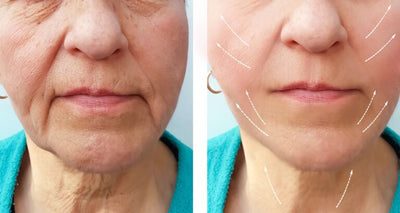
Anti-aging skincare is not a single product or one-time solution. It is a routine that supports skin barrier health, hydration, and consistent protection. The most effective approaches focus on gentle cleansing, targeted active ingredients, and daily sun protection. When you combine evidence-based care with realistic expectations, you can improve the look of fine lines and uneven tone over time.
Quick Recap
Anti-aging skincare works best when you use a structured routine and prioritize daily UV defense. Start with a cleanser that does not overstrip. Then add hydrators and carefully selected actives for texture, firmness, and visible signs of aging. Review your routine periodically to match your skin’s current needs.
Anti-Aging Skincare Essentials
Anti-aging skincare remains a relevant topic because skin changes gradually and visible signs often reflect long-term exposure and daily stressors. These include ultraviolet radiation, environmental dryness, friction, and oxidative stress. The goal is not to “erase” time, but to support skin that looks more even, smoother, and resilient.
Effective routines generally share a few fundamentals. First, they protect the skin barrier to reduce dryness and sensitivity. Second, they include hydration to improve comfort and the look of fine lines. Third, they use proven categories of active ingredients that address texture and uneven tone. Finally, they use consistent sun protection because UV exposure is one of the most influential drivers of premature aging.
1) Barrier health is the foundation
A strong barrier helps skin retain moisture and respond better to active ingredients. For many people, early frustration comes from using harsh cleansers or over-exfoliating. A barrier-friendly approach supports smoother makeup application, fewer rough patches, and better tolerance of targeted formulas.
Look for gentle cleansing and non-stripping hydration. When skin feels tight after washing, it often signals that the cleanser or frequency is not aligned with your skin. In a routine built for anti-aging, comfort matters because it supports consistency.
2) Hydration improves the look of fine lines
Fine lines can become more visible when skin is dehydrated. Even when you use actives, hydration helps maintain a supple appearance. Hydration also supports skin elasticity and can reduce the look of crepey texture.
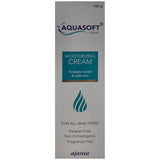
For hydration, focus on moisturizers that support long-lasting comfort. If you experience dryness after cleansing, consider a moisturizer that can be used daily and, when needed, a lightweight serum for additional water-binding effects.
3) Daily sun protection drives real results
Daily sun protection is central to any anti-aging plan. UV exposure contributes to photoaging, uneven pigmentation, and rough texture. Even on cloudy days, ultraviolet rays can reach the skin.
A consistent sunscreen routine is not just an addition; it is the core behavior that reduces new damage. Choose a formula appropriate for your skin type and apply it reliably as the last step of your morning routine.
How to Build an Anti-Aging Skincare Routine
A practical routine should be simple enough to maintain and flexible enough to adapt. Below is an evidence-informed step-by-step guide that supports anti-aging skincare without relying on extreme or overly complex regimens.
Step 1: Cleanse gently
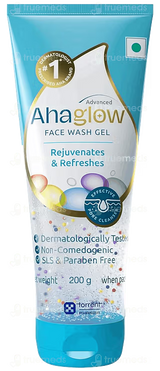
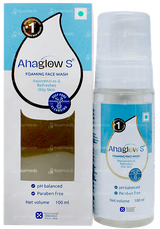
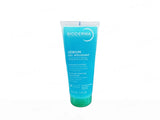
Use a gentle cleanser suited to your skin type. Morning cleansing can be minimal; evening cleansing is more important because it removes sunscreen, impurities, and pollutant residue. Avoid very hot water and cleansing that leaves skin feeling dry.
If you need a reference point, consider starting with a gentle facial cleanser such as Cetaphil Gentle Cleanser for a non-stripping approach.
Step 2: Add targeted actives
Actives should match your primary goal. Many people focus on visible lines, uneven tone, dullness, and loss of firmness. For day and night, rotate or combine actives carefully so the skin can tolerate the routine.
-
For hydration and smooth texture: include a daily hydrating lotion or serum layer.
-
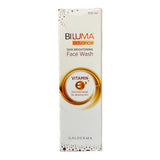
For brightening and uneven tone: consider gentle brightening categories such as vitamin C derivatives or pigmentation-targeted actives.
-
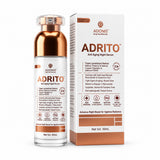
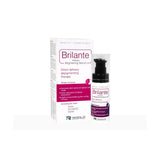
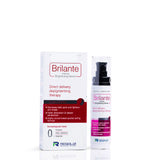
For proactive treatment: some serums are designed for daily use that supports a smoother look over time.
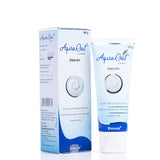
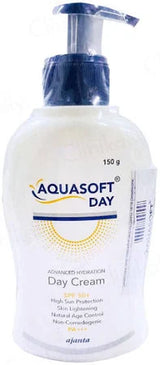
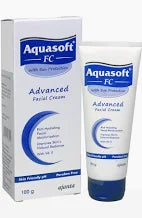
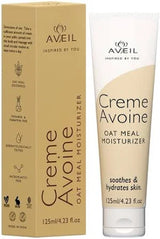
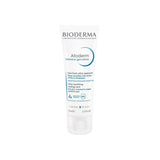
As examples for guidance on formulation styles, you may explore hydrating lotion options for moisture support, and daily serum concepts aimed at visible tone and texture improvements. Product selection should always be based on your skin sensitivity and ingredient tolerance.
Step 3: Moisturize consistently
Moisturizers help lock in hydration and reduce the appearance of dryness-related texture. A good moisturizer can also improve how skin handles actives by supporting barrier function.
If you have oily skin, you still need moisture. Choose lightweight formats that do not feel greasy and can be applied consistently. If you have dry or sensitive skin, choose a richer texture that reduces tightness.
Step 4: Apply sunscreen every morning
Sunscreen is the most important step for long-term visible improvement. Apply it every morning as the last step of your skincare routine. Use enough product to cover the face and extend to the neck where appropriate.
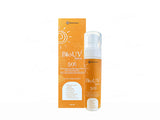
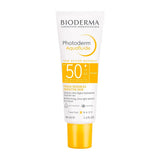
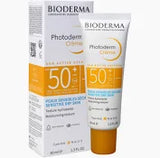
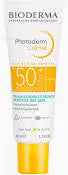
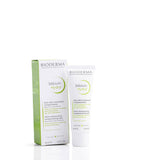
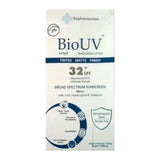
For oily or acne-prone skin, a non-comedogenic feel is often preferred. You may find suitable options on acne-focused UV gel listings. For daily coverage, another approach is to use broad protection formulas such as sunscreen cream options.
Step 5: Plan a night routine and adjust frequency
At night, you can focus on replenishment and active support. Start with your core steps, then adjust the frequency of stronger actives if your skin becomes reactive. For many people, gradual introduction prevents irritation.
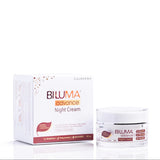
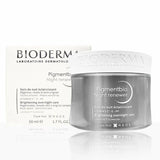
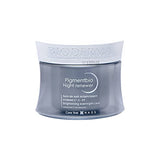
For example, brightening and antioxidant support can be layered in a night routine, while other active categories can be used less frequently if needed. The key is to observe your skin response and keep the routine sustainable.
Step 6: Exfoliate only as needed
Exfoliation can improve surface texture, but overuse can damage the barrier and worsen sensitivity. Choose a mild frequency and stop if you notice redness, burning, or increased flaking. If you already use strong active ingredients, keep exfoliation minimal.
A gentle brightening or mild exfoliation plan can complement hydration and sunscreen. Always allow recovery time after stronger treatments.
Common Questions Answered
When should I start anti-aging skincare?
You can begin once you notice early changes such as dryness, uneven tone, or the first appearance of fine lines. Many people start in their early adulthood because prevention is easier than correction. The best approach is to build a routine that supports barrier health and UV protection first, then add actives that fit your skin goals.
How long does it take to see results from anti-aging skincare?
Visible improvements depend on your baseline skin condition, the consistency of sun protection, and how your skin responds to actives. Instead of focusing on short timelines, evaluate your routine over multiple skincare cycles. If irritation occurs, the timeline will be longer because the priority shifts to restoring comfort and barrier function.
Can I use every active in one routine?
Using too many actives at once often increases the risk of redness, dryness, and reduced tolerance. A more reliable strategy is to select one primary active goal at a time, introduce new ingredients gradually, and adjust frequency based on your skin’s response. Consistency with cleanser, moisturizer, and sunscreen typically provides the baseline structure for all other improvements.
What if I wear makeup and need sunscreen daily?
You can still maintain daily UV defense by applying sunscreen as the first step under makeup and reapplying when necessary using methods that suit your routine. Choose a formula that works with your skin type and does not cause pilling. If you need additional coverage during the day, consider products that are designed for reapplication comfort.
Summary & Next Steps
Anti-aging skincare is most effective when it is systematic and consistent. Begin with gentle cleansing to protect the skin barrier, add hydration to improve comfort and the look of fine lines, and prioritize daily sunscreen to reduce new UV damage. When you select actives, match them to your primary concerns and introduce them gradually to support skin tolerance.
Next steps should focus on routine design and evaluation. Choose a cleanser, moisturizer, and sunscreen that you can use every day. Then add one targeted active category aligned with your goals, and adjust frequency based on how your skin responds. If you would like guidance on ingredient-friendly options, review the curated product pages on Allodermis and select formulas that align with your skin profile.
Disclaimer: This article is for educational purposes only and does not provide medical advice. Individual results vary based on skin type, lifestyle, and consistency of use. If you have a skin condition, sensitivity, or ongoing treatment, consult a qualified healthcare professional before changing your skincare routine.
About the Author
Allodermis is dedicated to evidence-informed skincare guidance with a focus on formulation quality and practical routines. The author team includes professionals with experience in dermatology-adjacent education, ingredient research, and consumer skincare support. This expertise helps translate skincare concepts into clear, actionable steps. For readers who want a structured routine, Allodermis aims to make anti-aging skincare decisions more confident and consistent.
Authors & medical review
Swaraj Dhar is a sociopreneur, technologist, and the co-founder of Allodermis.
Every article is fact-checked against current peer-reviewed dermatology literature and Allodermis clinical protocols.
This article was last reviewed and updated on . Published .
Have a skin or hair concern?
Book a free consultation with our AIIMS MD dermatologists. Clinics in Bhubaneswar, Gurgaon, and Delhi NCR.