























Anti-Aging Treatments: Key Ingredients That Really Work

Updated on: 2026-05-28
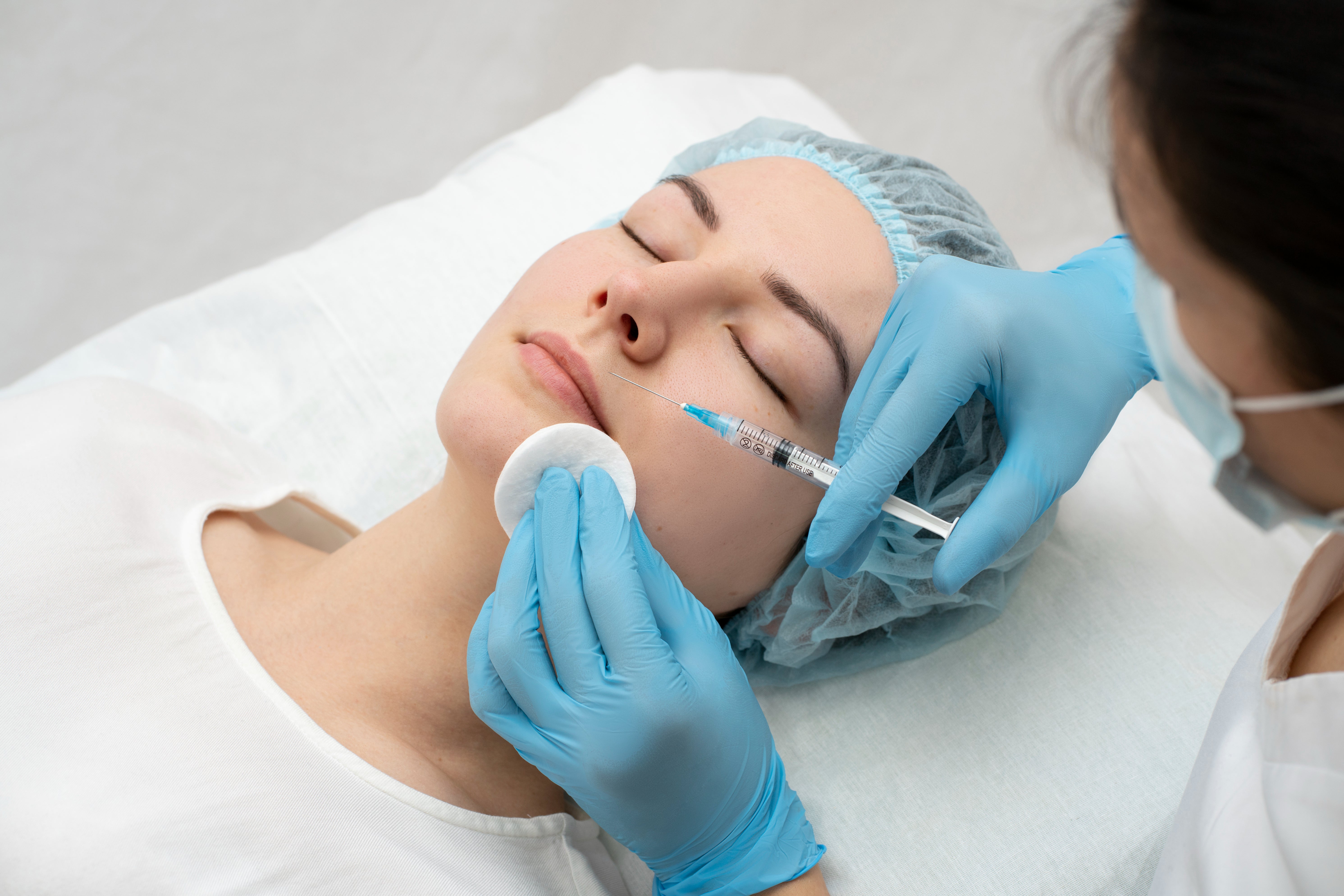
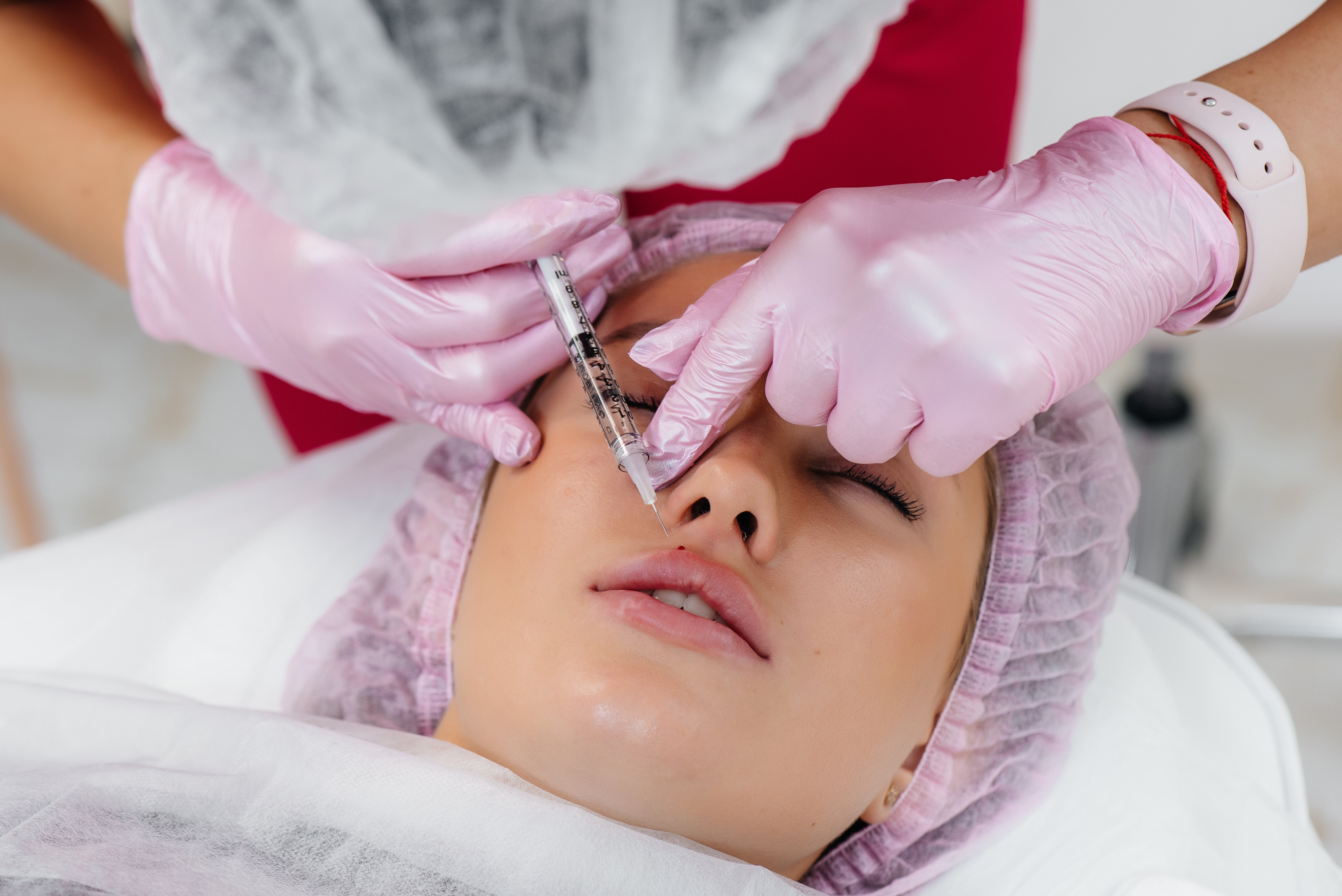
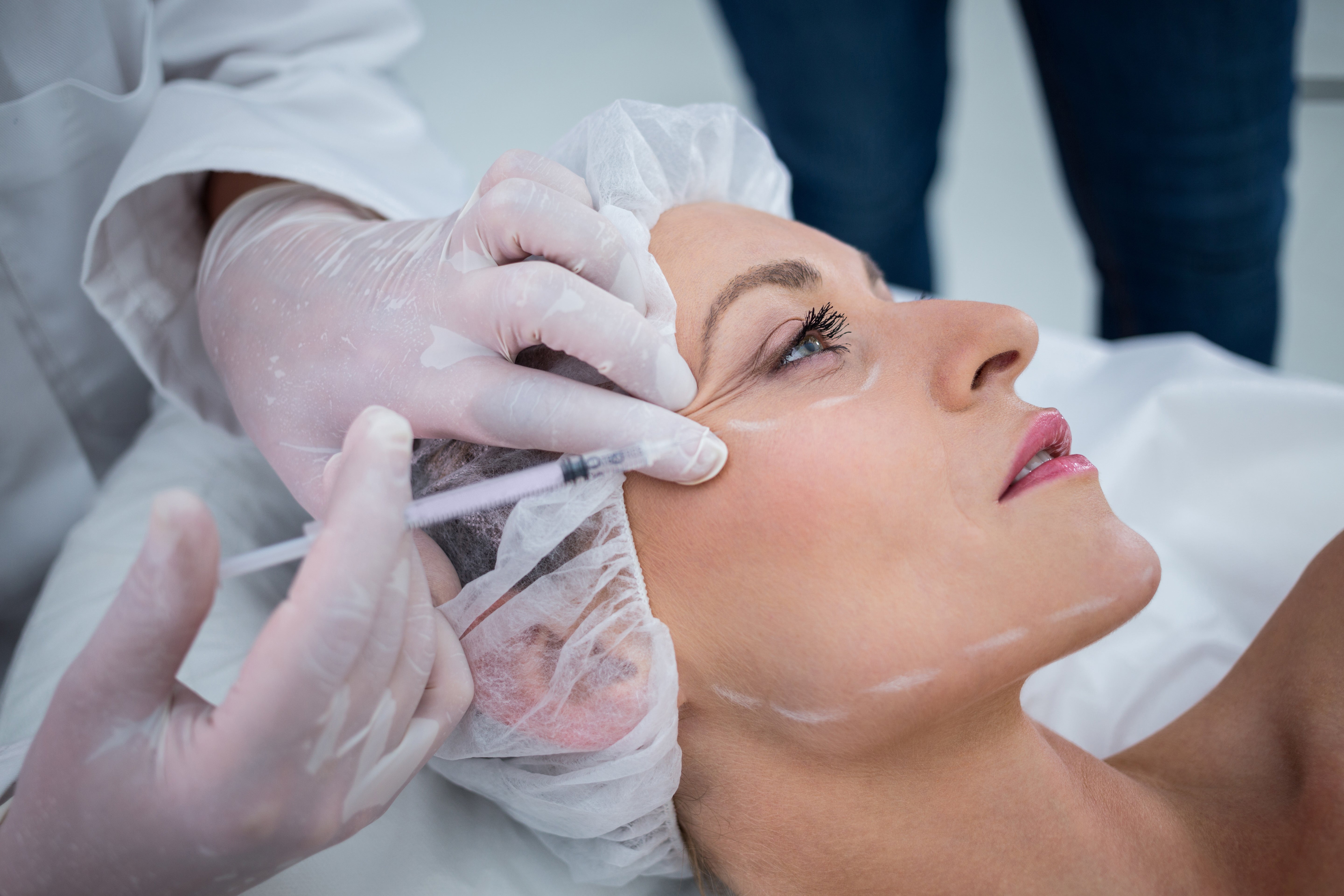
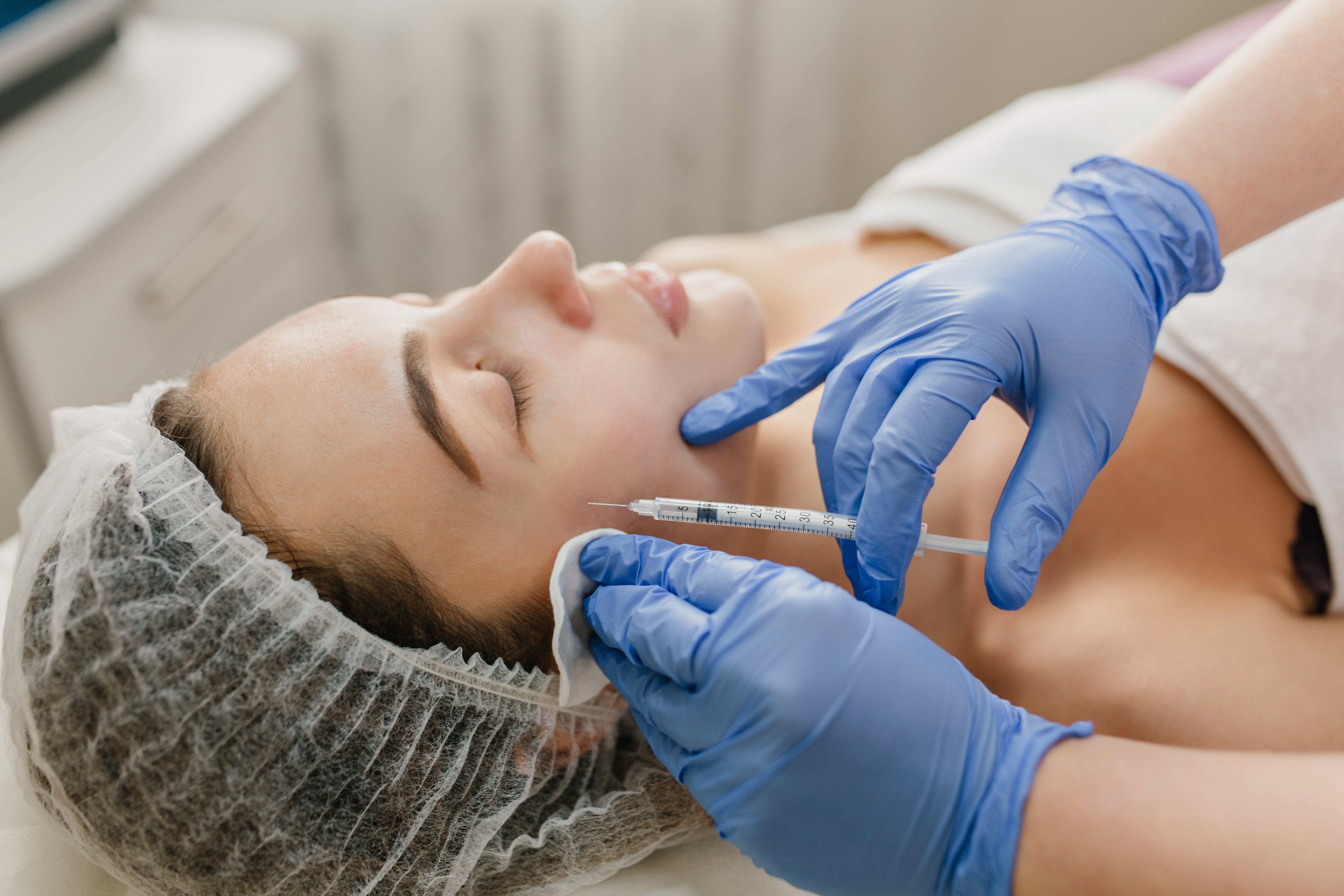
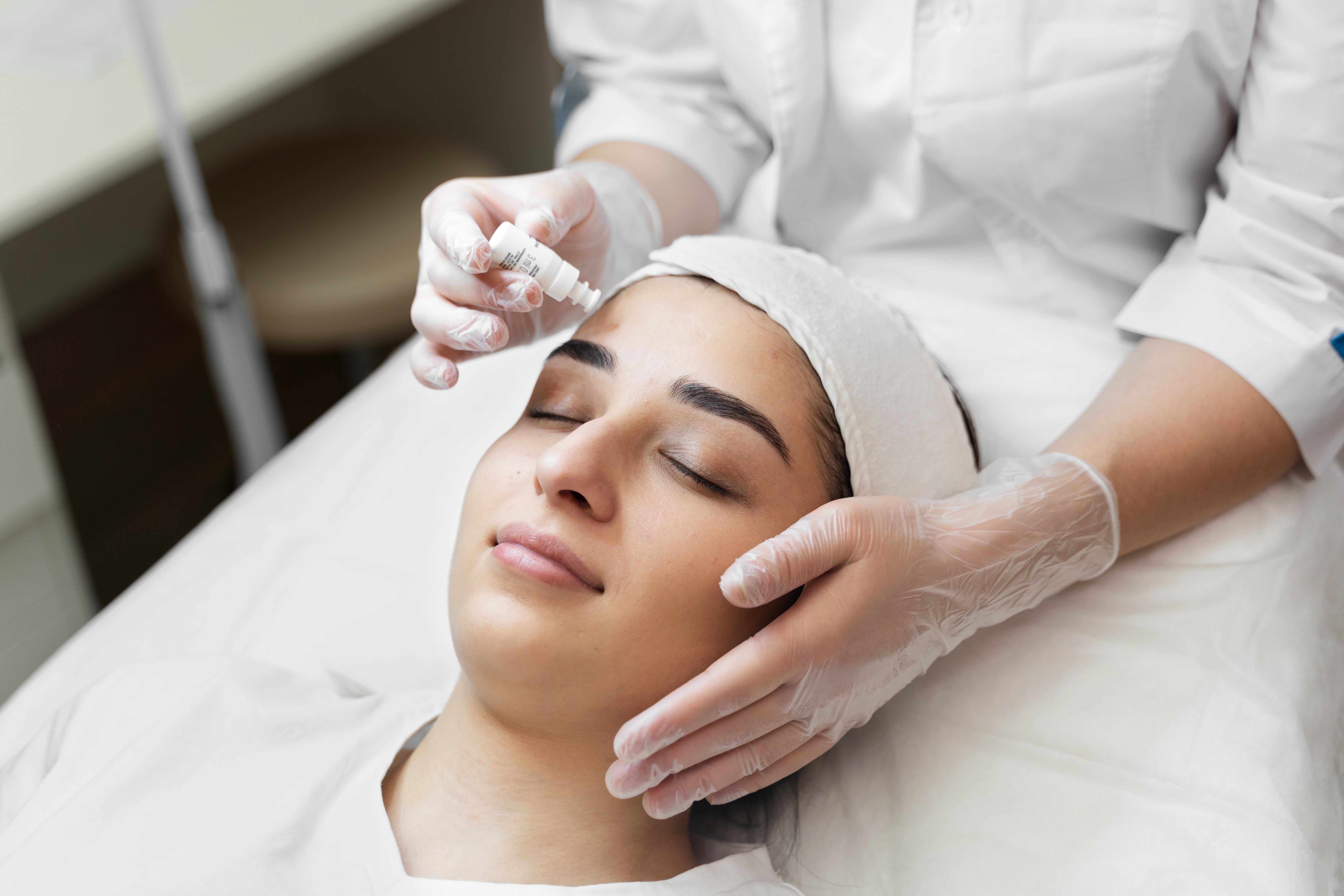
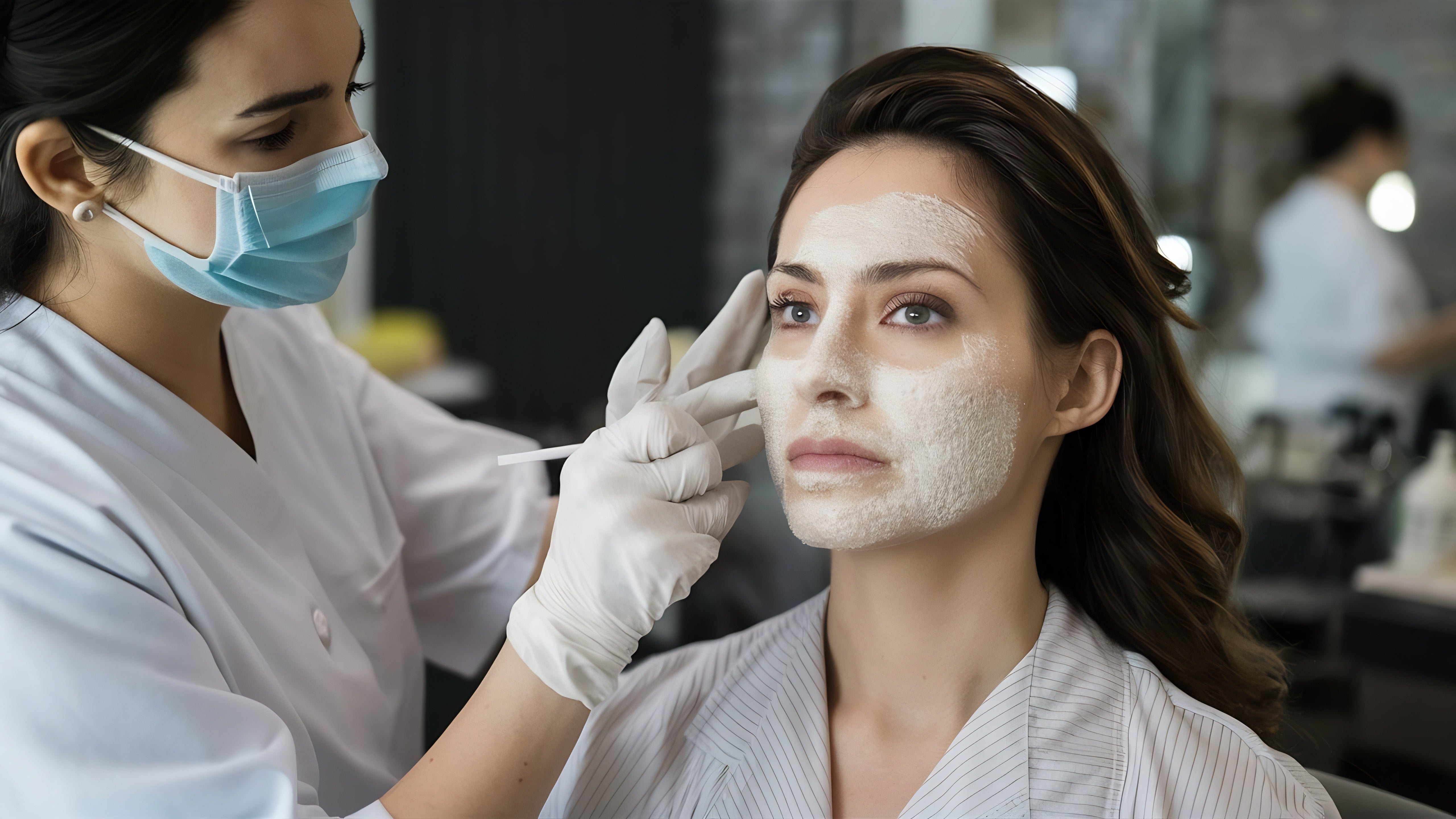
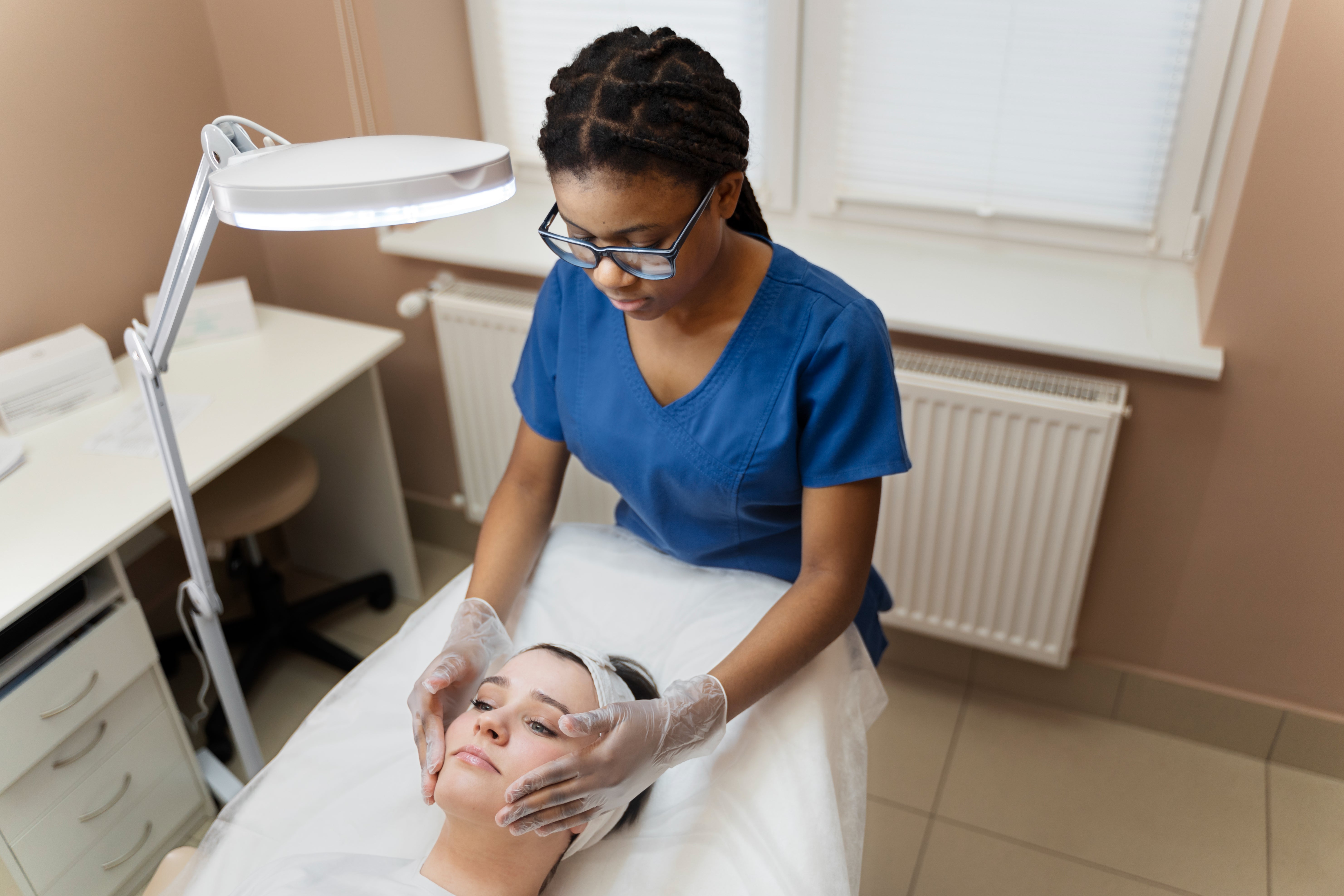
Anti-aging treatments aim to improve visible skin aging by supporting hydration, texture, and barrier health. The most effective routines combine evidence-based actives, consistent sun protection, and realistic timelines for results. Injectable options may target volume and wrinkles, while topical formulas support collagen-related pathways and surface renewal. Choosing treatments should prioritize skin type, tolerance, and professional guidance when needed.
Introduction
Anti-aging treatments are often discussed as a single solution, but effective skin care is usually a system. Skin aging is shaped by daily habits, genetics, environmental exposure, and the natural slowing of renewal processes. When routines are built on barrier support and sun defense, the results tend to look more consistent and more natural. This guide explains how to evaluate common options, how to build a routine step by step, and how to avoid choices that do not match your skin goals.
For many people, the most visible changes are not only wrinkles. They can also include uneven tone, rough texture, dullness, enlarged pores, and dryness. A well-designed approach to anti-aging treatments addresses multiple skin needs at once, including hydration, exfoliation, and protection from ultraviolet radiation.
Product Spotlight
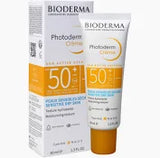
Topical products can play a central role in anti-aging treatments because they support daily skin function. One dependable category is a broad sunscreen, used consistently to reduce the cumulative effects of ultraviolet exposure. A reliable sunscreen can also improve the appearance of fine lines by preventing further damage.
If you want a practical starting point, consider pairing a gentle cleanser with a focused hydration and protection routine. For cleansing, you can use Cetaphil Gentle Cleanser to reduce irritation risk. For sun protection, select a formulation designed for daily wear. For example, you can explore Fixderma Shadow Sunscreen Cream to support daytime defense.

In a practical routine, the cleanser removes surface debris and helps the next steps absorb correctly. The sunscreen then becomes the protective layer that supports longer-term improvement in tone and texture. This foundation matters because many active ingredients work best when the skin barrier is calm and protected.
What makes a treatment “anti-aging” in everyday terms
When people say anti-aging treatments, they often mean three outcomes: smoother texture, more even tone, and better hydration. In clinical and consumer skin care, these outcomes frequently align with ingredients that support exfoliation, collagen signaling, antioxidant protection, and barrier reinforcement. The key is selecting actives that suit your tolerance and using them consistently.
Step-by-Step How-To
The most reliable way to integrate anti-aging treatments is to treat your routine as a phased plan. The phases reduce irritation, improve adherence, and allow you to evaluate what works. Use the steps below as a general framework. Adjust frequency if your skin becomes dry, tight, or reactive.
-
Assess your current skin baseline. Identify your main concern: dryness, rough texture, dark spots, or early fine lines. Note any triggers such as fragrance sensitivity, over-exfoliation, or harsh weather.
-
Cleanse gently. Use a mild cleanser once daily at night or as needed. Avoid strong stripping effects because barrier disruption can worsen the look of aging. For a gentle option, see Cetaphil Gentle Cleanser.
-
Hydrate before you treat. Many anti-aging treatments feel more effective when the skin is well hydrated. Choose a moisturizer that supports comfort and reduces tightness. If you use a hydrating lotion, keep it consistent for at least a few weeks before changing multiple variables.
-
Introduce one active at a time. If your goal is texture refinement, consider an ingredient that encourages renewal. If your goal is uneven tone, consider brightening actives and antioxidant support. Add only one new product per routine phase to reduce the risk of irritation.
-
Use targeted daytime protection. Ultraviolet exposure is a major driver of visible aging. Apply sunscreen every morning, including on cloudy days. If you need a daytime option, consider exploring I Shield Sunscreen Cream SPF 50 PA.
-
Support skin at night with a focused step. Night routines can include a serum and a moisturizer to improve comfort and surface appearance. You may also choose products designed for proactive skin concerns. For example, you can consider Dermatica AZE Proactive Serum as an option within a structured routine.
-
Track tolerance and adjust frequency. If your skin feels dry, reduce the frequency of active steps. If your skin is stable, you can gradually increase consistency. Improvement should look gradual, not sudden.
How to build a routine using ingredient categories
Anti-aging treatments often fall into a few practical categories:
-
Barrier supportive hydration: Helps skin maintain a comfortable surface and can improve the look of fine dry lines.
-
Antioxidant support: Helps reduce the look of stress-related dullness and supports overall skin resilience.
-
Texture refinement: Often involves exfoliating or renewal-supporting ingredients that smooth roughness over time.
-
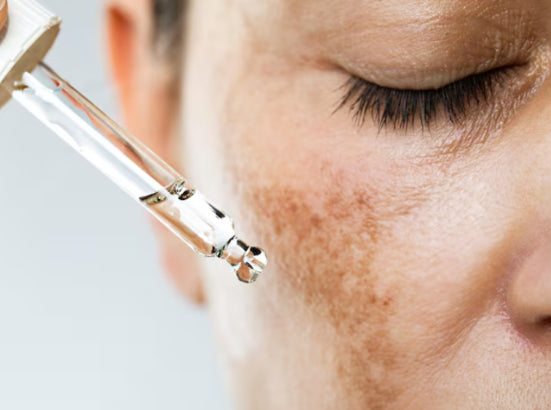
Brightening and tone balancing: Targets uneven pigmentation and helps maintain a more uniform appearance.
-
Sun defense: Prevents further damage and protects all other steps from being undermined.
Common mistakes that slow results
Several habits can prevent progress:
-
Changing multiple products at once, which makes it impossible to identify what caused irritation or improvement.
-
Skipping sunscreen, which reduces long-term benefits from serums and moisturizers.
-
Over-exfoliating, which can create dryness and increase the appearance of lines.
-
Using active ingredients without adequate hydration or barrier support.

Personal Experience
I approached anti-aging treatments with a practical mindset rather than expecting instant transformation. In my earlier routine, I added several products at once because I wanted faster visible change. Within days, my skin felt tight after cleansing and my complexion looked uneven. That outcome is common when barrier needs are ignored.
I adjusted the plan using a phased approach. I returned to gentle cleansing, improved hydration, and added daytime sun protection consistently. Only after my skin felt calm did I introduce one new active step at night. The change was not dramatic overnight. However, after several weeks, my skin looked smoother and more even, and the routine became easier to follow without discomfort.
This experience reinforced an important principle: anti-aging treatments should support daily skin function first. When skin comfort improves, texture and tone follow more reliably.
Summary and Recommendations
Anti-aging treatments work best when you build a foundation and then add targeted support. Start with gentle cleansing and consistent hydration, then include daily sun protection to reduce further photoaging effects. Introduce active ingredients one at a time to evaluate tolerance, and adjust frequency based on how your skin responds.
Recommendations you can use immediately:
-
Use a gentle cleanser to minimize irritation risk, such as Cetaphil Gentle Cleanser.
-
Choose a daily sunscreen and apply it consistently, such as I Shield Sunscreen Cream SPF 50 PA.
-
Use one active step at a time in your night routine to support texture and tone goals.
-
Track skin comfort. If irritation appears, reduce intensity and prioritize barrier support.
If you want to refine your approach further, consider evaluating your routine against your primary goal. For example, if your priority is acne-prone or blemish-related concerns alongside aging, you can review relevant skin care options such as IPCA Acne UV Gel SPF 50. If your priority is brightening support, you may also explore products designed for visible tone improvement, while still using sunscreen daily.
Q and A Section
Which anti-aging treatments deliver the most reliable results for everyday users?
For most people, the most reliable outcomes come from consistent sun protection, gentle barrier support, and a gradual addition of targeted actives. The combination of sunscreen and well-tolerated serums tends to produce steadier improvements in tone and texture compared with aggressive product changes.
How should I choose anti-aging treatments if my skin is sensitive?
Begin with cleansing and moisturizing that maintain comfort. Add one active ingredient at a time, preferably at a lower frequency, and increase slowly only if your skin remains stable. Avoid combining multiple strong actives in the same routine phase. When sensitivity is persistent, professional guidance can help reduce trial and error.
Do topical anti-aging treatments work without professional procedures?
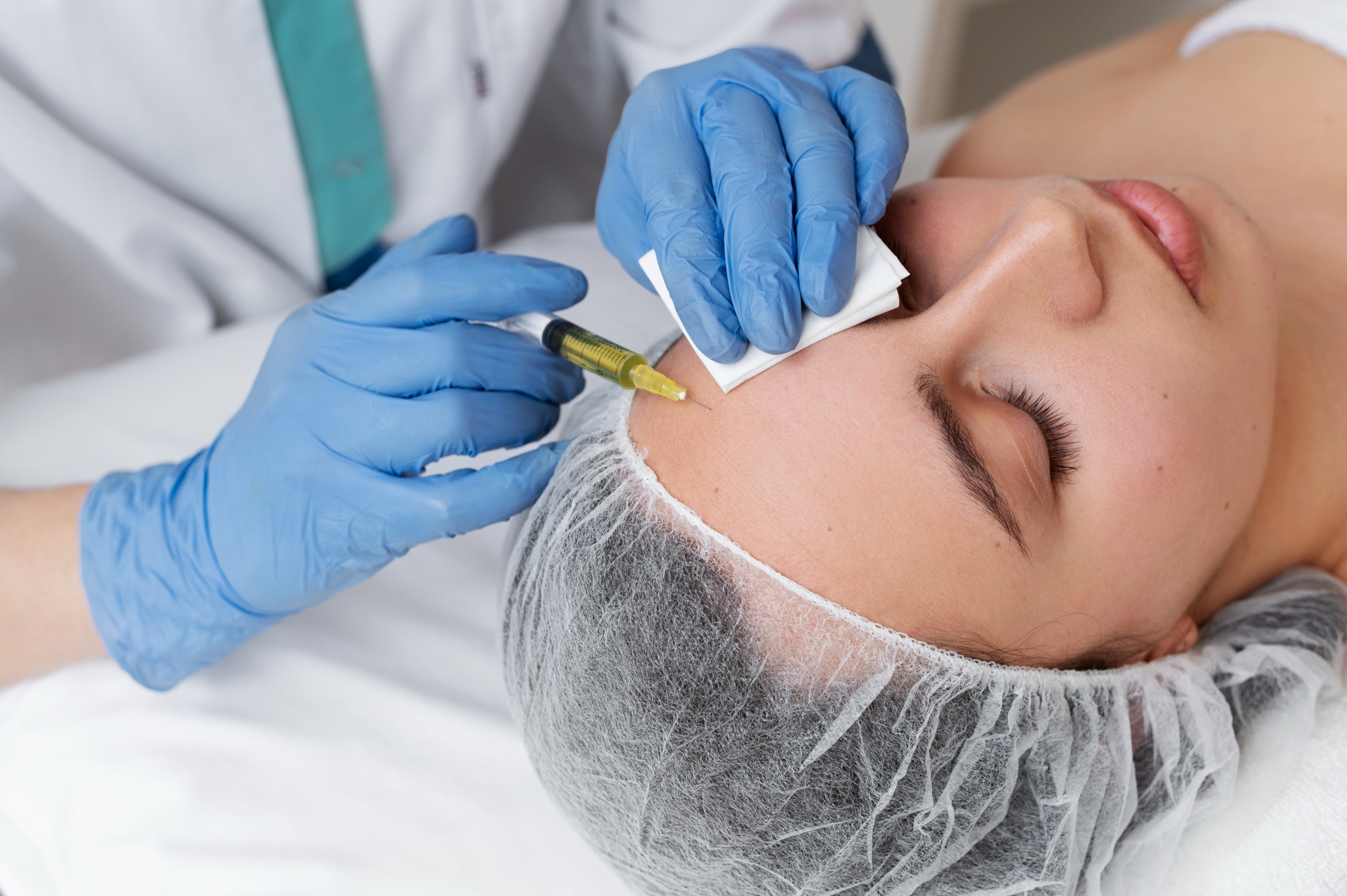
Topical options can support visible improvements in hydration, texture, and tone, particularly when sun protection is consistent. However, the extent of change varies by skin baseline and goals. For deep wrinkles or volume concerns, professional procedures may be considered, but topical care still plays an important role in maintaining overall skin quality.
How long should I maintain a routine before deciding it is not working?
Evaluate results using skin comfort and visible changes rather than immediate expectations. Many anti-aging treatments require repeated use to show consistent effects. If irritation occurs early, adjust promptly rather than continuing an uncomfortable routine.
About the Author
Allodermis
Allodermis is an eCommerce skincare platform focused on ingredient-first guidance and practical routines. Our expertise spans daily skin care essentials, formulation understanding, and care planning for common visible aging concerns. We aim to make selection and usage more clear, so customers can build consistent habits. Thank you for reading, and we encourage you to choose anti-aging treatments that align with your skin comfort and long-term goals.
Disclaimer: This article is for informational purposes only and does not provide medical advice. Individual results vary based on skin type, lifestyle, and product tolerance. If you have a medical condition, are using prescription treatments, or experience persistent irritation, consult a qualified healthcare professional or dermatologist before starting new anti-aging treatments.
Authors & medical review
Swaraj Dhar is a sociopreneur, technologist, and the co-founder of Allodermis.
Every article is fact-checked against current peer-reviewed dermatology literature and Allodermis clinical protocols.
This article was last reviewed and updated on . Published .
Have a skin or hair concern?
Book a free consultation with our AIIMS MD dermatologists. Clinics in Bhubaneswar, Gurgaon, and Delhi NCR.