











































At-Home Skincare Solutions: Simple Routines That Work

Updated on: 2026-06-08
At-home skincare solutions can help you build a consistent routine that supports healthier-looking skin. The most effective plans balance cleansing, hydration, sun protection, and targeted care. When you choose products and steps based on your skin type, you reduce irritation and improve adherence. This guide explains practical methods, common myths, and smart next steps for everyday use.
At-Home Skincare Solutions: Build a Routine That Your Skin Can Keep
At-home skincare solutions are more than a list of products. They are a repeatable system that fits your habits, your skin type, and your comfort level. When you use the same structure each day, your skin receives predictable care. That predictability supports barrier function and can lower the risk of overreacting to new ingredients.
In this article, you will learn how to select a simple routine, how to introduce active ingredients safely, and how to avoid the most common mistakes. You will also find a product spotlight that illustrates how key categories work together for daily results.
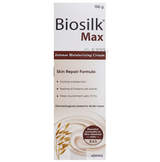
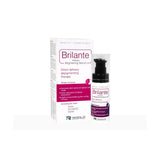
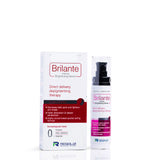
Product Spotlight
The best at-home skincare solutions usually follow a clear order. First, you cleanse to remove residue and sweat. Next, you hydrate to support comfort and barrier balance. Then, you apply targeted treatment if you have a specific concern. Finally, you protect your skin from ultraviolet exposure, which is essential for long-term skin quality.
To illustrate how this framework works, consider these categories and what they typically do:
- Cleansing: A gentle cleanser helps you reset your skin without stripping moisture. This step can reduce tugging, tightness, and dullness.
- Hydration: A hydrating lotion or serum supports a smoother look by improving skin comfort and reducing dryness signals.
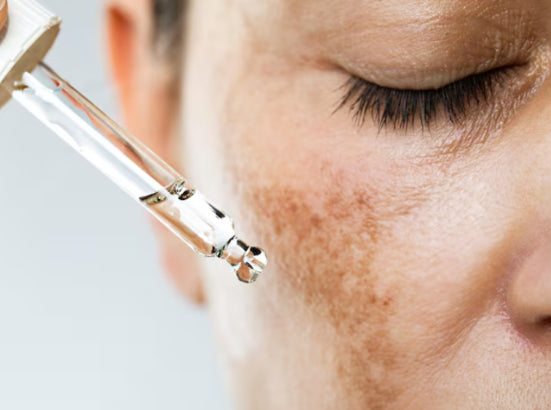
- Targeted care: Serums can address visible concerns such as uneven texture or the look of dark spots, depending on the formula.
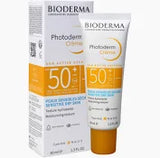
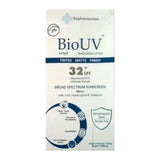
- Sun protection: Daily sunscreen helps prevent further discoloration and supports healthier-looking skin over time.
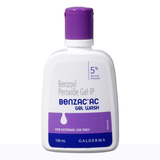
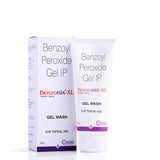
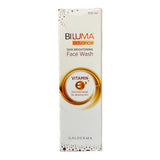
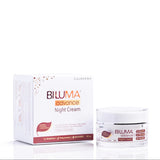
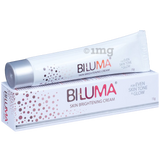
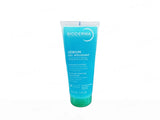
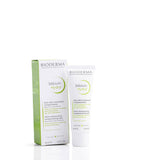
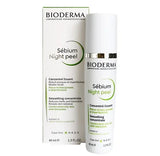
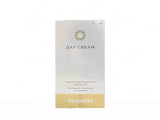
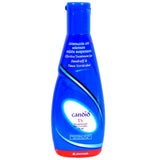
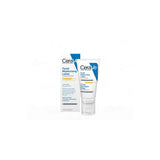
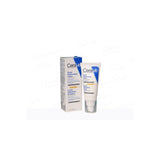
For shoppers who want a practical, routine-aligned starting point, you may review the following internal options:

Layered routine steps shown as clean icons
How to Build an At-Home Routine That Works in Real Life
Many people stop skincare progress because their routine is too complex. A strong routine should have a clear minimum and flexible add-ons. Start with a core set of steps that you can maintain for weeks, then adjust slowly.
Step 1: Choose a cleanser that matches your skin behavior
If your skin feels oily or congested, a foam cleanser can remove excess sebum without leaving a dry feel. If you experience tightness after washing, a gentler cleanser can help maintain comfort. A cleanser that is too harsh can cause rebound oiliness and irritation.
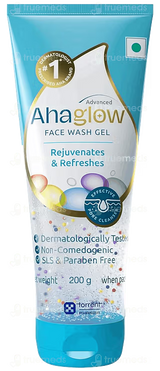
For example, you can explore gentle cleanser options when your priority is comfort, or oil-control foam wash when you want a more balanced cleanse for oily skin.
Step 2: Hydrate with a simple lotion or serum
Hydration supports the appearance of skin smoothness and can make active ingredients feel more tolerable. Look for formulas that absorb well and do not conflict with your other products. If you layer too many products, you may also reduce the benefits of each step.
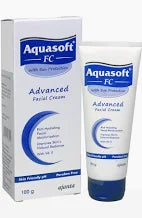
One approach is to choose a hydrating lotion first, then add a targeted serum only if needed. You can reference rich facial hydration lotion as an example of how hydration can fit into a consistent routine.
Step 3: Add targeted care with a slow introduction
Targeted care is where many routines become difficult. Active ingredients can help with concerns such as uneven tone, texture, or acne-prone behavior. However, speed is not the goal. Introduce one active at a time, assess skin tolerance, and continue only if your skin remains comfortable.
To address acne-related concerns or oily shine, consider reviewing internal options such as acne UV gel SPF. For complexion-brightening and appearance-focused support, you may also explore brightening serum or face serum, depending on your sensitivity level.
Step 4: Use sun protection every day
Sunscreen is not an optional step in most at-home skincare solutions. Ultraviolet exposure can worsen discoloration and contribute to visible aging changes. A consistent sunscreen habit supports more even tone and can improve how other products perform.
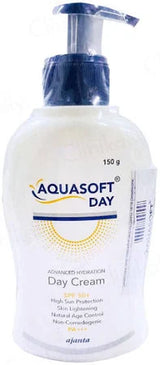
For daily use, you can review SPF sunscreen cream or daily sunscreen cream based on your comfort preferences.

Day and night routine icons with sunscreen signal
Myths vs. Facts
Skincare advice spreads quickly, but not all claims are useful. Clear facts help you choose at-home skincare solutions that support your skin without unnecessary risk.
Myth 1: More products always lead to better results
Fact: A longer routine is not automatically more effective. Skin can become irritated when you add multiple actives or heavy layers. Most people benefit from a focused routine with gradual upgrades.
Myth 2: Natural ingredients are always safer
Fact: Ingredient origin does not guarantee safety for every skin type. Even plant-derived ingredients can trigger sensitivity. The best approach is to match ingredients to your tolerance and to patch-test when you introduce something new.
Myth 3: Sunscreen is only needed on sunny days
Fact: Ultraviolet exposure can occur even when skies are cloudy or indoor light is bright. A daily sunscreen habit supports more consistent long-term skin quality.
Myth 4: Active ingredients should be used every hour for faster change
Fact: Active ingredients work through gradual effects. Overuse can disrupt the skin barrier and cause redness or dryness. Safer results often come from consistent use within recommended frequency.
Myth 5: If a product stings, it must be working
Fact: Stinging and burning sensations often indicate irritation. Skin may react negatively even if the product targets a concern. Comfort is a key signal in routine building.
Frequently Asked Questions
Below are concise answers to common questions about at-home skincare solutions. These responses focus on routine structure, ingredient tolerance, and everyday best practices.
What are the most important steps in at-home skincare?
The core steps are cleansing, hydration, and sun protection. Many routines also include targeted treatment based on individual needs, such as acne-prone skin or uneven tone.
How do I introduce a new serum safely?
Introduce one new product at a time. Apply it slowly and assess skin response over several days. If your skin remains comfortable, you can consider increasing frequency gradually.
Can I use multiple active ingredients in the same routine?
It is usually better to start with one active ingredient. Combining multiple actives increases the chance of irritation. If you combine products later, introduce them gradually and monitor your skin closely.
How long does it take to see changes?
Visible improvements typically require consistent use. Many people notice better comfort and texture first, followed by longer-term changes in tone and clarity.
Final Recommendations
At-home skincare solutions work best when they are consistent, skin-friendly, and tailored to your daily life. Use the following recommendations as a practical checklist.
- Keep a core routine: cleanser, moisturizer or lotion, and sunscreen. This foundation supports barrier balance.
- Add only one targeted change at a time: introduce a serum or treatment gradually to track your results.
- Prioritize comfort: if irritation appears, simplify your routine and reduce frequency.
- Use sunscreen daily: this supports long-term skin quality and helps prevent worsening of discoloration.
- Review how your skin behaves: oily, dry, sensitive, or combination patterns can shift seasonally, so adjust calmly.
If you want to start with proven routine categories, you can explore product options on Allodermis to match your skin behavior. For example, you may compare cleansing and hydration approaches using gentle cleanser options and rich facial hydration lotion. For sun protection, you can reference SPF sunscreen cream.
Call to action: Evaluate your current routine today. Choose one step to improve first, then refine the rest in small changes so your skin can adapt.
Disclaimer: This article provides general skincare education and does not replace professional medical or dermatological advice. Individual results vary based on skin type, sensitivities, and product compatibility. If you have persistent irritation, severe acne, or unusual symptoms, consult a qualified healthcare professional.
Q&A Section
How can I tell whether my routine is too harsh?
If you notice persistent tightness after cleansing, visible redness, burning sensations, or sudden rough texture, your routine may be too aggressive. Reduce the number of active products, return to a simpler cleanser and moisturizer routine, and reintroduce actives more slowly. Consistent comfort is a strong indicator that your at-home skincare solutions are suitable for your skin.
What is a practical morning routine for daily skin support?
A practical morning routine is typically: gentle cleansing if needed, hydrating lotion or serum, and broad-spectrum sunscreen. If you use a targeted treatment, apply it after hydration and before sunscreen. Keep the sequence consistent so your skin can follow predictable steps each day.
What is a practical evening routine for targeted improvement?
An evening routine often starts with cleansing to remove the day’s residue. Next, apply hydration and then add your chosen targeted serum if your skin tolerates it. End with moisturizer if needed to support comfort. Avoid changing multiple products at once in the evening so you can track what actually helps.
Should I use toners as part of at-home skincare solutions?
Toners are optional. Some toners can improve comfort and reduce residue, while others may contain actives that increase irritation for sensitive skin. If you choose to use a toner, start slowly and prioritize hydration-focused formulas. If your skin is already comfortable with cleanser and moisturizer, a toner may not be necessary.
About the Author Section
Allodermis
Allodermis is an expert resource focused on practical skincare routines, ingredient awareness, and everyday product selection. Our team supports thoughtful at-home skincare solutions through education that emphasizes comfort and consistency. We encourage readers to choose products that match their skin behavior and to introduce changes gradually. Thank you for reading, and we look forward to supporting your next routine improvement.
Authors & medical review
Swaraj Dhar is a sociopreneur, technologist, and the co-founder of Allodermis.
Every article is fact-checked against current peer-reviewed dermatology literature and Allodermis clinical protocols.
This article was last reviewed and updated on . Published .
Have a skin or hair concern?
Book a free consultation with our AIIMS MD dermatologists. Clinics in Bhubaneswar, Gurgaon, and Delhi NCR.