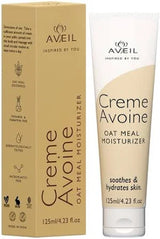

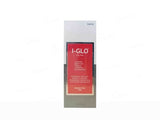
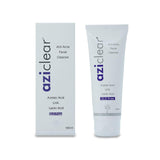
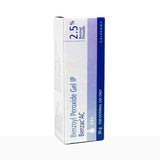
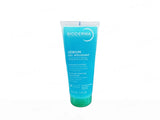
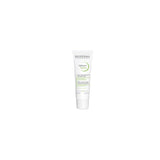
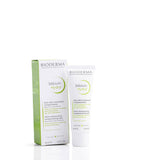
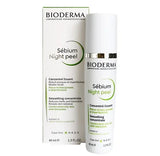















Best Cream for Skin Pigmentation: Tyrodin vs Melaglow vs Biluma vs Kovite, Compared Ingredient by Ingredient

Quick answer: The best cream for skin pigmentation is a steroid-free formula with proven melanin blockers such as arbutin, kojic acid, niacinamide or tranexamic acid, used every night with SPF 50 every morning. Melaglow Rich suits dull, uneven skin; Tyrodin suits melasma-prone spots; Biluma suits gentle daytime use. Expect visible change in 8–12 weeks.
Walk into any Indian pharmacy and ask for a "cream for skin pigmentation" and you will be handed five tubes that all promise the same thing. They are not the same. Each uses a different mix of actives, suits a different kind of pigment, and needs a different routine. Our dermatologists compared the four depigmenting creams most often asked about at Allodermis, ingredient by ingredient, so you can pick the right one the first time.
How does a pigmentation cream work?
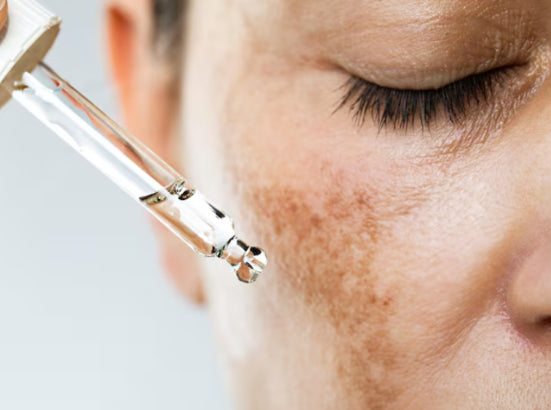
Dark spots form when skin cells called melanocytes make too much melanin, usually after sun exposure, acne or hormonal change. The key enzyme in this process is tyrosinase. Most pigmentation creams work in one or more of three ways:
- Block tyrosinase so less new pigment forms (arbutin, kojic acid, liquorice, mulberry).
- Stop pigment transfer from melanocytes to surface cells (niacinamide).
- Speed up shedding of already-pigmented cells (glycolic acid and other AHAs).
Tranexamic acid adds a fourth route: it calms the blood-vessel and inflammation signals that keep melasma active. A good pigmentation cream combines two or three of these routes.
The 4 creams compared
|
|
Melaglow Rich Cream |
|||
|---|---|---|---|---|
|
Key actives |
Tranexamic acid, kojic acid dipalmitate, arbutin, vitamin E, magnesium ascorbyl phosphate |
Niacinamide 4%, arbutin 2%, kojic dipalmitate 2%, glycolic acid 2%, soy isoflavones, liquorice, pTeroWhite |
Kojic acid dipalmitate, arbutin, mulberry, liquorice, tetrahydrocurcumin |
Brightening actives with UV filters (confirm full list on the pack) |
|
Exfoliating acid |
No |
Yes (glycolic 2%) |
No |
Check pack |
|
Best for |
Melasma-prone patches, post-acne marks |
Dullness, uneven tone, tan, acne marks |
Mild spots, daytime brightening |
Maintenance after spots fade |
|
When to apply |
Night (day with SPF is fine) |
Night |
Day or night |
Day or night |
|
Sensitive skin |
Usually well tolerated |
Start alternate nights |
Usually well tolerated |
Patch test |
|
Allodermis price* |
₹299 (20 g) |
₹759 (20 g) |
₹739 |
Check product page |
*Prices at the time of writing; check the product page for current offers.
Shop the creams compared → Buy Tyrodin Cream for melasma-prone spots · Buy Biluma Brightening Cream for gentle daily use · Buy Kovite Ultra for maintenance
Which cream is best for which pigmentation?
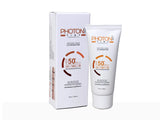
For melasma (symmetrical brown patches on cheeks, forehead, upper lip): choose Tyrodin Cream. Tranexamic acid is one of the few ingredients that targets the vascular side of melasma. Pair it with a tinted SPF 50 such as Aclaris Photon Tint 360, because visible light also worsens melasma. Moderate to severe melasma still needs a dermatologist; see our Melasma page.
Get the melasma pair: buy Tyrodin Cream → and add Aclaris Photon Tint 360 SPF 50+ → · Night treatment plus tinted daytime protection
For dull, uneven skin with old tan and acne marks: choose Melaglow Rich Cream. Its 2% glycolic acid speeds up shedding of stained cells, while 4% niacinamide and 2% arbutin limit new pigment. Use it at night only and start on alternate nights.
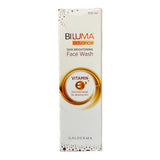
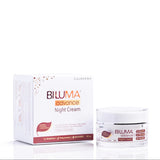
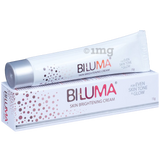
For mild spots and a gentle daytime option: choose Biluma Skin Brightening Cream. It relies on plant-derived tyrosinase blockers (mulberry, liquorice) plus kojic dipalmitate and arbutin. For a richer night option in the same range, Biluma Advance Night Cream adds Kakadu plum (a vitamin C source) and hyaluronic acid.
For maintenance once spots have faded: a lighter brightening cream such as Kovite Ultra can be used to hold results. Check the label for its full active list before layering with other actives.
What about Solglo, Melblok and Oryza? These are also popular Indian depigmenting creams. Solglo Demelanising Cream, for example, combines mulberry, liquorice, niacinamide and kojic dipalmitate. If you are already using one and it suits you, there is no need to switch. Use the same checklist below to judge any cream.
How to use a pigmentation cream for best results
- Cleanse with a gentle or brightening cleanser such as Pigmentbio Foaming Cream.
- Apply a pea-sized amount to the whole affected area, not only the darkest spot. Spot-treating creates a "halo".
- Start slowly: alternate nights for the first 2 weeks if the cream contains glycolic acid.
- Moisturise if your skin feels dry.
- Every morning, apply SPF 50 and reapply when outdoors. Without sunscreen, no pigmentation cream will work.
- Give it 8–12 weeks before judging. Take a photo in the same light every 2 weeks.
How long before you see results?
- Weeks 2–4: brighter, smoother surface; little change in spots.
- Weeks 6–8: acne marks and recent tan start to lighten.
- Weeks 8–12: visible fading of most sun spots and mild melasma.
- After 12 weeks without change: the pigment is probably deeper (dermal), and you need a clinic plan rather than a stronger cream.
Warning: how to tell if a cream contains a steroid
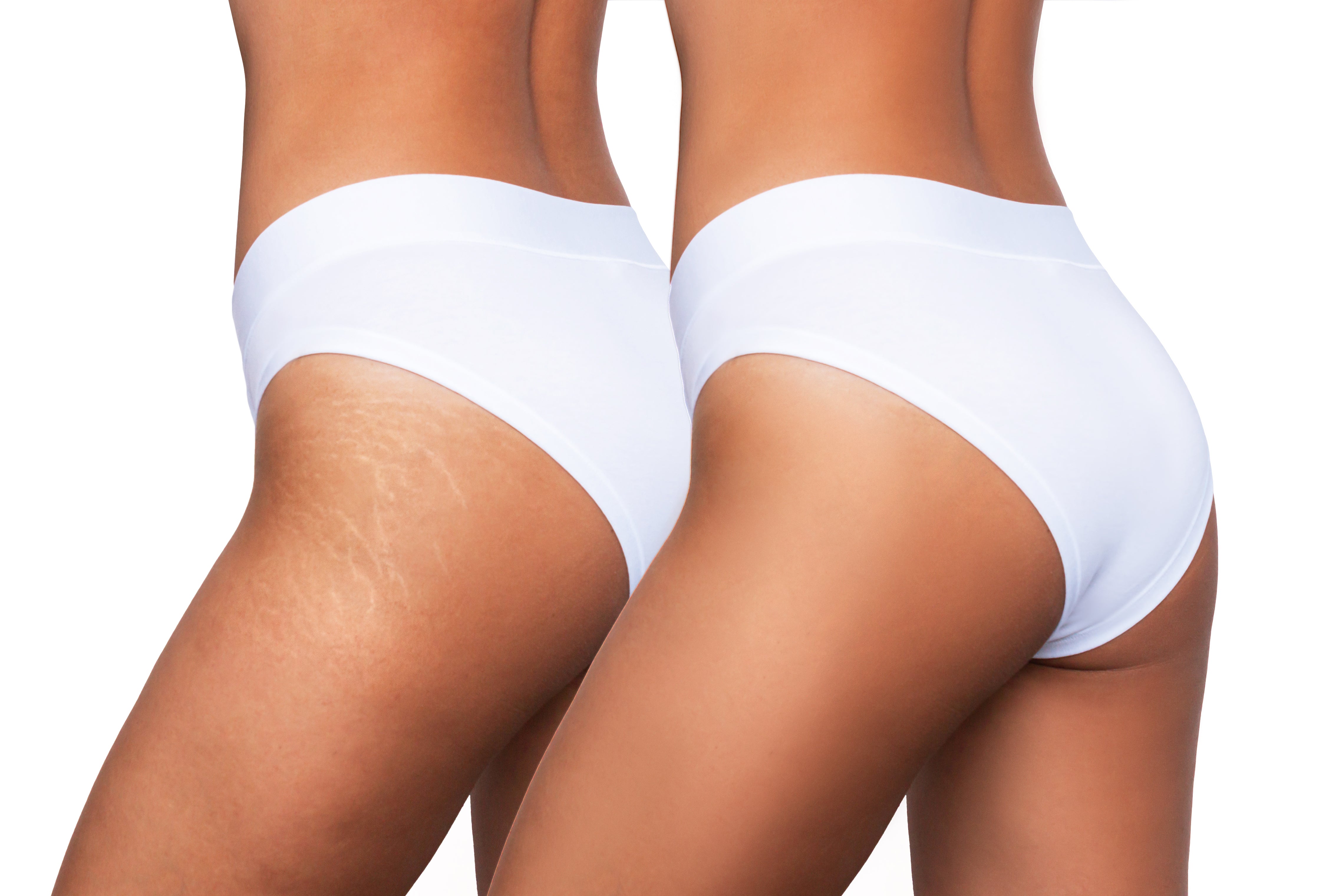
Some "fairness" and "skin whitening" creams sold online contain a potent topical steroid such as mometasone, clobetasol or betamethasone, often combined with hydroquinone and tretinoin. They work fast at first, which is why people keep using them. Long-term use can cause thin skin, visible veins, acne, stretch marks, redness and rebound pigmentation that is harder to treat than the original problem.
Check the label. If you see any word ending in -sone or -solone, or the word clobetasol, do not use it without a dermatologist's prescription and supervision. Hydroquinone creams are also prescription-only and should be used for short, supervised courses. The four creams compared above are steroid-free.
Choose a steroid-free option: buy Tyrodin Cream → · Tranexamic acid, kojic acid and arbutin, with no steroid
Can a pigmentation cream make skin darker?
Yes, in two situations. First, if it irritates the skin, the inflammation can trigger new pigment, especially in brown Indian skin. Stop if you get burning, redness or peeling that lasts more than two days. Second, if you use an exfoliating cream (like one with glycolic acid) without sunscreen, freshly exposed skin tans more easily.
When creams are not enough
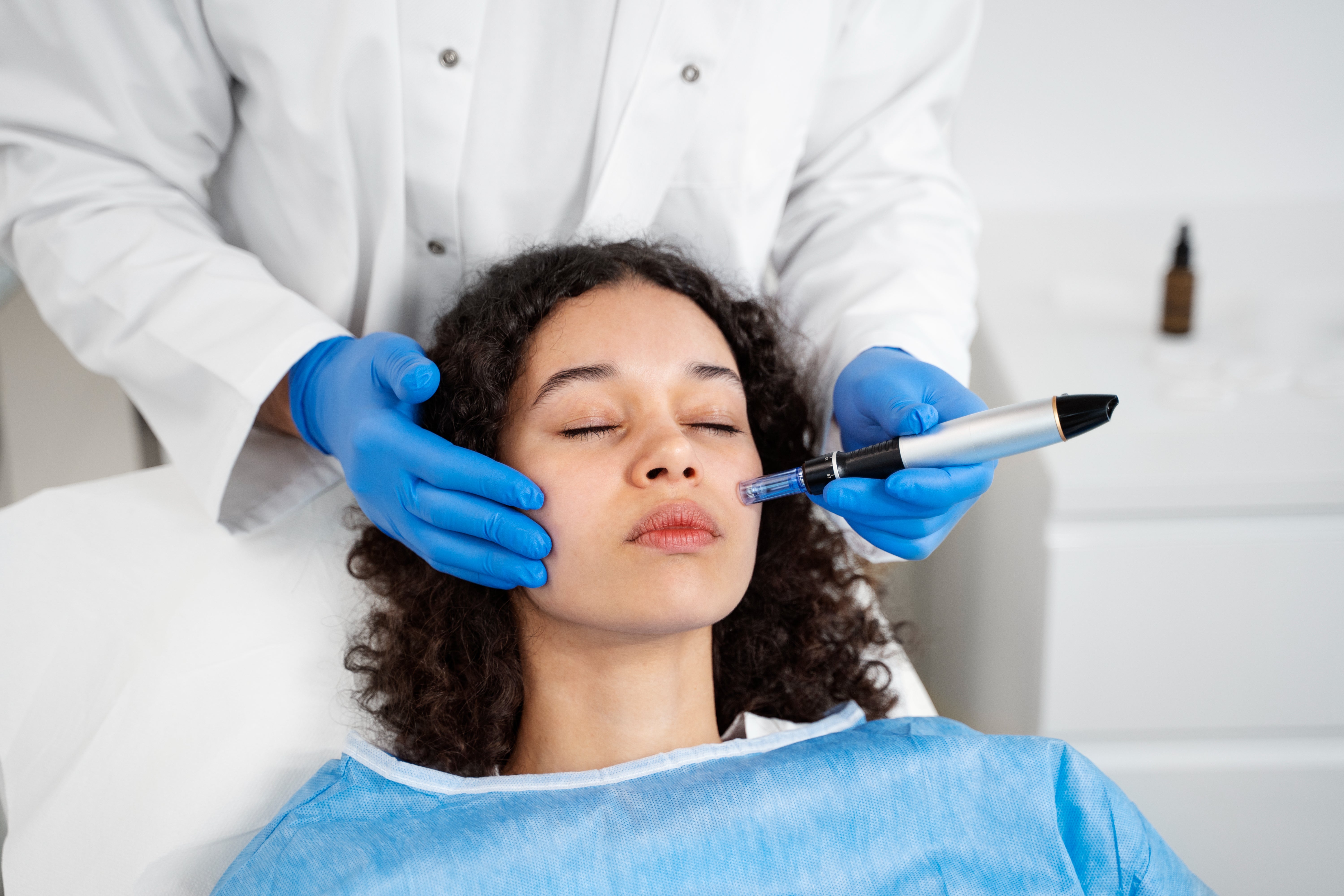
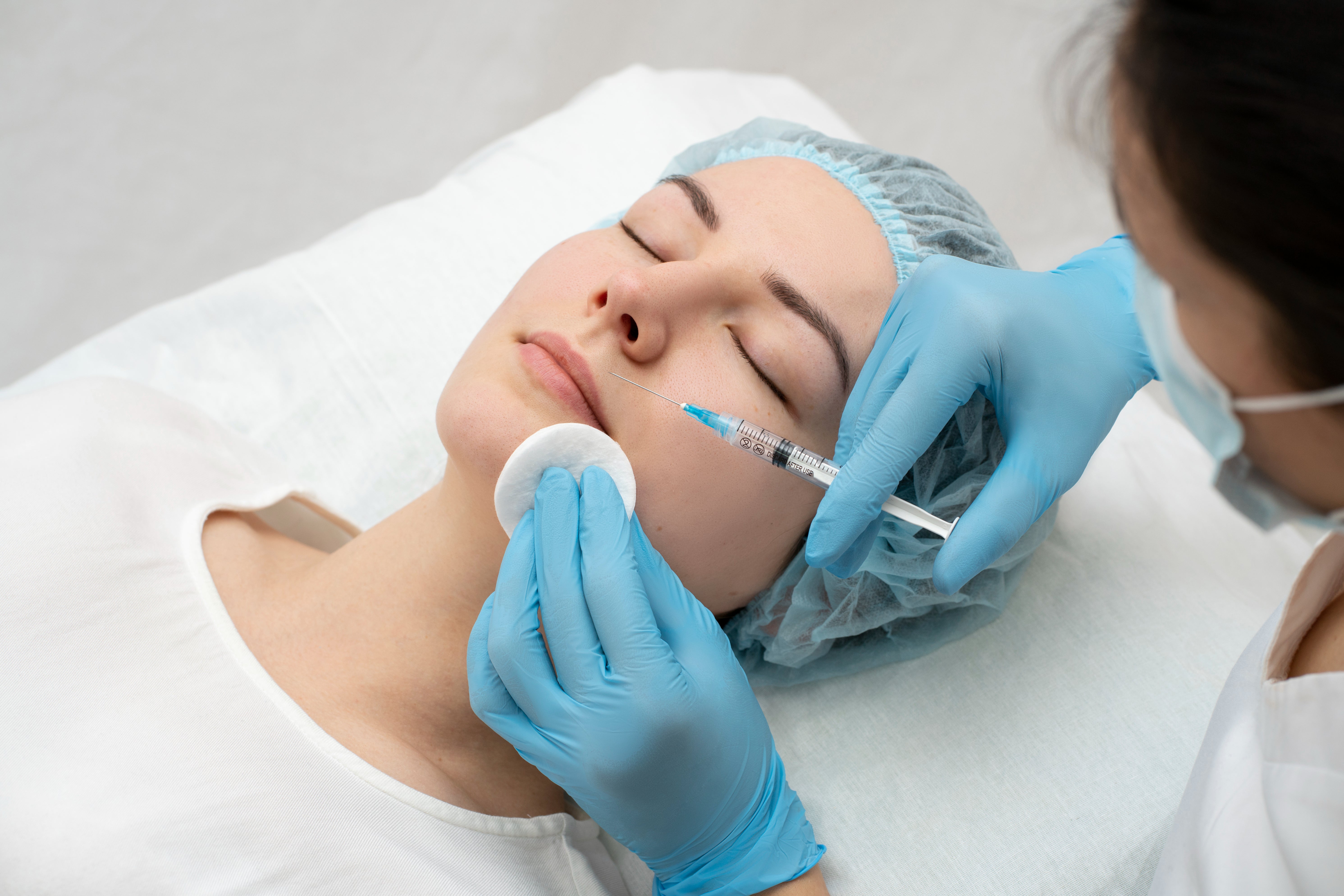
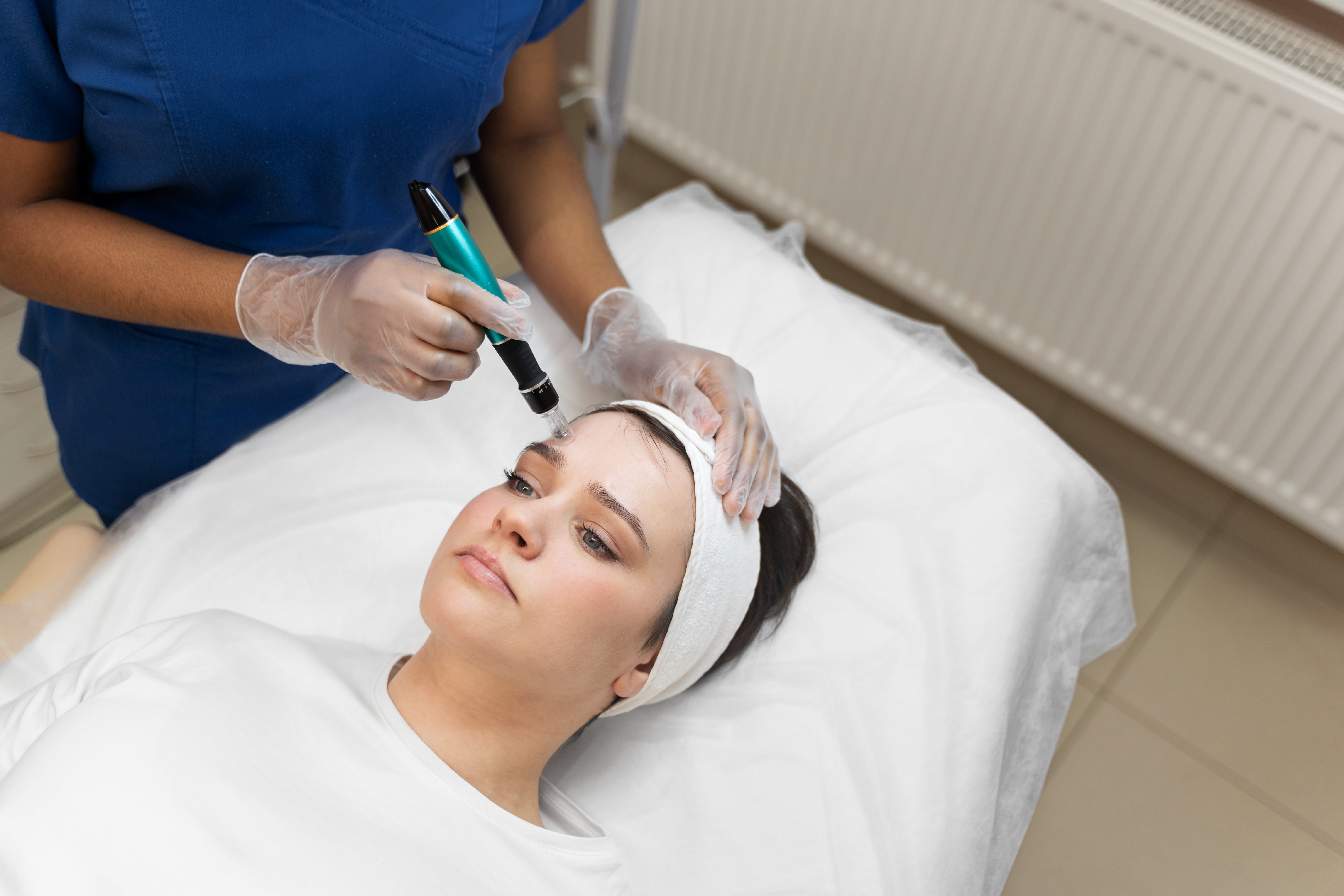
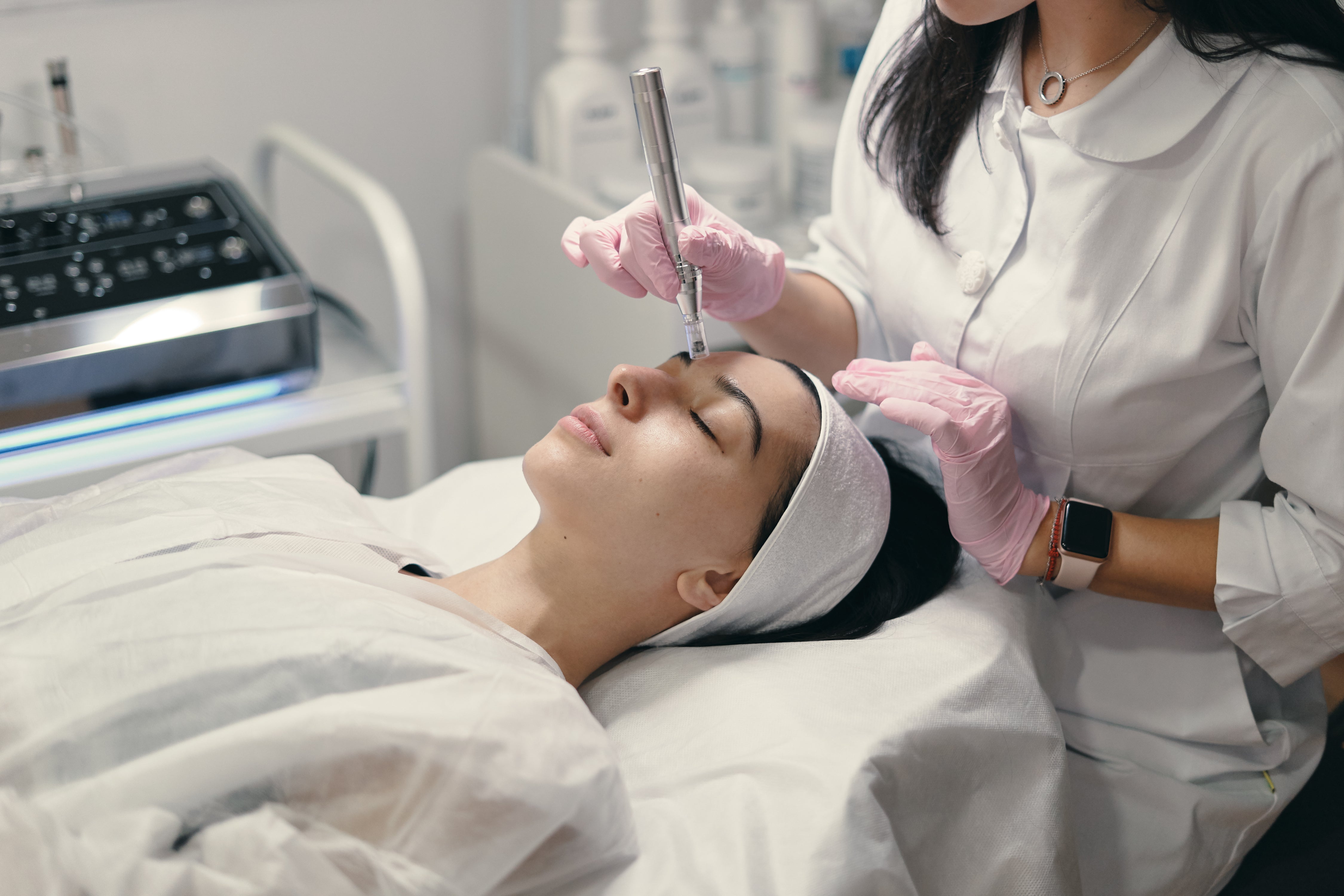
Creams work on the upper layers of skin. Deep or long-standing pigmentation often needs in-clinic treatment such as chemical peels, laser toning or a Cosmelan depigmentation peel, combined with a home cream for maintenance. Allodermis dermatologists at KIIT Square and Patia in Bhubaneswar, and in Delhi, can identify whether your pigment is epidermal, dermal or mixed, which decides what will actually work. Read our Pigmentation & Melasma Treatment guide or start with a free AI Skin Analysis.
Frequently asked questions
Which cream is best for melasma? A steroid-free cream with tranexamic acid, such as Tyrodin, used with daily tinted SPF 50 is a good starting point. Moderate or severe melasma needs a dermatologist-led plan.
Is Tyrodin cream safe for daily use? Yes. Tyrodin is steroid-free and suitable for daily use on most skin types. Use sunscreen every morning and stop if you notice persistent irritation.
Can I use two pigmentation creams together? It is rarely needed. Using two creams with acids or high actives increases irritation, which can worsen pigmentation. Use one at night and a sunscreen by day.
How do I know if a cream has a steroid? Look for words ending in -sone or -solone (mometasone, betamethasone, fluocinolone) or clobetasol in the ingredients. Do not use these without a prescription.
How long do pigmentation creams take to work? Most people see brighter skin in 4 weeks and visible fading of spots in 8–12 weeks, provided they use SPF 50 daily.
The bottom line
There is no single best cream for skin pigmentation; there is a best match for your type of pigment. Choose Tyrodin for melasma-prone patches, Melaglow Rich for dull, uneven tone, and Biluma for gentle brightening, and protect every result with daily sunscreen. Shop Tyrodin Cream or book a consultation if you are not sure which pigment you have.
References (verify before publishing): manufacturer ingredient lists for each cream; add 2 peer-reviewed sources (a review of topical tranexamic acid for melasma, and a review of topical depigmenting agents).
Authors & medical review
Swaraj Dhar is a sociopreneur, technologist, and the co-founder of Allodermis.
Every article is fact-checked against current peer-reviewed dermatology literature and Allodermis clinical protocols.
This article was last reviewed and updated on . Published .
Have a skin or hair concern?
Book a free consultation with our AIIMS MD dermatologists. Clinics in Bhubaneswar, Gurgaon, and Delhi NCR.