





































Best Products for Oily Skin: Guide to Clear Shine

Updated on: 2026-06-16
Oily skin often needs balance, not harsh stripping. Products for oily skin work best when they support gentle cleansing, lightweight hydration, and pore-friendly protection. A consistent routine can reduce the look of excess shine and help skin feel more comfortable. The best choices include non-comedogenic formulas and ingredients that support oil control while maintaining the skin barrier.
Table of Contents
Introduction
Products for oily skin are designed to manage excess sebum while keeping skin calm and properly hydrated. When skin becomes too dry, it can respond by producing more oil. When skin is irritated, it can also appear more textured and shiny. A well planned routine supports cleaner pores, smoother texture, and a balanced look.
For many people, the challenge is selecting items that do not feel heavy. The goal is to choose formulas that cleanse effectively, hydrate lightly, and protect during the day. You can also tailor choices for sensitivity, climate, and acne tendency.
Common Challenges
Oily skin is not only about shine. It can include visible pores, clogged texture, occasional breakouts, and uneven comfort throughout the day. Below are common issues and practical solutions that align with modern skin care routines.
Pores that appear larger
When pores look more defined, it is often due to excess oil, buildup, and loss of smoothness. Avoid overly aggressive scrubs. Instead, use a gentle cleanser and pair it with a targeted treatment if you have clogged areas. Daily consistency matters more than intensity.
Breakouts that worsen with heavy products
Many breakouts are influenced by occlusive or overly rich textures. Choose non-comedogenic moisturizers and lightweight serums. If you use makeup, choose formulas labeled as non-comedogenic and remove it thoroughly at night.
Shine that returns quickly
Fast shine can result from both oil overproduction and barrier imbalance. A simple routine can help: cleanse once in the morning and once at night, then hydrate lightly, and apply sunscreen. If you need a midday refresh, use blotting papers rather than washing repeatedly.
Sensitivity from over cleansing
Some routines rely on strong surfactants or frequent exfoliation. That approach can weaken the barrier and increase irritation. If you notice stinging or tightness, reduce cleansing frequency or switch to a gentler cleanser. Then reintroduce actives more slowly.

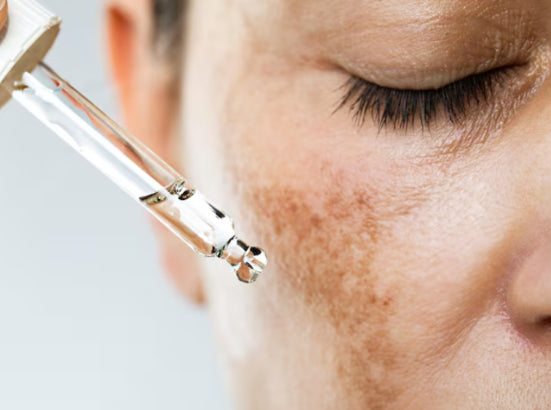
Visual guide: oil balance, pore clarity, barrier support
How to Build a Routine
A routine for oily skin should be structured, repeatable, and easy to maintain. Use the steps below as a framework. Adjust actives based on your tolerance and response.
Step 1: Cleanse with an oil aware, gentle formula
Start with a cleanser that removes excess oil and daily residue without stripping. Look for gentle surfactants and formulas that feel comfortable after washing. If you prefer foam textures, choose one that does not leave skin tight.
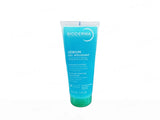
For cleansing options that fit oily and acne-prone needs, you can explore a gentle cleanser such as Cetaphil Gentle Cleanser. If you want an oil control foam wash, review Cetaphil Pro Oil Control Foam Wash.
Step 2: Hydrate lightly, even when skin is oily
Many oily skin routines skip moisturizer. That is a common mistake. Lightweight hydration supports comfort and can reduce rebound oiliness. A gel cream or light lotion is often a better choice than a heavy cream.
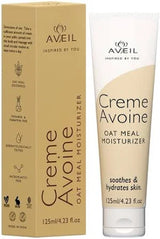
Consider a facial hydrating option like Cipla Excela Hydrating Lotion if you want a lightweight approach that still supports skin feel.
Step 3: Add targeted treatment for texture or clogged areas
Targeted treatments can help with visible pores, uneven texture, and acne tendency. You can use a serum or another step that aligns with your skin needs. When using treatment products, start slowly to limit irritation.
To address acne and oil related concerns, you may consider an acne focused approach such as Aze Proactive Serum or an acne UV solution like Acne UV Gel SPF 50, depending on your routine.
Step 4: Protect with a non greasy daily sunscreen
Sunscreen is essential for all skin types. For oily skin, the best choice is typically a sunscreen that dries down well and does not feel sticky. Sunscreen also supports an even skin tone by reducing the impact of daily sun exposure.
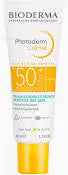
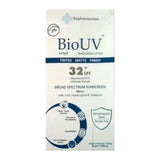
If you want a sunscreen option for daily use, you can review I Shield Sunscreen Cream SPF 50 or Fixderma Shadow Sunscreen Cream.
Step 5: Keep exfoliation controlled
Exfoliation is useful, but overdoing it can increase sensitivity and shine. Use exfoliation in a controlled pattern, such as a few times per week, depending on product strength and your skin response. If you use exfoliating acids, avoid pairing multiple exfoliating products in the same routine.
Ingredients That Help
Ingredients influence how products for oily skin perform. The most effective routines use compatible ingredients for cleansing, oil control, and barrier support. Focus on formulas that match your needs and avoid ingredient overload.
Oil balancing and pore support
Some formulas include ingredients that help refine the look of pores and support smoother texture. Look for well tolerated actives and gentle supporting components rather than high strength approaches that can cause dryness.
Lightweight humectants and barrier support
Humectants such as glycerin and similar moisturizing agents can improve hydration without adding heavy residue. Barrier supportive ingredients can also help skin handle daily stress, which can improve overall comfort and reduce reactive shine.
Acne support when breakouts occur
If you experience acne or clogged texture, consider targeted treatments formulated for acne prone skin. Use them gradually and maintain hydration and sunscreen. This balance reduces irritation while still supporting clear looking skin.
Brightening for uneven tone
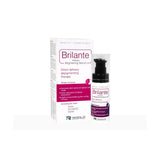
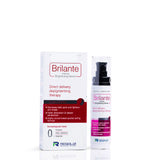
Uneven tone can develop in oily skin due to inflammation and repeated irritation. Brightening ingredients can help maintain a more even appearance. If you pursue brightening, pair it with consistent sunscreen for best results.

Routine map: cleanser, serum, moisturizer, sunscreen layers
Comparison of Product Types
To select the right products for oily skin, it helps to understand how different product types support the routine. The table below summarizes what each category typically does, who it suits, and what to watch for.
| Product Type | Main Benefit for Oily Skin | Common Fit | What to Watch For |
|---|---|---|---|
| Gentle Cleansers | Removes oil and residue without stripping | Daily morning and night use | Overly harsh cleansers that leave tightness |
| Foam or Gel Cleansers | Helps lift oil while maintaining comfort | For frequent shine or oily texture | Excessive fragrance or very strong surfactants |
| Lightweight Moisturizers | Supports barrier comfort and reduces rebound oiliness | After cleansing | Heavy creams that feel greasy |
| Serums and Treatments | Targets clogged texture, uneven tone, or acne tendency | Night or alternating days | Starting too many actives at once |
| Sunscreens | Protects from daily sun exposure | Every morning | Sticky or pilling formulas; poor reapplication habits |
Practical pairing suggestions
- If your main issue is shine and clogged texture, prioritize cleansing, a light moisturizer, and a single targeted serum.
- If sensitivity is a concern, reduce exfoliating steps and choose gentler cleansers and moisturizers.
- If you want tone support, focus on sunscreen daily and add a brightening treatment gradually.
Summary & Recommendations
Products for oily skin work best when they create balance across the routine. Start with a gentle cleanser, hydrate with a lightweight moisturizer, protect daily with sunscreen, and include targeted treatment only as needed. Consistency helps reduce visible shine, improve skin feel, and support calmer looking texture.
When choosing items, select formulas labeled non-comedogenic and appropriate for oily or acne-prone skin. Adjust the intensity of treatments based on comfort. If you are unsure how to begin, build a routine with fewer steps first, then refine as your skin responds.
For shoppers who want a structured approach, you can browse specific categories on Allodermis and use targeted product pages for clearer decision making. If you are selecting cleanser and sunscreen options, consider starting with Oil Control Foam Wash and pairing it with Acne UV Gel SPF 50 for a cohesive, oil-aware routine.
Q&A Section
Are products for oily skin different from products for normal skin?
They often have a different texture and a different performance goal. Products for oily skin typically focus on controlling shine, supporting pore appearance, and avoiding heavy residues. Many of these formulas are designed to feel lighter while still maintaining barrier comfort.
How often should an oily skin cleanser be used?
Most routines use cleansing in the morning and at night. If skin feels tight or irritated, reduce frequency or choose a gentler cleanser. The best schedule is the one that removes oil and daily residue while keeping skin calm.
What should be prioritized if oily skin also becomes sensitive?
Prioritize barrier comfort and reduce strong actives. Choose gentle cleansing, a lightweight moisturizer, and daily sunscreen. Then reintroduce one targeted treatment at a time, using slower progression to observe tolerance.
Is it necessary to moisturize oily skin?
Yes. Even oily skin benefits from hydration that supports the skin barrier. Lightweight moisturizer textures can reduce discomfort and help prevent rebound oiliness that can happen after over cleansing.
About the Author Section
Allodermis is a skincare focused brand with expertise in skin health education and routine building. Our topic focus includes oily and acne-prone skin care, ingredient selection, and practical product pairing strategies. We aim to provide clear guidance that supports informed decisions. Thank you for reading and for choosing a balanced approach to daily skincare.
Disclaimer: This article is for general informational purposes and does not replace professional medical advice, diagnosis, or treatment. Product availability, formulas, and claims may vary by region. Always review product labels, patch test when appropriate, and consult a qualified healthcare professional for individual concerns.
Authors & medical review
Swaraj Dhar is a sociopreneur, technologist, and the co-founder of Allodermis.
Every article is fact-checked against current peer-reviewed dermatology literature and Allodermis clinical protocols.
This article was last reviewed and updated on . Published .
Have a skin or hair concern?
Book a free consultation with our AIIMS MD dermatologists. Clinics in Bhubaneswar, Gurgaon, and Delhi NCR.