












Article: The Best Serum for Dark Spots Depends on the Spot: A Dermatologist's Ingredient Guide

Quick answer: The best serum for dark spots depends on the type of spot. Azelaic acid suits acne marks, 4-n-butylresorcinol and alpha arbutin suit melasma and stubborn patches, and vitamin C suits sun spots and dullness. Apply one targeted serum daily, wear SPF 50, and judge results after 8–12 weeks.
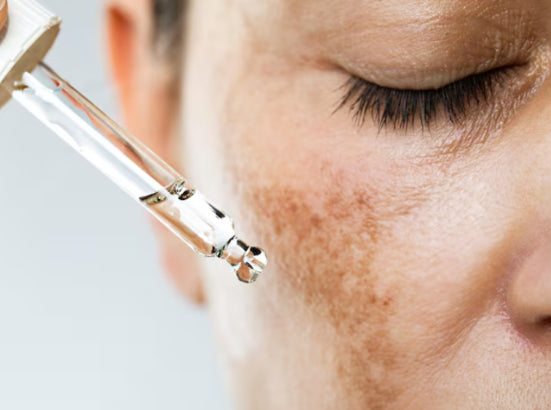
Most people buy a serum for dark spots the way they buy shampoo: by brand, by ad, or by what a friend used. Then they wonder why it worked for her and not for them. The reason is simple. "Dark spot" is not one condition. A brown mark left by a pimple, a sun spot on the cheekbone and a melasma patch on the upper lip form in different ways and respond to different ingredients. This guide shows you how to identify your spot first, then match it to the right serum.
Step 1: Identify your type of dark spot
|
Spot type |
What it looks like |
Usual cause |
|---|---|---|
|
Post-acne marks (PIH) |
Flat brown or grey marks where pimples were |
Inflammation from acne, picking |
|
Red acne marks (PIE) |
Flat pink or red marks, fade when pressed |
Damaged small blood vessels after acne |
|
Sun spots |
Sharp-edged brown spots on cheeks, nose, hands |
Years of UV exposure |
|
Melasma |
Symmetrical blotchy patches on cheeks, forehead, upper lip |
Hormones, heat, UV and visible light |
|
Freckles |
Small, light-brown dots that darken in summer |
Genetics plus sun |
|
Tan |
Diffuse darkening of exposed skin |
Recent sun exposure |
If your marks are red rather than brown, a brightening serum will do little. Red marks respond better to calming ingredients, time and sometimes laser. If spots are raised, changing, itchy or bleeding, see a dermatologist before using any serum.
Step 2: Know which ingredients actually work
- Azelaic acid: calms acne inflammation and slows excess pigment. Gentle, and does not make skin sun-sensitive.
- 4-n-butylresorcinol: one of the stronger cosmetic tyrosinase blockers; used for melasma and stubborn patches.
- Alpha arbutin: a well-tolerated melanin blocker; works well in combination.
- Vitamin C (ascorbic acid or derivatives such as ascorbyl glucoside): antioxidant and brightener; best for sun damage and dullness, and boosts sunscreen protection.
- Niacinamide: stops pigment moving to the skin surface, calms redness and helps oil control.
- Liquorice extract: soothing and brightening; useful for sensitive skin.
- Retinoids: speed up cell turnover, fading spots and improving texture; best for sun spots and ageing skin.
Step 3: Match the spot to the serum
|
Your main concern |
Best-fit ingredients |
Budget pick |
Mid-range pick |
Premium pick |
|---|---|---|---|---|
|
Brown acne marks |
Azelaic acid, niacinamide |
|||
|
Melasma, stubborn patches |
4-n-butylresorcinol, alpha arbutin, liquorice |
Aziclear Serum |
||
|
Sun spots and dullness |
Vitamin C, retinoid |
|||
|
Tan and uneven tone |
Vitamin C, niacinamide |
Pore Minimizer Serum 10% |
Brilante |
Pigmentbio C-Concentrate |
|
Sensitive skin with spots |
Azelaic acid, liquorice |
Brilante |
Dermatica Aze Proactive |
Aziclear Serum |
Check stock and current prices on each product page; several serums sell out quickly.
Shop by spot type → Acne marks: buy Aziclear Serum · Melasma and patches: buy Brilante Serum · Sun spots: buy Pigmentbio C-Concentrate
Our three most-recommended dark spot serums, explained
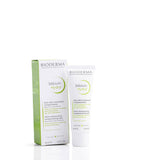
Brilante Intense Brightening Serum: for melasma and stubborn patches. It combines 4-n-butylresorcinol, alpha arbutin and liquorice extract, with allantoin to soothe. It is lightweight and paraben-free, but contains fragrance. Use it once or twice daily on the whole patch, not just the darkest point.
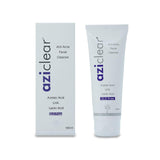
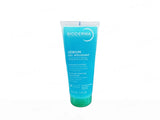
Aziclear Serum: for acne marks on acne-prone skin. It pairs azelaic acid with resorcinol, ferulic acid, hyaluronic acid and HPPA. Because azelaic acid also calms active acne, it suits people still getting the occasional breakout. Apply at night to begin with.
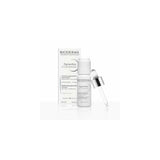
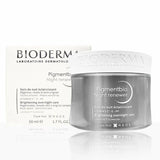
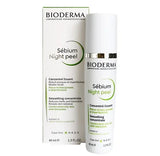
Pigmentbio C-Concentrate: for sun spots and dull skin. It uses ascorbyl glucoside (a stable vitamin C), niacinamide and a light AHA/BHA blend. Bioderma recommends it as a one-month course at night, repeated every three months, after cleansing with Pigmentbio Foaming Cream.
How to use a dark spot serum (and layer it correctly)
- Cleanse and pat skin dry.
- Apply 3–5 drops of your serum to the whole face or the whole affected area.
- Wait 1–2 minutes.
- Apply moisturiser.
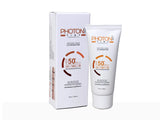
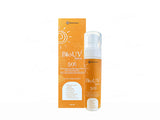
- In the morning, finish with SPF 50. A tinted sunscreen such as Bio UV 50+ tinted matte adds visible-light protection, which helps melasma.
Morning or night? Vitamin C works best in the morning under sunscreen. Azelaic acid, butylresorcinol, arbutin and retinoids are usually applied at night. If you want two serums, use vitamin C in the morning and your targeted serum at night, rather than layering both at once.
Protect your serum's results: buy Bio UV 50+ Tinted Matte SPF → · Tinted daytime protection against UV and visible light
5 mistakes that make dark spots darker
- Skipping sunscreen. One unprotected day in Indian summer sun can undo weeks of fading.
- Using too many actives. Vitamin C, retinol, an acid toner and a peel together cause irritation, and irritation causes new pigment.
- Picking or scrubbing spots. This creates fresh inflammation and deeper marks.
- Lemon, toothpaste or bleach. These irritate skin and often leave darker patches.
- Giving up at week 3. Pigment fades over 8–12 weeks. Judge with photos, not mirrors.
How long does a serum for dark spots take to work?
Most people notice brighter, more even skin within 4 weeks. Acne marks begin to fade around weeks 6–8. Sun spots and melasma usually need 8–12 weeks of daily use with sunscreen. If there is no change by 12 weeks, the pigment may sit deeper in the skin, where serums cannot reach.
Begin your 12-week plan with Brilante Intense Brightening Serum → · Our most-recommended serum for stubborn patches
When to move beyond serums
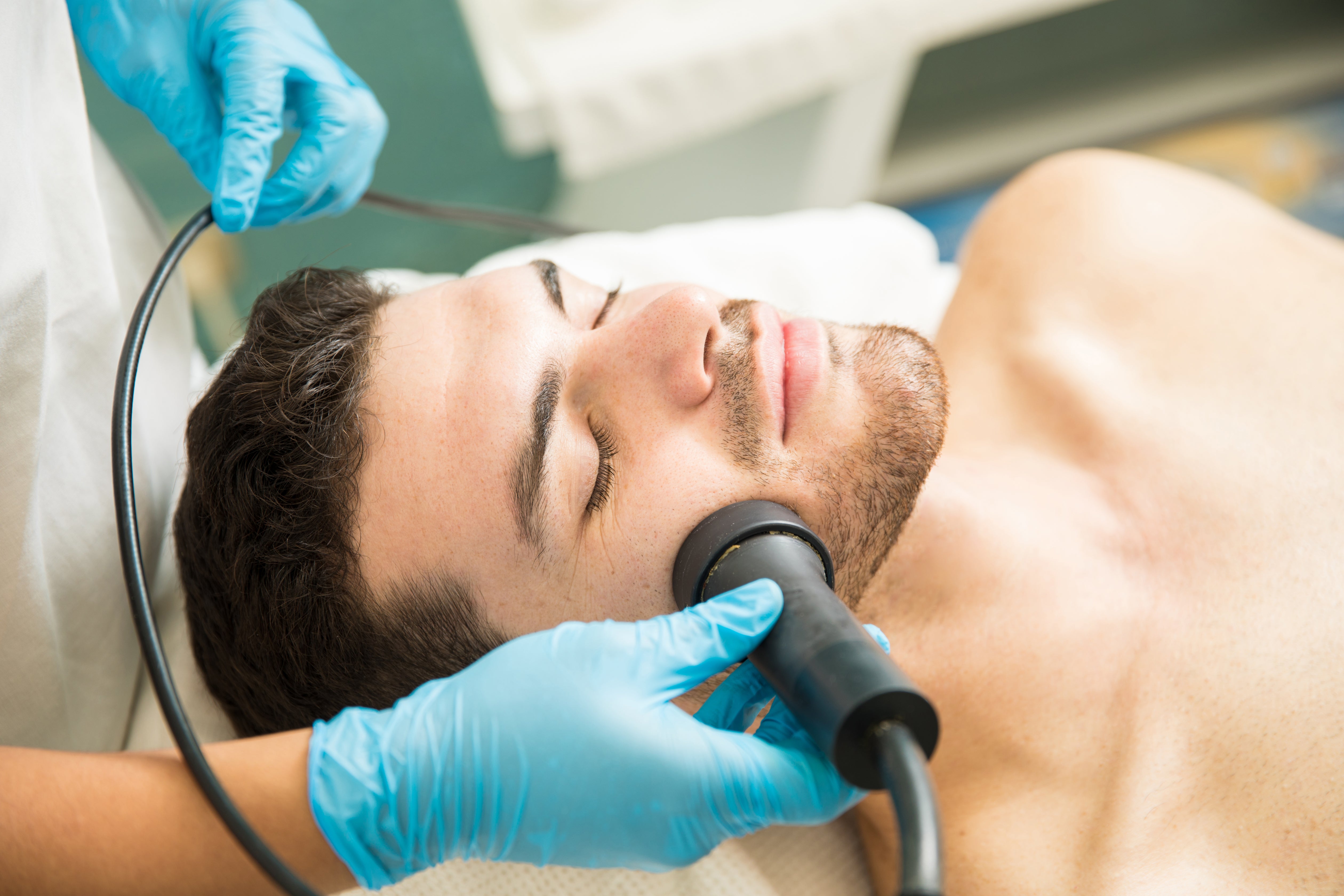
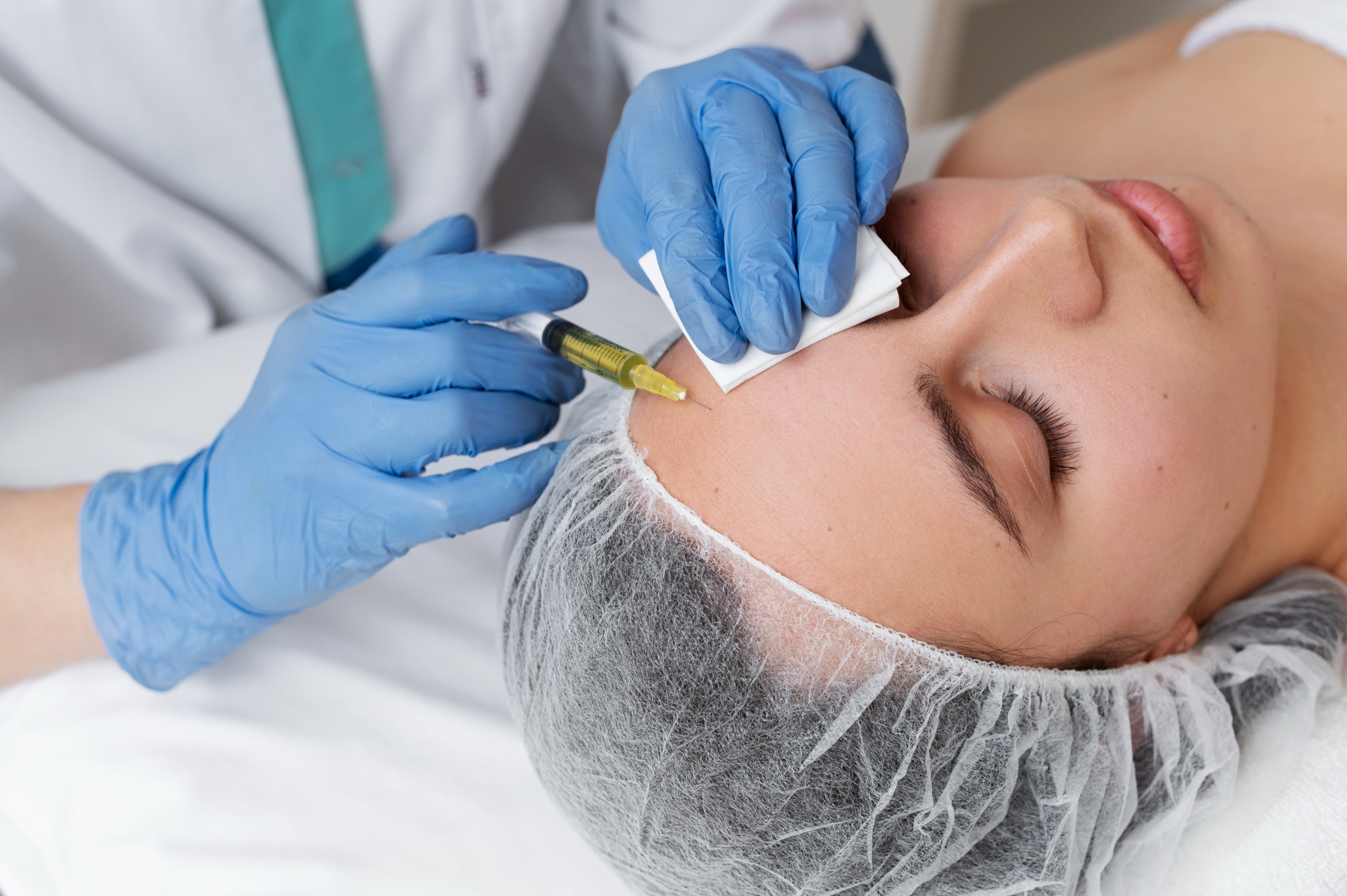
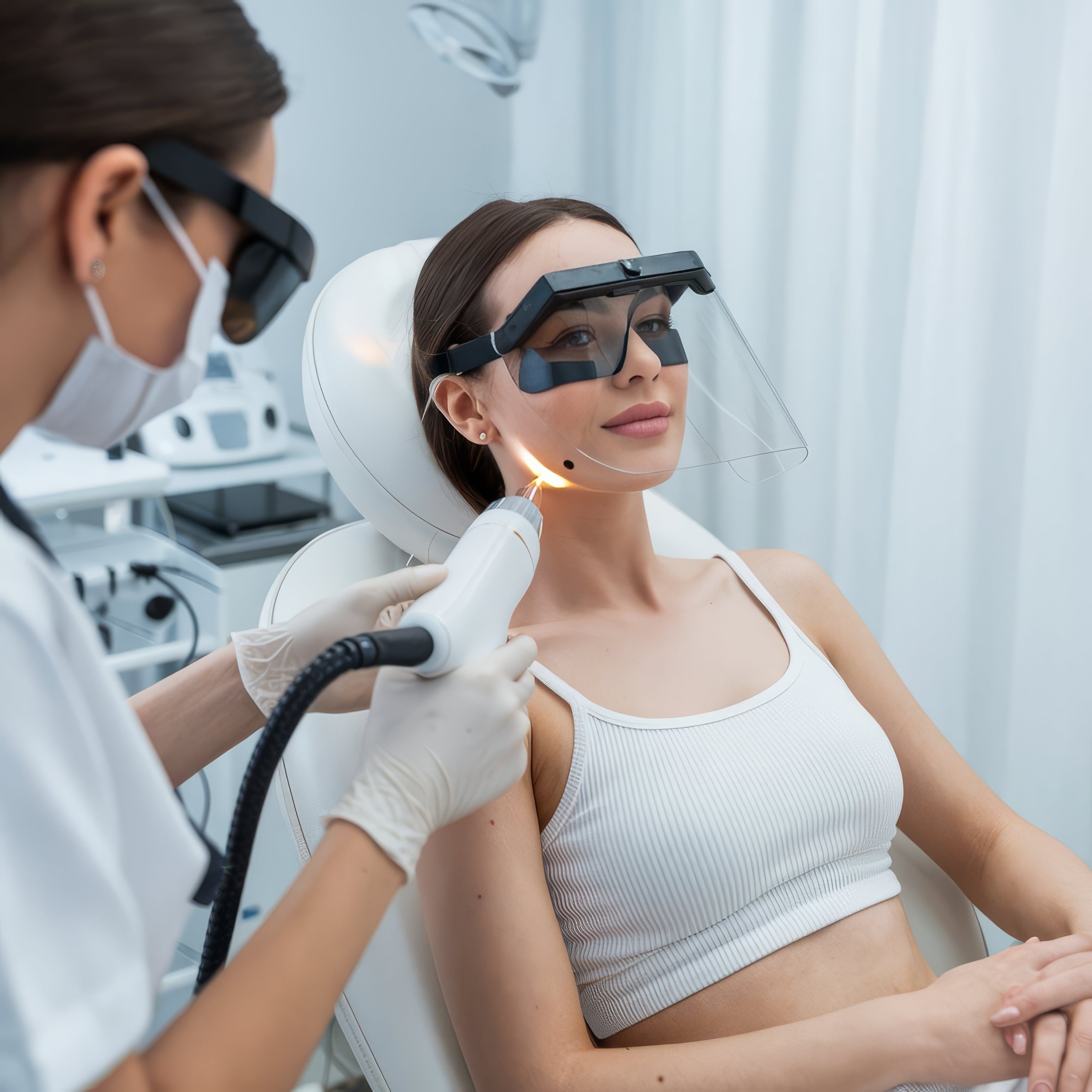
Serums are excellent for surface pigment and maintenance. Deep, mixed or long-standing pigmentation usually improves faster with in-clinic options such as chemical peels, laser toning or a Cosmelan peel, followed by a serum to hold results. Allodermis dermatologists in Bhubaneswar (KIIT Square, Patia) and Delhi can tell you within one visit which type of pigment you have. Explore hyperpigmentation treatment and acne scar treatment, or try the free AI Skin Analysis.
Frequently asked questions
Vitamin C or niacinamide for dark spots? Vitamin C suits sun spots and dullness; niacinamide suits acne marks, oily skin and redness. Many people use vitamin C in the morning and a niacinamide or azelaic acid serum at night.
How long does a dark spot serum take? Expect brighter skin in about 4 weeks and visible fading of spots in 8–12 weeks with daily SPF 50.
Can I use two dark spot serums together? Yes, if you split them: vitamin C in the morning and a targeted serum at night. Layering several strong actives at once increases irritation.
Should I apply a dark spot serum in the morning or at night? Vitamin C in the morning; azelaic acid, butylresorcinol, arbutin and retinoids usually at night.
Do dark spot serums work on melasma? They help, especially serums with 4-n-butylresorcinol, arbutin or tranexamic acid, but melasma usually needs a combined plan with tinted sunscreen and dermatologist care.
The bottom line
The best serum for dark spots is the one that matches your spot. Identify the type, choose one targeted serum, protect it with daily sunscreen and give it 12 weeks. Start with Brilante Intense Brightening Serum for patches, Aziclear for acne marks, or Pigmentbio C-Concentrate for sun spots, or book a consultation for a personalised plan.
References (verify before publishing): manufacturer ingredient lists; add peer-reviewed reviews on 4-n-butylresorcinol for melasma, topical azelaic acid in post-inflammatory hyperpigmentation, and topical vitamin C in photoageing.
Authors & medical review
Swaraj Dhar is a sociopreneur, technologist, and the co-founder of Allodermis.
Every article is fact-checked against current peer-reviewed dermatology literature and Allodermis clinical protocols.
This article was last reviewed and updated on . Published .
Have a skin or hair concern?
Book a free consultation with our AIIMS MD dermatologists. Clinics in Bhubaneswar, Gurgaon, and Delhi NCR.