






































Bioderma Pigmentbio Foaming Cream Review: How to Use It, Who It Suits, and Results by Week

Quick answer: Bioderma Pigmentbio Foaming Cream is a soap-free brightening cleanser for dark spots and uneven tone. It exfoliates with citric acid (an AHA) and fine cellulose microbeads, and contains azelaic acid. Use it on damp skin once or twice daily, follow with SPF 50, and expect visible fading in 8–12 weeks.
If you have sun spots, acne marks or patchy tan, you have probably seen the Bioderma Pigmentbio Foaming Cream recommended online. It is one of the few face washes made specifically for pigmentation, and it is a common first step dermatologists suggest before stronger treatments. In this review, our dermatologists explain what is inside it, how to use it properly, what results to expect week by week, and who should choose something else.
What is Bioderma Pigmentbio Foaming Cream?
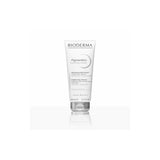
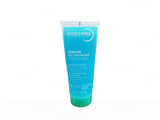
Bioderma Pigmentbio Foaming Cream is an exfoliating cleanser from Bioderma's Pigmentbio range, made by NAOS laboratories in France. It is designed for skin prone to dark spots and can be used on both face and body. Unlike most face washes, it does three jobs at once: it cleanses, it exfoliates dull surface cells, and it delivers ingredients that target pigment.
At Allodermis it is sold as the Bioderma Pigmentbio Foaming Cream in the 200 ml size, which lasts most people 2–3 months of daily face use.
What is inside it? Key ingredients explained
The formula is short on marketing extracts and long on functional ingredients. Here is what matters:
|
Ingredient |
What it does |
Why it matters for dark spots |
|---|---|---|
|
Citric acid (AHA) |
Chemical exfoliation |
Loosens pigmented dead cells so they shed faster |
|
Cellulose acetate microbeads |
Gentle physical exfoliation |
Smooths texture without the sharp edges of walnut scrubs |
|
Azelaic acid |
Brightening, anti-inflammatory |
Slows excess melanin and calms acne-prone skin |
|
Andrographis paniculata extract |
Part of Bioderma's patented brightening complex |
Helps regulate the pathway that forms new spots |
|
Shea oil, coco-glucoside, glyceryl oleate |
Cushioning and hydration |
Stops the wash from stripping the skin barrier |
|
Mannitol, xylitol, rhamnose |
Skin-soothing sugars |
Support tolerance in sensitive skin |
Two honest notes. First, it contains fragrance, so very reactive skin should patch-test. Second, a cleanser stays on skin for only a minute, so it cannot do the work of a leave-on serum. Think of it as the step that prepares skin for the products after it.
How is it different from a normal face wash?
A regular face wash only removes oil, sweat and pollution. The Pigmentbio Foaming Cream adds double exfoliation (chemical and physical) and a brightening active. That makes it closer to a gentle daily treatment than a plain cleanser.
It is also soap-free and has a creamy, low-foam texture. Many people with pigmentation also have a weak or irritated barrier from scrubs, lemon packs or bleach. A soap-free formula is kinder to that skin.
Buy Bioderma Pigmentbio Foaming Cream 200 ml → · A soap-free brightening wash with azelaic acid for dark spots and tan
How to use Bioderma Pigmentbio Foaming Cream (step by step)
- Wet your face with lukewarm water, not hot.
- Take a coin-sized amount and lather it between damp palms.
- Massage gently over the face in circles for 45–60 seconds. Do not scrub hard; the microbeads do the work.
- Rinse thoroughly and pat dry.
- Once or twice a week, use it as a mask: apply a thick layer for 5 minutes, add a little water, lather and rinse.
- Morning: follow with sunscreen. Night: follow with your serum or night cream.
Dermatologist tip: the 45–60 second contact time matters more than the amount you use. Most people rinse within 10 seconds, which leaves the exfoliating acids almost no time to work.
The full Pigmentbio routine (and cheaper alternatives)
The cleanser works best as part of a routine. This is the order we recommend:
|
Step |
Morning |
Night |
|---|---|---|
|
1. Cleanse |
Pigmentbio Foaming Cream |
|
|
2. Treat |
— |
Pigmentbio C-Concentrate (vitamin C serum, used as a 1-month course) |
|
3. Repair |
Light moisturiser if needed |
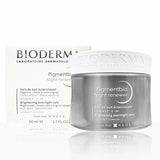
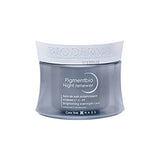
Pigmentbio Night Renewer Cream (salicylic acid, azelaic acid, niacinamide, hexapeptide-2) |
|
4. Protect |
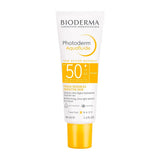
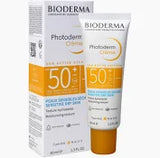
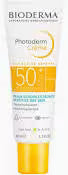
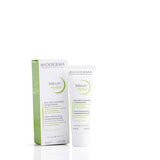
Photoderm Aquafluide SPF 50+ for oily skin, or Photoderm Creme SPF 50+ for dry skin |
— |
On a budget? Keep the cleanser and the sunscreen, and choose a more affordable night cream. Our guide to pigmentation creams compared [Blog 2, when live] covers Tyrodin, Biluma and other options by ingredient and price.
Shop the complete Pigmentbio routine → Foaming Cream · C-Concentrate serum · Night Renewer Cream · Photoderm SPF 50+
Results by week: what to realistically expect
Pigment sits in the deeper layers of the skin, so it fades slowly. This is a typical timeline with daily use and daily sunscreen:
|
Timeframe |
What you are likely to notice |
|---|---|
|
Week 1 |
Skin feels smoother and cleaner; slight tingling for some users |
|
Weeks 2–4 |
Brighter, more even surface tone; makeup sits better |
|
Weeks 6–8 |
Recent acne marks and light tan start to fade |
|
Weeks 8–12 |
Older sun spots look lighter; overall tone more even |
|
Beyond 12 weeks |
Deep pigment and melasma usually need leave-on treatment or clinic care |
If you see no change after 12 weeks, the pigment is likely deeper than a cleanser can reach. That is the point to book a consultation rather than buy more products.
Start your 12-week spot-fading plan: add Pigmentbio Foaming Cream to cart → · One tube lasts most people 2–3 months, enough to see results
Pros and cons
What we like
- Soap-free and gentle enough for daily use
- Two types of exfoliation in one step
- Works on face and body (useful for tanned arms and neck)
- Doubles as a weekly 5-minute brightening mask
What to keep in mind
- Contains fragrance
- Premium price compared with basic cleansers
- Results depend heavily on daily sunscreen
- Cannot treat melasma on its own
Who should skip it (or use it carefully)
- Very dry or eczema-prone skin: the acids and microbeads can feel too active. Choose a cream cleanser and repair the barrier first.
- Active rosacea or broken skin: avoid exfoliating cleansers until the skin is calm.
- Right after a peel, laser or microneedling: pause for 5–7 days or until your dermatologist says you can restart.
- If you already use a strong exfoliant (glycolic peel or high-strength AHA serum): use the cleanser once a day only, and skip the mask.
Is it enough for melasma?
No. Melasma is driven by hormones, heat and visible light, not just UV. A brightening cleanser can support treatment, but melasma usually needs a dermatologist-led plan with prescription creams, tinted sunscreen and sometimes procedures such as the Cosmelan peel. Read more on our Melasma page.
When to see a dermatologist
Book a consultation if your spots are spreading, changing shape or colour, appear suddenly, or have not improved after 3 months of a consistent routine. Allodermis dermatologists see patients at KIIT Square and Patia in Bhubaneswar and at our Delhi clinic, and can confirm whether your pigment is sun damage, post-acne marks, melasma or something that needs a closer look. Not sure where to start? Try our free AI Skin Analysis or read about skin pigmentation.
Frequently asked questions
Is Bioderma Pigmentbio Foaming Cream good for oily skin? Yes. It is soap-free and rinses clean, so most oily and combination skin tolerates it well. Follow with a light gel moisturiser and SPF 50.
Can I use Pigmentbio Foaming Cream every day? Yes, once or twice a day. If your skin feels tight or stings, drop to once a day and avoid the 5-minute mask until it settles.
How long does Pigmentbio Foaming Cream take to work? Most people notice smoother, brighter skin in 2–4 weeks. Visible fading of dark spots usually takes 8–12 weeks of daily use with sunscreen.
Can I use Pigmentbio Foaming Cream with retinol? Usually yes, because it is a rinse-off cleanser. On retinol nights, wash for 30 seconds only and skip the mask to avoid irritation.
Is Pigmentbio Foaming Cream safe in pregnancy? Its exfoliant is citric acid and its brightening active is azelaic acid, both generally considered low-risk. Still, check with your doctor before starting any new product in pregnancy.
Can I use it on my body? Yes. Bioderma recommends it for face and body, so it is useful for tanned arms, neck and back. Our hand and body tan guide [Blog 5, when live] explains how to combine it with body sunscreen.
The bottom line
The Bioderma Pigmentbio Foaming Cream is a well-formulated first step for dark spots, tan and dullness. Use it with proper contact time, pair it with a leave-on treatment, and never skip sunscreen. Shop Bioderma Pigmentbio Foaming Cream at Allodermis, or book a consultation if your pigmentation needs more than a cleanser.
References (verify before publishing): Bioderma India product information for Pigmentbio Foaming Cream and Pigmentbio Night Renewer; add 1–2 peer-reviewed reviews on azelaic acid and on sunscreen in hyperpigmentation.
Authors & medical review
Swaraj Dhar is a sociopreneur, technologist, and the co-founder of Allodermis.
Every article is fact-checked against current peer-reviewed dermatology literature and Allodermis clinical protocols.
This article was last reviewed and updated on . Published .
Have a skin or hair concern?
Book a free consultation with our AIIMS MD dermatologists. Clinics in Bhubaneswar, Gurgaon, and Delhi NCR.