












Botox Treatments: What to Expect and How to Prepare

Updated on: 2026-06-07
Botox treatments are a popular option for people who want a smoother, more relaxed facial appearance. This guide explains what the procedure is, who it may suit, and how to prepare with practical steps. You will also learn what to expect during and after treatment, along with safety and aftercare fundamentals. The goal is to help you approach botox treatments with informed expectations and responsible decision-making.
What to Expect During a Session
Risks, Safety, and Quality Considerations
Introduction
Botox treatments are often used to reduce the look of certain dynamic lines by relaxing targeted facial muscles. Many individuals explore this option after noticing that expression lines become more visible with time. A clear, evidence-focused approach helps you make decisions that align with your goals, comfort level, and skin care routine. This article provides a structured overview, with emphasis on provider selection, realistic expectations, and responsible aftercare practices.
When you begin researching botox treatments, it helps to understand the difference between muscle-focused treatments and other skin-based approaches. Botox is commonly discussed in the context of facial expression, while skin hydration, sun protection, and gentle cleansing support the surrounding complexion. You can also pair a broader routine with professional guidance, but the safest path is to confirm suitability during a consultation.
Benefits & Reasons
People seek botox treatments for several practical reasons. The most common motivation is a more relaxed facial expression, especially for lines that are most noticeable during movement.
Another reason is the option for a measured approach. Treatment plans can be adjusted based on facial anatomy and desired outcomes, rather than applying a one-size-fits-all method. Many patients value that the plan is guided by a clinical assessment.
Some individuals also appreciate that the procedure is typically performed in an office setting with minimal disruption to daily activities. This makes it a common choice for those who want a streamlined process without extensive downtime.
Finally, botox treatments can complement a wider skin health strategy. Sun protection, consistent cleansing, and targeted hydration products support the skin barrier and may enhance the overall appearance of the face.
How Botox Treatments Work
Botox is a neuromodulator that affects specific muscle activity. In cosmetic practice, it is used to reduce the appearance of certain expression-driven lines by temporarily relaxing targeted muscles. The result is often described as a softer look rather than a fully motionless face.
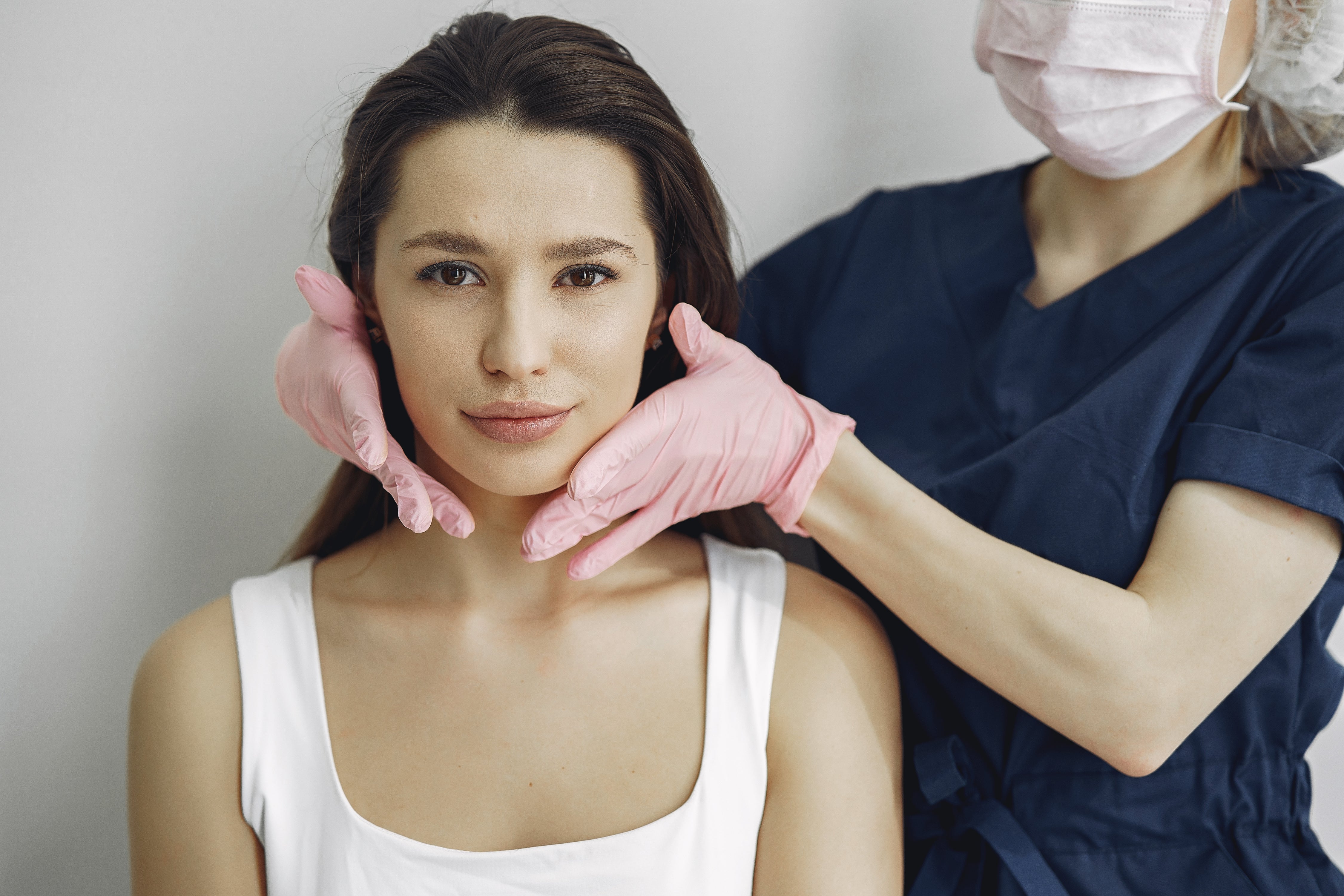
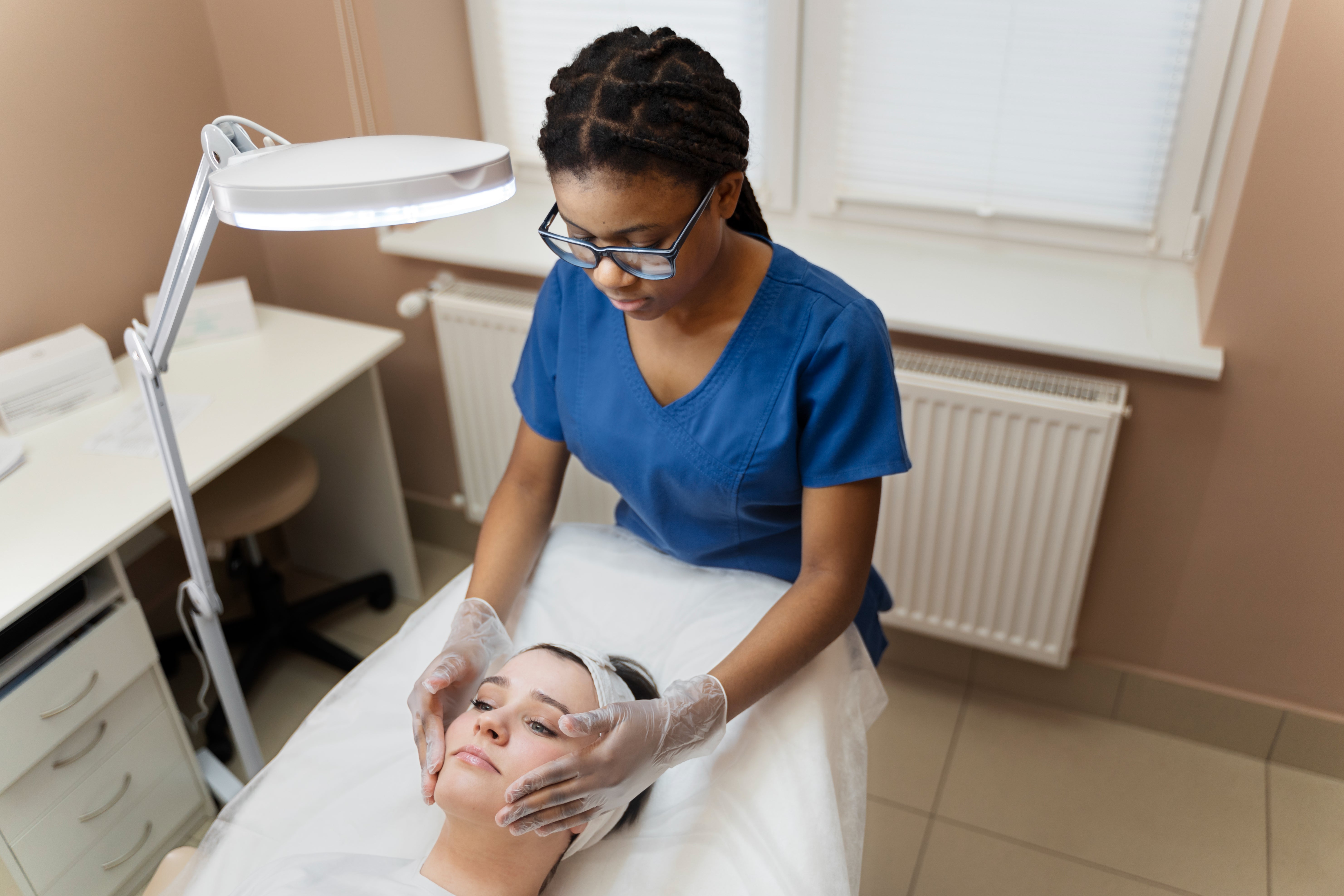
During a consultation, a qualified provider evaluates muscle movement, skin thickness, and facial proportions. This assessment helps determine which areas could benefit from relaxation and where careful balance is needed. The goal is usually to maintain facial identity while reducing line visibility.
It is important to understand that responses can vary. Factors such as individual anatomy, injection technique, and dosing strategy influence outcomes. Responsible expectations focus on gradual improvement and careful personalization.

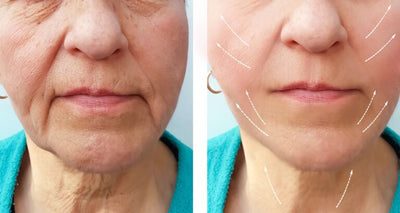
Face map with highlighted muscle zones and smile lines
What to Expect During a Session
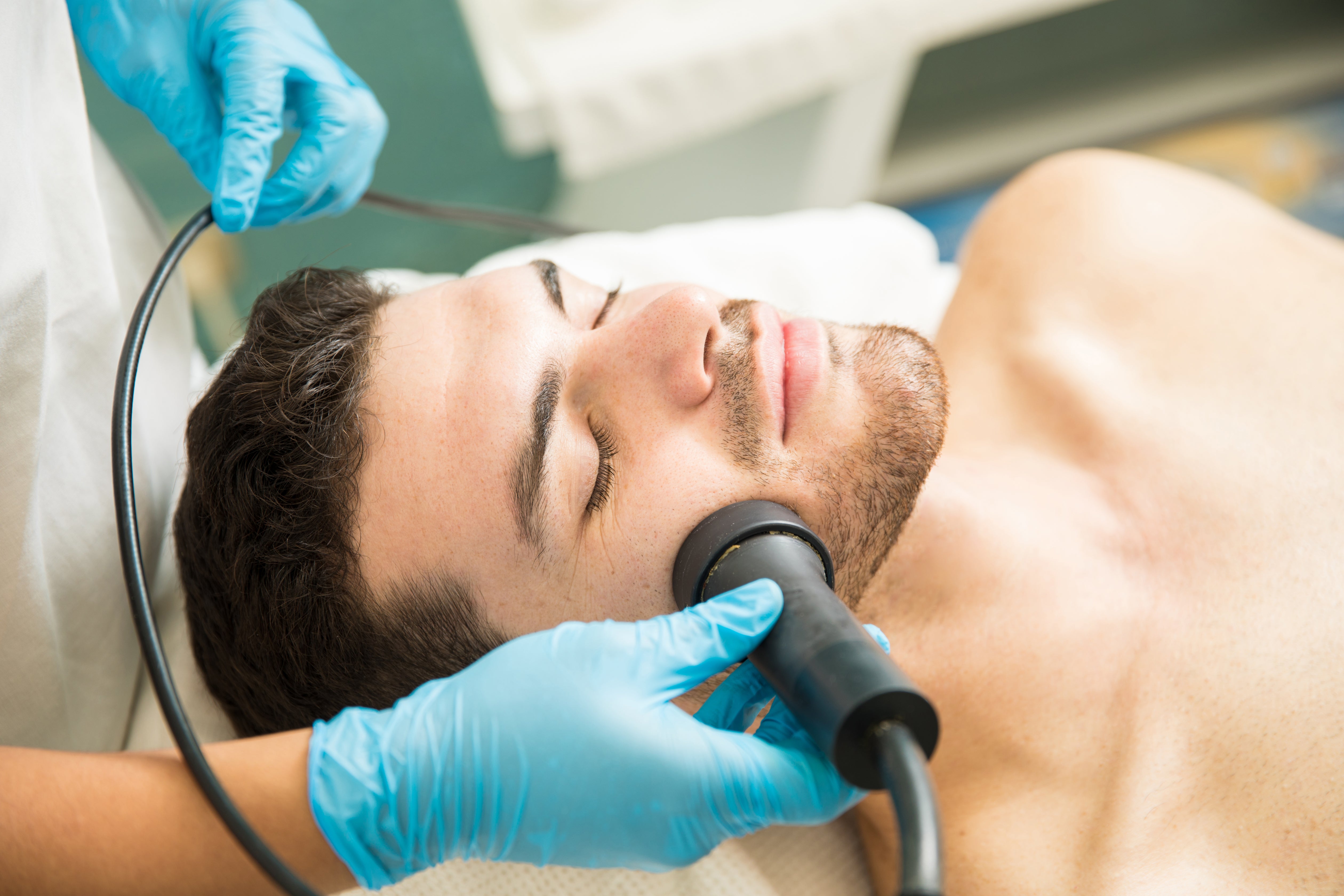
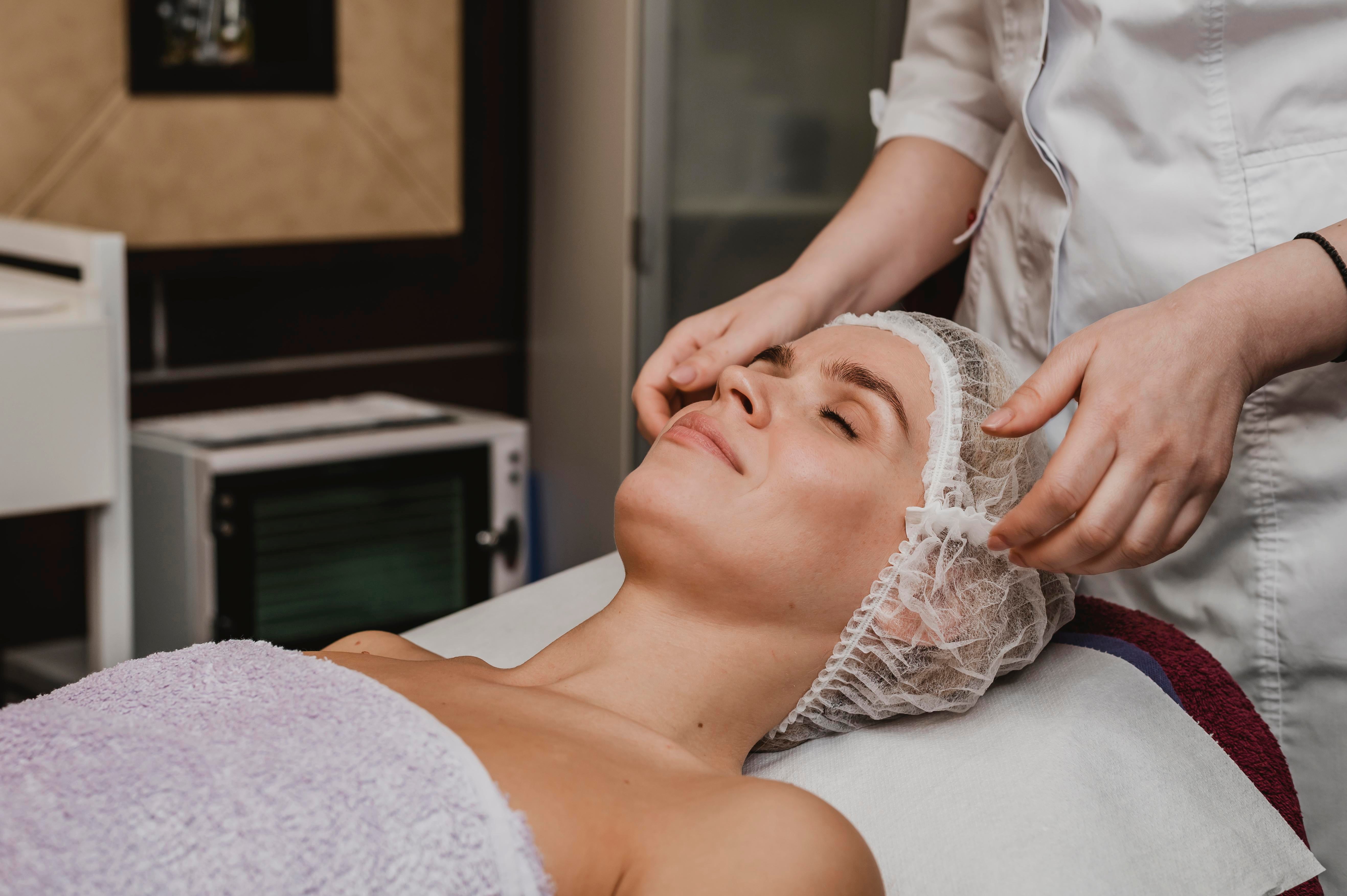
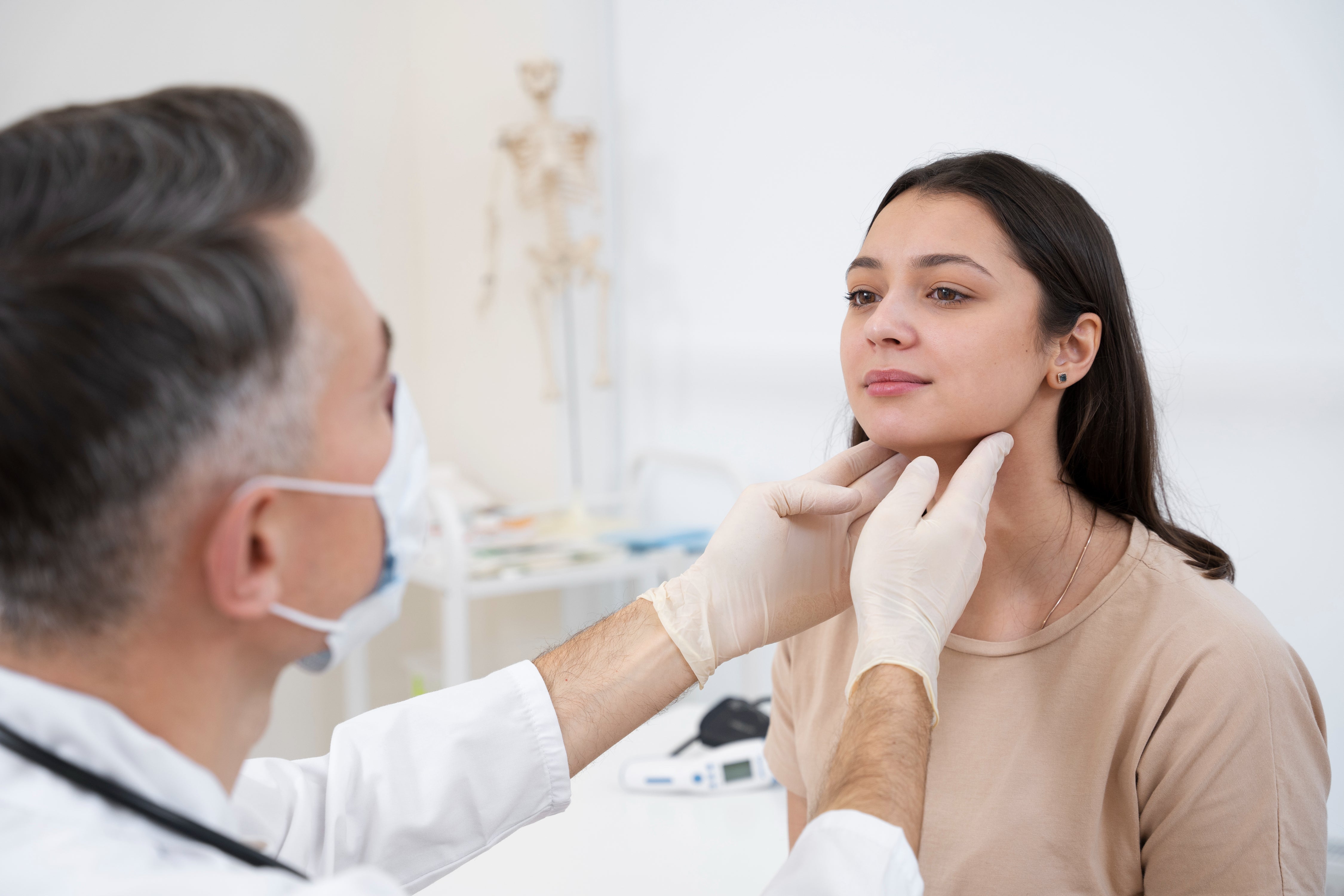
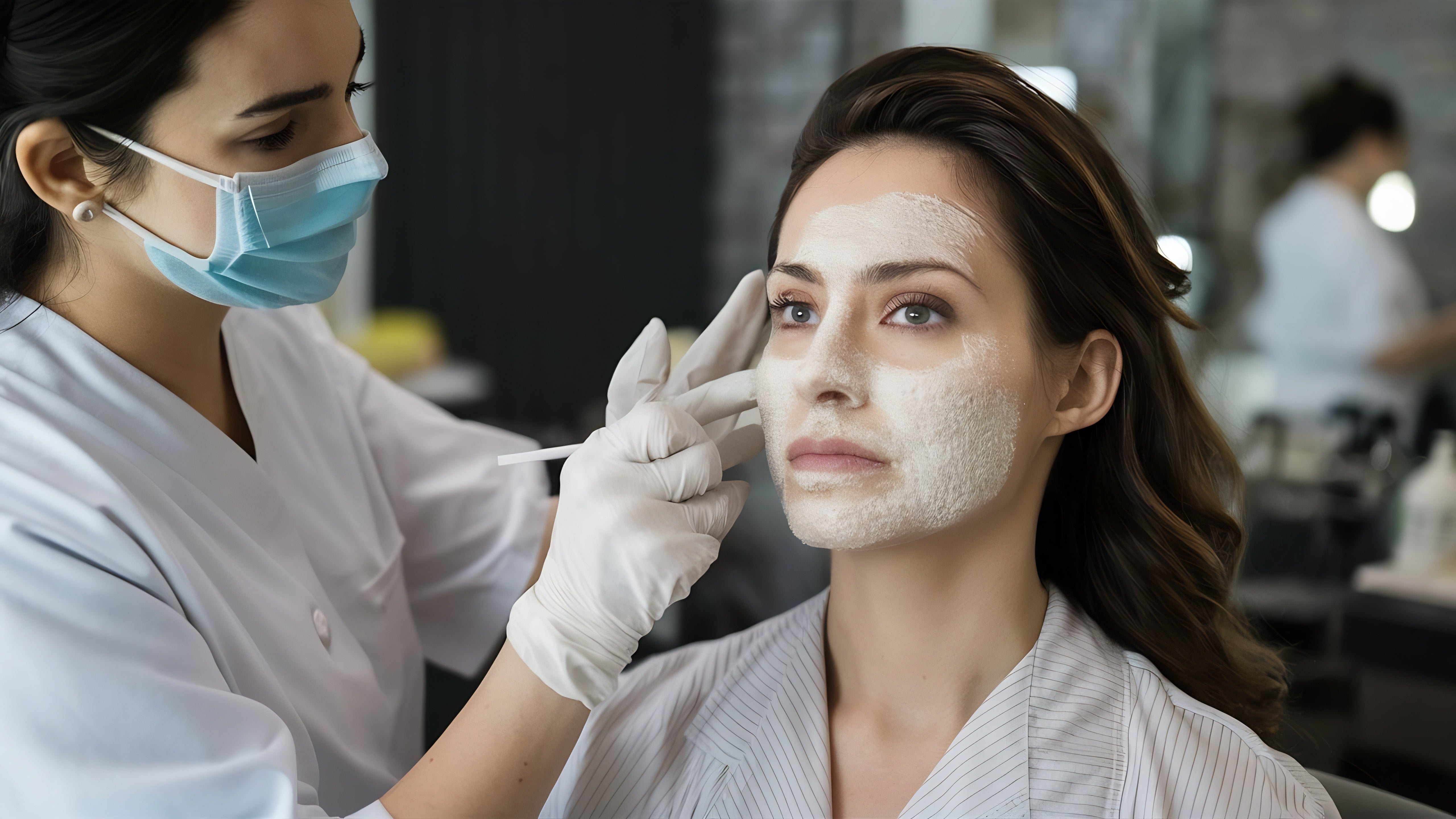
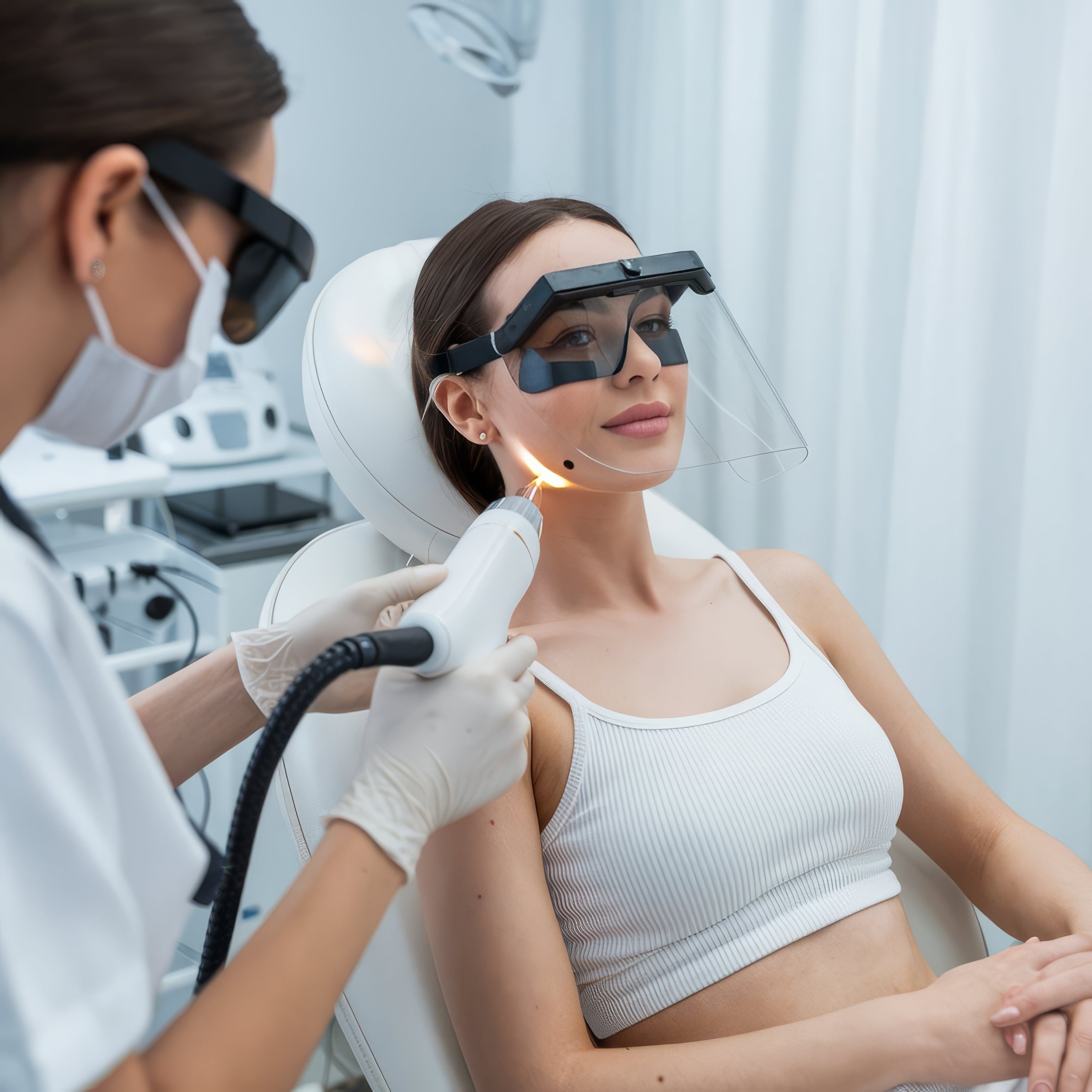
A typical session begins with a consultation and assessment. The provider may review your history, ask about previous treatments, and observe facial movements. This step supports an injection plan that matches your goals and your facial dynamics.
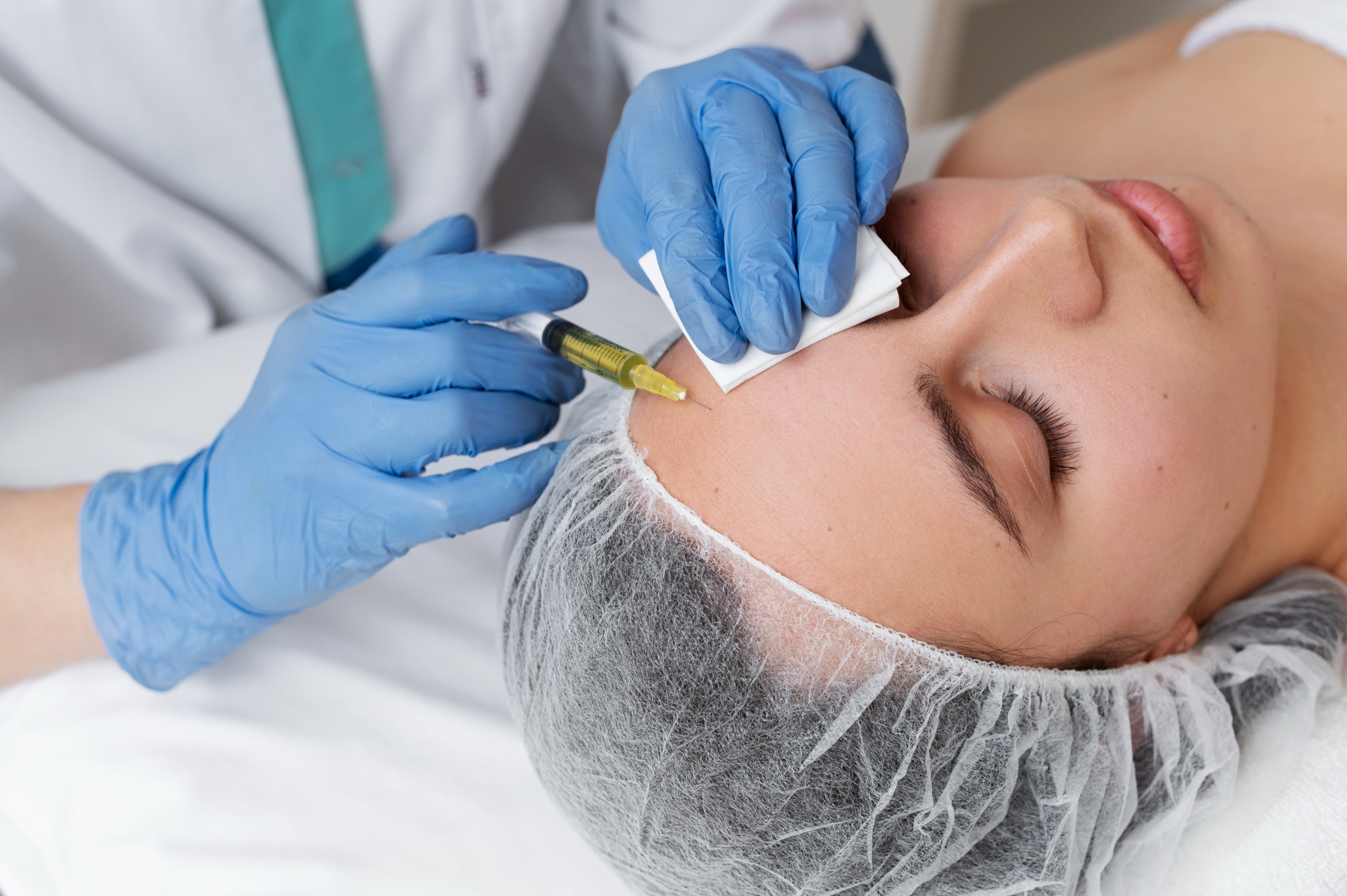
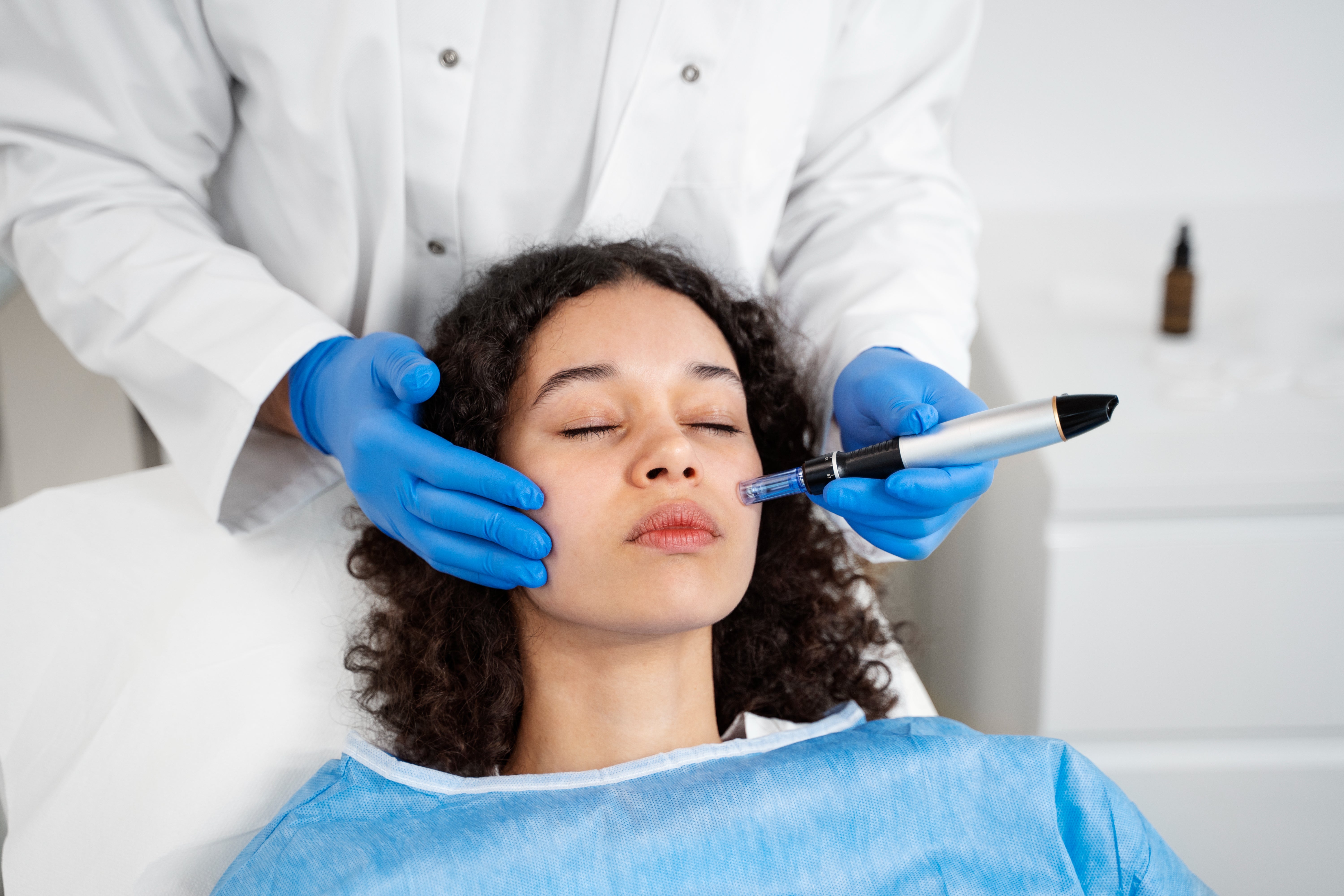
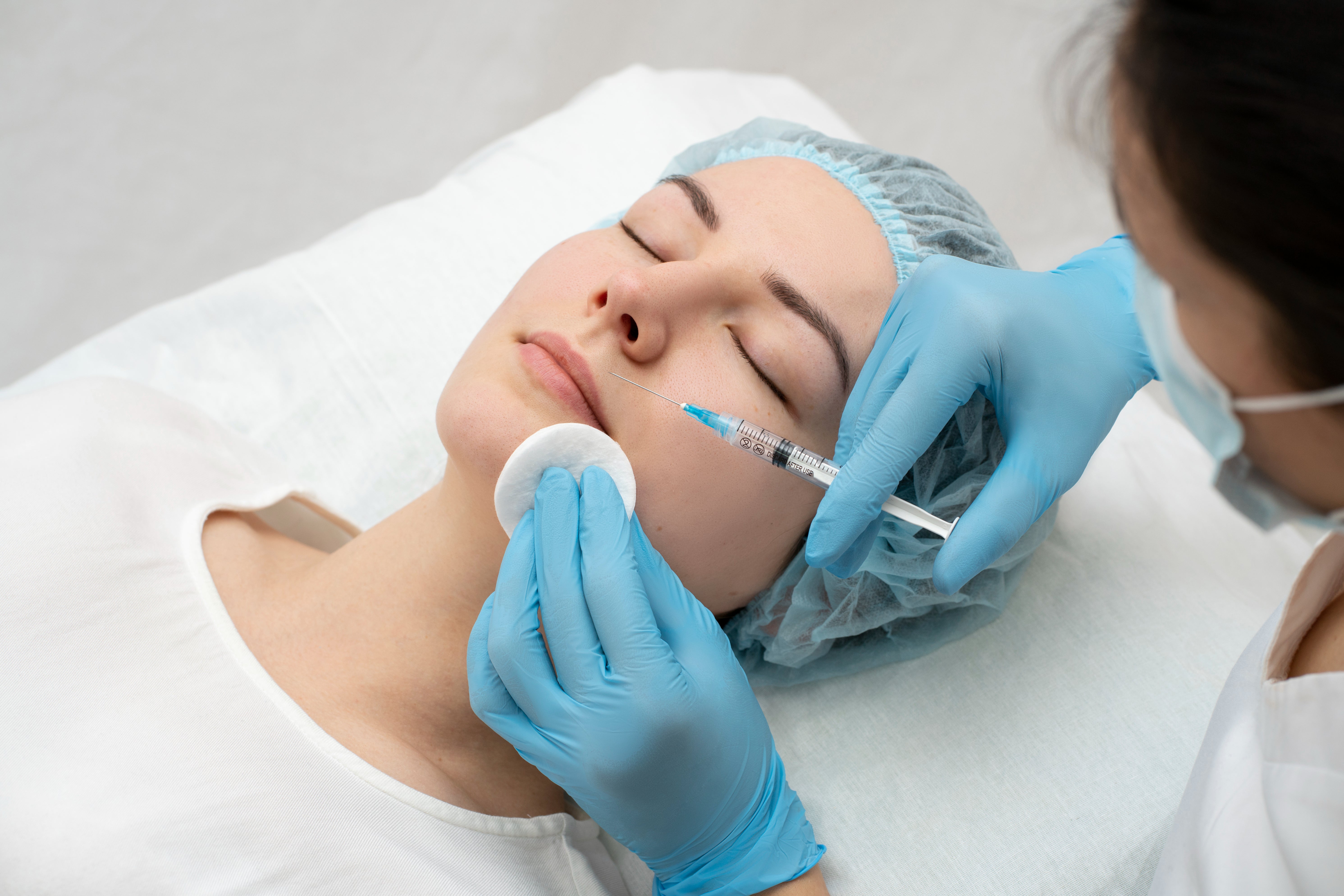
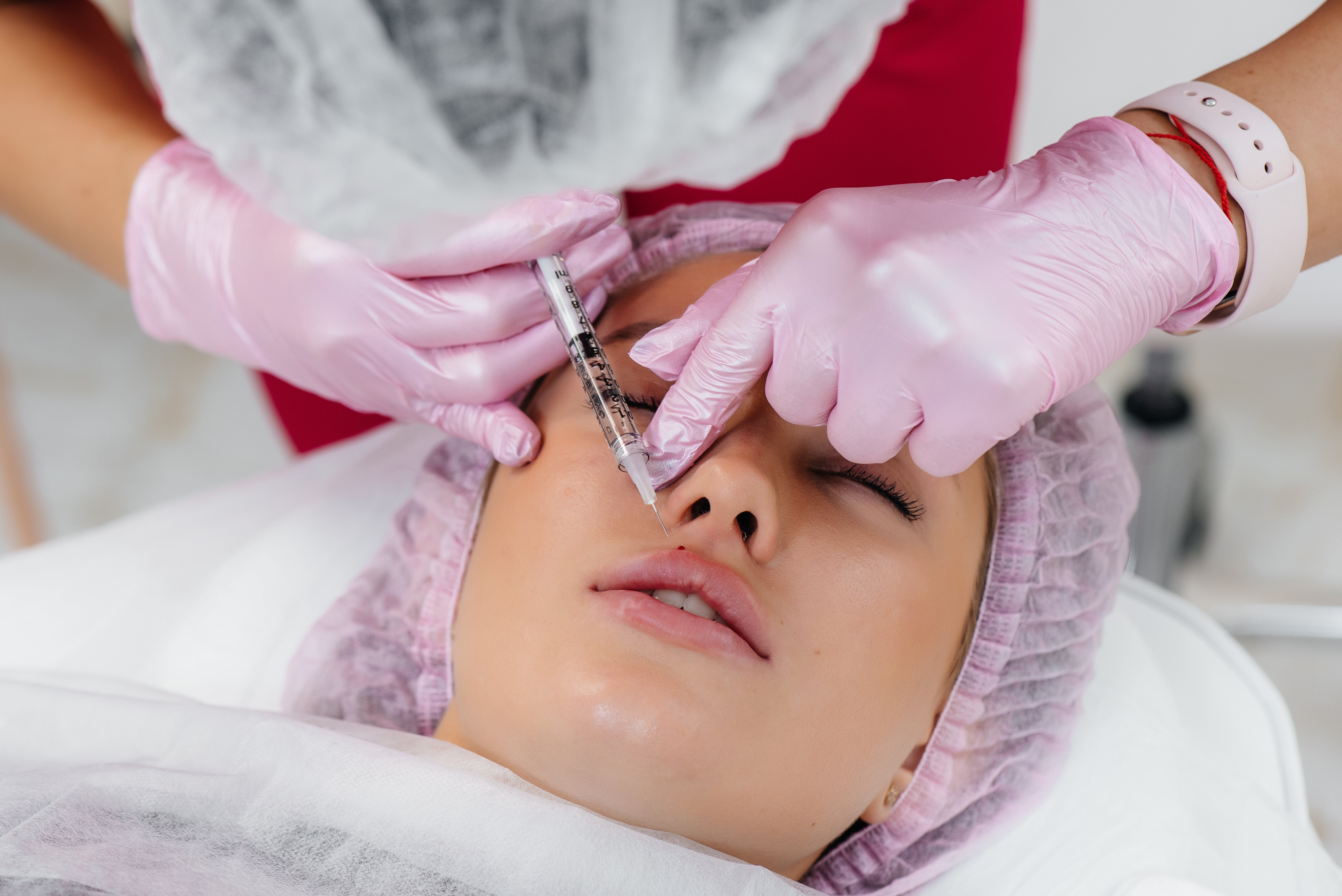
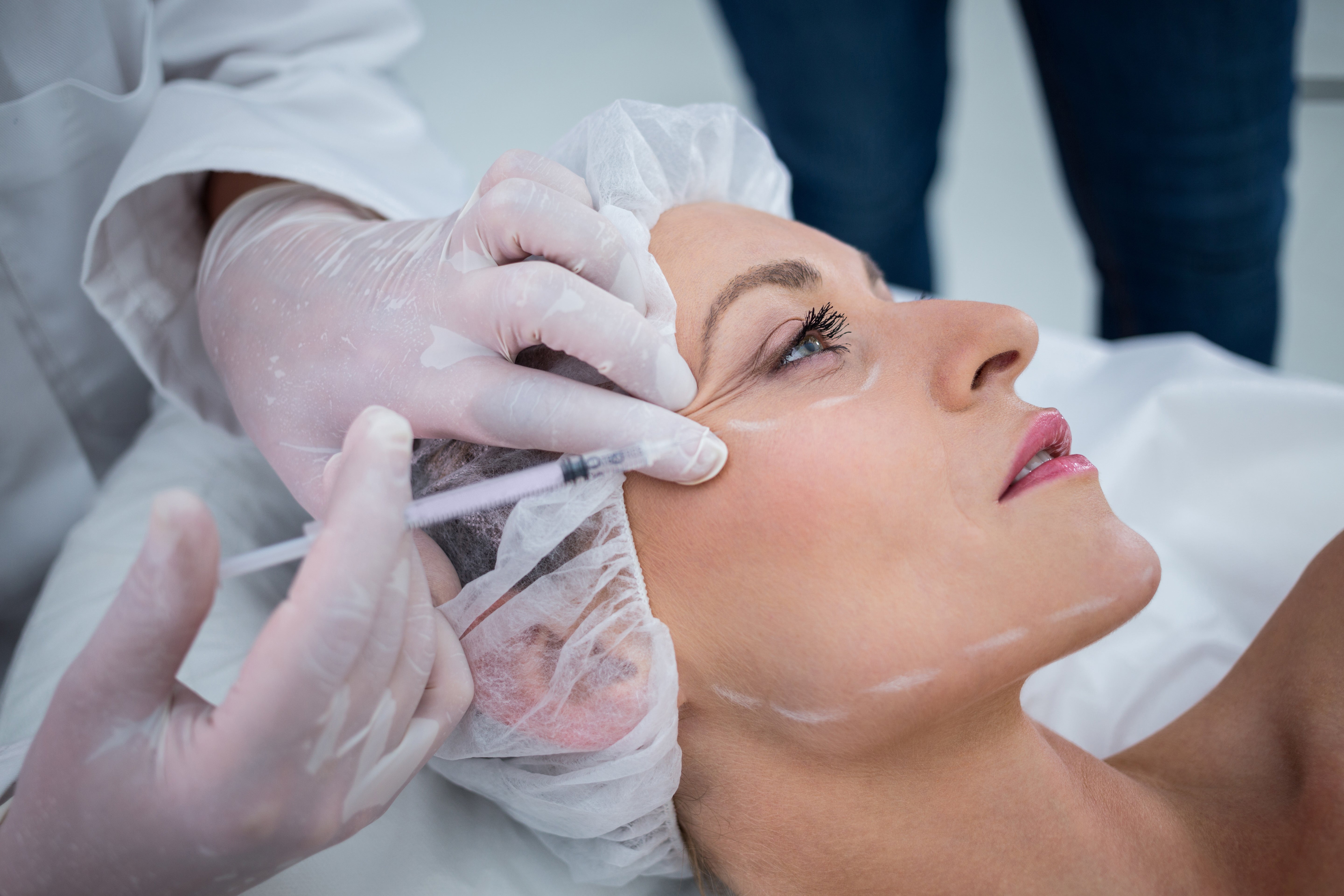
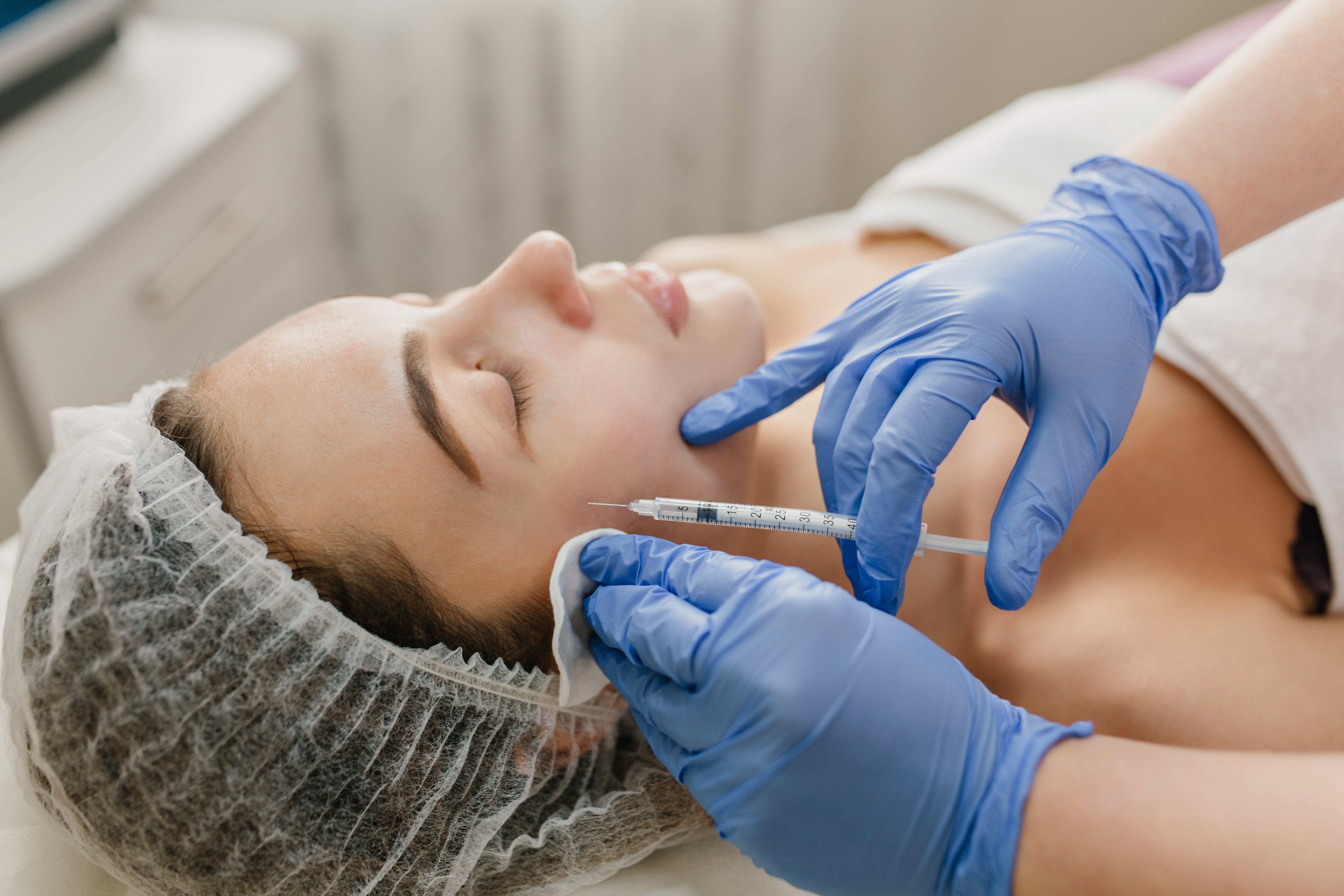
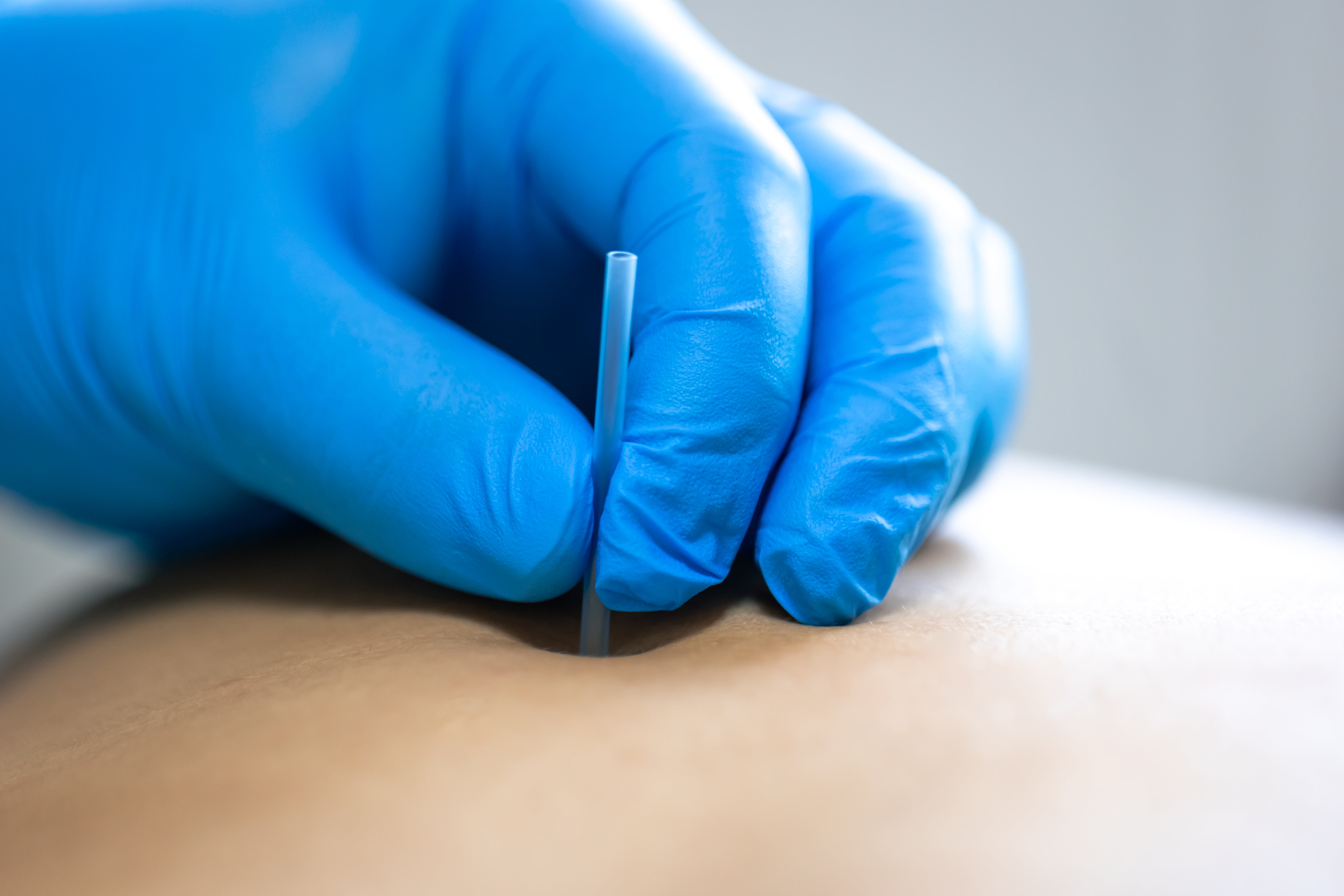
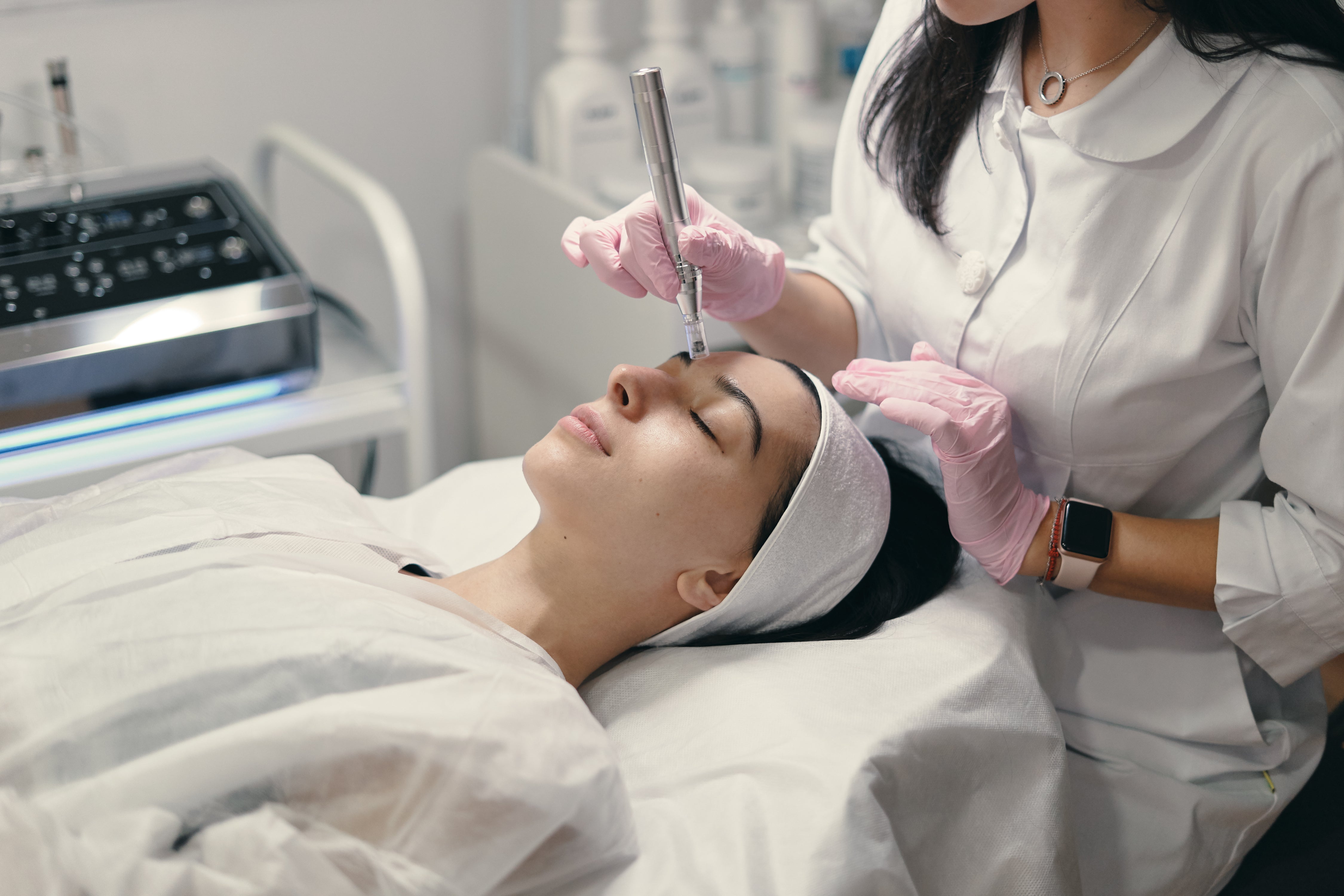
Next, the procedure is performed using fine injections into selected areas. Providers often use small, precise techniques to support symmetry and controlled distribution. Many patients describe the sensation as brief and manageable, but comfort measures vary by clinic.
After treatment, you may be asked to follow brief guidance related to movement, touching the skin, and staying consistent with aftercare instructions. Most people return to normal routines shortly after, though the exact guidance should follow your provider’s protocol.
It is also useful to understand the timeline. Many cosmetic neuromodulators take time to reach the final look. Rather than expecting instant changes, planning with patience is a more reliable approach.
Preparation and Aftercare
Preparation for botox treatments is centered on safety, hygiene, and clear communication. If you have used other injectable products, inform your provider. If you are prone to bruising or have a history of sensitive reactions, the provider can tailor comfort steps and monitoring.
Before your appointment, keep your skin care routine simple. On the days leading up to treatment, many clinics recommend avoiding aggressive exfoliation. If you use potent actives, such as strong retinoids, your provider may guide you on whether to pause or adjust. Always follow clinical advice rather than generic recommendations.
After treatment, aftercare often focuses on minimizing disruption at injection sites. Providers may advise against heavy pressure, vigorous rubbing, or extensive heat exposure for a short period. These steps help protect the injection area while the treatment settles.
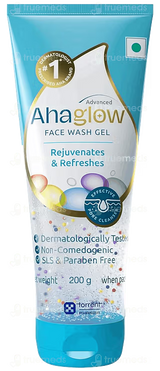
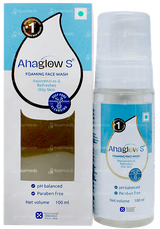
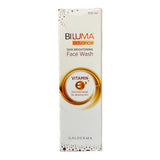
For overall skin quality, you can continue a gentle regimen. A calm cleanser supports a clean skin surface without over-stripping. For example, you may consider a gentle option such as Cetaphil Gentle Cleanser to support routine cleansing. Pairing gentle cleansing with appropriate moisturization can help the skin look healthy during the transition period.
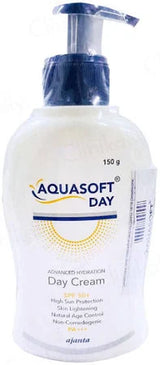
Sun protection remains a year-round priority. Even when you focus on muscle relaxation, protecting the skin reduces the risk of uneven texture and pigment concerns. A daily sunscreen can support a stable, protective foundation.
Visual Overview
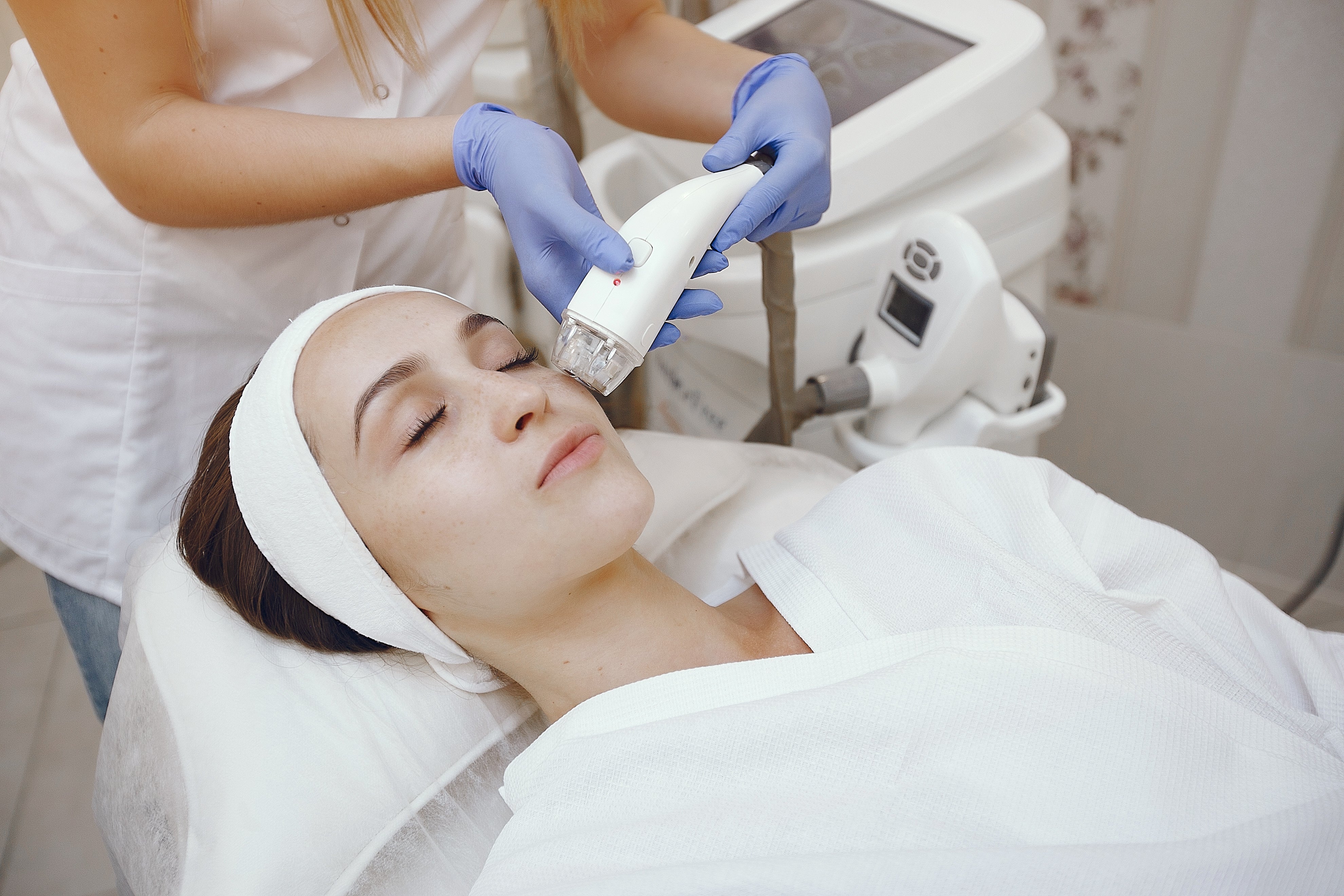
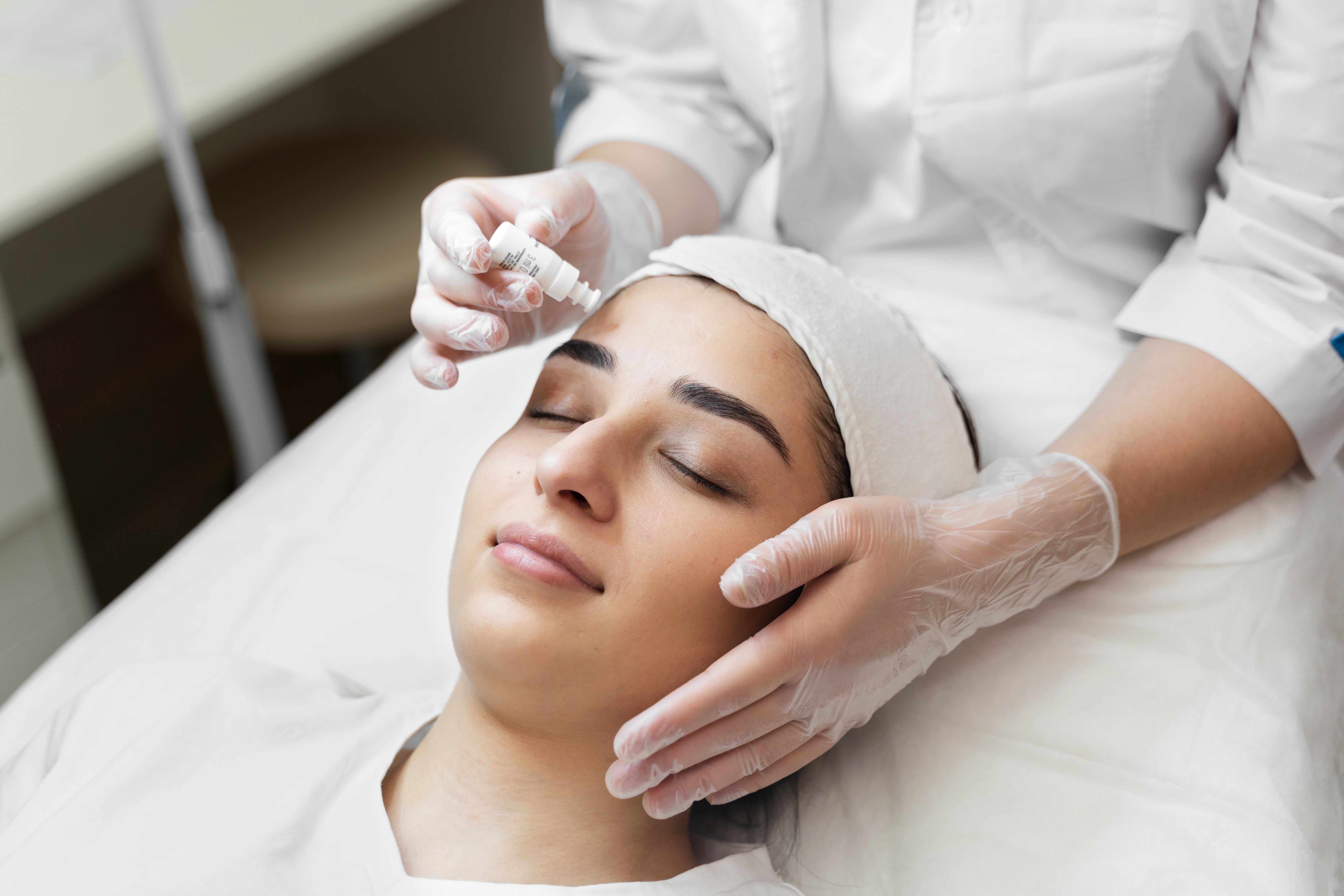
Some patients prefer a high-level visual of a routine approach. The purpose is to connect aftercare steps with skin barrier support, rather than to replace clinical guidance. A consistent, gentle routine helps reduce irritation and supports a stable look.
Choosing a Qualified Provider
Provider selection is the most important decision when you consider botox treatments. A qualified clinician understands facial anatomy, dosing strategies, and injection mapping. They also know how to avoid overcorrection that can lead to an unnatural expression.
Look for providers who clearly explain the consultation process and discuss realistic outcomes. A responsible provider will address your questions, review your medical background, and offer a plan tailored to your face rather than a scripted pattern.
It is also wise to choose a clinic that follows strong hygiene standards and uses appropriate product handling protocols. While patients may not have access to internal procedures, you can assess professionalism through clear communication, proper documentation, and consistent follow-up guidance.
If you already use skincare products, bring them to your appointment. This helps the provider evaluate potential irritation risks and coordinate your existing regimen. For those who want additional support for hydration and comfort, you can use clinic-approved products that are designed for sensitive skin.
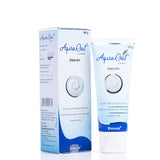
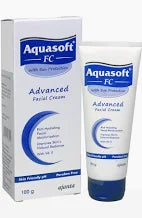
For example, if you focus on maintaining hydration and balance, consider a reputable facial moisturizer strategy and supportive cleansers. You can reference options such as Cetaphil Oil Control Foam Wash if your skin is oil-prone, or select a hydrating lotion approach like Excela Rich Facial Hydrating Lotion as part of your routine.

Clinic consultation checklist icons and facial symmetry guide
Visual Overview
Visual cues can clarify the consultation flow. The goal is to support informed preparation and to reinforce the importance of safety checks and individualized planning.
Risks, Safety, and Quality Considerations
Any injectable procedure carries potential risks. Common temporary effects can include mild swelling, localized redness, and short-lived tenderness. In many cases, these effects resolve naturally. However, it is essential to choose a provider who can manage concerns appropriately.
More serious adverse events are uncommon, but they underline why clinical expertise matters. Technique influences outcomes and helps reduce the likelihood of uneven results. A trained provider also monitors for contraindications and adjusts treatment strategies when needed.
It is critical to understand that individuals respond differently. Some people may achieve subtle changes, while others may notice more pronounced effects. A consultation should include discussion of expectations, facial harmony, and the possibility of needing adjustments.
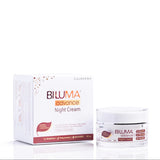
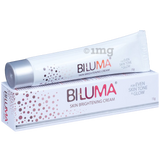
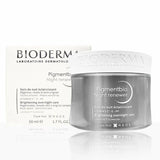
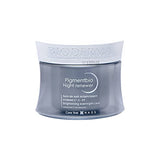
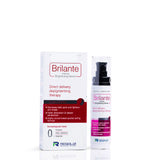
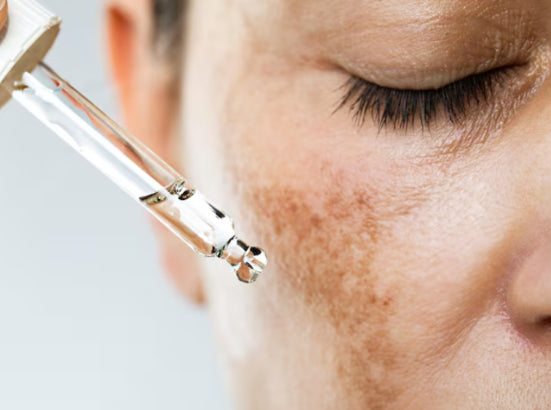
From a broader skin perspective, injectable treatments do not replace fundamentals such as sunscreen, gentle cleansing, and consistent hydration. If you are concerned about uneven tone or texture, a clinic may recommend supportive topical strategies. For pigment or complexion concerns, you may explore routine support using dermatologist-oriented products, such as Pigment Bio Night Renewer as part of an overall care plan. Always confirm compatibility with your provider, especially during the post-injection period.
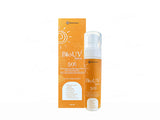
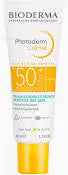
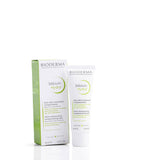
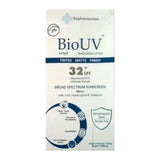
If you also experience acne-related issues, managing inflammation can support overall skin stability. In that context, a clinician may recommend appropriate daily options. You may consider Acne UV Gel SPF 50 for daytime protection as part of a complete routine that addresses both comfort and sun exposure.
Finally, never rely on informal advice or unverified claims. A credible consultation relies on clinical assessment and tailored planning.
FAQ
How long do botox treatments take to show results?
Many people notice early changes within the first couple of weeks, with the full effect typically becoming clearer over a short follow-up window. The exact timing can vary based on muscle activity, injection sites, and individual response. Your provider can provide an expectation range during consultation.
What should I avoid after my appointment?
Aftercare guidance commonly focuses on avoiding rubbing or heavy pressure at the injection area, and following any clinic-specific recommendations regarding heat exposure and vigorous exercise. You should also avoid starting new aggressive skincare actives right away unless your provider instructs otherwise.
Can botox treatments be combined with skincare products?
Yes, many people combine injections with a supportive skincare routine, provided the products are appropriate for your skin type and do not create irritation. Gentle cleansing, hydration, and daily sunscreen typically align well with post-procedure care. However, you should confirm timing and suitability with your provider.
Final Thoughts & Recommendations
Botox treatments can be a structured way to reduce the look of certain expression lines while preserving a natural facial character. The most effective results typically come from a personalized consultation, careful injection technique, and responsible aftercare. If your goal is an overall refreshed appearance, combine neuromodulator planning with reliable skincare fundamentals such as gentle cleansing and consistent sun protection.
To approach your decision with confidence, choose a qualified provider, discuss realistic expectations, and follow tailored guidance. If you would like to reinforce your routine during treatment, consider supportive options like gentle cleansers, hydration, and daily sunscreen. For additional product support, explore curated options at Allodermis.
About the Author Section
Allodermis is supported by a team focused on skincare education and product guidance. The expertise area includes dermal health fundamentals, routine building, and consumer-ready recommendations based on skin comfort principles. With a patient-first approach, the team emphasizes safety, informed choices, and consistent care. Thank you for reading, and we encourage you to consult a qualified healthcare professional for personalized advice.
Authors & medical review
Swaraj Dhar is a sociopreneur, technologist, and the co-founder of Allodermis.
Every article is fact-checked against current peer-reviewed dermatology literature and Allodermis clinical protocols.
This article was last reviewed and updated on . Published .
Have a skin or hair concern?
Book a free consultation with our AIIMS MD dermatologists. Clinics in Bhubaneswar, Gurgaon, and Delhi NCR.