





































Brightening Serums for Pigmentation: What Works Best

Brightening serums for pigmentation are designed to target the look of uneven tone, dark spots, and dullness. Many people search for a focused routine that supports a more even complexion without overcomplicating skincare. In practical terms, these serums help deliver active ingredients to the surface and upper layers of skin where discoloration often appears. The right formula can also complement daily sun protection, which remains the foundation of long-term tone improvement. This guide explains how to choose, how to apply, and how to build a safe routine around brightening serums for pigmentation.
Updated on: 2026-06-14
Brightening serums for pigmentation can help improve the appearance of uneven skin tone and dark marks. The best approach is to select an ingredient blend that matches the type of discoloration you notice. Consistent use, gentle cleansing, and daily sun protection work together for the most reliable visual results. You can also reduce irritation by introducing active serums slowly and pairing them with supportive hydration.
Table of Contents
Step-by-Step Guide
Choosing and using brightening serums for pigmentation is less about finding one miracle ingredient and more about building a routine that stays consistent. Follow these steps to improve the look of discoloration while reducing the risk of irritation.
-
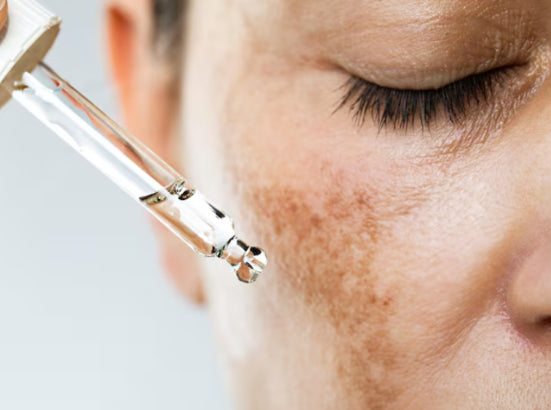
Identify the type of pigmentation you want to soften. Start by observing where the uneven tone shows up. Common categories include post-acne marks, sun-related dark patches, and general dullness. While labels vary, the goal is to match your serum choice to your main concern.
-
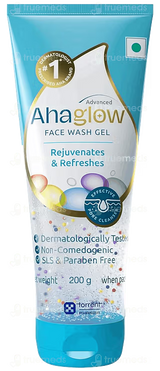
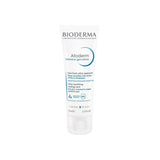
Check your current routine for friction points. If you use harsh cleansers, frequent exfoliation, or multiple strong actives at once, your skin barrier may be stressed. Tone-improving actives work best when skin is calm. Consider using a gentle cleanser such as gentle cleanser to maintain comfort.
-
Choose one brightening serum focus for your main goal. Look for key brightening categories such as vitamin C derivatives, niacinamide, alpha arbutin, tranexamic acid, kojic-acid derivatives, or licorice root extracts. These ingredients are often used to support an even appearance. A well-formulated serum typically includes stabilizers and humectants that help it feel pleasant on skin.
-
Introduce the serum slowly to support tolerance. Use the serum a few nights per week at first. If your skin feels comfortable, increase frequency gradually. This approach is especially helpful when your routine includes other actives.
-
Apply correctly for consistent coverage. Use a small amount and spread evenly over the areas you want to brighten. If you are treating the entire face for uneven tone, apply in thin layers to avoid heaviness. Let it absorb before applying moisturizers.
-
Moisturize to reduce dryness and visual texture. Hydrated skin looks more even. Pair your serum with a non-irritating moisturizer. For daytime comfort, consider a hydrating lotion such as hydrating lotion to help maintain smoothness.
-
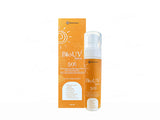
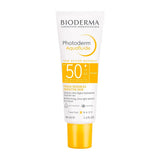
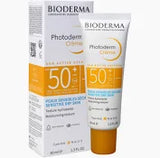
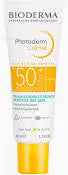
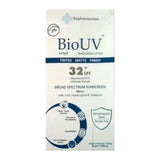
Use daily sunscreen as a non-negotiable step. Dark marks can appear more noticeable when skin is exposed to ultraviolet radiation. A broad-spectrum sunscreen supports the goal of tone refinement. Consider a product such as SPF 50 UV gel or sunscreen cream depending on your skin type.

Skin tone map with mild highlight overlays
In practice, you will often see the most improvement when brightening serums for pigmentation are paired with consistent sunscreen and a gentle routine. Many people also benefit from a stable cleansing step to avoid barrier disruption. If you wear makeup, ensure it is removed with a soft cleanser rather than by aggressive rubbing.
How to Pick Ingredients That Match Your Pigmentation
Different ingredients may be better suited to different discoloration patterns. For example, vitamin C is commonly used for a bright look and antioxidant support. Niacinamide is frequently chosen for its balancing role and supportive hydration. Tranexamic acid is often selected for targeted dark marks. Kojic-acid derivatives are used for tone support. Alpha arbutin is frequently considered for unevenness linked to melanin activity.
Rather than chasing many formulas at once, select one serum category that aligns with your primary concern. If you want to use additional actives, add them one at a time and monitor irritation.
When to Use Your Serum in the Day
Many users apply brightening serums for pigmentation in the evening to reduce daytime irritation risk and to support consistent nightly use. However, if a serum is designed for daytime, it may be used in the morning as well. If you use it in the morning, follow immediately with sunscreen. If you use it in the evening, follow with a moisturizer.
To avoid stacking too many actives, keep your routine simple. A typical structure is cleanser, serum, moisturizer at night; cleanser, serum (or moisturizer), sunscreen in the morning.
What About Multiple Serums?
Multiple serums can work when they are layered with intention, but they can also increase the chance of irritation. If you already use a strong exfoliant or a heavy prescription-strength active, consider pausing additional brighteners. If you want variety, use one brightening serum consistently first, then evaluate results before adding a second.
For people focused on acne-related marks, a routine that includes gentle cleansing plus a targeted brightening step is often more sustainable than frequent ingredient changes. If acne is still active, treat that condition first to prevent new marks from forming.
Tips
- Prioritize barrier comfort. Hydration and gentle cleansing help the skin tolerate active ingredients. If you notice dryness or stinging, reduce frequency.
- Do not skip sunscreen. Even the best serum cannot fully counteract new pigmentation from ongoing sun exposure.
- Use one active at a time. This makes it easier to identify what helps and what irritates.
- Choose formulas with supportive textures. If a serum pills under moisturizer, consider adjusting the amount and allowing it to absorb longer before layering.
- Be patient with consistency. Visual changes typically improve gradually as skin cycles and pigment appears more evenly.
- Track results by area. Instead of judging the entire face at once, evaluate the areas with dark spots or uneven patches.
When you are shopping for a brightening serum, it helps to focus on formulation details rather than only marketing claims. Look for stability, appropriate concentration, and an overall routine fit for your skin type. If you have sensitive skin, consider a calmer formula that includes soothing ingredients and avoids strong fragrance.
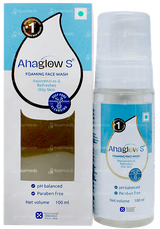
Some shoppers prefer pairing their tone-focused serum with a product that supports cleansing without stripping. For example, if you want a stable baseline, a cleanser like oil-control foam wash can be considered for certain oily or combination routines. For daytime glow support, a hydrating lotion such as rich facial hydrating lotion helps maintain smoothness during active use.

Routine timeline: cleanse, serum, moisturizer, sunscreen
As you progress, your routine may include additional support products. However, keep the core structure stable. A consistent cleanser plus a dependable sunscreen strategy often makes brightening serums for pigmentation feel more effective.
FAQs
Are brightening serums for pigmentation suitable for all skin types?
Most brightening serums can be used across many skin types, but tolerance varies. If you have sensitive skin, start with a low frequency approach and prioritize gentle cleansing and moisturizing. Patch testing on a small area can help you assess comfort before applying more broadly.
How should I combine a pigmentation serum with sunscreen?
Apply the serum first, allow it to absorb, and then apply sunscreen as the final step in your morning routine. If you notice any pilling, reduce the amount of serum and wait longer between layers. Consistent daily sunscreen use is essential to support an even appearance over time.
Which ingredient categories are commonly used for dark spots and uneven tone?
Common categories include vitamin C derivatives, niacinamide, alpha arbutin, tranexamic acid, kojic-acid derivatives, and licorice root extract. The best selection depends on your skin comfort, the main pattern of discoloration, and how your routine currently feels.
Can I use a brightening serum and other skincare actives in the same routine?
Yes, but it requires careful pacing. If you already use exfoliating acids or strong treatments, consider using the brightening serum on alternating nights. This reduces the chance of irritation and helps you monitor how your skin responds to each active ingredient.
Wrap-up & Final Thoughts
Brightening serums for pigmentation can be an effective part of a structured skincare routine when you choose ingredients that align with your main concern and use them consistently. The most reliable results usually come from pairing targeted serum application with gentle cleansing, barrier-friendly moisturizing, and daily sunscreen. If you feel irritation, reduce frequency and simplify your routine before adding more actives. Build from a calm foundation, then refine your approach until your skin looks more even and comfortable.
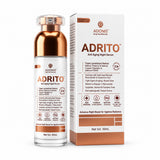
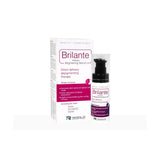
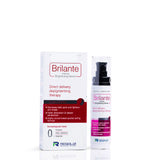
CTA: Explore a targeted brightening option on Allodermis and select a serum that fits your routine needs. If you want additional guidance on building a simple regimen, review product descriptions and usage recommendations on the site.
About the Author Section
Allodermis is a skincare-focused brand guided by dermatology-informed product curation and a practical approach to ingredient selection. Our team develops content to help readers understand how to use brightening serums, build consistent routines, and maintain skin comfort. We aim to make skincare decisions clear and evidence-aligned. Thank you for reading, and we wish you success in creating a routine that supports your goals.
Disclaimer: This article is for educational purposes only and does not replace professional medical advice. Individual results vary, and skincare tolerance depends on personal factors. If you experience persistent irritation, stop use and consult a qualified healthcare professional.
Authors & medical review
Swaraj Dhar is a sociopreneur, technologist, and the co-founder of Allodermis.
Every article is fact-checked against current peer-reviewed dermatology literature and Allodermis clinical protocols.
This article was last reviewed and updated on . Published .
Have a skin or hair concern?
Book a free consultation with our AIIMS MD dermatologists. Clinics in Bhubaneswar, Gurgaon, and Delhi NCR.