















Chemical Peel Services: Benefits, Types and Results

Updated on: 2026-06-20
Chemical peel services are a structured way to improve the appearance of skin texture and tone. A licensed professional typically selects the right peel strength based on your skin type and goals. When the plan is aligned with aftercare, many clients experience smoother-looking skin over time. The safest results start with realistic expectations, clear skin assessment, and consistent sun protection.
Table of Contents
Step-by-Step Guide
Tips
FAQs
Wrap-up & Final Thoughts
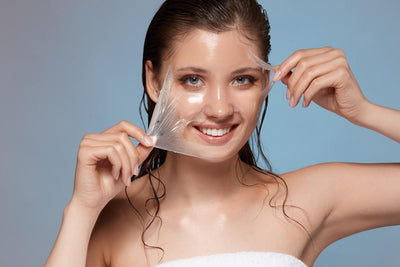
Chemical peel services are among the most requested in professional skincare. They use controlled chemical exfoliation to support skin renewal. Clients often seek them for uneven tone, dullness, rough texture, and the visible look of post-acne marks. However, quality outcomes depend on correct product selection, correct technique, and disciplined aftercare. This guide explains how chemical peel services are commonly planned, what you should expect, and how to prepare for the best possible experience.
Choosing professional chemical peel services can be a practical alternative to at-home exfoliation when you need targeted treatment. Still, every skin profile is different. A thorough evaluation helps ensure the peel depth, active ingredients, and schedule are appropriate. It also helps reduce the risk of irritation that can occur when the peel is too strong or applied too frequently.
To support informed decisions, this article also covers common peel types, preparation steps, and how to pair peels with everyday routines. You will also find frequently asked questions written for real-world concerns.
Step-by-Step Guide
Below is a step-by-step workflow that many reputable providers follow for chemical peel services. Your clinician may adjust each step to match your skin sensitivity, medical history, and aesthetic goals.
1. Consultation and skin assessment
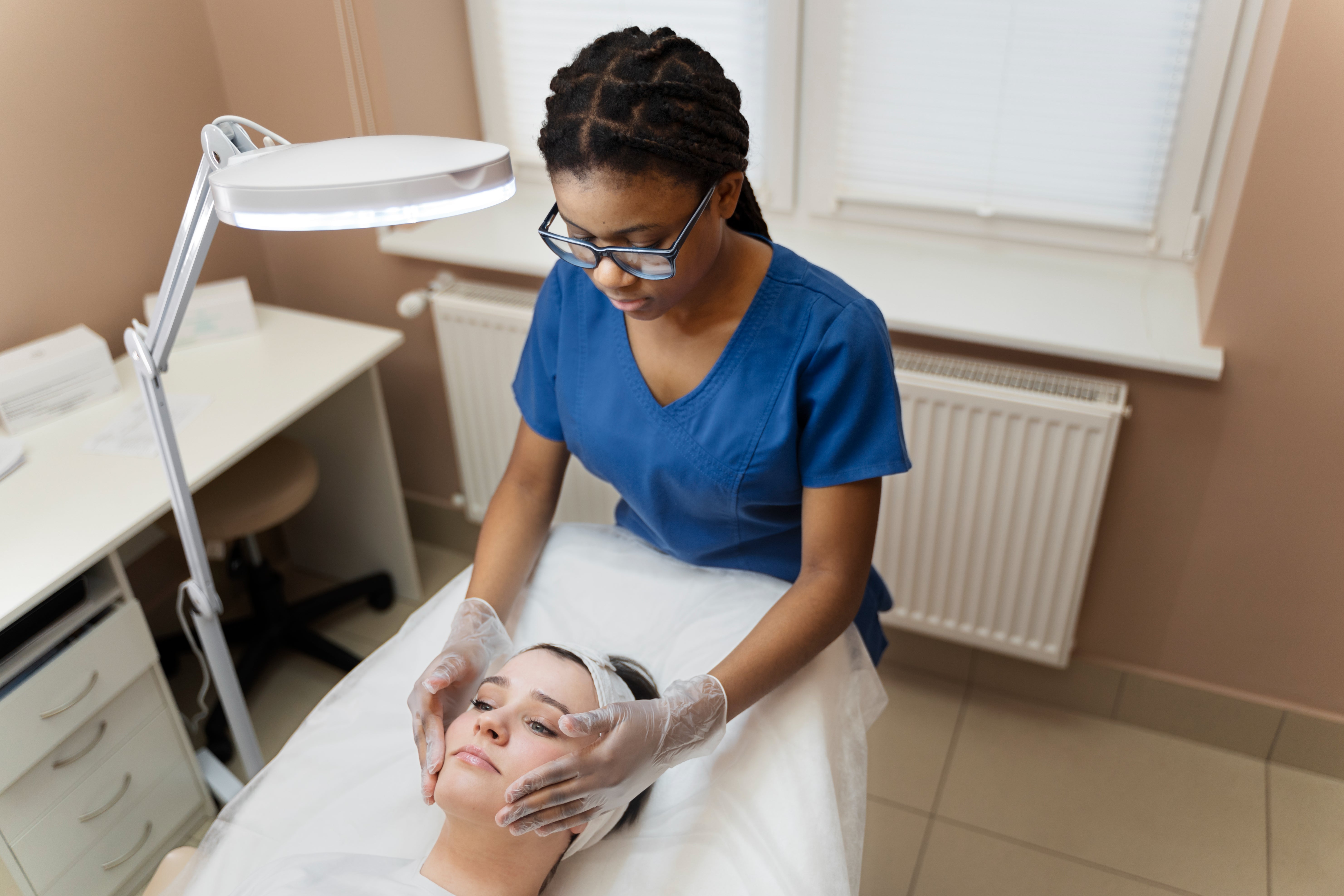
A professional consultation typically begins with a skin assessment and a review of your current routine. The goal is to determine your baseline concerns, such as uneven tone, clogged pores, or fine texture. The provider may also ask about recent exfoliation, retinoid use, and sun exposure habits. This step matters because the peel plan depends on skin readiness and tolerance.
If you already use actives, the provider may recommend pausing certain products to reduce cumulative irritation. This is especially important for clients using strong retinoids or multiple exfoliating products.
2. Selecting the right peel type
Chemical peels are commonly categorized by how intensely they affect the skin surface. Many providers describe options as superficial, medium, or deeper peels, though exact depth varies by formulation and technique. Your clinician should choose a formulation based on the type of concerns you want to improve and your risk level for dryness or post-treatment redness.
Secondary factors can include your skin tone, your history of sensitivity, and whether you have a tendency toward hyperpigmentation after irritation. When the selection is aligned with your needs, chemical peel services become more consistent and easier to tolerate.

Person silhouette with layered skin, gentle gradient
3. Preparation before the appointment
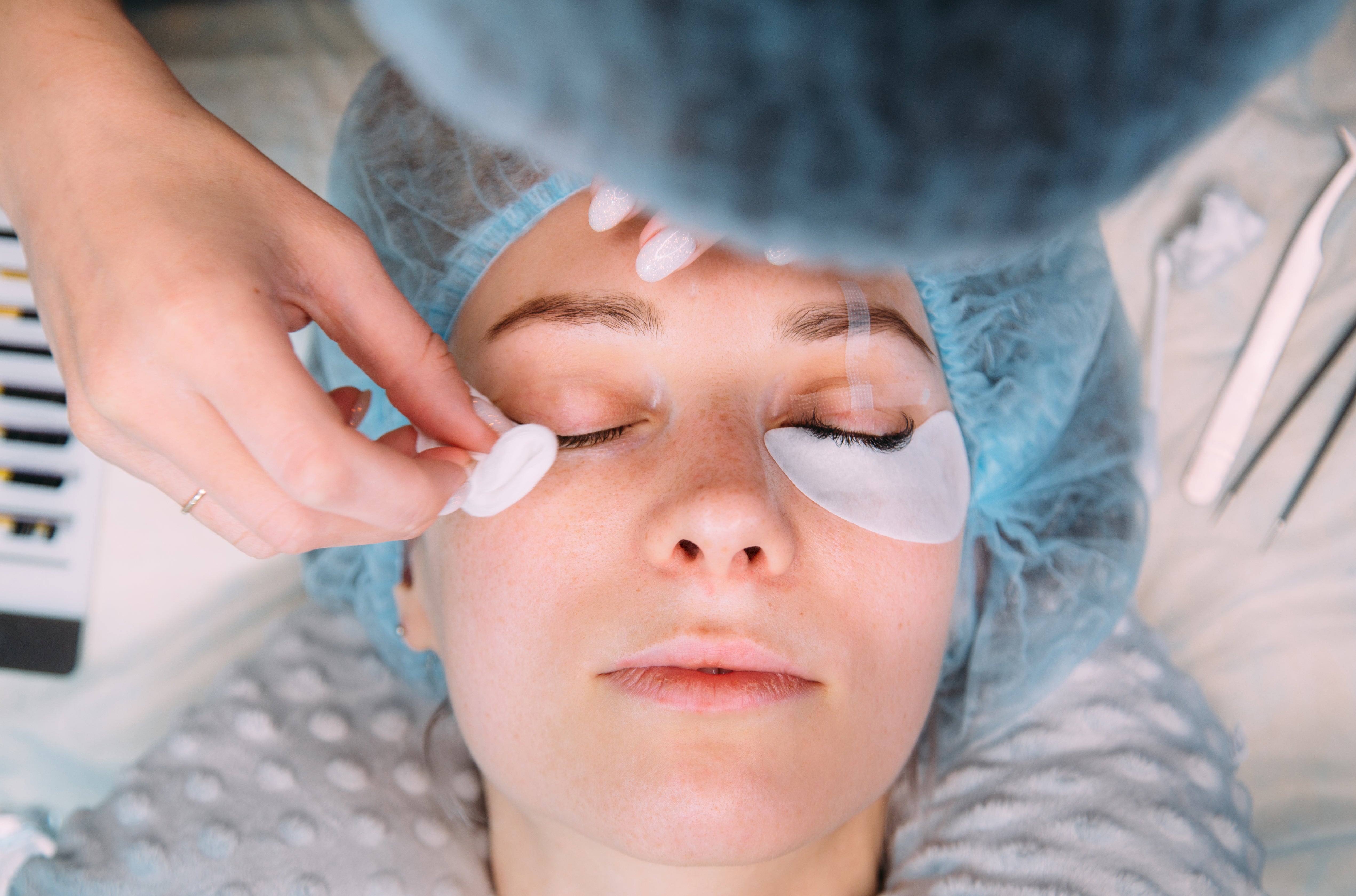
Preparation can include several routine adjustments. Providers often recommend gentle cleansing and strict sun protection during the weeks leading to treatment. They may also recommend stopping harsh exfoliants and avoiding waxing or other resurfacing methods close to the appointment. If you are prone to dryness, hydration and barrier support are frequently emphasized.
If you currently use a low-irritation cleanser and moisturizer, you may be able to continue them. If not, the provider can suggest a routine that keeps your skin calm and balanced. A simple routine can improve comfort and help the peel process remain predictable.
For day-to-day cleansing that supports a calmer routine, consider a gentle face wash such as Cetaphil Gentle Cleanser. For clients using oily or acne-prone routines, some providers prefer products that reduce excess oil without stripping. As an example, Cetaphil Pro Oil Control Foam Wash is designed for a more controlled feel.
4. The application during the session
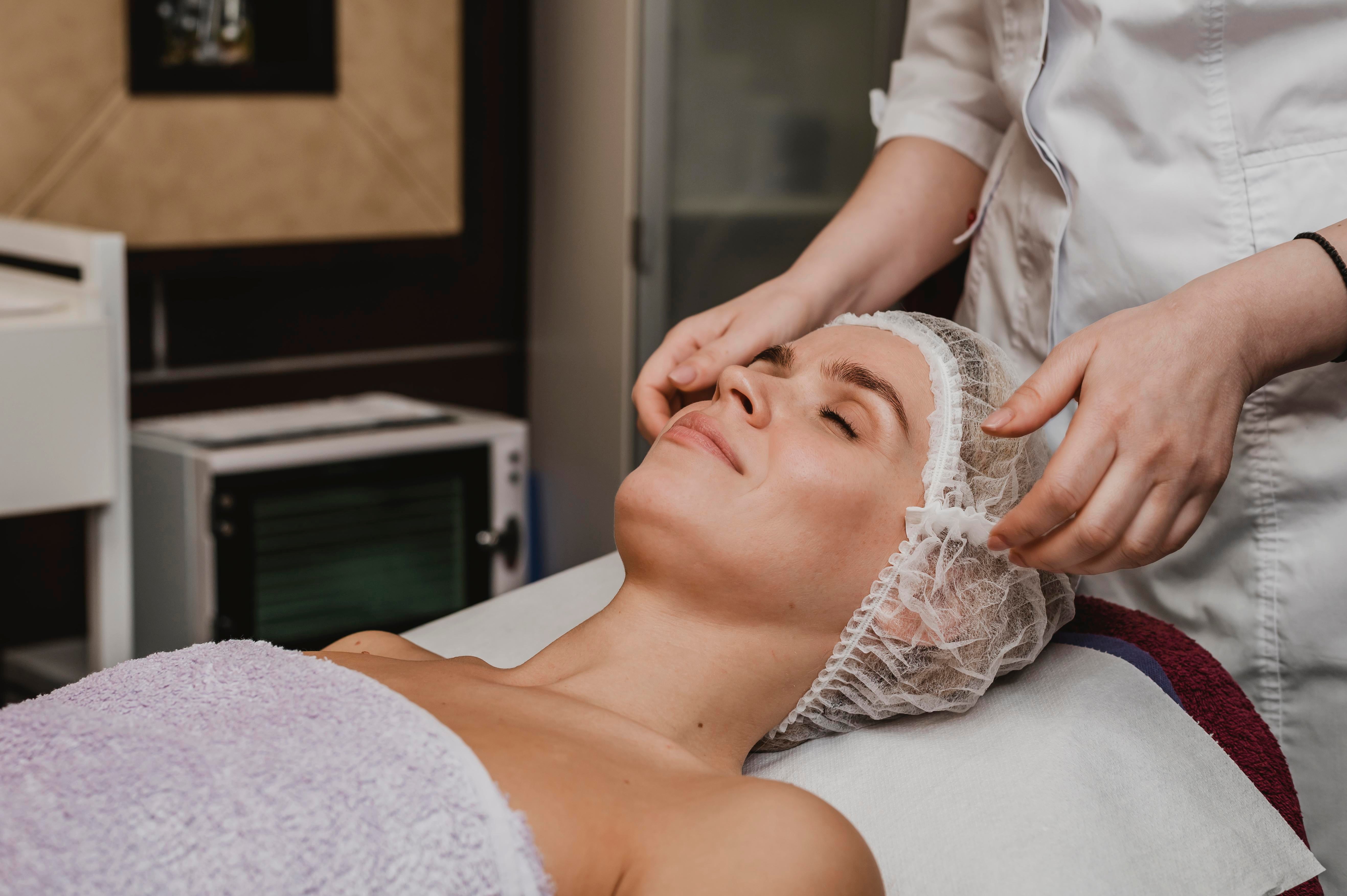
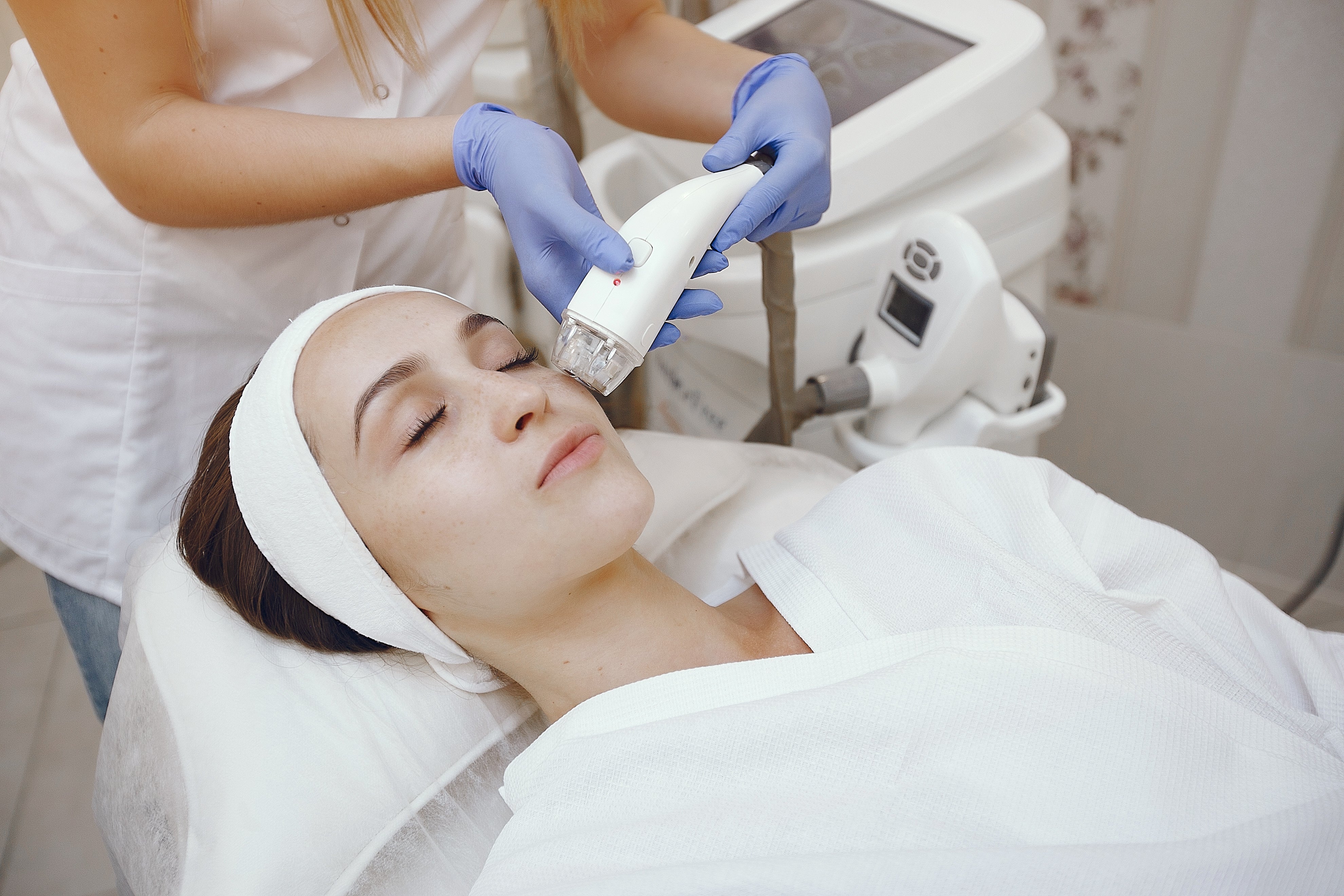
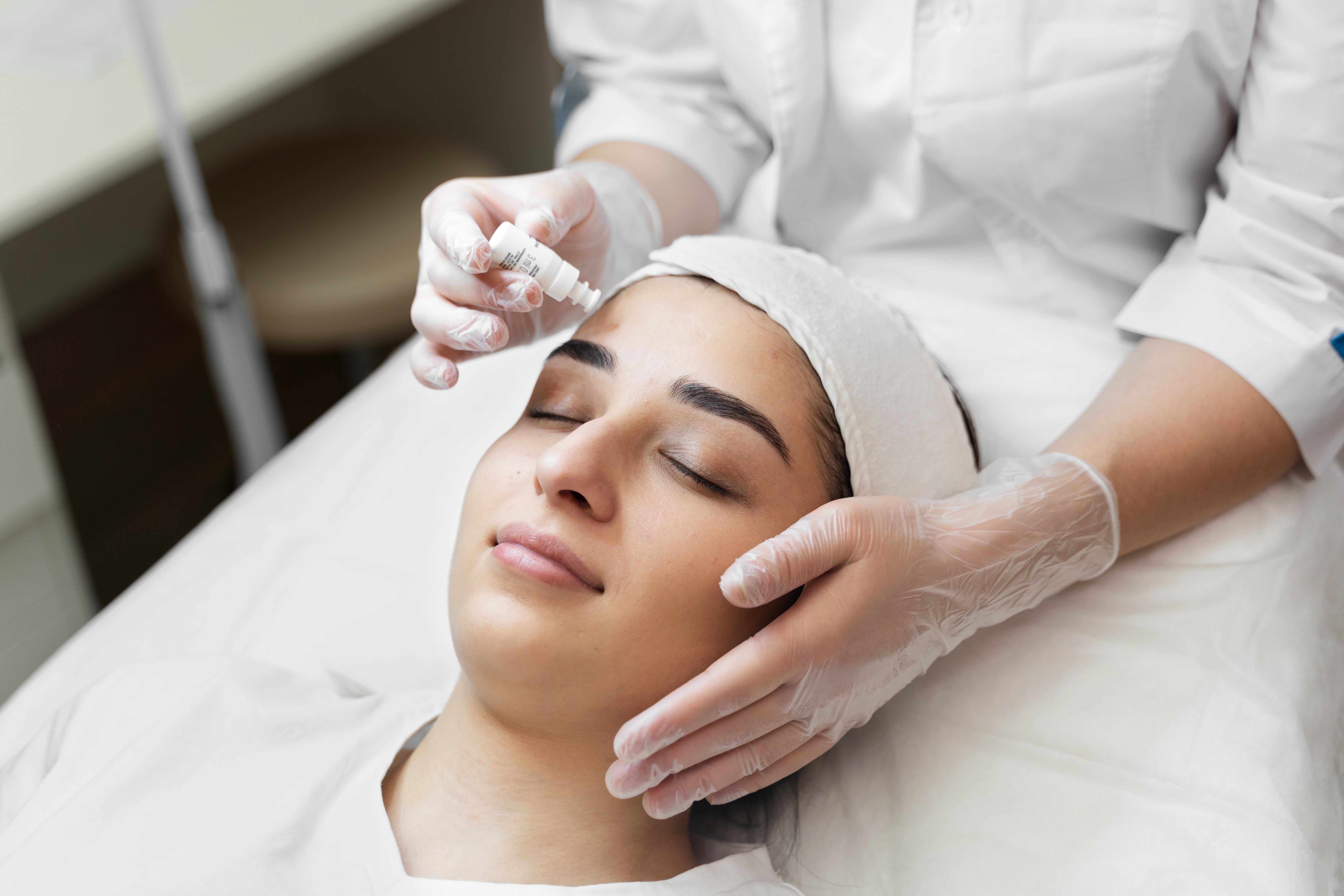
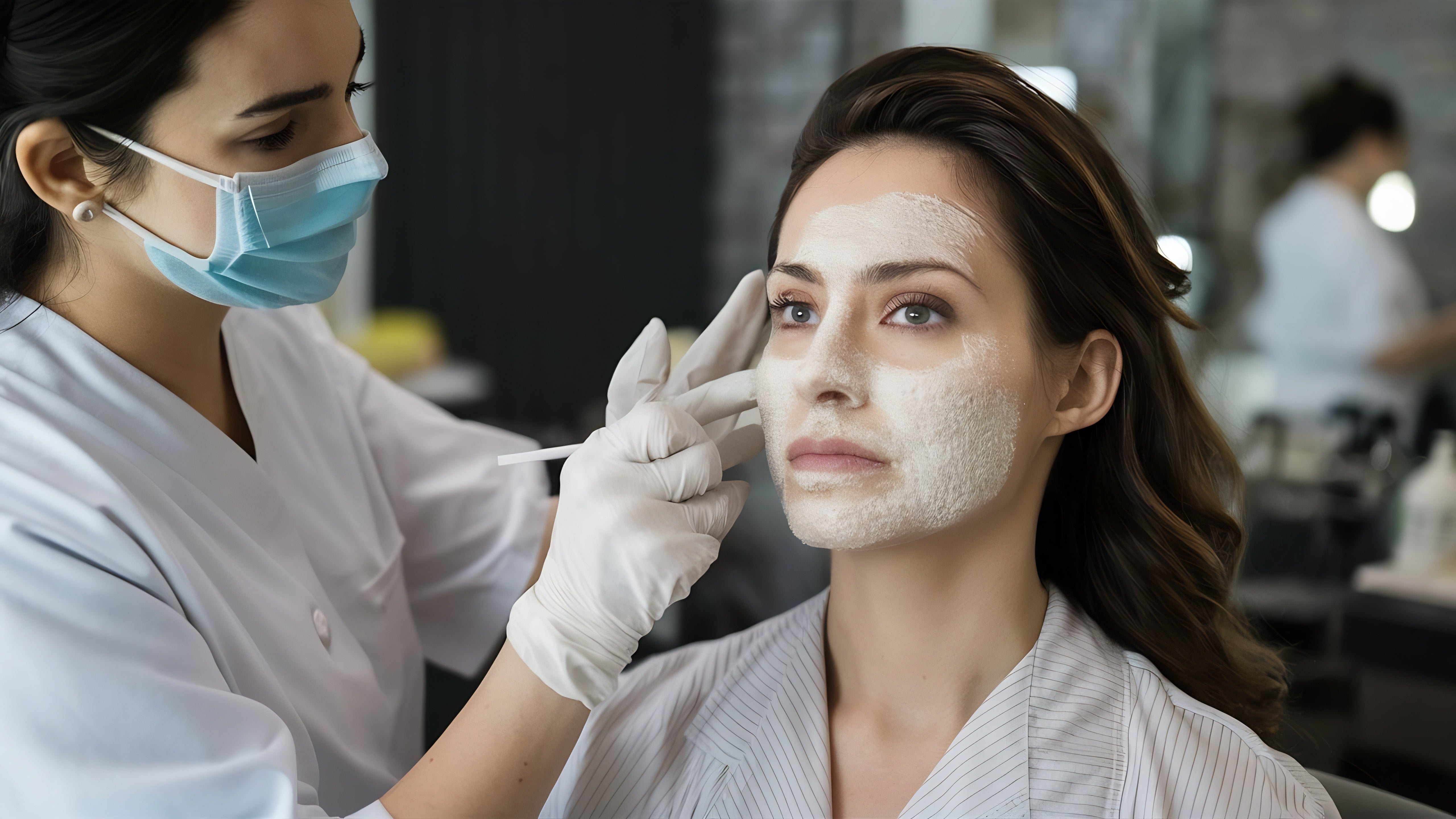
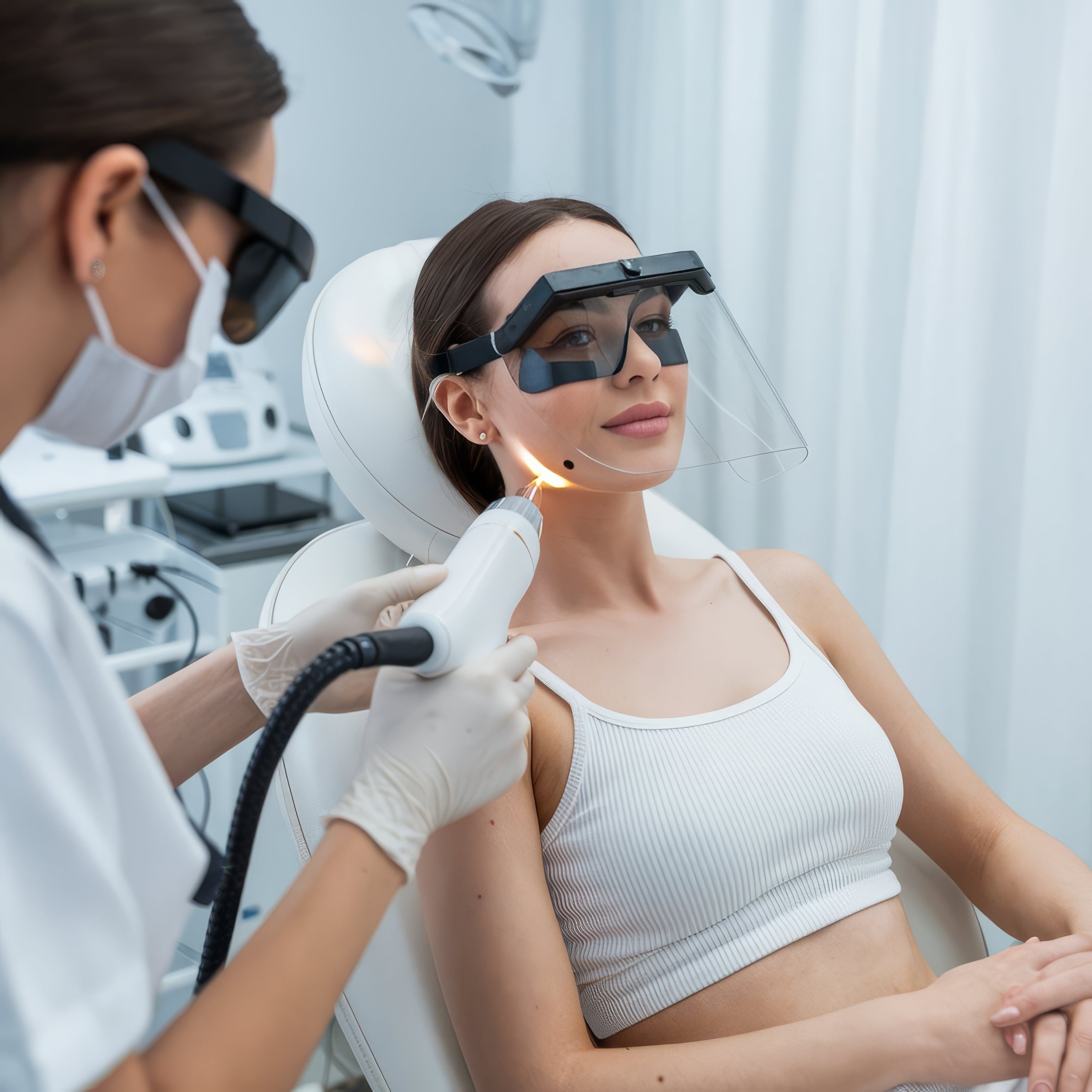
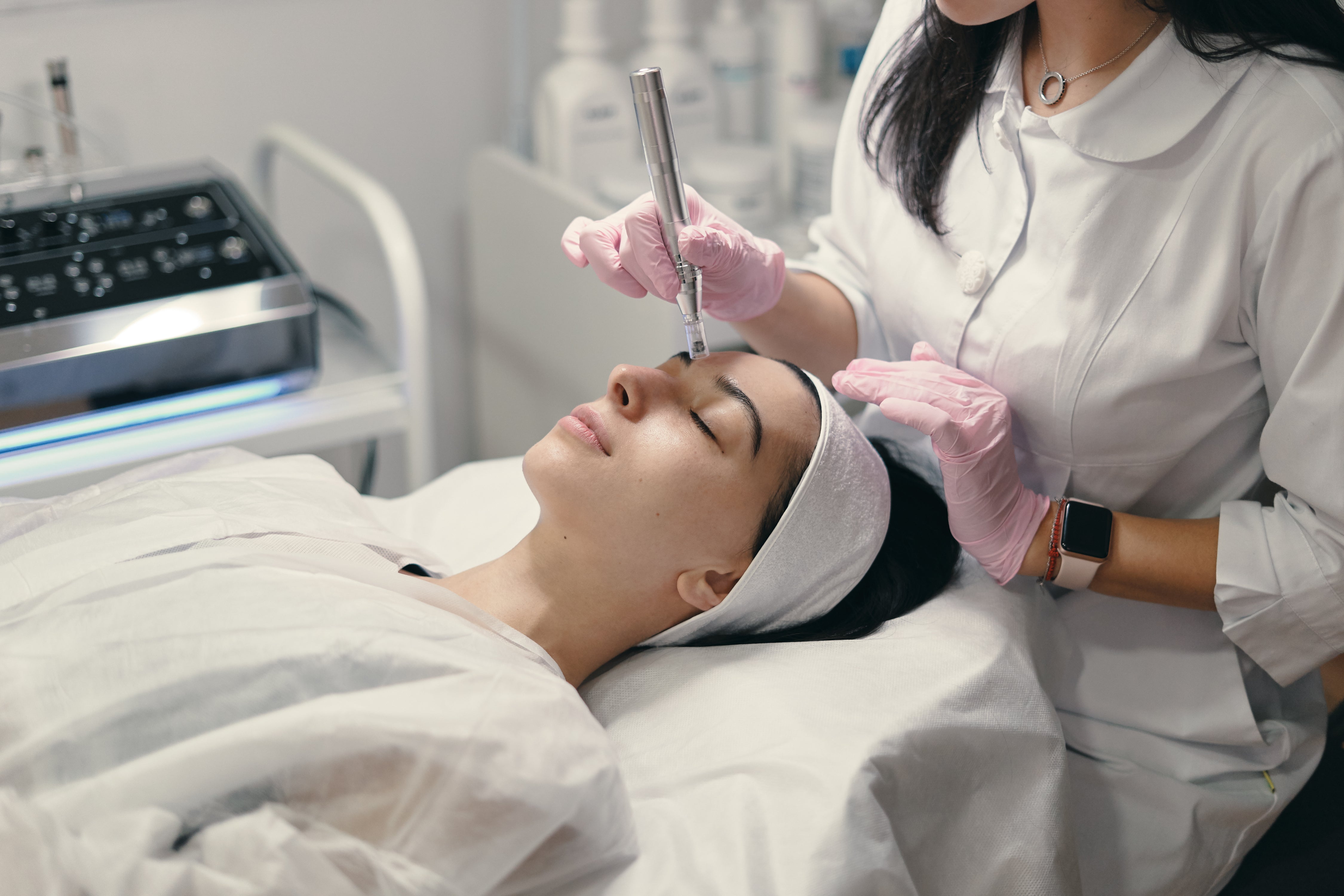
During the appointment, the provider usually cleanses the skin and applies a protective plan based on your treatment. The peel solution is applied for a defined period. You may experience a warming sensation or mild stinging, but discomfort should not be severe. The provider monitors the skin response and may adjust timing based on your tolerance.
After the peel stage, many protocols include rinsing or neutralization, depending on the peel formulation. The provider then applies a soothing post-treatment product to calm the skin and support barrier recovery.
5. Immediate aftercare
Aftercare is often the difference between a smooth recovery and an overly reactive experience. Providers commonly advise gentle cleansing, avoidance of friction, and strict sun protection. You should also avoid additional exfoliants and other actives unless your provider clears them. If your provider gives a written plan, follow it precisely.
Hydration and barrier-focused care can reduce the appearance of dryness and flaking. Some clients also benefit from pigment-friendly routines, particularly if they are prone to uneven tone after irritation. However, avoid adding new products at the last minute without professional guidance.
If you want an everyday sunscreen approach aligned with broad routine needs, consider an acne-friendly sunscreen like IPCA Acne UV Gel SPF 50. For clients who need a richer day-to-day antioxidant and glow support, a targeted serum option such as Dermatica AZE Proactive Serum may fit a broader regimen. Always ask your provider when to reintroduce any active ingredients.
6. Recovery and skin rebuilding
Recovery is typically staged. In the days after your session, your skin may feel tighter or look slightly more textured. Mild redness can be normal for some peel strengths, but severe burning or unexpected swelling is a warning sign. Your provider should provide clear guidance on what to expect and when to contact them.
As the skin barrier repairs, you can gradually return to your routine based on provider instruction. The provider may recommend a gentle moisturizer and supportive care first, then later reintroduce targeted actives once the skin is stable.
7. Follow-up and treatment scheduling
Chemical peel services are often planned as a series rather than a single event. Providers may schedule follow-ups to monitor your skin’s response. The interval depends on peel strength, your sensitivity, and the specific goals. A responsible provider should not rush the plan. Quality schedules prioritize recovery and steady improvement.
During follow-up visits, the provider may adjust the next step. This can include changing peel strength, altering the active components, or adjusting timing. This iterative approach helps reduce the risk of overexfoliation and supports long-term results.
8. Evaluating results in a realistic timeline
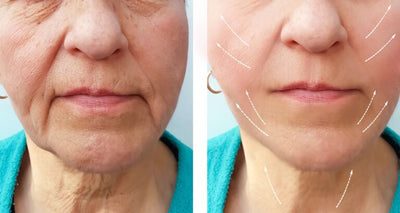
Many clients notice improvements in skin smoothness and clarity after initial sessions, particularly with superficial or moderate peels. For concerns like uneven tone or post-acne marks, results can appear gradually. Your provider should help you set expectations for texture, brightness, and overall tone. This reduces frustration and supports adherence to the aftercare plan.
It is also important to understand that results depend on the entire routine. Sun protection, consistent cleansing, and proper moisturizing can influence how quickly skin looks refined after exfoliation.

Checklist with calendar icons and sun shield symbol
9. Safety checks and when to pause
Professional chemical peel services should include clear safety screening. You should avoid treatments during active flare-ups of irritation or open skin. If you have a history of sensitive reactions, your provider should tailor strength and aftercare accordingly. If you use medications that affect skin sensitivity, disclose them during consultation.
Providers should also explain red flags. If you experience severe swelling, persistent pain, or signs of infection, contact your clinic promptly. A cautious approach protects skin integrity and helps maintain long-term trust in the treatment plan.
Tips
- Choose a provider who performs skin assessment and documents your peel plan.
- Keep your routine simple before treatment to reduce irritation risk.
- Use strict sun protection after treatment to support even tone and recovery.
- Do not combine new exfoliating products right after a peel unless cleared.
- Follow the aftercare schedule exactly, including cleanser and moisturizer use.
- Hydrate consistently to support barrier repair and comfort during recovery.
- Track changes in texture and tone to discuss progress at follow-ups.
- Ask what peel strength is being used and what results are realistic for your goal.
If your main concern is uneven tone, consider pairing professional treatment with a supportive brightening routine once your provider clears actives. For example, some people explore vitamin C-focused care such as Health Veda Organics Natural Vitamin C 1000 mg. If you are acne-prone or easily clogged, a lighter serum structure may also help keep the routine compatible with daily use.
FAQs
Are chemical peel services suitable for all skin types?
No. Chemical peels can be adapted for different skin types, but suitability depends on your skin sensitivity, current routine, and personal risk factors. A professional consultation helps determine the correct peel type and schedule, and it identifies conditions that require delay or modification.
What should I avoid before and after chemical peel services?
Before treatment, many providers advise avoiding strong exfoliants, unnecessary friction, and excessive sun exposure. After treatment, you should follow aftercare instructions and avoid additional exfoliation or active ingredients unless your provider approves. If you have questions about a specific product, ask the clinic rather than guessing.
How long does recovery typically take?
Recovery duration depends on peel strength and your skin response. Superficial peels often have shorter recovery windows, while stronger peels require more careful barrier support. Your provider should explain what to expect and give clear guidance for redness, dryness, and product reintroduction.
Will chemical peel services cause long-term damage?
When performed by trained professionals with appropriate selection and careful aftercare, chemical peel services are generally designed to be safe. However, poor fit, excessive frequency, or skipped aftercare can increase irritation and lead to complications. Choosing an experienced clinic and following instructions are essential for minimizing risk.
How can I maintain results between sessions?
Between sessions, maintain gentle cleansing, consistent moisturizing, and strict daily sun protection. Avoid adding multiple new actives at once. When you reintroduce products, do so gradually and according to provider guidance. If your clinic recommends a routine, follow it rather than switching to a new approach immediately.
Wrap-up & Final Thoughts
Chemical peel services can be a precise, professional way to support smoother-looking skin, improved clarity, and a more even appearance. The best outcomes come from a thoughtful assessment, correct peel selection, and disciplined aftercare. Treat the recovery period as part of the treatment, not an optional stage.
If you are considering chemical peel services, start with a consultation that includes skin analysis and a clear plan. Ask how the provider will tailor strength to your goals and how you will protect your skin after treatment. With realistic expectations and consistent daily care, you can build a safer path toward visible improvements.
Explore skincare guidance and review daily product options that align with gentle cleansing and barrier support.
About the Author Section
Allodermis contributes expertise grounded in dermatology-informed skincare education and routine support. The author team focuses on professional skincare clarity, ingredient awareness, and practical guidance for healthy skin habits. With an emphasis on careful planning and patient-safe routines, Allodermis helps readers make informed decisions. Thank you for reading, and we encourage you to consult a qualified professional for personalized guidance.
Disclaimer: This article is for educational purposes only and does not provide medical advice or diagnosis. Individual results vary, and skincare procedures should be performed by qualified professionals. Consult a licensed clinician before beginning chemical peel services, especially if you have a skin condition, a history of sensitivity, or use prescription medications.
Authors & medical review
Swaraj Dhar is a sociopreneur, technologist, and the co-founder of Allodermis.
Every article is fact-checked against current peer-reviewed dermatology literature and Allodermis clinical protocols.
This article was last reviewed and updated on . Published .
Have a skin or hair concern?
Book a free consultation with our AIIMS MD dermatologists. Clinics in Bhubaneswar, Gurgaon, and Delhi NCR.