














Chemical Peel Services: Benefits, Types, and Safety Tips

Updated on: 2026-06-04
Chemical peel services can help improve the look of skin texture and tone with controlled exfoliation.
This guide explains how to choose a safe plan, what to expect before and after treatment, and how to support results.
You will also find a practical checklist for selecting a qualified provider and preparing your skin routine.
Use the Q and A to address common concerns about strength, downtime, and aftercare.
Quick Overview
Chemical peel services are professional exfoliation treatments designed to refine the look of skin. When planned correctly, they can support smoother texture and more even tone. The key is selecting the right peel strength for your goals and your skin type. This article provides a clear framework to help you make confident decisions.
Introduction
Chemical peel services use controlled solutions to gently remove the outer layer of skin. Dermatology and aesthetics practices often offer these treatments as a structured option for people seeking visible improvements in texture, clarity, and tone. The main benefit is that the process can be customized through peel depth, solution selection, and your aftercare plan. When you understand the steps and choose a qualified provider, you can reduce risk and improve consistency of outcomes.
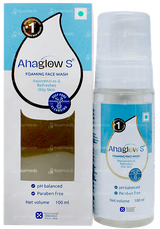
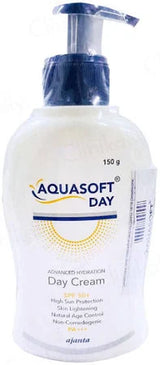
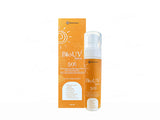
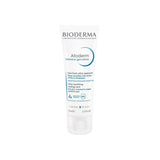
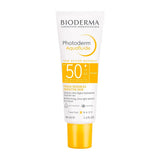
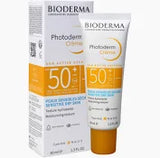
Because skin varies from person to person, safe results depend on preparation, correct timing, and disciplined sun protection. You will also learn how to build an everyday routine that supports barrier health. If you want additional guidance on daily skin support, you can explore dermatologist-informed product options such as gentle cleansing and targeted hydration at gentle cleanser care and sun protection at daily SPF support.
Essential Tips
- Start with a clear goal. Decide what you want to improve, such as uneven tone, rough texture, or dullness, and communicate it at the consultation.
- Match peel strength to skin sensitivity. More aggressive solutions can increase redness and irritation, especially for first-time recipients.
- Confirm provider credentials. Ask about training, sanitation practices, and how they adjust treatment plans.
- Plan your schedule. Keep important events and heavy sweating or sun exposure to a minimum during the recovery phase.
- Use a barrier-first routine. Prioritize gentle cleansing, consistent moisturization, and strict sunscreen use.
- Avoid mixing strong actives. Retinoids, strong acids, and exfoliating products may need to be paused based on your plan.
Detailed Step-by-Step Process
To approach chemical exfoliation safely, treat it like a controlled skincare workflow. The process should be guided by skin assessment, appropriate selection, and consistent follow-through. Below is a practical sequence that many professional clinics follow.
- Initial assessment: The provider evaluates skin type, current irritation level, and past product use. They also review allergies and skin conditions.
- Goal setting: You and the provider align on realistic outcomes and an approach that supports gradual improvement.
- Peel selection: The provider selects the solution type and strength. For many beginners, a conservative starting point is preferred.
- Patch testing when needed: Some plans include a test area or additional screening to gauge sensitivity.
- Preparation of the skin: The provider may cleanse the face and apply protective steps to reduce uneven absorption.
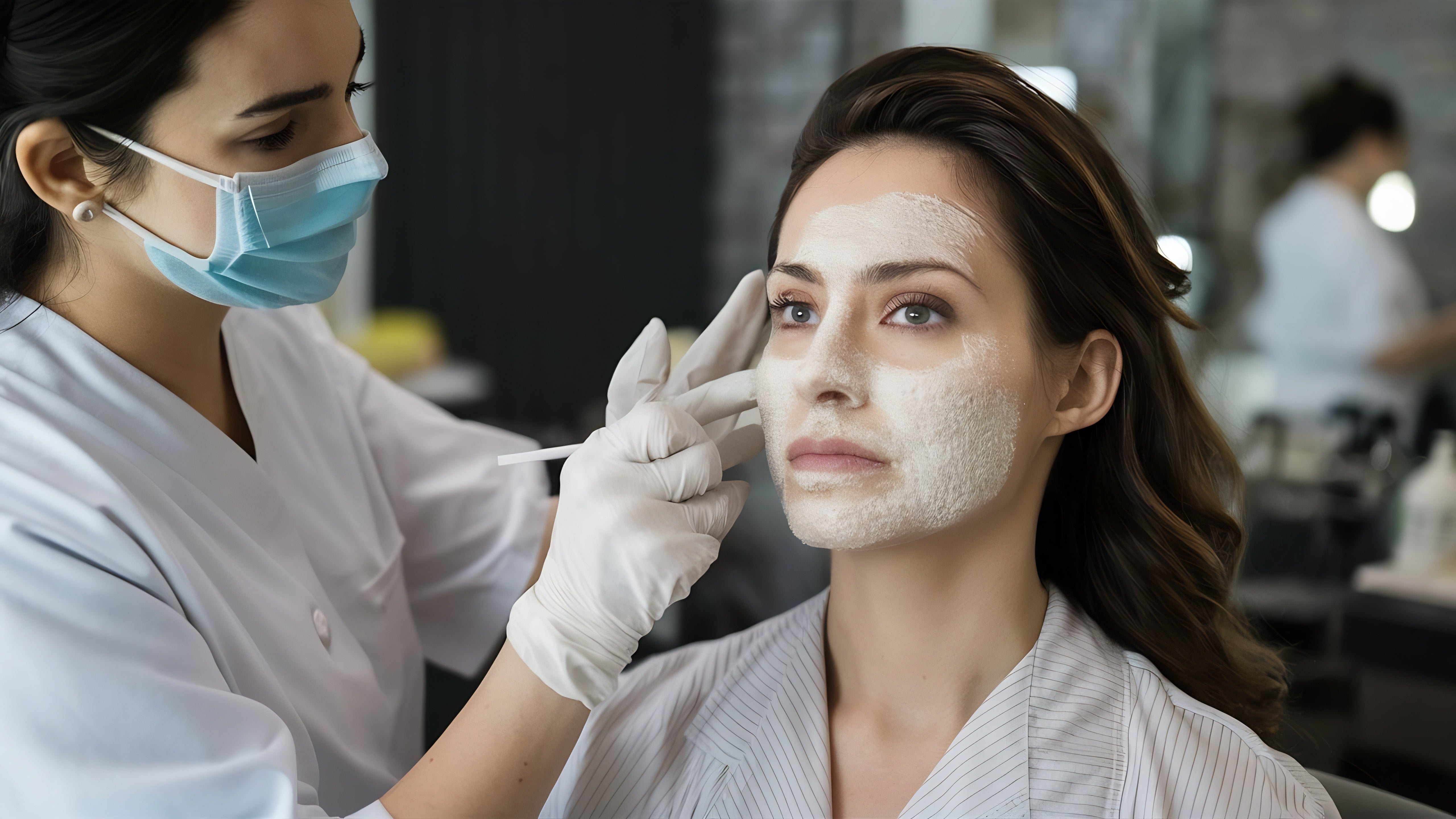
- Timed application: The peel is applied evenly and monitored. Timing matters to ensure predictable results.
- Neutralization or removal: Depending on the peel system, the solution is removed or neutralized to stop the chemical action.
- Immediate calming: Cooling and soothing support may be used to reduce discomfort.
- Aftercare plan: You receive instructions for cleansing, moisturizing, and sunscreen habits.

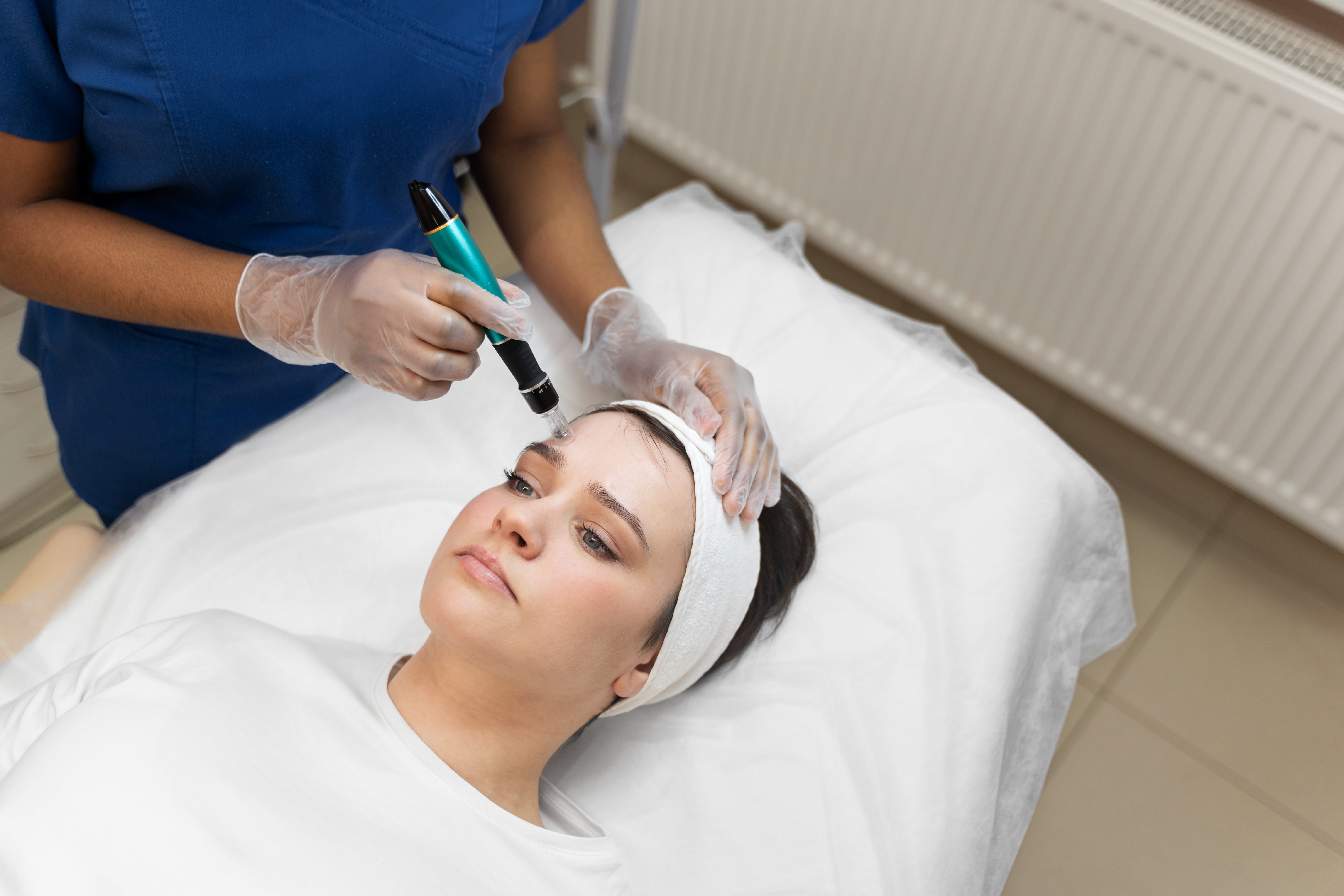
Illustrated timeline of peel steps and aftercare
Professional structure matters because skin response is not identical across individuals. A consistent schedule helps you avoid overexposure to irritation and supports smoother recovery.
How to Choose a Provider
Provider selection is a core factor in the safety of chemical peel services. A well-qualified professional should explain the plan clearly and adapt it based on your response. Use the criteria below to evaluate quality.
- Clinical assessment competence: The provider should ask detailed questions about your skin history, sensitivities, and current routine.
- Transparent protocol: A reliable clinic describes peel depth options, expected sensations, and the approximate length of recovery.
- Sanitation standards: Tools and application materials should be properly cleaned or disposed of according to hygiene policies.
- Adjustment based on response: After the first session, the plan should be updated if your skin shows sensitivity.
- Aftercare education: The provider should guide your sunscreen habits and help you choose gentle supportive products.
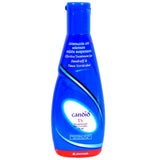
If you are building your routine around a treatment plan, consider how daily products align with exfoliation. For example, a soothing cleanser such as oil-control foam wash can help keep the skin clean without unnecessary stripping, depending on your skin type. For hydration and comfort, consider a balanced facial moisturizer product strategy from hydration lotion options that suit your needs.
Preparing Your Skin
Preparation should begin before the treatment day. A thoughtful pre-peel routine reduces the risk of excessive irritation and improves comfort during recovery. The guidance below supports most skin types, but your provider may customize it.
- Follow your provider instructions on actives: You may need to pause strong retinoids, exfoliating acids, or benzoyl peroxide products for a short period.
- Keep cleansing gentle: Use a mild cleanser and avoid scrubbing. Dryness increases the likelihood of discomfort.
- Maintain hydration: Moisturize regularly. A well-hydrated barrier often tolerates exfoliation better.
- Plan for sun safety: Avoid intentional sun exposure leading into the appointment. Treat sunscreen as a daily requirement.
- Reduce friction: Limit harsh towels, aggressive massage, and rough face coverings.
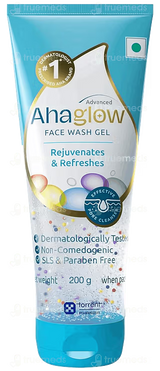
Many people benefit from a product strategy that supports barrier health. If you have acne-prone skin, you can explore gentle face wash options or acne-supportive routines. For broad daytime coverage, prioritize daily sunscreen care that fits your lifestyle.
Day of Treatment
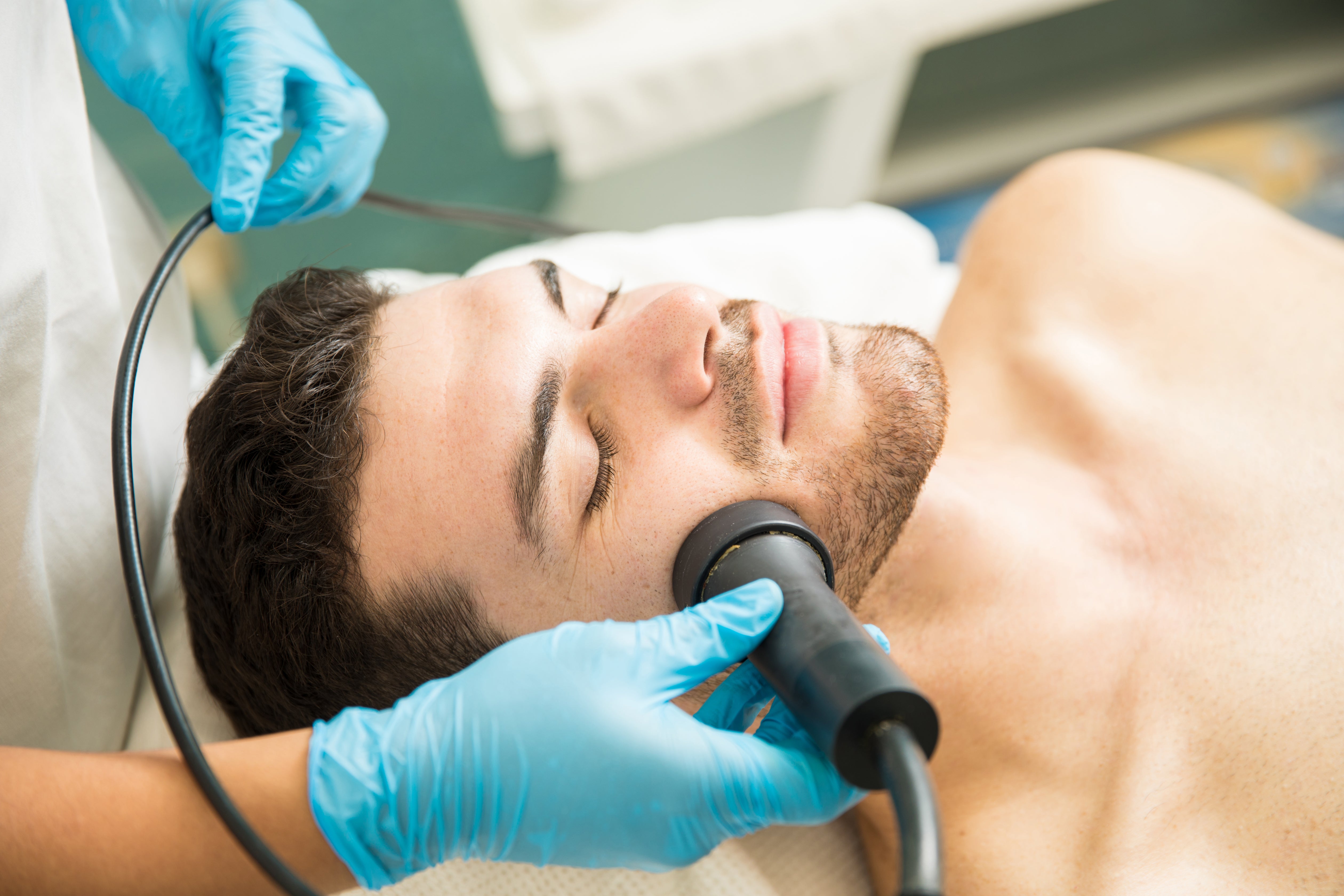
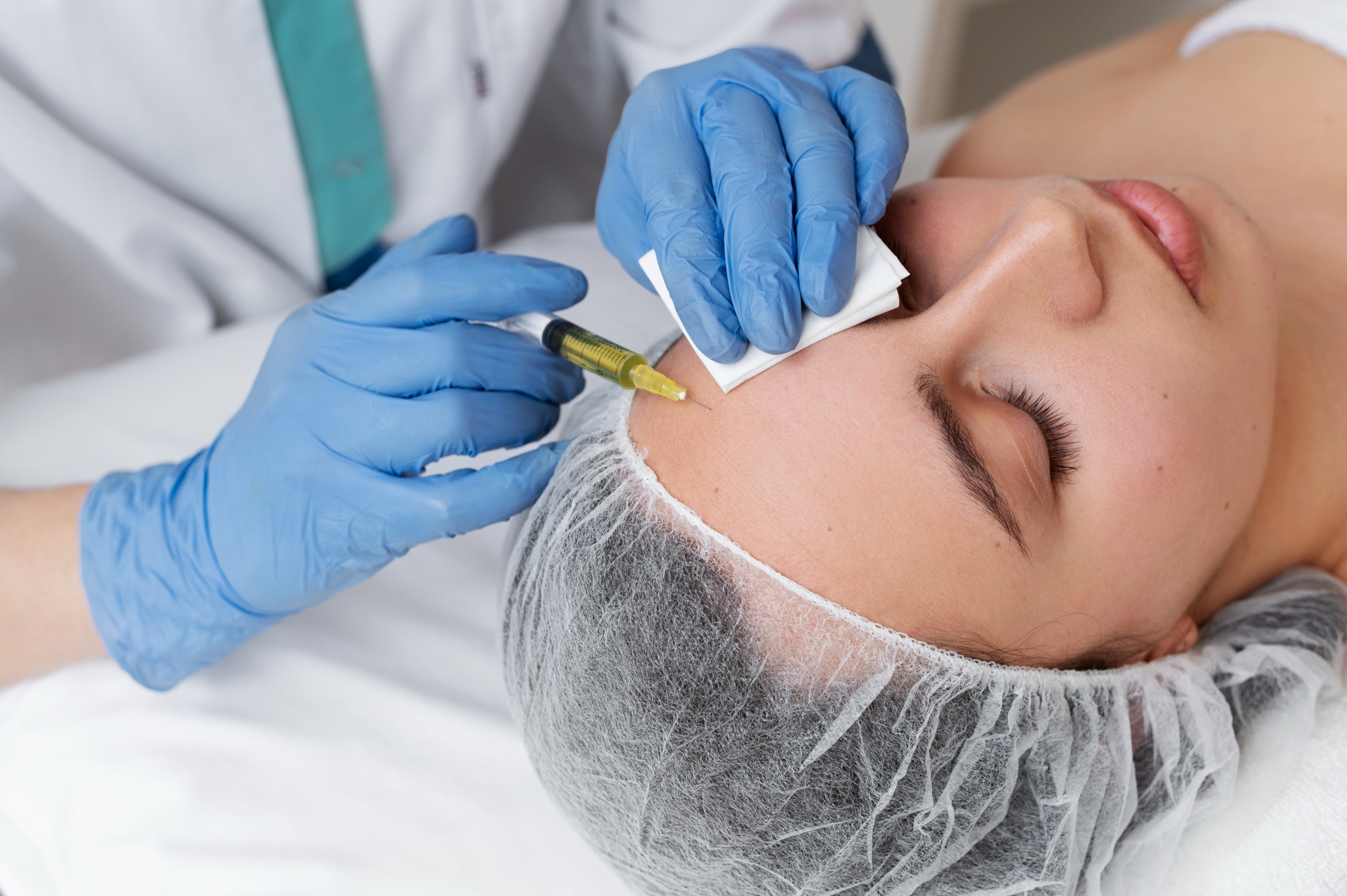
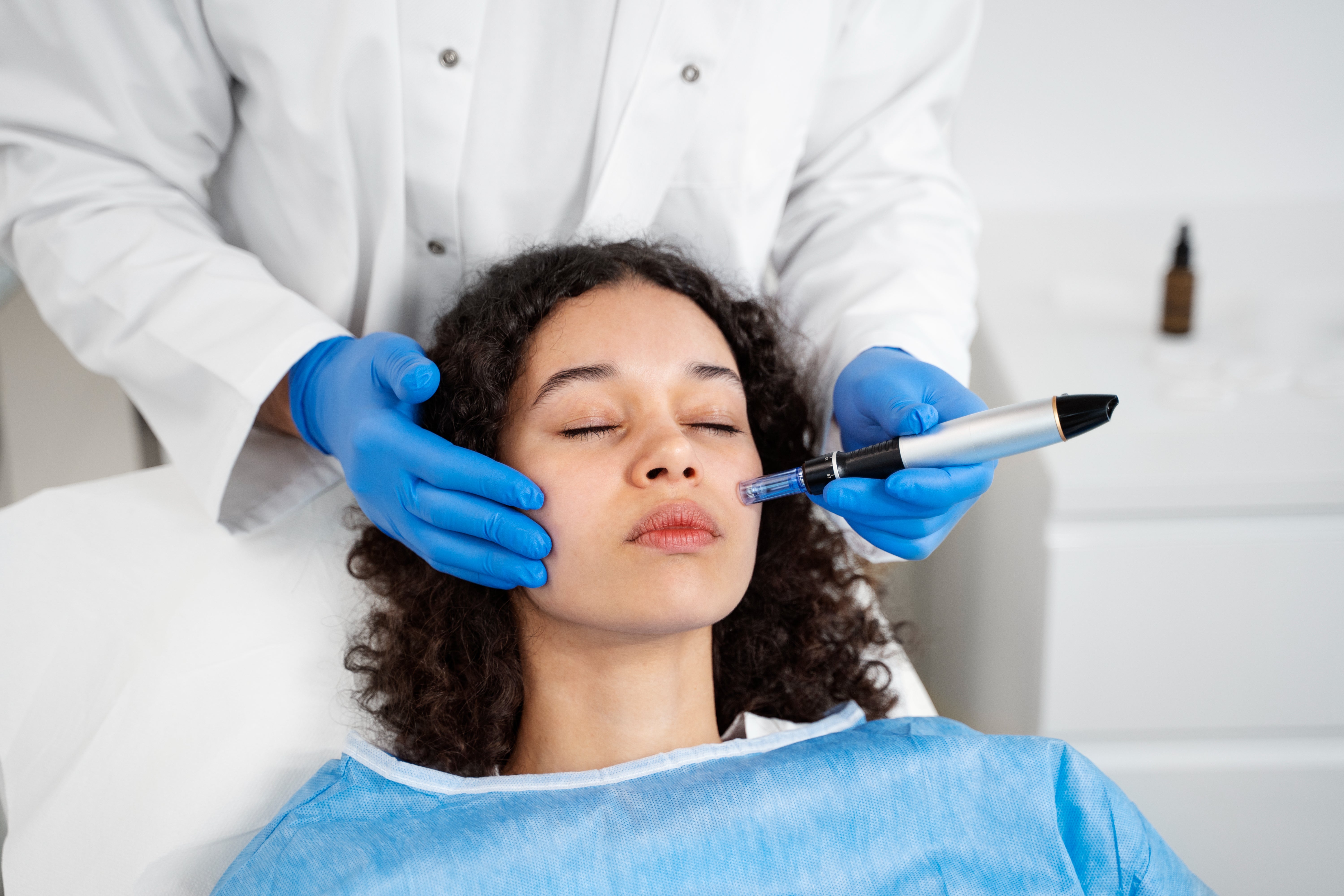
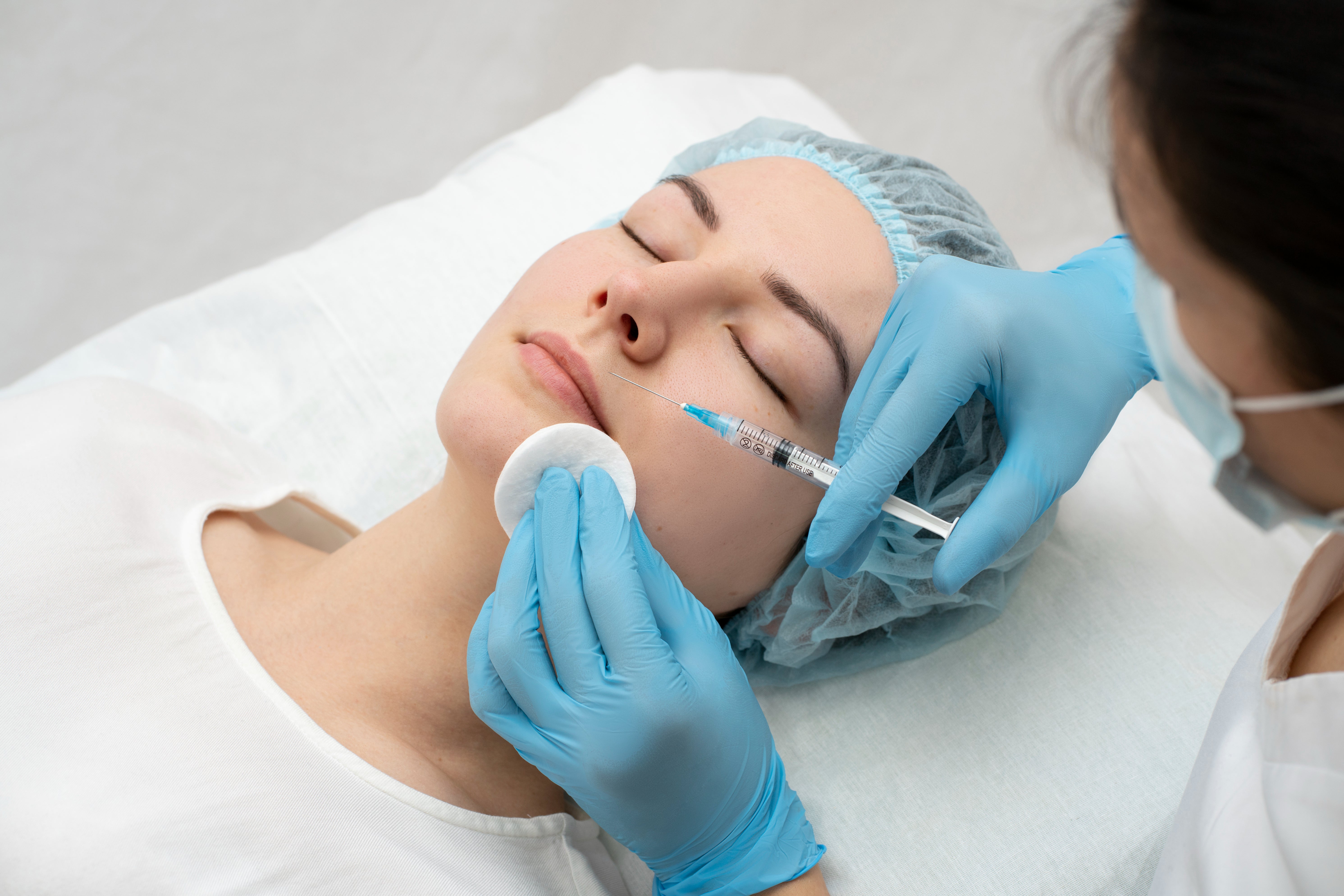
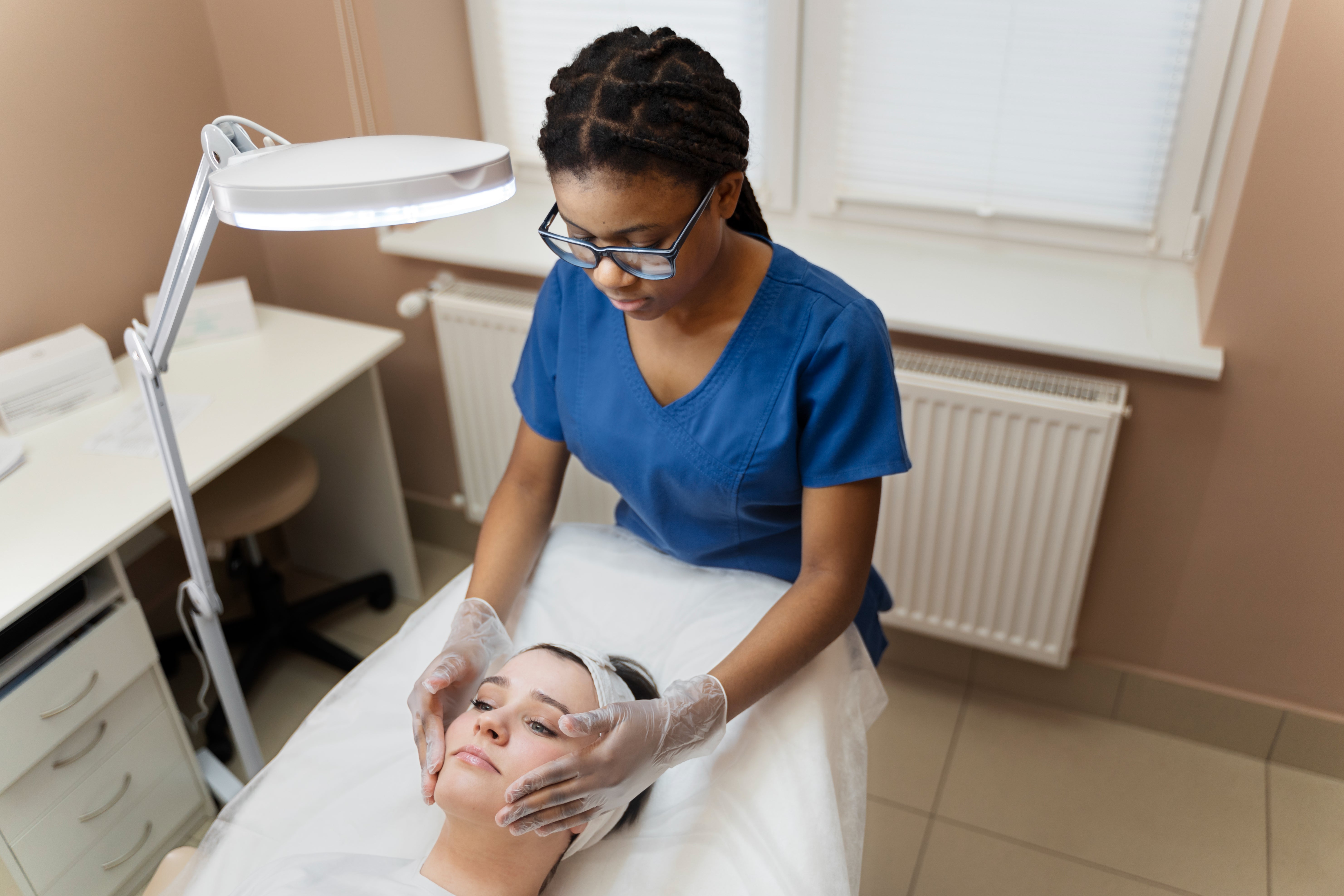
On the appointment day, the focus is on safe application and controlled timing. Clinics typically start with cleansing and skin evaluation, then apply the peel solution according to the selected protocol. The experience usually includes a warming, tingling, or mild stinging sensation. The exact feeling depends on the solution strength and your sensitivity.
- Arrive with a clean face: You may be asked to avoid makeup and heavy skincare layers beforehand.
- Communicate sensitivity: If you have a history of irritation, tell the provider clearly.
- Do not add new products: Avoid introducing new actives the day of treatment unless instructed.
- Follow monitoring instructions: The provider should observe the skin response throughout the timing window.
- Confirm aftercare before leaving: Ensure you understand what to apply, what to avoid, and when to resume your routine.

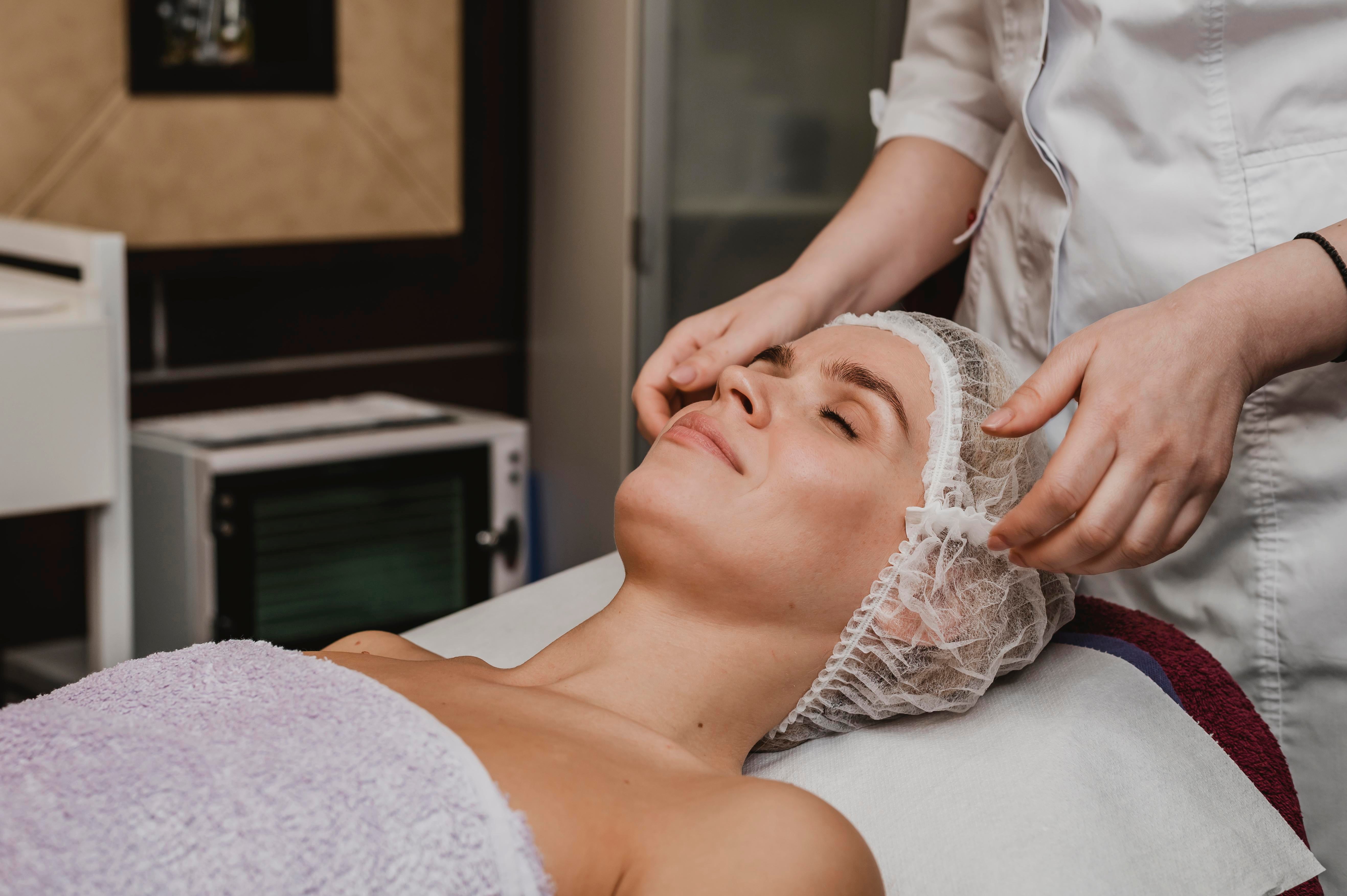
Diagram showing soothing recovery steps and sunscreen layer
Aftercare and Maintenance
Aftercare is where results become more consistent. Your skin needs time to recover and rebuild its protective barrier. Following a structured maintenance plan can also reduce the risk of prolonged redness and uneven healing.
The essential aftercare elements usually include cleansing, moisturizing, and sun protection. Many clinics also advise on avoiding certain habits during recovery.
Immediate recovery basics
- Gentle cleansing: Use a mild cleanser or follow your provider’s recommended method to keep skin clean without friction.
- Moisturize consistently: Apply a supportive moisturizer to reduce tightness and dryness.
- Strict sunscreen use: Use broad spectrum sunscreen daily and reapply when required by your routine.
- Avoid heat and sweating: Saunas and intense workouts may worsen sensitivity during early recovery.
Supporting longer-term improvement
- Resume actives slowly: Reintroduce retinoids or acids only when your provider confirms that your skin has stabilized.
- Consider gradual series planning: Many people achieve the best balance with multiple sessions rather than one strong treatment.
- Track changes objectively: Note how your skin looks over days and weeks. This helps you and your provider adjust future sessions.
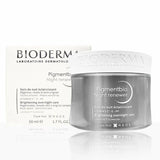
If your objective includes tone support and daily comfort, a carefully selected routine can help. For example, brightening serum options can be used only when your provider confirms tolerance, especially after your skin barrier recovers. For acne-prone or texture-focused needs, daily SPF combined with a consistent cleansing approach can support overall skin appearance alongside treatment plans. Always prioritize instructions tailored to your peel depth and sensitivity profile.
Common Mistakes to Avoid
Even when treatment is performed well, certain behaviors can interfere with recovery. Avoiding these mistakes supports better comfort and steadier results.
- Using strong exfoliants too soon: Scrubs and harsh acids can intensify irritation and delay healing.
- Skipping sunscreen: Without sun protection, skin may darken unevenly after exfoliation.
- Over-moisturizing with fragranced products: Some products can irritate compromised skin. Stick to gentle options.
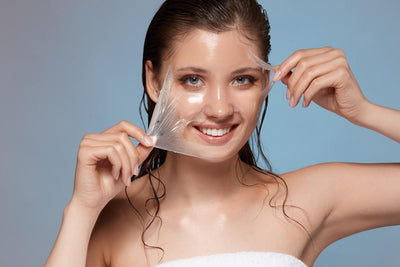
- Pick-and-peel behavior: Peeling skin should not be manually removed. Let it shed naturally.
- Increasing session frequency prematurely: Results can plateau or worsen when the skin is not given adequate recovery time.
- Ignoring discomfort signals: Severe burning, swelling, or persistent worsening should be assessed by a professional.
For acne-prone concerns and daily support, a calm, consistent routine can reduce stress on the skin barrier. Consider pairing gentle cleansing with appropriate daytime care. Options such as proactive serum support may be useful later in your plan, but integration should follow provider guidance.
Summary & Takeaway
Chemical peel services can be an effective option for improving skin texture and tone when the treatment is planned and supported correctly. The safest path begins with a realistic goal, a qualified provider, and a conservative starting approach when appropriate. Preparation and aftercare matter as much as the appointment itself. With disciplined sun protection and barrier-friendly routines, you can support a smoother recovery and more consistent visual outcomes.
Q&A Section
How do chemical peel services differ from home exfoliation?
Professional chemical peel services use clinician-guided solutions with controlled timing, standardized application methods, and on-site assessment. Home exfoliation products vary widely in strength and formulation, and they are not applied with the same level of monitoring. This does not mean home products are always ineffective, but professional guidance typically improves safety and predictability, especially for first-time users.
What factors determine the right peel strength for my skin?
The right peel strength depends on skin type, sensitivity, active conditions such as acne or rosacea, prior treatment history, and your tolerance for irritation. Your provider should review your current routine, identify trigger ingredients, and adjust the plan to your recovery capacity. Communication about past reactions is essential for a well-matched approach.
How should I build a post-treatment skincare routine?
Aftercare routines generally focus on gentle cleansing, consistent moisturization, and daily broad spectrum sunscreen. You should avoid introducing additional exfoliating acids, strong retinoids, or irritant products until your provider confirms your skin has stabilized. If you want a supportive routine framework, select products designed for sensitive skin and follow your clinic’s specific instructions.
Are results immediate, or do they develop over time?
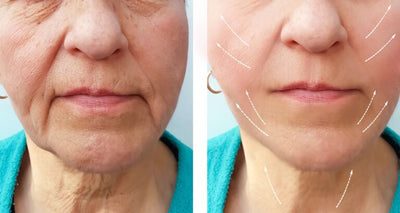
Some visible changes can appear as skin sheds and recovers, but many benefits develop gradually as the skin barrier stabilizes. Improvement is typically more consistent when the routine is maintained and sessions are spaced appropriately. Your provider can suggest a realistic series plan based on your initial response.
About the Author
Allodermis is a skincare-focused publication associated with dermatology-informed product education and routine guidance. The author team specializes in skincare ingredients, barrier support, and practical aesthetic planning designed to help readers make informed decisions. A professional tone and evidence-aware approach guide every article. Thank you for reading and for prioritizing skin safety.
Disclaimer: This article is for educational purposes only and does not provide medical advice, diagnosis, or treatment. Treatment plans for chemical peel services should be discussed with a qualified healthcare professional or trained skincare provider who can assess your individual skin condition and safety needs.
Authors & medical review
Swaraj Dhar is a sociopreneur, technologist, and the co-founder of Allodermis.
Every article is fact-checked against current peer-reviewed dermatology literature and Allodermis clinical protocols.
This article was last reviewed and updated on . Published .
Have a skin or hair concern?
Book a free consultation with our AIIMS MD dermatologists. Clinics in Bhubaneswar, Gurgaon, and Delhi NCR.