













Chemical Peels for Skin Rejuvenation: Benefits Guide

Updated on: 2026-06-13
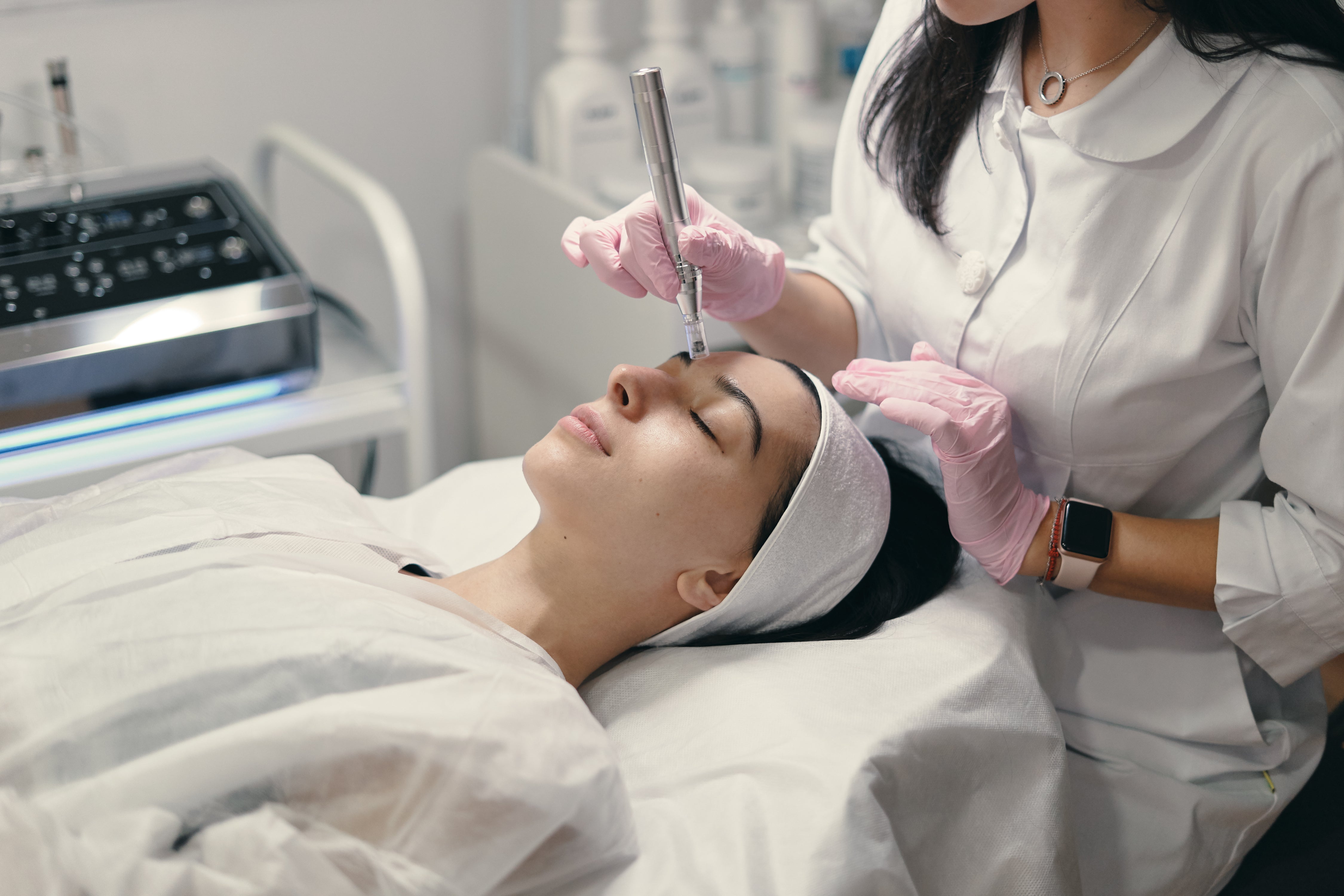
Chemical peels for skin rejuvenation use controlled chemical exfoliation to improve the look of texture and tone. They can help reduce the appearance of dullness, uneven pigmentation, and rough surface feel. The best results depend on peel strength, your skin condition, and careful aftercare. When chosen responsibly, peels can support a consistent skincare routine and long-term skin clarity goals.
Chemical Peels for Skin Rejuvenation: What They Do and Why People Choose Them
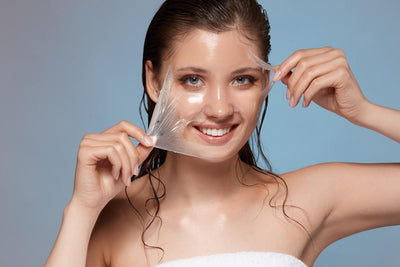
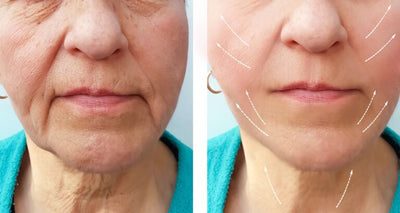
Chemical peels for skin rejuvenation are a widely used skincare approach for improving visible skin quality. A peel applies a chemical solution that gently or more assertively exfoliates the surface layers. This controlled exfoliation can smooth rough texture, brighten dull areas, and refine the look of uneven tone.
People often consider peels when their current routine is not delivering the clarity they want. Compared with daily exfoliation alone, a peel can provide a more concentrated “reset” effect. However, the outcome depends on correct selection and responsible use. Strength, ingredient type, skin sensitivity, and post-peel care all matter.
In this guide, you will learn how chemical peels work, how to choose an option aligned with your goals, and how to plan a safe process. You will also see practical aftercare priorities that support a healthier-looking barrier.
Product Spotlight: A Gentle Hydrating Foundation Before and After a Peel
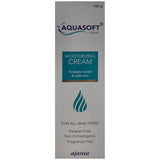
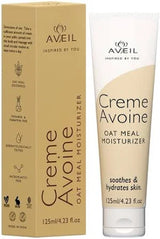
While chemical peels for skin rejuvenation require careful exfoliation, barrier support is equally important. A well-formulated hydrating lotion can help reduce the feeling of tightness and support comfort during recovery. For many routines, this is the simplest and most consistent way to improve peel tolerance.
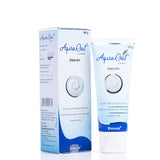
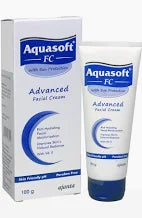
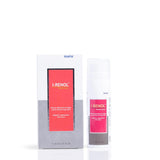
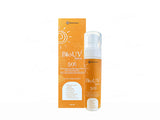
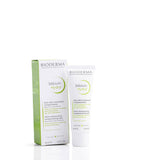
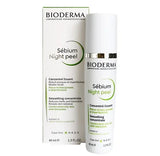
One example is a facial hydrating lotion designed for comfort and moisture balance: Facial hydrating lotion. When used as directed, it can help your skin stay supple while you focus on healing and gradual improvement.
Hydration supports the look of smoother texture because moisturized skin reflects light more evenly. It also helps reduce the urge to over-exfoliate during recovery. Peels can be effective, but overcorrection can lead to irritation and setback. A stable hydration step makes the overall routine more predictable.

Layered skincare routine icons and calming hydration symbols
How hydration complements chemical exfoliation
Hydration supports barrier comfort after exfoliation.
Moisture can reduce the appearance of dryness-related flaking.
Comfort encourages consistent sunscreen use, which is essential for long-term tone improvement.
Step-by-Step How-To: Plan Chemical Peels for Skin Rejuvenation Safely
Successful peels depend on preparation, correct timing, and disciplined aftercare. The following steps outline an evergreen process you can adapt with the help of a skincare professional. Always follow product instructions and clinician guidance for your specific peel type.
Define your goal clearly. Decide whether you want brightness, smoother texture, or a more even appearance of dark spots. Different peel strengths and ingredient types are better aligned to different goals.
Assess your skin readiness. If your skin barrier is actively irritated, very dry, or inflamed, postpone peel planning. Barrier recovery often comes first for a smoother, safer experience.
Choose a peel category and intensity level. Chemical peels vary widely. Mild exfoliating acids typically prioritize gentle resurfacing, while stronger peels may target deeper uneven tone. Match intensity to tolerance and experience.
Patch-test when recommended. If your peel process includes patch testing, follow it carefully. Patch testing helps you gauge reactivity and refine your approach.
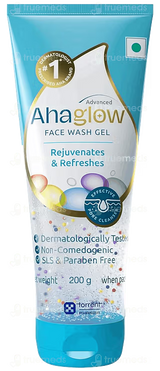
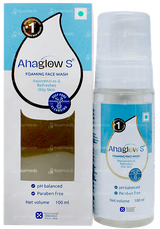
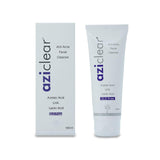
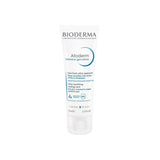
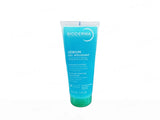
Cleanse with a non-stripping cleanser. Use a gentle wash to remove surface oils and sunscreen without pulling at the skin barrier. Consider gentle cleanser as a baseline option for many routines.
Apply according to timing instructions. Chemical peel solutions must be used with precise timing. Avoid extending application time to “boost” results.
Neutralize or rinse as directed. Follow the exact rinse or neutralization method specified for your peel product or clinician plan. This step is often critical for safety.
Pause strong actives during recovery. During the immediate recovery window, reduce the number of exfoliants and irritation-prone products in your routine. This prevents compounding sensitivity.
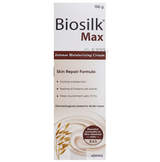
Use moisturizer consistently. Choose a hydrating formula and apply with clean hands. Hydration supports comfort and visible calm.
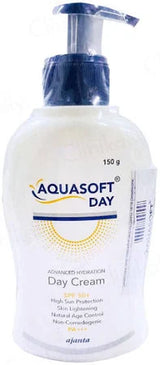
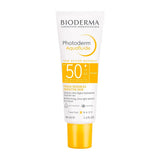
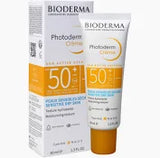
Commit to sunscreen daily. Sun protection is essential after any peel. UV exposure can worsen uneven pigmentation and slow improvement. If you need a daytime option, consider SPF 50 sunscreen for daily protection.
Common peel categories and what they target
People frequently discuss alpha hydroxy acids for surface smoothing and beta hydroxy acids for more pore-focused exfoliation. For tone concerns, formulations may include ingredients that support more even-looking pigmentation over time. The best choice depends on your skin type, your sensitivity, and your primary target area.
Personal Experience: The Moment I Stopped Chasing Immediate Results
When I first explored chemical peels for skin rejuvenation, I focused heavily on the “after” appearance. I expected a dramatic change after a single session. Instead, the early days taught me a more useful lesson: recovery quality drives the final look.
In my routine, I noticed that the skin looked its best when I treated the peel day as the start of a careful cycle. I used hydration consistently, avoided additional exfoliation during the recovery phase, and prioritized sunscreen even when the weather was not bright. The difference was not only in comfort. My overall tone looked more even over the following weeks, and my skin texture stayed smoother because the barrier had time to stabilize.
This experience reinforced a practical truth: a peel is not only about the chemical action. It is also about the discipline after treatment. When aftercare is thoughtful, results become more consistent and less reactive.

Timeline visuals showing preparation, peel, recovery, and SPF
Summary & Recommendations: Build a Consistent Skin Rejuvenation Plan
Chemical peels for skin rejuvenation can support smoother texture, improved brightness, and a more even-looking complexion when selected thoughtfully. The strongest predictor of a positive experience is not only the peel itself, but also your preparation and aftercare.
For reliable outcomes, prioritize a gentle cleansing step, barrier-support hydration, and daily sunscreen. If you are also managing acne-prone areas or post-acne marks, use a targeted approach and avoid stacking too many active ingredients at once.
If you want a simple routine structure that aligns well with peel planning, consider the following baseline priorities:
Keep cleansing gentle with a non-stripping option such as gentle cleanser.
Support comfort with a hydrating lotion such as facial hydrating lotion.
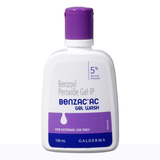
Protect tone with daily sunscreen such as SPF 50 gel when appropriate for your skin type.
Choose products that reduce irritation during the recovery phase.
For personalized guidance, consult a licensed dermatologist or qualified skincare professional. They can evaluate your skin condition and recommend an intensity level that matches your goals and history.
Q&A Section
How often should chemical peels for skin rejuvenation be used?
Frequency depends on peel strength, your skin sensitivity, and the specific ingredient system. Many people benefit from spacing peels far enough apart to allow full barrier recovery. If you are new to peels, start with a conservative schedule and reassess after visible comfort returns. Your clinician can set a pace aligned with your skin response.
What should I avoid right after a peel?
Directly after a peel, avoid additional exfoliation and products that commonly cause irritation, such as strong scrubs or multiple active layers at the same time. Keep cleansing gentle, moisturize consistently, and protect the skin with sunscreen. If stinging or unusual redness persists, pause active ingredients and seek professional advice.
Can chemical peels help with uneven tone and dark spots?
Many chemical peel systems can improve the appearance of uneven tone by accelerating surface turnover and supporting a more uniform surface. Results typically develop gradually with consistent protection from UV exposure and a stable skincare routine. When dark spots are prominent or persistent, a professional evaluation can help determine whether a peel plan or an alternative strategy is more suitable.
Are chemical peels suitable for all skin types?
Skin type and sensitivity influence peel selection. Some formulations are better suited for normal or resilient skin, while others are designed to be gentler for sensitive conditions. If you have a history of irritation, eczema flares, or active dermatitis, discuss options with a dermatologist before proceeding. Responsible selection reduces the risk of discomfort and improves consistency.
How do I know which peel intensity is right for me?
Choose intensity based on your experience level, skin tolerance, and the specific concern you want to address. Mild resurfacing can support initial clarity, while stronger peels may target deeper irregularities. A professional assessment can align the peel depth to your goals while minimizing downtime and risk.
About the Author Section
Jordan Ellis is a skincare content specialist with expertise in dermatology-informed routines, exfoliation principles, and barrier-first product selection. Jordan focuses on practical guidance that helps shoppers make safer, more consistent decisions in their everyday care. This article reflects general education and careful, responsible skincare planning. Thank you for reading.
Disclaimer: This article is for educational purposes only and does not provide medical advice. Results vary by skin type and product use. For personalized guidance, consult a licensed dermatologist or qualified healthcare professional before using chemical peels or other active skincare treatments.
Authors & medical review
Swaraj Dhar is a sociopreneur, technologist, and the co-founder of Allodermis.
Every article is fact-checked against current peer-reviewed dermatology literature and Allodermis clinical protocols.
This article was last reviewed and updated on . Published .
Have a skin or hair concern?
Book a free consultation with our AIIMS MD dermatologists. Clinics in Bhubaneswar, Gurgaon, and Delhi NCR.