














Cosmetic Dermatology for Scarring: Treatment Options

Updated on: 2026-06-16
Cosmetic dermatology for scarring focuses on improving the look and texture of scar tissue through targeted, skin-safe options. The right approach depends on scar type, skin tone, depth, and your overall healing pattern. In many cases, combining medical-grade skincare with procedure-based care yields better cosmetic outcomes than relying on one method. A structured plan also reduces irritation, supports barrier health, and helps you manage expectations.
Cosmetic dermatology for scarring: what to expect
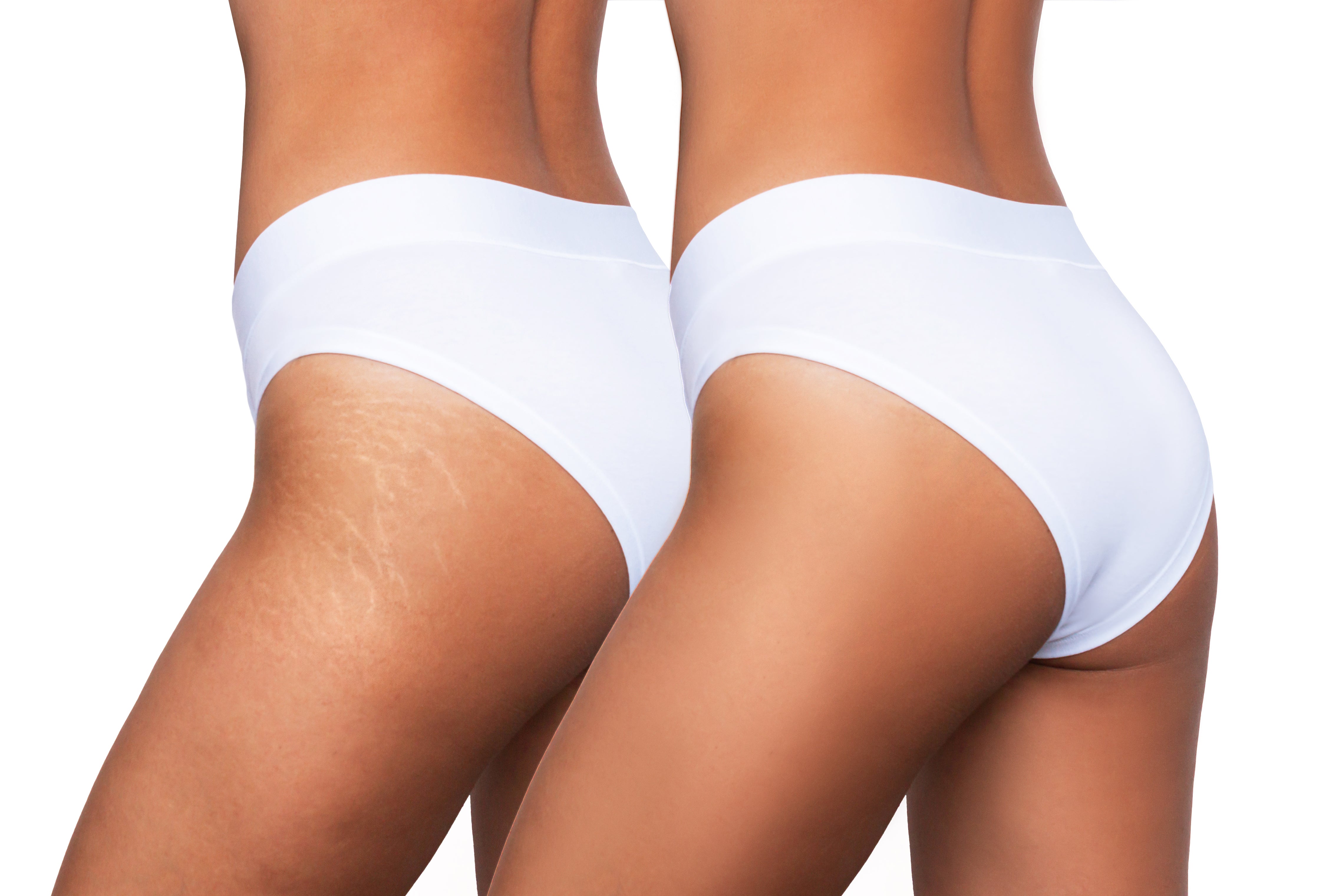
Cosmetic dermatology for scarring is a practical framework for improving how scars look and feel. It pairs clinical assessment with evidence-informed options such as topical care, in-office procedures, and long-term maintenance. When scar concerns are handled with a methodical approach, many people see gradual improvements in color, texture, and overall skin uniformity.
Did You Know?
- Scar appearance changes over time because collagen remodeling continues long after the skin closes.
- Different scars require different strategies. Raised, depressed, and hyperpigmented scars often respond best to separate pathways.
- Sun exposure can darken scar discoloration and widen the visible contrast between scar tissue and surrounding skin.
- Barrier health is a key factor. Irritation can prolong redness and make the skin look less even.
- Photoprotection is not optional. Consistent daily protection supports cosmetic outcomes and helps prevent new discoloration.
Comparison: Pros & Cons
-
Topical and skincare-led support
- Pros: Generally low risk, supports barrier function, useful for maintenance, and can improve mild discoloration.
- Cons: Often slower for texture changes, results vary by scar type, and improper products can irritate healing skin.
-
In-office procedures
- Pros: Targets specific scar characteristics such as elevation, depth, or surface irregularity; may deliver more noticeable change for certain scar types.
- Cons: Requires professional evaluation, may involve temporary redness or downtime, and results depend on scar maturity and skin type.
-
Combination plans
- Pros: Addresses multiple scar features at once, often improves both color and texture, and can reduce recurrence of discoloration.
- Cons: Requires coordination, consistent use of home care, and realistic goal setting.
Buyer’s Checklist
If you are considering cosmetic dermatology for scarring, treat the decision like a skincare and results plan, not a single purchase. Use this checklist to organize your next steps.
- Identify the scar type: Confirm whether the scar is raised, depressed, widened, or mainly discolored.
- Check your skin tone and sensitivity: Your risk for post-inflammatory hyperpigmentation matters when choosing active ingredients.
- Assess scar maturity: New scars and older scars respond differently; avoid assuming one method fits all timelines.
- Prioritize photoprotection: Choose a daily broad-spectrum sunscreen and use it consistently.
- Plan for gentle cleansing: Avoid harsh scrubbing that can worsen redness or irritation.
- Look for barrier-supporting routines: Hydration and calm skin can improve tolerance to scar-focused actives.
- Request a stepwise approach: Start conservative, monitor tolerance, and progress based on response.
- Track outcomes: Use consistent lighting and dates to document changes in color and texture.

Diagram of scar types: raised, depressed, and darkened.
How Cosmetic Dermatology Approaches Scars
Cosmetic dermatology uses a layered understanding of how scar tissue forms and how skin behaves during healing. Most scars are shaped by collagen arrangement, vascular activity, and pigment signaling. This is why a uniform “one size fits all” solution rarely works. Clinicians focus on the dominant feature that you want to improve, such as redness, hyperpigmentation, firmness, or surface roughness.
In practice, the best cosmetic plan begins with an assessment of scar height, width, and texture, along with a review of your skin sensitivity and current routine. From there, the strategy typically combines three pillars: protection, targeted treatment, and supportive skincare. Protection prevents pigment from worsening. Targeted care addresses the scar’s specific characteristics. Supportive skincare improves tolerance and helps the skin recover between sessions or active use.
Another important principle is patience with realistic timelines. Scar remodeling often progresses gradually. Instead of expecting instant correction, the focus is on steady, visible improvement in tone and texture. This approach also reduces the temptation to over-treat sensitive skin.
To support a calm baseline before active treatments, many people start with gentle cleansing and consistent moisturization. A barrier-friendly routine can improve comfort and reduce the likelihood of flare-ups. Consider a gentle cleanser such as Cetaphil Gentle Cleanser to reduce dryness and maintain daily skin comfort.
Common Treatment Options
Below are commonly used strategies within cosmetic dermatology for scarring. The most suitable option depends on scar type and your skin profile. For best results, treatment should be guided by a qualified professional who can examine your scar in person.
1) Topical pigment and texture support
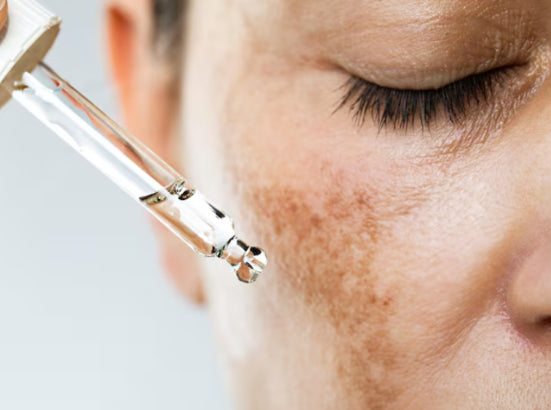
When the main concern is discoloration, topical care can play a meaningful role. Many routines include soothing moisturizers, gentle exfoliation when appropriate, and pigment-supporting actives. However, the product choice must match your tolerance. Overly aggressive treatment can worsen redness and trigger more pigmentation.
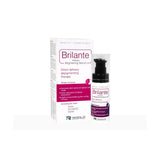
For individuals seeking brightening support as part of scar management, ingredient selection matters. Products designed for facial hydration may help you maintain comfort during active use. For example, Excela Hydrating Lotion can support routine hydration, which is essential for consistent skincare tolerance.
2) Photoprotection as scar-care infrastructure
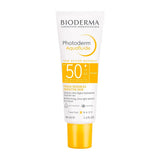
Sun protection is foundational for scar appearance. Even indoor light exposure and incidental outdoor time can influence pigment. Broad-spectrum sunscreen helps prevent scar darkening and supports more even tone over time. If you want the most reliable cosmetic improvement, daily photoprotection should remain consistent.
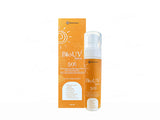
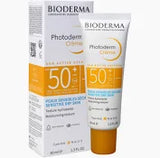
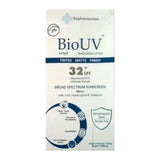
Many people use a dedicated sunscreen formulated for facial use. If you need a reliable option, consider Acne UV Gel SPF 50 for lightweight daily coverage, or I Shield Sunscreen SPF 50 when you prefer a cream texture.
3) In-office approaches for raised or depressed scars
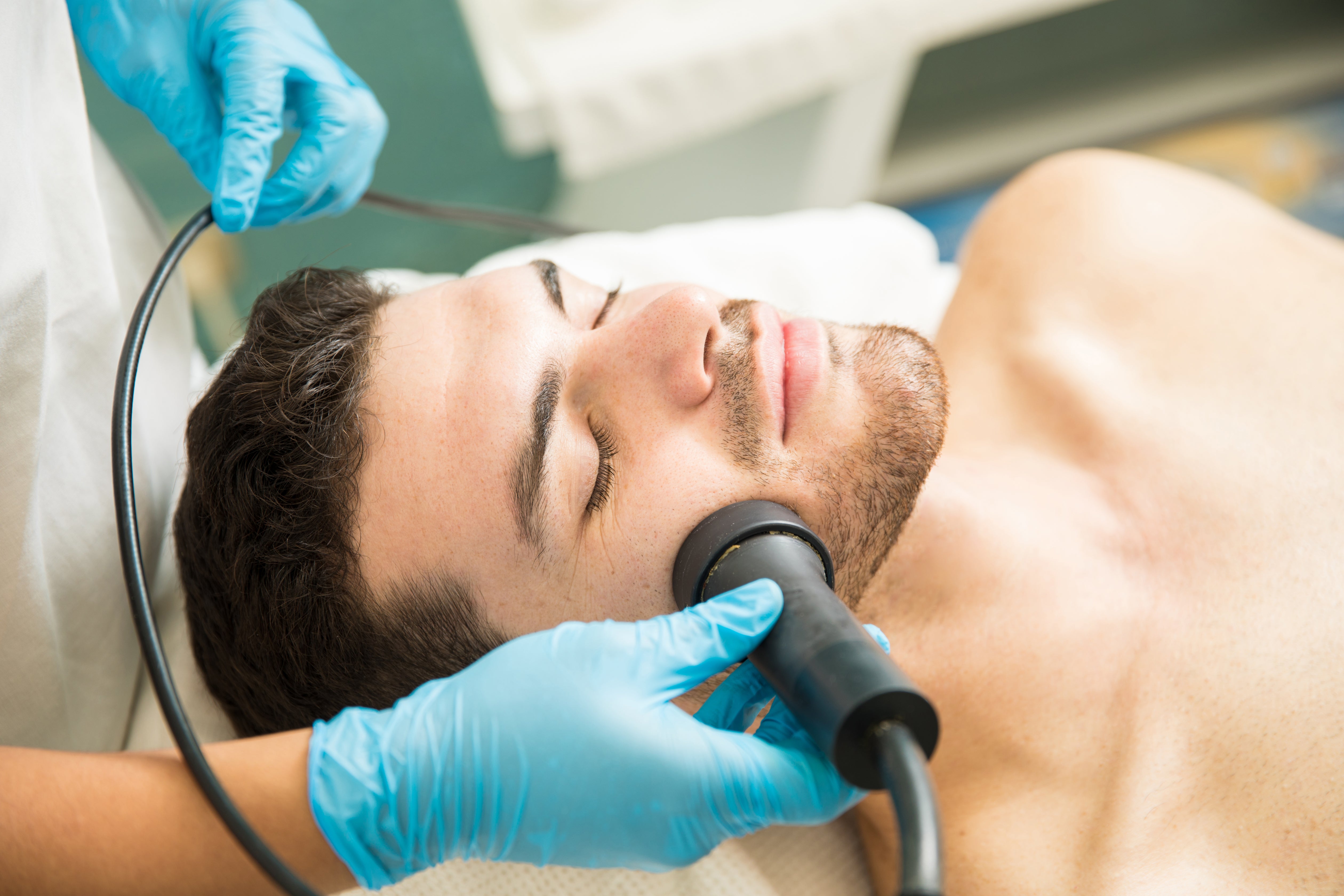
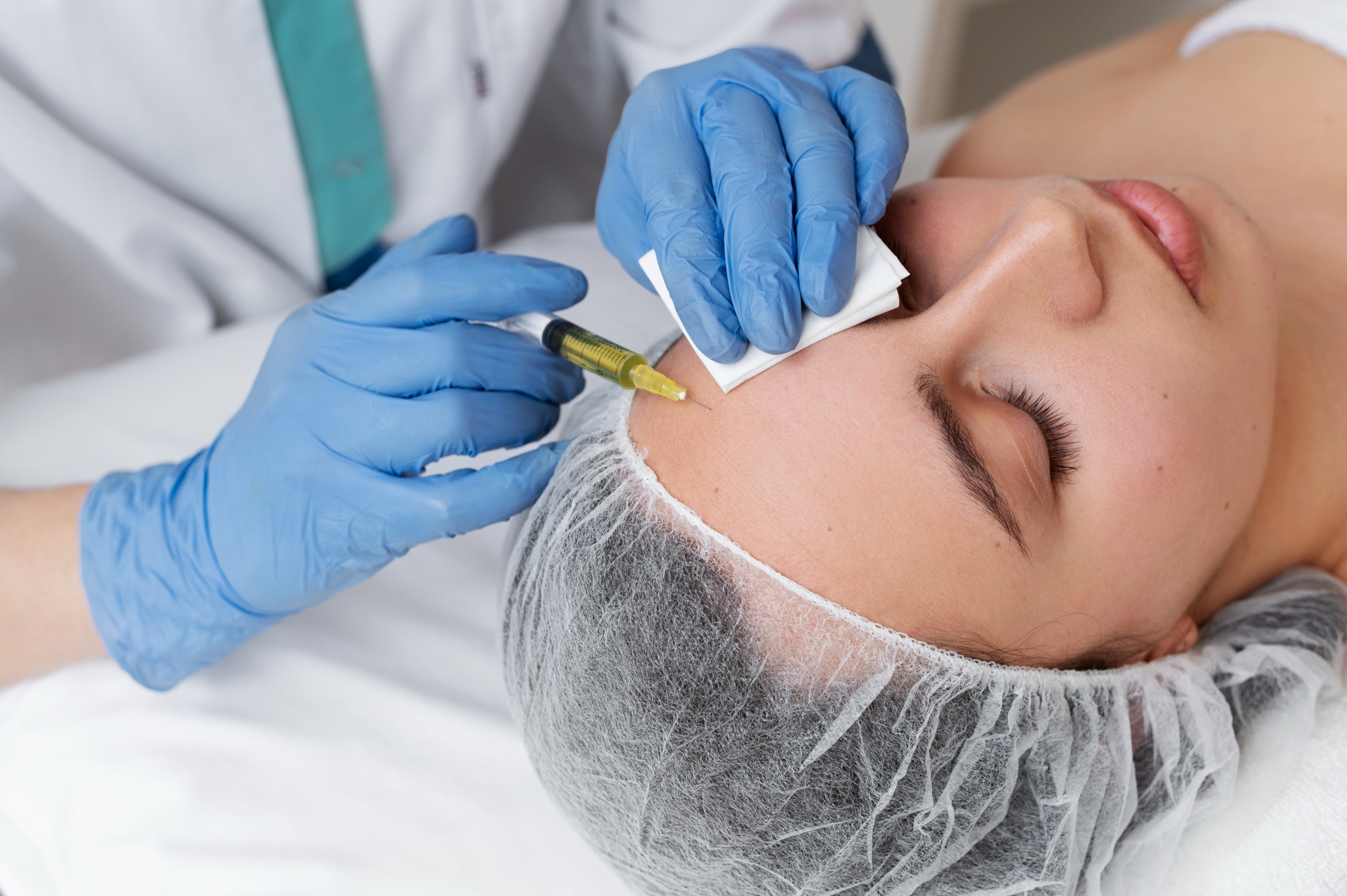
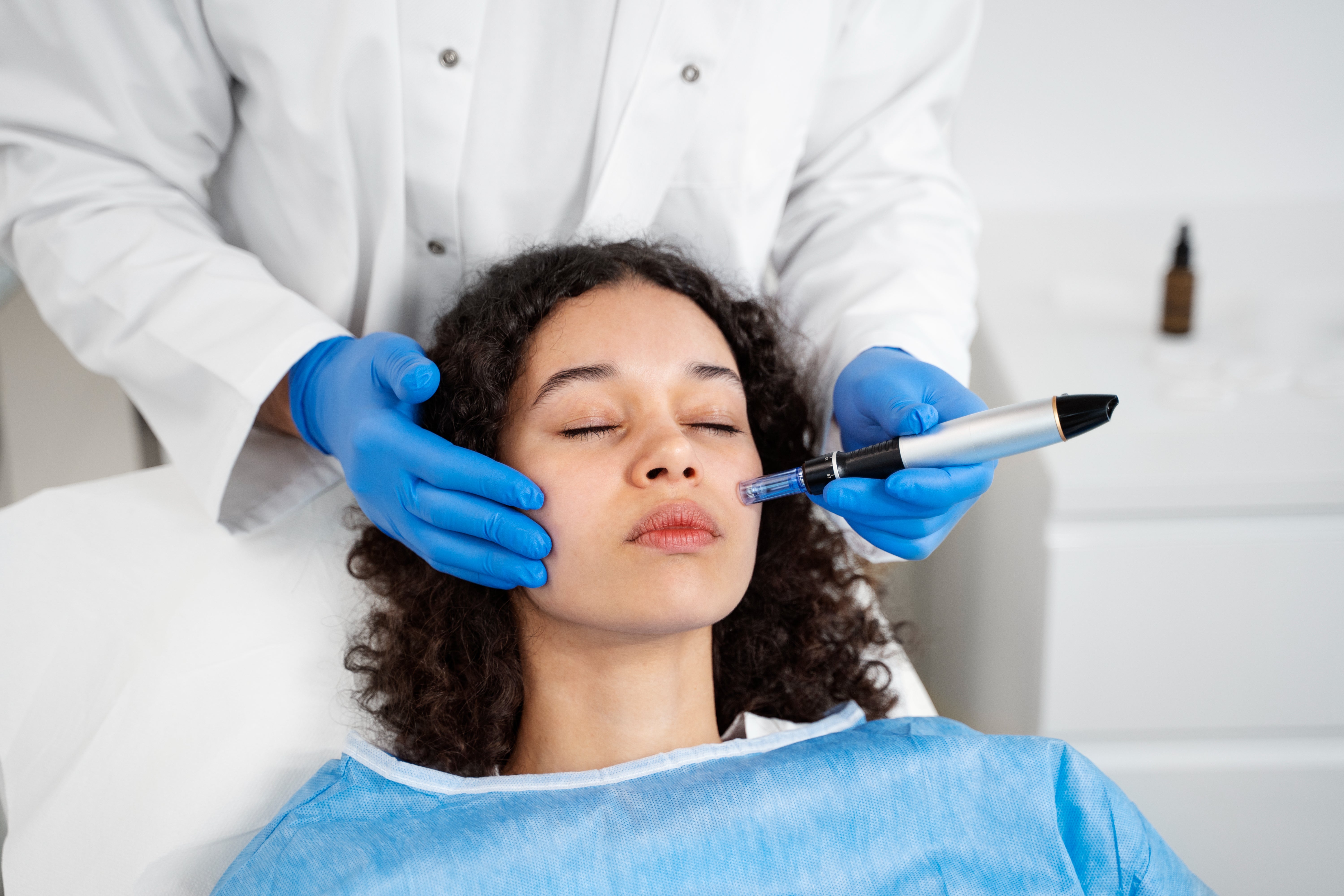
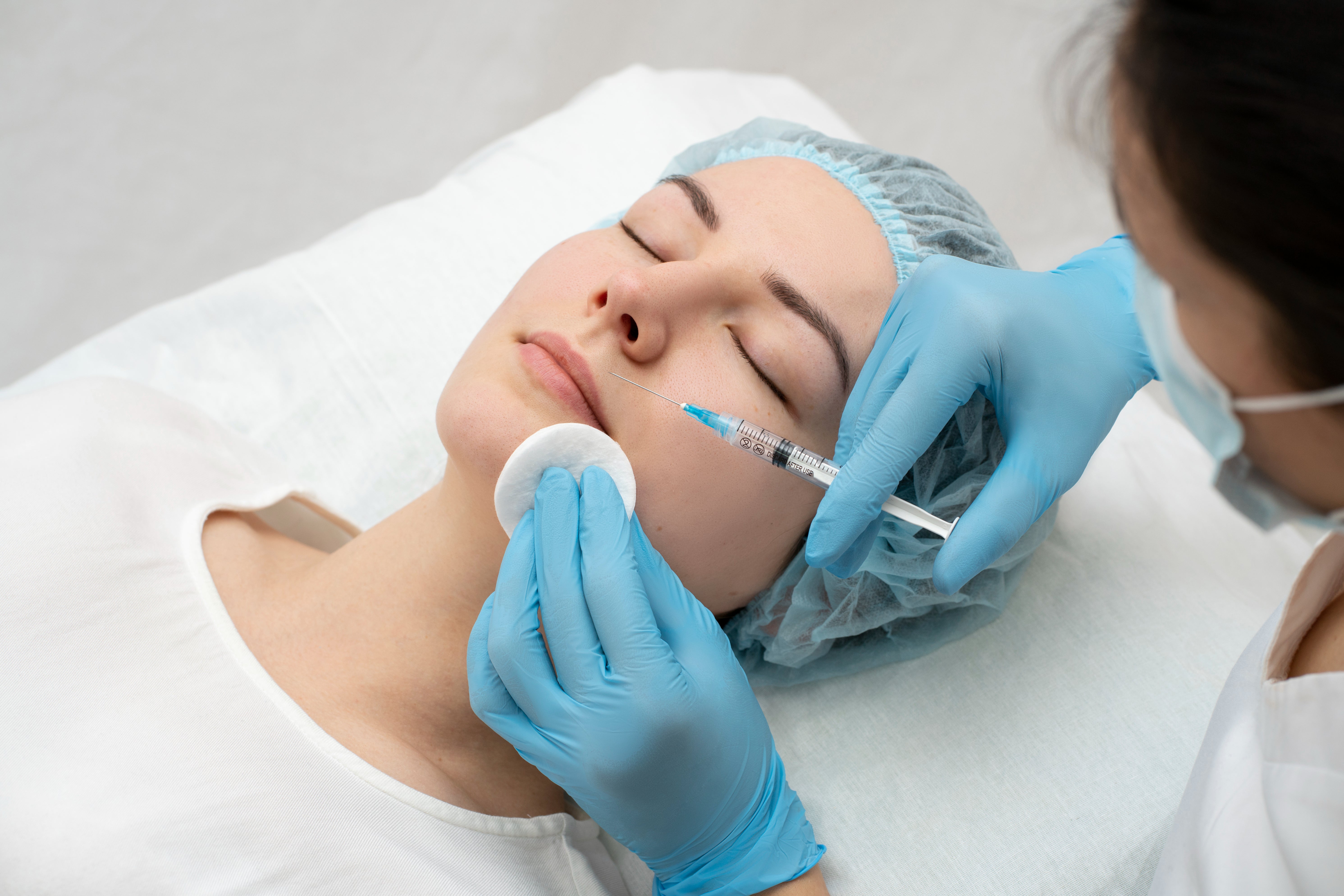
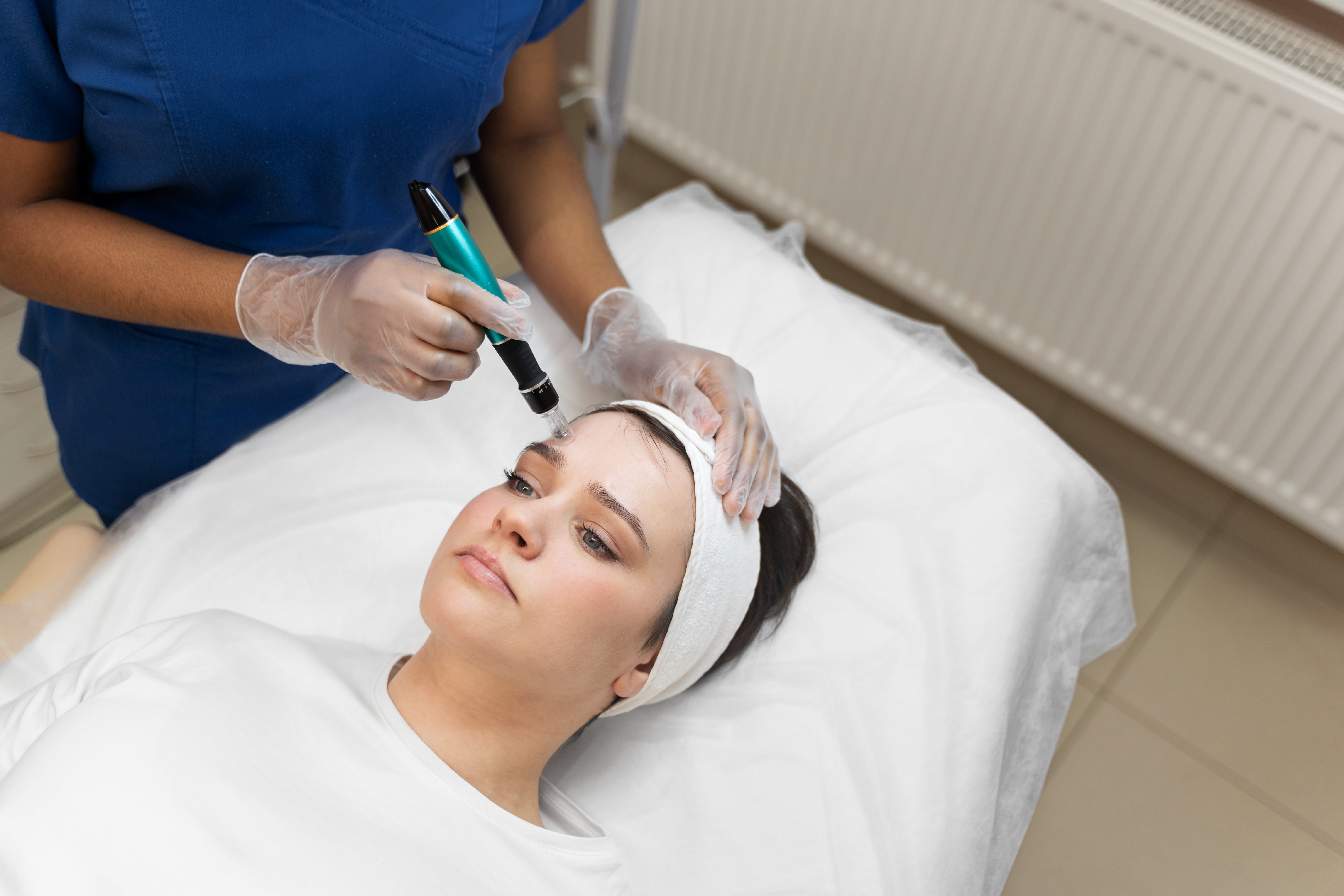
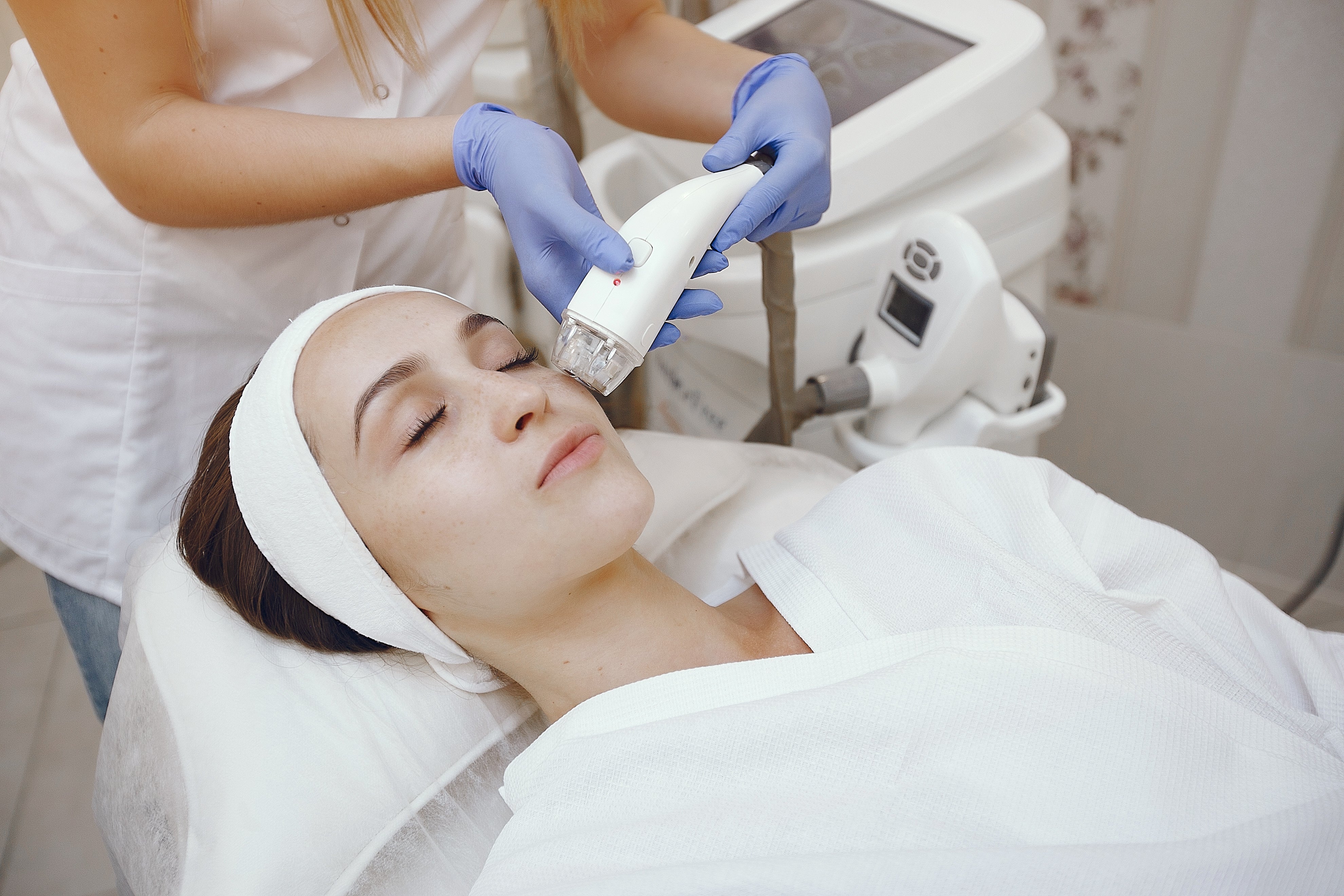
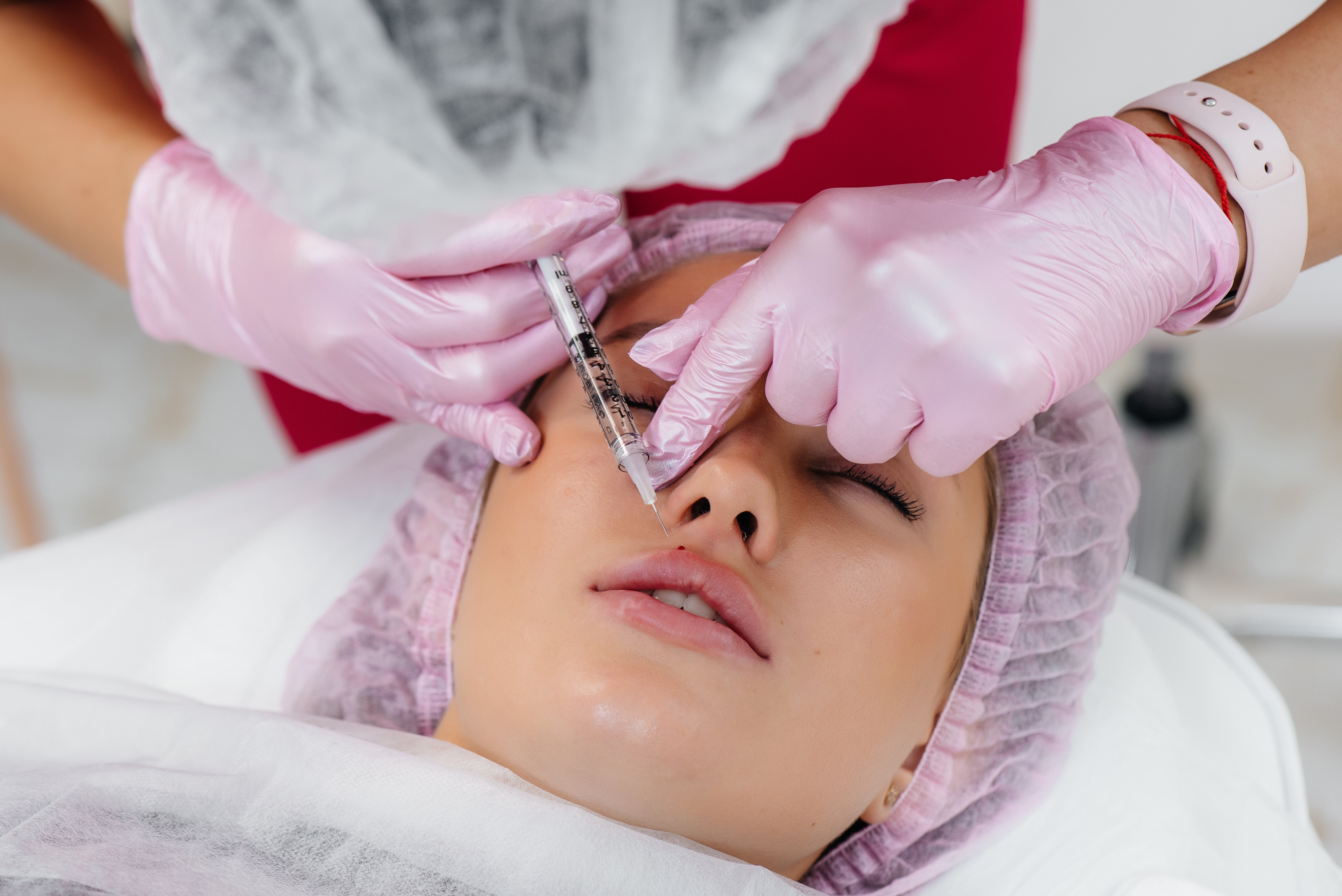
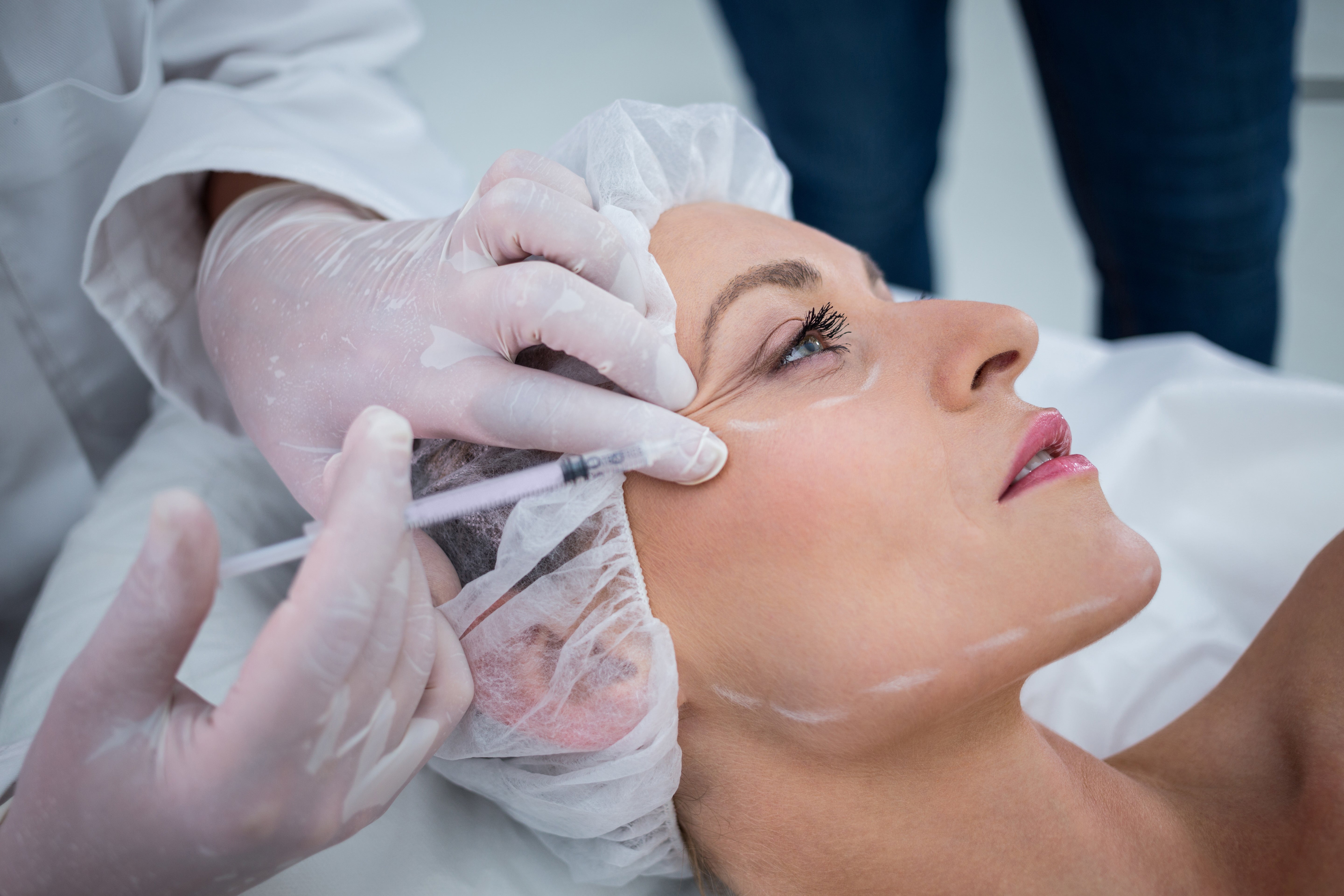
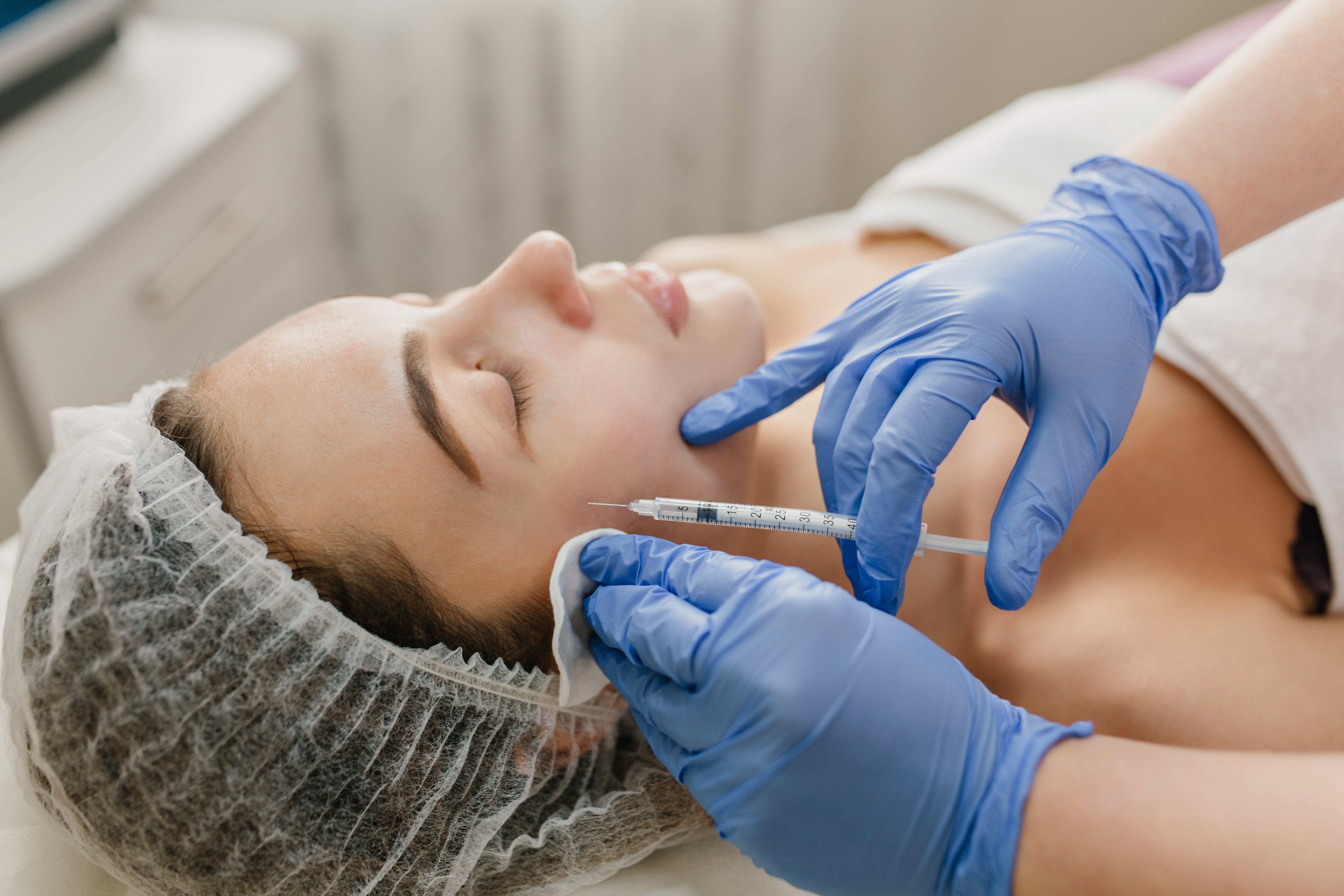
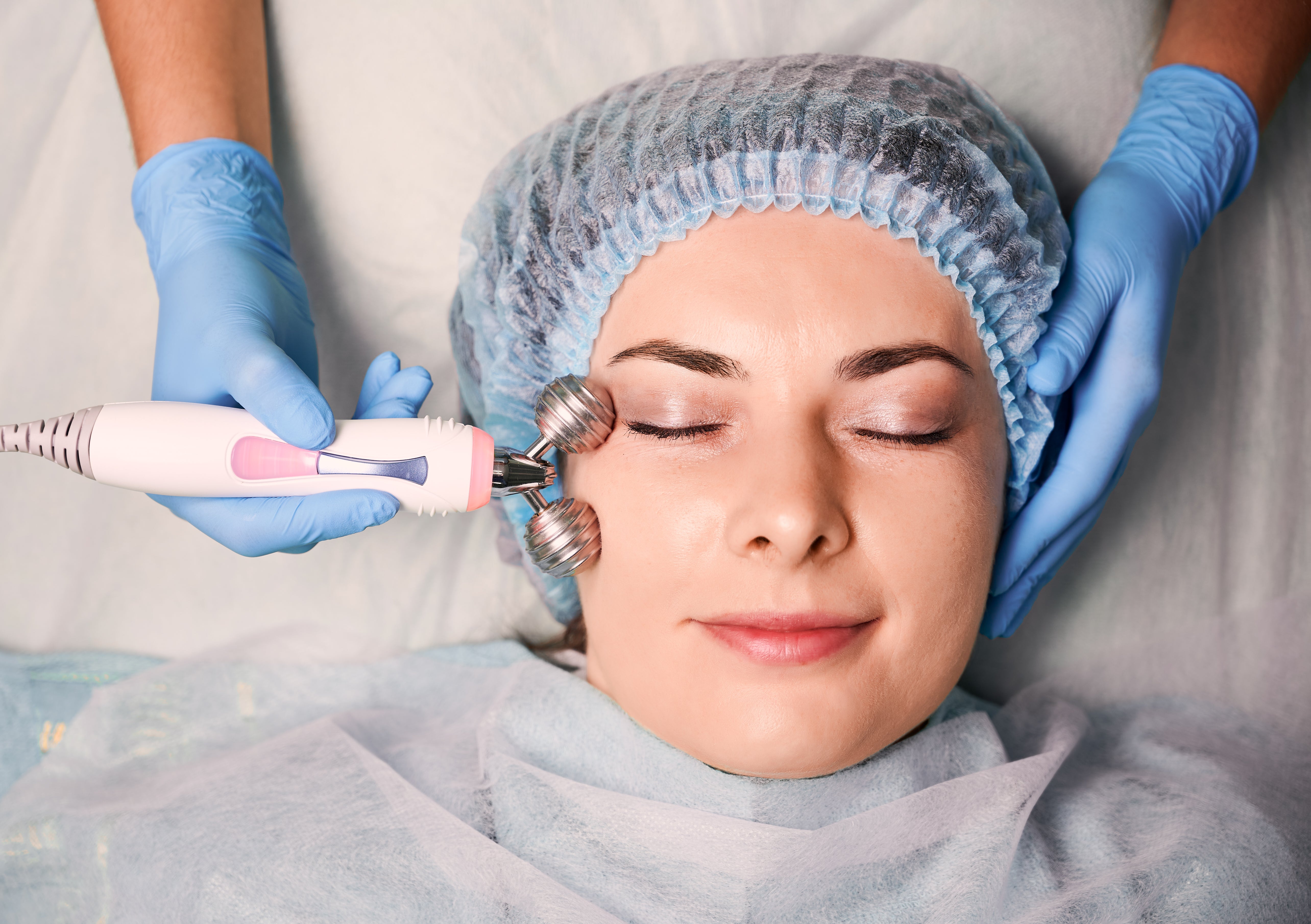
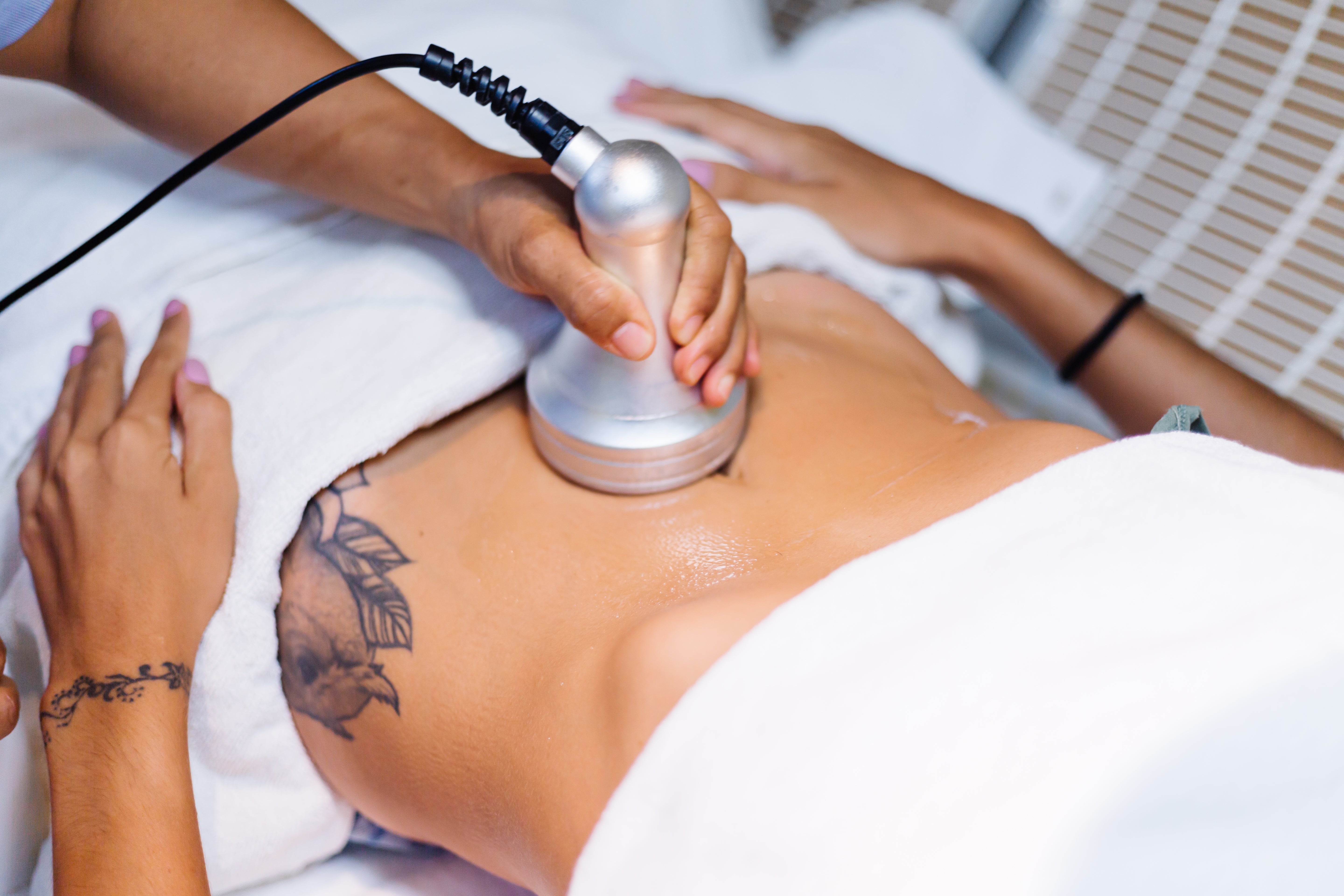
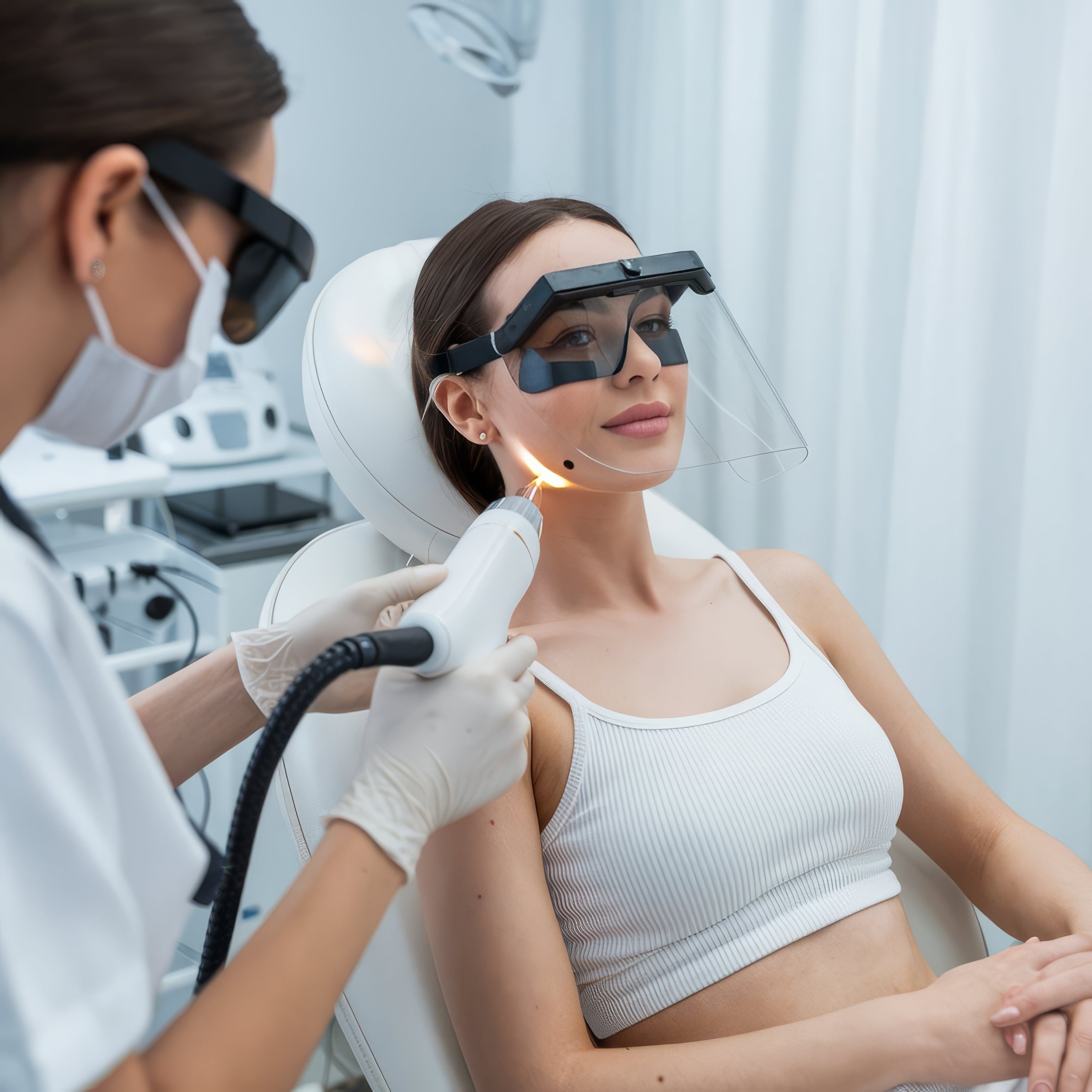
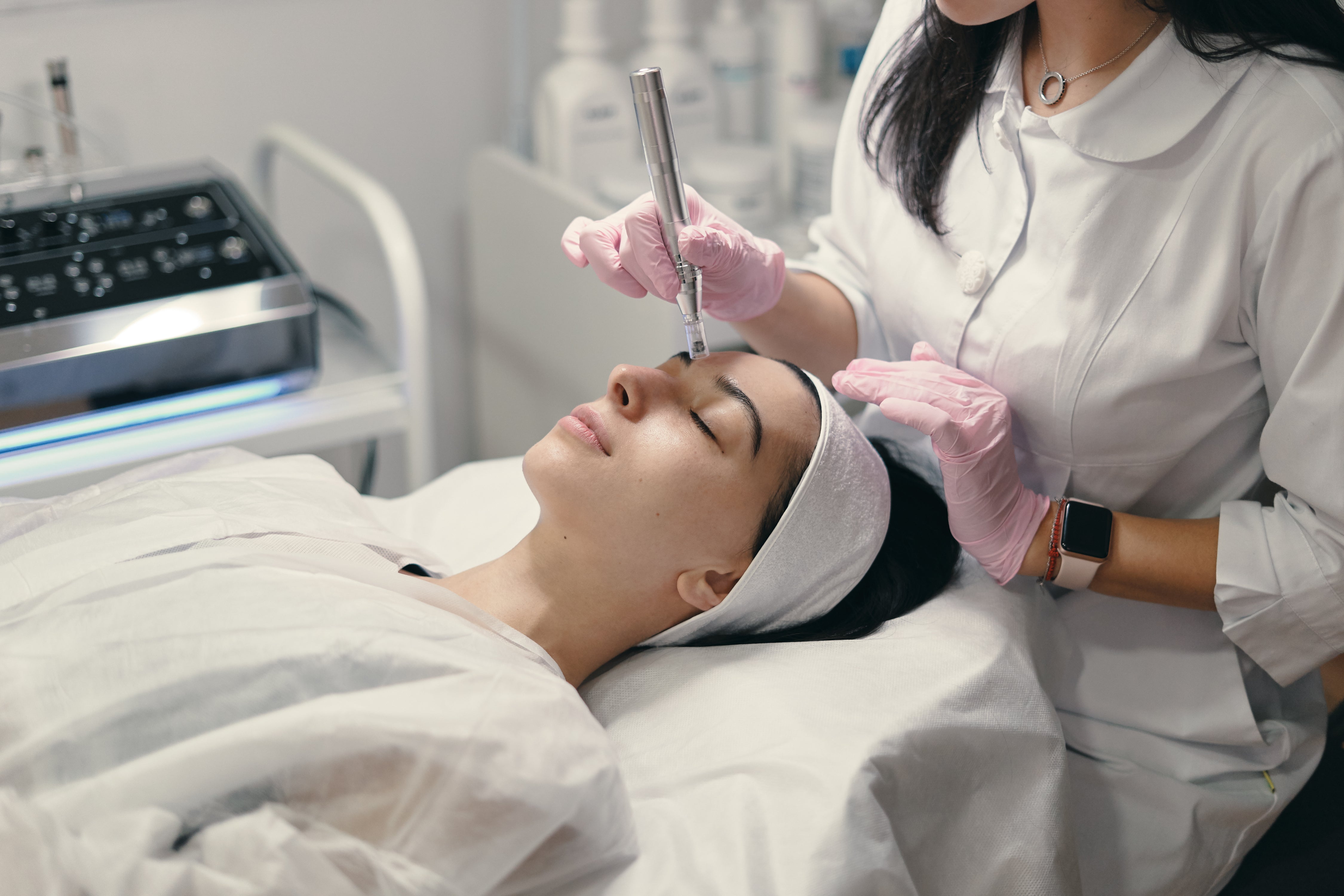
For raised scars, depressed scars, or significant texture irregularity, in-office treatment may be the most effective route. Professional options can include energy-based resurfacing, microneedling, targeted release techniques for tight scars, or other approaches tailored to scar structure. The goal is to improve collagen organization and skin surface uniformity.
Selection depends on scar type and risk profile. People with darker skin tones often require careful selection to minimize the risk of post-inflammatory hyperpigmentation. This is why clinician-guided assessment is essential.
4) Support for inflammatory redness
Some scars appear red due to ongoing vascular activity or post-inflammatory changes. Calming skincare and careful avoidance of irritants can help reduce the contrast between scar tissue and surrounding skin. This support layer can also improve comfort when you begin procedure-based care.
If your skin is reactive, start with simple, well-tolerated products. Many individuals benefit from calming hydration and gentle cleansing before adding scar-focused actives.

Split-screen: sunscreen coverage and gentle skincare routine.
Aftercare and Skin Health
Aftercare is where scar cosmetic outcomes are often protected or lost. The immediate period after a procedure typically requires strict adherence to clinician guidance. Even between visits, home care remains crucial.
Good aftercare generally includes:
- Gentle cleansing to avoid friction and prolonged irritation.
- Barrier-friendly moisturization to reduce dryness and improve comfort.
- Strict photoprotection to prevent pigment changes.
- Controlled active use to avoid over-stimulation.
- Monitoring for persistent redness, itching, or increased sensitivity.
For acne-prone or easily sensitized skin, product selection should prioritize non-irritating formulations. If you want a gentle starting point, consider Cetaphil Pro Oil Control Foam Wash for daily cleansing with reduced residue.
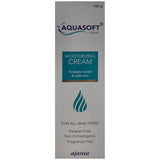
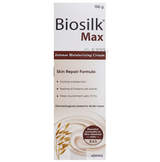
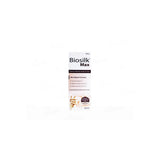
When you want additional hydration support alongside scar-focused steps, a dedicated facial moisturizer can help. Options that support routine comfort include Biosilk Max Cream, which can support the skin barrier during active periods.
Final Thoughts & Advice
Cosmetic dermatology for scarring works best when it is personalized. Start by understanding what you want to improve most, whether that is discoloration, elevation, surface texture, or overall visibility. Use consistent photoprotection and gentle cleansing as your baseline. Then select targeted treatments based on scar type, skin tone, and tolerance.
A structured plan also protects your investment of time. Track your skin response, avoid impulsive product changes, and progress stepwise. If your scar is complex, expanding, painful, or accompanied by unusual symptoms, seek professional evaluation. Clinician guidance is the most reliable path to safe and cosmetically meaningful outcomes.
Q&A Section
Is cosmetic dermatology for scarring suitable for all scar types?
Not every approach is suitable for every scar. Raised scars, depressed scars, and primarily discolored scars may require different treatment pathways. A proper clinical assessment helps match the dominant scar feature to a safe, evidence-informed option.
What is the most important part of a scar routine for better cosmetic results?
Daily photoprotection is often the most important foundation. It helps prevent scar discoloration from becoming darker or more noticeable. Gentle cleansing and barrier-supporting moisturization also improve tolerance and reduce the risk of prolonged irritation.
How should I choose skincare products while planning scar treatment?
Choose products that support comfort and minimize irritation. Start with gentle cleanser and consistent hydration, then add scar-targeted steps only when your skin remains stable. If you experience persistent burning, excessive dryness, or worsening redness, reduce active intensity and seek professional guidance.
When should I consider a professional procedure instead of only topical care?
If your primary concern is significant texture change, raised structure, or deep visibility that does not improve with consistent skincare, a professional evaluation can determine whether an in-office approach is appropriate. Many plans also combine topical support with procedures for more comprehensive improvement.
About the Author
Allodermis is dedicated to skin health education and responsible skincare guidance. The author team includes topic-focused experts who study skin barrier care, ingredient selection, and cosmetic dermatology best practices. This article is written to support informed decisions and safer routines. Thanks for reading, and take a careful, consistent approach to scar care.
Disclaimer: This article is for general informational purposes and does not constitute medical advice. Scar care outcomes vary by individual factors, and any concerns should be reviewed with a qualified healthcare professional or licensed dermatologist. Do not discontinue or change prescribed treatments without professional guidance.
Authors & medical review
Swaraj Dhar is a sociopreneur, technologist, and the co-founder of Allodermis.
Every article is fact-checked against current peer-reviewed dermatology literature and Allodermis clinical protocols.
This article was last reviewed and updated on . Published .
Have a skin or hair concern?
Book a free consultation with our AIIMS MD dermatologists. Clinics in Bhubaneswar, Gurgaon, and Delhi NCR.