





































Dry Skin Solutions: Simple Routines That Work Every Day

Updated on: 2026-06-25
1. Why Dry Skin Matters
2. Key Causes of Dry Skin
3. Dry Skin Solutions: A Practical Routine
4. Common Challenges and How to Fix Them
5. Comparison of Approaches
6. Summary & Recommendations
1. Why Dry Skin Matters
Dry skin is not only an issue of appearance. It can influence comfort, texture, and how well your skin responds to everyday care. When the skin surface lacks adequate hydration, it often becomes tight, rough, or flaky. This condition may also make the skin feel more reactive to cleansers, weather changes, or friction from clothing.
Strong dry skin solutions are designed around a simple idea: preserve water in the skin while reducing irritation. That approach tends to create visible improvement and also reduces the recurring cycle of dryness that can appear after washing, shaving, or exposure to wind and cold.
2. Key Causes of Dry Skin
Understanding the drivers behind dryness helps you select targeted care. Dryness usually comes from a combination of water-loss factors and barrier stress.
Compromised skin barrier: When the outer layer is weakened, water evaporates more quickly. The skin then feels tight and may look dull.
Over-cleansing or harsh surfactants: Strong cleansers can strip natural oils and increase dryness, especially when used frequently or with hot water.
Weather and indoor climate: Cold air and low humidity can reduce hydration. Central heating may further dry the environment.
Heat and friction: Hot showers, frequent scrubbing, and rough fabrics can worsen water loss.
Product mismatch: Some actives or fragranced formulas may irritate sensitive, already-dry skin.
Even when you use moisturizers, dryness can persist if the routine does not address cleansing style, protection, and rehydration. A complete plan usually works better than changing one step at a time.
Barrier stress icons, water droplets, gentle cleansing cues
3. Dry Skin Solutions: A Practical Routine
A reliable routine can be simple. The goal is to cleanse gently, hydrate with the right moisture strategies, and lock in comfort. Consider the sequence below as a framework you can adapt to your skin type.
Step 1: Cleanse without stripping
Choose a cleanser that supports a calm skin feel. If you notice tightness after washing, your cleanser may be too strong or your water temperature may be too high. Look for gentle, low-foam, or barrier-friendly formulas. Keep cleansing brief and use lukewarm water.
If you prefer a gentle option, you can start with Cetaphil Gentle Cleanser as a reference point for a less stripping approach. It is suitable for daily use for many skin types, including those that are prone to dryness.
Step 2: Add hydration that attracts and supports water
Moisturizers help in more than one way. A well-chosen formula may include humectants to attract water and skin-conditioning agents to improve softness. For dry skin, thicker textures are often more comfortable in cooler months, while lighter layers may work for daytime if they still provide adequate comfort.
For face-specific hydration, Cipla Excela Rich Facial Hydrating Lotion can be considered when you need a richer moisture feel. Apply it on damp skin to support better spreading and comfort.
Step 3: Seal moisture with an occlusive layer when needed
If your skin feels dry shortly after moisturizing, you may benefit from a sealing step. Occlusive ingredients can reduce water loss and improve the “stays comfortable longer” factor. A thin layer is usually enough, and overuse can feel heavy for some people.
For some routines, a cream-based moisturizer used consistently at night provides better results than switching textures too often. Consistency matters because barrier recovery requires repeated, gentle support.
Step 4: Protect during the day
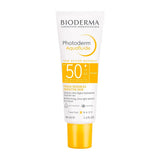
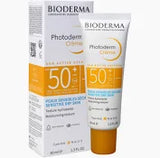
Dry skin often becomes more noticeable with sun exposure and environmental stress. Daily protection can help reduce additional dryness triggers and support healthier-looking skin. A suitable sunscreen is part of many modern dry skin solutions, especially for face dryness.
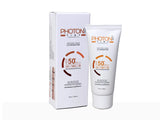
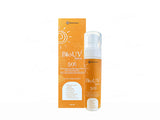
You may also consider a product designed for daily use such as I-Shield Sunscreen Cream SPF 50 PA if you seek a protective step that fits routine compatibility. Apply after moisturizer and allow it to settle before sun exposure.
Routine flow chart: cleanse, hydrate, seal, protect
4. Common Challenges and How to Fix Them
Even well-planned routines can fail if friction, irritation, or inconsistent application disrupts barrier recovery. The following issues are common and solvable.
Dryness returns quickly after moisturizing
If moisture disappears within hours, the skin may be losing water faster than your current product can retain it. First, adjust application timing. Apply moisturizer right after cleansing while the skin is still slightly damp. Second, consider using a richer texture or adding a thin sealing layer at night. Third, reduce heat exposure, including very hot showers and frequent sauna-like routines.
Flaking occurs even when you use moisturizer
Flaking can be a sign that the barrier remains stressed. Do not scrub aggressively. Gentle patting and mild cleansing usually help more than physical exfoliation. If you use exfoliating acids or strong actives, pause them temporarily and reintroduce slowly only if your skin calms. Prioritize hydration first, then refine later.
Skin feels itchy or stings after products
Stinging often indicates irritation. Simplify your routine for a short period. Use fewer products and choose fragrance-free, barrier-supporting options. Patch testing is advisable when you try a new moisturizer or cleanser. If sensitivity persists, focus on basic hydration and protection while avoiding new changes in the same timeframe.
Dry skin and oily zones appear together
Mixed signals are common. Dryness may occur in outer areas such as cheeks while the forehead or nose can feel oilier. Treat by texture and placement. Use lighter hydration for oily zones while applying richer care to dryer sections. A consistent base routine can balance hydration without overloading.
Weather changes disrupt your progress
Switching seasons can alter humidity and skin behavior. Rather than abandoning your routine, adjust texture. For example, increase moisture thickness in cold or windy months and use a slightly lighter texture when humidity rises. This flexibility is one of the most practical dry skin solutions for long-term comfort.
5. Comparison of Approaches
Not all strategies deliver the same outcome. Use the table below to compare typical options and select the best match for your skin needs.
| Approach | Best for | Potential drawback |
|---|---|---|
Gentle cleansing + moisturize consistently |
Most dry skin cases |
Requires routine consistency |
Richer night creams with sealing |
Flaking, tightness, and quick water loss |
May feel heavy for some daytime use |
Sunscreen-first daytime protection |
Dryness worsened by sun and environment |
Some formulas can feel drying if not matched |
Frequent actives and exfoliation |
Situations where dryness is already controlled |
Can intensify barrier stress if skin is dry |
When selecting among these approaches, use your skin’s feedback as a guide. If comfort improves and the surface looks calmer, you are moving in the right direction. If irritation increases, simplify and return to hydration and barrier support.
6. Summary & Recommendations
Effective dry skin solutions start with barrier care. Choose a gentle cleanser, hydrate consistently, and consider sealing for days when dryness escalates. Daily protection supports a stable routine, especially when skin is exposed to sun and environmental stress.
For best outcomes, adopt a predictable sequence: cleanse gently, apply hydrating lotion on slightly damp skin, seal when needed, and protect during daytime. Adjust texture with seasons and avoid introducing multiple new products at once. If you experience persistent irritation, consult a qualified dermatologist for individualized guidance.
If you would like to explore options that align with a gentle and hydrating routine, you can browse Allodermis skincare for curated products that support daily skin comfort.
Disclaimer
This article provides general educational information and does not constitute medical advice. Individual skin conditions vary, and results may differ. If you have a chronic skin condition, severe irritation, or symptoms that worsen, seek professional guidance from a qualified healthcare provider.
Q&A Section
What are the most reliable dry skin solutions for daily use?
The most reliable approach is a consistent routine built on gentle cleansing, regular hydration, and daytime protection. Apply moisturizer immediately after cleansing, use a texture that feels comfortable for your skin, and consider sealing at night if you experience quick water loss.
Is it better to use a light lotion or a thicker cream for dry skin?
Both can work, but preference depends on how your skin responds. Thicker creams often help when the skin feels tight or flaky, while lighter lotions may be sufficient when dryness is mild. A practical method is to use richer care at night and adjust day textures to comfort.
Why does my skin feel dry again soon after moisturizing?
This usually indicates that water is evaporating faster than expected or that cleansing has left the barrier stressed. Apply moisturizer on damp skin, reduce hot water exposure, and consider a sealing step. Avoid scrubbing and limit strong exfoliation until comfort stabilizes.
Can I use sunscreen if my skin is already dry?
Yes. Daily sunscreen can be beneficial because it protects the skin from environmental stress that may worsen dryness. Choose a sunscreen that feels compatible with your moisturizer and reapply as needed according to label instructions.
About the Author Section
Allodermis is an established brand with expertise in skincare education and ingredient-focused guidance. The team emphasizes barrier-supportive routines and practical product selection for everyday skin comfort. This article reflects professional, evidence-informed perspectives on hydration and skin wellness. Thank you for reading, and may your routine feel simpler and more effective over time.
Authors & medical review
Swaraj Dhar is a sociopreneur, technologist, and the co-founder of Allodermis.
Every article is fact-checked against current peer-reviewed dermatology literature and Allodermis clinical protocols.
This article was last reviewed and updated on . Published .
Have a skin or hair concern?
Book a free consultation with our AIIMS MD dermatologists. Clinics in Bhubaneswar, Gurgaon, and Delhi NCR.