









































Expert Skincare Advice for Clearer, Healthier Skin

Updated on: 2026-06-06
Choosing the right routine can feel overwhelming, especially when skin needs change with seasons, stress, and hormones. Expert skincare advice helps you simplify decisions and build a plan that fits your skin type and goals. You will learn how to evaluate ingredients, select a cleanser, add the right treatments, and protect your barrier every day. You will also find a practical checklist and a step-by-step approach for consistent results.
Table of Contents
Buyer’s Checklist: Apply Expert Skincare Advice Before You Buy
Expert skincare advice begins before you open product labels. The best routine is not the one with the most items. It is the one that matches your skin condition, tolerates your skin barrier, and fits your daily habits. Start by identifying what you want to improve: hydration, uneven tone, acne control, sensitivity, texture, or early signs of aging. Then match your products to those needs with clear logic.
Use this checklist to make purchasing decisions with confidence:
- Know your skin type: oily, dry, combination, or sensitive. If you experience burning or tightness easily, prioritize barrier-friendly formulas.
- List your top concerns: for example, clogged pores, dark spots, dullness, or visible redness. Choose one primary target first.
- Check compatibility: avoid stacking multiple strong actives at the same time. Look for formulas that support one another.
- Inspect the cleanser goal: if you are prone to dryness, choose a gentle cleanser. If you are oily, choose a balanced foam that does not over-strip.
- Confirm treatment strength: serums should address your concern without causing frequent irritation. Start with a low frequency plan.
- Prioritize sunscreen every day: daily sun protection supports tone and texture goals and reduces the risk of worsening pigmentation.
- Evaluate moisturizers by function: look for barrier-supporting ingredients such as glycerin, ceramides, or soothing agents.
- Plan for patch testing: test new products on a small area to reduce the chance of reaction.
- Choose according to your routine time: if you cannot stay consistent, select simpler steps that you can repeat reliably.
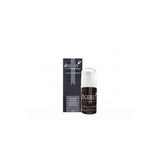
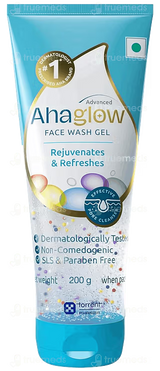
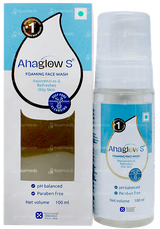
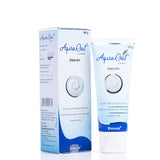
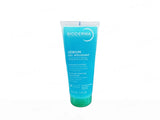
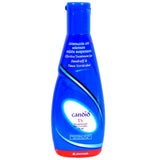
If you need a practical place to start, begin with a cleanser and a moisturizer, then add one targeted serum. For oily skin that tolerates foaming textures, consider a gentle yet effective option such as oil control foam wash. For sensitive or dry-prone skin, a cleanser designed for gentleness can reduce disruption, such as gentle cleanser.

Checklist icons, skin-type labels, routine timeline markers
Step-by-Step Guide: Build a Routine With Expert Skincare Advice
A well-built routine is structured, repeatable, and measured. The goal is not rapid change. The goal is steady improvement while protecting your skin barrier. Follow these steps to design a routine that remains effective as your needs evolve.
Step 1: Cleanse with the correct balance
Cleanser choice sets the stage. A cleanser that removes excess oil should still preserve comfort. Over-cleansing can lead to dryness, which may increase visible texture and sensitivity. Use lukewarm water and avoid scrubbing. If you wear sunscreen or makeup, cleanse thoroughly but gently.
For daily oil control, an appropriate foam can help keep pores clear. For dryness-prone skin, a gentle cleanser reduces friction and supports long-term tolerance. Choose one cleanser and use it consistently before adding more variables.
Step 2: Assess hydration and barrier needs
After cleansing, your skin should feel clean, not tight. If you notice tightness, add a moisturizer that supports hydration and comfort. Barrier-friendly moisturizers reduce transepidermal water loss and make active ingredients easier to tolerate.
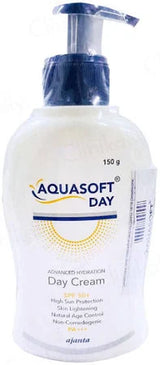
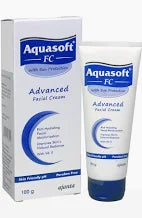
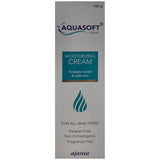
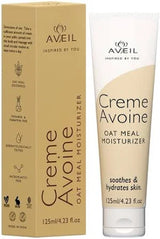
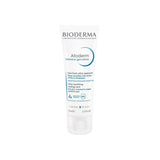
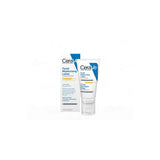
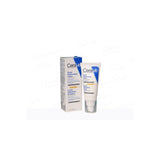
When your skin is dehydrated, treatments can feel harsher. Prioritize moisture first, then refine your active steps. For facial hydration, an option such as rich facial hydrating lotion can help you restore comfort.
Step 3: Add one targeted serum at a time
Serums provide focused benefits, but they require discipline. Select one primary serum based on your main concern and introduce it gradually. Frequency increases as your skin adapts.
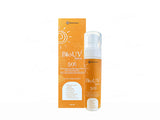
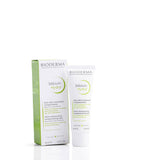
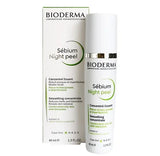
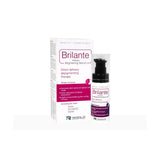
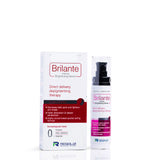
For acne-prone areas and preventive care, consider a formula intended for oil balance and acne support, such as acne UV gel SPF for daytime use. For active treatment of pigmentation or dullness, incorporate a serum designed for targeted results, for example brightening serum. Use the treatment consistently, but avoid introducing multiple new active products at the same time.
Step 4: Use sunscreen as the non-negotiable step
Sunscreen supports your entire skincare plan. It helps reduce the risk of worsening dark spots and supports smoother tone. Apply every morning as the final step of your routine. Reapplication is useful when you spend extended time outdoors, especially in bright conditions.
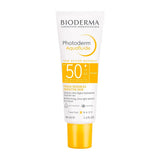
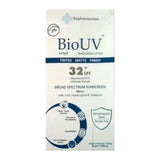
If you need a sunscreen designed for acne-prone or oily skin comfort, use acne UV gel SPF 50. If you prefer a different texture for daily wear, choose a well-formulated sunscreen with broad-spectrum coverage and a finish that your skin tolerates.
Step 5: Manage day-to-day irritation with a simple protocol
If you experience redness, burning, or persistent dryness, reduce active frequency and increase moisturizer. Do not stop your routine entirely unless irritation is severe. Consider spacing active products farther apart and use gentle cleansing until your skin returns to baseline comfort.
When adjusting your routine, keep your variables controlled. Change only one step at a time. This approach makes it easier to understand what your skin is responding to.
Step 6: Build a seasonal and lifestyle adaptation plan
Skin can change with temperature, humidity, and stress. During warmer months, many people benefit from lighter textures and consistent sunscreen. During colder months, they often need more hydrating moisturizers. The best strategy is flexible maintenance, not constant reinvention.
Keep your core steps stable: cleanse, moisturize, and protect with sunscreen. Then adapt the texture and frequency of serums based on how your skin feels. This method reduces friction and improves adherence.

Routine layers diagram: cleanse, treat, moisturize, shield
Step 7: Review your results using a measured evaluation
Skincare improvements are gradual. Instead of judging by one day, evaluate changes in comfort, texture, and tone over time. Track progress by skin feel, not only appearance. If your skin is comfortable and your routine is consistent, you have built a sustainable foundation.
If you are targeting uneven tone or hyperpigmentation, daily sunscreen becomes even more critical. If you are targeting acne and clogged pores, focus on consistent cleansing and a single acne-oriented treatment approach. When you keep your plan clear, your results become easier to interpret.
FAQ: Expert Skincare Advice for Common Routine Questions
How do I choose the right cleanser for my skin type?
Choose based on comfort and oil balance. If your skin feels tight after washing, switch to a gentler cleanser. If your skin looks shiny soon after cleansing, a controlled-foam cleanser may help. Avoid harsh scrubbing and use lukewarm water to reduce irritation.
Can I use multiple active serums in the same routine?
It is usually best to introduce one targeted serum at a time. Using multiple actives at once increases the likelihood of irritation and makes it harder to identify what works. Once your skin is comfortable, you can add a second treatment with careful spacing and consistent barrier support.
What is the most important step for pigmentation and uneven tone?
Daily sunscreen is the most important step for supporting tone. Sun exposure can worsen existing pigmentation and create new discoloration. Apply sunscreen every morning and ensure your skin remains comfortable with appropriate hydration and moisturizer.
Why does my skin get irritated when I start new products?
New products can be drying, irritating, or simply too strong for your current barrier state. Reduce frequency, moisturize more consistently, and introduce one product at a time. If irritation persists or becomes severe, discontinue the product and seek guidance from a qualified professional.
Closing Thoughts & CTA
Expert skincare advice is most effective when it turns complex choices into a clear routine you can repeat. Start with a gentle cleanser, prioritize barrier-friendly hydration, add one targeted serum, and protect with daily sunscreen. Consistency and controlled adjustments matter more than trends or over-layering.
If you want to streamline your routine, review your needs and select products that match your skin type and goals. Explore dermatologist-informed categories and curated options at Allodermis to build a practical plan that supports comfort and long-term skin health.
Disclaimer: This article is for general educational purposes and does not provide medical advice or diagnosis. Skin responses vary by individual factors. If you have persistent irritation, severe acne, or a medical skin condition, consult a qualified healthcare professional before using new skincare products.
About the Author Section
Allodermis is supported by a team dedicated to practical skincare education and ingredient-focused routines. Our topic expertise centers on skin barrier support, daily cleansing habits, hydration strategy, and sunscreen selection for consistent maintenance. We encourage readers to build routines with patience, clarity, and realistic expectations. For a routine approach grounded in skin comfort, explore curated guidance and product categories on Allodermis.
Authors & medical review
Swaraj Dhar is a sociopreneur, technologist, and the co-founder of Allodermis.
Every article is fact-checked against current peer-reviewed dermatology literature and Allodermis clinical protocols.
This article was last reviewed and updated on . Published .
Have a skin or hair concern?
Book a free consultation with our AIIMS MD dermatologists. Clinics in Bhubaneswar, Gurgaon, and Delhi NCR.