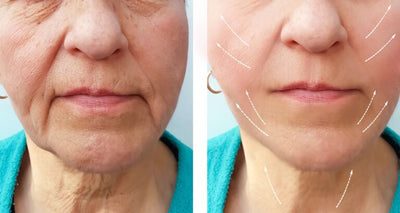





























Facial Rejuvenation Treatments: What to Expect and Results

Updated on: 2026-06-15
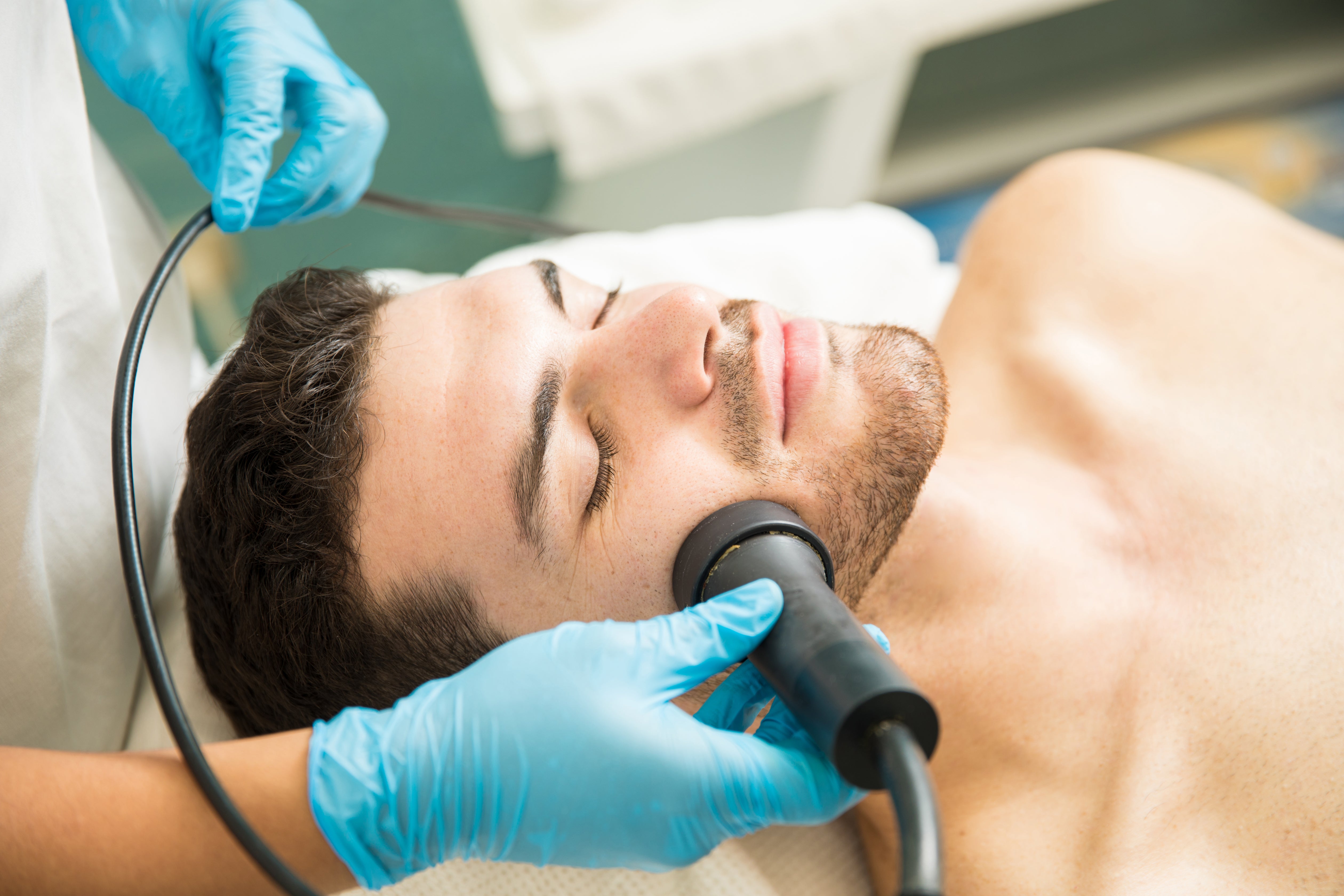
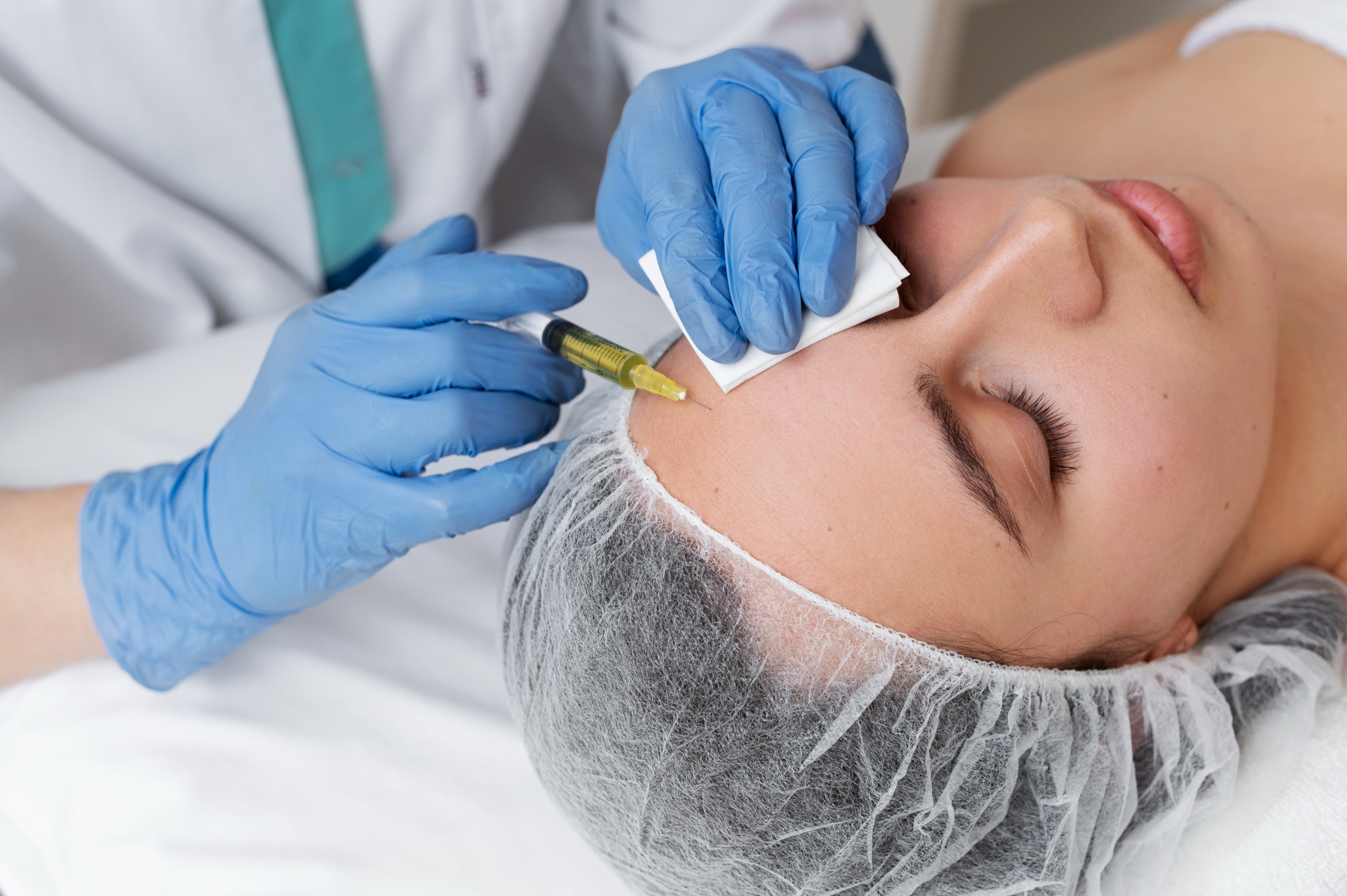
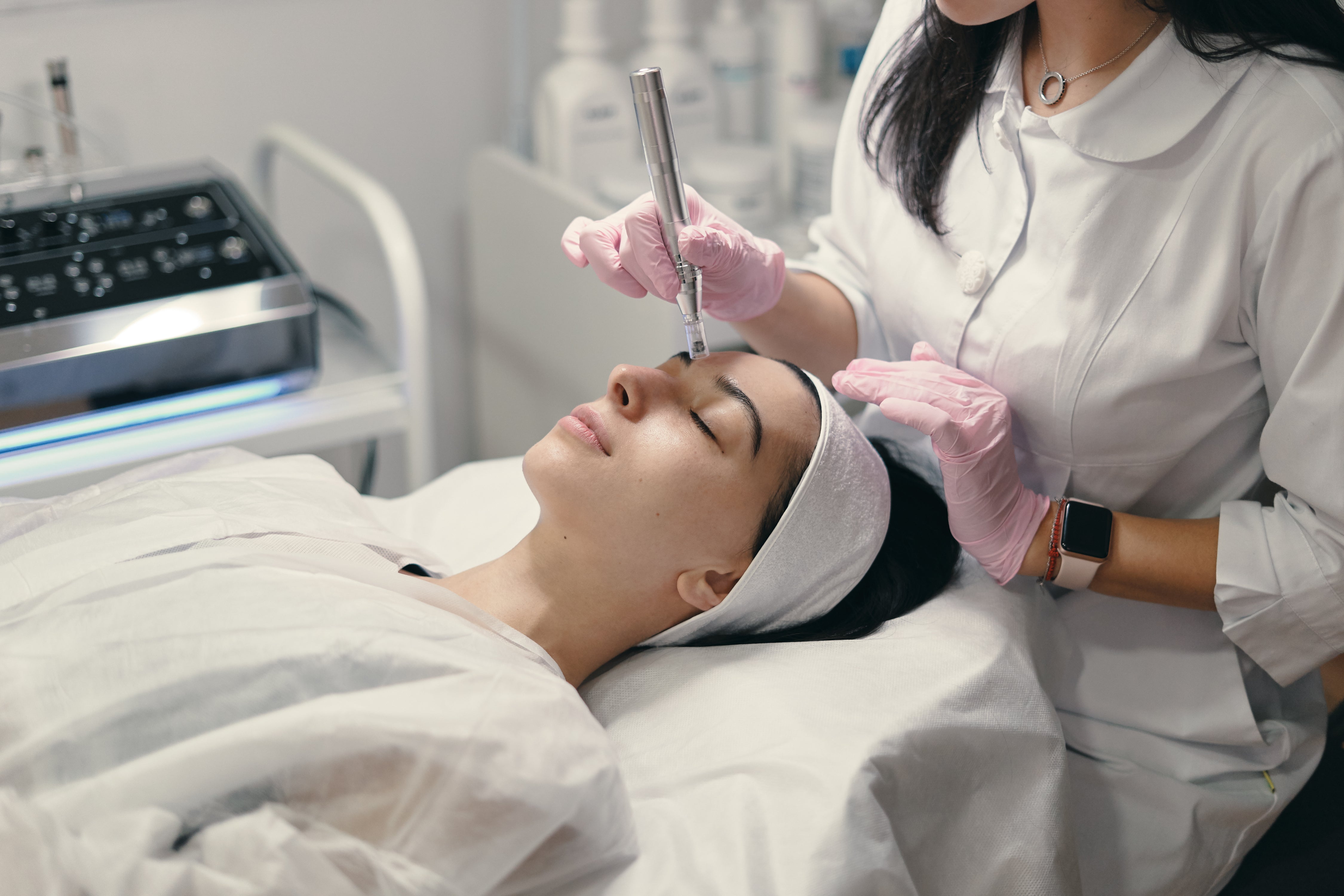
Facial rejuvenation treatments can address multiple skin concerns at once, including dullness, uneven texture, and loss of firmness. The right plan depends on your skin goals, sensitivity level, and baseline routine. A realistic approach also includes daily fundamentals such as cleansing, hydration, and sun protection. This guide explains common myths, outlines what to expect, and offers a practical decision framework for choosing safer, more effective options.
Table of Contents
Myths vs. Facts
Facial rejuvenation treatments are often discussed with exaggeration. The best outcomes usually come from evidence-based planning, consistent daily care, and thoughtful product selection.
-
Myth: One treatment can solve every skin concern.
Fact: Many concerns need a layered approach, such as texture support, tone balancing, and barrier care. -
Myth: Stronger products always deliver better results.
Fact: Overdoing actives can irritate the skin barrier and slow progress. Tolerance matters. -
Myth: Results should be immediate.
Fact: Most skin improvements develop over time as inflammation settles and cell turnover normalizes. -
Myth: Sun protection is optional after treatments.
Fact: Ultraviolet exposure can counteract gains by increasing uneven tone and accelerating visible aging. -
Myth: All skin types respond the same way.
Fact: Sensitivity, dryness, and acne history change how you should approach intensity and frequency.
Personal Experience
When I began evaluating facial rejuvenation treatments, I focused only on the “headline” solution, such as a single device or a short clinic plan. After a few weeks, the changes were inconsistent. Some days felt smoother, but other days felt reactive. What corrected the pattern was a disciplined routine: gentle cleansing, stable moisturization, and consistent sun protection.
The most noticeable improvements arrived when I matched the treatment intensity to my skin readiness. I also paid attention to small signals, such as tightness, stinging, or flaking. Those signals often indicate that the barrier needs support before you push for stronger interventions. This approach made results more predictable and reduced downtime stress.

Split-surface diagram: barrier care, hydration, sun shield
How to Choose Facial Rejuvenation Treatments
Choosing the right facial rejuvenation treatments is less about trendiness and more about alignment. Start by describing your top priorities in plain language. Common goals include improving dullness, refining pores, softening the look of fine lines, or supporting even tone. Then match those goals to suitable options and a realistic maintenance plan.
1) Identify your primary skin goals
Different concerns respond to different strategies. For example, uneven texture may benefit from gentle exfoliation and collagen-supporting interventions, while dryness-related “aging” often needs barrier restoration first. If you are unsure, a skin professional can help map your needs and reduce trial-and-error.
2) Assess skin sensitivity and history
Skin that is prone to redness, acne flare-ups, or irritation can react strongly to over-aggressive steps. In that case, prioritizing barrier comfort can make later rejuvenation efforts more effective. A conservative start also helps you identify what actually supports your skin rather than what merely irritates it.
3) Build a treatment-and-routine matrix
Think in systems, not isolated steps. Many rejuvenation plans combine professional or in-clinic procedures with supportive home care. Daily basics can amplify benefits by reducing inflammation and maintaining hydration. For example, cleansing and moisturization are not “extras”; they are the platform that allows other actives and procedures to work more smoothly.
4) Use sun protection as a non-negotiable foundation
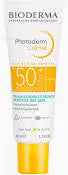
Even the best rejuvenation treatments can be undermined by UV exposure. Look for a broad, daily sunscreen with an appropriate SPF and comfortable wear. If you wear makeup, consider a formula that layers well without dragging or pilling. For acne-prone skin, a non-greasy texture can improve consistency.
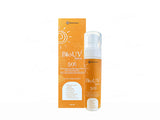
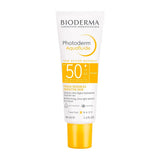
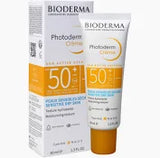
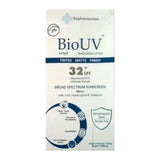
To support your routine, you can explore options such as SPF 50 sunscreen protection and daily sunscreen comfort.
5) Consider an evidence-based product pairing
At-home skincare can support texture and tone while treatments are ongoing. When selecting products, focus on gentle cleansing, consistent moisturizing, and targeted actives you can tolerate. A common approach is to use a cleanser that removes oil without stripping, a hydrating moisturizer, and a serum that targets a specific concern.
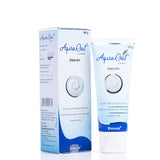
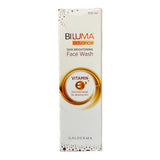
If you want a calmer baseline cleanse, you may consider a gentle cleanser. For hydration support, explore a hydrating lotion.
What to Expect From a Rejuvenation Plan
People often approach facial rejuvenation treatments expecting instant transformation. In reality, skin improvements follow a sequence: initial sensitivity or dryness may occur, then the skin stabilizes, and gradual clarity appears as the routine becomes consistent. Understanding this flow reduces disappointment and helps you judge progress accurately.
Typical phases
- Assessment phase: Goals are defined, skin type is considered, and an intensity level is chosen.
- Adjustment phase: Your skin may feel different for a short period due to increased renewal or reduced friction from a refined routine.
- Stabilization phase: Barrier comfort improves and tolerance increases.
- Visible improvement phase: Texture, brightness, and firmness-related appearance often become more noticeable.
How to evaluate progress without overreacting
Track results with simple signals. Use a consistent photo angle and lighting at intervals, and keep your cleanser and moisturizer stable during the evaluation window. If you change multiple variables at once, it becomes difficult to determine what helped. For many people, the most meaningful success is not just how the skin looks on a “good day,” but how steady it remains over weeks.

Timeline illustration: assess, adjust, stabilize, improve
When to pause and reassess
If you experience ongoing burning, persistent swelling, or worsening breakouts that do not settle, pause and reassess. Rejuvenation should feel manageable. The goal is sustainable improvement, not constant reactivity. Consulting a qualified skincare professional can clarify whether your plan is too intense or misaligned with your current skin barrier status.
Skin Preparation and Daily Support
A strong home routine supports facial rejuvenation treatments by keeping the skin barrier stable and lowering unnecessary inflammation. This does not require complicated steps. It requires consistent, skin-friendly choices that match your tolerance.
Gentle cleansing to reduce friction
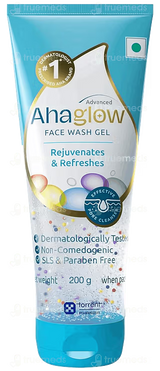
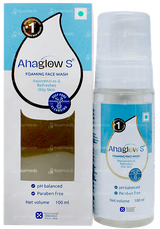
Over-cleansing can strip protective lipids and make skin look dull. Choose a cleanser that feels comfortable and rinses cleanly. For example, a gentle foaming option can work for many oily or combination types, while a non-stripping cleanser can be helpful for dryness-prone skin.
Hydration that supports barrier comfort
Hydration is not the same as greasiness. A balanced moisturizer can reduce tightness and create a smoother surface where other steps apply more evenly. If your skin is sensitive, prioritize moisturizing ingredients and avoid unnecessary layering of multiple competing actives.
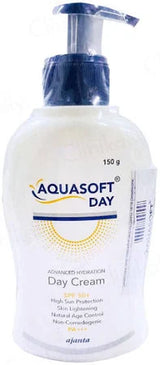
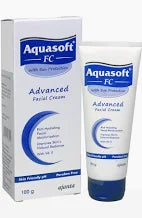
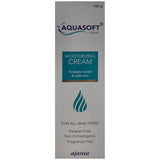
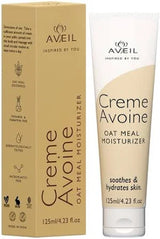
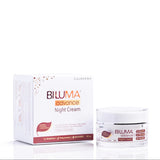
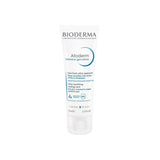
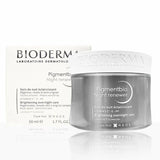
For hydration and skin comfort, consider a supportive cream base and a gentle daily moisturizer.
Targeted actives with cautious progression
Many people add brightening or pore-supporting serums during rejuvenation. The key is to introduce actives gradually, especially if you are also undergoing in-clinic procedures. If you have acne history, you may prefer a formula designed to support clarity while remaining tolerable.
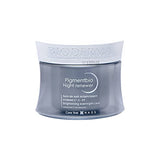
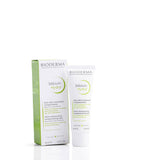
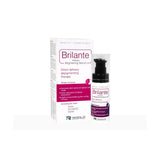
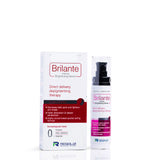
For acne-prone or oilier skin, you may explore an acne-oriented SPF gel. For those focusing on brighter tone, consider a brightening serum.
When vitamin C or exfoliating steps fit
Vitamin C can support a brighter appearance and help reduce visible dullness. Exfoliating steps can refine texture when used carefully, but aggressive exfoliation can destabilize the barrier. If you add actives, choose one category at a time and allow your skin to adjust.
For vitamin C support, you may review liposomal vitamin C support. For exfoliating balance or acne-related support, consider professional guidance to select the safest intensity.
Aftercare for Smoother Results
Aftercare determines how quickly skin feels normal again and how consistently you build momentum toward your goals. Aftercare is not only about avoiding mistakes; it is also about supporting your skin barrier so you can continue treatments with confidence.
Stick to the least irritating routine
In the days after a rejuvenation session, reduce friction. Avoid harsh scrubs and unnecessary layering. Use a gentle cleanser, a stable moisturizer, and sun protection. If you are introducing new products, do it later rather than immediately after a procedure.
Protect from sun exposure every day
Daily sunscreen can help maintain even tone and reduce the risk of post-treatment unevenness. Reapply when needed, especially if you spend time outdoors. Even small lapses can affect results over time.
Manage comfort and dryness
If skin feels dry or tight, prioritize hydration. Use moisturizers that feel smooth and non-irritating. If you notice increased redness, scale back active steps until comfort returns.
Plan maintenance rather than chasing rapid change
Rejuvenation is often cumulative. Instead of increasing intensity each cycle, consider a maintenance mindset that supports steady progress. Many people get better outcomes by staying consistent with daily care and allowing time for skin to respond to the plan.
Final Thoughts & Takeaways
Facial rejuvenation treatments are most effective when they are matched to your skin goals, skin sensitivity, and daily routine. Myths about instant results and universal approaches can lead to frustration and unnecessary irritation. A safer and more effective strategy is to build a supportive foundation: gentle cleansing, reliable hydration, and consistent sun protection. With that foundation, you can evaluate progress more clearly and sustain improvements over time.
If you want a structured starting point, choose your primary goals, select suitable options with tolerance in mind, and keep your basics steady. The best plan is the one you can maintain consistently and safely.
Q&A Section
Are facial rejuvenation treatments suitable for all skin types?
Many options can be adapted for different skin types, but suitability depends on sensitivity, acne history, dryness level, and the exact goals you are targeting. A tailored approach is usually safer than a one-size-fits-all plan.
How do I know whether a treatment plan is too aggressive?
Signs that a plan may be too intense include persistent burning, ongoing swelling, worsening irritation that does not settle, and frequent barrier breakdown such as severe flaking. When discomfort becomes the dominant outcome, reduce intensity and reassess.
What role does daily skincare play alongside professional treatments?
Daily skincare supports the skin barrier and helps maintain the improvements you seek. Gentle cleansing, reliable moisturizing, and consistent sun protection reduce inflammation and support more stable texture and tone over time.
About the Author
Allodermis Team
The Allodermis team focuses on skin-friendly routines, evidence-informed skincare principles, and product selection designed to support barrier health. With expertise in dermatology-adjacent skincare education and practical care guidance, the team helps readers build consistent plans that align with realistic expectations. Thank you for reading, and for choosing a thoughtful approach to skincare.
Disclaimer: This article is for educational purposes only and does not replace professional medical advice. Individual skin needs vary, and results depend on many factors, including skin sensitivity and routine consistency. Consult a qualified dermatologist or skincare professional before starting any treatment or making significant changes to your regimen.
Authors & medical review
Swaraj Dhar is a sociopreneur, technologist, and the co-founder of Allodermis.
Every article is fact-checked against current peer-reviewed dermatology literature and Allodermis clinical protocols.
This article was last reviewed and updated on . Published .
Have a skin or hair concern?
Book a free consultation with our AIIMS MD dermatologists. Clinics in Bhubaneswar, Gurgaon, and Delhi NCR.