























Find the Root Cause of Dermatology Symptoms

Updated on: 2026-06-18
Root cause dermatology focuses on identifying why skin symptoms start and persist, not only on masking visible redness, acne, or dryness.
By addressing triggers such as barrier weakness, inflammation, and microbial imbalance, your skin care plan becomes more consistent and easier to follow.
This approach also helps you avoid repeated cycles of irritation caused by mismatched products or routines.
With the right assessment and step-by-step strategy, you can improve skin comfort and long-term stability.
Table of Contents
- 1. What Root Cause Dermatology Means
- 2. Myths vs. Facts
- 3. Step-by-Step Guide
- 4. Triggers That Mimic Different Skin Issues
- 5. A Routine That Supports Healing
- 6. Frequently Asked Questions
- 7. Summary & Key Takeaways
Root cause dermatology: How to stop skin symptoms at the source
Root cause dermatology is a practical way to understand skin problems with clarity. Many people try cleansers, serums, and spot treatments in rotation, yet they still see flare-ups. The pattern is usually not random. It often reflects an unresolved driver such as barrier disruption, chronic irritation, or an underlying condition that standard routines do not address.
In root cause dermatology, you start by identifying the skin environment that is out of balance. That may include overactive inflammation, clogged pores from product buildup, dryness that weakens tolerance, or sensitivity related to friction and sun exposure. When the driver is corrected, symptoms typically become easier to manage. This is why the approach is often more sustainable than chasing short-term fixes.
At a basic level, your skin is an organ with a protective barrier, an immune signaling network, and a visible surface that responds to daily inputs. When any part of this system is repeatedly stressed, the skin can respond with acne-like bumps, persistent redness, rough texture, or lingering hyperpigmentation. Root cause dermatology helps you narrow the possibilities, then select targeted habits and compatible care products.
Myths vs. Facts
Myth: If a product works for one person, it will work for everyone.
Fact: Results depend on skin type, barrier strength, and the underlying driver. Compatibility matters as much as ingredients.Myth: Strong actives always fix the problem faster.
Fact: Overuse can worsen irritation and inflammation. Healing often requires controlled exposure and barrier support.Myth: Skin issues are purely cosmetic.
Fact: Many conditions involve inflammation and immune signaling. A careful routine can support recovery, and medical evaluation may be necessary.Myth: Sun exposure only affects dark spots.
Fact: Ultraviolet radiation can worsen redness, uneven tone, and irritation tolerance, making other treatments less effective.
Step-by-Step Guide
The goal is not to overhaul everything at once. Instead, you build a logical process that helps you recognize patterns and reduce guesswork. Use these steps to apply root cause dermatology principles in daily life.
-
Map your symptoms and timeline. Note when changes began, which areas are affected, and whether flares correlate with weather, stress, or a new product.
-
Assess barrier comfort first. If skin stings, feels tight, or flakes, prioritize gentle cleansing and moisturizing before adding more actives.
-
Check for irritation triggers. Evaluate shaving habits, friction, harsh scrubs, over-washing, and fragranced formulas that may intensify sensitivity.
-
Differentiate acne from irritation. Acne is often linked to clogged pores and inflammatory activity, while irritation can mimic acne through redness and discomfort.
-
Choose one primary treatment goal at a time. For example, stabilize the barrier for two to four weeks, then evaluate tolerance before addressing texture, tone, or breakouts.
-
Introduce changes slowly and document results. One variable at a time helps you recognize which change improved stability or triggered a flare.
-
Use sun protection consistently. Daily broad coverage supports even tone and reduces the inflammatory impact of ultraviolet exposure.
-
Escalate to professional care when needed. Persistent or severe symptoms may require a clinical diagnosis and a structured medical plan.

Skin map icons for timeline and flare tracking
Triggers That Mimic Different Skin Issues
Root cause dermatology emphasizes that similar-looking symptoms can come from different drivers. A simple example is dryness that causes roughness and redness. Another example is product buildup that resembles acne. Understanding triggers helps you avoid repeating the same cycle with new product names.
1) Barrier disruption disguised as “need for stronger products”
When the barrier weakens, skin loses water and tolerance. You may notice stinging, tightness after cleansing, or flaking. In that stage, aggressive exfoliation or high-strength serums can deepen irritation and prolong the flare. Barrier-centered care typically means gentle cleansing, careful hydration, and gradual reintroduction of targeted ingredients when comfort improves.
2) Inflammation loops driven by friction and overwashing
Frequent cleansing, rough towels, tight masks, and constant rubbing can amplify redness and sensitivity. This does not mean hygiene is the problem. It means the frequency and method may be creating unnecessary stress. Gentle handling and reduced friction often improve overall stability.
3) Clogged-pore patterns from inconsistent cleansing and heavy layering
Certain routines can trap oil, residue, and environmental particles on the skin surface. Over time, this can contribute to visible congestion and uneven texture. A compatible cleanser and a well-structured routine often reduce residue risk. The key is to ensure cleansing matches skin needs without stripping.
4) Ultraviolet exposure that worsens tolerance and tone
Even if your main concern is texture, sun can amplify inflammation and interfere with how skin responds to treatment. Consistent sunscreen supports a more stable baseline. If sunscreen is skipped, your other steps may appear to fail because ultraviolet triggers keep the skin in an activated state.
A Routine That Supports Healing
A root cause dermatology routine is built for consistency. It supports the skin barrier, manages inflammation, and protects against daily triggers. The best approach is not a complex multi-step system. It is a targeted system that remains gentle and repeatable.
Cleanse with control
Choose a cleanser that removes excess oil and residue without over-stripping. If your skin feels tight after washing, switch to a gentler option. Consider a formula designed for sensitive skin and frequent use, such as Cetaphil Gentle Cleanser. Cleanse once or twice daily based on comfort and activity level.
Hydrate to rebuild tolerance
Hydration is not only for dry skin. Even oily skin can be water-depleted. A lotion or hydrating step can help reduce the sensation of irritation and support more stable response to later treatments. For example, Cipla Excela Rich Facial Hydrating Lotion can support a calmer, more resilient baseline when chosen appropriately for your routine.
Target breakouts or congestion with compatible actives
If clogged pores and acne-like bumps are part of your pattern, it is helpful to select an approach that supports inflammation control and pore clarity. For oily or acne-prone routines, IPCA Acne UV Gel SPF 50 can simplify your daytime step by combining sun protection with a skin-friendly approach. If you need dedicated treatment for acne-prone skin, consider reviewing your cleanser and targeted products before adding multiple strong actives at once.
Protect your skin daily
Root cause dermatology treats sun protection as a foundation rather than an optional finishing step. Look for sunscreen that suits your skin comfort and prevents skipping due to irritation or heavy texture. For example, Fixderma Shadow Sunscreen Cream and I-Shield Sunscreen Cream SPF 50 PA can fit into many routines, especially when consistency is the priority.

Routine flowchart: cleanse, hydrate, protect, reassess
Frequently Asked Questions
How long does it take to see improvements with root cause dermatology?
Many people notice early comfort improvements when irritation is reduced, but visible change in acne, texture, or uneven tone often takes several weeks. The timeline depends on the driver and how steadily the routine is followed. Tracking symptoms and reassessing one variable at a time typically leads to clearer conclusions.
What should I do if my skin gets worse after starting a new product?
Stop the newest product and return to a simpler, barrier-supportive routine. Symptoms that include burning, severe redness, or swelling are signals to seek professional advice. Once your skin stabilizes, reintroduce changes gradually and select formulas aligned with your sensitivity level.
Can root cause dermatology help with hyperpigmentation?
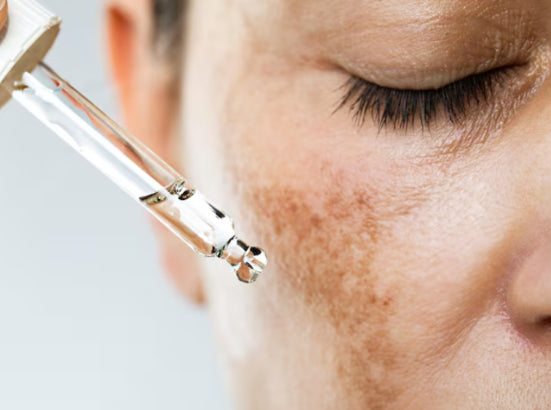
Yes, especially when uneven tone is driven by inflammation and sun exposure. Consistent sunscreen and a routine that supports barrier tolerance can reduce the risk of ongoing pigment activation. If dark marks persist despite stable protection and care, a clinical evaluation can clarify whether deeper drivers are present.
Summary & Key Takeaways
Root cause dermatology provides a structured way to identify why skin symptoms persist, then address the underlying driver rather than repeatedly switching products. By prioritizing barrier comfort, reducing irritation triggers, protecting from ultraviolet exposure, and introducing changes slowly, you create a routine that supports real stability.
For an evidence-informed approach, consider building your routine around compatible cleansing, hydration, and daily sun protection. When you maintain consistency and track results, your skin care decisions become more confident and less reactive.
If you want guidance on assembling a routine, explore curated options on Allodermis and select products that align with your skin comfort and goals.
Q&A Section
Is root cause dermatology the same as dermatology treatment plans from a clinic?
They are related but not identical. Root cause dermatology is a practical framework you can use at home to investigate patterns and choose compatible care. A clinic evaluation uses medical diagnosis and can prescribe targeted therapies when a skin condition requires clinical management.
Should I focus on ingredients or on symptoms first?
Start with symptoms and context. Ingredient selection matters, but root cause dermatology emphasizes that the same ingredient can behave differently depending on barrier strength and triggers. Once you stabilize comfort, ingredients can be selected more precisely based on the underlying driver.
How do I reduce the risk of repeating the same flare-up cycle?
Use slow changes, track outcomes, and avoid stacking multiple new actives at once. Confirm that your cleanser and moisturizer match your tolerance. Maintain daily sun protection. If flares repeat in the same pattern, it is a sign to refine the trigger analysis or seek professional support.
About the Author Section
Allodermis team
The Allodermis team supports skin care education with an expert perspective on barrier health, formulation compatibility, and long-term routine strategy. This article reflects a careful, evidence-aligned approach to root cause dermatology concepts that prioritize skin comfort and sustainable improvement. We encourage readers to review their routines thoughtfully and consider professional guidance for persistent or severe symptoms. Thank you for choosing a more structured path toward calmer, more resilient skin.
Disclaimer: This article provides general educational information and does not replace medical advice. Skin conditions vary, and persistent, severe, or rapidly worsening symptoms should be evaluated by a qualified healthcare professional.
Authors & medical review
Swaraj Dhar is a sociopreneur, technologist, and the co-founder of Allodermis.
Every article is fact-checked against current peer-reviewed dermatology literature and Allodermis clinical protocols.
This article was last reviewed and updated on . Published .
Have a skin or hair concern?
Book a free consultation with our AIIMS MD dermatologists. Clinics in Bhubaneswar, Gurgaon, and Delhi NCR.