











Hair Loss Solutions: What Works for Different Causes

Hair loss can be stressful, especially when you notice more shedding, thinning at the crown, or a change in hair texture. This guide explains hair loss solutions in a practical, evidence-aware way. You will learn how to think about root causes, what to expect from common treatment categories, and how to build a routine that supports scalp health and hair density. You will also see how to evaluate products responsibly and when to seek clinical care.
Hair Loss Solutions: What They Are and How to Choose
Hair loss solutions are approaches designed to slow, treat, or mask the visible effects of hair thinning and shedding. They typically fall into several groups, such as scalp care, medically guided therapies, nutrition support, and lifestyle adjustments. The most effective plan depends on the pattern of hair loss, the timing of onset, and the presence of scalp symptoms like itching, scaling, or inflammation.
Start with clarity. Hair shedding can be temporary, hormone related, inflammatory, or nutrient related. Hair thinning can be genetic, age related, or linked to stress and health conditions. A strong selection process connects your symptoms to likely drivers. Then it matches those drivers to a safe and consistent intervention strategy.
To stay grounded, evaluate hair care from two angles: the scalp environment and the hair growth cycle. Many “solutions” focus on the growth phase, while others prioritize reducing triggers that affect the scalp. Ideally, you use a balanced plan that supports both.
Common drivers behind thinning and shedding
- Genetic patterns that gradually thin the top or crown area.
- Telogen effluvium where stressors can increase shedding for a period.
- Inflammation and scalp barrier disruption from irritation, over-washing, or dermatitis.
- Hormonal shifts such as changes related to androgen activity or postpartum recovery.
- Nutrient shortfalls that may affect growth and hair structure.
- Traction and mechanical stress from tight styles, frequent heat, or harsh chemical processing.
TLDR
Hair loss solutions work best when they match the cause of thinning or shedding. A balanced approach usually includes scalp care, a targeted therapy category, and supportive lifestyle habits. Consistent routine design matters more than sudden changes. You should also monitor scalp symptoms and know when to seek clinical evaluation.
Updated on: 2026-06-04
Table of Contents
- 1. Hair Loss Solutions: What They Are and How to Choose
- 2. Product Spotlight
- 3. Did You Know?
- 4. Pros & Cons Analysis
- 5. FAQ Section
- 6. Conclusion & CTA
- 7. About the Author Section
Product Spotlight
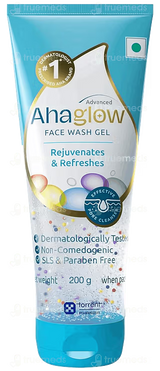
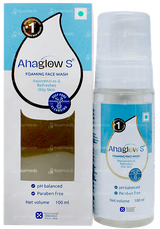
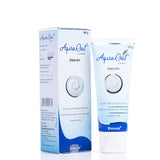
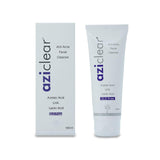
When building hair thinning support routines, many people benefit from reducing scalp irritation and maintaining a clean, comfortable scalp. A gentle cleanse can reduce the chance of buildup that worsens inflammation. In that context, a facial and scalp-friendly cleanser concept can be helpful even if it is not specifically marketed for hair.
Consider a gentle cleanser option such as Cetaphil Gentle Cleanser. The key idea is not to treat hair growth directly, but to support a calmer scalp environment. A stable scalp barrier often matters because irritation can affect comfort, increase scratching, and potentially disrupt routine adherence. When your scalp feels balanced, it is easier to maintain consistency with your overall plan.
To integrate a cleanser into a hair-focused routine, choose a wash frequency that matches your scalp oiliness and sensitivity. Avoid harsh rubbing of the scalp. Massage gently for a short period, rinse thoroughly, and allow the scalp to dry comfortably. If you use treatment serums or scalp actives, place them after cleansing so the skin surface is free of residue.

Illustration of calm scalp routine: gentle cleanse, soft brush strokes
How to use gentle cleansing in a hair routine
- Pre-plan frequency based on scalp oiliness and comfort.
- Choose gentle massage rather than abrasive scrubbing.
- Rinse thoroughly to reduce residue and friction.
- Follow with a compatible step that does not trigger stinging or extra dryness.
While cleansing is only one component, it can support the routine foundation that makes other interventions more tolerable.
Did You Know?
- Hair shedding cycles can make short-term changes misleading; patterns matter more than a single day.
- Scalp inflammation can contribute to increased shedding through irritation and discomfort.
- Overuse of heavy oils or occlusive products may worsen some scalp conditions, depending on the person.
- Balanced protein and micronutrient intake supports hair structure, even though it does not replace targeted treatment.
- Mechanical stress from tight styles and frequent heat can amplify breakage that looks like thinning.
Pros & Cons Analysis
Below is a structured way to evaluate common hair loss approaches. The goal is not to declare any single option universally best. Instead, use the trade-off view to decide what fits your situation, skin tolerance, and lifestyle.
Approach trade-offs at a glance
-
Scalp cleansing and barrier support
- Pros: Often improves comfort, reduces buildup, supports routine consistency.
- Cons: Does not directly stop genetic patterns alone.
- Best for: Irritation-prone scalps, flakes, and people who need a gentler baseline.
-
Targeted growth therapies
- Pros: Can be effective for certain pattern-based thinning when used consistently.
- Cons: Requires correct use and realistic expectations.
- Best for: Well-established thinning patterns with supportive monitoring.
-
Nutrition and deficiency correction
- Pros: Supports hair structure and overall scalp health.
- Cons: Intake changes may take time to show results.
- Best for: Diet gaps, suspected deficiencies, or people with fatigue or other systemic clues.
-
Anti-inflammatory and dermatitis-focused care
- Pros: Reduces discomfort and may reduce shedding triggers linked to irritation.
- Cons: Requires identification of the scalp condition.
- Best for: Itch, scaling, redness, and recurring scalp sensitivity.
-
Lifestyle and mechanical protection
- Pros: Improves overall hair integrity and reduces breakage risk.
- Cons: Does not fully reverse advanced thinning on its own.
- Best for: Heat exposure, tight hairstyles, and routine-related hair damage.
How to measure progress responsibly
Instead of judging results by a single wash day, consider tracking objective signals. Use consistent photos with the same lighting, note the density of specific areas, and observe scalp symptoms such as itch or flaking. Also document product tolerance. A plan that you can follow without irritation often performs better than an aggressive plan that causes breakage or redness.
If shedding accelerates quickly, you develop scalp pain, or you see sudden patchy loss, clinical evaluation becomes important. Professional assessment can rule out medical contributors and guide safe treatment selection.

Checklist concept: compare routines, track scalp comfort, note shedding trends
FAQ Section
What are the most reliable hair loss solutions for different types of thinning?
The most reliable hair loss solutions depend on the type of thinning and the pattern of symptoms. For scalp irritation and flaking, barrier-focused cleansing and anti-inflammatory care can help. For pattern thinning, targeted therapies often play a central role when used correctly over time. Nutrition support is most helpful when dietary intake is insufficient or when deficiency is suspected.
How long should I wait before deciding a routine is not working?
Hair-related changes occur over time because hair growth cycles are slow. A practical approach is to keep the routine consistent for long enough to evaluate stable trends in shedding, scalp comfort, and density. If you experience persistent irritation, worsening flaking, or increasing scalp discomfort, adjust earlier and consider professional guidance.
Can scalp care products improve shedding even if the cause is genetic?
Scalp care can often improve comfort and reduce irritation, which may lower shedding triggers related to inflammation. However, scalp care is not always sufficient to address the underlying drivers of genetic thinning. The best strategy is usually a combined plan that supports the scalp environment while using a targeted therapy category where appropriate.
Are hair loss solutions safe for sensitive skin?
Many hair loss solutions can be used safely with sensitive skin when introduced gradually and selected carefully. Patch testing on a small area can help you identify stinging or redness. Avoid combining multiple strong actives at once. If sensitivity is persistent, professional advice can help tailor a safer regimen.
Conclusion & CTA
Hair loss solutions work best when they are cause-aware, consistent, and compatible with your scalp. Begin with a clear view of the driver behind thinning or shedding, then build a routine that supports scalp health, reduces irritation, and aligns with the right intervention category. Track both scalp comfort and density signals so you can make informed adjustments.
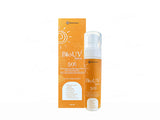
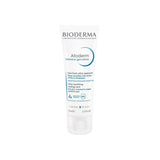
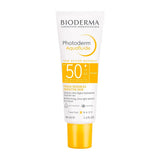
If you want to strengthen your baseline routine, start with gentle cleansing and skin-friendly habits. Explore options on oil-control cleansing for a balanced skin feel, and consider a supportive hydration step such as hydration support when your scalp or hairline feels dry. For users dealing with skin-related concerns that can affect the hairline area, you may also review serum options that focus on gentle proactive care. Choose products that match your tolerance and do not compromise scalp comfort.
Disclaimer: This article is for educational purposes only and does not replace professional medical advice. Hair loss can have multiple causes, including underlying health conditions. If you experience sudden, severe, or patchy hair loss, scalp pain, or rapid worsening, consult a qualified healthcare professional or a dermatologist for individualized guidance.
About the Author Section
Allodermis
Allodermis is an e-commerce brand focused on dermatology-aware skincare and supportive routines. The author contributes expertise in ingredient literacy, routine design, and consumer safety for sensitive skin contexts. This guidance is intended to help readers make structured decisions while maintaining realistic expectations. Thank you for reading, and choose hair care steps that you can apply consistently and comfortably.
Authors & medical review
Swaraj Dhar is a sociopreneur, technologist, and the co-founder of Allodermis.
Every article is fact-checked against current peer-reviewed dermatology literature and Allodermis clinical protocols.
This article was last reviewed and updated on . Published .
Have a skin or hair concern?
Book a free consultation with our AIIMS MD dermatologists. Clinics in Bhubaneswar, Gurgaon, and Delhi NCR.