











Hair Loss Treatment in India: Causes, Minoxidil, Serums, PRP & When to See a Dermatologist

Quick answer: Effective hair loss treatment starts with finding the cause - pattern hair loss, stress, nutrition, hormones (PCOS, thyroid), or a scalp condition - then matching the treatment to it. For most pattern thinning, a step-up plan works: topical minoxidil and a good scalp routine at home, escalating to in-clinic PRP/GFC or a hair transplant for advanced loss. The earlier you act, the more hair you can save.
Don't guess with hair loss - diagnose the cause first. Start early with minoxidil and scalp care; add PRP/GFC or, for advanced loss, a hair transplant under a dermatologist. Hair transplant is priced per graft (typically Rs. 60-120 per graft), so cost depends on how many grafts you need.
Why you're losing hair: the common causes
Hair loss isn't one condition - it has several causes, and the right treatment depends entirely on which one you have:
- Androgenetic (pattern) hair loss - the most common type; a receding hairline, thinning crown or widening part, driven by genetics and hormones.
- Telogen effluvium - diffuse shedding after a trigger like illness, surgery, major stress, crash dieting or childbirth. Often reversible once the trigger passes.
- Nutritional deficiencies - low iron, vitamin D, B12 or protein commonly worsen hair fall.
- Hormonal causes - PCOS, thyroid disorders and post-pregnancy changes.
- Scalp conditions - dandruff, seborrhoeic dermatitis and infections inflame the scalp and worsen shedding.
- Hairstyling damage - tight styles, heat and harsh chemicals cause breakage and traction loss.
This is exactly why self-treating blindly often fails: a minoxidil solution helps pattern loss but won't fix an iron deficiency or a thyroid problem. Identifying the cause is step one.
Step 1: Home treatment and a solid scalp routine
For early pattern thinning and general shedding, a consistent home routine is the foundation:
- Minoxidil - the most evidence-backed topical for regrowing thinning hair. Men typically use 5% (e.g. Mintop Eva 5%, Morr Max 5% Serum, Prolox-F 5%); women use 2% or 5% under guidance (e.g. Minopep Eva 2%). See our full minoxidil guide for how to use it and the shedding phase.
- A nourishing hair serum like Revilus Hair Serum to support scalp and strand health.
- Scalp care - a suitable conditioner such as Triflow Hair Conditioner and a nourishing option like Dutamax Hair Lotion.
- Nutrition and lifestyle - protein, iron and overall diet, plus stress management.
Browse the full dermatologist-curated hair range in the Allodermis store.
Step 2: In-clinic treatment (PRP / GFC)
When home care isn't enough, or you want faster, stronger results, in-clinic regenerative treatments help:
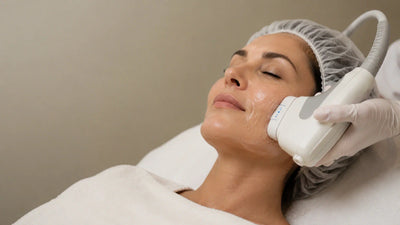
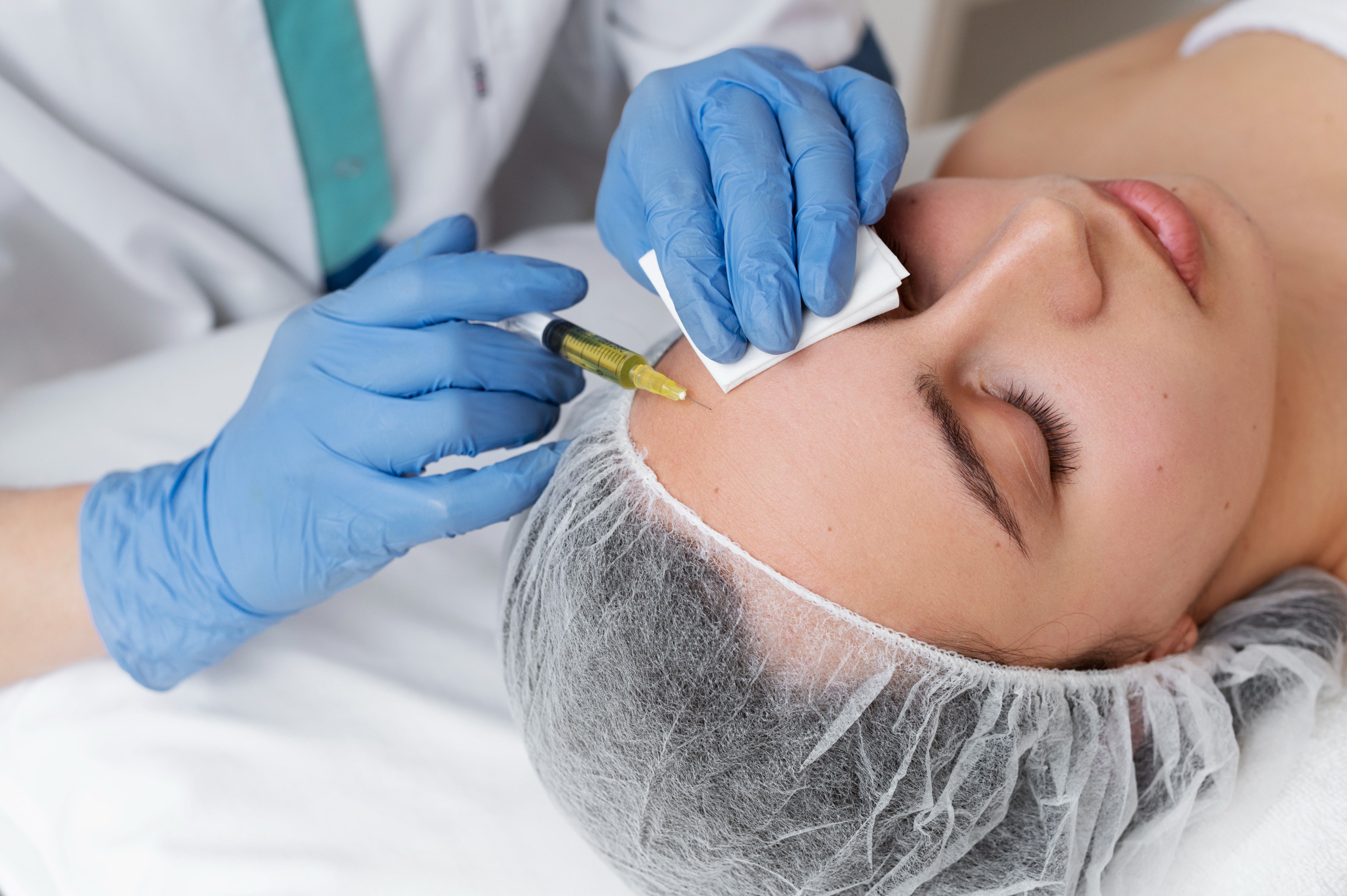
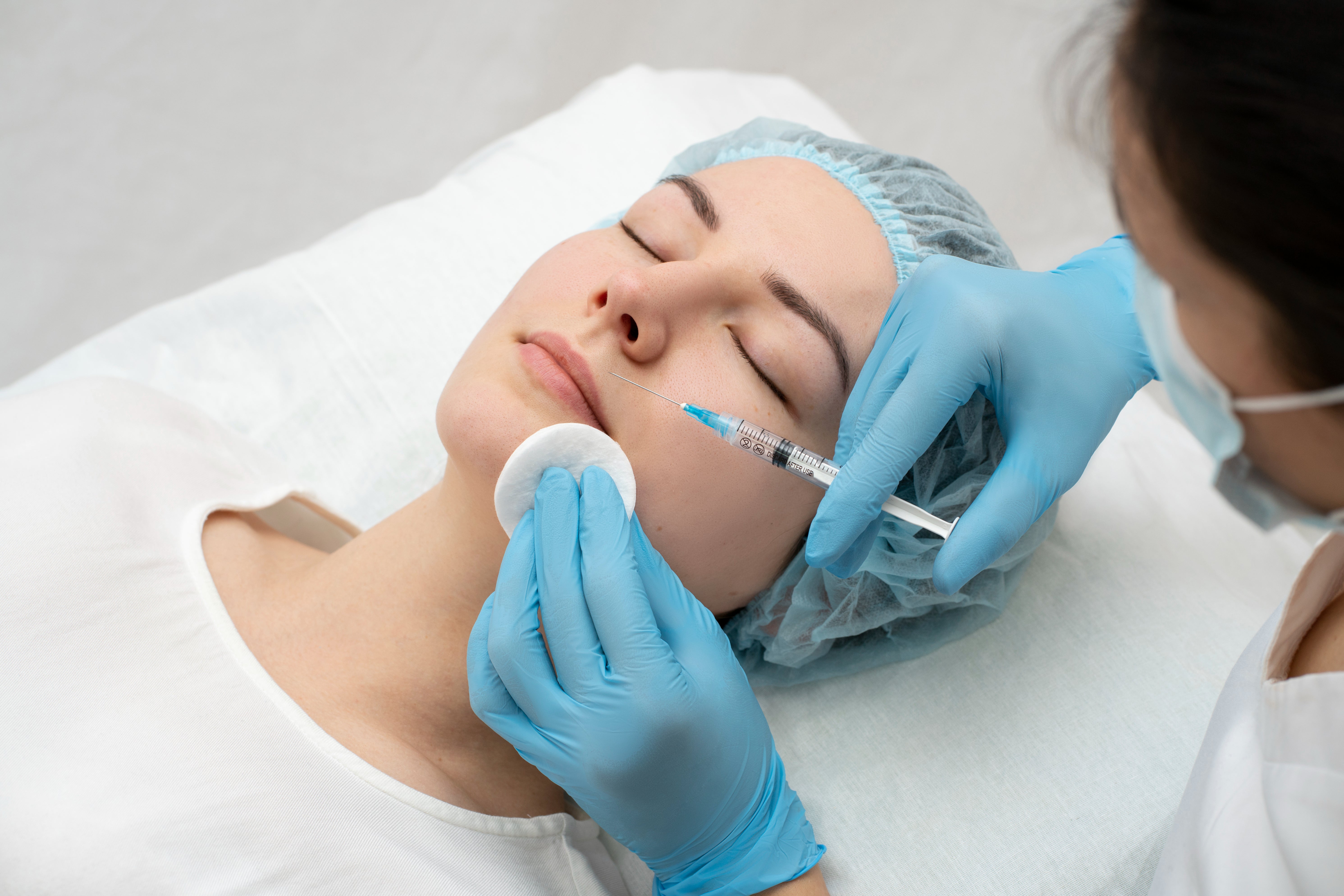
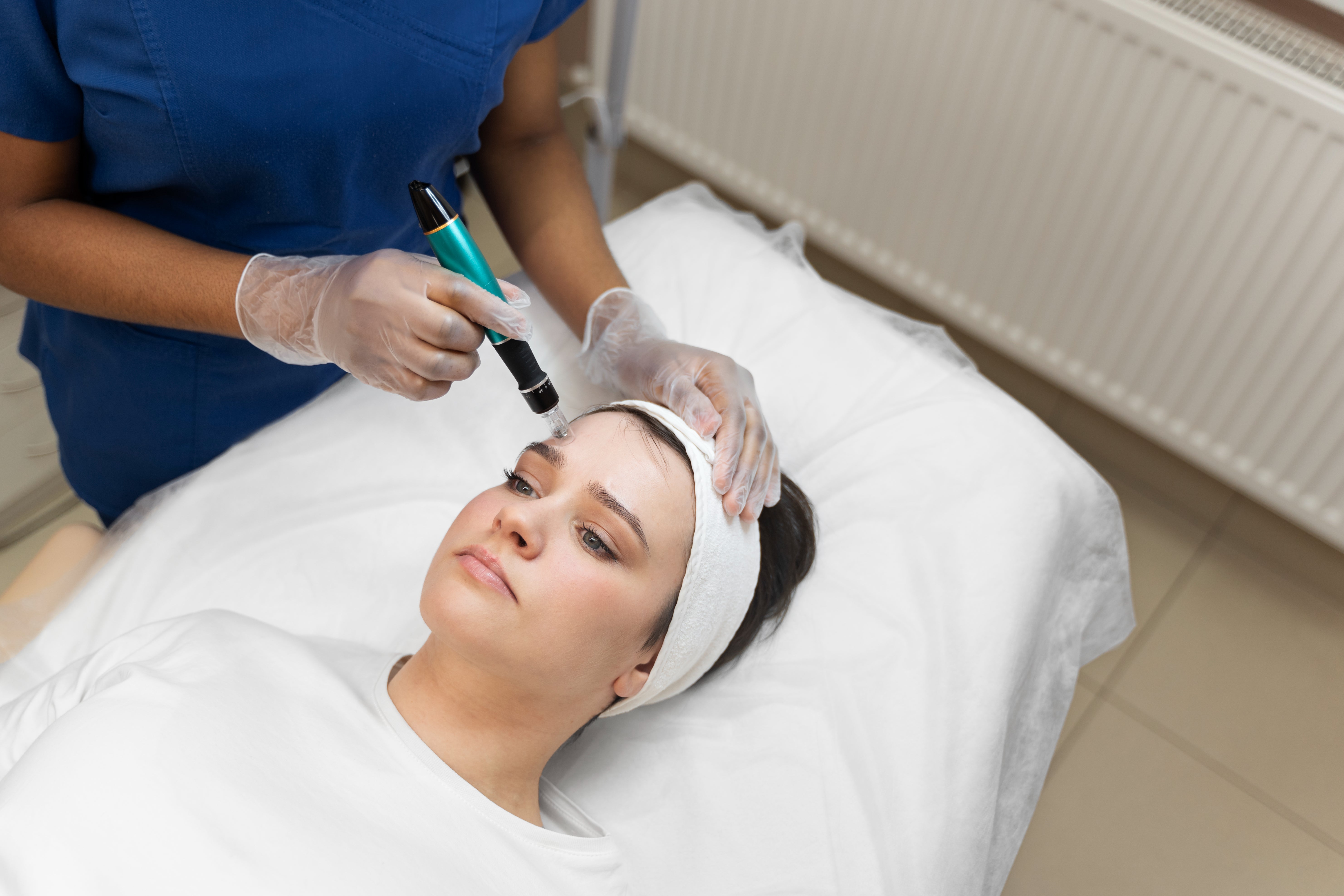
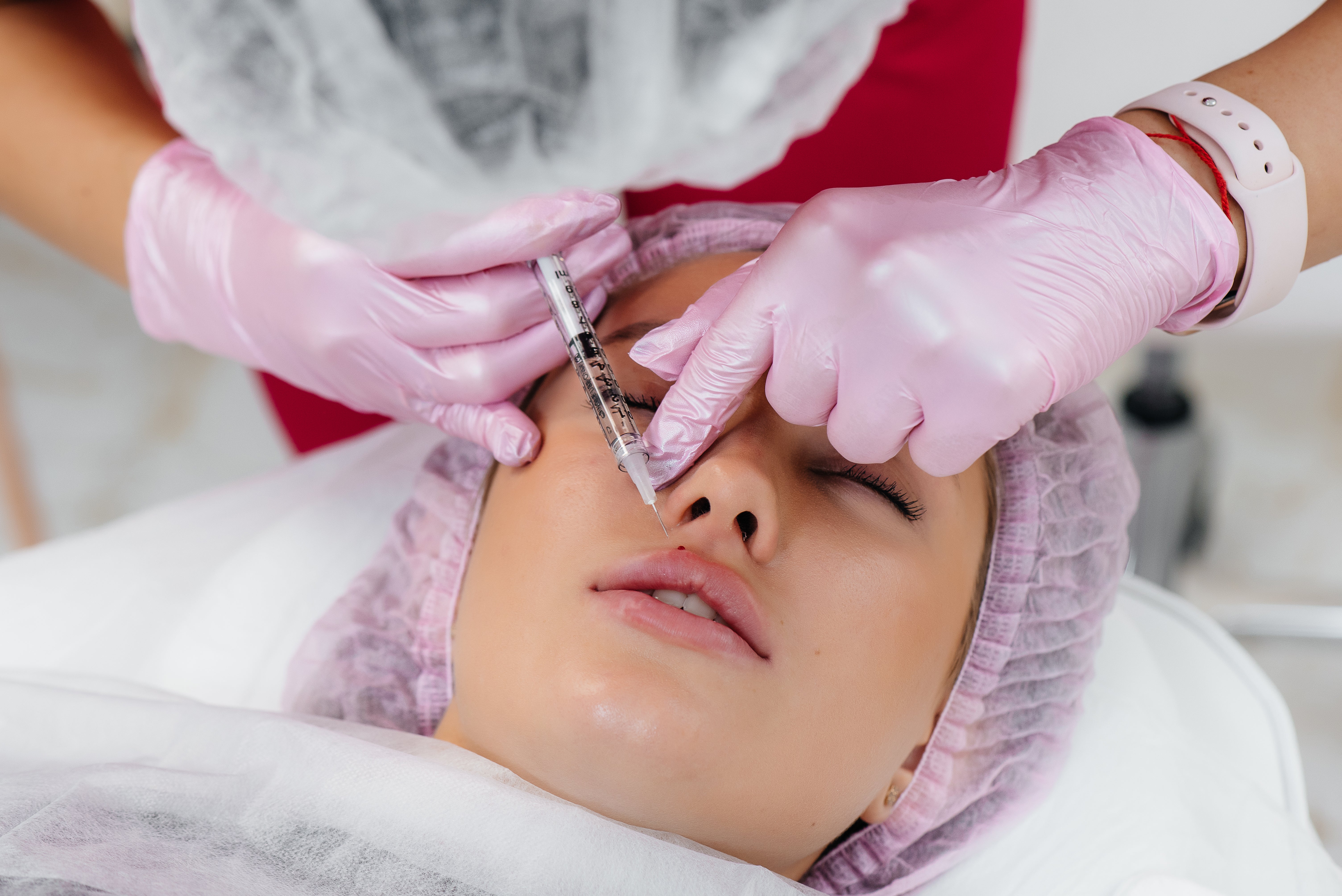
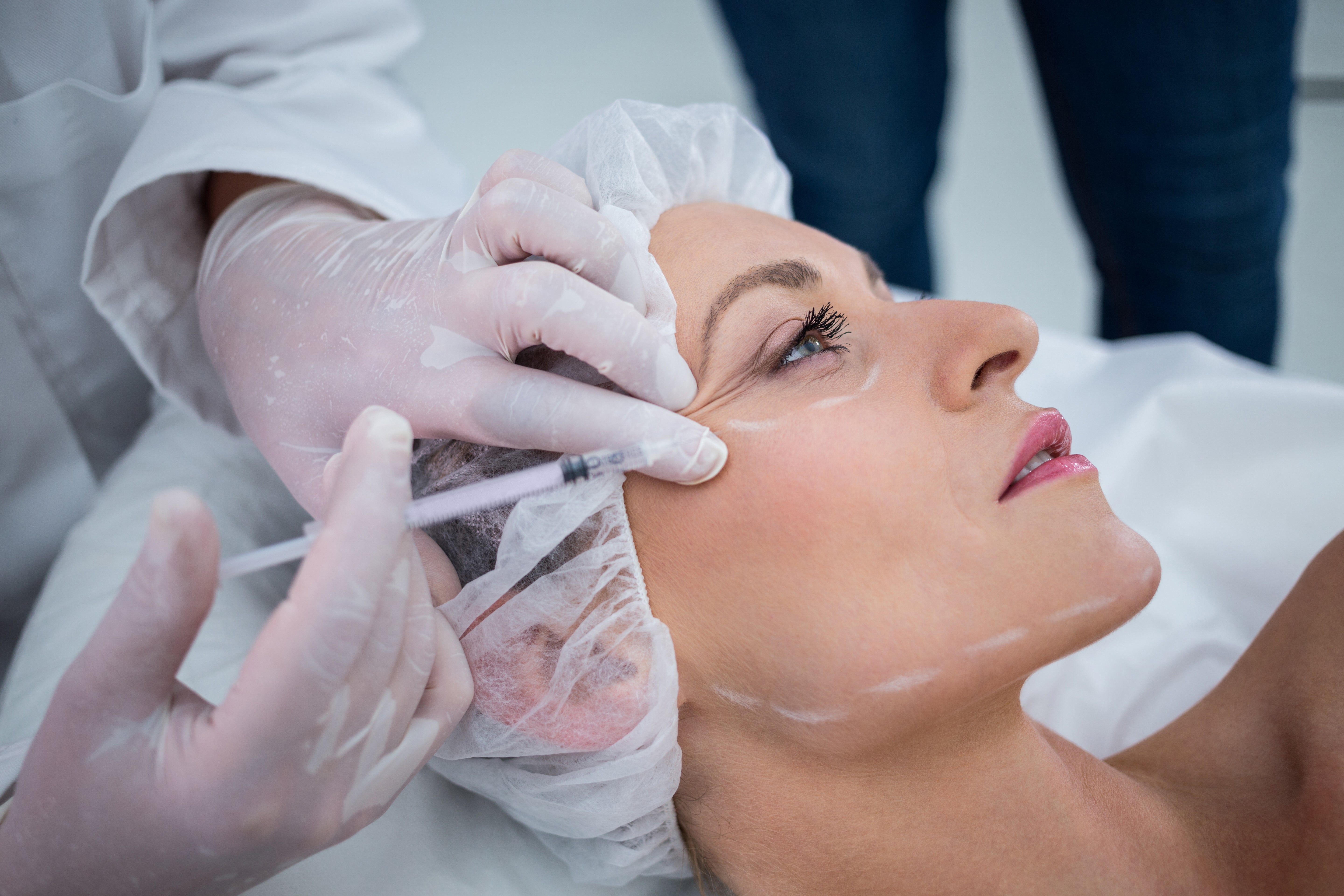
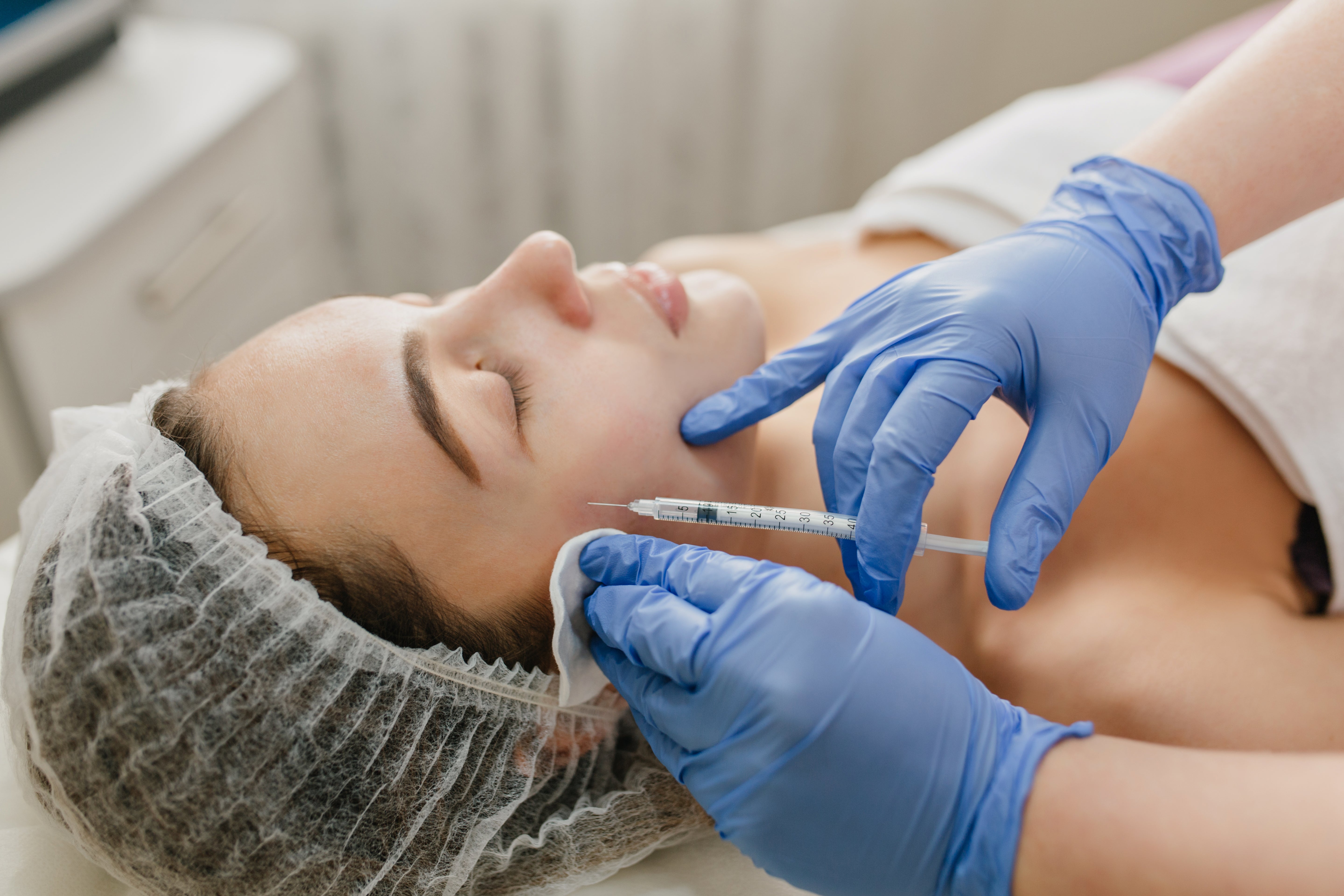
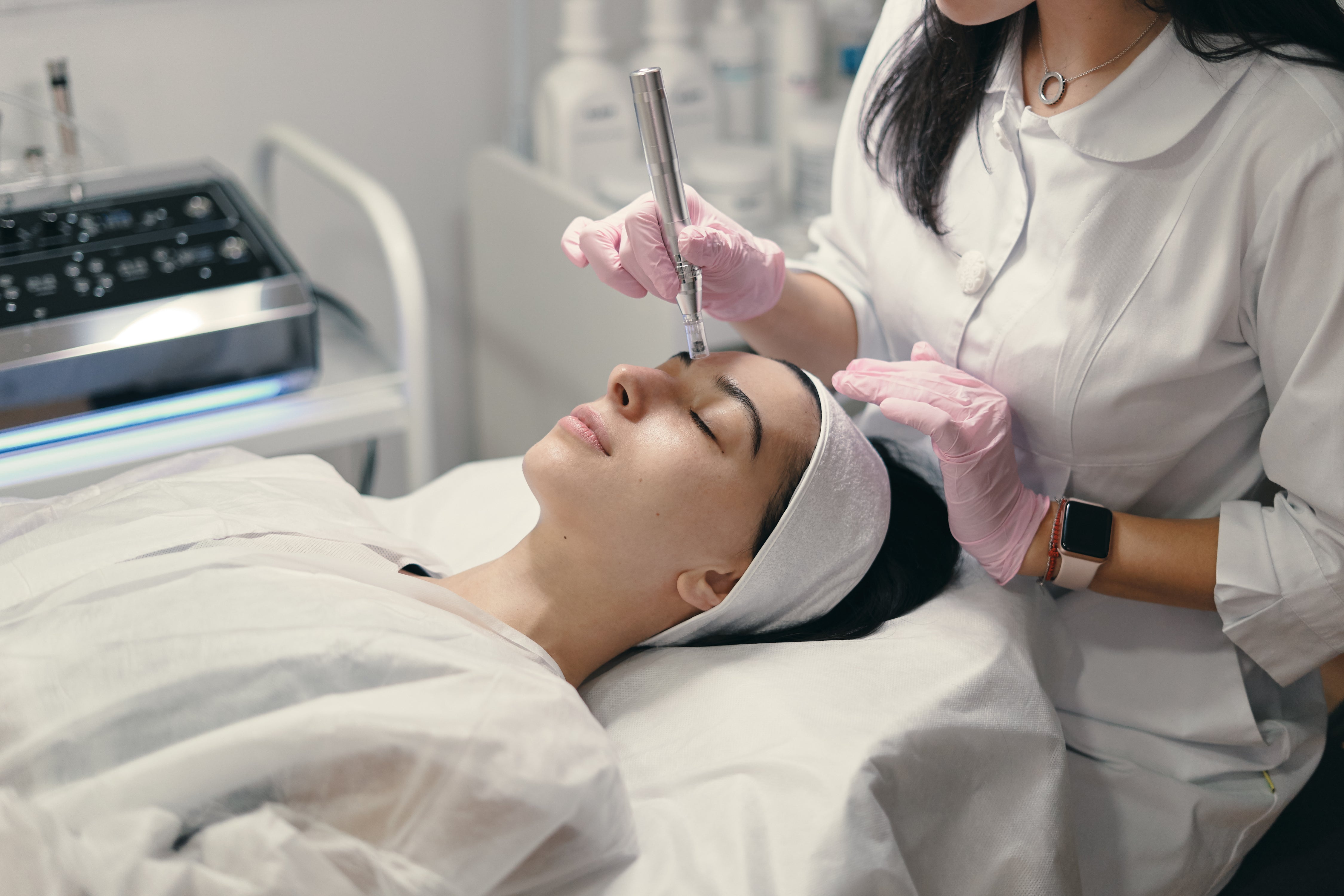
- PRP / GFC Hair Treatment - Platelet-Rich Plasma and Growth Factor Concentrate use your own growth factors to strengthen follicles, reduce shedding and support regrowth, usually over a course of sessions.
PRP/GFC works best alongside minoxidil and good scalp care, not instead of them - and best when hair loss is caught early, while follicles are still active.
Step 3: Hair transplant (for advanced, permanent loss)
Where follicles in an area are permanently lost, a hair transplant moves healthy follicles from a donor area to the thinning area for a natural, lasting result. It's a day procedure performed by qualified doctors.
Unlike most treatments, a hair transplant is priced per graft - typically Rs. 60-120 per graft - so the total depends on how many grafts your case needs and the technique used (FUE/FUT). Because it's transparent and based on your actual requirement, you know what determines the cost. A dermatologist confirms your graft count after a scalp assessment.
How to choose the right treatment path
A simple way to think about it:
| Your situation | Best starting point |
|---|---|
| Early thinning, still have hair | Minoxidil + scalp routine |
| Thinning not responding to topicals | Add PRP/GFC |
| Sudden diffuse shedding | Check for triggers/deficiencies (dermatologist) |
| Advanced loss, bald areas | Hair transplant |
| Unsure of the cause | Dermatologist assessment first |
The thread running through all of these: act early. Follicles that have fully miniaturised can't be revived - the hair you save is the hair you treat in time.
Treating the root cause (don't skip this)
The best hair loss plan treats the cause, not just the symptom:
- Get bloods checked for iron, vitamin D, B12 and thyroid if shedding is diffuse
- Manage PCOS or hormonal issues with proper medical care
- Fix the scalp - treat dandruff and inflammation, which worsen hair fall
- Review your diet, stress and sleep - all directly affect hair
A dermatologist ties these together so your topical and in-clinic treatments actually hold.
When to see a dermatologist (sooner is better)
Book a consultation if you notice a receding hairline, widening part, thinning crown, patchy bald spots, sudden heavy shedding, or no improvement after months of home treatment. Early assessment saves hair and money:
Book: +91 9717503031 - WhatsApp - Contact page - or try the free AI Skin Analysis.
Frequently Asked Questions
What is the best treatment for hair loss?
It depends on the cause and stage. For early pattern thinning, minoxidil plus good scalp care works well; for stubborn cases, PRP/GFC is added; for advanced, permanent loss, a hair transplant. Diffuse shedding needs a check for deficiencies or hormonal causes. A dermatologist matches treatment to cause.
How do I stop hair fall naturally?
Address the basics: a protein- and iron-rich diet, stress management, gentle hair care, a healthy scalp, and treating any dandruff. These support hair but won't reverse genuine pattern baldness, which needs minoxidil or in-clinic treatment.
Does minoxidil help with hair loss?
Yes - minoxidil is the most evidence-backed topical for pattern hair loss, regrowing thinning hair with consistent daily use over 3-6 months. It works while you use it and is best combined with scalp care and treating any underlying cause.
How much does a hair transplant cost in India?
Hair transplant is priced per graft - typically Rs. 60-120 per graft - so the total depends on how many grafts your case needs and the technique (FUE/FUT). A dermatologist confirms your graft count after a scalp assessment.
When should I see a dermatologist for hair loss?
See one if you have a receding hairline, widening part, patchy bald spots, sudden heavy shedding, or no improvement after months of home treatment. Early assessment identifies the cause and saves more hair.
Can hair loss be reversed?
Early pattern hair loss can often be significantly improved with minoxidil and in-clinic treatment, because the follicles are still active. Fully lost follicles can't be revived, which is why acting early - and a hair transplant for bald areas - matters.
Medically reviewed by the Allodermis MD Dermatology team. This article is general education and does not replace an in-person consultation. Per-graft pricing is indicative and confirmed after a scalp assessment. Last updated: 21 October 2026.
Authors & medical review
Swaraj Dhar is a sociopreneur, technologist, and the co-founder of Allodermis.
Every article is fact-checked against current peer-reviewed dermatology literature and Allodermis clinical protocols.
This article was last reviewed and updated on . Published .
Have a skin or hair concern?
Book a free consultation with our AIIMS MD dermatologists. Clinics in Bhubaneswar, Gurgaon, and Delhi NCR.