


































Hair Restoration Treatments: Options, Benefits, Costs

Updated on: 2026-06-26
Hair loss can feel unpredictable, but structured hair restoration treatments can improve the odds of meaningful regrowth. The best results come from matching the treatment plan to the cause of hair thinning, the pattern of shedding, and your expectations. Clinics typically combine evidence-based options, such as medical therapies and supportive scalp care, while monitoring progress over time. This guide explains common approaches, how to prepare for treatment, and practical recommendations to support healthy hair growth.
1. Why hair restoration treatments matter
2. Determine the cause of thinning
3. Product spotlight: scalp care support
4. Step-by-step: building a treatment plan
5. Personal experience: what changed outcomes
6. (Visual support)
7. (Visual support)
8. Summary & recommendations
9. Q&A
Hair restoration treatments: a practical framework for better outcomes
Hair restoration treatments are not a single product or a universal procedure. They are a set of options designed to address different reasons hair becomes thinner or falls out. Some causes are genetic, such as patterned hair loss. Others are related to hormones, inflammation, nutritional gaps, or scalp conditions. When the plan is aligned with the cause, your hair cycle can shift toward stronger, thicker regrowth.
In practice, effective treatment focuses on three pillars: reducing ongoing loss, stimulating the growth phase, and improving the scalp environment so hair follicles can function efficiently. A thoughtful plan also includes realistic timelines, because hair changes often lag behind treatment start dates. Rather than seeking a quick fix, you should aim for consistency and measurable progress.
Determine the cause of thinning before choosing treatments
Before selecting any hair restoration treatments, the most valuable step is diagnostic clarity. Many people start with topical care alone, yet the root cause may require a medical therapy or targeted management of inflammation. A clinician typically considers hair density history, family pattern, scalp symptoms, and recent changes such as stress, illness, medication, or weight loss.
Key patterns can guide the direction of care. For example:
- Gradual widening of the part or thinning at the crown often aligns with androgen-related hair loss.
- Sudden shedding after a stressor may suggest a temporary hair cycle disruption.
- Itching, scaling, or tenderness can point to scalp inflammation that deserves treatment.
- Patchy loss may require evaluation for autoimmune causes.
Even if two people use the same regimen, outcomes differ when the diagnosis differs. That is why a structured assessment matters more than searching for the most popular option.

Three symptoms icons: shedding, thinning, scalp redness
Product spotlight: scalp care support that complements treatment
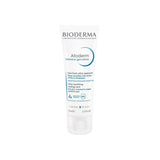
While many hair restoration treatments target follicles directly, scalp care affects the environment where follicles grow. Gentle cleansing helps remove buildup that may worsen scalp irritation. Moisturizing and barrier support can also reduce friction and dryness, which supports a healthier routine during active treatment.
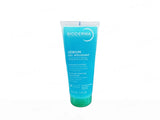
One practical starting point for daily hair care is a gentle cleanser. For example, you may consider Cetaphil Gentle Cleanser if your scalp or hairline tends to feel dry or reactive. Although scalp products vary, the main idea is to choose formulas that clean without excessive stripping so you can maintain a consistent routine.
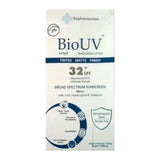
Scalp support also includes sunscreen for exposed areas and UV protection when thinning is visible. Sun exposure can increase dryness and may worsen the look of fragile hair. If you need a simple daily option, review product ingredients and choose one designed for face or scalp-compatible use. The goal is to support skin comfort while you pursue the hair-focused plan.
Step-by-step how-to: build a treatment plan you can sustain
A treatment plan should be organized, trackable, and safe. Follow this step-by-step approach to reduce guesswork and improve consistency.
-
Collect baseline information. Take clear photos from the same angles and lighting. Note shedding level, part width, and scalp symptoms.
-
Get a targeted evaluation. If thinning is progressive, consider a clinician assessment to confirm the cause. Diagnostic clarity helps you pick hair restoration treatments that match the mechanism of loss.
-
Select evidence-based therapies for the cause. Options differ by diagnosis. Common categories include topical medications, systemic treatments when appropriate, and anti-inflammatory strategies for scalp conditions.
-
Optimize cleansing and scalp comfort. Use a gentle routine to avoid irritation. Cleanse regularly, but avoid harsh scrubbing that can increase redness.
-
Maintain consistent application. Many regimens require daily use or defined schedules. Skipping doses often reduces measurable results.
-
Track progress with objective markers. Instead of relying only on feel, use photos and notes. Observe changes in shedding, density, and styling behavior.
-
Adjust based on response. If there is no improvement after an adequate trial period, reassess diagnosis, adherence, and whether additional approaches are justified.
In addition, consider lifestyle factors that affect hair quality. Sufficient protein intake supports the hair structure. Micronutrients matter when deficiencies exist. Sleep and stress management can support hormonal stability. These measures do not replace medical treatment, but they improve the overall environment for regrowth.
Personal experience: what improved my approach
Earlier in my own research, I focused on product names instead of the underlying cause. My hair thinning looked gradual, and I assumed a single topical fix would solve it. What changed my results was the shift from trial-and-error to structured tracking and a more disciplined routine.
I began by taking photos in the same spot and lighting every few weeks. I also started documenting shedding days and scalp comfort. Over time, the pattern became clear: periods of increased shedding coincided with scalp sensitivity, which suggested that my routine needed to be gentler and more consistent. Then I aligned my care with a clearer plan that included scalp support and a follicle-focused approach.
The lesson was not that one product was better than another. The lesson was that hair restoration treatments require consistency, diagnostic alignment, and objective monitoring. When those elements are present, you can evaluate progress with less anxiety and more clarity.
Summary & recommendations
Hair restoration treatments work best when they are chosen for the cause of thinning and used with consistency. Start with diagnosis, because patterned loss, temporary shedding, and scalp inflammation respond to different strategies. Build a sustainable routine that supports scalp comfort, including gentle cleansing and barrier-friendly care. Track progress with repeatable photos and notes so adjustments are based on evidence rather than emotion.
Practical recommendations:
- Do an assessment first if thinning is progressive or patchy.
- Use a supportive cleansing routine to reduce irritation during treatment.
- Follow the regimen consistently and give your plan an adequate trial before changing direction.
- Measure outcomes objectively using photos and documented shedding patterns.
If you are refining your day-to-day scalp care, you can also explore ingredient-focused options from reputable brands. For example, Cetaphil Pro Oil Control Foam Wash may suit some individuals who experience oiliness. However, the correct choice depends on your scalp needs, sensitivity level, and the rest of your routine.
Q&A on hair restoration treatments
How long do hair restoration treatments take to show results?
Hair growth changes often appear gradually because hair cycles take time. Early signals may include reduced shedding and improved scalp comfort, while visible density changes typically require sustained use. A clinician can help you set a realistic expectation based on your diagnosis and regimen.
Are topical options enough for patterned hair loss?
Sometimes topical approaches can be a meaningful component, but outcomes depend on the underlying cause and severity. Many people benefit from a combined plan that may include medical therapies and supportive scalp care. If progress is limited, reassessment of diagnosis and adherence can guide the next step.
What should I do if my scalp becomes irritated during treatment?
Scalp irritation is a common barrier to long-term adherence. Consider evaluating your cleanser, application technique, and frequency. Choose gentler cleansing products and avoid aggressive rubbing. If irritation persists, consult a qualified professional to adjust the treatment plan.
Can lifestyle changes improve results alongside hair restoration treatments?
Lifestyle improvements can support the biological environment for hair quality and reduce factors that worsen shedding. Focus on adequate protein, address nutrient deficiencies when identified, prioritize sleep, and manage stress. These steps complement medical or procedural options, rather than replacing them.
Do hair restoration treatments work equally for everyone?
No. Individual outcomes vary due to diagnosis, genetics, adherence, and the condition of the scalp and follicles. Consistent use and appropriate matching of treatment to cause improve the probability of positive change. An objective tracking approach helps you make informed adjustments.
What is a reliable way to track progress at home?
Use standardized photos taken in the same location and lighting. Record notes about shedding frequency, scalp comfort, and part width. Over time, these markers provide a clearer view than day-to-day perception, which can fluctuate with styling and wash routines.
Should I switch products often to find something that works?
Frequent changes can interrupt the consistency required for hair restoration treatments to be evaluated properly. Instead, keep the regimen stable for an appropriate trial and adjust only when there is an evidence-based reason, such as persistent irritation or lack of response after reassessment.
About the Author
Allodermis Hair Restoration Guidance Team
The Allodermis team supports skin and hair wellness through ingredient-informed education and routine design. With expertise in dermatology-adjacent skincare and scalp care, the team focuses on practical, evidence-aligned recommendations. We aim to help readers make thoughtful choices that fit their needs. Thank you for reading and for prioritizing a structured approach to hair restoration.
Disclaimer: This article is for general educational purposes only and does not replace professional medical advice, diagnosis, or treatment. Hair loss can have multiple causes, and individual results vary. Consult a qualified healthcare professional for personalized guidance before starting any hair restoration treatments.
Authors & medical review
Swaraj Dhar is a sociopreneur, technologist, and the co-founder of Allodermis.
Every article is fact-checked against current peer-reviewed dermatology literature and Allodermis clinical protocols.
This article was last reviewed and updated on . Published .
Have a skin or hair concern?
Book a free consultation with our AIIMS MD dermatologists. Clinics in Bhubaneswar, Gurgaon, and Delhi NCR.