


























Hydrating Lotions for Dry Skin: Relief and Repair Tips

Hydrating lotions for dry skin are often the simplest path to smoother, more comfortable skin. When your skin feels tight, looks rough, or sheds dryness quickly after washing, the right lotion can help restore a healthier moisture balance. This guide explains how to choose a lotion that supports your skin barrier, how to apply it for best results, and how to avoid common mistakes. You will also find practical answers to frequent questions about daily hydration routines.
Updated on: 2026-06-14
Dry skin improves when you choose a hydrating lotion with effective moisture-supporting ingredients and apply it consistently. The best options help with immediate comfort and also reduce the cycle of dryness and irritation. A good routine starts after cleansing, uses the correct amount, and includes gentle reapplication when needed. If you select the right texture for your climate and skin type, your hydration results tend to last longer.
- 1. Why Hydration Matters for Dry Skin
- 2. Myths vs. Facts
- 3. Step-by-Step Guide to Using a Hydrating Lotion
- 4. How to Choose the Right Lotion for Your Skin
- 5. Ingredient Signals to Look For
- 6. A Simple Daily Routine
- 7. Frequently Asked Questions
- 8. Summary & Key Takeaways
- 9. Q&A Section
- 10. About the Author
Why Hydration Matters for Dry Skin
Dry skin is not only a temporary inconvenience. It often reflects a weakened skin barrier, changes in humidity, frequent cleansing, or skin that lacks the lipids that help lock in water. When the barrier is not functioning well, water escapes more easily, and the skin may feel tight, itch, or look dull.
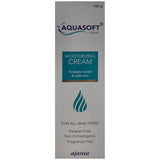
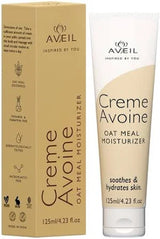
Choosing Hydrating lotions for dry skin is a practical way to support the barrier. A well-formulated lotion can supply moisturizing humectants, emollients that soften roughness, and occlusive agents that reduce water loss. Over time, consistent hydration can help skin look smoother and feel more comfortable.
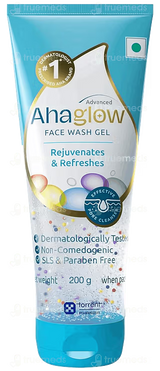
It is also important to consider your daily routine. Cleansing can be a helpful step, but harsh soaps can worsen dryness. If you cleanse with a gentle option, you reduce the risk of stripping natural oils. Many people improve their comfort simply by switching to a cleanser designed for sensitive, dry skin.
If you want to pair hydration with gentle cleansing, consider a formula such as Cetaphil Gentle Cleanser to support a less drying wash.
Myths vs. Facts
-
Myth: Dry skin means you need to skip moisturizer.
Fact: Skipping lotion often makes dryness worse. Hydration supports barrier repair and comfort. If your lotion feels heavy, choose a lighter texture, not no lotion.
-
Myth: Any lotion will hydrate equally.
Fact: Ingredients matter. Look for humectants, emollients, and barrier-supporting components. Also consider fragrance-free options if your skin is reactive.
-
Myth: Hydration is only needed at night.
Fact: Morning hydration can reduce tightness before you go outside. Reapply when the skin feels dry, especially after washing.
-
Myth: Once your skin looks better, you can stop.
Fact: Consistency helps maintain comfort. Dryness often returns when the barrier support is removed.

Moisture barrier diagram with droplet symbols and soft focus
Step-by-Step Guide to Using a Hydrating Lotion
For best results, use a method that maximizes water retention and reduces irritation. This approach is especially helpful when you are adjusting to a new product or restarting your routine.
Cleansed and patted dry: Wash with a gentle cleanser and pat, do not rub. Rough friction can worsen dryness.
Apply on slightly damp skin: Lotion tends to spread more easily and can help retain hydration when applied soon after cleansing.
Use an adequate amount: A thin layer may not be enough for dry areas such as cheeks, elbows, or hands. Apply in small sections and smooth thoroughly.
Focus on problem zones: Concentrate on areas that feel tight or look flaky. Do not ignore the surrounding skin, as dryness often spreads.
Allow absorption: Give the lotion a few minutes to settle before dressing or applying other layers.
Reapply when needed: If you are in a dry environment, dryness may return. Light reapplication can restore comfort.
In addition, if your routine includes acne treatments or exfoliants, hydration becomes even more important. Many people notice that dryness appears when active skincare is layered without sufficient moisturization.
How to Choose the Right Lotion for Your Skin
Choosing the right lotion starts with your skin behavior. Some people have dry skin that feels tight but not itchy. Others have dryness that also includes sensitivity or redness. Your texture preference matters too. Thick creams can feel comforting, while thinner lotions may work better for daytime use.
Begin by looking for a formula that matches your lifestyle and skin needs:
For very dry skin: Choose a richer lotion with strong emollients and barrier-supporting ingredients.
For daily wear: Select a lotion with a comfortable finish that does not pill under sunscreen or makeup.
For sensitive skin: Consider fragrance-free or minimal-ingredient styles to reduce the chance of irritation.
For frequent washing: Prioritize a lotion that helps maintain comfort after cleanser use.
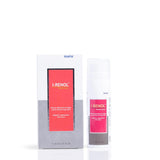
When you want a curated option designed for hydration needs, you can explore a dedicated hydrating product from a trusted catalog such as Cipla Excela Rich Facial Hydrating Lotion. Pairing the right moisturizer with gentle cleansing and sun protection often improves long-term results.
Note that sunscreen is essential for skin health, particularly when dryness coexists with irritation. Even with excellent moisturizing, daily sun exposure can worsen the look of dry, uneven skin over time. A hydrating routine works best when it also includes sun protection.
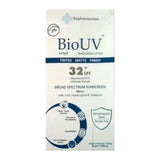
If you use a sunscreen regularly, check how your lotion layers under it. You may prefer a formula with good slip and quick absorption. For sun protection options, see i-Shield Sunscreen Cream SPF 50 PA.
Ingredient Signals to Look For
Healthy hydration usually comes from a blend of ingredient types. A single ingredient can help, but layered moisture support is more effective for many people. When selecting hydrating lotions for dry skin, scan for these signals.
Humectants that pull in water
Humectants attract and hold water in the outer layers. Common examples include glycerin and other moisture-binding agents. These ingredients often improve softness and reduce tightness.
Emollients that smooth and soften
Emollients fill in gaps between skin cells and create a softer surface. They improve the feel of dry skin and reduce roughness. Look for rich but skin-friendly emollient systems.
Barrier-supporting agents that reduce water loss
Some ingredients help limit excessive water evaporation. When your barrier is better protected, hydration lasts longer between applications.
Consider hydration alongside exfoliation and acne care
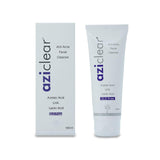
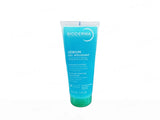
If you use acne or exfoliating products, dryness can be a side effect. In such cases, hydration should be deliberate. Select your lotion to support comfort without interfering with your regimen. For gentle skin-supporting options, you can also review Cetaphil Pro Oil Control Foam Wash if you need a cleanser that balances comfort and daily use.

Cross-section of skin layers with moisture icons and shield outline
A Simple Daily Routine
Dry skin often improves when you follow a repeatable routine. The goal is to support hydration without overcomplicating steps. Below is a stable structure you can adapt.
Morning
Cleansing: Use a gentle cleanser and rinse with lukewarm water.
Hydration: Apply your lotion while skin is slightly damp. Prioritize dry zones first, then extend outward.
Sun protection: Apply sunscreen as the final step in the morning routine. This protects the skin barrier and helps maintain smoother texture over time.
Evening
Remove impurities: Cleanse gently to remove daily residue.
Hydration: Apply lotion again. If you have very dry patches, you may use a slightly thicker layer.
Optional targeted steps: If you use serums, apply them before lotion so hydration can seal in comfort.
For people who layer products, sequence matters. Hydration should usually come after cleansing and before heavier treatments or after lighter treatments, depending on your skincare order. The key principle is simple: moisturizing should not be replaced by actives.
If your dryness overlaps with uneven tone or texture concerns, consider adding targeted support carefully. For those exploring a facial serum approach, you may review Dermatica Aze Proactive Serum and then follow with a suitable lotion to keep skin comfortable.
For conditions that involve acne and dryness together, choose a cleanser and hydration plan that do not intensify irritation. If you use acne-safe sun protection or acne-friendly skincare, it can help reduce the cycle of dryness. One example is IPCA Acne UV Gel SPF 50.
Frequently Asked Questions
How often should I apply a hydrating lotion?
You should apply lotion at least once daily, typically after cleansing. If you feel tightness after washing, apply an additional thin layer. Consistent use often improves comfort more than occasional heavy application.
Is a thicker cream always better than a lotion?
Not always. A thicker product can help if your skin is severely dry. However, a lotion can work effectively if it contains strong humectants and emollients and if you use enough product. Choose based on how your skin feels and how your routine layers with sunscreen.
What should I do if my skin stings after applying lotion?
Stinging can indicate irritation. Stop using the product temporarily and switch to a gentler option. Consider fragrance-free formulas and ensure you apply on slightly damp skin. If stinging continues, it is wise to consult a qualified dermatologist.
Summary & Key Takeaways
Hydrating lotions for dry skin can improve comfort when they support your barrier, reduce water loss, and keep the skin feeling soft. Choose a formula based on your skin texture needs, apply it consistently after cleansing, and adjust your routine when dryness returns. With a simple morning and evening structure, many people achieve more stable hydration and a smoother look. Explore options from a trusted range, and select the lotion that best matches your skin response.
Q&A Section
What is the fastest way to relieve dry, tight skin?
Apply a hydrating lotion to slightly damp skin soon after cleansing. Use an adequate amount, then focus on dry patches. If tightness is severe, you can reapply once after a short interval to restore comfort.
Can hydration help with flaking?
Hydration can reduce the appearance of flaking by improving the skin’s water balance and softening roughness. However, if flakes are persistent, you may need to review cleansing habits and consider gentle exfoliation only when your skin can tolerate it.
Should I change my cleanser if I have dry skin?
Often, yes. A gentle cleanser can prevent additional dryness. If your cleanser feels stripping, switch to a mild option and pair it with a consistent moisturizing routine. This combination usually improves dryness more than changing only one step.
Will using sunscreen affect hydration?
Sunscreen can feel drying on some skin types, especially if your moisturizer is too lightweight. If you notice dryness after sunscreen application, choose a lotion with a barrier-supporting texture and allow it to absorb before applying sunscreen.
How do I know if my lotion is actually working?
Signs of improvement include less tightness, fewer dry patches, smoother texture, and less redness from dryness. Evaluate over several days with consistent use, rather than judging after a single application.
About the Author Section
Written by an author team at Allodermis with expertise in dermatology-informed skincare education and ingredient-driven routines for everyday wellness. The goal is to help readers make confident choices that support skin comfort and barrier health. Thank you for reading, and may your daily hydration routine feel simple and effective. For more guidance, explore product details and usage tips on the Allodermis site.
Disclaimer: This article is for general educational purposes only and does not replace professional medical advice. Individual skin needs vary. If you have persistent irritation, worsening dryness, or symptoms that concern you, consult a qualified healthcare professional.
Authors & medical review
Swaraj Dhar is a sociopreneur, technologist, and the co-founder of Allodermis.
Every article is fact-checked against current peer-reviewed dermatology literature and Allodermis clinical protocols.
This article was last reviewed and updated on . Published .
Have a skin or hair concern?
Book a free consultation with our AIIMS MD dermatologists. Clinics in Bhubaneswar, Gurgaon, and Delhi NCR.