
















Laser Acne Scar Removal: What to Expect and Results

Updated on: 2026-05-24
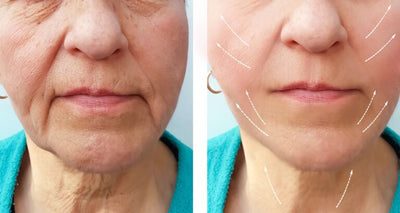
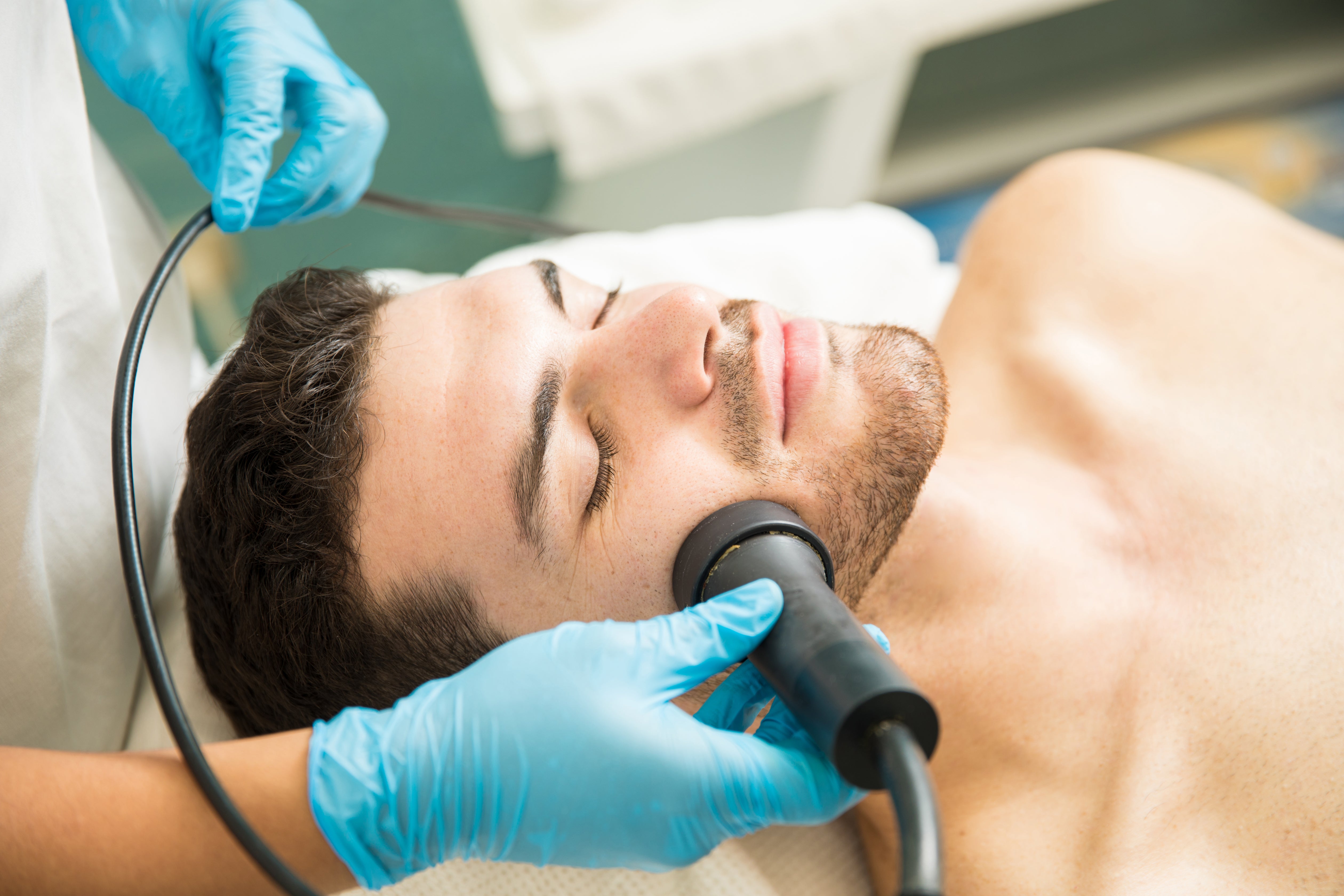
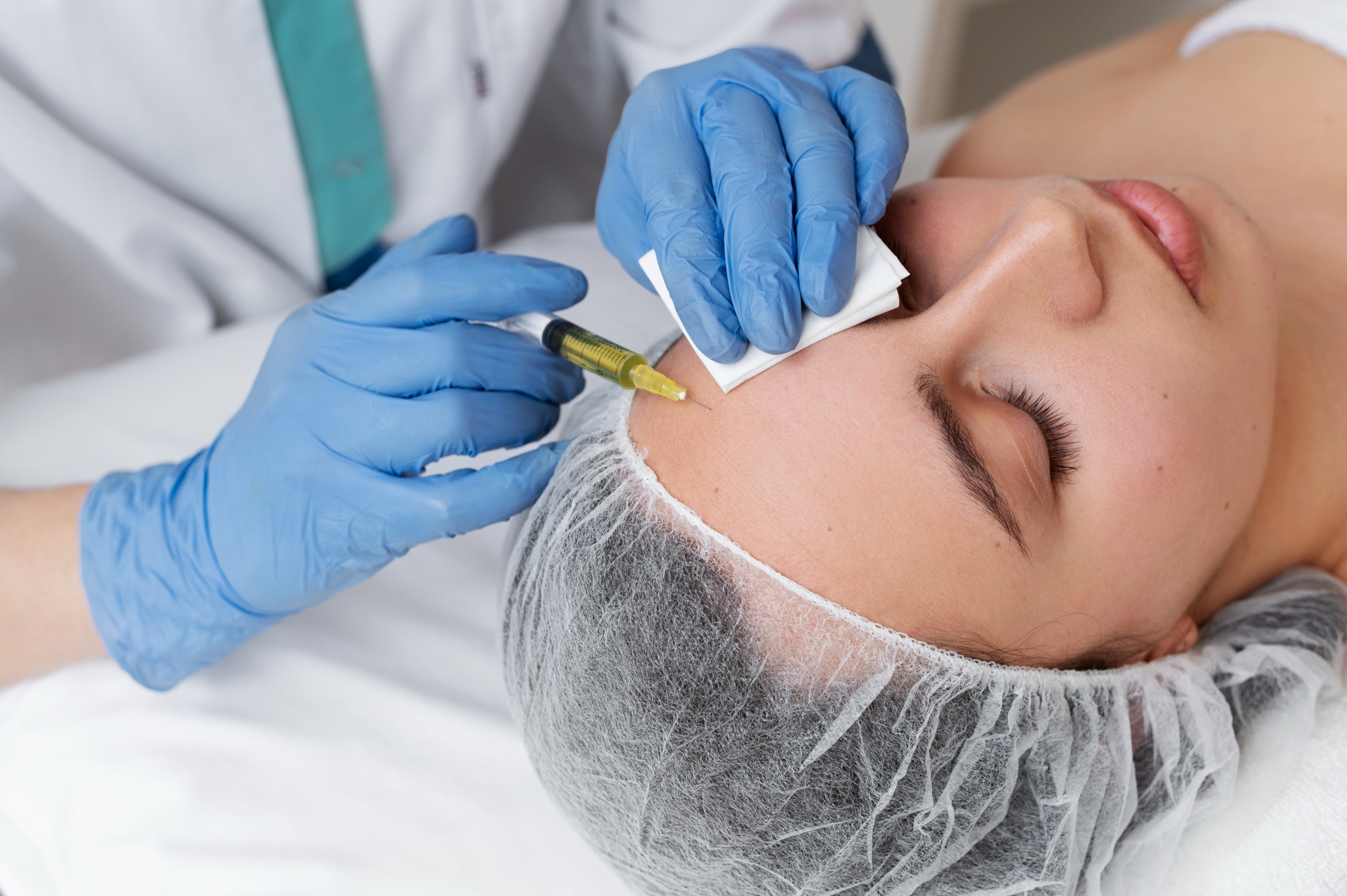
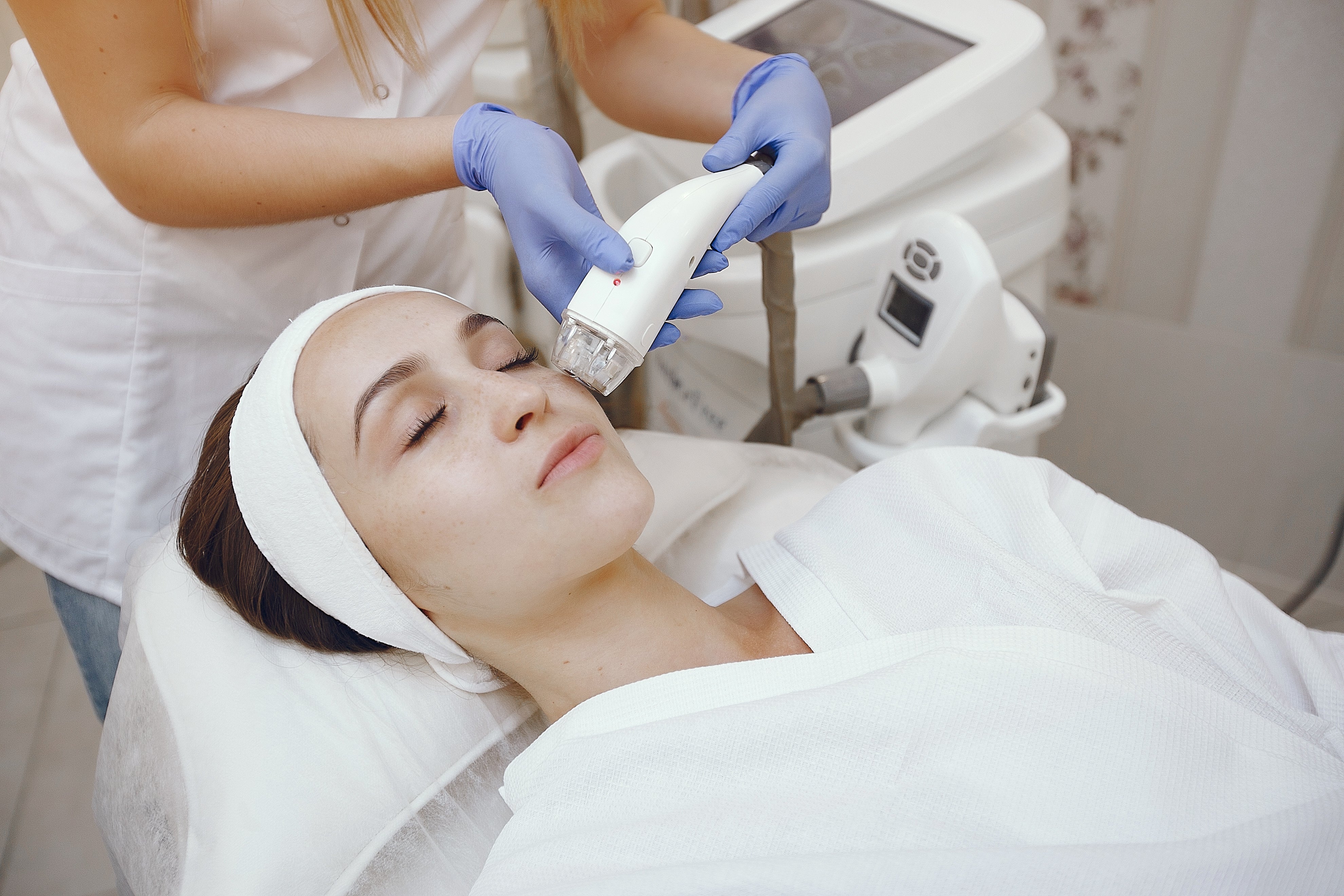
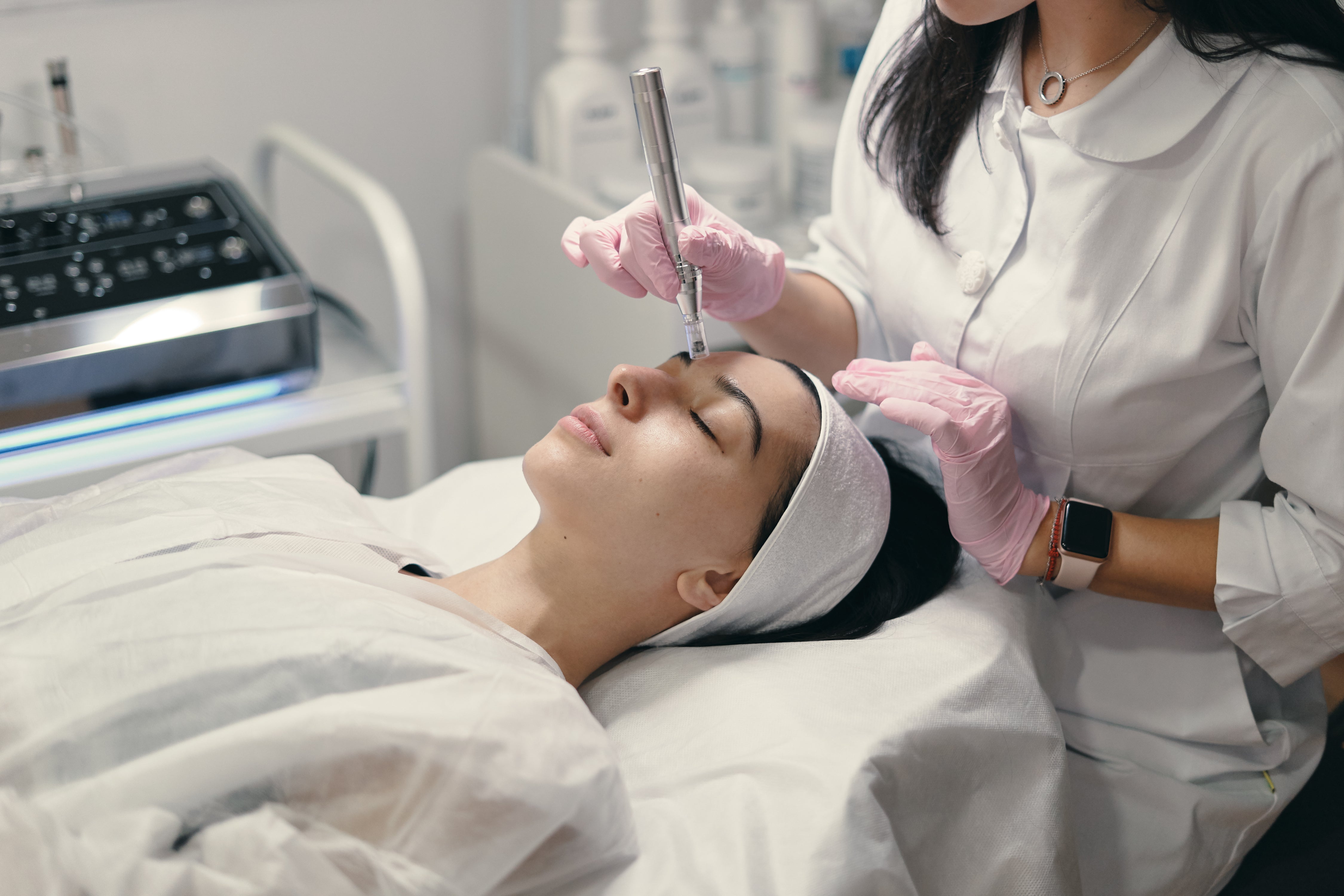
Laser acne scar removal is a structured approach to improving the look of acne marks and deeper scars.
The best results depend on scar type, skin tone, device choice, and a realistic treatment plan.
Pros include targeted energy delivery and gradual texture improvement, while cons include cost, downtime for some sessions, and the need for strict aftercare.
This guide explains what to expect, how to prepare, and how to choose a safe, evidence-based path forward.
TLDR | Table of Contents | Introduction | Did You Know? | Comparison: Pros & Cons | Buyer’s Checklist | Visual Concept | Final Thoughts & Advice | Visual Concept | Q&A Section | About the Author
Laser acne scar removal can improve texture and reduce visible scarring, but outcomes vary by scar type and skin history. A careful evaluation, conservative settings when appropriate, and consistent aftercare are often more important than the device label. Use this guide to compare benefits and trade-offs, verify credentials, and prepare your routine for safer, steadier progress.
1. Introduction
2. Did You Know?
3. Comparison: Pros & Cons
4. Buyer’s Checklist
5. Final Thoughts & Advice
6. Q&A Section
7. About the Author
Laser acne scar removal is often discussed as a high-precision option for improving the appearance of acne marks. However, lasting improvement is not only about the laser. It also depends on accurate scar classification, your skin’s baseline behavior, and a conservative, medically supervised treatment plan. In this article, you will learn how laser-based approaches work at a practical level, which factors influence results, and how to make a safe decision that aligns with your goals and routine.
Did You Know?
- “Acne scars” are not one single condition; depressed, raised, and discolored marks each require a different strategy.
- Skin inflammation history can affect how your skin responds to energy-based treatments, including redness and pigment changes.
- Good outcomes often come from repeated sessions rather than a single procedure, with progress measured gradually.
- Sun protection and barrier support can be as important as the device used during treatment.
- Clinical evaluation should include lighting, palpation, and scar pattern analysis, not only a brief visual check.

Comparison: Pros & Cons
- Pros: Targeted treatment can focus on specific scar characteristics such as texture irregularity or raised tissue.
- Pros: Many people can see gradual improvement across multiple sessions, which may fit long-term goals.
- Pros: Treatment parameters can be adjusted based on skin response and scar depth.
- Cons: Results vary by scar type, severity, and individual healing patterns; no outcome can be guaranteed.
- Cons: Some approaches may involve temporary redness, swelling, or sensitivity, which affects social plans.
- Cons: Costs can add up, especially when a plan includes several sessions and follow-up care.
- Cons: Risk management is critical for darker skin tones or those prone to post-inflammatory pigment changes.
Buyer’s Checklist
Before choosing laser acne scar removal, treat your decision like a medical-grade project. The goal is not only a procedure, but also a plan that reduces risk and increases the chance of steady improvement.
- Confirm scar classification: Ask how the clinician will determine whether your concerns are depressed scars, raised scars, or pigmentation-related marks.
- Verify clinical credentials: Request details about training, experience with acne scarring, and how complications are managed.
- Discuss device rationale: A responsible provider should explain why a particular wavelength or approach fits your scar type.
- Set realistic expectations: Ask what improvement looks like for your scar pattern and what would indicate the plan needs adjustment.
- Review risk factors: Mention any history of keloids, frequent hyperpigmentation, eczema, or recent active acne.
- Ask about downtime: Understand what you can expect for redness, texture sensitivity, and when makeup or skincare can resume.
- Request aftercare guidance: A strong plan includes sun protection, gentle cleansing, and barrier support.
- Plan for skin stability: Consider stabilizing your routine first, so your skin is less reactive during treatment.
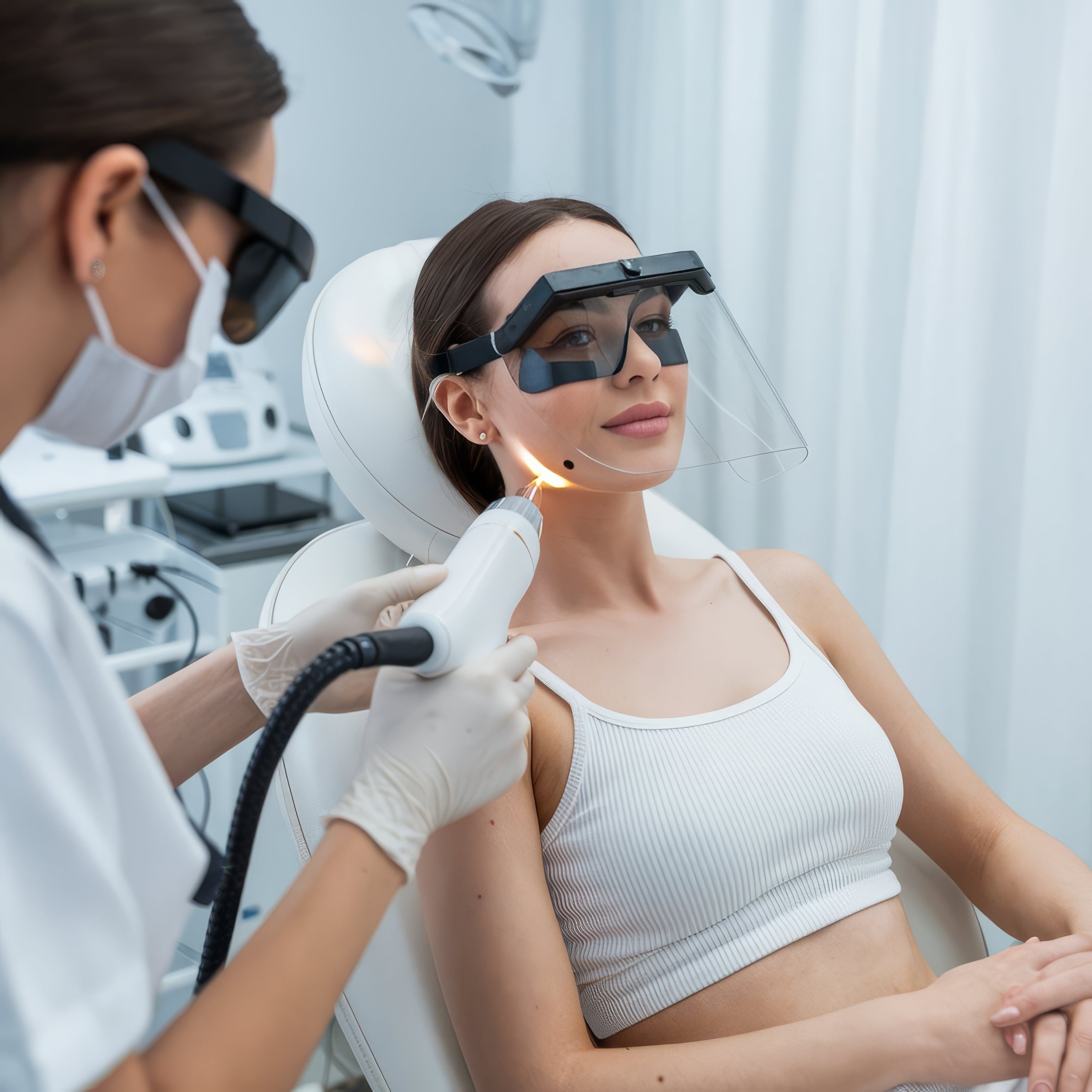
- Evaluate hygiene and protocols: Inquire about skin preparation, eyewear safety, and post-treatment monitoring.
- Use a consent-based approach: Ensure the provider documents risks, alternatives, and your understanding before any procedure.
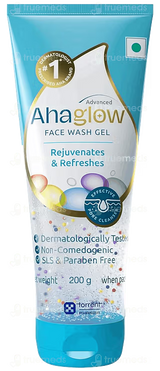
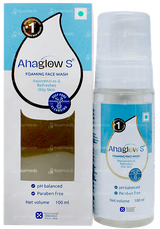
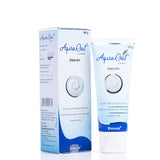
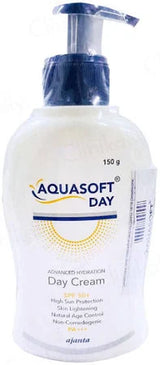
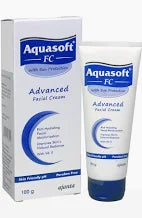
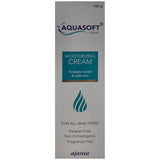
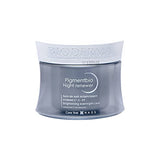
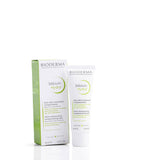
To support treatment readiness, your daily routine matters. If you cleanse gently and protect skin from ultraviolet exposure, you reduce the chance that irritation will interfere with healing. Consider a mild cleanser such as gentle cleanser to support a stable baseline. For those who need broad-spectrum daily protection, an acne-safe option like daily sunscreen can support post-procedure recovery and help prevent pigment shifts.
Understanding how different scars respond
Not every scar responds the same way to laser energy. Depressed scars often benefit from approaches that encourage remodeling beneath the surface. Raised scars may require strategies that reduce excessive tissue and vascularity. Discoloration is also distinct; it may improve with targeted treatments, but it can also be strongly influenced by sun exposure and inflammation control. This is why a clinician should start with pattern recognition and then select the least aggressive plan that can still achieve your goals.
Final Thoughts & Advice
Laser acne scar removal can be a thoughtful option when acne activity is controlled and scar characteristics are clearly assessed. The most reliable path is an evaluation-first approach: identify what you are treating, select parameters that match your skin type, and commit to aftercare that supports healing. If your skin is currently inflamed, it is typically wiser to focus on controlling breakouts first, because active acne can complicate healing and assessment.
When you compare clinics, do not rely only on marketing language. Instead, look for transparency about risks, a clear plan for multiple sessions, and a commitment to adjusting treatment if your skin response suggests the need for changes. Also, consider whether your routine supports recovery. Barrier support and sunscreen use can reduce the chance of irritation becoming a secondary problem.
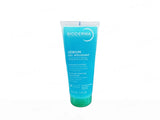
If you also use calming, hydration-forward steps, choose them with care. For example, a lightweight option such as facial hydration may help your skin tolerate daily care during the treatment cycle. If you are managing oiliness or congestion that can fuel ongoing acne, consider an appropriate cleanser like oil control wash, used gently and consistently.
How to maintain progress after treatment
Aftercare is not a formality. It is a risk-reduction tool. Use sunscreen daily, keep cleansing gentle, and avoid aggressive exfoliation during periods when your skin barrier is still recovering. If you are prone to irritation, introduce changes one at a time and pause active retinoid-like or strong acids if your skin shows persistent sensitivity. A steady routine supports even outcomes and helps your clinician evaluate progress between sessions.
Finally, remember that improvements are often gradual. A responsible provider should explain how they will measure changes, such as changes in texture, visibility under varied lighting, and overall skin tone uniformity. If you cannot describe your goals clearly, ask the clinician to help you set measurable expectations based on your specific scar pattern.
Q&A Section
How many sessions are usually needed for acne scar improvement?
Many people require a series rather than a single visit, because tissue remodeling happens gradually. The number of sessions depends on scar depth, the treatment approach selected, your skin response, and whether there are additional concerns such as ongoing acne activity or pigment tendency. Your clinician should provide a plan that includes session spacing, expected progress checkpoints, and criteria for adjusting settings.
Is laser acne scar removal suitable for all skin types?
Suitability depends on scar type and skin history, especially your tendency toward post-inflammatory pigment changes. A qualified clinician should tailor parameters and may use conservative settings for higher-risk cases. Before treatment, you should disclose prior reactions to procedures, sun sensitivity, and any history of keloids or unusually prolonged redness. A safe decision is based on individualized risk assessment, not a generic device promise.
What should I do if my skin becomes more sensitive after treatment?
Increased sensitivity can occur during normal healing, but persistent burning, swelling, or unusual discharge requires prompt medical evaluation. In the meantime, prioritize barrier support with gentle cleansing, avoid harsh actives, and follow the aftercare plan provided by your clinician. Strict sun protection is essential because ultraviolet exposure can amplify discoloration. If symptoms escalate, contact your provider instead of continuing routine changes.
Can skincare products improve results alongside laser?
Skincare can support results by reducing irritation and helping your barrier recover. Products with gentle cleansing and appropriate moisturization can improve tolerance between sessions, and daily sunscreen can help minimize pigment changes. If you incorporate treatment-grade actives, introduce them carefully and only if your clinician advises it for your specific healing stage.
About the Author
Allodermis is supported by skincare-focused expertise that emphasizes practical routines, evidence-informed decision-making, and consumer education for safer care choices. The author behind this guide brings professional experience in product selection principles and skin health fundamentals, with a focus on clarity and risk awareness. The goal is to help readers approach laser-based options with preparation, realistic expectations, and consistent aftercare. Thank you for reading, and choose an approach that aligns with your skin’s needs.
Disclaimer: This article is for educational purposes only and does not provide medical advice, diagnosis, or treatment. Consult a qualified healthcare professional or licensed dermatologist to evaluate your skin, confirm scar type, and determine an appropriate plan for your safety. Individual results vary, and no procedure guarantees specific outcomes.
Authors & medical review
Swaraj Dhar is a sociopreneur, technologist, and the co-founder of Allodermis.
Every article is fact-checked against current peer-reviewed dermatology literature and Allodermis clinical protocols.
This article was last reviewed and updated on . Published .
Have a skin or hair concern?
Book a free consultation with our AIIMS MD dermatologists. Clinics in Bhubaneswar, Gurgaon, and Delhi NCR.