





















Laser Hair Removal: How It Works and What to Expect

Updated on: 2026-06-05
Laser hair removal is a modern option for long-term hair reduction. It works by targeting pigment in the hair while protecting surrounding skin. Results depend on hair and skin contrast, treatment spacing, and aftercare. A clear plan for preparation, sessions, and expectations helps you make better decisions.
Table of Contents
Laser hair removal: how it works and why it is widely used
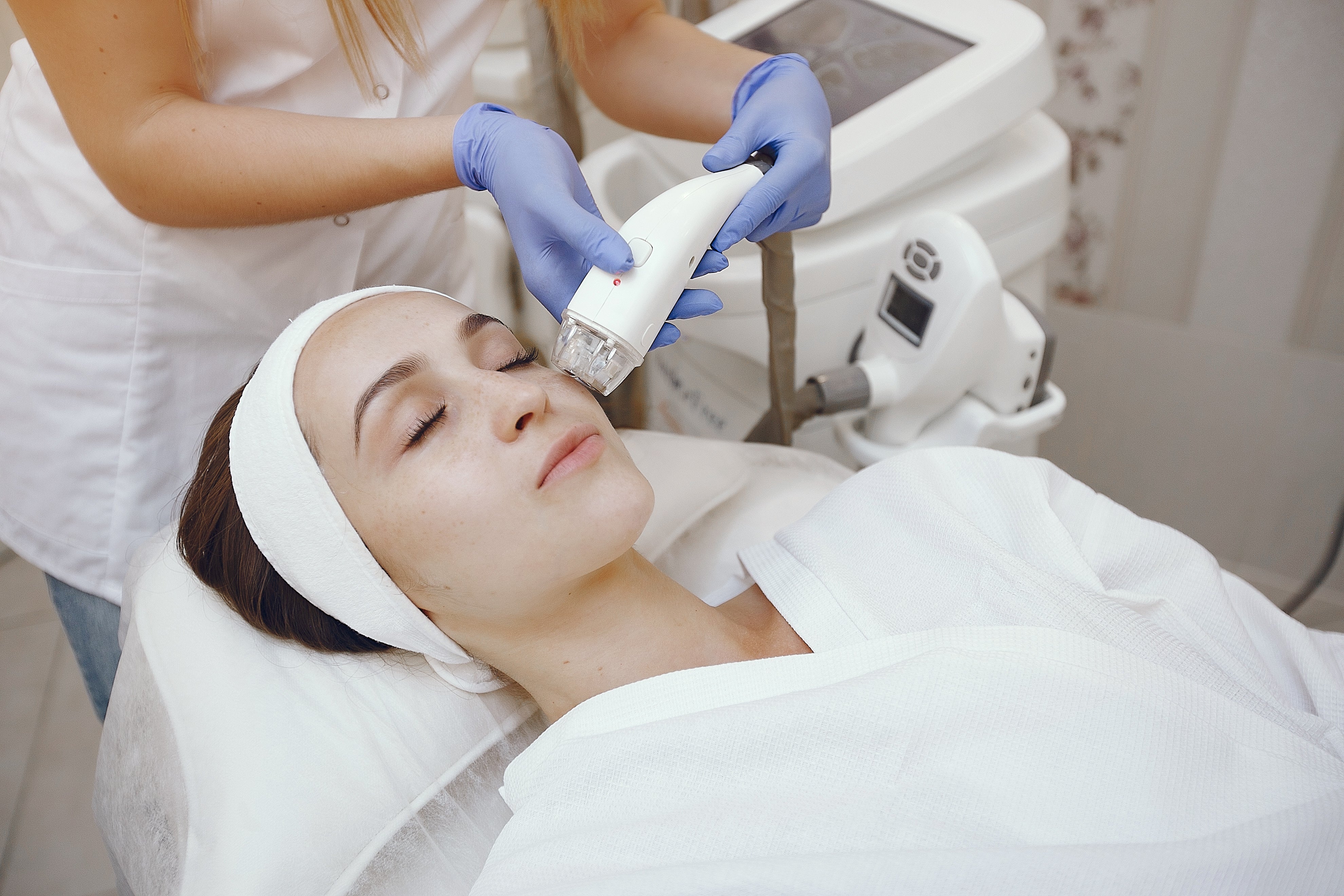
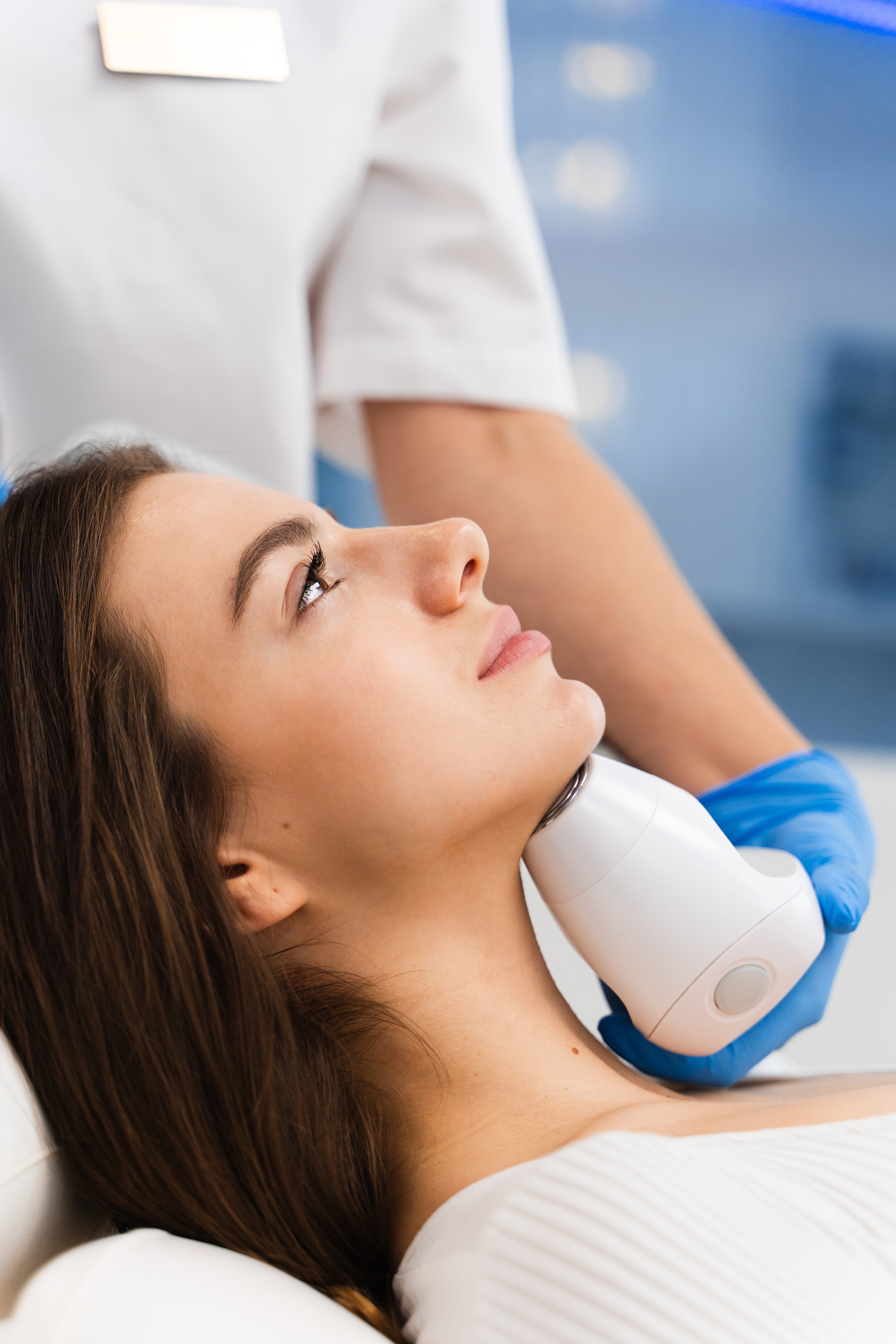
Laser hair removal is a widely chosen method for long-term hair reduction. Many people prefer it because it can reduce the need for frequent shaving or waxing over time. Laser energy is delivered in focused pulses that travel through the skin to the hair follicle. The target is the pigment within the hair shaft, which helps convert light into heat inside the follicle.
Because the follicle and hair pigment absorb the light differently, results typically vary by hair color, skin tone, and hair thickness. Dark, coarse hair often responds more readily than very light or fine hair. Skin tone also matters because devices and settings must be matched to reduce the risk of irritation.
In most plans, multiple sessions are needed. Hair grows in cycles, so not every follicle is in the same growth phase during one appointment. Spacing between sessions allows treatment to coincide with when follicles are most responsive. This is one reason why professional protocols emphasize consistent scheduling and follow-through.
Another important factor is device choice. Different laser types and wavelengths are used based on skin characteristics and hair properties. A qualified provider should evaluate your suitability, explain the likely number of sessions, and discuss how settings may be adjusted across visits.

Cross-section diagram: targeted heat in hair follicle
How-to plan for safe and effective laser hair removal
A strong outcome depends on more than the session itself. Preparation, realistic expectations, and careful aftercare help support skin comfort and treatment consistency. The following guide is designed to help you organize decisions and reduce avoidable setbacks.
How-To Guide
Step 1: Confirm your eligibility and device match
Schedule a consultation with a qualified provider. Share your skin history, hair characteristics, and any past reactions to procedures or topical products. Ask which wavelength and settings are appropriate for your skin tone and hair color. This step is essential because a mismatch increases the risk of poor results and irritation.
Step 2: Prepare your hair and skin
Most protocols recommend avoiding waxing and plucking before treatment because they remove the hair structures the laser needs to target. Shaving is often used closer to the appointment so that hair is present at the follicle while surface length is minimized. Also follow instructions about sun exposure. Tanned skin can change how laser energy behaves in the skin, which can affect comfort and outcomes.
Step 3: Manage skincare before and after the session
On the day of treatment, use a simple routine. Avoid new active ingredients right before the appointment if your provider advises against it. After treatment, focus on gentle cleansing and moisturization. If your skin is sensitive, choose a mild cleanser and a barrier-supporting moisturizer to reduce dryness and friction.
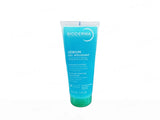
If you have acne-prone or oily skin, maintaining a routine that supports calm skin can help during the recovery window. For cleansing guidance, you may find relevant support from Cetaphil gentle cleanser as part of a gentle regimen. If you use sunscreen daily, consider reviewing your current product habits and ingredient tolerance.
Step 4: Follow your session schedule consistently
Do not treat appointments as optional. Sessions are planned around hair growth cycles. Missing sessions can delay progress and may require additional visits to reach your goals. Keep a simple calendar reminder for each session and for any recommended skincare pause periods.
Step 5: Track changes and adjust expectations
Progress is often gradual. Many people notice reduced hair density and slower regrowth across sessions. Others may see a change in texture first. Track areas treated, the time until regrowth, and any discomfort. This helps your provider determine whether settings should be adjusted.
Step 6: Protect your skin from irritation and heat
Immediately after treatment, avoid activities that may overheat your skin. Heat can increase redness and sensitivity. Use loose clothing over treated areas when possible. Continue daily sun protection, since UV exposure can increase the chance of post-treatment marks in sensitive skin.
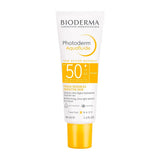
For a straightforward approach to daily sun protection, you can review options such as Acne UV gel SPF 50, or other dermatologist-friendly formulations from your routine. Selecting a sunscreen that you tolerate consistently supports safer long-term maintenance.

Treatment timeline: spaced sessions with progress markers
What to expect during and after laser hair removal
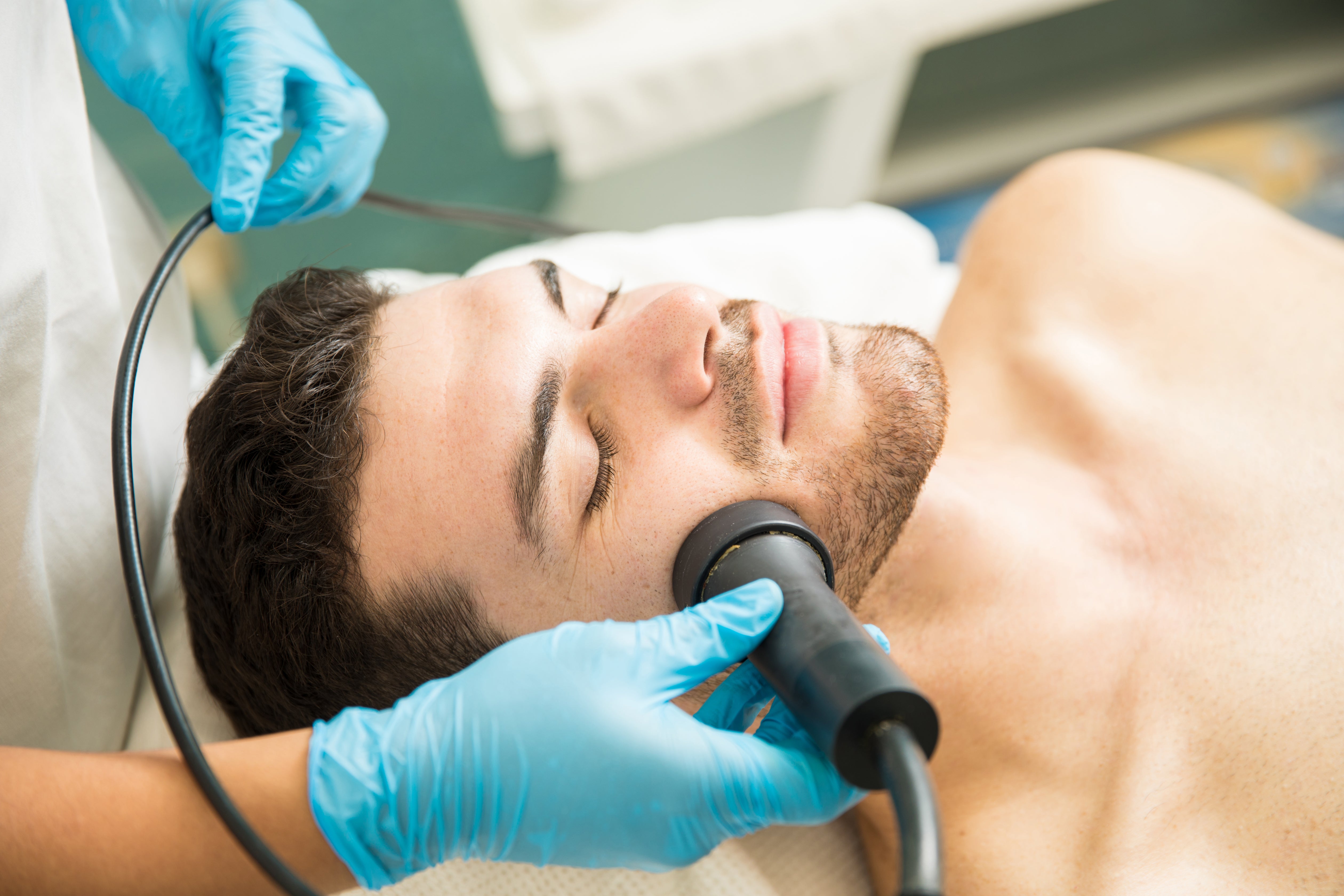
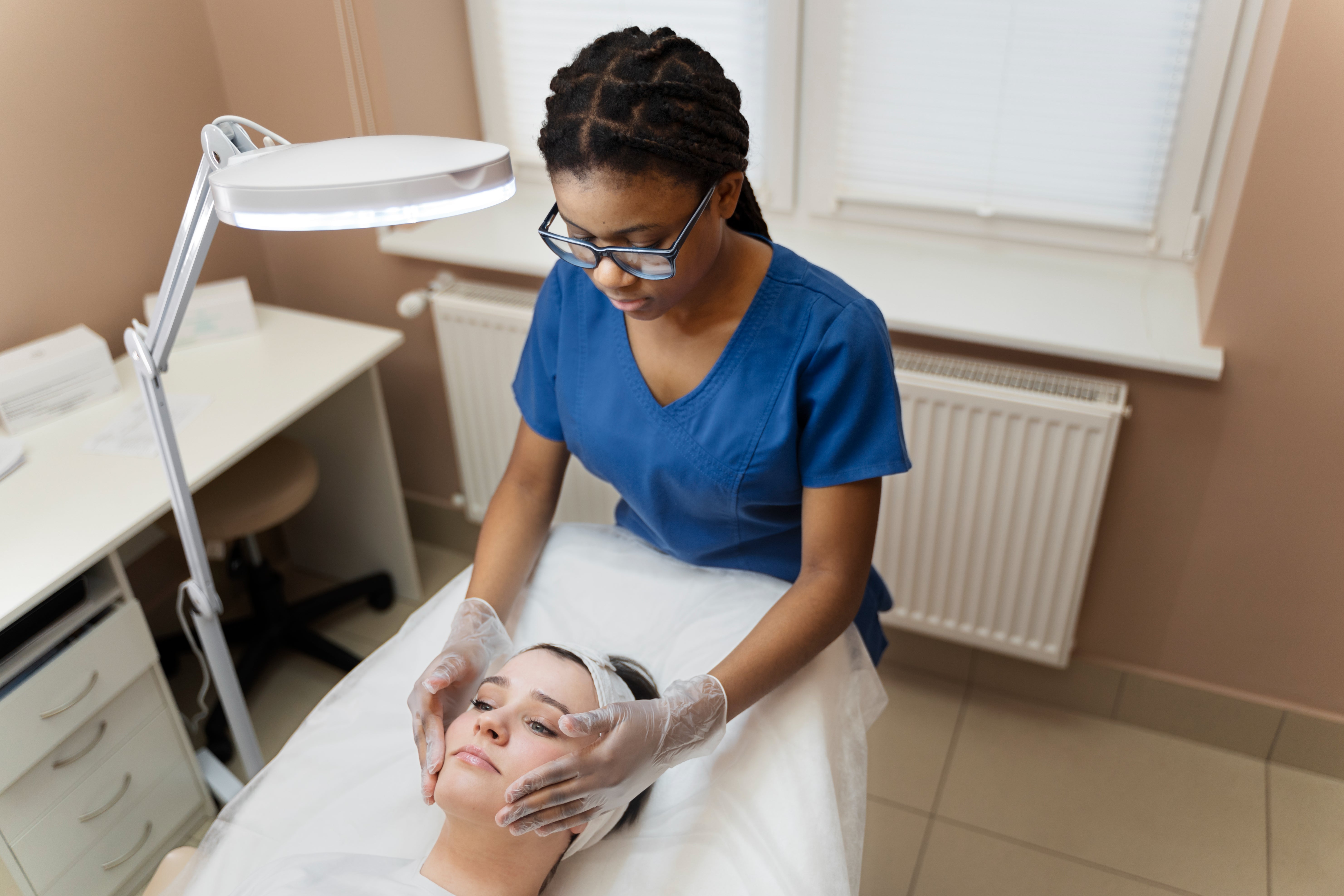
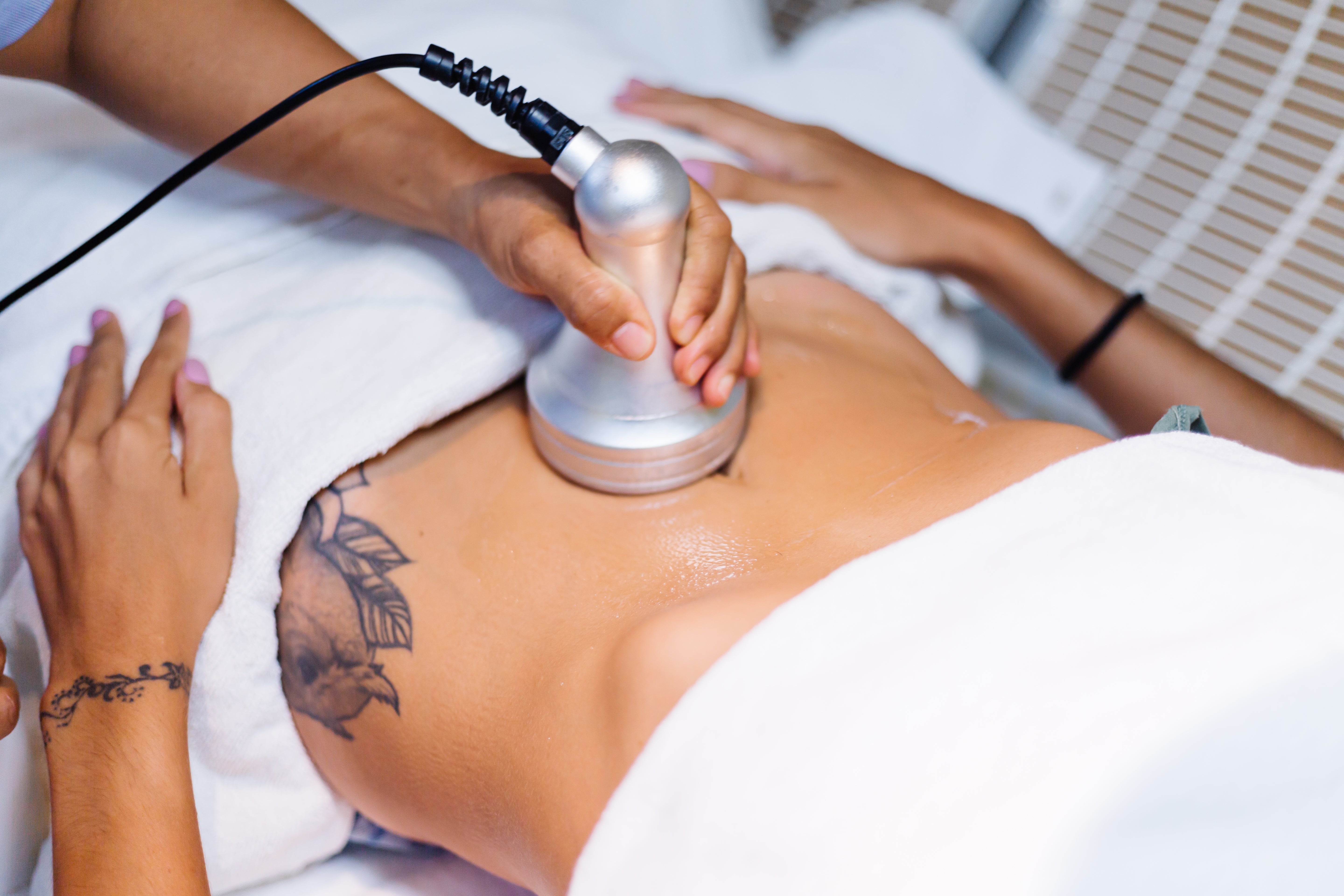
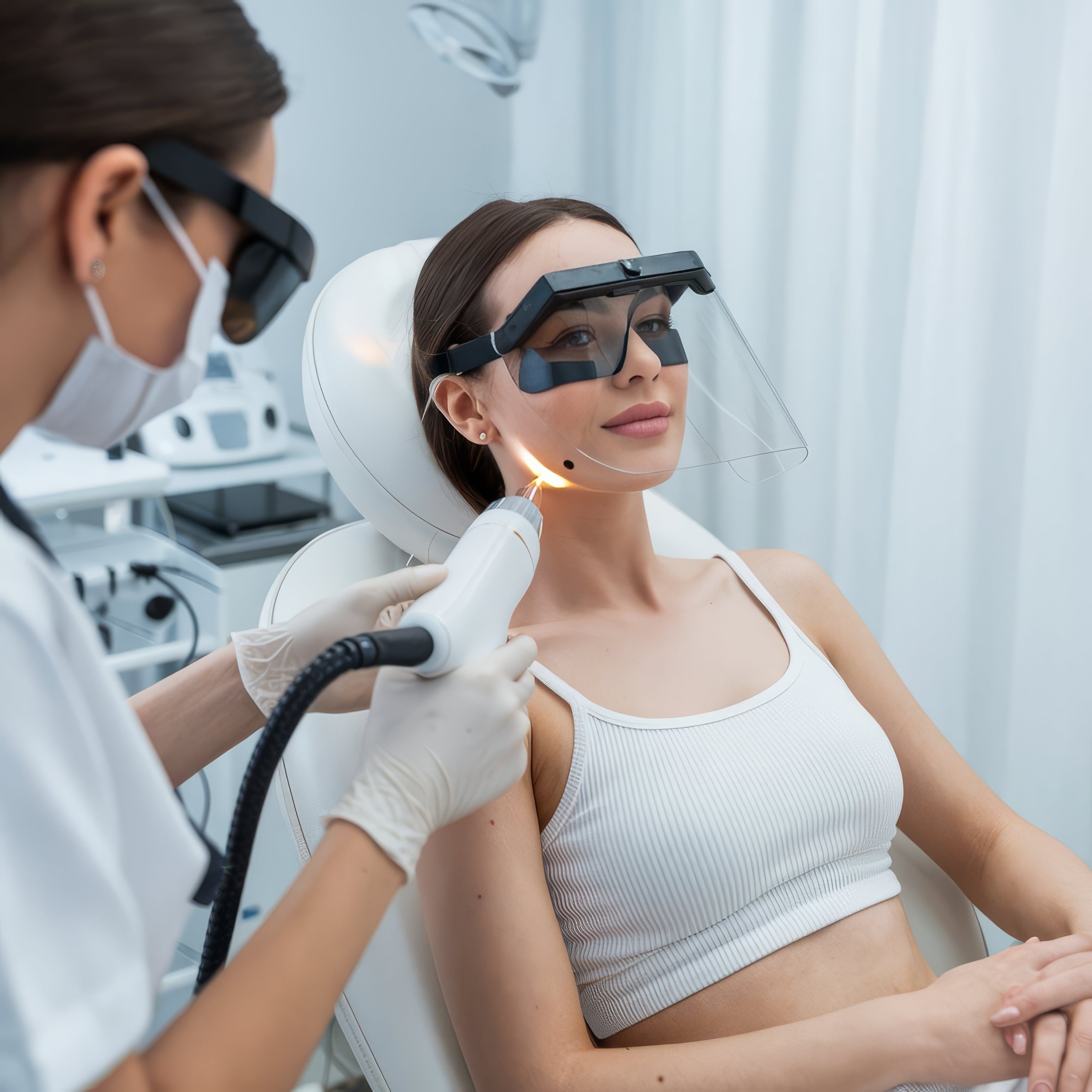
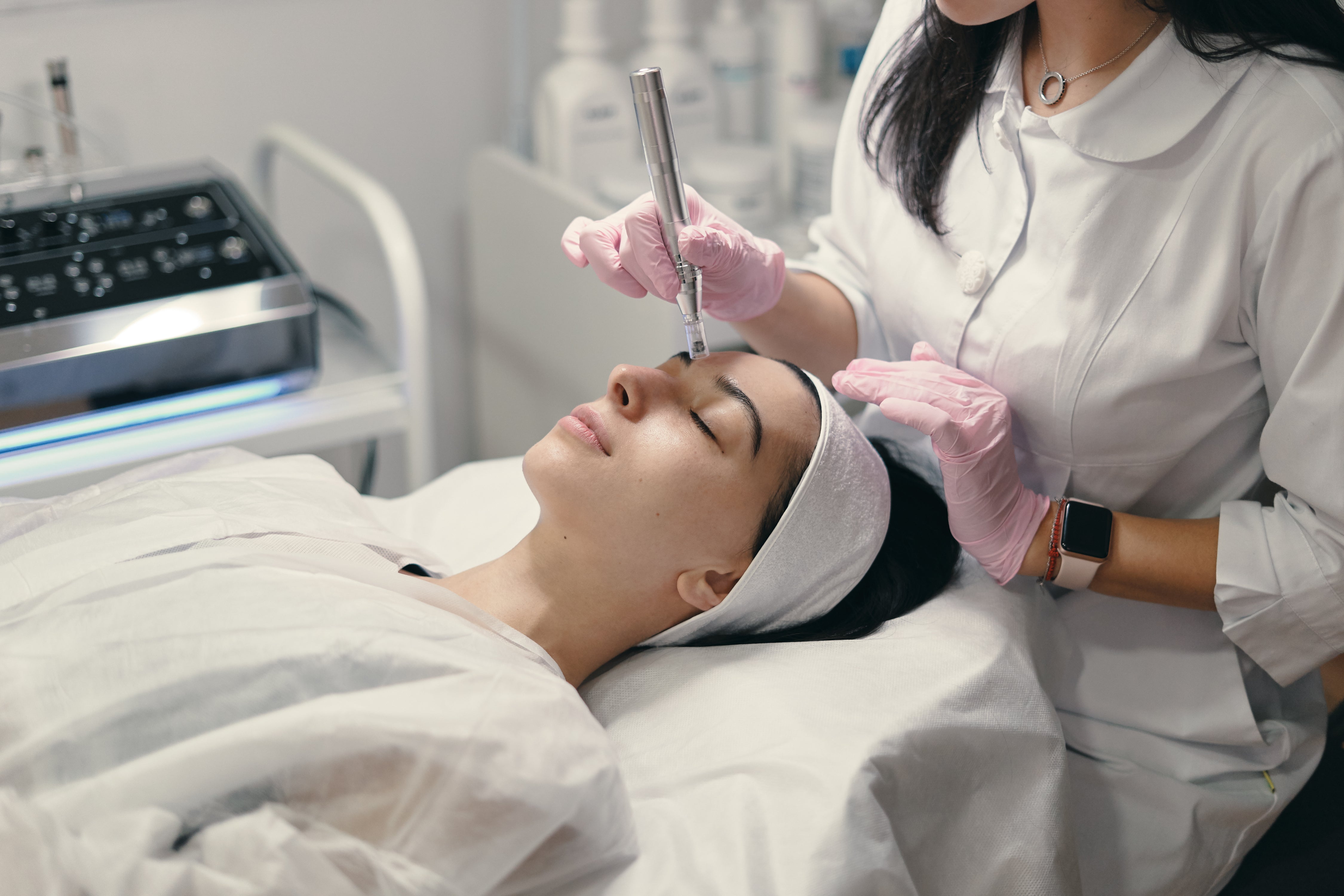
During a session, many people describe a warming or snapping sensation. Exact comfort depends on the device, settings, and the treated area. Providers may use cooling methods to improve comfort. If you experience significant discomfort, inform your provider so settings and cooling strategies can be reconsidered.
After treatment, mild redness can occur. This usually settles as skin returns to baseline. In some cases, you may notice dryness or temporary roughness as hair sheds. Do not pick at treated skin. If your provider provides specific guidance for moisturizers or soothing agents, follow that plan closely.
Your skin care choices matter because treated skin can be more reactive for a short period. A gentle moisturizer and careful cleansing can support barrier function. If you want to standardize your cleanser routine, a mild option such as Cetaphil gentle cleanser may be compatible with many sensitive routines.
Common treatment factors that affect results
Three factors tend to influence outcomes most: contrast, growth phase, and consistency.
Contrast: Higher contrast between hair pigment and skin often improves the efficiency of light absorption in the hair follicle. Very light hair may respond less. Very fine hair may also require careful evaluation.
Growth phase: Hair cycles determine when follicles are most susceptible. This is why a structured schedule is important and why results arrive over time.
Consistency: Treating at recommended intervals helps maintain coverage across cycles. Consistency also supports predictable cumulative effects.
Additionally, provider expertise matters. A qualified operator understands how to evaluate skin, select parameters, and monitor comfort. If the plan feels vague, ask targeted questions about device selection, session spacing, and how they handle adjustments.
Common Questions Answered
Is laser hair removal suitable for all skin tones and hair types?
Many modern devices can treat a wide range of skin tones, but suitability depends on wavelength selection, energy settings, and the hair-to-skin contrast. A professional consultation is necessary to confirm safe parameter selection. If your hair is very light or you have concerns about pigmentation, ask about alternative options or adjusted expectations.
How should I prepare for a laser hair removal session?
Follow your provider’s pre-care instructions. In many standard protocols, shaving is preferred over waxing or plucking because the follicle structure supports targeting. Reduce sun exposure before treatment and avoid tanning. Use a simple skincare routine and skip new products unless your provider specifically recommends them.
What aftercare steps help reduce irritation after laser hair removal?
Use gentle cleansing and moisturizing. Avoid picking or scrubbing treated areas. Wear loose clothing to reduce friction. Protect skin from sun exposure by using daily sunscreen and limiting direct heat and sweating when your provider advises. If you experience persistent discomfort, contact your provider for guidance.
Does laser hair removal replace shaving and waxing completely?
Laser hair removal often reduces hair density and slows regrowth, which can decrease the need for frequent shaving or waxing. Many people still perform occasional maintenance as hair patterns change over time. A realistic goal is long-term hair reduction, not necessarily permanent absence after one treatment cycle.
Summary & Next Steps
Laser hair removal can be an effective choice for long-term hair reduction when sessions are planned around hair growth cycles and when device parameters match your skin and hair characteristics. Good results come from careful preparation, consistent scheduling, and supportive aftercare that reduces irritation.
Next, schedule a consultation to evaluate suitability and discuss realistic outcomes. Confirm the device approach, ask how sessions will be spaced, and request clear aftercare instructions. If you want to streamline your routine during treatment windows, maintain a gentle cleanser and daily sunscreen to support calm, protected skin. You may also explore Aze proactive serum only if your provider confirms it fits your post-treatment schedule.
Disclaimer: This article provides general educational information and does not replace professional medical advice. Individual results vary. Always consult a qualified healthcare professional or trained laser provider to evaluate suitability, discuss risks, and plan safe treatment.
About the Author
Allodermis is a skincare and personal care brand with expertise in evidence-informed routines, skin barrier support, and ingredient-focused guidance. The author team reviews practical skincare education that helps readers make safer, more consistent choices. For laser hair removal, this includes emphasizing preparation, aftercare, and realistic expectations. Thank you for reading, and we encourage you to seek professional guidance for your specific skin needs.
Authors & medical review
Swaraj Dhar is a sociopreneur, technologist, and the co-founder of Allodermis.
Every article is fact-checked against current peer-reviewed dermatology literature and Allodermis clinical protocols.
This article was last reviewed and updated on . Published .
Have a skin or hair concern?
Book a free consultation with our AIIMS MD dermatologists. Clinics in Bhubaneswar, Gurgaon, and Delhi NCR.