

















Laser Hair Removal Services: Cost, Process, Results

Updated on: 2026-06-13
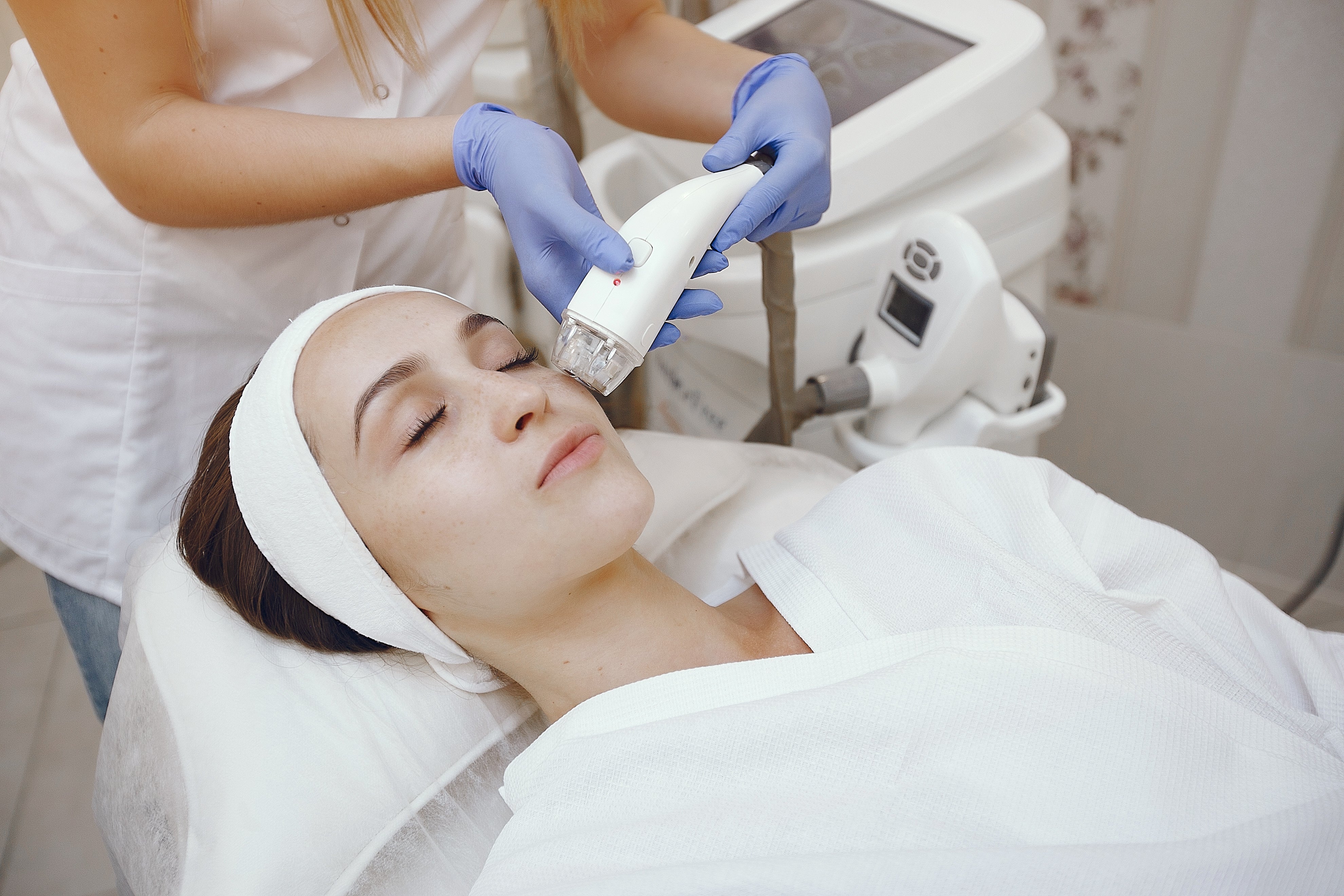
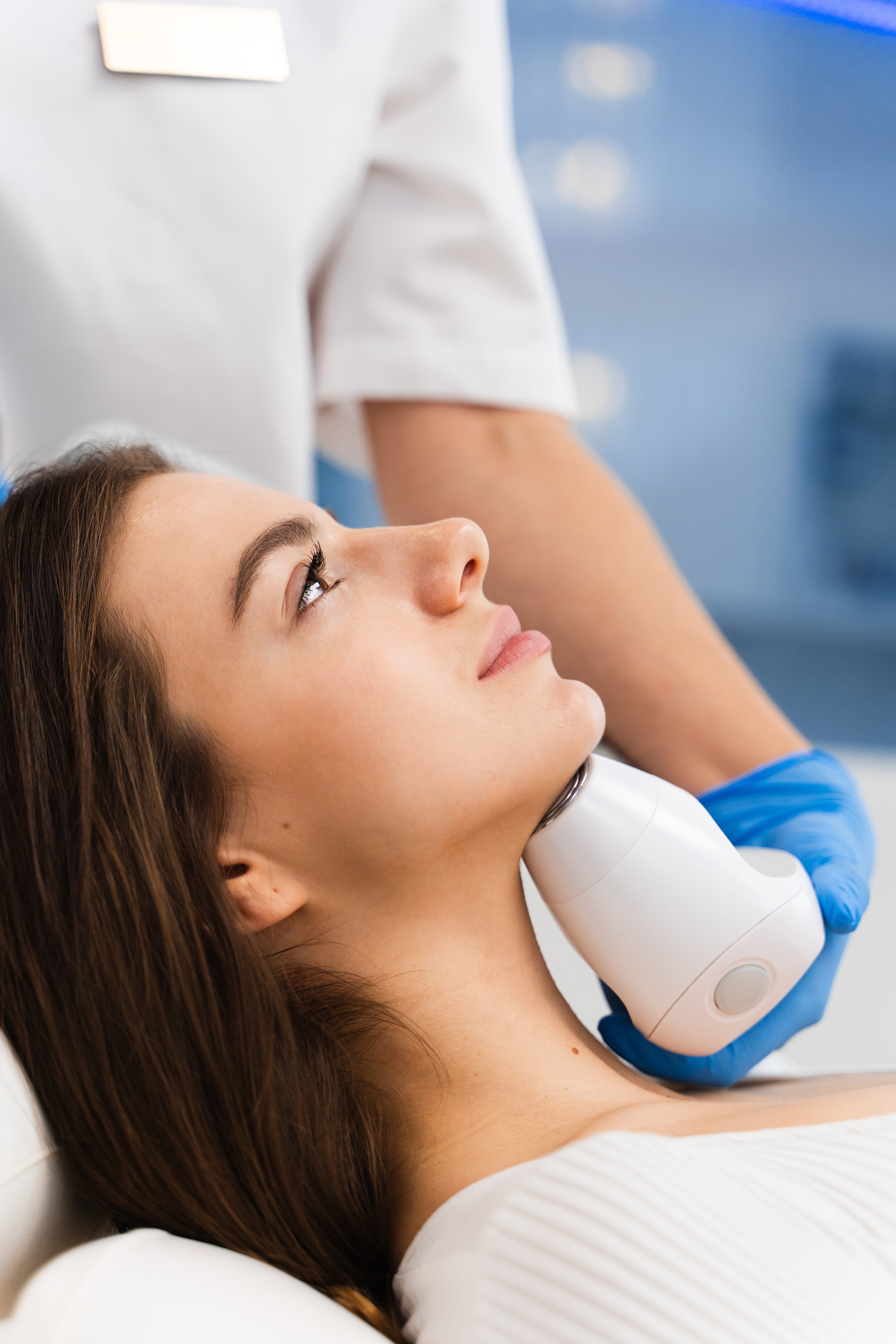
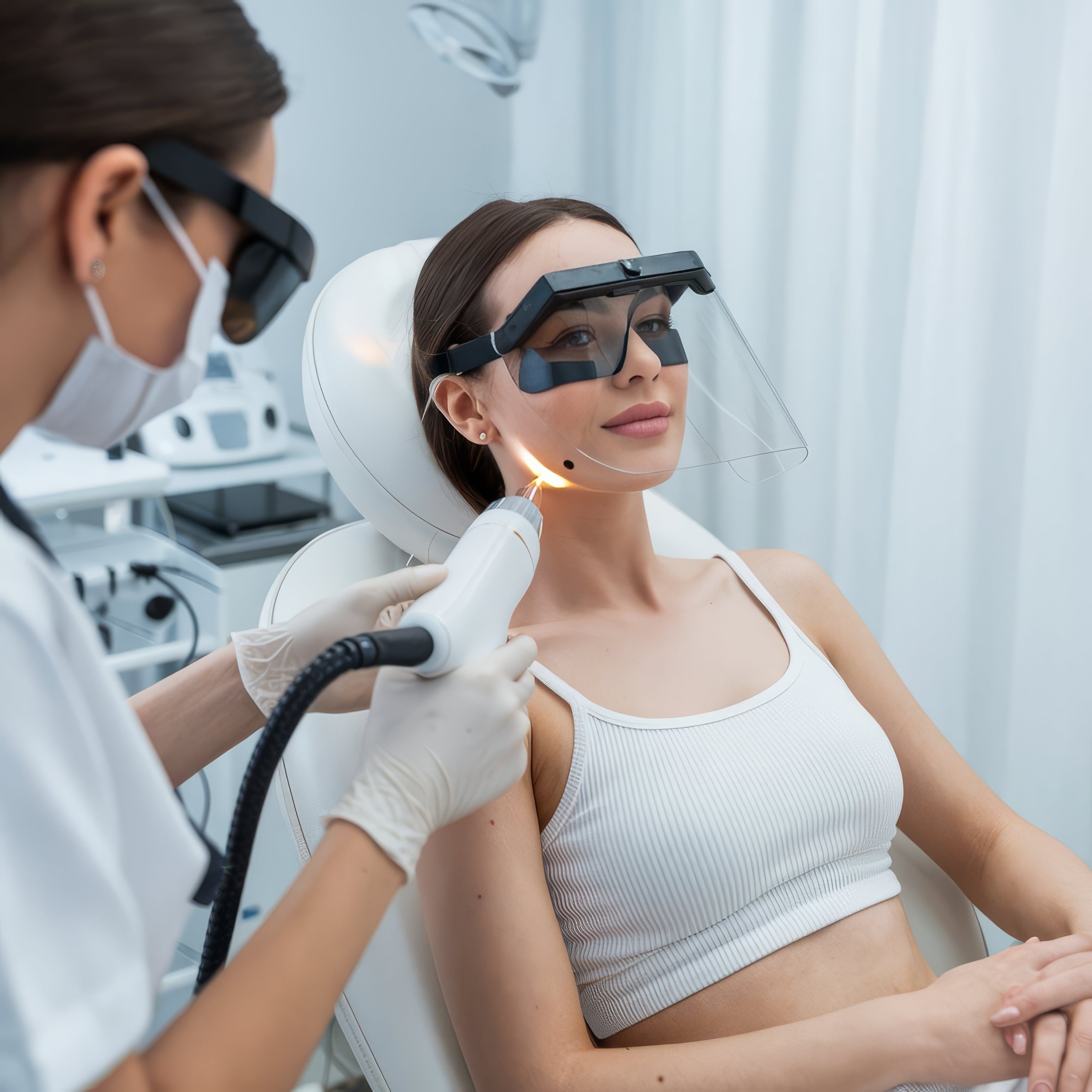
Laser hair removal services can reduce hair growth and improve skin smoothness over time.
A strong results strategy includes an initial consultation, the right device parameters, and a clear aftercare plan.
Understanding skin and hair types helps you set realistic expectations and choose a suitable treatment plan.
Consistent sessions and proper sun and skincare habits support safer, more uniform outcomes.
If you are tired of frequent shaving, waxing discomfort, or inconsistent regrowth, laser hair removal services may be a practical alternative. This approach targets hair at the growth phase and can help reduce the overall density of unwanted hair. The best outcomes depend on the right candidate selection, a well-designed session plan, and careful preparation. This guide explains what to expect, how to choose a reputable clinic, and how to support smoother-looking skin between sessions.
Myths vs. Facts
-
Myth: Laser hair removal services work instantly.
Fact: Results typically build over multiple sessions because hair grows in cycles. Your provider schedules treatments to align with active growth phases.
-
Myth: It is only effective for light skin and dark hair.
Fact: Many modern devices are designed to support a broader range of skin tones and hair types. Your consultation should include device selection based on your features and settings.
-
Myth: More sessions always lead to better results.
Fact: Quality matters more than quantity. An appropriate number of sessions, correct parameters, and effective aftercare influence outcomes and comfort.
-
Myth: Shaving is not necessary before appointments.
Fact: Providers usually recommend shaving shortly before treatment to reduce surface hair while keeping the target hair in place.
-
Myth: Laser treatments eliminate all hair permanently for everyone.
Fact: Many people experience long-term reduction, while some may need maintenance. Setting realistic expectations is essential.
Step-by-Step Guide
-
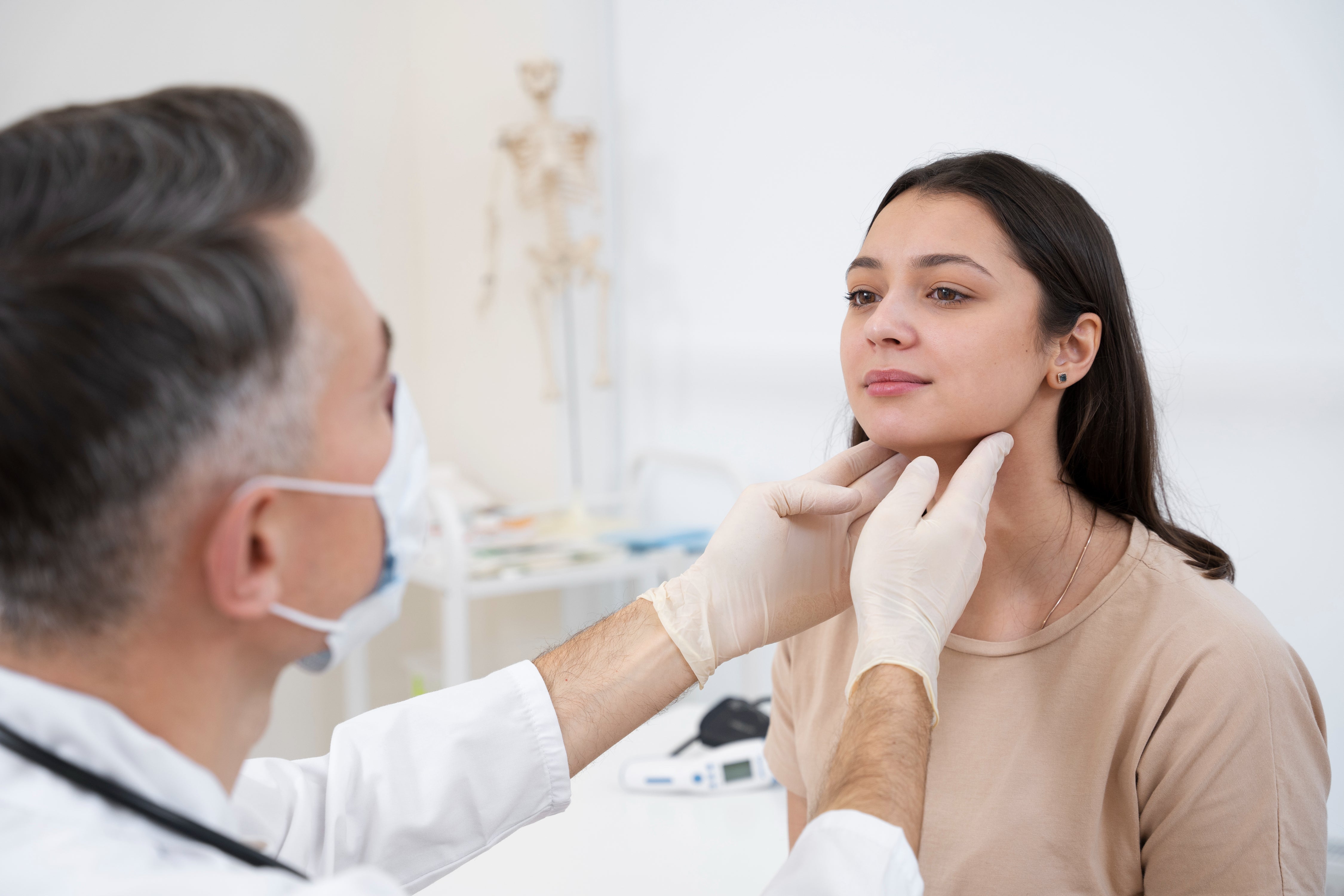
Schedule a consultation. Discuss your skin tone, hair color, past hair removal methods, and any relevant skin history. A qualified provider evaluates candidacy and safety.
-
Plan your pre-treatment routine. Follow clinic instructions about shaving, avoiding sun exposure, and pausing certain products. Consistency helps your provider set parameters effectively.
-
Ask about device and settings. A reputable clinic explains how they match technology to skin and hair characteristics. This includes discussing fluence, spot size, cooling method, and treatment intervals.
-
Confirm a patch test when appropriate. Testing can help identify how your skin responds and can improve comfort during early sessions.
-
Prepare for the session day. Arrive with clean, dry skin. Avoid deodorants, fragrances, or heavy lotions on the treatment area unless your provider requests otherwise.
-
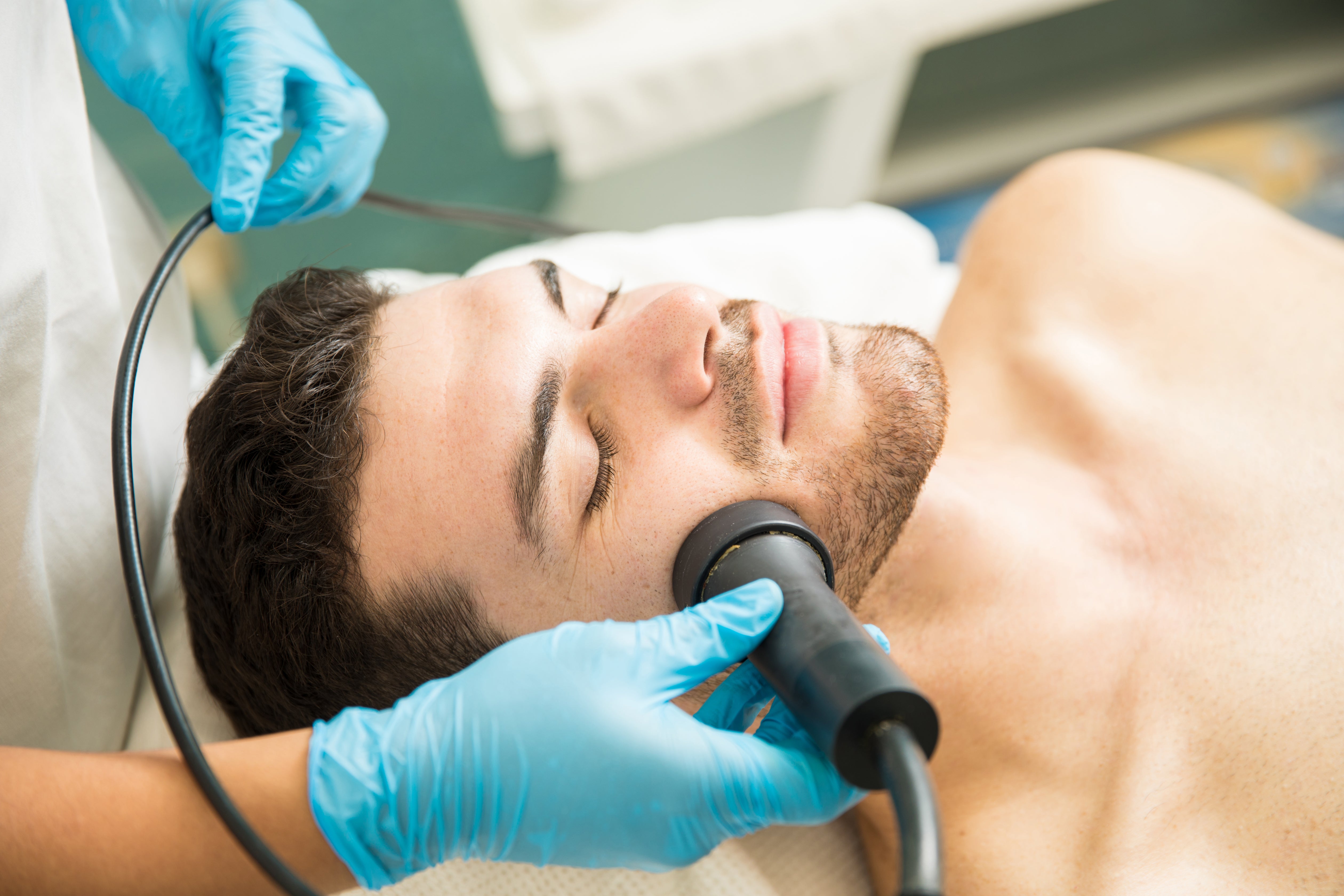
Understand what the procedure feels like. Sensations vary by person and area. Providers typically use cooling for comfort and safety.
-
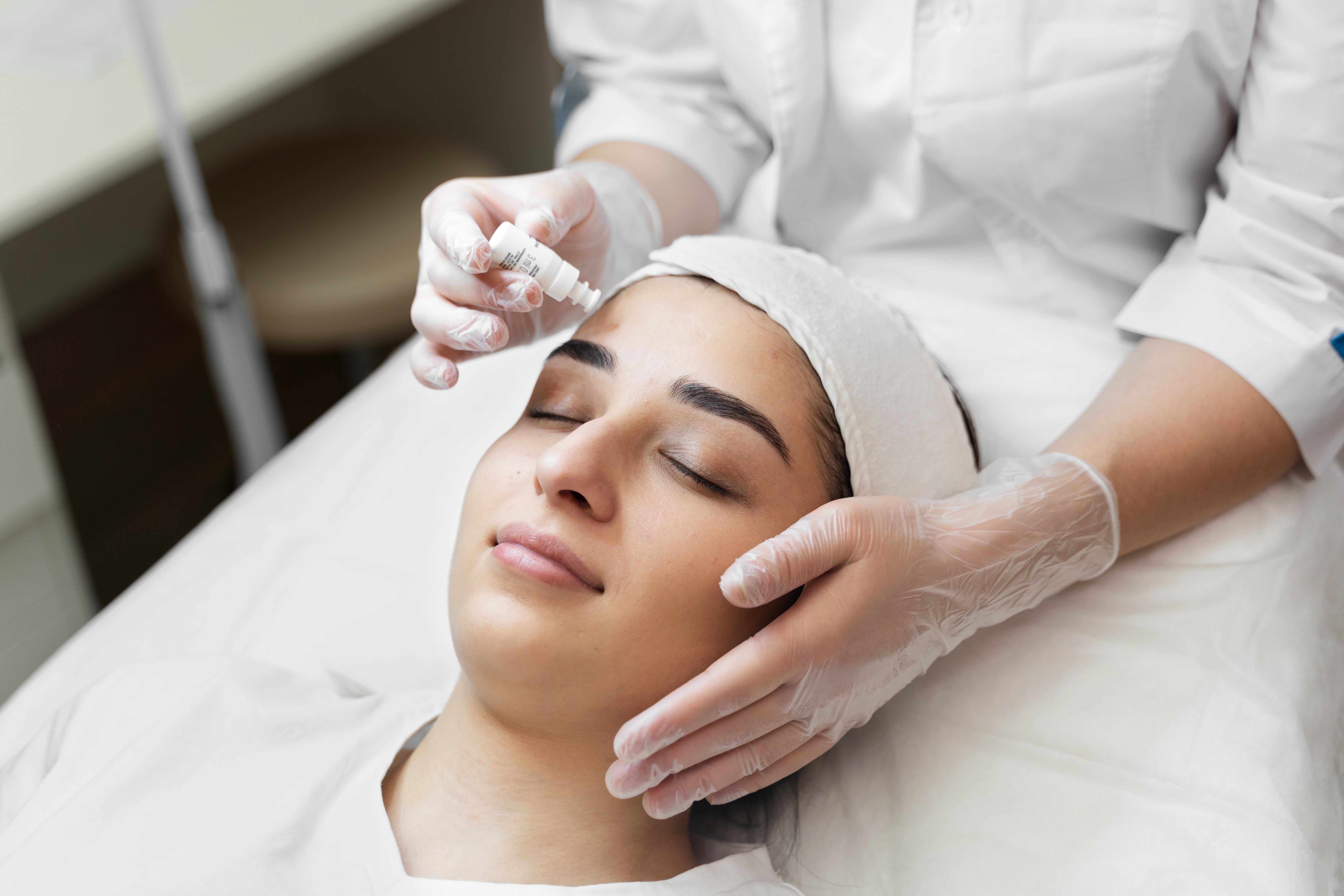
Use aftercare to support recovery. Your clinic may recommend gentle cleansing, soothing moisturization, and sun protection. Avoid heat exposure and exfoliating steps for the recommended timeframe.
-
Track progress between sessions. Hair shedding and gradual reduction may occur over time. Keeping notes helps you discuss response and adjust the plan if needed.
-
Maintain your results plan. Many people need periodic maintenance sessions. Your provider can advise based on your response and growth pattern.
When you evaluate laser hair removal services, consider both performance and process. A strong clinic will focus on safety, individualized settings, and practical guidance. It should also help you build a predictable routine for hair removal, skin comfort, and sun management.

Clinic checklist, skin type cards, cooling arrows
How to Choose the Right Laser Hair Removal Services
Choosing the correct provider can make the difference between a smooth treatment experience and avoidable complications. Start with professional standards. Look for licensed staff, clear consultation protocols, and informed consent practices. Ask whether they offer device guidance and whether they customize treatment plans for your skin and hair profile.
Next, evaluate safety practices. A reputable clinic should discuss contraindications, manage realistic expectations, and provide clear preparation and aftercare instructions. You should be able to ask questions without pressure, and the provider should respond with clarity. If a clinic guarantees immediate or guaranteed permanent hair removal for every client, you should be cautious.
Finally, consider your comfort goals. Some areas are more sensitive than others. A provider who offers comfort-focused techniques, such as cooling strategies and stepwise treatment for new clients, can improve your overall experience.
Skin prep and sun management
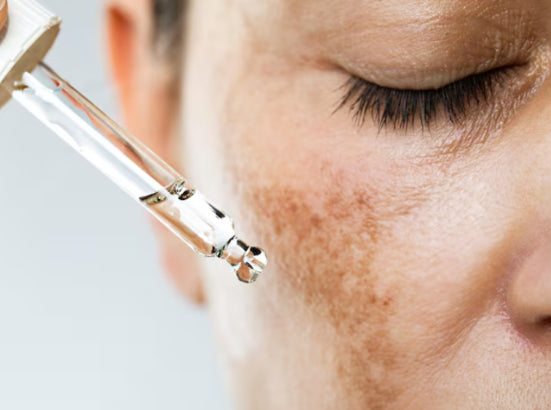
Skin preparation directly influences effectiveness and comfort. Your provider may ask you to avoid sun exposure and tanning before sessions. Sun-managed skin helps reduce the risk of irritation and supports more consistent energy delivery. After treatment, strict sun protection is essential because treated skin may be more reactive for a short period.
If you want to support a consistent skincare routine, consider gentle cleansing and barrier-friendly moisturization. For example, you may prefer a mild cleanser from your current routine. You can explore options such as a gentle cleanser at Cetaphil Gentle Cleanser and pair it with a supportive daily plan guided by your provider.
Hair removal habits between sessions
Between visits, you may be advised to shave rather than wax or pluck. This maintains the presence of hair structures that the treatment targets. Avoid methods that remove hair from the follicle during the period your provider recommends. Consistent preparation also helps your provider maintain treatment accuracy.
It is also important to avoid harsh exfoliation during recovery windows. If you use actives in your skincare routine, ask your provider when it is safe to resume. Thoughtful timing helps reduce unnecessary dryness or sensitivity.

Session timeline calendar, shield icon for aftercare
Frequently Asked Questions
How many sessions are typically needed?
Most people require multiple sessions to target hair during active growth phases. The exact number varies by treatment area, hair density, and individual response. Your provider can estimate a plan during consultation after reviewing your skin and hair characteristics.
Does laser hair removal hurt?
Many clients describe the sensation as mild to moderate and often comparable to a fast snap of a rubber band. Comfort tools such as skin cooling and customized settings can help. You can ask about comfort strategies during your consultation.
What should I avoid before and after treatment?
Clinics usually advise avoiding sun exposure, tanning, and certain skin products around appointment dates. After treatment, gentle skincare and sun protection are commonly recommended, while heat, exfoliation, and irritants may be restricted for a short period.
Summary & Key Takeaways
Laser hair removal services can offer long-term hair reduction when the treatment is matched to your skin and hair type and supported by careful preparation and aftercare. Choose a clinic that emphasizes safety, individualized settings, and clear guidance rather than unrealistic promises. With consistent sessions and smart skin habits, you can move toward smoother-looking skin with fewer ongoing hair removal steps. If you want to strengthen your daily skincare routine, consider exploring barrier-friendly products on Allodermis and discuss your approach with your laser provider.
Q&A Section
Is laser hair removal suitable for all body areas?
Many providers treat common areas such as legs, underarms, and the bikini region. Suitability depends on the skin tone, hair color, and sensitivity of the area. A consultation helps determine which zones can be treated effectively and safely, and which areas may require modified settings or staged sessions.
Can I use skincare products like sunscreen or moisturizers after sessions?
Yes, moisturizers and sunscreen are often part of aftercare. Your provider may recommend a specific timeframe before using certain actives. For daily sun protection, you may consider a well-tolerated sunscreen option from your routine. For example, you can review available facial sunscreen products such as I Shield Sunscreen Cream SPF 50 PA, while still following your clinic guidance on timing and application amount.
Why does hair sometimes shed after treatment?
After each session, treated hairs may shed gradually. This does not necessarily mean the session failed. It often reflects the hair moving out of its active growth process. Providers typically monitor the response across sessions and adjust parameters if needed.
How do I prepare for my first appointment?
Plan to follow clinic instructions on shaving and skincare. Arrive with clean skin, and avoid new products that could increase sensitivity. If you have questions about your routine or products, confirm them before the appointment so the treatment area remains in an optimal condition.
What results can I realistically expect?
Laser hair removal services usually lead to reduced hair growth over time. The degree of reduction depends on hair thickness, growth cycles, and individual biology. Many clients also report softer, finer hair as treatments progress. A good provider will explain realistic outcomes and discuss maintenance based on your response.
How can I support comfort during the course?
Support comfort by following aftercare instructions and avoiding triggers that may increase redness or dryness. Hydration, gentle cleansing, and sun protection can help. If you experience unusual irritation, contact your provider promptly for guidance.
Do I need to stop using certain skincare actives?
Some actives may be paused around treatment time to minimize irritation risk. This can include strong exfoliants or other ingredients that affect skin sensitivity. Your provider can advise what to stop, what to continue, and when to resume based on your exact regimen.
About the Author
Allodermis contributes to skincare education with a focus on practical, patient-centered guidance. This article reflects expertise in everyday skin routines, ingredient awareness, and safe consultation principles for aesthetic services. The goal is to help readers make informed decisions with clarity and confidence. Thank you for reading, and we encourage you to choose professional care for your individual needs.
Mandatory Disclaimer: This article is for informational purposes only and does not replace professional medical advice, diagnosis, or treatment. Individual results vary. Consult a qualified provider before starting any laser treatment, especially if you have skin conditions, a history of adverse reactions, or are using active skincare ingredients or medications.
Additional resource: Luxury Hair Growth Oil: How to Apply for Best Results
Authors & medical review
Swaraj Dhar is a sociopreneur, technologist, and the co-founder of Allodermis.
Every article is fact-checked against current peer-reviewed dermatology literature and Allodermis clinical protocols.
This article was last reviewed and updated on . Published .
Have a skin or hair concern?
Book a free consultation with our AIIMS MD dermatologists. Clinics in Bhubaneswar, Gurgaon, and Delhi NCR.