



















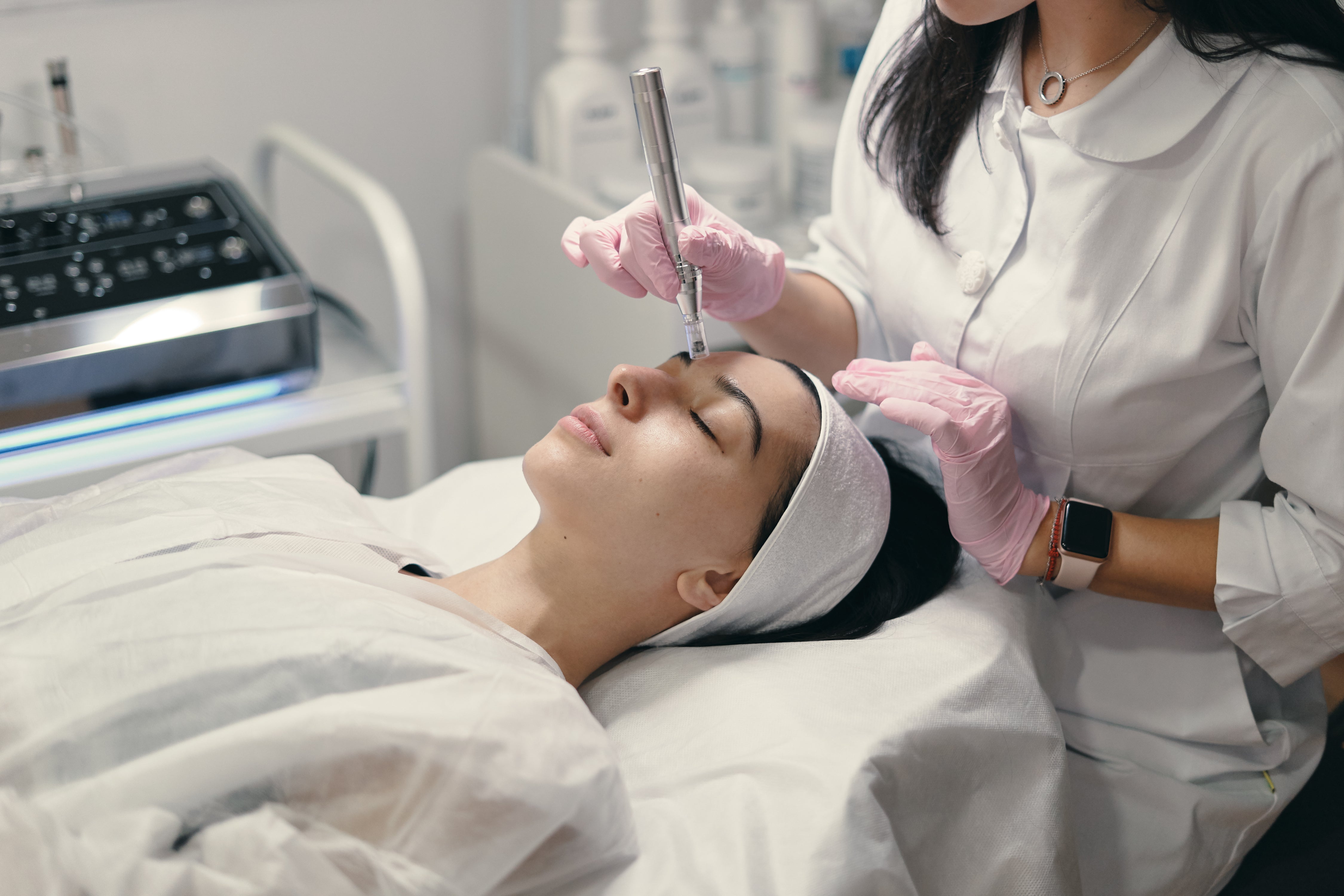


Microdermabrasion Services Guide for Smoother, Clearer Skin

Microdermabrasion services can be a practical option for people who want a smoother, more even-looking complexion. In this guide, you will learn what microdermabrasion does, who it is commonly suited for, and how to evaluate a provider before booking. You will also find expert-ready prep and aftercare guidance that supports comfort and helps you stay consistent. Finally, you will see clear answers to common questions so you can decide with confidence.
Updated on: 2026-06-07
TLDR
Microdermabrasion services offer a non-surgical approach that aims to refine skin texture and support a clearer, more uniform look. The session usually involves gentle exfoliation to help lift surface debris and support smoother makeup application. Results vary by skin type and routine, so you should plan for a series rather than expecting instant change. The best outcomes often come from pairing treatments with consistent cleansing, daily sun protection, and careful aftercare.
Did You Know?
- Microdermabrasion is often described as a controlled exfoliation method that targets the outermost skin layer.
- Many clients choose a treatment series to maintain a steady refinement of texture and tone.
- Comfort and results depend on skin sensitivity, machine settings, and the cleanliness of the treatment area.
- Aftercare matters: hydration and sun protection support recovery and help prevent visible irritation.
- A well-designed plan may include complementary steps such as gentle cleansing and targeted topical support.
Expert Tips
Choosing the right provider is as important as choosing the procedure. Use the following guidance to evaluate microdermabrasion services in a structured way.
- Request a skin assessment before the first appointment. A professional should review your current routine, recent procedures, and any irritation history.
- Ask what technique will be used and how settings are adjusted for different skin types, especially if you have sensitive skin.
- Confirm hygiene standards. Clean tools, sanitized surfaces, and proper hand hygiene reduce the risk of post-treatment issues.
- Maintain a simple pre-treatment routine. Avoid introducing new actives right before your session to reduce the chance of sensitivity.
- Plan for consistent aftercare. A calm, hydrating routine and daily broad-spectrum sunscreen usually support a smoother recovery.
- Track outcomes objectively. Use the same lighting and take notes on comfort, redness duration, and visible texture changes.
- Consider complementary skincare products. A gentle cleanser and appropriate facial hydration can support the skin barrier.
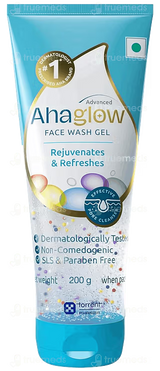
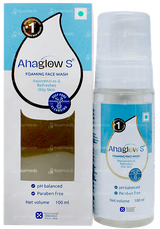
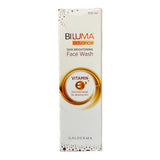
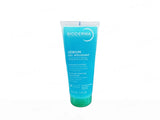
If you want a gentle baseline cleanser for your routine, you can explore options such as Cetaphil Gentle Cleanser to help keep daily cleansing non-stripping. If your focus includes shine control, you may also consider Oil Control Foam Wash as part of a balanced regimen.
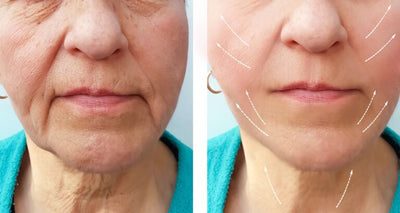
Gentle exfoliation concept with soft glow and contrast
How Microdermabrasion Services Work in Plain Terms
Microdermabrasion services typically involve a controlled exfoliation process designed to remove dead skin cells from the surface. By reducing surface buildup, the skin can appear smoother and more refined. Many clients also notice that skincare and makeup apply more evenly after a session.
It is helpful to understand that the outer layer of skin naturally cycles. Microdermabrasion aims to influence this cycle by improving the texture of the topmost skin layer. This approach can be relevant when you have concerns such as roughness, uneven texture, or the appearance of clogged pores. Your exact experience will depend on your starting point, your sensitivity level, and the treatment parameters used by the provider.
A reputable clinic will explain the expected timeline. Some people see immediate improvement in surface smoothness, while others benefit from repeated sessions. Skin responses should be monitored after each appointment, and settings should be adjusted if irritation occurs.
What to Expect During a Session
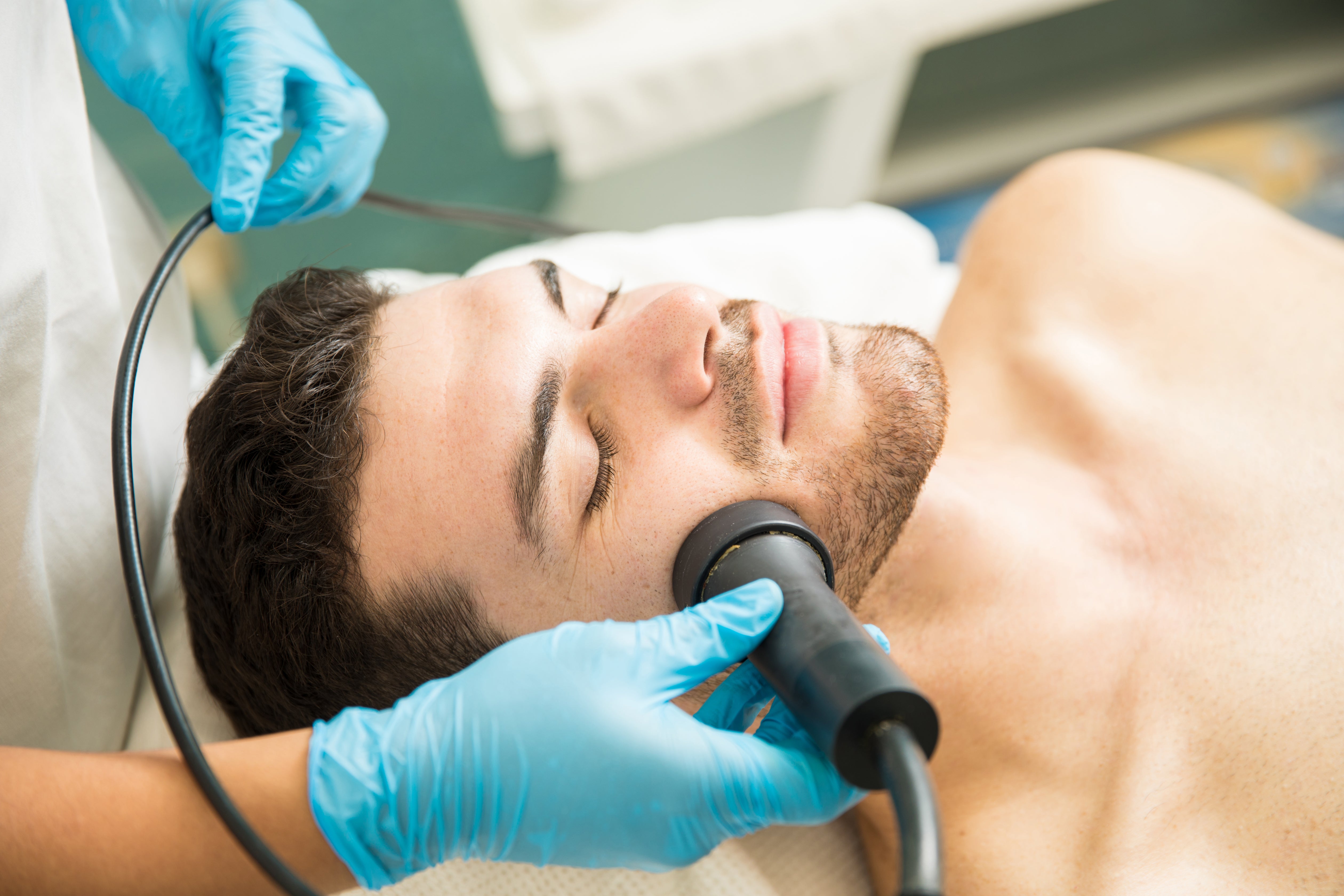
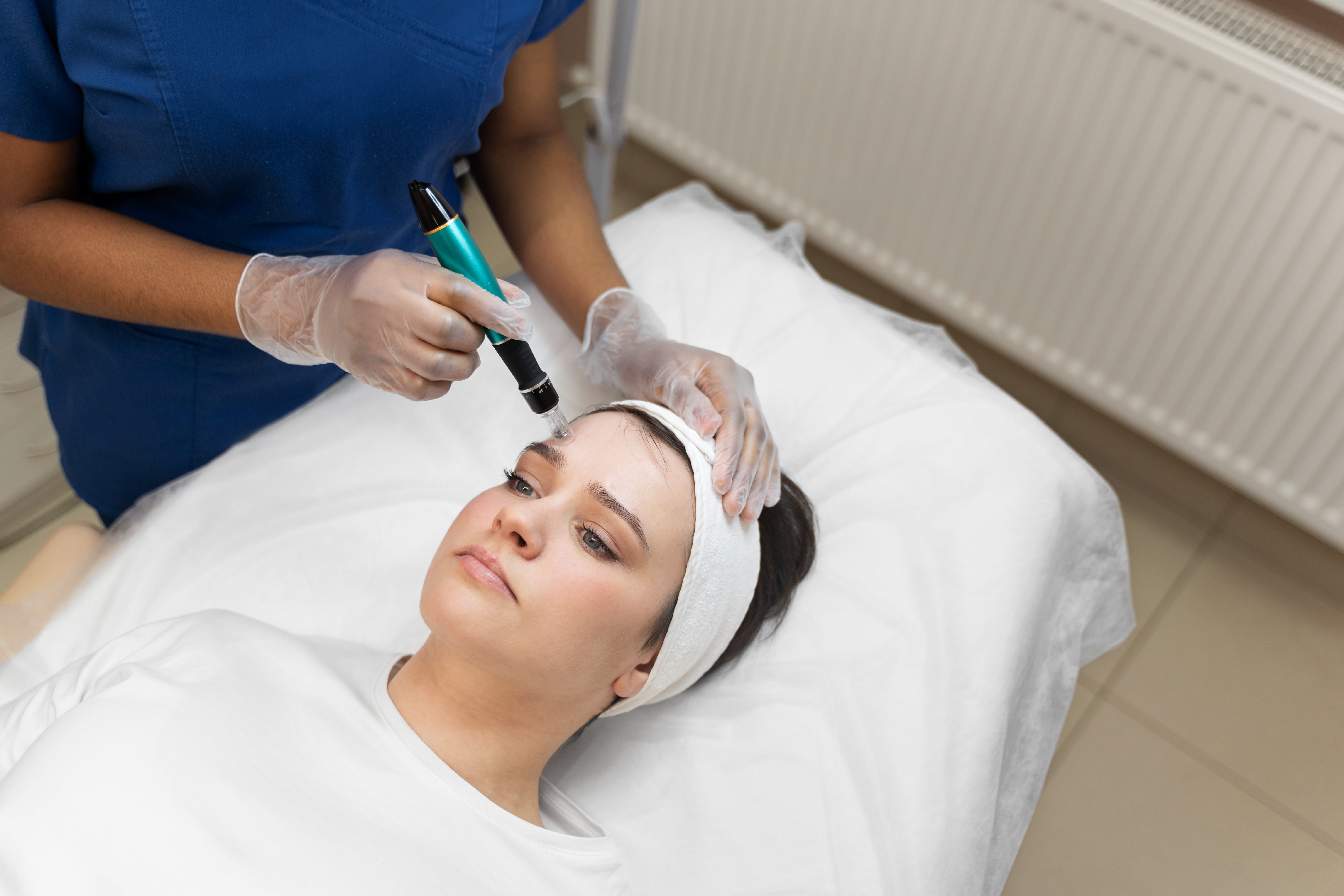
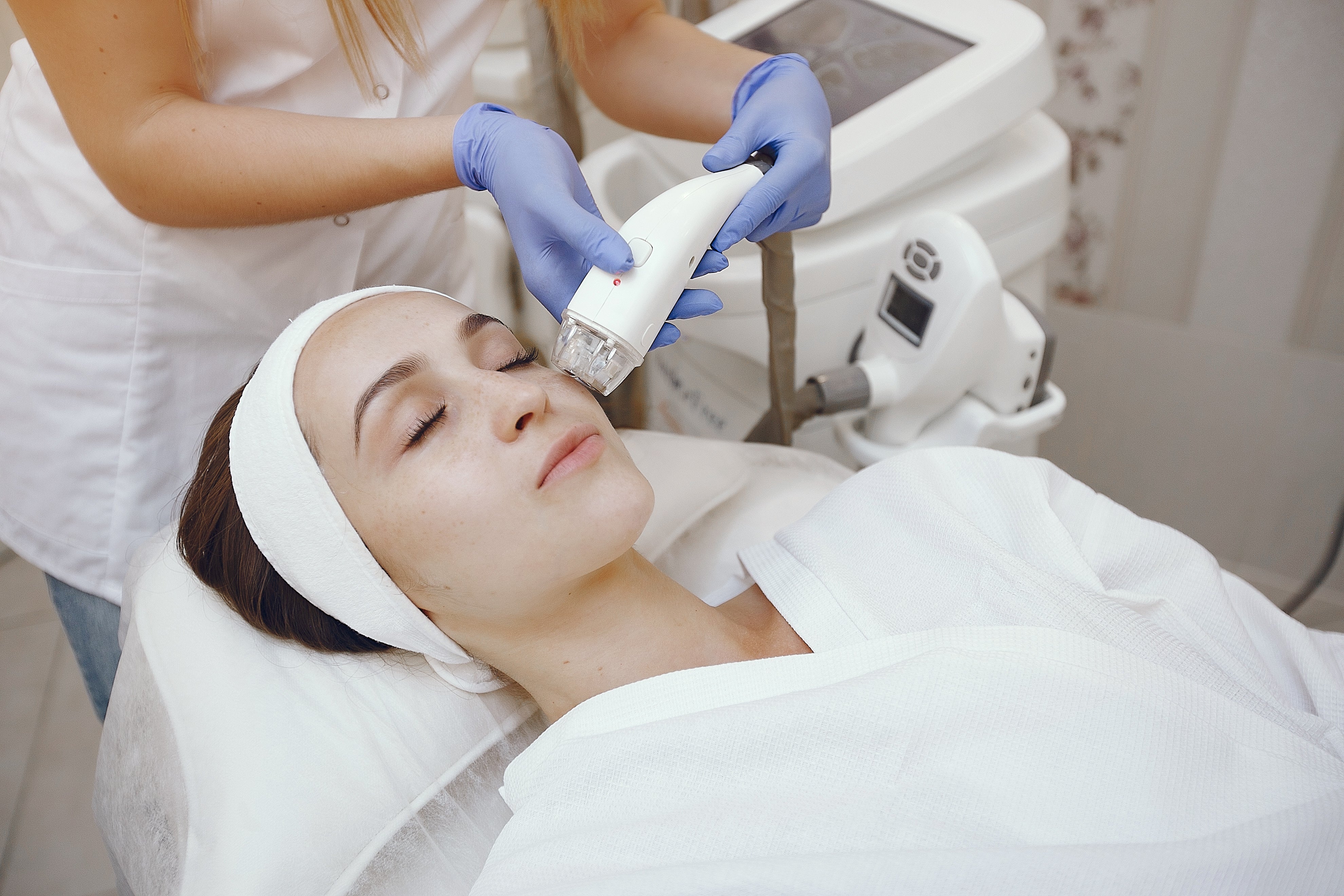
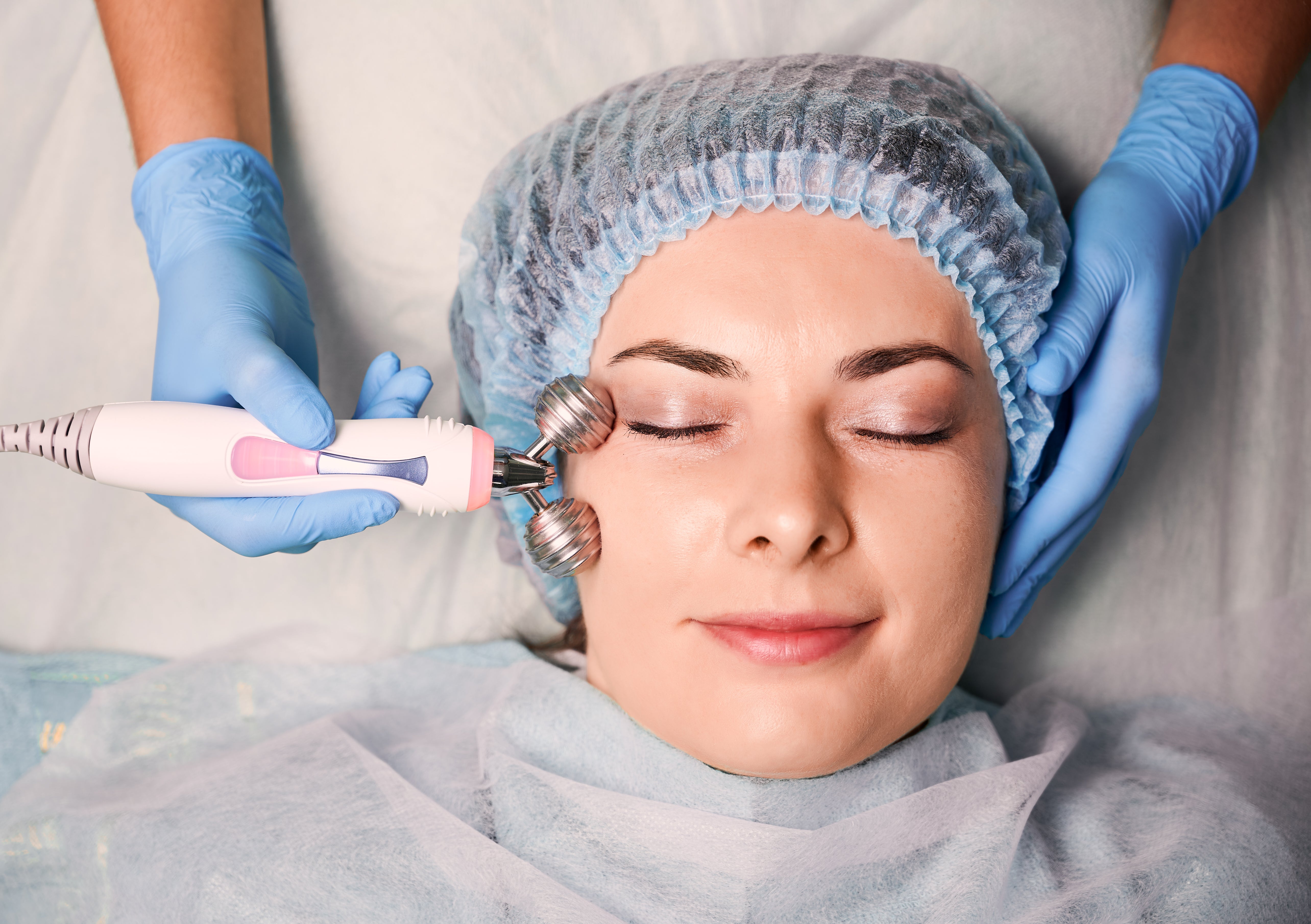
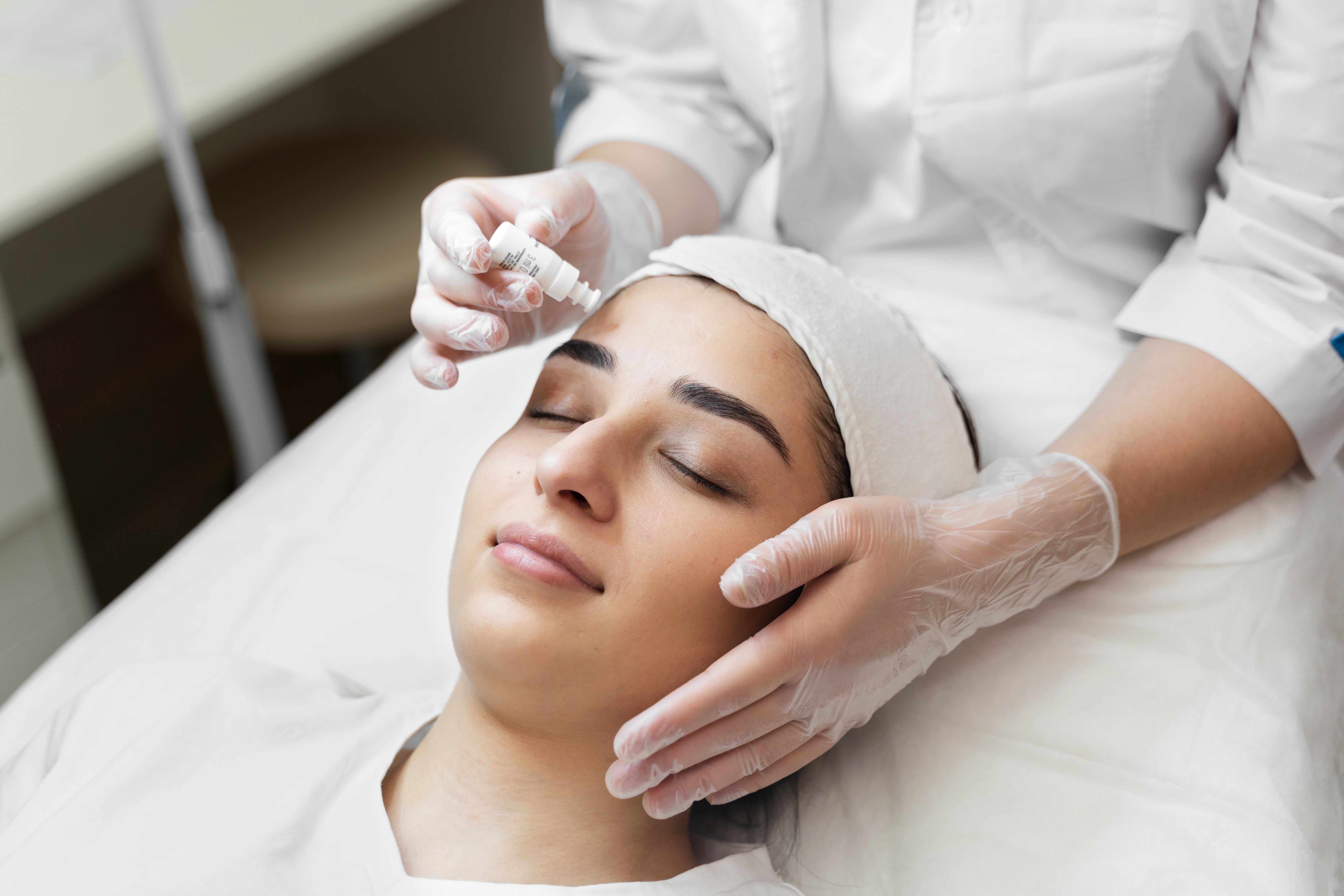
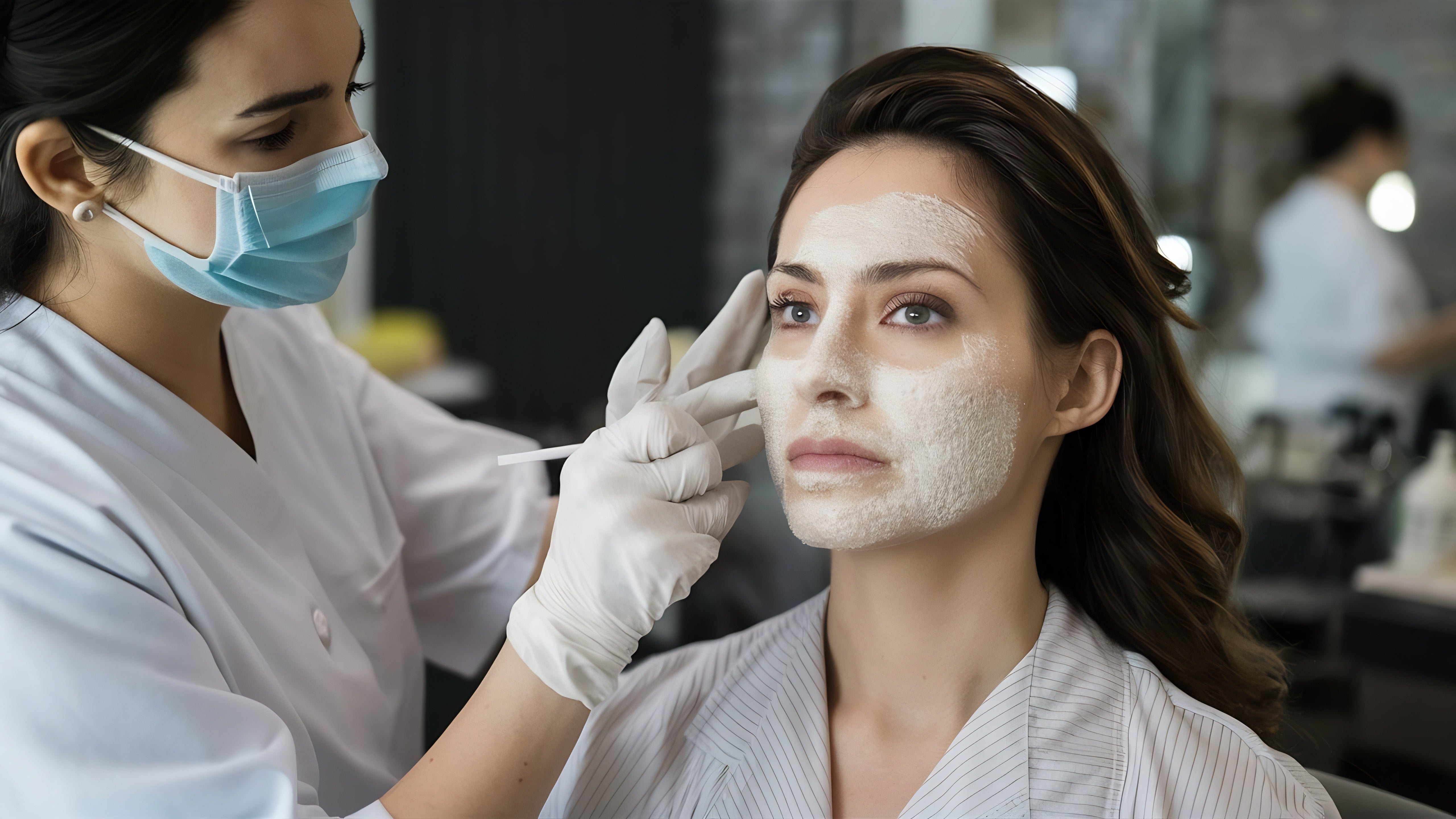
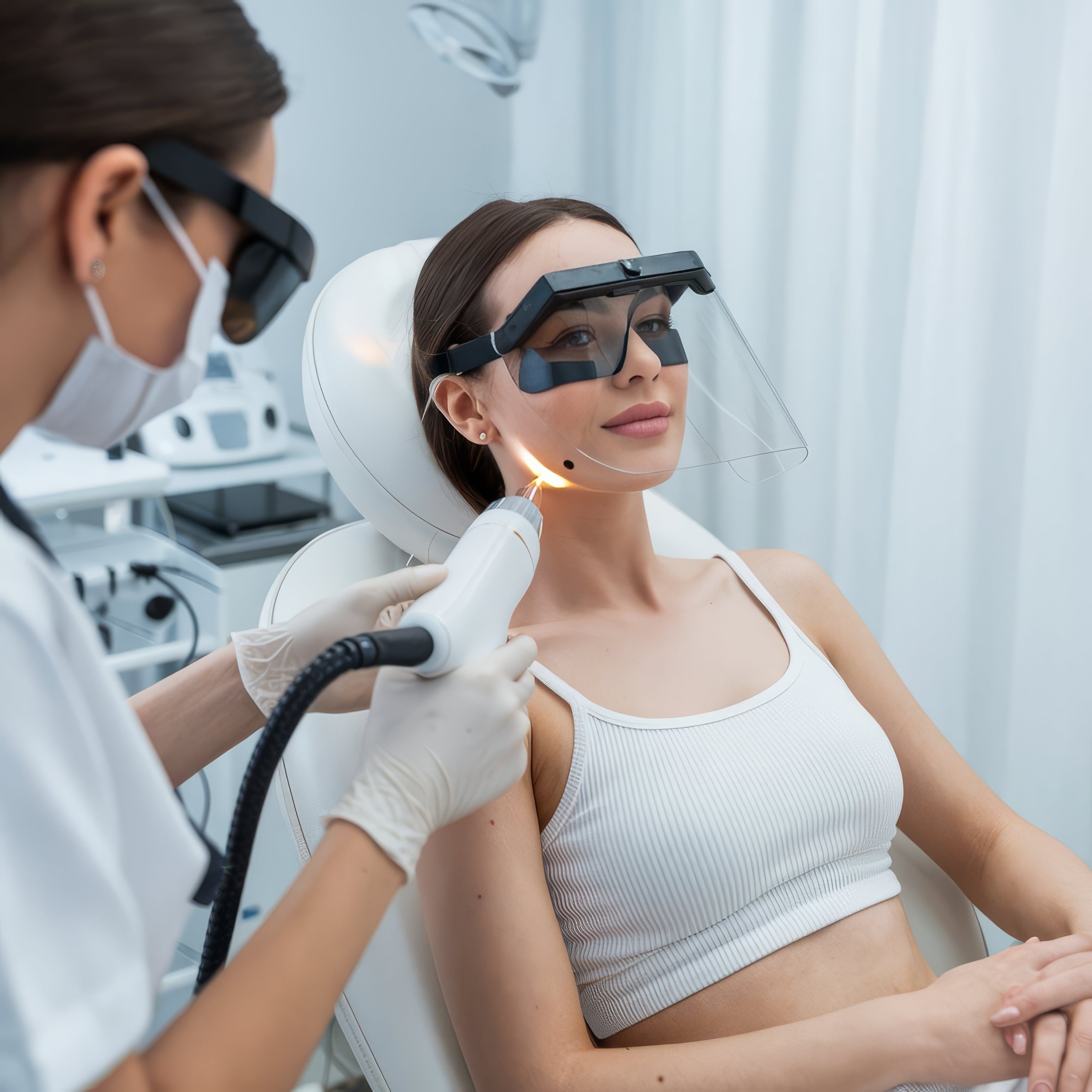
Most appointments follow a predictable structure. First, a professional cleanses the area to remove surface oils and debris. Next, they may apply a pre-treatment step depending on the method. Then the exfoliation phase begins, using a device and controlled technique.
During the session, comfort is generally monitored continuously. A professional should pause or adjust the approach if the skin shows unexpected redness or discomfort. After the exfoliation step, the provider typically applies a calming and hydrating product and gives aftercare instructions.
At the end of the visit, you should leave with clear guidance on sun protection, hydration, and how to adjust your routine for the next few days.
Who Commonly Chooses Microdermabrasion Services
Microdermabrasion services are often selected by clients who want to refine texture without invasive procedures. People commonly seek a more even-looking complexion and improved smoothness for day-to-day appearance.
It is also common for clients to consider these services when they want to support a consistent skincare routine. Exfoliation can complement other steps, such as hydration and targeted active ingredients. However, it is important to match treatment frequency and intensity to skin resilience.
If you have a history of marked sensitivity, you should discuss this early. A thoughtful provider will recommend a conservative plan and may advise adjusting home products to reduce irritation risk.
Common Skin Concerns That May Be Discussed
- Rough texture and uneven surface feel
- Visible buildup from environmental exposure
- Clogged-pore appearance
- Dullness that limits how evenly skincare spreads
- Uneven tone as part of a broader routine plan
Aftercare That Supports a Smooth Recovery
Aftercare is not a secondary step. It is often the difference between a comfortable result and prolonged sensitivity. Following a treatment, skin can feel more reactive. Therefore, the goal is to keep the routine gentle, supportive, and protective.
Immediate Post-Treatment Habits
- Use a gentle cleanser and avoid aggressive scrubbing.
- Prioritize hydration with a barrier-supporting moisturizer.
- Apply broad-spectrum sunscreen every day, especially when outdoors.
- Avoid heat exposure and strong friction during the first recovery window.
- Reintroduce exfoliating actives only when your skin feels calm and stable.
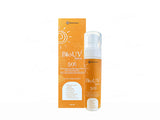
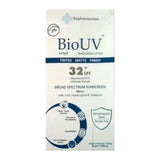
Sun protection is a key element of any plan for refined complexion goals. For daily protection, you may consider Acne UV Gel SPF 50 if your skin tends to be acne-prone or reactive to heavier formulas. If you prefer a lightweight option, I Shield Sunscreen Cream SPF 50 PA can fit into many routine styles.
Routine aftercare concept with shield, hydration, and calm
How to Choose the Right Provider for Microdermabrasion Services
Not all microdermabrasion services are delivered the same way. The most reliable indicator of quality is process: assessment, sanitation, customization, and transparent communication.
Evaluate These Four Quality Signals
- Customization: The provider should tailor settings based on your skin type and response history.
- Hygiene: Look for clear sanitation practices and orderly treatment protocols.
- Realistic expectations: A professional should explain what can be improved and what requires a broader plan.
- Aftercare clarity: You should receive a concise, practical plan for cleansing, hydration, and sunscreen.
In addition, you should ask about the treatment series approach. Many clients benefit from a structured schedule that allows for gentle, cumulative refinement. A provider should also ask whether you are using any topical actives or have recently started a new skincare product.
Integrating Microdermabrasion With Your Home Skincare Routine
Microdermabrasion services can be easier to sustain when your home routine is consistent. The objective is to support the skin barrier and maintain a calm environment for recovery. That does not mean your routine must be complex. It should be appropriate for your sensitivity level and aligned with the treatment timeline.
A Simple Routine Framework
- Cleanse: Choose a gentle cleanser that does not leave skin tight.
- Hydrate: Use a moisturizer that supports comfort after exfoliation.
- Protect: Apply daily sunscreen with broad-spectrum coverage.
- Target: Consider actives only when your skin is stable and the provider recommends timing.
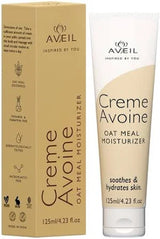
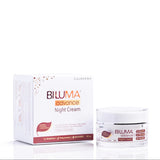
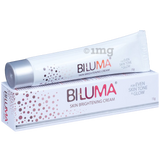
If your priority includes hydration and soothing support, you may explore Cipla Excela Rich Facial Hydrating Lotion as a barrier-friendly option. For clients who want a serum-forward approach, Dermatica AZE Proactive Serum may complement a structured routine when used with appropriate timing and guidance.
Personal Anecdote
I once scheduled microdermabrasion services after noticing that my complexion looked uneven under indoor lighting. I expected a dramatic change, but the most noticeable improvement was how smooth the surface felt. The first appointment taught me that aftercare is not optional. I reduced exfoliating products for a short period, focused on hydration, and used sunscreen consistently.
Over the following weeks, my routine felt easier. Skincare spread more evenly, and I experienced less visible roughness during the day. Most importantly, I learned to treat each session as part of a plan rather than a one-time fix.
Summary & Takeaways
Microdermabrasion services can support a refined skin texture by targeting surface debris and promoting smoother appearance. The best experiences often come from careful provider selection, realistic expectations, and aftercare that prioritizes hydration and sunscreen. To maximize results, plan for a consistent routine and communicate your skin history during assessment.
- Choose providers that offer skin assessment, sanitation, and customization.
- Follow aftercare guidance closely, especially sunscreen and hydration.
- Use a gentle cleanser and supportive moisturizer to reduce sensitivity risk.
- Track comfort and visible changes to decide whether to continue a series.
If you are ready to start, begin by preparing your current product list and ask how your routine will be adjusted around microdermabrasion services. That conversation can help you move forward with clarity and a more controlled outcome.
Q&A Section
How many microdermabrasion sessions are typically needed to see results?
Many people plan for a series rather than a single appointment. The number of sessions depends on your skin condition, sensitivity, and the provider’s recommended schedule. Your best next step is to ask for a personalized treatment plan during your initial consultation so that frequency and intensity align with your goals.
Is microdermabrasion suitable for sensitive skin?
It can be suitable for some individuals with sensitive skin when treatment settings are conservative and when aftercare is carefully followed. A qualified provider should assess your tolerance, review your skincare routine, and adjust technique as needed. If you experience prolonged redness or discomfort, the provider should modify the plan.
What should I avoid before and after microdermabrasion services?
Before treatment, avoid introducing new strong actives that can increase reactivity. After treatment, focus on gentle cleansing, hydration, and daily sunscreen. You should also avoid harsh scrubbing and strong friction while skin recovers. Your provider may recommend pausing specific exfoliating products until your skin feels calm.
Can I use my regular skincare products after the appointment?
Many regular products can be continued, but timing matters. Calming hydration and sunscreen are usually appropriate aftercare steps. Strong exfoliants or irritating actives may need to be paused temporarily. Discuss your current products with the provider so the routine is adjusted safely.
About the Author
Allodermis
Allodermis is a skincare-focused team specializing in skin wellness education, routine planning, and product guidance for everyday complexity. The team focuses on ingredient literacy, barrier support, and practical steps that help clients maintain consistency. If you want to build a calmer, more structured approach to skin care, you can rely on this expertise to guide your decisions.
Disclaimer: This article is for informational purposes only and does not provide medical advice. Individual results vary, and you should consult a qualified professional for guidance tailored to your skin condition and history.
Authors & medical review
Swaraj Dhar is a sociopreneur, technologist, and the co-founder of Allodermis.
Every article is fact-checked against current peer-reviewed dermatology literature and Allodermis clinical protocols.
This article was last reviewed and updated on . Published .
Have a skin or hair concern?
Book a free consultation with our AIIMS MD dermatologists. Clinics in Bhubaneswar, Gurgaon, and Delhi NCR.