





































Moisturizers for Sensitive Skin: How to Choose Safely

Updated on: 2026-06-12
Moisturizers for sensitive skin help support the skin barrier and reduce day-to-day discomfort. The right formula can lower the risk of irritation by using gentle ingredients and avoiding common triggers. A consistent routine also improves hydration and comfort, especially when your skin feels reactive. Use this guide to choose well, apply correctly, and know when to adjust your product choices.
- 1. Why Sensitive Skin Needs Different Moisturizers
- 2. Personal Experience: Learning What My Skin Needed
- 3. Key Advantages of Barrier-Friendly Moisturizers
- 4. Quick Tips for Choosing and Using Moisturizers for Sensitive Skin
- 5. How to Build a Safe Routine Around Moisturizing
- 6. Ingredients and Practices to Avoid
- 7. Summary & Next Steps
- 8. Q&A Section
- 9. About the Author
Why Sensitive Skin Needs Different Moisturizers
Sensitive skin often behaves like a warning system. It can react to friction, weather changes, harsh cleansers, and even normal skincare routines. When the skin barrier is weak, water can escape more easily. This leads to dryness, tightness, and a higher chance of redness. Moisturizers for sensitive skin are designed to calm irritation and support the barrier so your skin can feel stable again.
A good moisturizer does more than hydrate. It helps reinforce the outer layer of skin by adding emollients and barrier-supporting ingredients. It can also reduce friction during daily activities. With better barrier function, many people experience fewer flare-ups and more comfortable skin texture over time.
In practice, the best results come from choosing a formula that matches your triggers. Some people are sensitive to fragrance, essential oils, or certain preservatives. Others react to strong active ingredients. A gentle approach keeps your routine predictable.
If you are also reviewing tools and application habits, this can be useful: Choosing a Safe Tool for Sensitive Skin: A Practical Guide.
Personal Experience: Learning What My Skin Needed
Years ago, I thought the solution was to “wash better” and “treat faster.” I selected multiple products at once, including richer cleansers and aggressive actives. My skin responded with a pattern that felt familiar: dryness after cleansing, redness after moisturizer, and itchiness that showed up in the late afternoon. The pattern was consistent, even though I changed brands.
What changed everything was the order and the gentleness. I simplified my routine and used a plain, barrier-supportive moisturizer. I applied it soon after cleansing, then avoided extra steps that could add friction. Over time, the tightness reduced. My skin looked calmer and felt less reactive. The biggest lesson was that sensitive skin often needs predictability, not more product layers.

Calm skin shield icon over hydration droplets
Key Advantages of Barrier-Friendly Moisturizers
Moisturizers for sensitive skin can provide benefits that go beyond comfort. When you choose a formula with barrier support, you often notice improvements in consistency, appearance, and tolerance. Below are key advantages that commonly matter to people with reactive or easily irritated skin.
- Barrier support: Ingredients such as glycerin, ceramide-supporting agents, and emollients help reduce water loss and improve resilience.
- Less irritation from daily routines: A well-tolerated moisturizer can reduce friction caused by cleansing, shaving, or environmental exposure.
- Better hydration stability: Hydration that lasts longer can reduce tightness and flaky texture.
- Improved tolerance for other skincare: When your skin barrier is healthier, active ingredients and sunscreen are easier to tolerate.
- Comfort across seasons: Many sensitive-skin routines need different levels of hydration in dry or hot conditions.
For a complete approach, consider pairing moisturizers with a gentle cleanser. If you prefer a mild option, you may review Cetaphil Gentle Cleanser as part of a minimal routine.
Quick Tips for Choosing and Using Moisturizers for Sensitive Skin
Small adjustments often make a large difference. Use the following steps to choose a moisturizer and apply it in a skin-friendly way.
- Check for fewer potential triggers: Start with fragrance-free or low-irritant formulas when your skin is reactive.
- Look for barrier-friendly hydration: Seek ingredients like glycerin, panthenol, and barrier-supporting emollients.
- Patch test consistently: Apply to a small area for several days to observe redness or itching.
- Apply on slightly damp skin: Moisturizer locks in water more effectively when your skin is not fully dry.
- Use the right amount: A thin layer can work for light textures, while dry areas may need a slightly thicker application.
- Introduce one change at a time: If you switch multiple products, it becomes hard to identify the cause of irritation.
- Reassess after weather changes: Increase hydration during colder, drier months.

Hand applying a thin layer, split-face calm vs red
How to Build a Safe Routine Around Moisturizing
A moisturizer works best when the full routine supports it. Sensitive skin can be affected by cleansing strength, water temperature, and sun exposure. A stable routine reduces variability and helps your skin adapt.
1) Choose a gentle cleanse
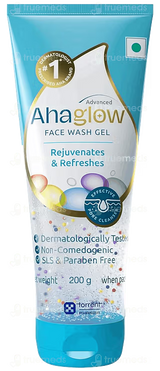
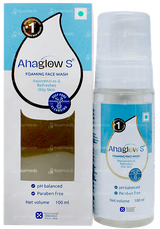
Over-cleansing can worsen sensitivity by stripping natural oils. Use a mild cleanser and avoid very hot water. If you want a dependable, gentle option, consider Cetaphil Pro Oil Control Foam Wash for daily cleansing needs. Even if you are not oily, mild cleansing is often easier on sensitive skin than strong foam formulas.
2) Apply moisturizer at the correct time
Apply moisturizers for sensitive skin soon after cleansing. This helps reduce dryness that appears after washing. For daytime, moisturize first, then apply sunscreen. For nighttime, moisturize after cleansing and allow your skin to recover without extra friction.
3) Layer strategically, not excessively
If you use serums, choose gentle hydration first and leave strong actives for later when your skin is stable. When your barrier is healthy, your skin can better tolerate targeted ingredients. If you prefer a soothing facial hydrating step, you may review Cipla Excela Rich Facial Hydrating Lotion as a comfort-focused layer.
4) Protect with sunscreen
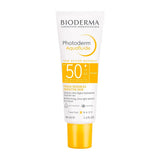
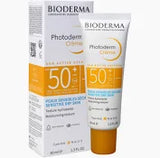
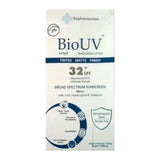
Sun exposure can increase visible redness for many people with sensitive skin. Consistent sun protection helps prevent irritation cycles. If you need a sunscreen option compatible with sensitive routines, explore I Shield Sunscreen Cream SPF 50 PA as part of your daily plan.
For evening routines, some people also benefit from a corrective or calming product after moisturizing. However, the safest approach is to focus on barrier support first and add complexity gradually.
Ingredients and Practices to Avoid
Not every sensitive reaction is caused by the same ingredient. Still, there are patterns that commonly worsen irritation. Being selective helps you keep your skin calm and reduce unnecessary risk.
Common ingredient triggers to evaluate
- Strong fragrance blends: Even “light” fragrance can irritate reactive skin.
- Essential oils in high concentrations: Some people tolerate them poorly.
- Very high alcohol content: Alcohol can feel drying or irritating for certain skin types.
- Harsh exfoliating agents: Frequent strong exfoliation can weaken the barrier.
- Multiple new active ingredients at once: Simultaneous changes increase the chance of irritation.
Practices that increase irritation
- Scrubbing or cleansing with a rough tool: Friction can trigger redness.
- Over-layering: Too many layers can trap residue and increase sensitivity.
- Not removing sunscreen properly: Gentle cleansing is essential, especially if you wear sunscreen daily.
- Using hot water: Heat can worsen dryness and inflammation.
- Skipping moisturizer in dry environments: Dry air can pull moisture out quickly.
If your sensitive skin is also acne-prone, the decision becomes more specific. Look for gentle hydration that does not feel heavy. You may prefer a product approach that supports comfort while remaining compatible with acne routines. If you want an example of how dermatology-focused skincare can be structured, consider reviewing a formula designed for clarity and moisture balance, such as Cipla Excela Rich Facial Hydrating Lotion for hydration comfort.
Summary & Next Steps
Moisturizers for sensitive skin support barrier health, reduce water loss, and help your skin feel steady. The most reliable results come from gentle formulas, consistent application timing, and routine simplicity. Choose a moisturizer that aligns with your triggers and introduce changes one at a time.
Next steps: Review your cleanser, select a barrier-friendly moisturizer, and apply it soon after cleansing. Use sunscreen daily and reassess your routine when weather conditions change. If irritation continues, consider pausing new products and seeking guidance from a qualified healthcare professional.
To strengthen your routine further, you may explore additional comfort-focused options and supportive skincare categories on Allodermis while keeping your choices simple and testable.
Q&A Section
How often should I apply moisturizers for sensitive skin?
For most people, applying moisturizer once or twice daily is sufficient. Apply it after cleansing and again when the skin feels dry or tight. If you live in a dry climate, daytime reapplication may improve comfort. Consistency matters more than frequent changes to multiple products.
Can I use a moisturizer if my skin stings after cleansing?
Stinging can indicate barrier stress. Choose a gentle, fragrance-free moisturizer and apply it on slightly damp skin to reduce friction. If stinging becomes worse or you develop significant redness, stop the product and allow your skin to calm before retesting a different formula.
Are thick moisturizers always better for sensitive skin?
Not always. Thicker textures can help dry areas, but some people find heavy products more irritating if they feel occlusive. The best choice is the texture that your skin tolerates while still providing comfort. Consider using a thicker layer on dry zones and a lighter layer on other areas.
What should I do if my sensitive skin reacts to a new moisturizer?
Discontinue use immediately and return to your previous, well-tolerated routine. Avoid adding new active products until your skin stabilizes. When you choose a replacement, patch test carefully and introduce only one variable at a time.
About the Author
Allodermis is an editorial team focused on skincare education with practical, barrier-first guidance for sensitive complexions. The author team reviews ingredient behavior, routine design, and daily comfort strategies grounded in dermatology-aware principles. This post reflects an evidence-informed approach to simplifying sensitive skincare without unnecessary complexity. Thank you for reading, and may your routine support skin that feels calm and stable.
Disclaimer: This article provides general skincare education and is not a substitute for professional medical advice. Individual reactions vary, and persistent irritation should be evaluated by a qualified healthcare professional. Always patch test new products and follow label instructions.
Authors & medical review
Swaraj Dhar is a sociopreneur, technologist, and the co-founder of Allodermis.
Every article is fact-checked against current peer-reviewed dermatology literature and Allodermis clinical protocols.
This article was last reviewed and updated on . Published .
Have a skin or hair concern?
Book a free consultation with our AIIMS MD dermatologists. Clinics in Bhubaneswar, Gurgaon, and Delhi NCR.