






































Moisturizers for Sensitive Skin: What to Look For

Updated on: 2026-05-28
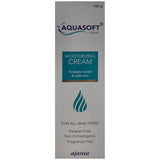
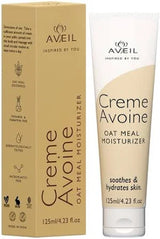
Choosing the right moisturizers for sensitive skin is essential for comfort and barrier support. The best options reduce dryness, limit irritation triggers, and maintain a healthy skin feel. A good routine also includes gentle cleansing and careful ingredient reading. This guide explains how to evaluate formulas and how to build a simple plan that fits daily life.
2. Comparison: What to Look For
3. How to Choose Moisturizers for Sensitive Skin
Introduction
Moisturizers for sensitive skin are not only about adding moisture. They are about supporting the skin barrier, lowering dryness discomfort, and improving tolerance to everyday skincare. When skin feels tight, reactive, or easily irritated, a well-chosen moisturizer can become a practical anchor in your routine. The goal is simple: use a formula that hydrates while staying gentle, so your skin can look and feel more balanced over time.
In this article, you will learn how to select a suitable moisturizer texture, which ingredients are commonly helpful, and how to avoid common irritation triggers. You will also find routine steps you can apply with most daily schedules, without turning your skincare into a complex system.
Common Challenges
Sensitive skin often behaves differently from other skin types. It can react quickly to changes in climate, stress, cleansing habits, or product ingredients. Many people also misjudge the role of moisturizer, expecting it to work like a treatment rather than a barrier support tool. The result is overuse, wrong texture choices, or products that feel good at first but later cause stinging or redness.
Challenge 1: Stinging or tightness after moisturizing
Stinging is commonly linked to an ingredient mismatch. Some formulas include strong fragrances, essential oils, or high levels of alcohol. Even when a product claims to be “gentle,” the formula may still contain components that do not suit your skin.
- Choose fragrance-free or low-sensitizing formulas.
- Prefer barrier-support ingredients and soothing components.
- Apply to slightly damp skin to reduce friction.
Challenge 2: Dryness that returns quickly
Dryness often returns when the moisturizer does not contain enough humectants or barrier lipids. In sensitive skin, water loss can feel faster, especially after washing.
- Look for hydration support with humectants and occlusives.
- Use a consistent schedule instead of only applying during flare-ups.
- Consider a richer layer at night if your skin feels dry.
Challenge 3: Oily sensitivity and clogged-feeling texture
Some people with sensitive skin also experience oiliness. They may avoid moisturizers that feel heavy, which can lead to imbalance. The solution is not to skip hydration. The solution is to choose a lighter texture that still supports the barrier.
- Select a lotion or gel-cream for daytime.
- Check the finish you prefer: lightweight, non-greasy, or creamy.
- Layer thoughtfully rather than applying excessive amounts.
When in doubt, start with a simpler routine. If your cleanser is too stripping, even the best moisturizers for sensitive skin can struggle to keep comfort stable.
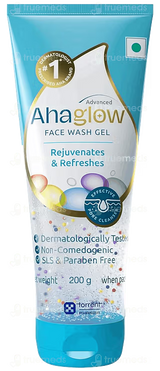
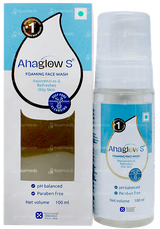
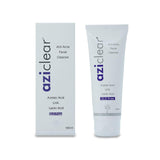
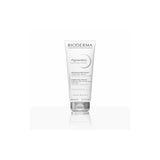
Explore a gentle cleanser option

Comparison: What to Look For
Not all moisturizers perform the same way. The most suitable choice depends on your comfort goals, your sensitivity triggers, and your preferred texture. Below is a practical comparison framework that can guide your selection without relying on hype.
| Category | Best for | Key benefit | Potential drawback |
|---|---|---|---|
| Light lotion | Daytime comfort, oily-sensitive skin | Hydration with a lighter feel | May need richer layering at night |
| Gel-cream | Normal to combination sensitive skin | Balanced moisturization | Not ideal for very dry flare-ups alone |
| Cream | Dry, tight, or weather-affected skin | More barrier support | May feel heavy if overapplied |
| Fragrance-free sensitive formulas | High reactivity or frequent irritation risk | Reduced exposure to common triggers | May vary by brand; always patch test |
When comparing moisturizers, focus on skin feel and ingredient structure rather than only marketing phrases. “Gentle” is not a synonym for “effective,” and “effective” does not automatically mean “well tolerated.”
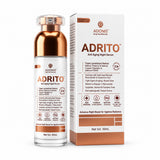
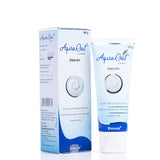
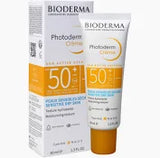
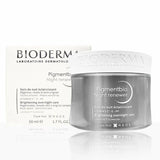
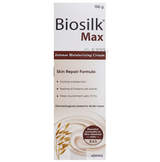
Consider a hydrating lotion style
How to Choose Moisturizers for Sensitive Skin
The best moisturizer is one that your skin accepts consistently. Use a structured approach: consider ingredient safety, hydration mechanics, and your routine context. This reduces trial-and-error and helps you build confidence in your choices.
Step 1: Prioritize barrier support ingredients
Barrier-support formulas commonly include components that help reduce water loss and support skin comfort. While exact ingredients vary by brand, the overall goal remains the same: moisturize without triggering sensitivity. Look for humectant support, skin-conditioning lipids, and soothing agents.
Step 2: Choose the right texture for your skin day
Sensitive skin can change across seasons. A texture that works in warm months may not provide enough comfort in cold, dry air. Plan for flexibility. Many users benefit from keeping two options: a lighter daily formula and a richer night cream. This strategy supports comfort without requiring frequent formula swaps.
Step 3: Read labels for common irritation triggers
Some ingredients tend to increase irritation risk for sensitive users. These can include strong fragrance components, certain essential oils, and high concentrations of alcohol in some formulations. Not every person reacts to these items, but sensitive skin has less tolerance margin, so caution is practical.
Step 4: Patch test and introduce slowly
Even when ingredients look suitable, sensitivity can be individual. Introduce new moisturizers gradually. Use it on a small area first, and observe how your skin feels over multiple days. This approach supports calmer decision-making.
Step 5: Use moisturizer strategically with other products
If you also use actives such as exfoliating acids or retinoid-like products, moisturizer becomes even more important. Proper hydration can reduce friction and improve comfort. However, layering order matters. Apply moisturizer after cleansing, before or after actives depending on your routine design and product guidance.
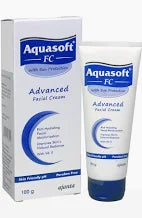
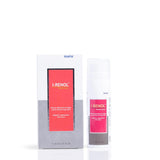
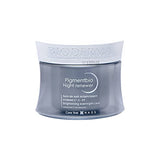
Review a supportive lotion format
Build a Calm Moisturizing Routine
A successful routine is not about using many products. It is about reducing friction, supporting hydration, and maintaining consistent skin behavior. Below is a balanced framework you can adapt for morning and evening.
Morning routine
- Gentle cleanse: Use a low-stripping cleanser and avoid hot water.
- Moisturize: Apply moisturizers for sensitive skin with a light, even layer. Add a second thin layer only if needed.
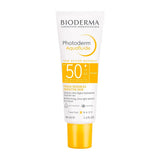
- Sun protection: Use a suitable daytime protection option to support overall skin health. Sensitive skin benefits from consistent coverage, especially when dryness is present.
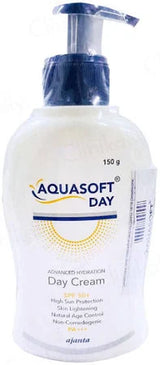
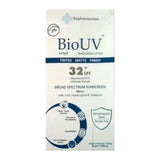
Pair with a daily sun protection choice
Evening routine
- Cleanse gently: Remove residue without over-scrubbing.
- Moisturize: Apply a richer cream if your skin feels tight. If you use actives, leave time for them to settle before moisturization.
- Optional comfort step: If skin is very dry, consider a small amount of additional hydration on the most affected areas.
How to troubleshoot common issues
Even well-chosen moisturizers can cause discomfort if the routine is too harsh elsewhere. Use the troubleshooting approach below.
- If you experience redness: Pause new products, simplify the routine, and confirm that your cleanser is not overly stripping.
- If you feel greasy: Use a smaller amount, choose a lighter texture, and avoid applying to areas that naturally do not require extra layering.
- If dryness persists: Increase consistency, apply to slightly damp skin, and consider a richer evening option.
- If stinging occurs: Stop the product, reintroduce another gentle option, and perform patch testing before full-face use.
Summary & Recommendations
Moisturizers for sensitive skin should support comfort, improve moisture balance, and avoid common irritation triggers. The most reliable path is to choose a gentle, barrier-support formula that matches your preferred texture and routine conditions. Pay attention to how your skin feels after cleansing, and consider using a lighter option for daytime and a richer option for nighttime comfort.
Recommended actions:
- Select fragrance-free or low-irritation formulas whenever your skin is highly reactive.
- Apply on slightly damp skin to improve spread and hydration efficiency.
- Patch test before full use and introduce changes gradually.
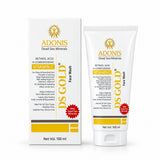
- Pair your moisturizer with a gentle cleanser and consistent daytime sun protection.
For shoppers who prefer browsing curated skincare categories, you can also explore options on the Allodermis website to support your routine decisions.
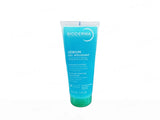
View an oil-control cleanser option
Q&A
How often should I apply moisturizers for sensitive skin?
In most routines, applying once in the morning and once in the evening is effective. If skin feels tight after cleansing, an additional thin layer can help. The key is consistency and gentle application, not heavy reapplication throughout the day.
What ingredients are commonly helpful for sensitive skin moisturizers?
Many users prefer formulations that include humectants for water attraction and barrier-support components that help reduce dryness discomfort. Soothing agents are also commonly included to improve skin feel. For individual tolerance, always review the full ingredient list and patch test.
Can I use a moisturizer when my skin feels oily but still sensitive?
Yes. Sensitive skin can be oily and still experience water loss and irritation. Choose a lightweight lotion or gel-cream texture to support hydration without an overly heavy feel. Using the correct amount also helps maintain comfort.
Should I change my moisturizer with every season?
It can be useful to adjust texture rather than replace everything. Many people keep a lighter formula for warm months and a richer option for dry weather. This reduces disruption and helps sensitive skin maintain familiarity.
About the Author
Allodermis Skin Care Team
Allodermis is a skin care-focused brand with expertise in supportive routines for sensitive and reactive skin. The team emphasizes ingredient understanding, gentle cleansing habits, and barrier-first moisturization strategies. Thank you for reading. You can build a calmer routine by choosing consistent, well-tolerated products and monitoring your skin comfort over time.
Disclaimer: This article provides general skincare guidance and does not replace medical advice. Individual skin responses vary. If you have a skin condition, persistent irritation, or severe symptoms, consult a qualified healthcare professional before making routine changes.
Authors & medical review
Swaraj Dhar is a sociopreneur, technologist, and the co-founder of Allodermis.
Every article is fact-checked against current peer-reviewed dermatology literature and Allodermis clinical protocols.
This article was last reviewed and updated on . Published .
Have a skin or hair concern?
Book a free consultation with our AIIMS MD dermatologists. Clinics in Bhubaneswar, Gurgaon, and Delhi NCR.