










Natural Skin Healing: Simple Steps for Visible Recovery

Updated on: 2026-05-29
Natural skin healing supports the skin’s ability to recover from everyday stressors. It combines barrier care, gentle cleansing, hydration, and targeted actives used with care. A consistent routine helps reduce the look of irritation and supports long-term skin resilience. The approach focuses on evidence-based habits and skin-friendly ingredients rather than quick fixes.
1. Buyer’s Checklist
2. Step-by-Step Guide
3. FAQ
4. Closing Thoughts & CTA
5. About the Author Section
Buyer’s Checklist
Natural skin healing begins with the right foundation. Use this checklist to choose products and routines that align with skin recovery and barrier support.
-
Barrier-first formulas: Look for moisturizers and soothing agents that support the skin barrier. A strong barrier can reduce irritation and improve comfort.
-
Gentle cleansing: Choose a cleanser that removes dirt without stripping oils. Over-cleansing can slow recovery.
-
Hydration that lasts: Prioritize creams or lotions that reduce water loss. Well-hydrated skin tends to heal more smoothly.
-
Evidence-aligned actives: If you use actives, start slowly. Choose products designed for daily skin use and tolerance.
-
Sun protection: Daily UV protection helps prevent further damage. It also supports the appearance of healing over time.
-
Skin compatibility: Prefer fragrance-free options when you have sensitive skin. Patch test new items before full use.
-
Routine compatibility: Ensure the cleanser, moisturizer, and sunscreen fit together without pilling or causing dryness.
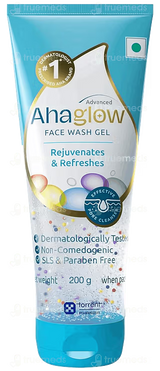
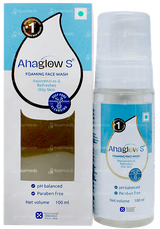
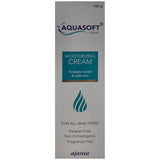
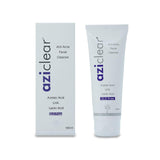
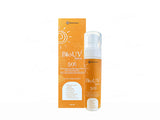
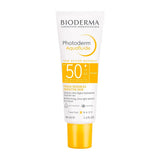
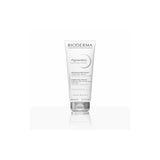
If you need a gentle start, you can review a mild cleanser option such as gentle cleanser. For hydration and comfort, consider a rich lotion like rich hydrating lotion. For daytime protection, look for a reliable sunscreen product, for example SPF 50 acne UV gel.

Step-by-Step Guide
Below is a practical routine designed around natural skin healing principles. It is suitable for many skin types, with adjustments for sensitivity.
1) Assess your current skin state
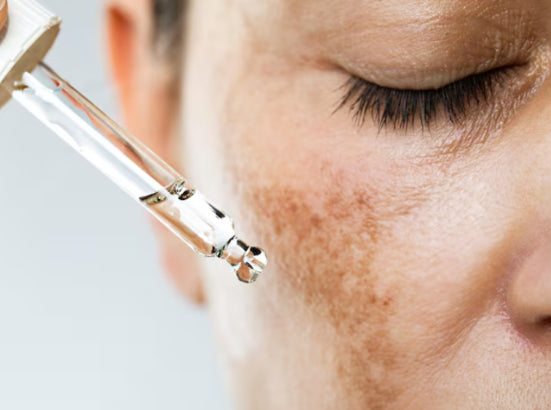
Start by noting what your skin shows today. Consider redness, tightness, dryness, rough texture, or post-breakout marks. This helps you choose a calmer cleanser and a supportive moisturizer first. If you currently use multiple strong actives, simplify your routine for a short period so your barrier can stabilize.
2) Cleanse gently, not aggressively
Use a mild cleanser and avoid hot water. Wash for a short time, then rinse well. Over-cleansing can disrupt the lipid layer and increase sensitivity. If your skin feels dry after cleansing, reduce frequency or switch to a gentler formula such as Cetaphil gentle cleanser.
3) Apply hydration quickly after cleansing
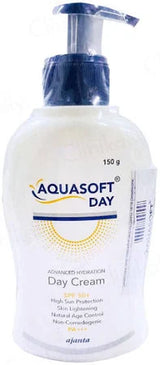
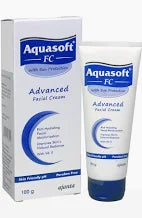
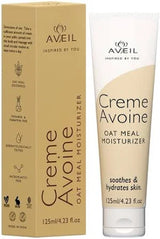
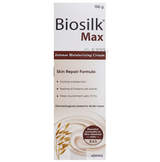
Skin recovers best when water is sealed in. Apply a moisturizer within a few minutes after washing. Choose a texture that matches your skin. For dry or irritated skin, richer creams can improve comfort and reduce the appearance of flaking. For example, a hydrating lotion such as rich facial hydrating lotion may support daily moisture balance.
4) Add targeted support for healing comfort
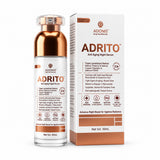
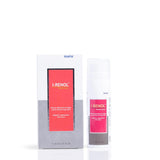
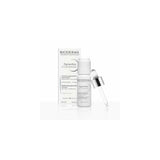
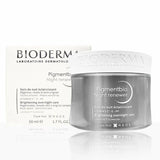
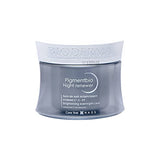
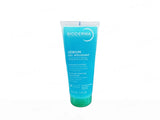
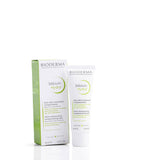
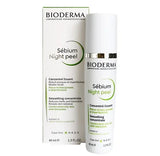
Once your base routine is stable, you can introduce one targeted step. Look for soothing ingredients and skin-friendly actives that match your needs. If you are focusing on skin smoothness and a more even look, a proactive daily serum can complement moisturizing. An option to review is proactive serum. Keep the product count low and introduce changes one at a time.
5) Use sun protection every morning
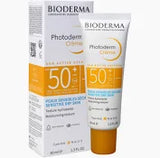
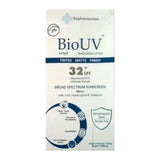
UV exposure can worsen irritation and slow visible recovery. A broad-spectrum sunscreen is one of the most practical steps for supporting healing outcomes. Apply generously and reapply when outdoors for extended periods. If you want an acne-friendly texture, consider SPF 50 UV gel. If you prefer another formulation, evaluate an option like daily sunscreen cream.
6) Manage exfoliation carefully
Exfoliation can help remove rough surface buildup, but it can also irritate skin if overused. If you use chemical exfoliants, limit frequency and avoid combining multiple exfoliating products in the same routine. If your skin already feels sensitive, prioritize moisturization and sun protection instead of increasing exfoliation strength.
7) Support healing through consistent habits
Natural repair is also affected by daily behaviors. Sleep affects recovery cycles. Hydration and a balanced diet support skin function. Stress management can improve skin comfort for some people, especially where irritation is already present. Keep your routine consistent for long enough to evaluate results.
8) Track changes with simple notes
Take a brief log of what you change. Note improvements in comfort, reduced roughness, and the way your skin looks after cleansing and applying moisturizer. This can prevent unnecessary switching. When you change multiple variables, it becomes hard to identify what supports healing.
FAQ
What does natural skin healing mean in daily skincare?
It refers to routines that support your skin’s natural recovery processes. The focus is on barrier care, gentle cleansing, hydration, and consistent sun protection. Targeted actives can be included, but they should be introduced slowly and used in a way that does not increase irritation.
How long should I follow a natural repair routine before judging results?
Skin needs time to stabilize and recover. Instead of expecting immediate change, evaluate improvements in comfort and texture over several weeks. If your skin becomes drier, redder, or more sensitive after a product change, reduce frequency or simplify the routine and return to core barrier steps.
Can actives support natural skin healing, or do they slow it down?
Actives can support recovery when used appropriately. The key is compatibility and consistency. Start with one active at a time, use it at a lower frequency, and monitor how your skin responds. If irritation increases, reduce use and prioritize cleansing, moisturizing, and sun protection.
Which skin signs suggest that I need stronger barrier care?
Tightness after cleansing, visible flaking, ongoing redness, and stinging with basic products are common indicators. In these situations, choose a gentler cleanser, apply moisturizer more consistently, and avoid adding multiple new products. Sun protection also helps prevent further stress on healing skin.
Closing Thoughts & CTA
Natural skin healing is built on fundamentals: gentle cleansing, reliable hydration, and daily UV protection, supported by carefully selected actives. When you keep your routine consistent and skin-compatible, you give your barrier the stability it needs to recover. If you want to refine your regimen, review your current cleanser and moisturizer first, then strengthen sun protection.
Explore options from Allodermis skincare essentials and choose formulas that match your skin’s needs. For a calmer start, consider a gentle cleanser like gentle cleanser and a dependable SPF such as SPF 50 PA sunscreen cream.
Disclaimer: This article is for informational purposes only and does not replace professional medical advice. Individual skin responses vary. If you have persistent skin conditions or severe irritation, consult a qualified healthcare professional.
About the Author Section
Author: Allodermis Editorial Team
Allodermis is a skincare-focused organization committed to skin-friendly product guidance and consumer education. The team specializes in barrier care, ingredient literacy, and routine building for everyday skin resilience. For customers, the goal is to help you choose products with clear expectations and practical consistency. Thank you for reading, and may your routine support comfort, stability, and long-term healthy-looking skin.
Authors & medical review
Swaraj Dhar is a sociopreneur, technologist, and the co-founder of Allodermis.
Every article is fact-checked against current peer-reviewed dermatology literature and Allodermis clinical protocols.
This article was last reviewed and updated on . Published .
Have a skin or hair concern?
Book a free consultation with our AIIMS MD dermatologists. Clinics in Bhubaneswar, Gurgaon, and Delhi NCR.