


















Non-surgical Aesthetic Options: What to Expect

Updated on: 2026-06-12
Non-surgical aesthetic procedures can help many people improve skin appearance without the downtime associated with surgery. However, outcomes vary based on skin health, device choice, treatment plan, and realistic expectations. This guide explains how to evaluate options, prepare properly, and choose a qualified provider. You will also learn which questions to ask during a consultation and how to support results with a structured skincare routine.
Table of Contents
- 1. Non-surgical aesthetic procedures: What they are and why people choose them
- 2. How to decide which approach is appropriate
- 3. How-to steps for safer, better results
- 4. Consultation checklist and provider red flags
- 5. Pair treatments with evidence-informed skin care
- 6. Common timelines and what to expect during care
- 7. FAQ
- 8. Closing thoughts
- 9. About the Author
Non-surgical aesthetic procedures: What they are and why people choose them
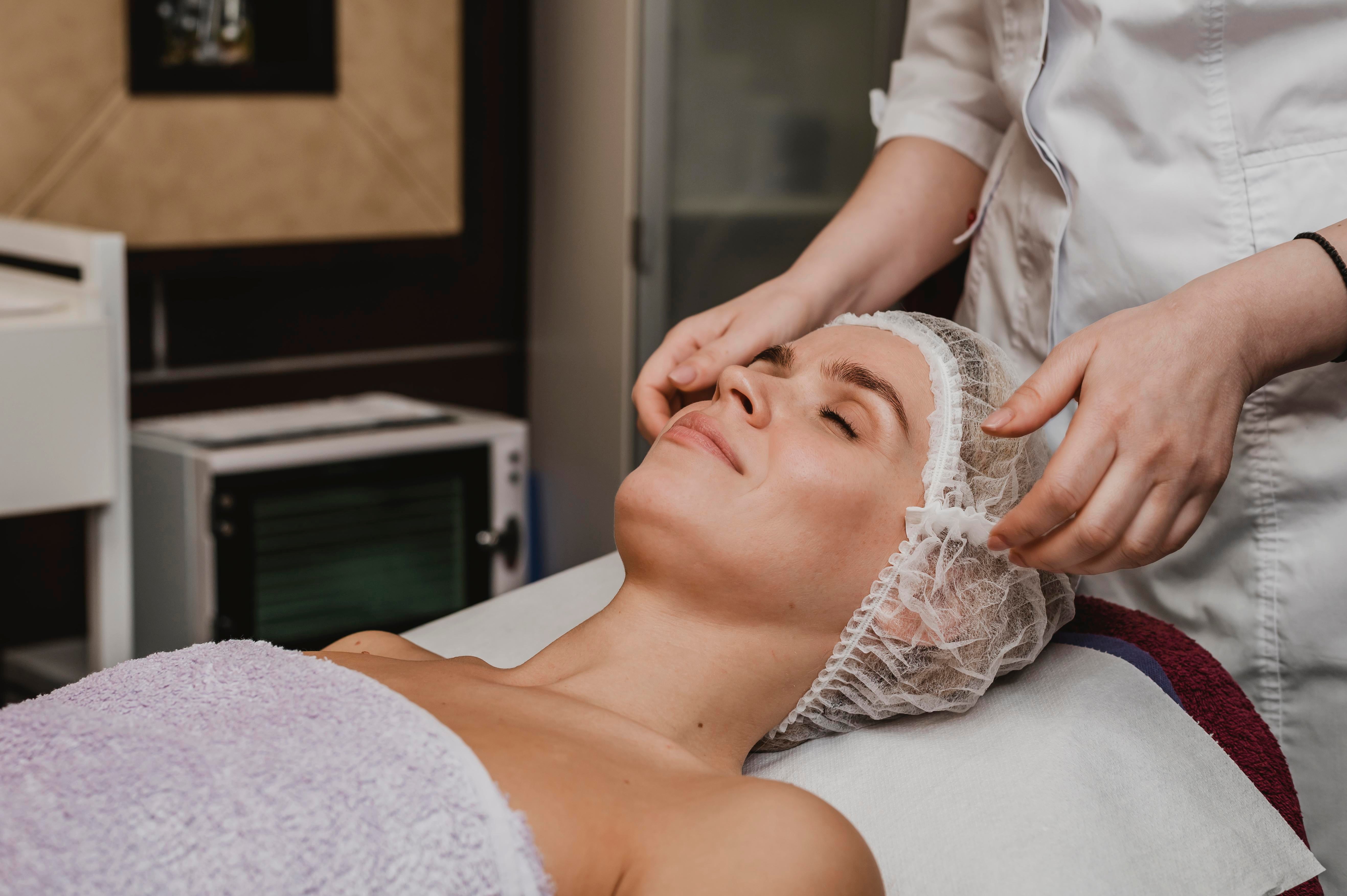
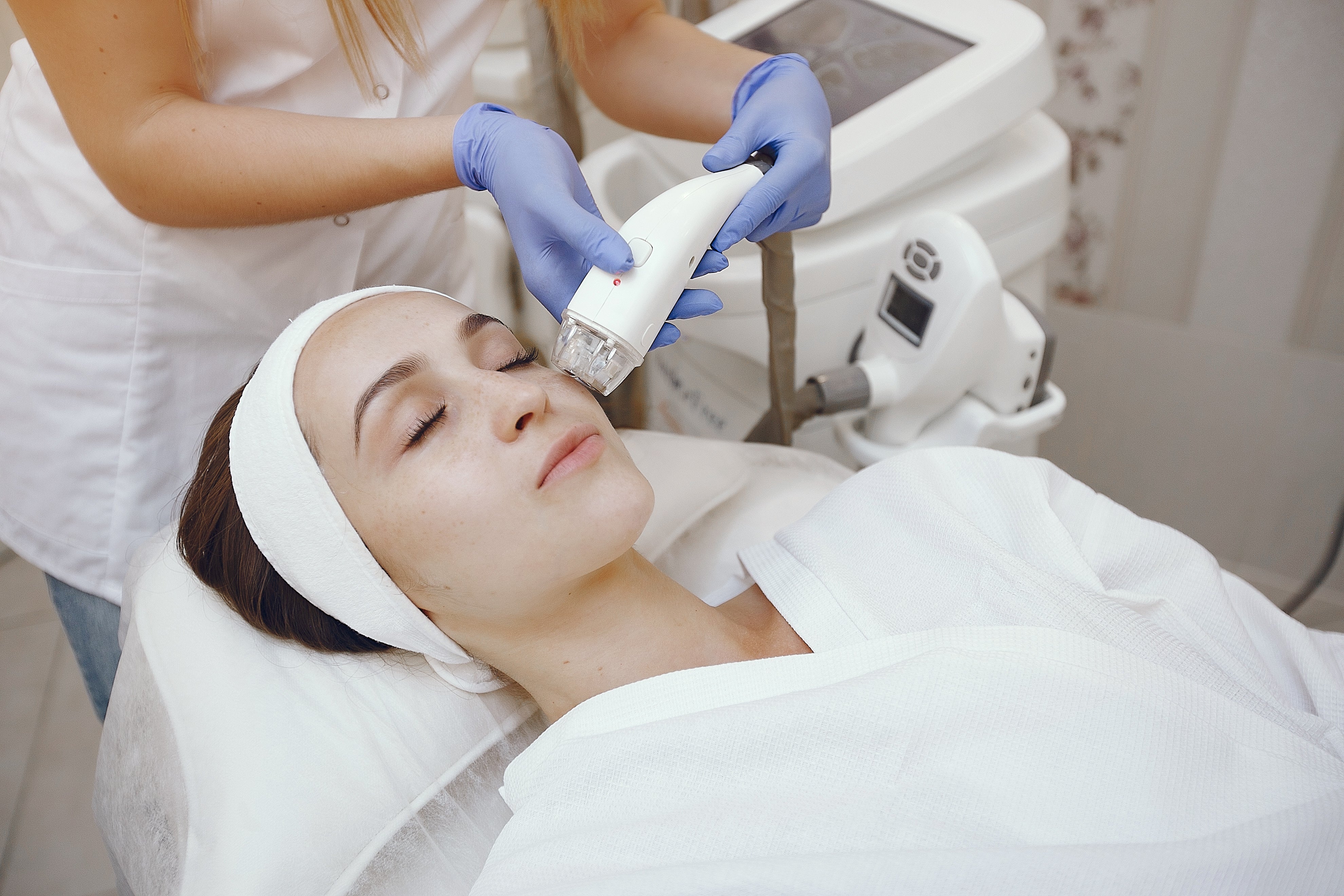
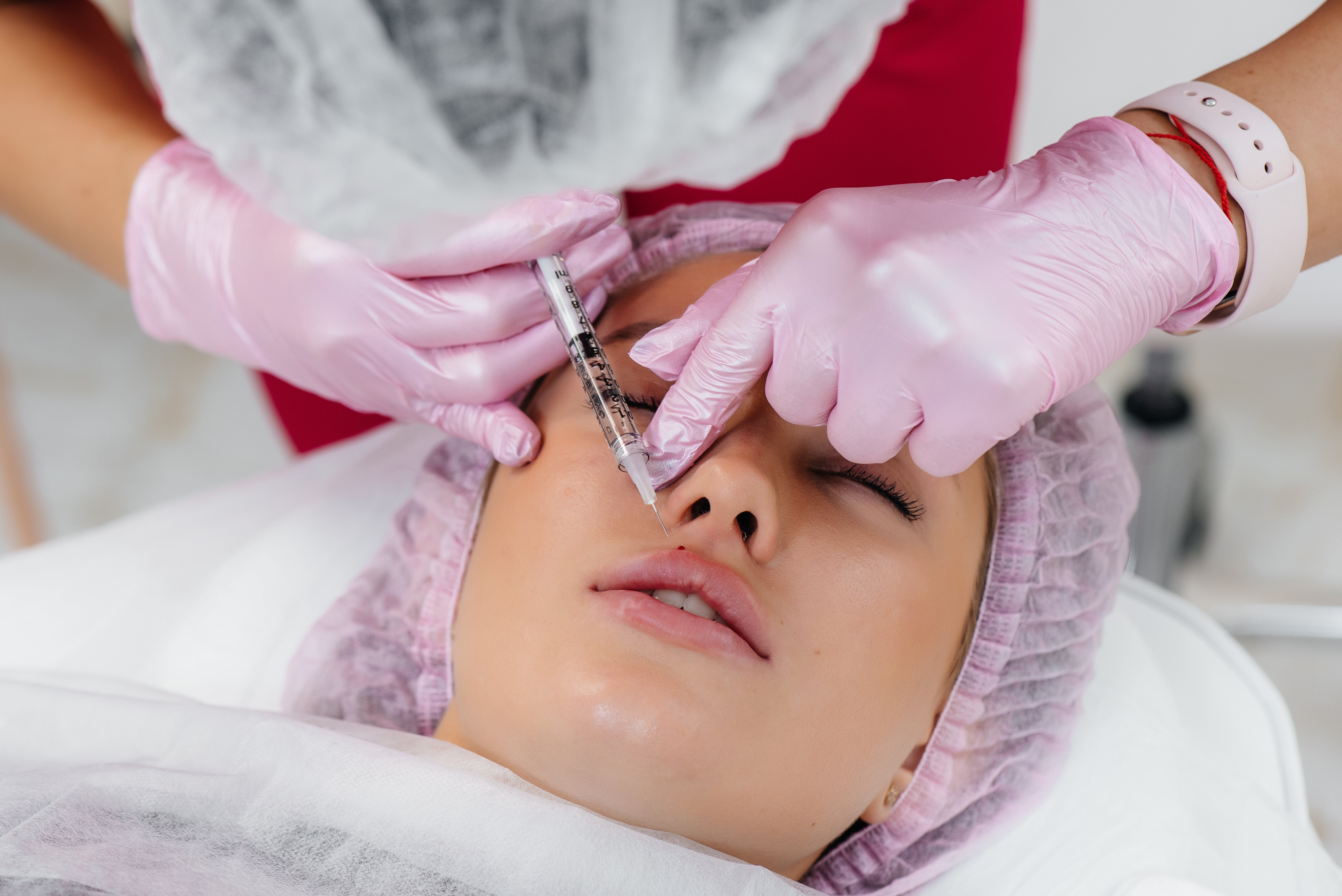
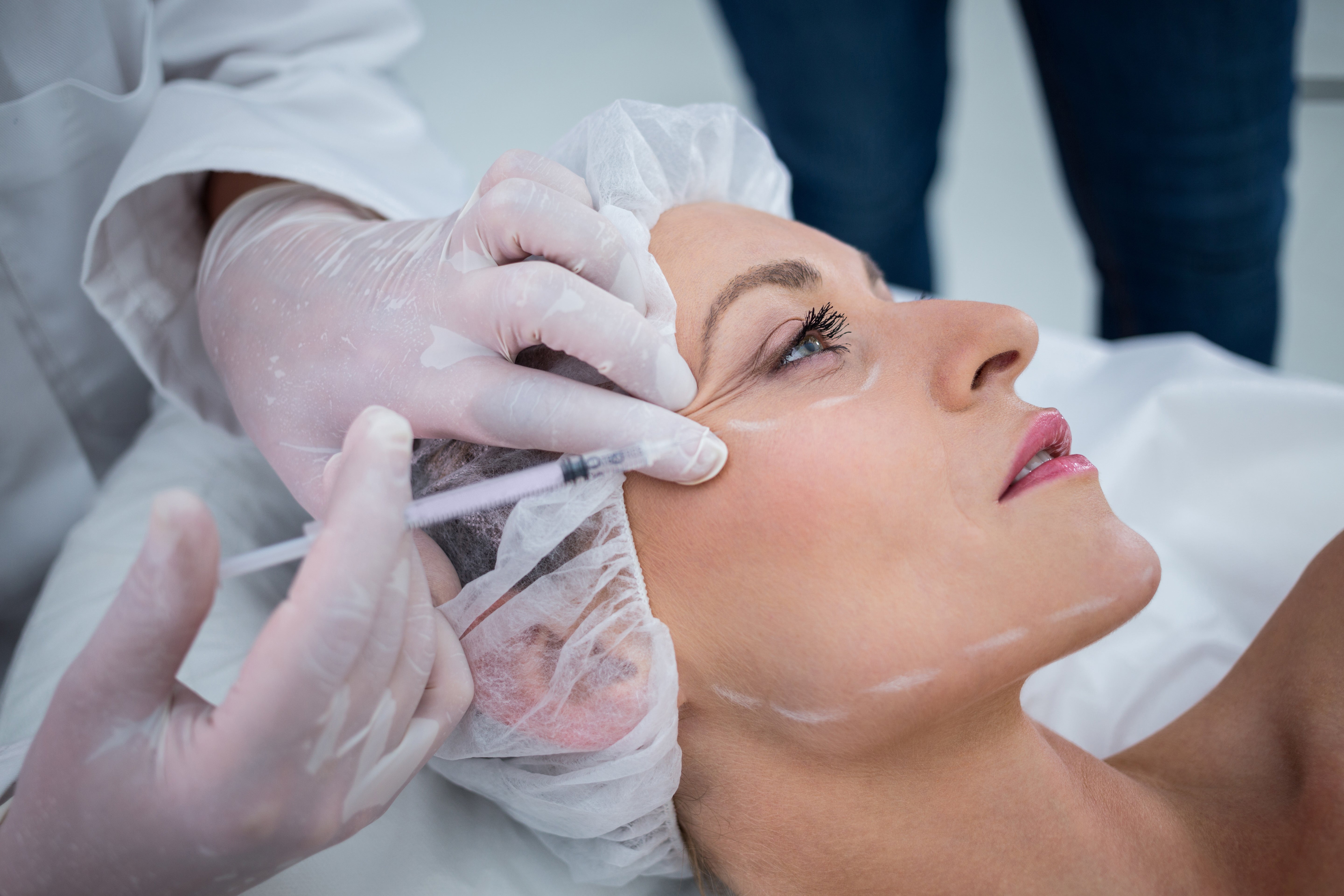
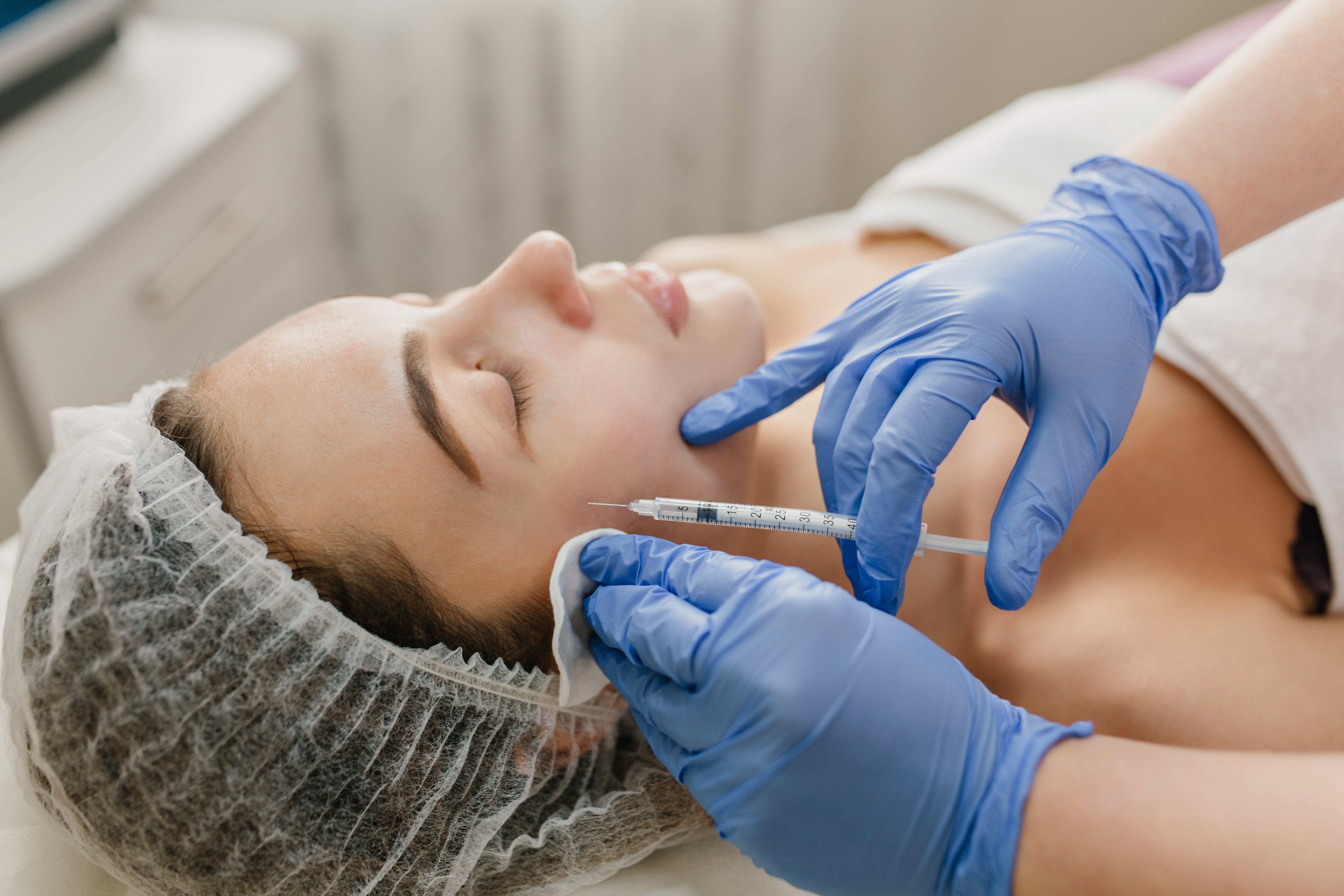
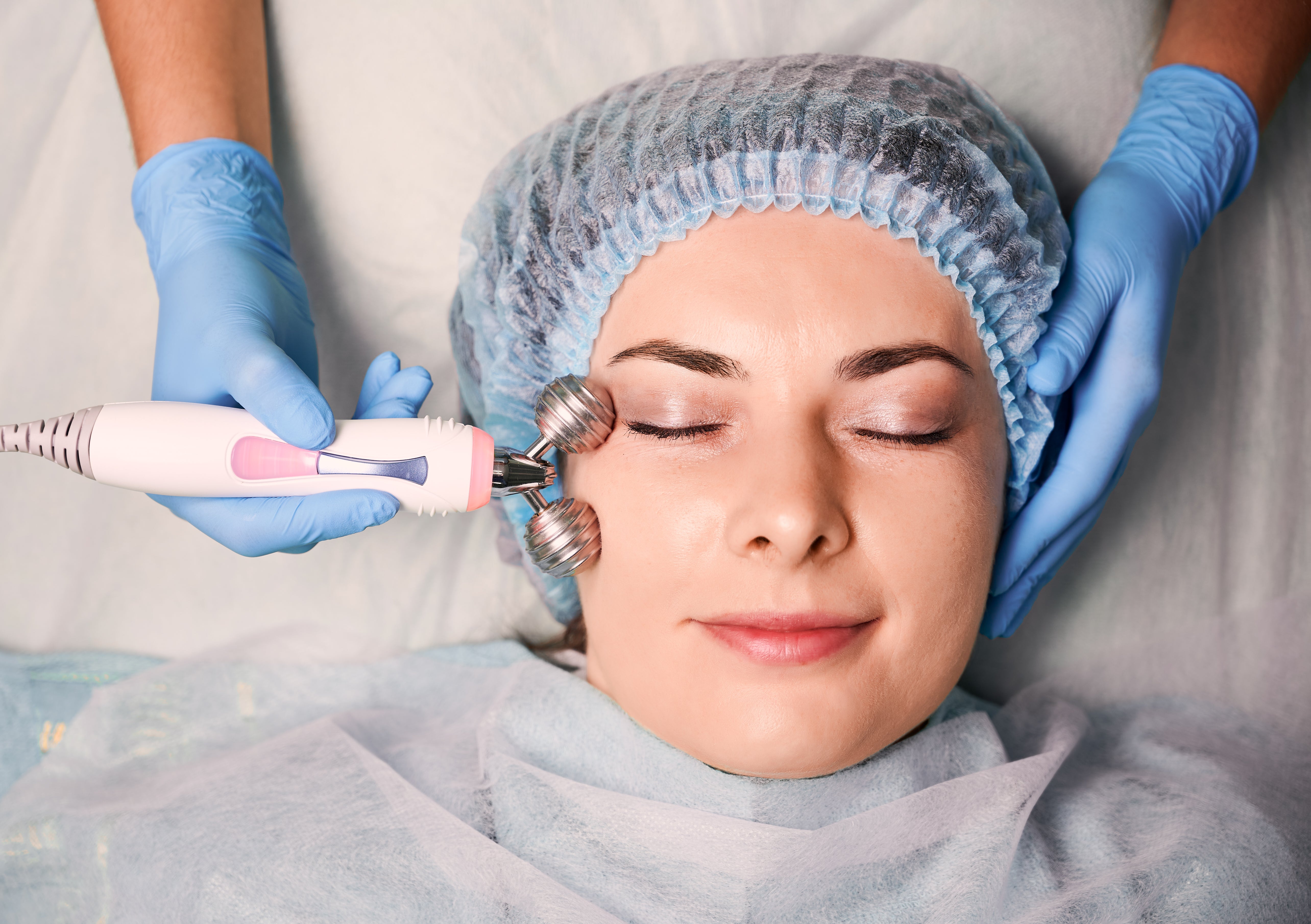
Non-surgical aesthetic procedures are cosmetic treatments that aim to improve skin appearance and concerns such as uneven tone, texture irregularities, early signs of aging, and minor contour issues, without performing surgical incisions. These services often include energy-based techniques, injectable options administered by licensed professionals, and topical regimens designed to support the skin barrier and visual clarity. Many individuals prefer these approaches because they generally involve less downtime and can be integrated into everyday routines.
It is essential to view non-surgical aesthetic procedures as part of a broader care strategy. The best results usually come from alignment between your goals and the right modality, combined with consistent skin preparation and aftercare. A reputable clinic will discuss both benefits and limitations, explain expected maintenance, and help you choose a plan suited to your tolerance, skin type, and lifestyle.

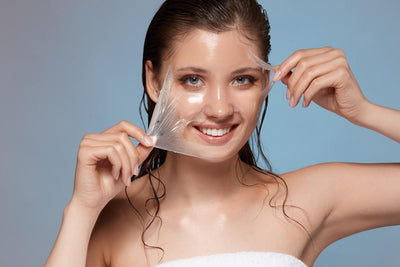
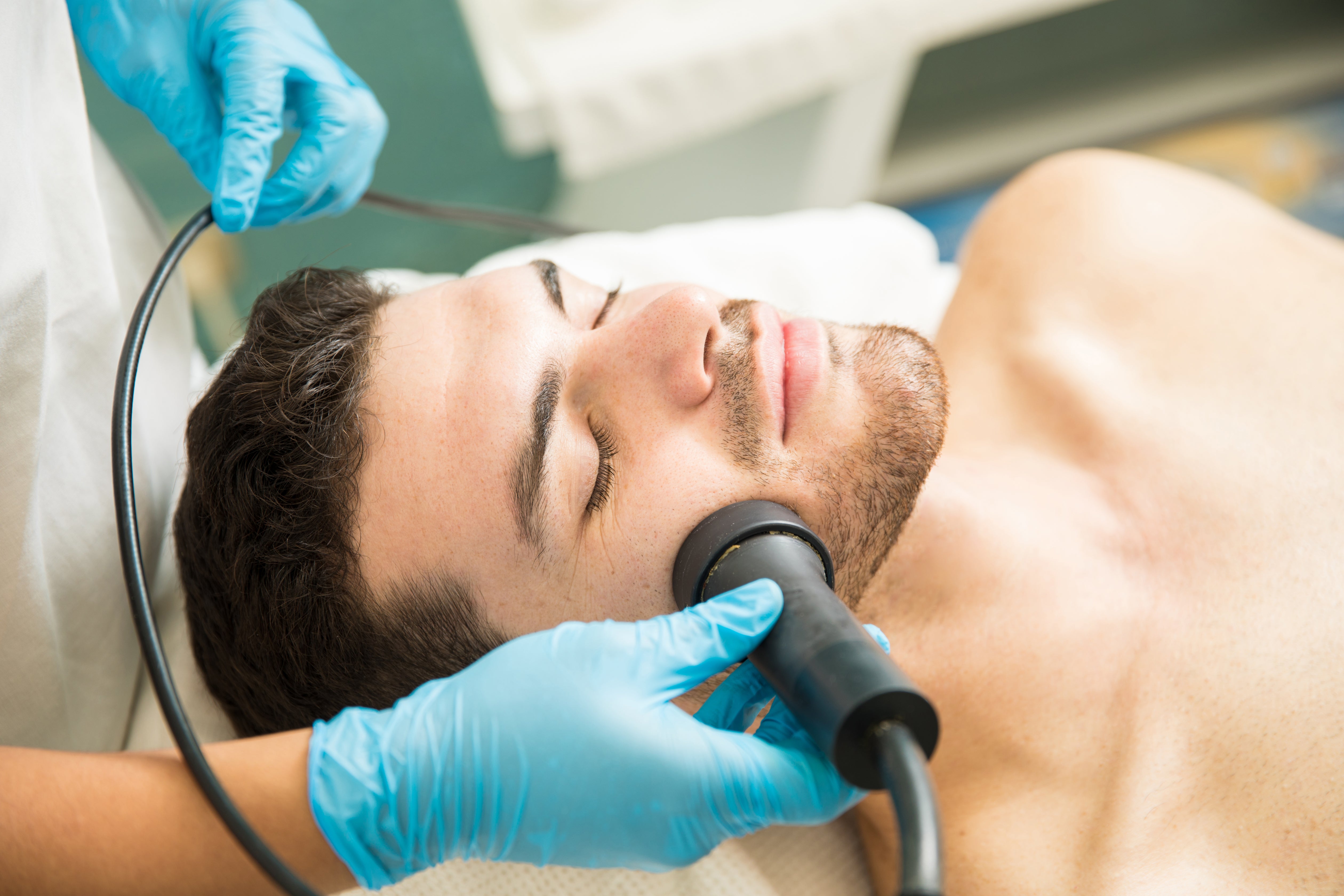
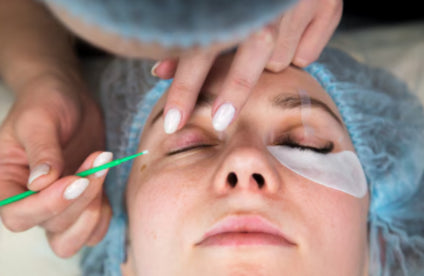
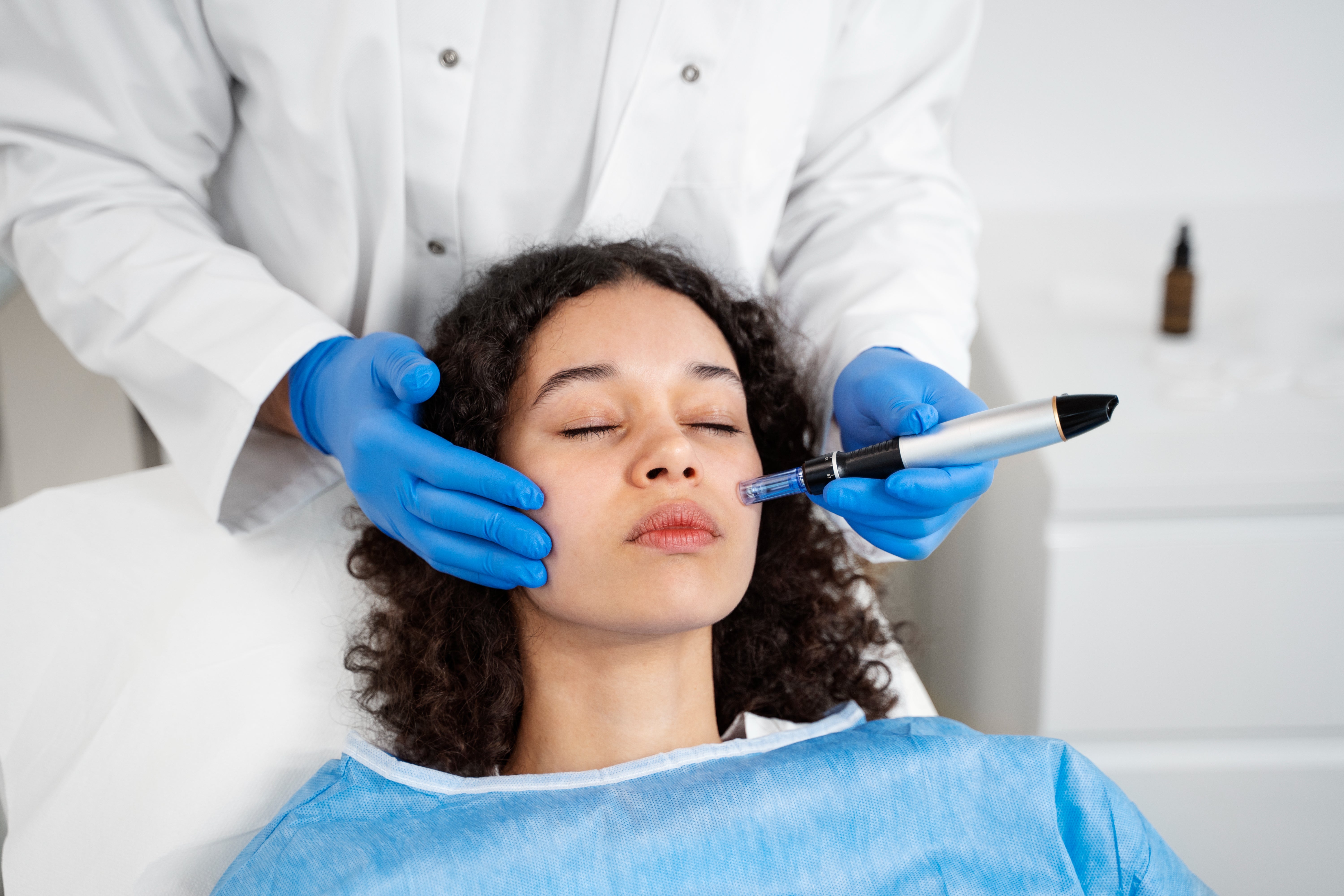
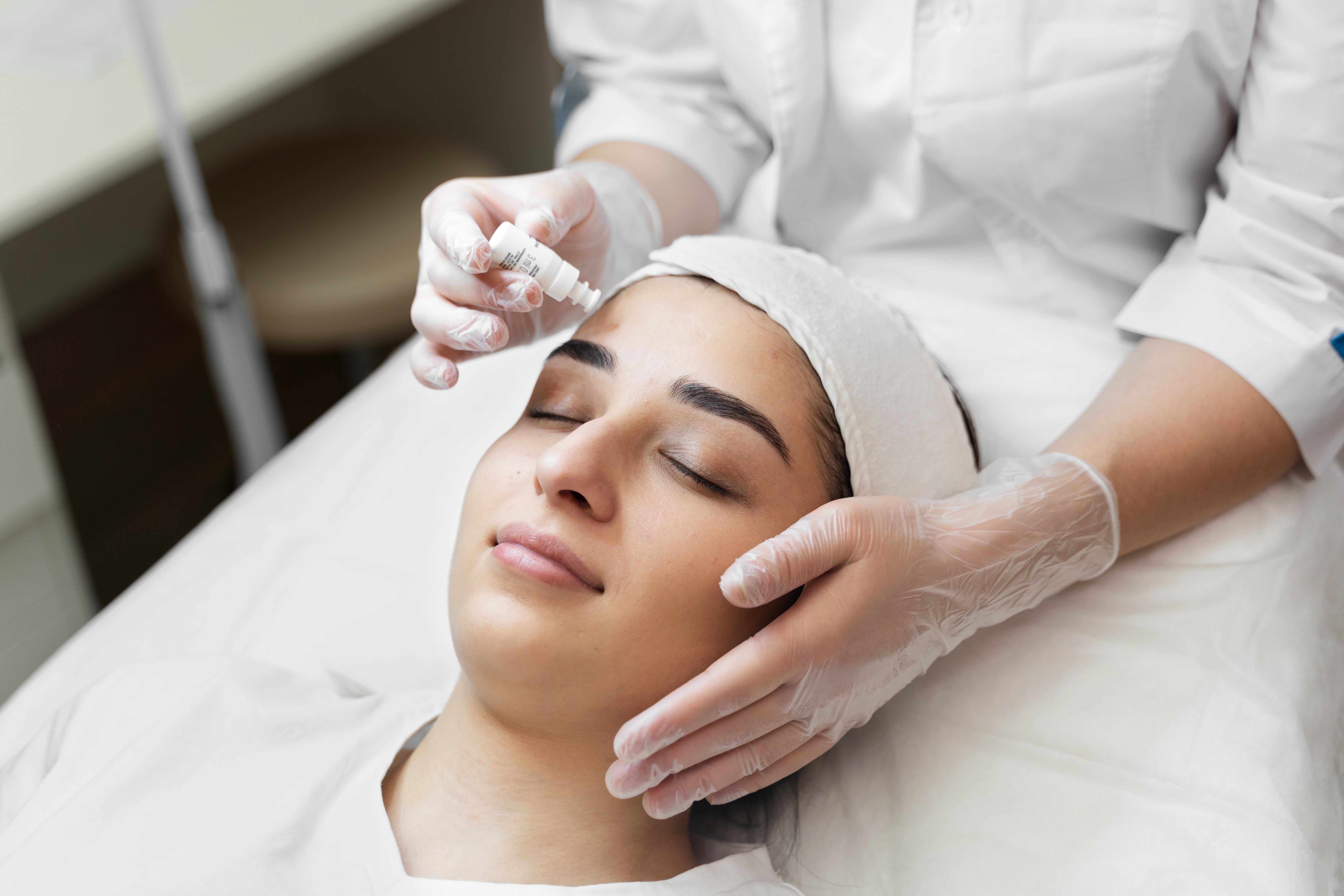
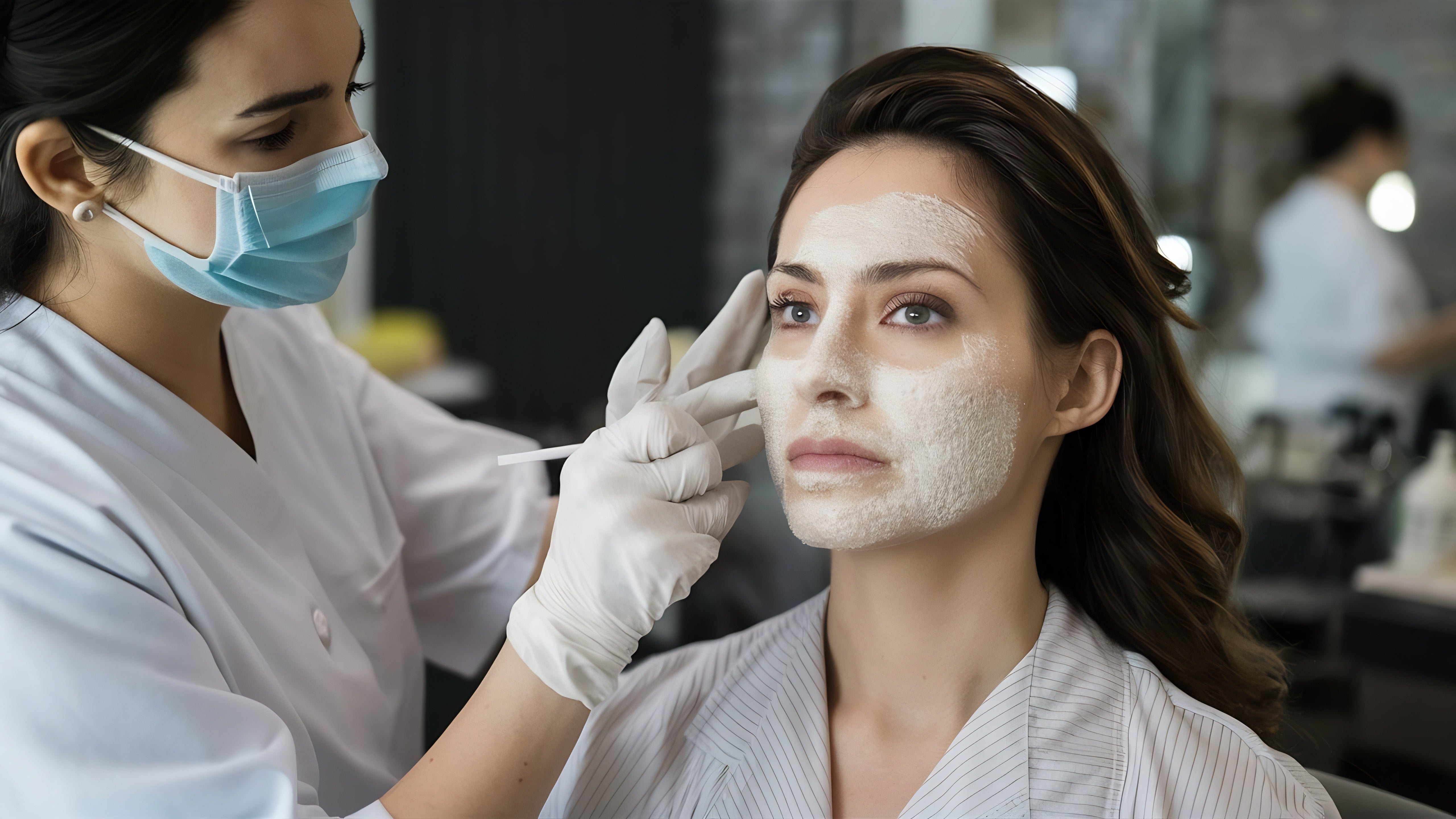
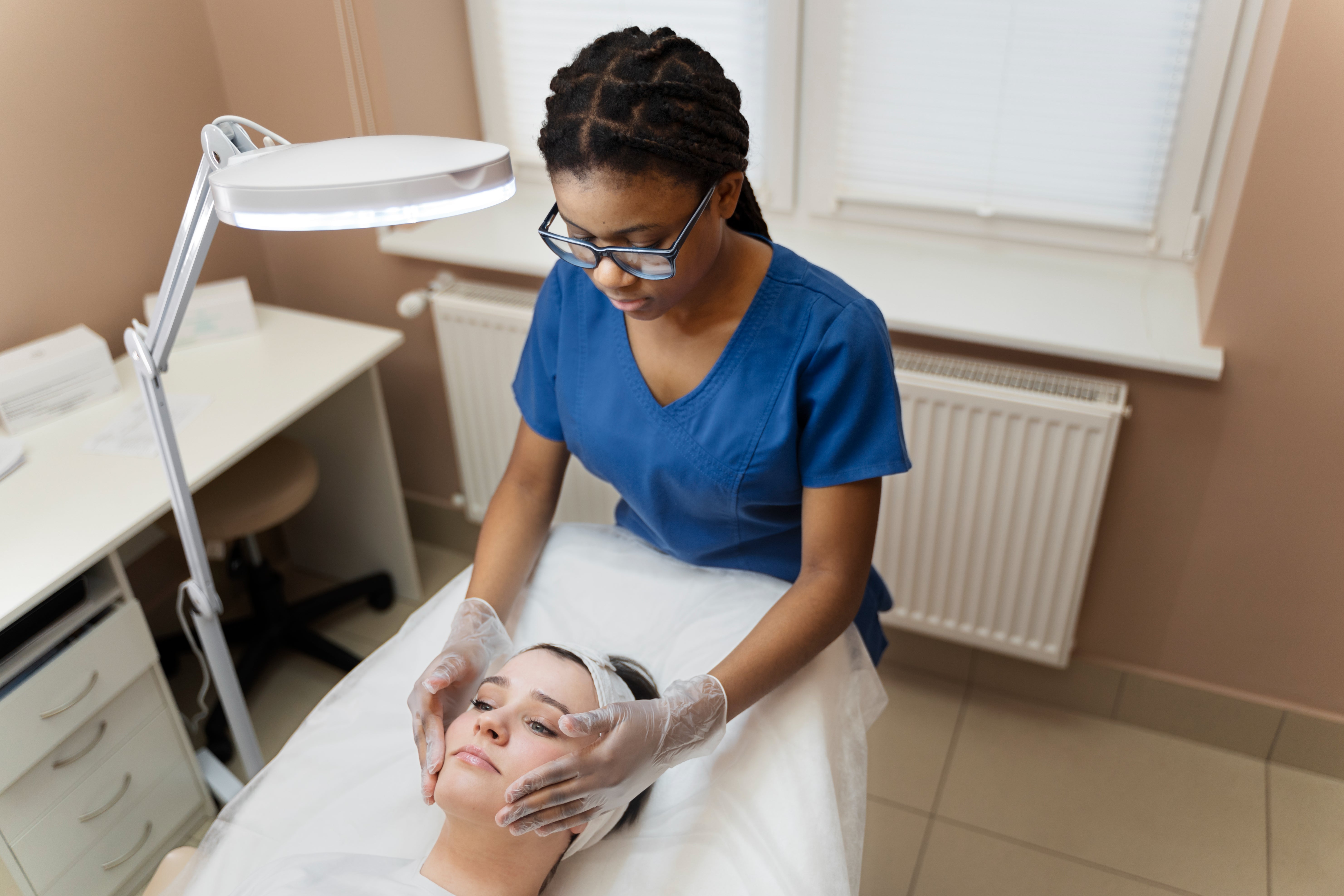
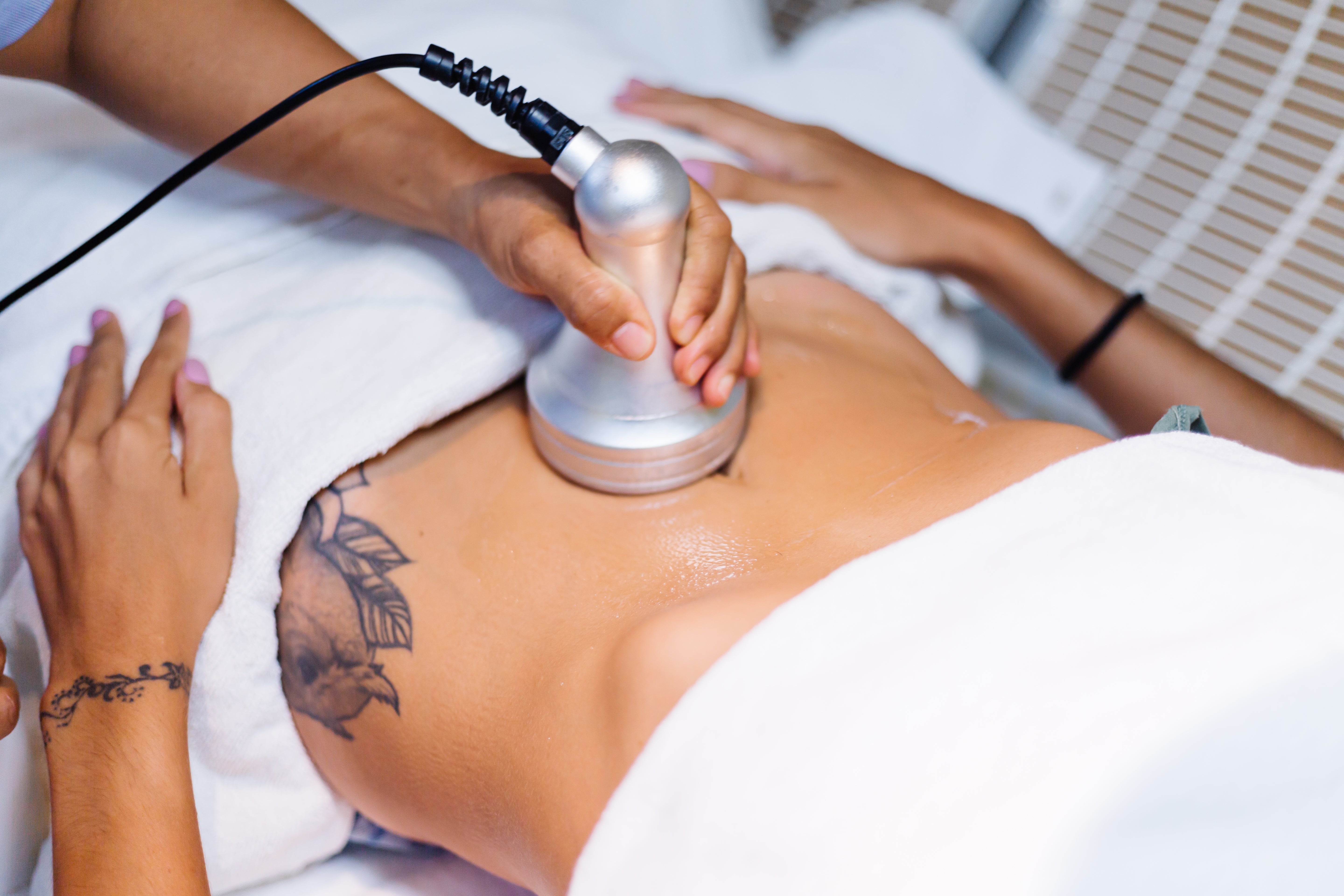
Illustration of skin goals, tools, and careful planning
How to decide which approach is appropriate
Deciding among non-surgical aesthetic procedures begins with a clear goal. Instead of focusing on a specific trend, define the primary concern in plain terms. Examples include “reduce the look of dullness,” “improve hydration and comfort,” “support a smoother skin texture,” or “minimize visible spots over time.” When goals are specific, the consultation becomes more precise and the treatment plan is easier to evaluate.
Next, assess baseline skin health. Barrier integrity often determines how well skin responds to procedures and topical products. If your skin is frequently irritated, inflamed, or reactive, the first priority may be barrier support and gentle cleansing. This approach can reduce the risk of complications and can improve the stability of your results.
Finally, consider maintenance. Many non-surgical aesthetic procedures rely on gradual changes and cumulative effects. Some concerns respond better to ongoing support rather than a single session. Your plan should include a realistic path for follow-up care, including home routines and protective habits that reduce external triggers.
How-to steps for safer, better results
The following steps are practical and broadly applicable when selecting non-surgical aesthetic procedures. They emphasize safety, communication, and consistency.
Set measurable objectives. Describe the outcome you want and the time horizon you find reasonable. Aim for clarity, not perfection.
Document your skin history. Note past reactions, current medications, allergies, prior cosmetic treatments, and any recurring conditions. Bring this information to the appointment.
Choose a qualified provider. Seek licensing, verified credentials, and a clinic process that includes informed consent and risk discussion. Ask who performs the procedure and what training they hold.
Request a tailored plan. Avoid one-size-fits-all recommendations. A responsible provider will evaluate your skin type and concerns and will propose a staged approach when appropriate.
Start with skin preparation. In many cases, consistent gentle cleansing and hydration support outcomes. If your skin barrier is compromised, procedures may feel uncomfortable and results may appear less even.
Use sunscreen consistently. Broad-spectrum sun protection helps protect visual improvements and reduces the chance of new pigmentation. Incorporate sunscreen into your daily routine.
Follow aftercare instructions precisely. Aftercare guidelines are designed to protect the skin and optimize response. If you are unsure about any instruction, ask for written guidance.
Track changes objectively. Use neutral lighting and consistent angles for simple photos. Keep notes on comfort, visible texture, and any sensitivity so follow-up decisions are informed.
Consultation checklist and provider red flags
A strong consultation should feel structured, educational, and balanced. During your visit, ask about your skin evaluation, the rationale behind the chosen method, and what you can reasonably expect across multiple sessions. You should also learn how the clinic measures progress and how they manage side effects if they occur.
Useful questions include:
What is the primary mechanism for addressing my concern?
Which skin types are best suited, and what adjustments are considered for sensitive skin?
What are common side effects and how long do they typically last?
How many sessions are usually needed, and what maintenance interval is recommended?
What home care changes should I make before and after treatment?
What criteria would cause you to pause, adjust, or decline treatment for safety reasons?
Red flags to watch for include guarantees of identical results, vague explanations, pressure tactics, lack of informed consent, and absence of a clear aftercare plan. A credible clinic will address risks and will encourage questions. This approach supports trust and helps you make decisions aligned with both goals and safety.
Pair treatments with evidence-informed skin care
Skincare support does not replace professional care, but it can influence comfort, evenness, and overall appearance. A consistent routine often includes gentle cleansing, hydration, targeted actives when appropriate, and daily sun protection. When selecting products, prioritize barrier-friendly formats and formulations that suit your skin sensitivity.
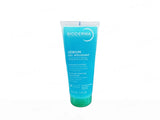
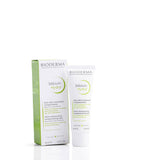
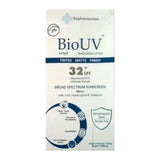
For cleansing, consider gentle options that support the skin barrier. For example, you may review products such as Cetaphil Gentle Cleanser if you prefer a non-stripping cleanse. If acne-prone skin is part of your concern, using a dedicated routine can be helpful; for instance, you may explore Acne UV Gel SPF 50 for daytime protection that aligns with acne-prone needs.
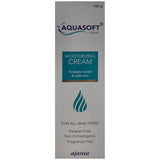
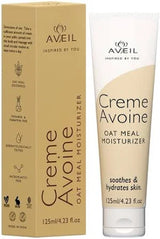
Hydration and protective skincare also matter. Many people benefit from a balanced moisturizing step that helps reduce dryness and friction during treatment cycles. A product like Excela Rich Facial Hydrating Lotion can support daily comfort when used consistently.
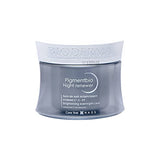
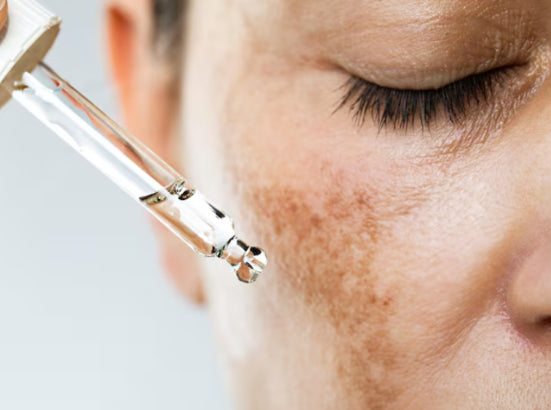
For brightening goals, some routines incorporate vitamin C or pigment-focused actives. If you want to explore a vitamin C approach, consider AZE Proactive Serum as part of a plan discussed with your provider, especially if you are balancing sensitivity. For pigment and tone concerns, users sometimes consider targeted cleansers such as PigmentBio Foaming Face Wash in the context of their overall care strategy.
When using any active ingredient, remember that tolerance builds with consistency and gradual introduction. If your skin reacts, reduce frequency and prioritize barrier support. Your provider may recommend temporary adjustments around treatment days to improve comfort and outcomes.

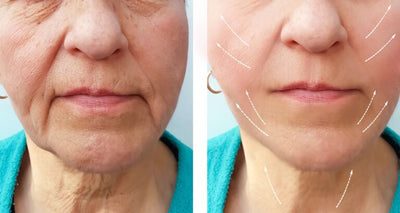
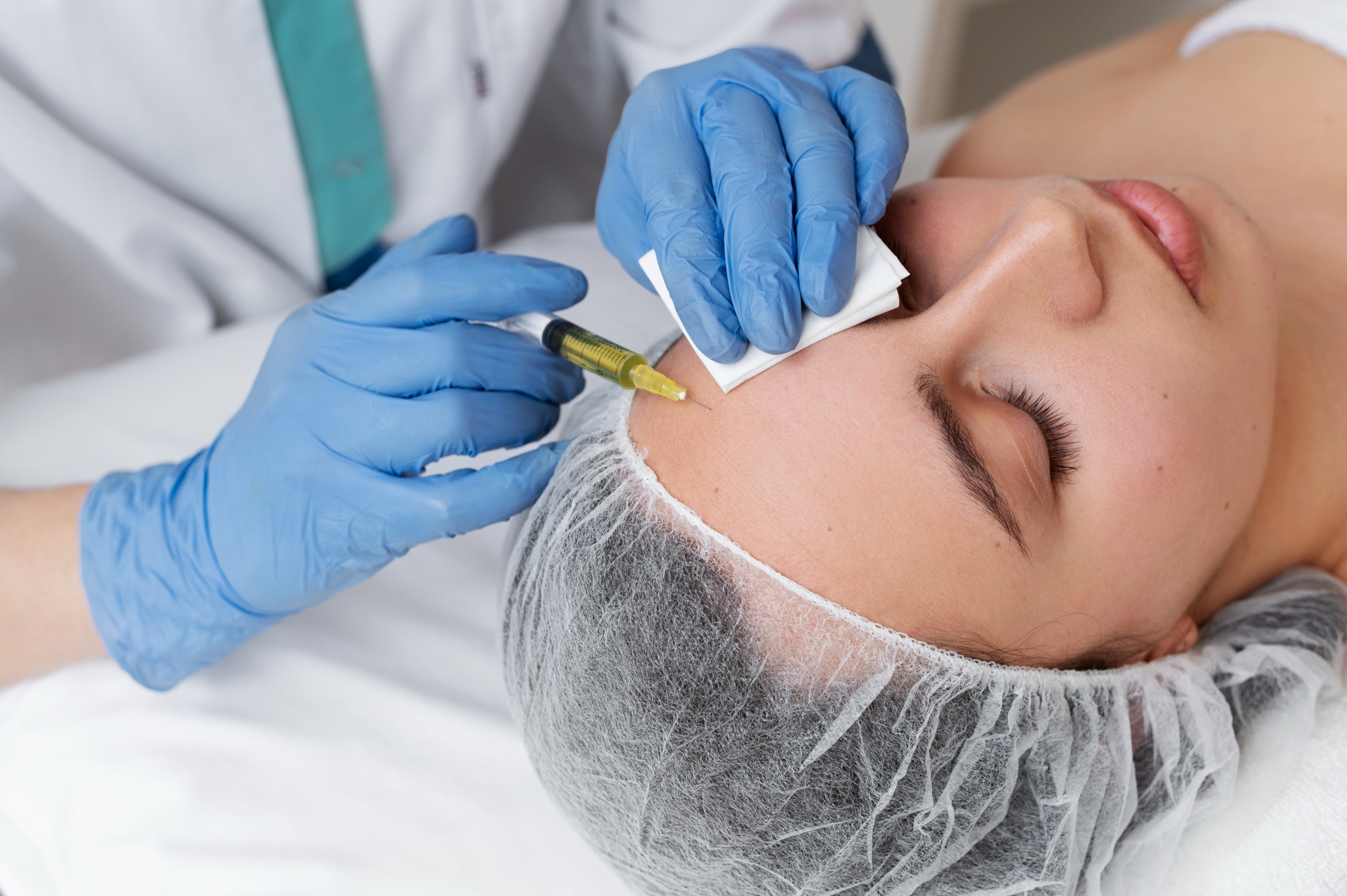
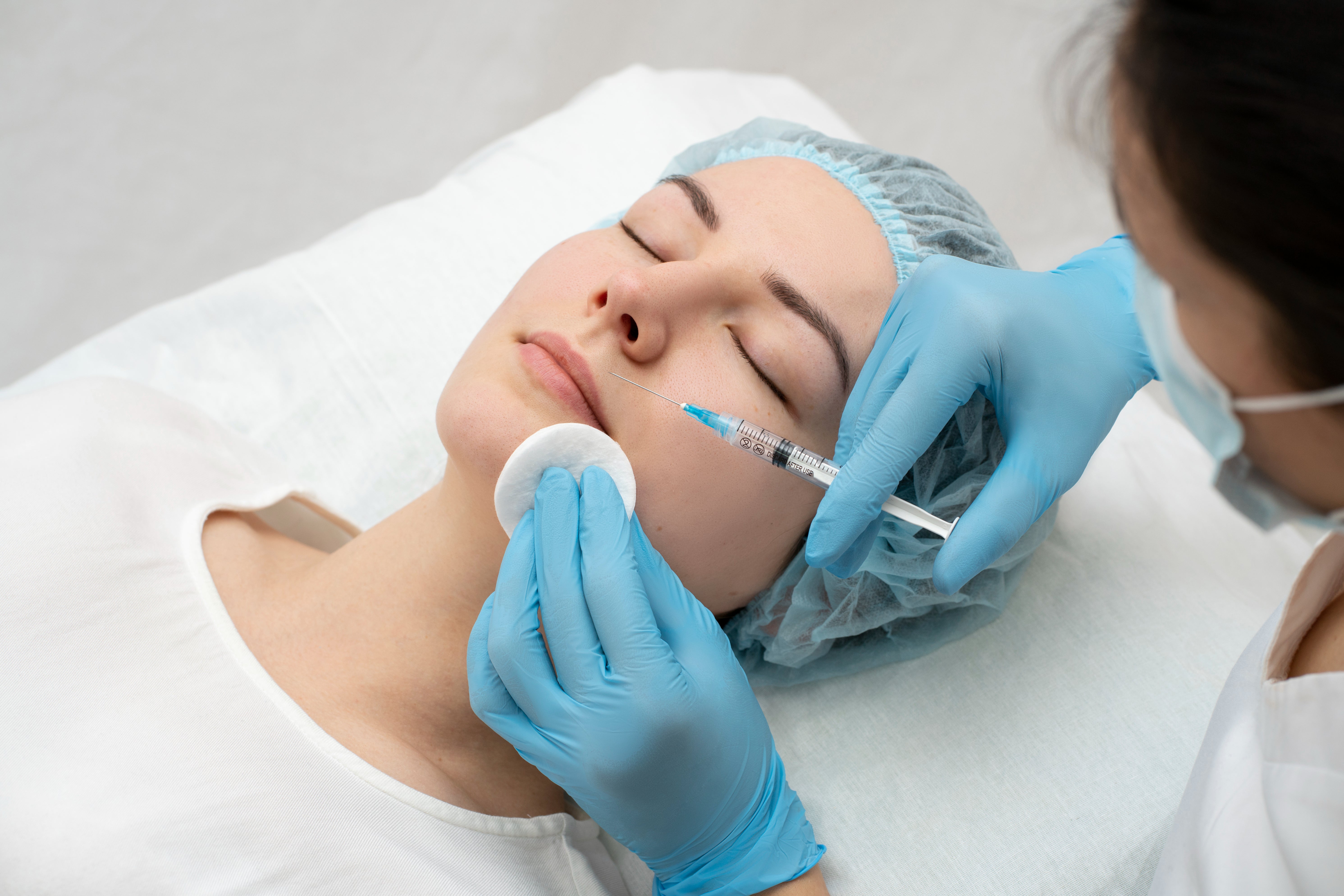
Before-and-after look using consistent lighting and notes
Common timelines and what to expect during care
Non-surgical aesthetic procedures often work through gradual improvement rather than immediate transformation. Some skin-related changes may become visible as inflammation settles and hydration improves. Others may take longer as collagen remodeling or pigment stabilization occurs. The exact timeline depends on the modality, your baseline concern, and how consistently you follow home care recommendations.
During care, you may notice changes in comfort before visible changes in tone or texture. This does not mean the procedure is ineffective; it often reflects how skin adapts. Monitoring should focus on both appearance and tolerance. If you experience unusual reactions, persistent discomfort, or worsening texture, contact your provider promptly rather than waiting for it to resolve on its own.
Aftercare consistency often determines how evenly results appear across the treated area. Avoid actions that undermine barrier function, such as aggressive scrubbing or skipping sun protection. Also note that environmental factors such as harsh weather, dry indoor air, and frequent temperature swings can affect hydration and perceived smoothness.
Where relevant, your provider may recommend a staged plan. Staging can help calibrate intensity and allow your skin to adapt between sessions. This approach can be particularly helpful for people with sensitive skin or for those pursuing multiple concerns at once.
For an additional lifestyle perspective that supports overall wellness routines, some customers also explore community-centered pet and home care resources such as Jovia Paws. While these activities are not related to aesthetic treatment outcomes, they can contribute to better routines and stress management, which indirectly supports skin comfort through consistent habits.
FAQ
Are non-surgical aesthetic procedures suitable for all skin types?
Many non-surgical aesthetic procedures can be adapted for different skin types, but suitability depends on your specific concern, barrier health, and sensitivity. A qualified provider will evaluate your history and adjust settings, product choices, and spacing between sessions. If you have a history of irritation or pigmentation sensitivity, discuss it explicitly during consultation.
What should I avoid before and after a treatment cycle?
Providers commonly advise avoiding harsh exfoliation, aggressive cleansing tools, and unnecessary changes to your routine around treatment dates. Sun protection and gentle skin care are usually emphasized. Aftercare instructions may include temporary pauses on certain actives depending on the procedure and your skin response.
How do I measure progress without overreacting to normal variation?
Use consistent lighting and simple photo documentation. Focus on trends over weeks rather than day-to-day fluctuations. Comfort changes, hydration stability, and gradual improvement in tone or texture are often more meaningful than short-term variations. If you notice worsening symptoms, contact your provider for guidance.
Closing Thoughts
Non-surgical aesthetic procedures can be an effective option when chosen with clear goals, a qualified provider, and a structured routine that supports your skin barrier. Safety comes from informed consent, realistic expectations, and consistent aftercare. Use the consultation checklist to ask precise questions and ensure your plan is tailored rather than generic. With disciplined home care and professional follow-up, you can pursue visible improvements while maintaining skin comfort and long-term consistency.
About the Author
Author Name: Allodermis Editorial Team
Bio and Credentials: The Allodermis Editorial Team focuses on skincare education and consumer guidance. The team reviews topical routines, ingredient strategies, and clinic-prepared aftercare principles to help readers make informed decisions about skin health. With expertise in dermatology-adjacent content standards and evidence-aligned skincare communication, the team supports thoughtful, responsible choices. We encourage readers to begin with a consultation and to adopt a consistent, barrier-friendly routine.
Disclaimer: This article is for general educational purposes only and does not constitute medical advice, diagnosis, or treatment. Individual results vary. Consult a licensed healthcare professional or qualified provider to evaluate your situation, discuss risks, and determine an appropriate plan. If you have a medical condition or a history of adverse reactions, seek personalized guidance before undergoing any aesthetic procedure.
Authors & medical review
Swaraj Dhar is a sociopreneur, technologist, and the co-founder of Allodermis.
Every article is fact-checked against current peer-reviewed dermatology literature and Allodermis clinical protocols.
This article was last reviewed and updated on . Published .
Have a skin or hair concern?
Book a free consultation with our AIIMS MD dermatologists. Clinics in Bhubaneswar, Gurgaon, and Delhi NCR.