









































Normal Skin Product Guide for a Balanced Glow

Updated on: 2026-06-25
Normal skin can look stable, yet it still needs consistent care to stay balanced. This guide explains how to choose normal skin products for everyday cleansing, hydration, and protection. You will learn how to build a routine that supports skin comfort, improves texture, and helps reduce the risk of irritation. You will also find a practical checklist, a step-by-step plan, and clear answers to common questions.
Table of Contents
- Buyer’s Checklist
- Step-by-Step Guide
- How to Read Labels for Normal Skin Products
- Common Mistakes to Avoid
- Routine Examples for Balanced Skin
- FAQ
Buyer’s Checklist
Choosing normal skin products is not about chasing trends. It is about selecting formulas that keep your skin comfortable, evenly hydrated, and resilient. Use the checklist below before you add anything to your cart.
- Identify your skin behavior: “Normal” usually means stable oil levels with limited sensitivity flare-ups. Track any dryness, tightness, or redness over a two-week period.
- Set a clear routine goal: For everyday use, the priorities are gentle cleansing, consistent moisturization, and daily sun protection.
- Choose a cleanser that feels neutral: Look for non-stripping, balanced cleansers that rinse cleanly without leaving a squeaky residue.
- Pick a moisturizer with the right texture: Light lotions work for warm climates, while thicker creams can be useful when indoor heating or seasonal changes dry skin.
- Confirm broad-spectrum sunscreen: Daily UV protection helps prevent uneven tone and supports long-term skin stability.
- Verify ingredient tolerance: If you have occasional sensitivity, start with fewer active ingredients and introduce new products one at a time.
- Check for patch testing: Apply new formulas behind the ear or on the inner forearm to gauge comfort before full-face use.
- Review compatibility: Ensure the cleanser, moisturizer, and sunscreen do not conflict in texture or performance (for example, heavy layers under lightweight sunscreens).
If you want a safe starting point, consider beginning with a gentle cleanser and a simple moisturizer. Then, add sunscreen last so you can evaluate how your skin responds to layering.
Step-by-Step Guide
A strong routine is predictable and repeatable. Follow this sequence to support normal skin products that work well together rather than competing for attention.
- Cleanse once daily or twice if needed: Use a gentle face wash in the evening. In the morning, rinse with water or use a mild cleanser if you prefer.
- Assess after cleansing: Your skin should feel comfortable, not stretched or coated. If you feel tightness, choose a gentler cleanser.
- Apply hydrating moisturizer: Use a consistent amount and allow it to absorb. If you experience dryness later in the day, increase hydration gradually.
- Use sunscreen every morning: Apply to the face, neck, and any exposed areas. Reapplication matters when you spend extended time outdoors.
- Introduce targeted actives carefully: If you want to address mild dullness or rough texture, add one active product a few times per week before going daily.
- Keep the rest steady: When changing formulas, do not change everything at once. Skin needs time to adapt.
Visual guide: cleanse, hydrate, protect steps shown
For example, a daily cleanser plus a moisturizing lotion can be a stable base. If you also use an active serum, apply it after moisturizing only if the serum is intended for that step. Otherwise, use it before sunscreen so it layers cleanly.
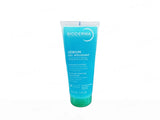
When shopping, you can cross-check performance and feel by looking at how products are positioned. For instance, a gentle cleanser is often designed to remove residue without stripping. If your routine starts with a balanced cleanser, the rest of your normal skin products tend to sit more comfortably.
If you want product ideas you can explore on Allodermis, you may start with a gentle cleanser such as Cetaphil Gentle Cleanser to reduce the risk of dryness from overly strong foaming. For hydration support, you can consider formulas like Cipla Excela Rich Facial Hydrating Lotion.
How to Read Labels for Normal Skin Products
Ingredient lists can feel overwhelming. The key is to evaluate purpose first: cleanse, hydrate, protect, and treat. Then, confirm that the formula aligns with your skin behavior.
Look for cleanser signals
A cleanser for normal skin products should feel mild and rinse evenly. If a formula uses harsh surfactants, it may lead to dryness or sensitivity. A good cleanser typically balances foam with comfort, leaving the skin clean but not stripped.
Choose moisturizer ingredients that support barrier comfort
Moisturizers often include humectants, emollients, and barrier-supportive components. Humectants help attract water, emollients soften texture, and barrier-supportive ingredients reduce water loss. When all three work together, normal skin usually feels smooth and stable.
Select sunscreen that suits layering
Daily sun protection is essential for overall skin health. A sunscreen for normal skin should spread evenly, avoid patchiness, and feel tolerable under makeup or on bare skin. If sunscreen feels overly heavy, you may need a lighter texture rather than skipping it.
Evaluate active ingredients by frequency
Normal skin typically does not require constant high-strength actives. If you use treatment products, choose one active at a time and build slowly. This approach reduces the chance of irritation and makes it easier to identify what works for you.
When labels highlight multiple actives, consider whether your routine can support them. A careful introduction often improves long-term consistency, which is more valuable than occasional bursts of complexity.
Common Mistakes to Avoid
Even well-intentioned routines can fail when the approach is inconsistent or overly aggressive. The following mistakes are common when selecting normal skin products.
- Over-cleansing: Frequent use of strong cleansers can disrupt comfort, leading to reactive dryness even when your skin is normally balanced.
- Skipping moisturizer on “good days”: Normal skin still loses moisture through daily exposure. Consistent hydration supports smooth texture.
- Assuming sunscreen is optional indoors: UV exposure can occur during everyday routines. Daily protection helps maintain an even appearance.
- Layering incompatible textures: Heavy creams under thick sunscreens may pill or feel sticky. Adjust texture to match your sunscreen style.
- Adding multiple new actives at once: If you introduce a serum, exfoliant, and new moisturizer simultaneously, it becomes difficult to determine the cause of any irritation.
- Using too much product: Many formulas work better with appropriate amounts. Overuse can overwhelm normal skin and cause unnecessary buildup.
- Ignoring seasonal changes: Winter air and indoor heating can shift skin needs. A normal-skin routine may require simple texture adjustments rather than full replacements.
Routine Examples for Balanced Skin
Routine planning is easier when you select a baseline and then decide where you want small improvements. Below are examples that suit normal skin behavior and can be adapted to personal preference.
Everyday minimal routine
This setup targets comfort, cleanliness, hydration, and protection. It is ideal when your skin feels stable and you want a consistent foundation.
- AM: rinse or gentle cleanse, moisturize, sunscreen.
- PM: gentle cleanse, moisturize.
If you prefer a simple entry into skincare, you can explore Cetaphil PRO Oil Control Foam Wash when you want a balanced cleanse that feels effective without harsh dryness. Pair it with a hydrating lotion such as Cipla Excela Rich Facial Hydrating Lotion for a comfortable feel.
Balanced routine with mild brightening support
If you want improved clarity or a more even look, introduce one additional step. Use a brightening serum or an antioxidant-focused product a few times per week.
- AM: sunscreen after moisturizer.
- PM: cleanse, serum, moisturizer.
For a structured approach to treatment, consider exploring Dermatica AZE Proactive Serum if you are looking for a controlled addition to your routine. Apply it consistently on a schedule that matches your tolerance.
Normal skin with occasional texture or dullness
Texture concerns often improve with gentle exfoliation and antioxidants, but normal skin typically benefits from a lower frequency approach. Start once or twice weekly and focus on recovery between uses.
- AM: cleanse if needed, moisturize, sunscreen.
- PM: cleanse, treatment (as scheduled), moisturizer.
To support overall tone consistency, a reliable sunscreen is a non-negotiable step. If you need product inspiration, you can consider Fixderma Shadow Sunscreen Cream for everyday UV support.
FAQ
What are normal skin products, and how do they differ from products for oily or dry skin?
Normal skin products are formulated to support balanced oil and hydration levels. They are typically designed to cleanse without stripping and to moisturize without feeling overly heavy. Products for oily skin often prioritize oil control, while products for dry skin often focus on deeper hydration and more intensive barrier repair.
How many steps should I use if my skin is considered normal?
A functional routine usually includes cleansing, moisturizing, and sunscreen in the morning. In the evening, a cleanser and moisturizer are often sufficient. Optional treatment steps can be added gradually if you have specific goals such as improved brightness or texture refinement.
Can I use actives if my skin is normal?
Yes. Normal skin can benefit from actives, but the method matters. Introduce one active product at a time, use it on a limited weekly schedule, and monitor comfort. If you notice persistent tightness, redness, or flaking, pause the active and return to your baseline routine.
How do I know if my cleanser is too harsh for my skin?
Signs that a cleanser may be too strong include tightness shortly after washing, a dry or rough feel, and increased sensitivity. In many cases, switching to a gentler cleanser restores comfort without requiring major changes.
Do I need to reapply sunscreen during normal daily activities?
Reapplication is most relevant when you spend extended time outdoors, including periods of direct sun exposure. When your day involves mostly indoor time with limited sun, sunscreen can still be applied once in the morning as part of a consistent routine. For long outdoor sessions, reapplication supports coverage.
Closing Thoughts & CTA
Normal skin products should support stability rather than introduce constant change. When you build a routine around gentle cleansing, consistent hydration, and reliable sun protection, your skin often responds with better comfort and a more even look. Choose products that match your texture preferences and introduce new steps slowly to reduce the chance of irritation.
If you want a straightforward approach, start with a gentle cleanser, add a moisturizer that feels comfortable, and use sunscreen every morning. Explore curated options on Allodermis to find formulas that fit your preferences and routine.
About the Author
Allodermis contributes practical skincare guidance grounded in ingredient literacy and routine design. The team specializes in everyday product selection strategies, sensitivity-aware layering, and building consistent habits that support balanced skin. With a focus on clear education and dependable routines, the goal is to help readers make informed choices. Thank you for reading, and may your skincare routine feel calm, simple, and effective.
Authors & medical review
Swaraj Dhar is a sociopreneur, technologist, and the co-founder of Allodermis.
Every article is fact-checked against current peer-reviewed dermatology literature and Allodermis clinical protocols.
This article was last reviewed and updated on . Published .
Have a skin or hair concern?
Book a free consultation with our AIIMS MD dermatologists. Clinics in Bhubaneswar, Gurgaon, and Delhi NCR.