






































Oily Skin Routines: Build a Clear, Balanced Regimen

Updated on: 2026-06-24
Oily skin routines can help you balance shine, reduce the look of pores, and improve day-to-day comfort. The key is using the right cleanser, light hydration, and sunscreen with consistent timing. A practical routine also supports barrier health so oil production does not feel exaggerated or unstable. This guide offers a structured approach, including how to layer actives without overdoing them.
Table of Contents
Why Oily Skin Needs a Purpose-Built Plan
Oily skin is not simply a cosmetic issue. Excess sebum can affect how makeup sits, how long pores stay clear, and how comfortable your skin feels. Many people respond by stripping the skin with harsh cleansers. That approach may remove oil temporarily, but it can also weaken the skin barrier and create rebound oiliness. The most effective approach is to support steady skin function: cleanse without tightness, hydrate without heaviness, and protect with daily sunscreen.
Oily skin routines should aim for three outcomes: reduced visible shine, better pore appearance, and fewer breakouts triggered by clogged texture. These outcomes are typically supported by gentle cleansing, targeted active ingredients, and consistent sun protection. When each step is chosen carefully, the skin can look more even while feeling calmer.

Clean face, oil blotting, gentle cleansing symbols
Essential Tips for Stronger Oily Skin Routines
- Cleanse at the right frequency: wash your face once in the morning and once at night, using lukewarm water and a non-stripping formula.
- Limit over-exfoliation: if you use acids or retinoids, reduce frequency until your skin shows stable comfort.
- Hydrate lightly: oily skin still needs moisture. Look for gel textures, non-greasy emollients, and humectants.
- Prioritize sunscreen: ultraviolet exposure can worsen uneven tone and texture, even when breakouts appear controlled.
- Introduce changes slowly: add one new product at a time and observe results for several weeks.
- Match actives to your main concern: sebum control is not the same as acne care, and pore appearance is not the same as pigment management.
- Maintain barrier integrity: when skin feels tight, stinging, or overly reactive, scale back stronger steps.
Oily Skin Routines: Detailed Step-by-Step Process
An effective routine is simple enough to follow daily and specific enough to address oil-related concerns. The following framework is designed to work for many skin types, including those with combination areas. Adjust the intensity based on sensitivity and current breakouts.
Step 1: Start with a balanced cleanser
Choose a cleanser that removes excess oil while leaving skin comfortable. A gentle foam or mild gel can be effective when it does not cause dryness. Over-cleansing can lead to redness and a rough feel, which often increases the appearance of pores.
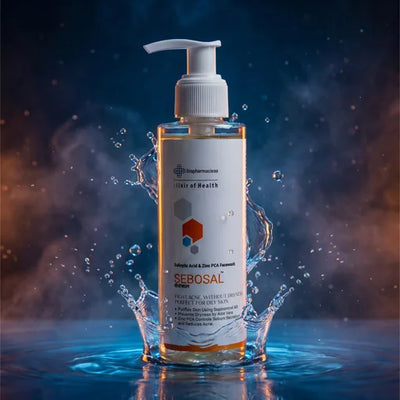
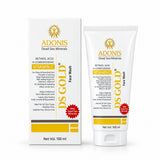
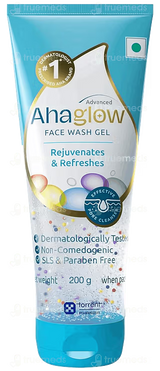
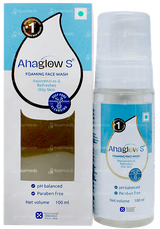
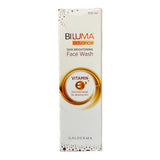
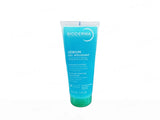
If you prefer a targeted approach, consider using a cleanser formulated for oily or acne-prone skin. For example, you can explore an oil-control option like oil control foam wash to start your routine with consistent cleansing.
Step 2: Use a lightweight hydrating layer
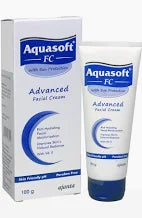
Even oily skin benefits from hydration. Look for products that absorb quickly and do not leave a heavy film. This step helps your skin maintain elasticity and reduces the tendency to feel “tight,” which can indirectly worsen oil production. A hydrating lotion can also smooth roughness so active ingredients sit better.
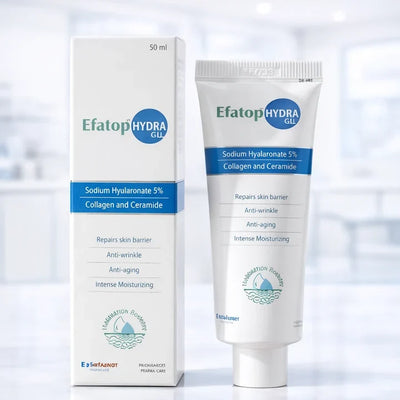
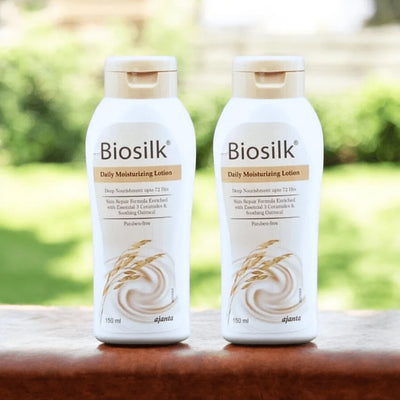
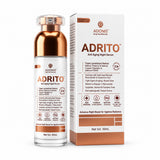
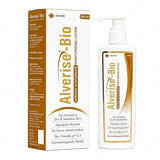
For daily moisture, you may consider a facial hydrating lotion such as facial hydrating lotion when you need comfort without heaviness.
Step 3: Treat the key concern with an active ingredient
Oily skin routines often include one active category. You can use topical acids, retinoids, or anti-acne treatments depending on your priorities. If your main concern is breakouts and clogged texture, acne-focused actives are usually more relevant. If your concern is uneven tone or lingering marks, pigment-related actives may take priority.
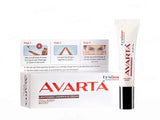
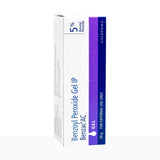
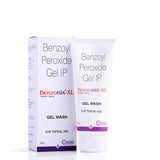
To support acne-prone goals, consider a leave-on acne care approach and ensure it fits your tolerance. For sun-exposed, acne-prone skin that needs oil-friendly protection later in the routine, it is important to avoid pilling by allowing each layer to absorb fully.
Step 4: Apply sunscreen every morning
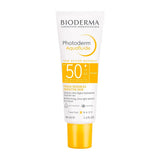
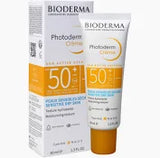
Sunscreen is essential for oily skin routines. It reduces risk of darkening marks and helps stabilize overall skin appearance. Many people avoid sunscreen because they associate it with greasy finishes. Modern formulations can be designed for daily wear with a lightweight feel.
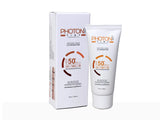
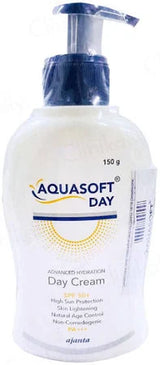
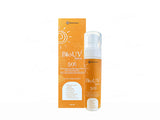
You can use an oil-control sunscreen option such as acne UV gel SPF to keep protection effective without excessive shine.
Step 5: Keep makeup and touch-ups controlled
When you use makeup, choose non-comedogenic formulas and allow skin steps to fully settle before applying. If your routine includes blotting papers, use them gently rather than wiping aggressively. Touch-ups should be minimal. Over-manipulation can inflame skin and worsen texture.
Night Routine for Oil Control and Recovery
Night is the most flexible time for active ingredients because you do not need immediate sun protection. However, oily skin still requires barrier support. A calm recovery routine often improves results over time, especially if your skin is currently reactive.
Step 1: Cleanse thoroughly but gently
At night, cleanse to remove sunscreen, makeup, and daily buildup. Use lukewarm water and avoid long scrubbing. If you wear heavier protection during the day, a gentle cleanse may need a slightly longer massage time, followed by thorough rinsing.
Step 2: Add targeted treatment based on tolerance
Retinoids and certain acne treatments can reduce clogged pores and support clearer texture. If you are new to strong actives, begin with a lower frequency and gradually increase. A common pattern is to alternate treatment nights with a hydration-focused night.
When you incorporate treatment, pay attention to skin signals. Stinging or persistent tightness suggests overuse or insufficient hydration. Reduce frequency and reinforce moisturizing steps until comfort returns.
Step 3: Seal with a lightweight moisturizer
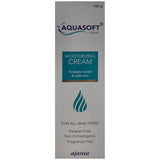
Moisturizer should not feel optional. After active steps, a light moisturizer helps prevent dehydration and reduces visible irritation. For acne-prone skin, avoid overly heavy occlusion. Instead, use a product that absorbs well and supports the skin barrier.
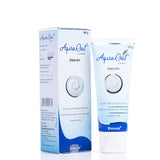
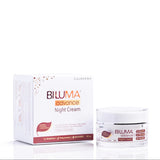
If your skin is also concerned with visible pores or uneven texture, choosing a lightweight cream that supports recovery can make a measurable difference in how your face looks the next morning.
Common Mistakes That Make Oiliness Worse
- Using harsh cleansers repeatedly: tightness and flaking often lead to rebound oiliness and increased sensitivity.
- Skipping moisturizer: oily skin still loses water. Dehydrated skin can look shinier and feel rough.
- Layering too many actives at once: acids, retinoids, and strong acne treatments can overwhelm the skin barrier.
- Exfoliating daily: frequent scrubbing or high-strength chemical exfoliation may increase inflammation.
- Not applying sunscreen: sun exposure can worsen uneven tone and prolong post-breakout marks.
- Ignoring product texture and compatibility: layers that do not absorb can mix and cause pilling, which can reduce effectiveness and increase irritation.
How to Choose Products for an Oil-Balanced Routine
Product selection should be driven by skin needs rather than trends. Begin with the basics: a gentle cleanser, a lightweight moisturizer, and a daily sunscreen. Then choose one active focus area at a time. This method helps you identify what works and avoids unnecessary irritation.
Look for cleanser characteristics that match oily skin
A suitable cleanser typically foams lightly or rinses clean without leaving residue. It should not create a “squeaky” feel. If your skin feels stripped after rinsing, switch to a gentler formula and limit cleanser contact time.
Choose hydration that supports comfort
For oily skin routines, hydration should feel light. Humectant-based products can reduce the appearance of roughness and help skin remain stable. If your skin is acne-prone, prioritize formulations labeled as non-comedogenic when available.
Select actives with a single primary goal
Actives are most effective when used with a clear purpose. Acne-focused formulas help with clogged pores and breakouts. Retinoid-based approaches support smoother texture over time. For marks and uneven tone, pigment-targeting ingredients can be considered after your skin tolerance is stable.
Use sunscreen as the daily anchor
For oily skin, the best sunscreen is the one you use consistently. Choose a finish that matches your preference and daily demands. If you experience shine, select a gel or fluid texture and consider blotting rather than removing sunscreen entirely.
If you want to integrate sunscreen and acne care priorities, the acne UV gel SPF format can be a practical option. For cleansing support, you can also pair it with a suitable daily cleanser such as oil control foam wash.
Summary & Takeaway
Oily skin routines succeed when they respect skin biology. Choose a gentle cleanser to remove excess oil without tightness. Add lightweight hydration to maintain barrier stability. Use one active focus at a time, and protect with sunscreen every morning. When you avoid common overuse mistakes and adjust based on skin feedback, your routine becomes easier to sustain and more effective over time.
If you want a straightforward path, begin with cleanser, moisturizer, and sunscreen. Then introduce one active step and evaluate results carefully. Consistency is the strongest variable you can control.
Q&A Section
How many steps are necessary for oily skin routines?
Most oily skin routines require three core steps: cleansing, lightweight moisturizing, and sunscreen in the morning. Treatments and actives can be added at night or selectively during the day, depending on your skin tolerance. If your routine becomes complex, focus on the essentials first, then add one additional step at a time.
Is it better to cleanse more often when skin feels oily?
More cleansing is not always better. Over-cleansing can remove natural lipids and increase irritation, which may lead to rebound oiliness. Instead of washing repeatedly, consider blotting during the day and reapplying sunscreen as needed. Maintain your routine with morning and night cleansing for most cases.
What should be adjusted if oily skin routines cause dryness or irritation?
Dryness and irritation usually indicate that the skin barrier is under stress. Reduce the frequency of actives, switch to a gentler cleanser, and increase hydration with a lightweight moisturizer. If symptoms persist, pause strong treatments and use barrier-supportive steps until comfort returns.
About the Author Section
Dermatology-Informed Content Writer
Allodermis specializes in skin health guidance grounded in ingredient literacy and routine design principles. The author team focuses on how oily skin routines can be built for balance, comfort, and consistent wear of daily protection. With expertise in skincare education, the goal is to translate practical skin science into clear, actionable guidance. Thank you for reading, and choose a routine that your skin can tolerate consistently.
Disclaimer: This article is for general educational purposes and does not replace professional medical advice. Individual skin needs vary, and results depend on product tolerance, consistent use, and underlying skin conditions. If you experience persistent irritation, consult a qualified healthcare professional.
Authors & medical review
Swaraj Dhar is a sociopreneur, technologist, and the co-founder of Allodermis.
Every article is fact-checked against current peer-reviewed dermatology literature and Allodermis clinical protocols.
This article was last reviewed and updated on . Published .
Have a skin or hair concern?
Book a free consultation with our AIIMS MD dermatologists. Clinics in Bhubaneswar, Gurgaon, and Delhi NCR.