








































Oily Skin Routines: The Simple Daily Plan That Works

Updated on: 2026-06-03
Oily skin routines are not about stripping the skin. They are about balancing oil production while keeping the skin barrier calm. A well-structured routine can reduce the look of shine, limit clogged pores, and support smoother texture. The key is consistency: gentle cleansing, targeted actives, and the right lightweight moisturization and sunscreen. This guide outlines common mistakes, a practical buyer checklist, and evidence-aligned answers to frequent questions.
Updated Date and Value Summary
Oily skin routines focus on balance, not harsh stripping.
Gentle cleansing and barrier-friendly hydration reduce pore congestion risk.
Targeted actives and consistent sun protection help manage breakouts and shine.
A checklist approach makes it easier to choose compatible steps.
Common Mistakes
Many routines fail because they target oil aggressively instead of improving skin function. Oily skin can look shiny and feel tight, but the problem often starts with imbalance rather than lack of moisture. When you correct the fundamentals, your skin typically tolerates actives better and maintains a calmer surface.
- Over-cleansing: Washing too often or using harsh foaming cleansers can increase rebound oiliness and irritation.
- Skipping moisturizer: Lightweight, non-greasy hydration supports the barrier and can reduce the urge to over-dry.
- Layering too many strong actives: Using multiple exfoliants or high-strength formulas at the same time can worsen sensitivity.
- Inconsistent sun protection: Sun exposure can aggravate visible marks and uneven texture, even when breakouts improve.
- Ignoring compatibility: Some ingredients do not suit every skin response. The goal is a routine that your skin can repeat daily.
If you want a stable foundation, begin with a cleanser designed for daily use and a sunscreen that feels comfortable during wear. For a gentle baseline, consider a cleanser like Cetaphil Gentle Cleanser. If your skin tends toward congestion, choose formulas that cleanse without leaving a squeaky feel.

Buyer’s Checklist
Before you build oily skin routines, define your primary goals. Your routine should address your top concern first, then add steps that support long-term clarity. Use the checklist below to match products to your needs, while keeping the number of steps manageable.
1) Choose a gentle cleanser for daily use
A cleanser should remove surface oil and impurities without causing dryness. Look for mild surfactants and a formula that rinses clean. If you prefer a more controlled oil feel, you can select an oil-control cleanser, but avoid frequent overuse. A reliable option to consider is Cetaphil Pro Oil Control Foam Wash.
2) Add lightweight hydration
Moisturizer is often the missing link in oil balancing. For oily skin, hydration should be lightweight and fast-absorbing. This step supports the barrier so that actives do not trigger excessive irritation. If you need a hydrating lotion, review Cipla Excela Rich Facial Hydrating Lotion to evaluate how it feels on your skin during routine testing.
3) Use targeted actives based on skin needs
Actives help with clogged pores, texture, and the look of post-breakout marks. Select one active as your main focus for several weeks, then assess tolerance. Common categories include:
- Exfoliating acids: Help refine texture and reduce the appearance of congestion.
- Niacinamide: Supports visible oil balance and barrier comfort.
- Retinoid alternatives: May support smoother skin texture with gradual use.
- Spot-focused formulas: Can be used to target specific areas.
For a niacinamide-forward approach, you may review Nia Shine Brightening Serum. For acne and oil control support, always introduce actives slowly and watch how your skin responds.
4) Select a sunscreen you will actually wear
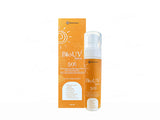
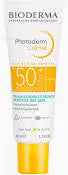
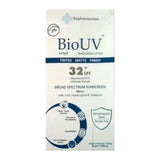
Sunscreen is essential in any oily skin routines, because it protects against irritation and helps prevent marks from lingering. Choose a sunscreen finish that matches your preferences: gel-like, fluid, or lightweight cream. If you want an option designed for daily wear, review IPCA Acne UV Gel SPF 50. For a different texture direction, you can also consider Fixderma Shadow Sunscreen Cream.
5) Include one “repair” option when skin feels stressed
When your skin barrier is stressed, it often reacts with increased oiliness and sensitivity. A repair-focused product, used intermittently, can support comfort. This step is especially helpful when you begin new actives. Choose a formula that feels soothing and does not trigger additional dryness.
FAQ Section
How often should I cleanse oily skin?
Most people benefit from cleansing twice daily. If you sweat heavily, an additional gentle cleanse or a quick rinse can help. The goal is to remove excess oil and impurities without stripping the barrier.
Should I avoid moisturizer if my skin is oily?
No. Lightweight moisturizers can reduce the appearance of dryness and help stabilize oil balance. When the barrier is supported, skin often becomes less reactive to actives and daily environmental stress.
What is the simplest routine for oily skin?
A practical baseline is cleanse, moisturize, treat if needed, and protect with sunscreen in the morning. At night, cleanse, moisturize, and use one targeted active slowly. Keep the routine stable for several weeks before making changes.
Can oily skin routines help with clogged pores?
Yes, when you use gentle cleansing and compatible actives. Look for formulas that support exfoliation and consistent pore care. Avoid over-scrubbing, and focus on steady, repeatable steps.
Wrap-Up & Final Thoughts
Oily skin routines succeed when they respect the skin barrier and maintain a consistent rhythm. Focus on a gentle cleanser, lightweight hydration, carefully selected actives, and daily sunscreen. Avoid frequent over-cleansing, rushing into multiple strong treatments, and skipping protective steps. If you want an actionable start, use the buyer checklist to assemble a routine that matches your sensitivity level and long-term comfort.
If you are building or refining your routine, explore product options that align with your preferences for cleansing, hydration, and sun protection on Allodermis. Choose fewer steps first, then iterate based on how your skin responds.
Q&A Section
What active ingredient strategy works best for oily skin?
Choose one primary active category for several weeks, then evaluate results and tolerance. For many people, starting with a gentle approach and building gradually reduces the risk of irritation that can worsen oiliness. Consistency and correct timing are more important than using many actives at once.
How do I prevent shine without making my skin feel dry?
Preventing excess shine usually requires balance. Use a cleanser that removes surface oil without over-drying. Pair it with a lightweight moisturizer to maintain comfort. In the daytime, a non-greasy sunscreen can support a smoother finish and reduce the perception of oiliness during wear.
Why does my skin feel oily right after washing?
This can happen when the cleanser is too stripping or when the skin barrier is stressed. Harsh cleansing can trigger rebound oiliness. If this occurs, reduce cleansing frequency slightly and choose a gentler cleanser with a comfortable, non-tight finish.
Is a spot treatment enough for oily skin concerns?
Spot treatments can help targeted areas, but they usually do not replace a full routine. Oily skin routines work best when they include daily cleansing, barrier-friendly hydration, and sun protection. If clogged pores or texture persist broadly, consider adding one compatible active step for overall support.
About the Author
Allodermis is supported by topic expertise in skincare routines for oily and combination skin. The author team focuses on ingredient compatibility, daily compliance, and evidence-aligned care strategies. This guidance is intended to help readers make informed routine choices with confidence. For personalized needs, consider professional dermatology advice.
Disclaimer: This article is for general educational purposes and does not provide medical advice. Individual skin needs vary. If you have persistent irritation, worsening breakouts, or significant skin conditions, consult a qualified healthcare professional before changing your routine.
Authors & medical review
Swaraj Dhar is a sociopreneur, technologist, and the co-founder of Allodermis.
Every article is fact-checked against current peer-reviewed dermatology literature and Allodermis clinical protocols.
This article was last reviewed and updated on . Published .
Have a skin or hair concern?
Book a free consultation with our AIIMS MD dermatologists. Clinics in Bhubaneswar, Gurgaon, and Delhi NCR.