









Open Pores on Face: Causes and How to Reduce Them

Quick answer: You can't permanently "close" pores — their size is mostly genetic — but you can make them look far smaller by controlling oil, keeping pores unclogged, and boosting collagen. A routine of a gentle salicylic cleanser, niacinamide, a retinoid and daily sunscreen helps at home; in-clinic carbon laser, laser toning or microneedling give faster, visible pore refinement.
Large, visible pores on the nose, cheeks and forehead are one of the most common skincare frustrations — and one of the most over-promised. No toner, ice cube or face mask "closes" pores for good. But the good news is that pores can be made to look dramatically smaller with the right approach. Here's what actually works, explained by our dermatology team.
What are open pores, and can they really close?
Pores are tiny openings that release oil and sweat. They look larger when they're stretched by trapped oil and dead skin, when oil production is high, or when the skin around them loses firmness. Here's the honest truth most brands won't tell you: pores have no muscle, so they can't open and close. Their baseline size is mostly genetic. What you can change is how large they appear — by keeping them clear, controlling oil, and firming the skin around them. That's a realistic, achievable goal.
What causes large pores?
- Excess oil (sebum): oily skin stretches pores and makes them more visible — the most common cause.
- Clogged pores: dead skin and oil widen the pore opening (and cause blackheads).
- Genetics: naturally oilier, thicker skin tends to have larger pores.
- Sun damage & ageing: UV breaks down collagen, so skin around pores sags and they look bigger.
- Not cleansing or exfoliating enough: build-up keeps pores stretched.
Notice the theme: oil, clogging and lost firmness. Fix those three and pores shrink visibly.
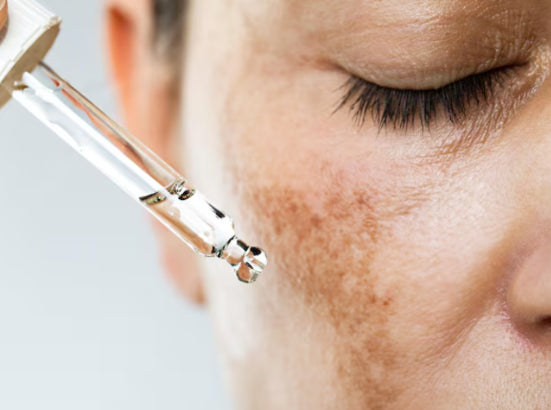
How to reduce open pores at home
A simple, consistent routine does most of the work:
- Cleanse with a salicylic-acid wash. Salicylic acid (BHA) clears oil and debris from inside the pore. Try Saslic DS Foaming Face Wash or Ethiglo Face Wash for Oily Skin.
- Use niacinamide. It regulates oil and visibly refines pores with regular use.
- Add a retinoid at night (gradually). Retinoids boost cell turnover and collagen, tightening the skin around pores over time — such as Dermatica Aze Proactive for oily, pore-prone skin (introduce slowly).
- Moisturise oil-free. Dehydrated skin overproduces oil, so use a light gel like Efatop Hydra Gel or IPCA Acne-OC Sebum-Regulating Moisturizer.
- Wear sunscreen daily. This is the step people skip — UV destroys the collagen that keeps pores tight. Use UrbanShade Silicone Sunscreen Gel SPF 50 or Bio UV SPF 50 Spray.
Browse the full oily-skin range in the Allodermis store, or get a quick read of your skin with the free AI Skin Analysis.
Why sunscreen matters for pores
It sounds unrelated, but it isn't: the skin around each pore relies on collagen to stay firm. Sun exposure breaks that collagen down, the skin slackens, and pores look bigger and more stretched — a big reason pores appear larger with age. Daily broad-spectrum SPF 50 protects that collagen, which is why dermatologists call sunscreen the most underrated "pore treatment."
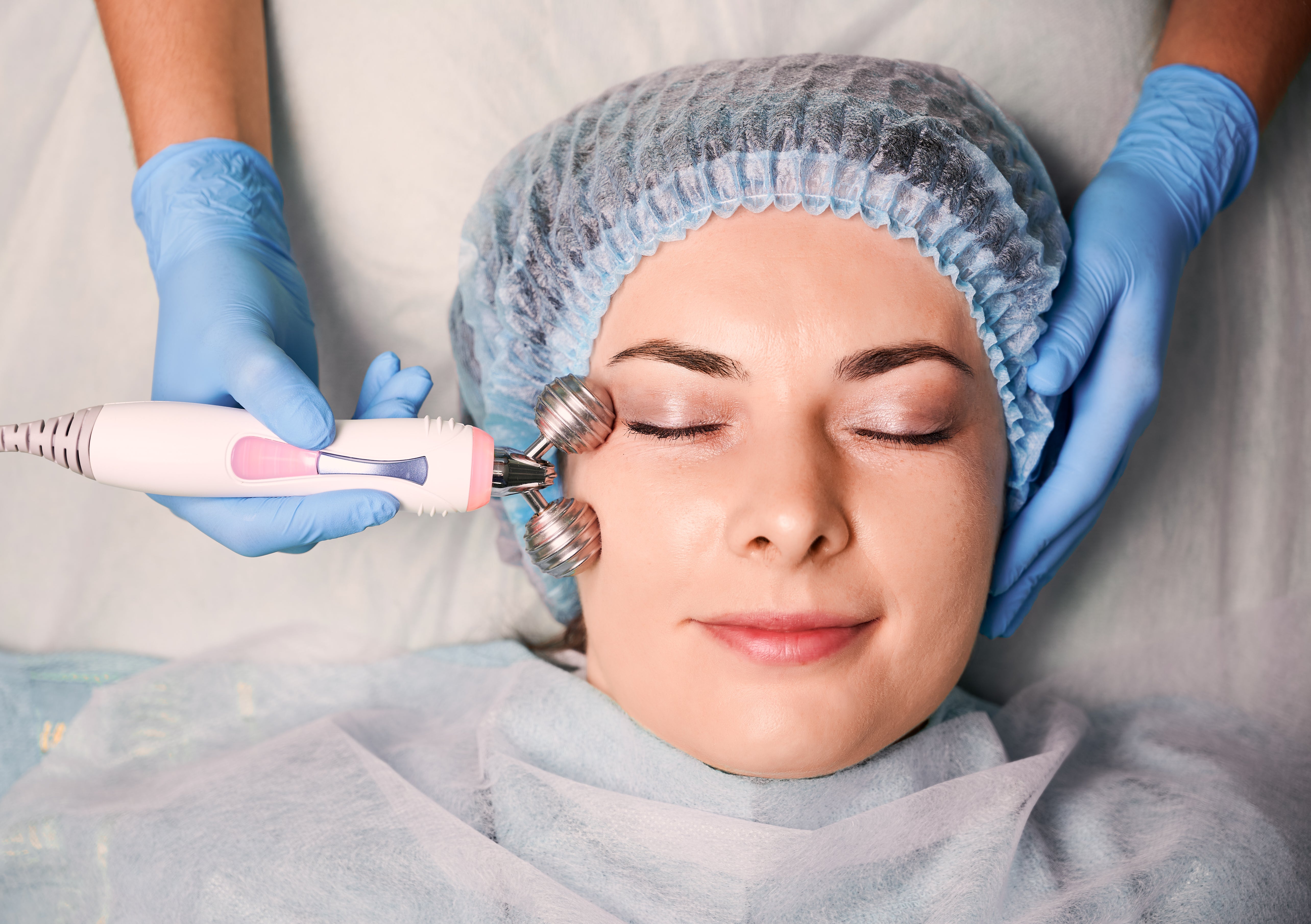
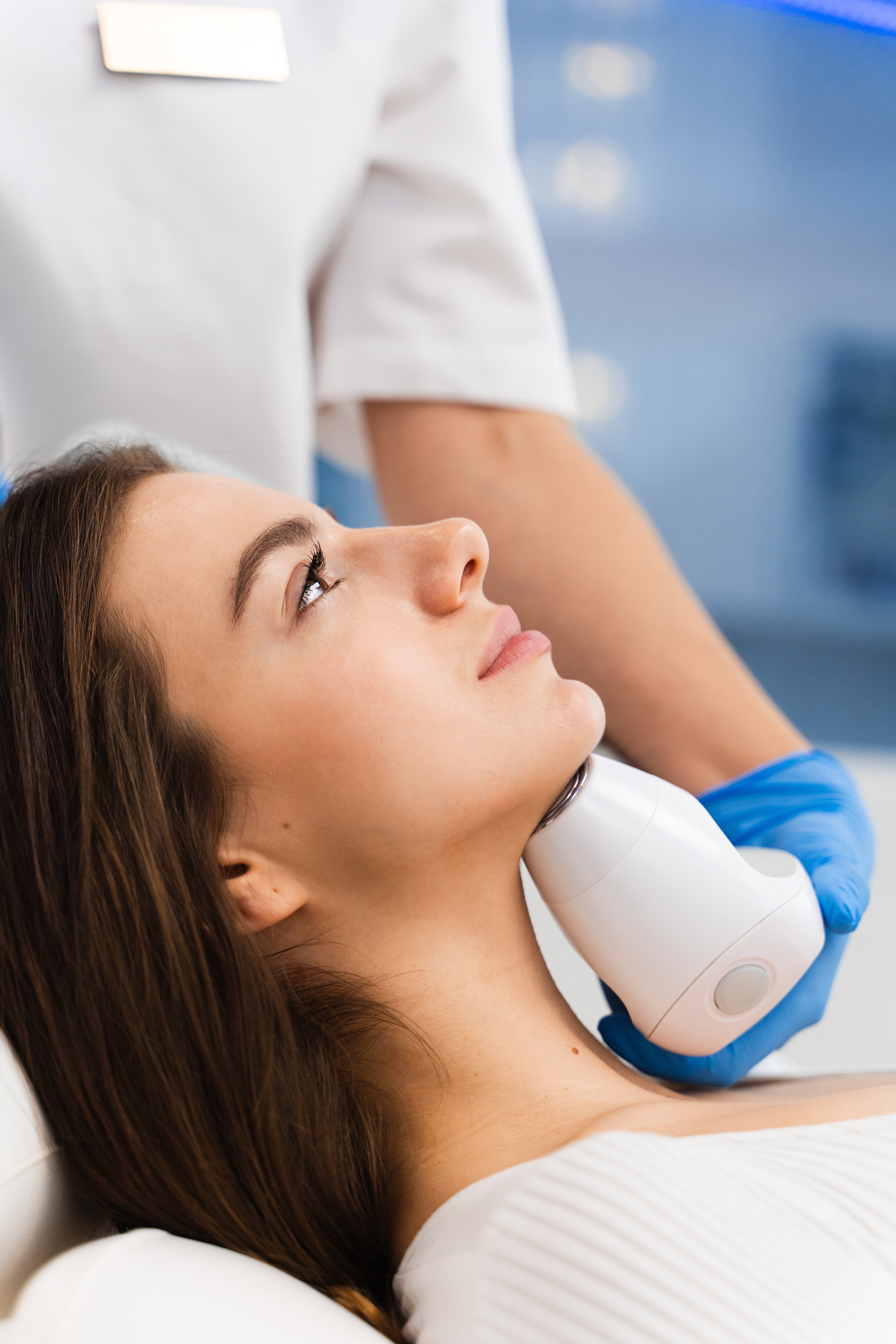
In-clinic treatments for open pores
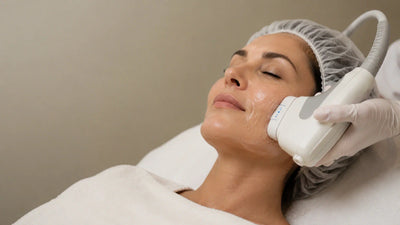
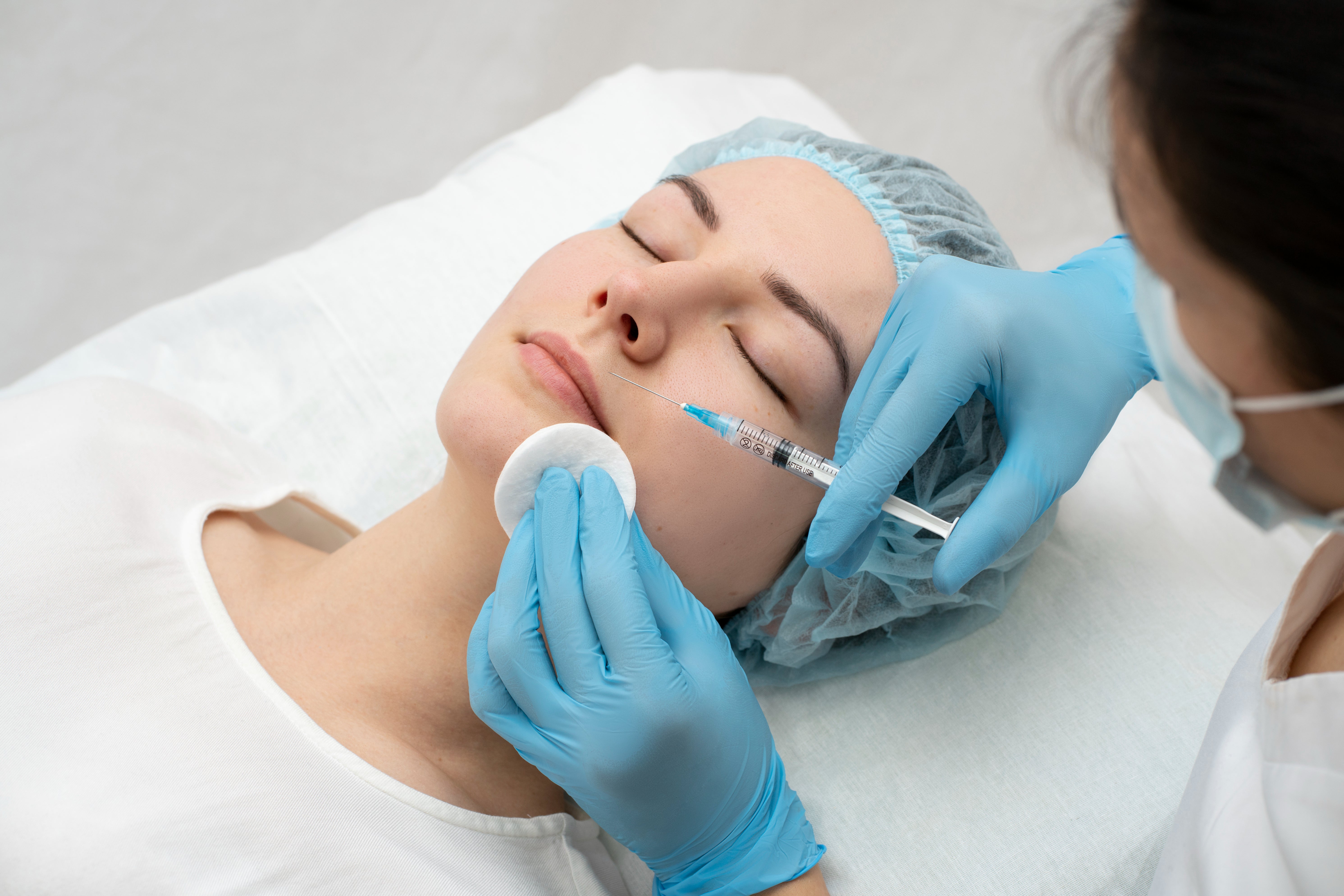
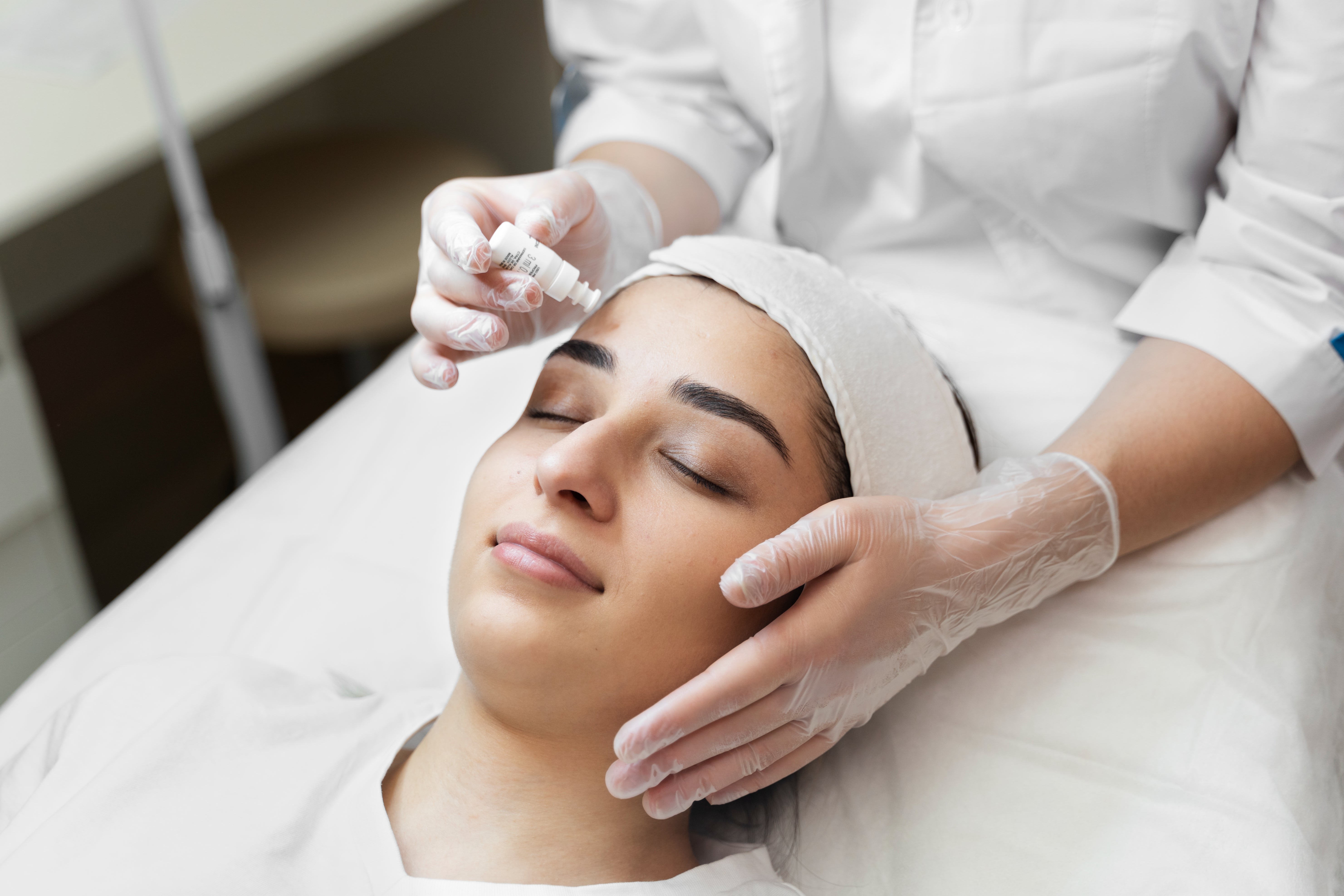
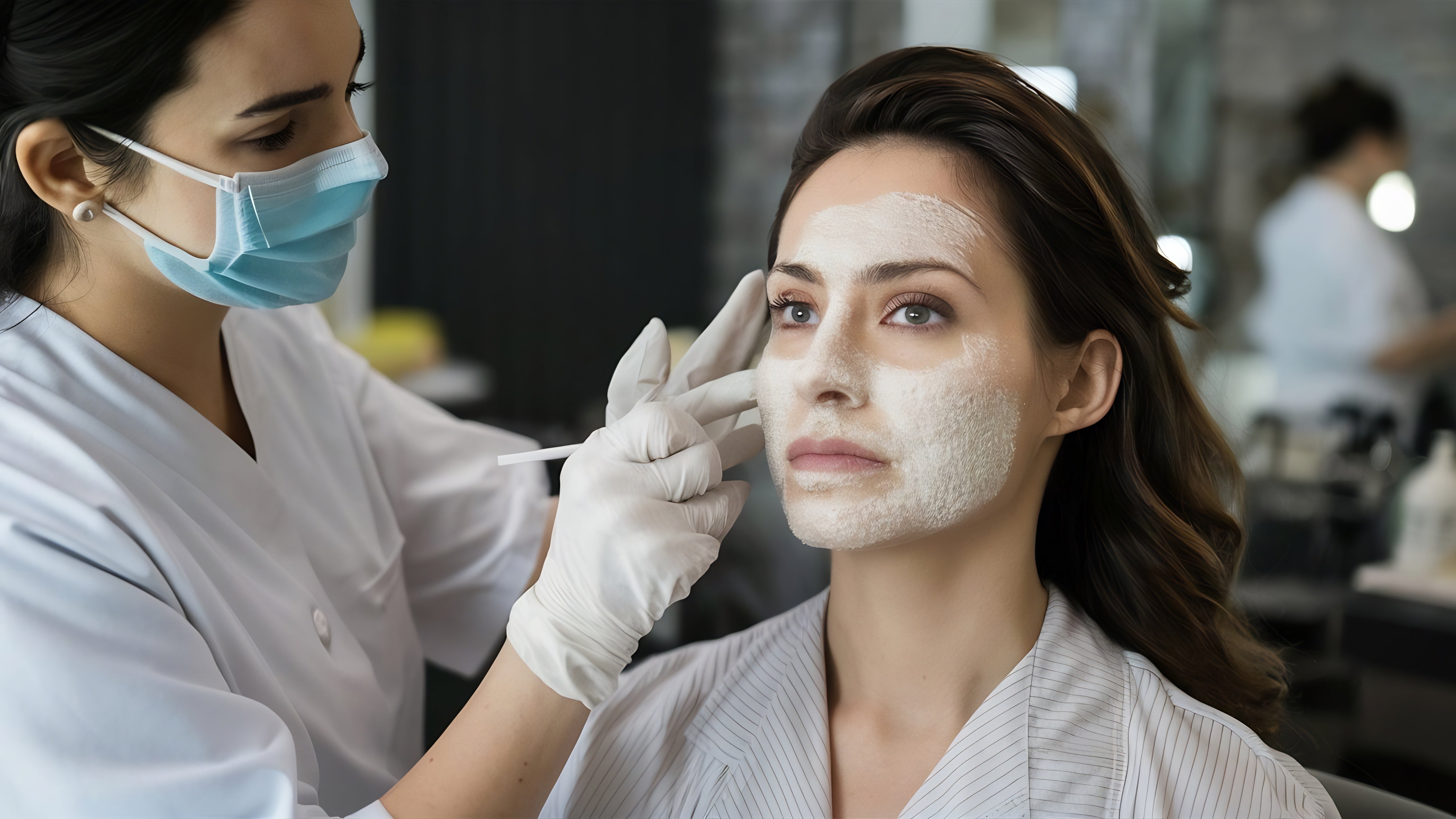
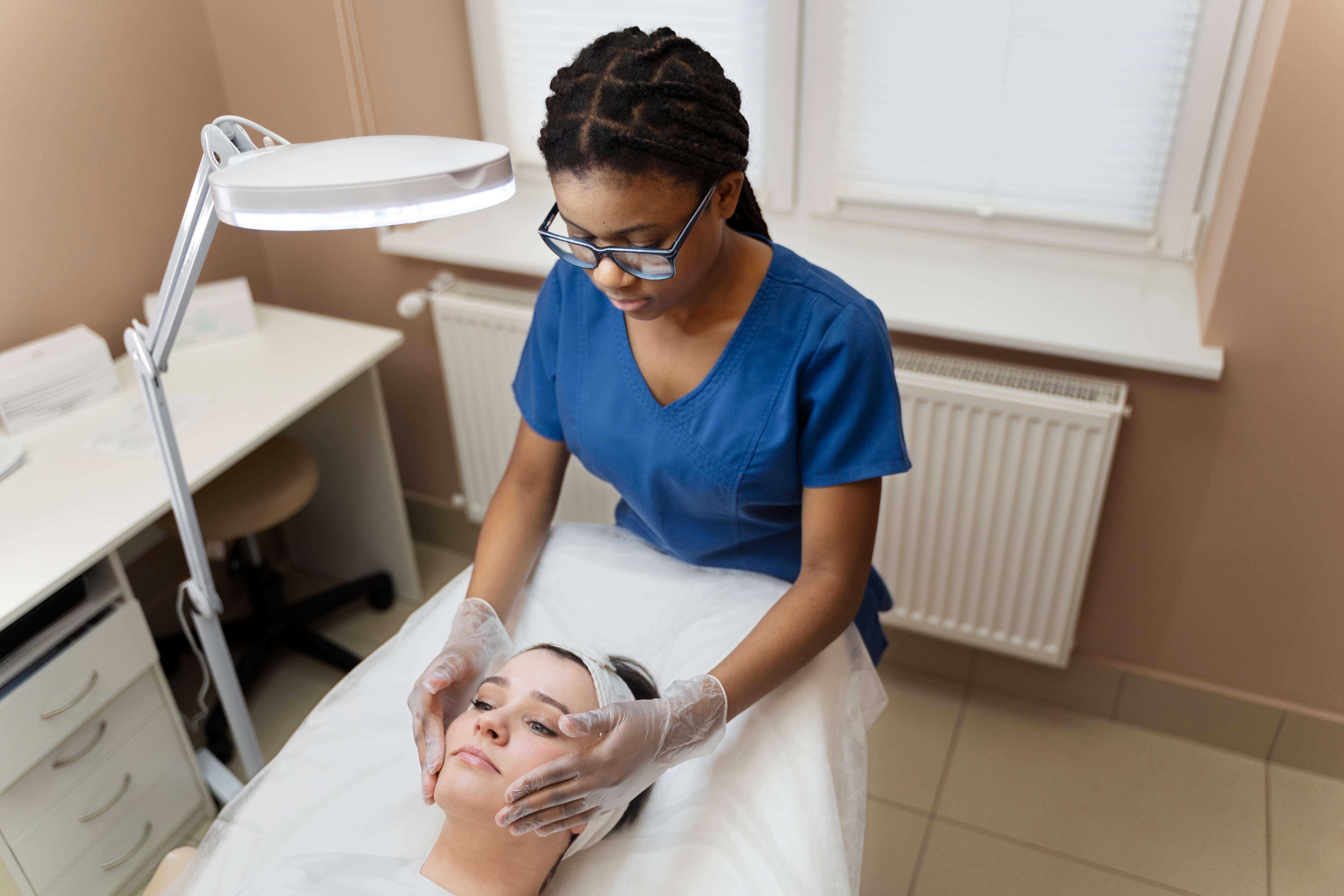
When you want faster, more visible refinement, in-clinic treatments go further than any cream:
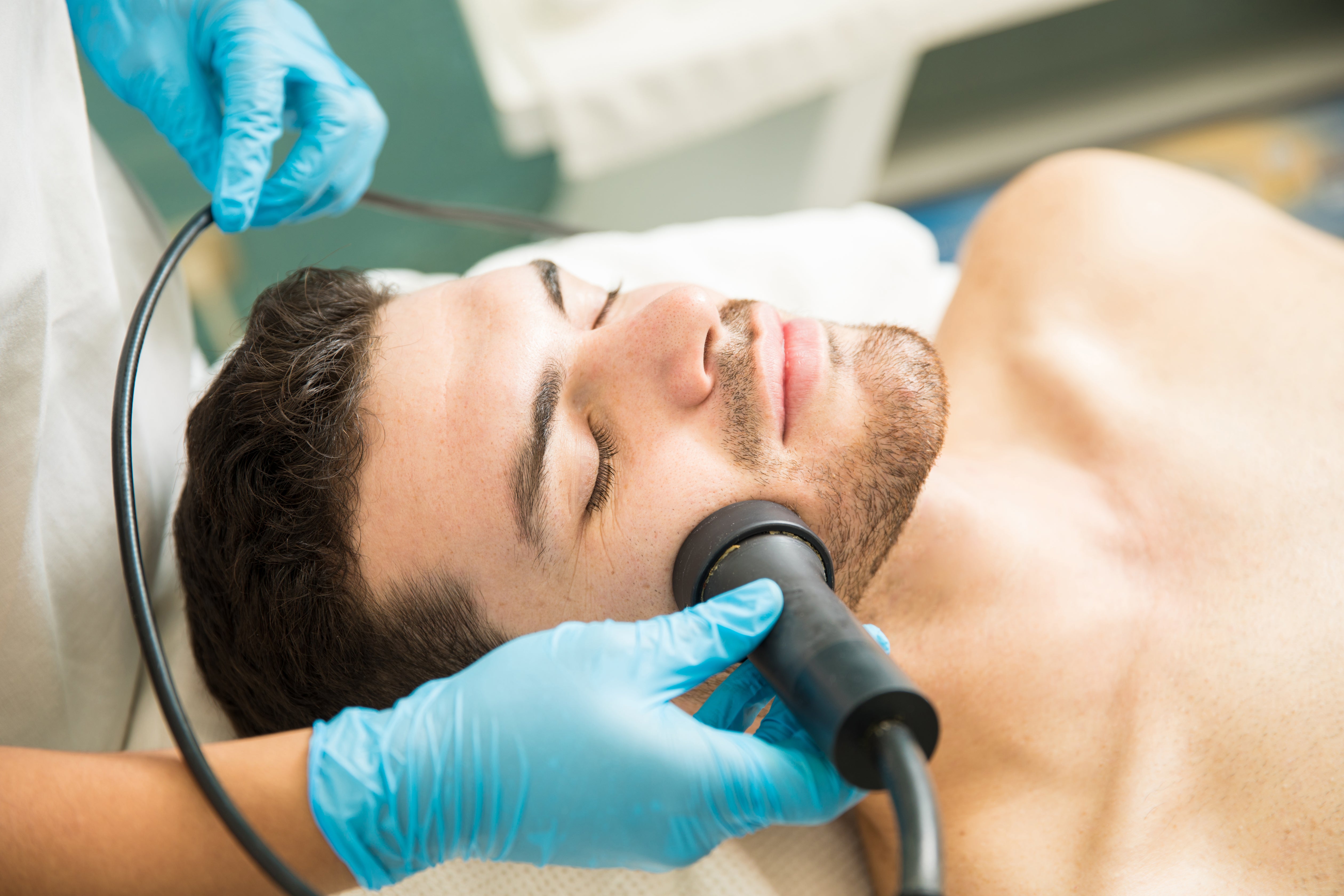
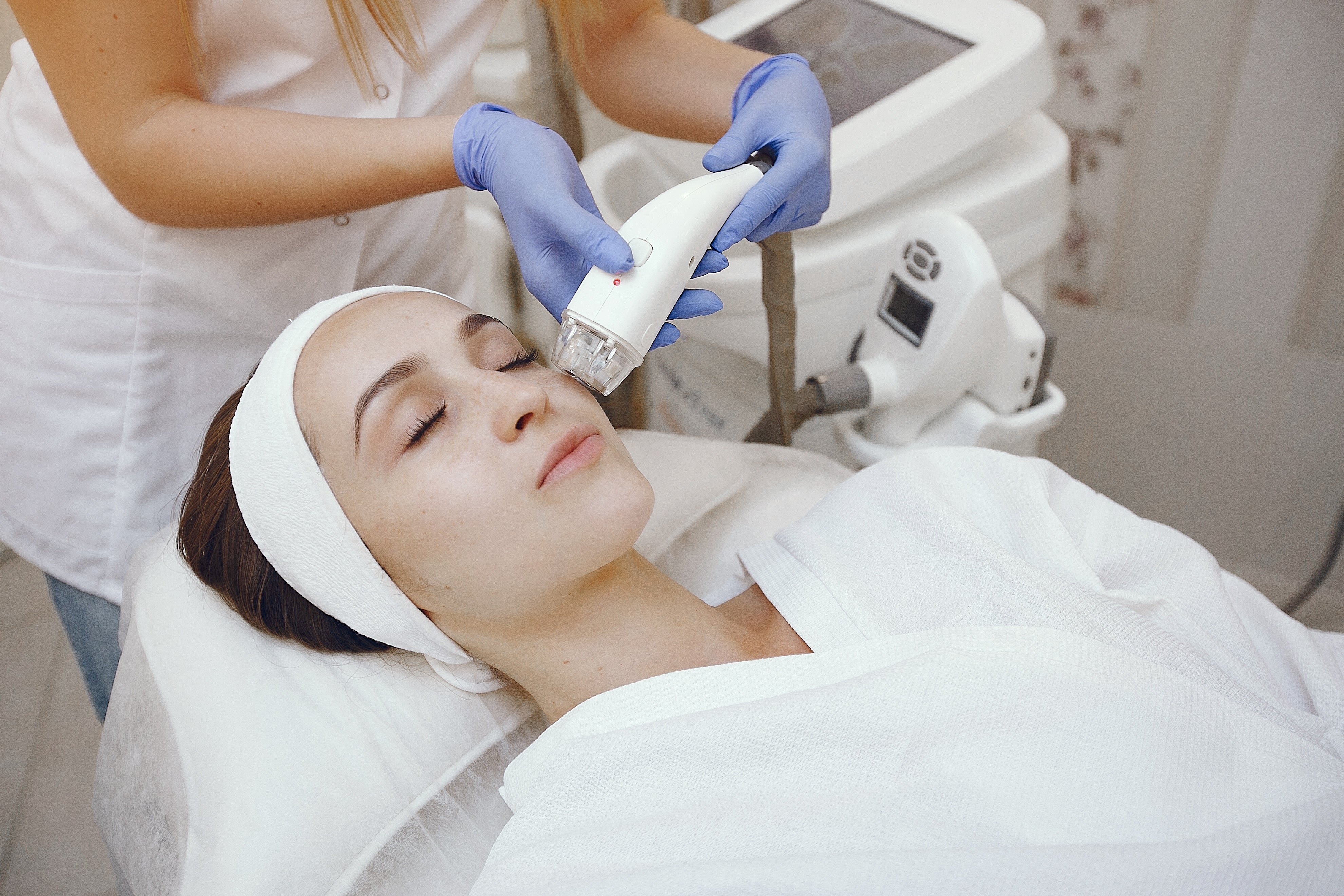
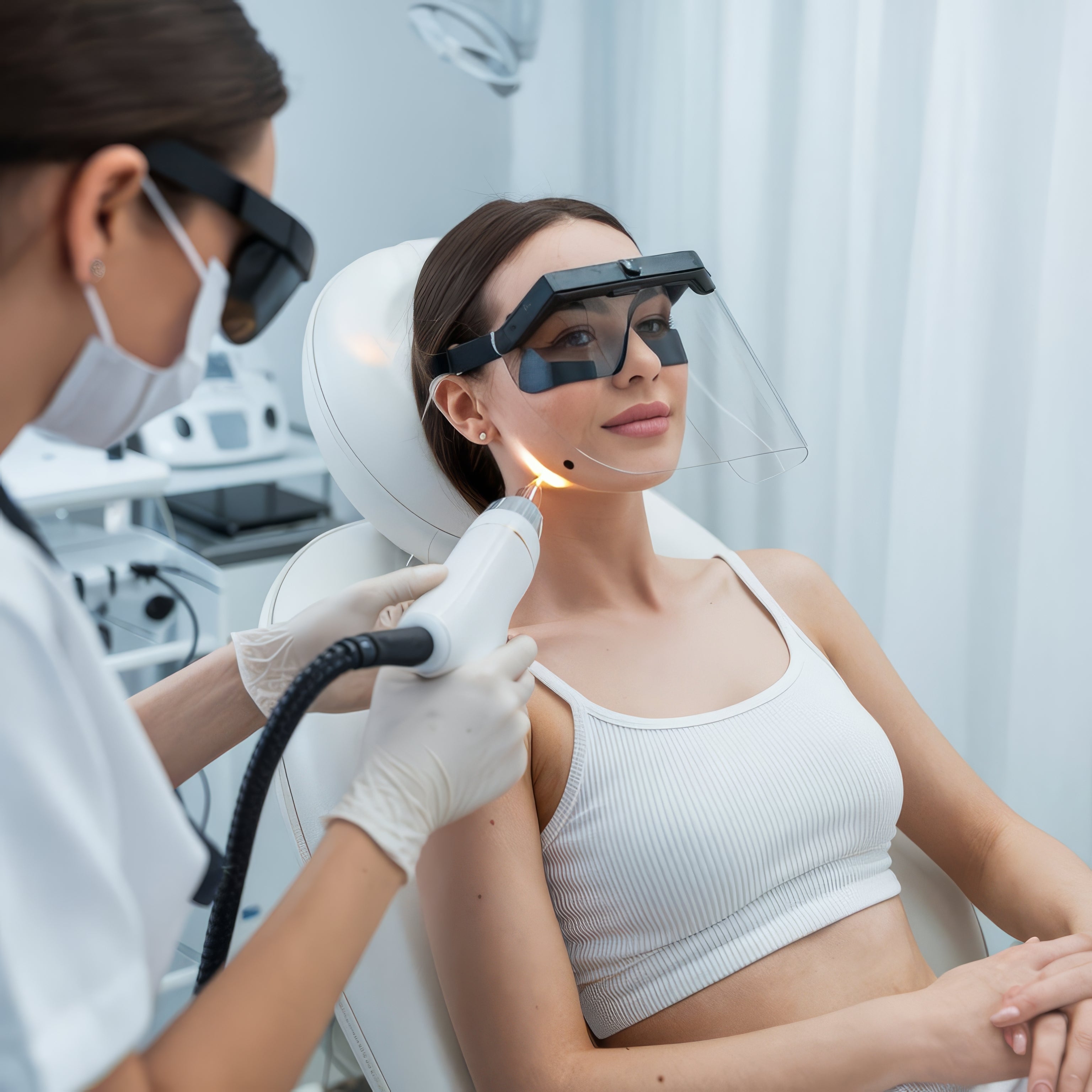
- Carbon laser peel ("Hollywood facial"): deep-cleans pores and tightens the surface — see carbon laser peel and the Hollywood facial.
- Laser toning: stimulates collagen and refines texture — laser toning.
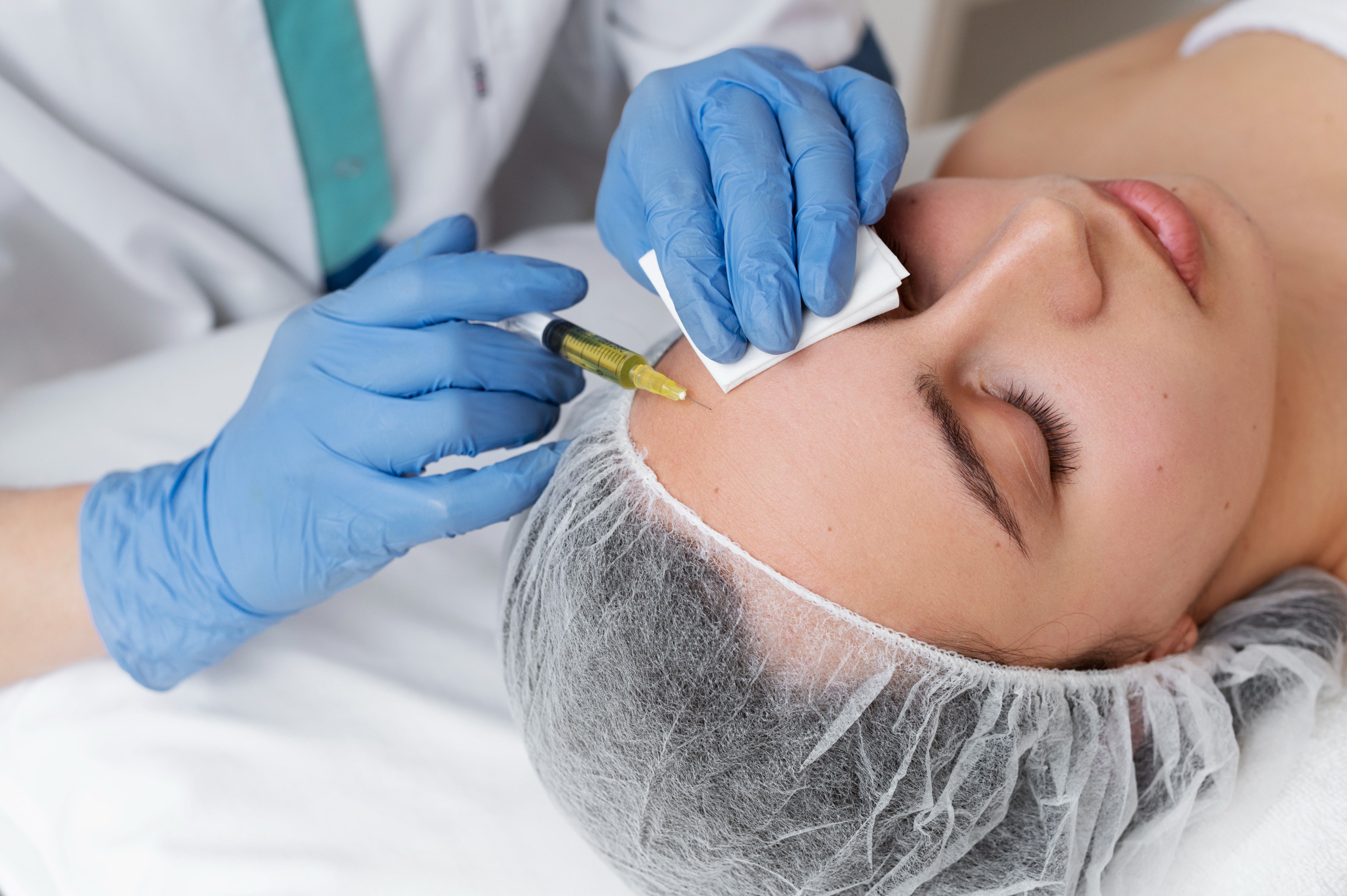
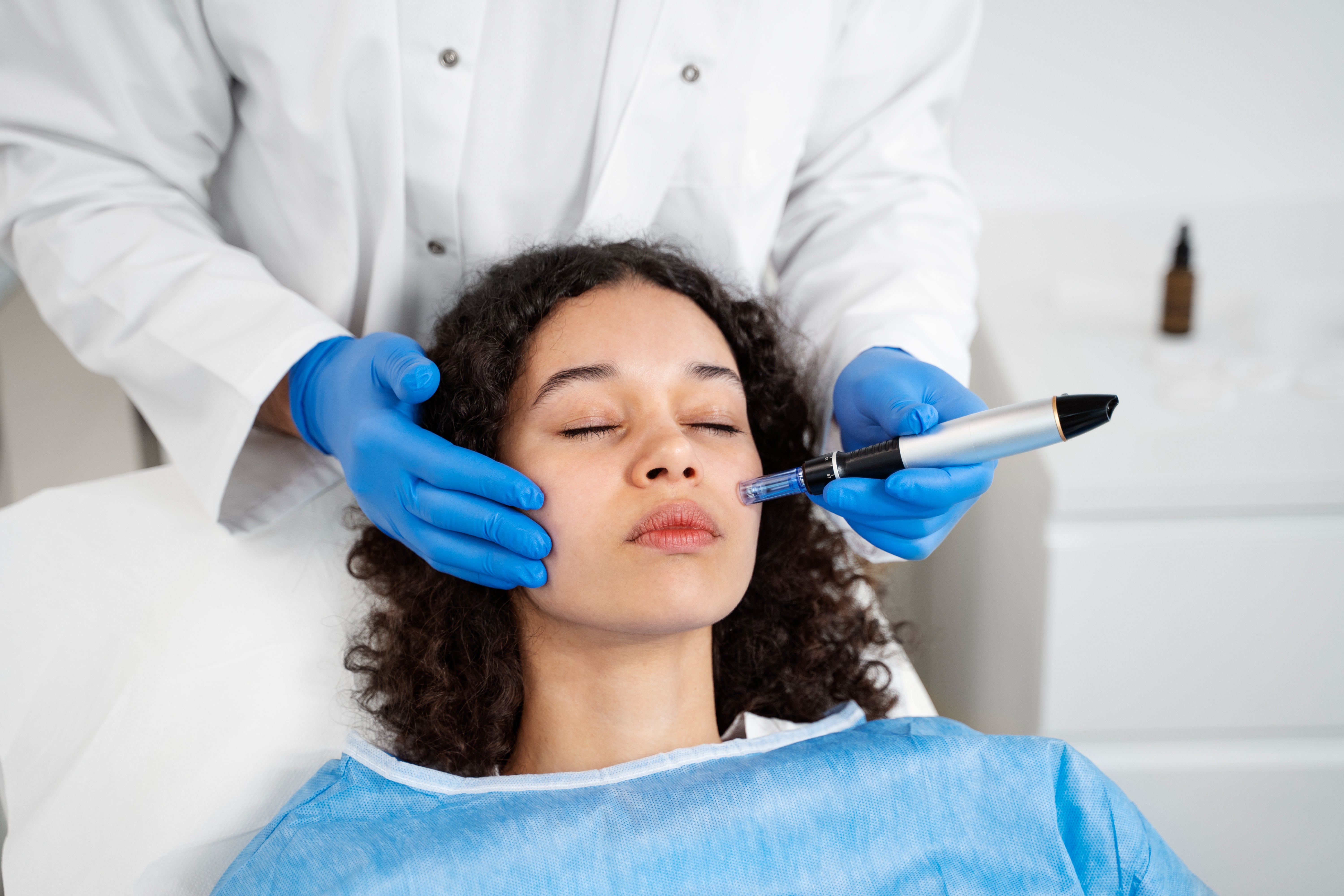
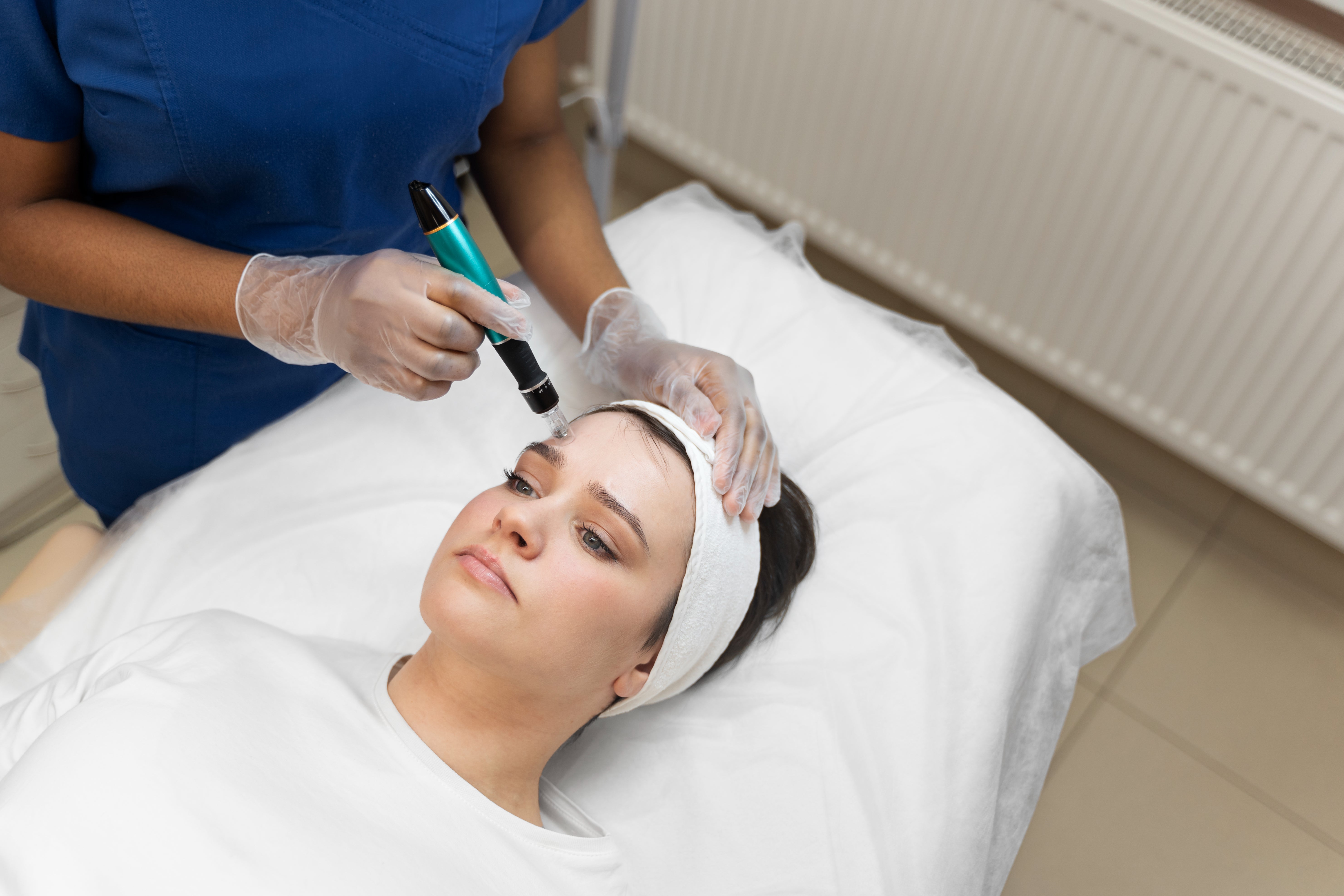
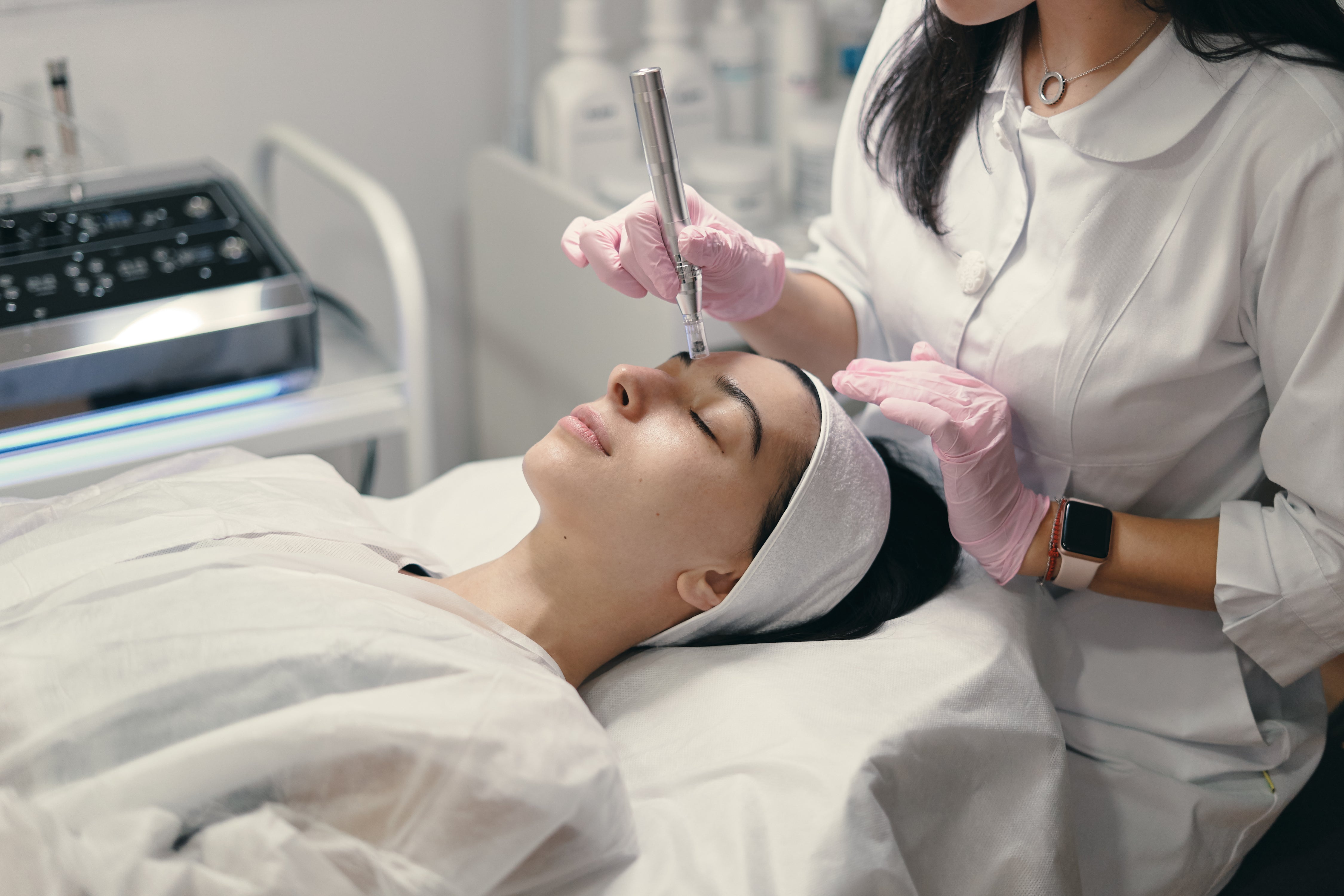
- Microneedling: triggers collagen to firm the skin around pores — microneedling.
- Medical facials: a deep-cleansing medifacial for an instant refined, matte finish with no downtime.
These are performed by AIIMS-trained MD dermatologists, so settings are matched to your skin — important for safe results on Indian skin. For overall congestion and a full open-pores treatment plan, a quick consultation sets the right combination.
Common mistakes that make pores look worse
- Over-scrubbing and harsh toners — they irritate skin and increase oil, making pores more visible.
- Skipping moisturiser because skin is oily — dehydration triggers more oil.
- Picking at blackheads — stretches and damages the pore permanently.
- Skipping sunscreen — the fastest route to larger-looking pores over time.
- Expecting pores to vanish — aim for visibly smaller, not gone; that's the realistic, achievable result.
How long until pores look smaller?
With a consistent routine, most people see oil better controlled and pores looking cleaner within 4–6 weeks, and firmer, more refined skin over 2–3 months as collagen builds. In-clinic treatments speed this up, with visible refinement often after a few sessions.
When to see a dermatologist
If large pores come with persistent oiliness, blackheads or acne, or you want faster, lasting refinement, a dermatologist can combine the right home routine with in-clinic treatment — far more effective than trial-and-error with products. Read real patient reviews or book a consultation for a pore-refining plan built for your skin.
Frequently asked questions
Can open pores be closed permanently? No — pores have no muscle and can't close, and their size is largely genetic. But they can be made to look significantly smaller by controlling oil, keeping them unclogged and firming the surrounding skin.
How can I reduce open pores on my face naturally? Cleanse with a salicylic-acid wash, use niacinamide, moisturise oil-free, and wear daily sunscreen. Avoid harsh scrubs and picking, which make pores look worse.
What is the best treatment for large pores? A home routine (salicylic cleanser + niacinamide + retinoid + SPF) plus, for faster results, in-clinic carbon laser, laser toning or microneedling. The best mix depends on your skin.
Does sunscreen help with pores? Yes. Sun damage breaks down the collagen that keeps skin around pores firm, so daily SPF 50 helps keep pores looking smaller over time.
How long does it take to minimise pores? Usually 4–6 weeks for oil control and cleaner-looking pores, and 2–3 months for firmer, refined skin — faster with in-clinic treatments.
Why do my pores look bigger as I age? Because UV and ageing break down collagen, so skin slackens and pores appear more stretched. Sun protection and collagen-boosting treatments help.
Want visibly smaller pores? Get a plan that works
Pores won't disappear — but they can look dramatically refined with the right routine and treatments. Shop dermatologist-recommended oily-skin care, protect your skin with a daily SPF 50, and for faster refinement, book a consultation at Allodermis or message us on WhatsApp.
Medically reviewed by the Allodermis MD Dermatology team (AIIMS-trained). Allodermis Skin & Hair Clinic — Patia, KIIT Square, Bhubaneswar, Odisha.
Authors & medical review
Swaraj Dhar is a sociopreneur, technologist, and the co-founder of Allodermis.
Every article is fact-checked against current peer-reviewed dermatology literature and Allodermis clinical protocols.
This article was last reviewed and updated on . Published .
Have a skin or hair concern?
Book a free consultation with our AIIMS MD dermatologists. Clinics in Bhubaneswar, Gurgaon, and Delhi NCR.