
















Pediatric Dermatology Guide: Common Skin Conditions

Updated on: 2026-06-27
This guide explains how pediatric dermatology teams assess common skin concerns in children. You will learn how to recognize patterns, document symptoms, and prepare for a clinical visit. It also covers skin-care routines that support the barrier in infants, toddlers, and older children. Finally, the article outlines practical questions to ask and when to seek urgent evaluation.
Key reasons children need specialized skin care
How pediatric dermatology evaluates a skin problem
How to prepare for a pediatric dermatology appointment
Common skin conditions discussed in pediatric dermatology
Building a safe daily routine for sensitive pediatric skin
Key reasons children need specialized skin care
Children are not small adults. Their skin differs in hydration balance, immune response, and tolerance to irritation. Even when two patients share a visible rash, the underlying drivers can be different. Pediatric dermatology focuses on age-specific patterns, safe product selection, and treatment plans that consider growth, behavior, and family routines.
A pediatric skin concern is also often time-sensitive for comfort and sleep. It can affect school attendance, participation in activities, and self-esteem as children grow older. In many cases, early assessment helps reduce chronic cycles of itching, scratching, and flare-ups.
Another important reason is medication safety and dosing. Clinicians choose therapies that align with age, skin thickness, and risk of side effects. This includes careful decisions about topical strength, frequency, and the duration of use. Guidance should be clear enough for caregivers to follow accurately at home.
How pediatric dermatology evaluates a skin problem
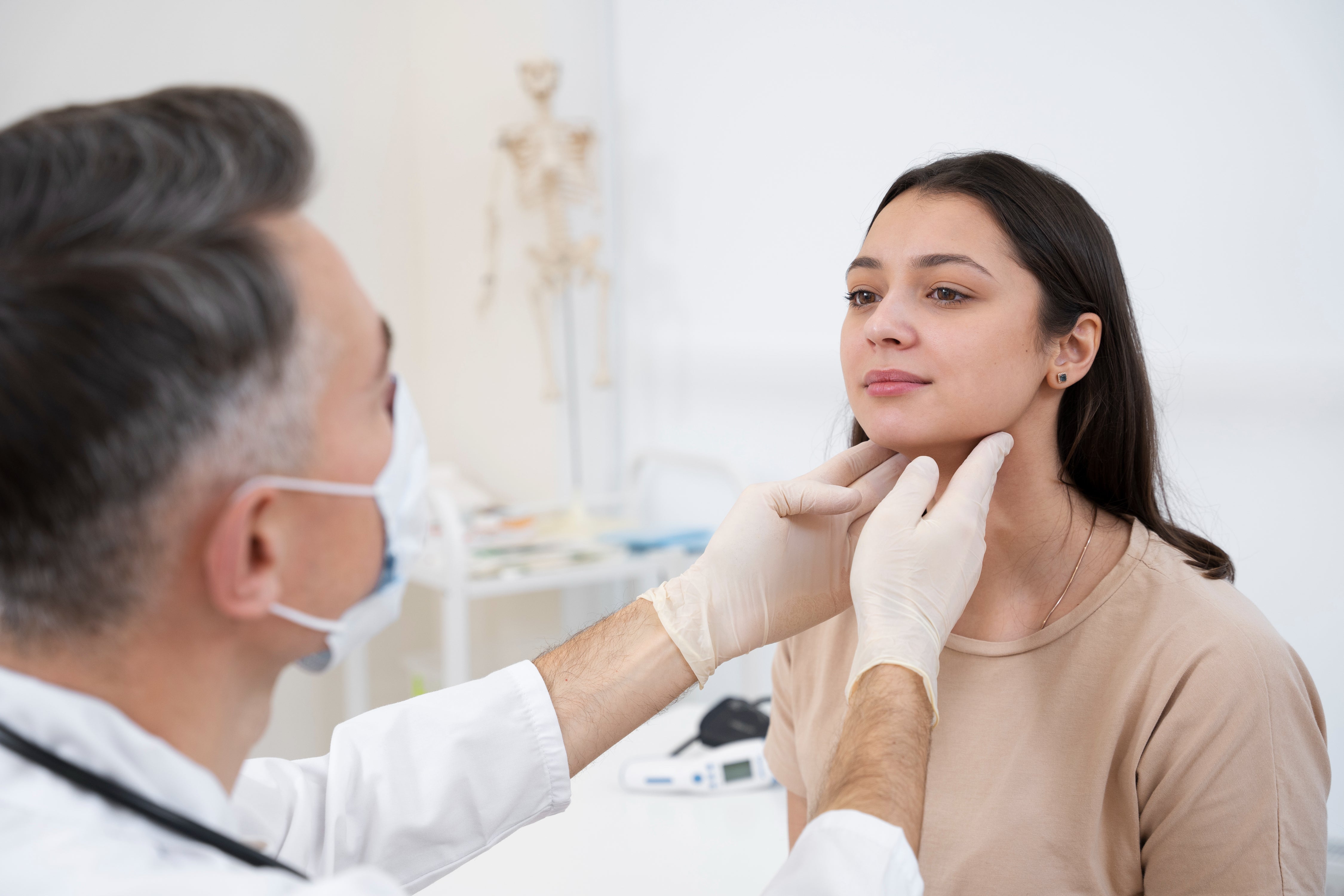
A thorough evaluation usually begins with history and observation. The clinician asks about onset, progression, exposures, and symptoms such as itch, pain, scaling, oozing, or fever. Caregivers are often asked about triggers like new detergents, recent illnesses, new foods, outdoor play, pets, swimming pools, and household members with similar symptoms.
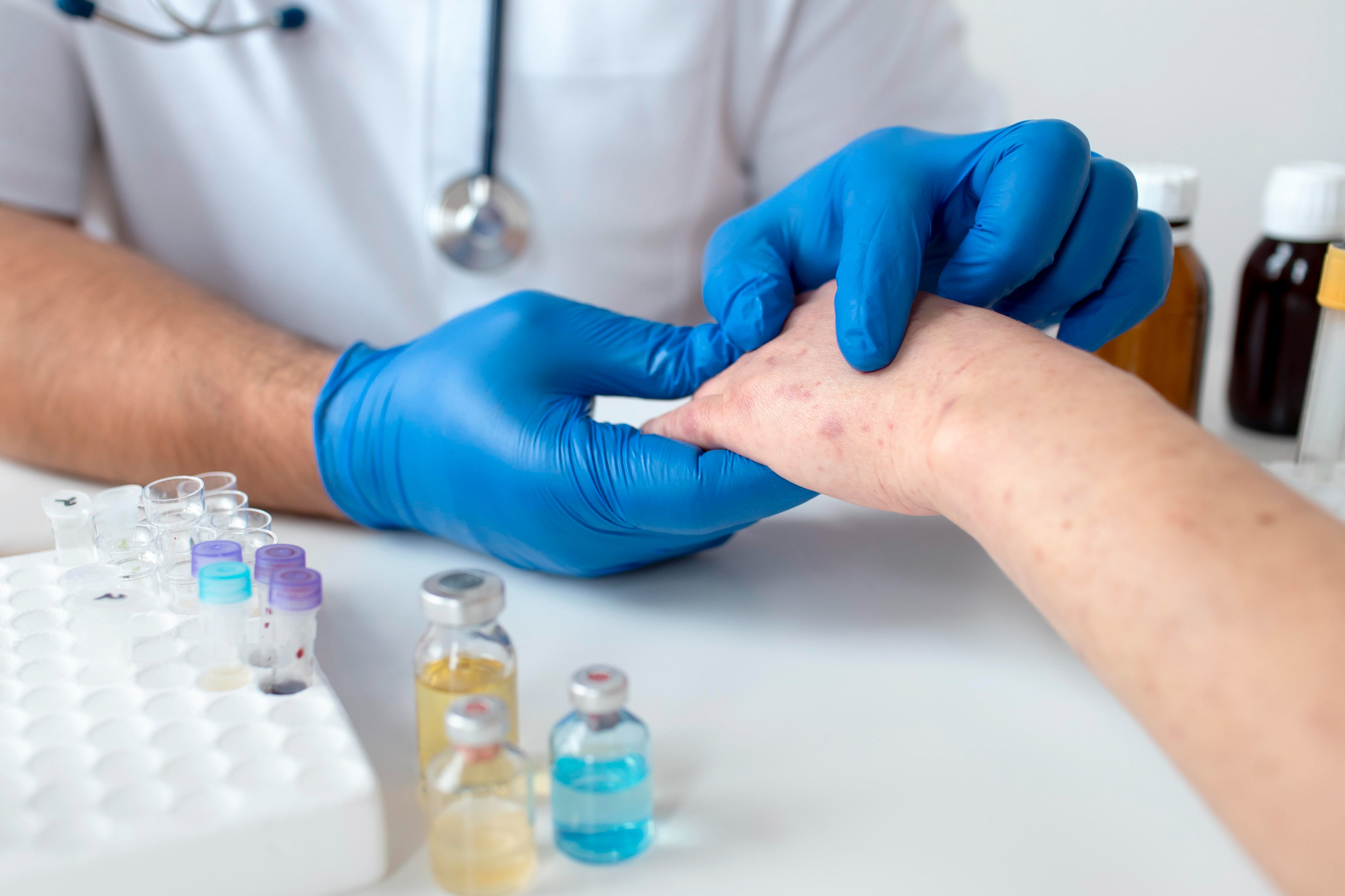
Next, the exam focuses on distribution and morphology. Pediatric dermatology commonly uses pattern recognition: where the rash appears, how it looks, and whether it changes over time. Examples include eczema-like dryness in folds, scalp findings in infants, or localized bumps that follow areas of friction. The clinician may also check hair, nails, and mucous membranes when relevant.
For persistent or unclear cases, additional steps can include topical trial plans, focused laboratory testing, or referral to related specialists. The goal is to confirm whether the issue is primarily inflammatory, infectious, allergic, or related to irritation. This approach avoids unnecessary treatment and supports more reliable outcomes.
Industry best practice also includes setting expectations. Many pediatric skin conditions follow cycles. Care plans aim to control symptoms and reduce flare frequency rather than provide immediate cures for every condition.
How to prepare for a pediatric dermatology appointment
Preparation can improve diagnostic accuracy and reduce frustration during the visit. Consider the following steps.
Track symptoms before the appointment
Write down when the skin changes started and whether they improve or worsen at certain times of day. Note itch severity, sleep disruption, and any bleeding or crusting. If possible, record a simple timeline with dates.
Document exposures and recent changes
List new products used in the last few weeks, including body washes, shampoos, moisturizers, sunscreens, laundry detergents, wipes, and creams. Also include changes in climate, travel, swimming, and contact with new pets. Bring information about all medications, including over-the-counter products and supplements.
Bring photos taken in good light
Clear images help clinicians compare early and later stages. Take photos from similar angles and distances. Include at least one image that shows the full area and one close-up of the most active site.
Prepare questions in advance
Good questions include: What is most likely causing this rash? What signs would suggest a different diagnosis? What should improve first with treatment? How long should it take to see benefit? Which products are safe to continue at home?
If the family is considering moisturizers, cleansers, and sun protection, it helps to list current products by name. This supports a barrier-first approach and reduces irritation risk.
Common skin conditions discussed in pediatric dermatology
Pediatric dermatology commonly addresses several recurring patterns. While each child is unique, families often seek care for the following concerns.
Eczema and dry, itchy skin
Atopic dermatitis often presents as dryness and itch, sometimes with flare-ups that become more inflamed. Triggers may include temperature changes, sweating, rough fabrics, and irritant products. Treatment frequently combines consistent moisturizing, gentle cleansing, and targeted anti-inflammatory therapy when needed.
Contact dermatitis and skin irritation
Some rashes follow direct or indirect exposure to irritants. Examples include fragrances, harsh soaps, certain wipes, or residue from laundry detergents. The pattern can be localized to areas of friction or contact. Clinicians typically recommend stopping suspected triggers and using bland, fragrance-free skin-care products until the skin stabilizes.
Infections and contagious rashes
Fungal infections can appear as ring-shaped or persistent areas, while bacterial issues may involve oozing or crusting. Viral rashes can follow fevers and may spread in households or schools. Pediatric dermatology evaluates whether a rash requires antimicrobial care, supportive management, or time-based monitoring.
Scalp issues
Infant cradle cap and other scalp conditions can cause scaling. In older children, dandruff-like flaking may reflect irritation or inflammation. Clinicians may recommend gentle shampoo routines and short, age-appropriate treatment options when symptoms persist.
Acne-like eruptions and bumps
Some children experience acneiform bumps. The clinician considers age, pattern, and severity. Treatment is chosen to minimize dryness and irritation, particularly for younger patients. In many cases, gentle cleansing and barrier support are emphasized alongside any targeted therapy.
Building a safe daily routine for sensitive pediatric skin
A practical routine reduces flare risk and improves comfort. The core principle is barrier support: cleanse gently, moisturize consistently, and protect skin from sun and irritants. The routine should remain simple enough for caregivers to maintain.
Gentle cleansing
Bathing should remove sweat and debris without stripping natural oils. Use lukewarm water and limit the duration of baths or showers. Choose cleansers designed for sensitive skin. If a child has eczema-like dryness, avoid frequent hot water exposure and strong foaming products.
For example, consider a product such as Cetaphil Gentle Cleanser to support non-stripping cleansing habits.
Moisturize with a barrier-first strategy
Apply moisturizer soon after bathing, typically within minutes, to help lock in hydration. For itch-prone skin, consistent moisturizing often reduces scratching cycles. Select creams or lotions that are designed for sensitive skin and avoid heavy fragrance when possible.
Families can start with a single moisturizing product to simplify observations. If irritation occurs, change one variable at a time and inform the clinician during follow-up.
Sun protection that fits a child’s routine
Sun exposure can worsen certain rashes and may contribute to post-inflammatory discoloration. Use age-appropriate sunscreen and apply it consistently when outdoors. Prefer formulations that are well tolerated and do not sting or cause excessive greasiness.
For sun protection, caregivers may review options such as Fixderma Shadow Sunscreen Cream and adjust based on the child’s comfort and clinician guidance.
Be cautious with “spot” treatments
Many families attempt to treat every patch right away. This can irritate skin and make diagnosis more difficult. The safest approach is to follow a plan from pediatric dermatology that specifies what to use, where to apply it, and for how long.
If the child is prescribed medication, keep moisturizing separate unless the clinician instructs otherwise. Using too many layers at once can increase irritation, especially on inflamed skin.
When to seek urgent medical advice
Most pediatric rashes can be evaluated through routine clinic visits. However, some situations require urgent assessment to protect the child’s health and comfort.
-
Rapidly spreading rash with significant swelling, especially around the eyes or lips.
-
Signs of infection such as fever, increasing pain, pus, or honey-colored crusting.
-
Severe skin tenderness, blistering, or widespread involvement following a medication start.
-
Breathing difficulty, widespread hives, or faintness, which may indicate a serious allergic reaction.
-
Rash with dehydration concerns such as refusal to drink or reduced urination in young children.
In urgent scenarios, follow local emergency guidance. For non-emergent cases, contact a clinician promptly so the plan can be updated as symptoms evolve.
FAQ
What happens during a pediatric dermatology visit?
The clinician reviews the timeline of the symptoms, asks about exposures and current products, and performs a focused skin exam. They may examine hair and nails when relevant. The visit typically ends with a clear plan for skin care, symptom control, and follow-up timing.
Can diet affect skin conditions in children?
Diet may influence specific conditions in selected cases, particularly when allergies are suspected. However, skin problems are often driven by barrier function, irritation, inflammation, or infection. A clinician can determine whether dietary changes are appropriate and how to approach them safely.
How can caregivers reduce itching at home?
Consistent moisturizing, gentle cleansing, and avoiding known irritants are foundational. Cooling measures and soft, breathable clothing can also help. If the child requires prescription therapy, caregivers should follow the prescribed schedule and avoid adding extra topical products without medical advice.
How long does it take for treatment to work?
Timelines vary by diagnosis and severity. Some symptoms may improve within days, while complete stabilization may take longer. Pediatric dermatology teams typically discuss what improvement to expect first and when to schedule follow-up if progress is limited.
Closing thoughts
Pediatric dermatology is most effective when families combine accurate observation with a consistent home routine. By preparing details, documenting triggers, and asking targeted questions, caregivers support a faster, more confident clinical decision. Use gentle cleansing, barrier-focused moisturizing, and appropriate sun protection as the foundation. If symptoms escalate or do not improve, seek timely reassessment rather than continuing trial-and-error care.
About the Author Section
Dr. Maya R. Patel is a board-certified dermatologist focused on pediatric dermatology and skin barrier disorders across childhood. Her work emphasizes evidence-based skin-care routines, careful medication selection, and practical guidance for families. She has authored clinical education resources for caregivers and supports patient-centered outcomes through multidisciplinary collaboration. Allodermis is proud to feature expertise that prioritizes safe, understandable care, and she invites readers to take the next step by preparing questions for their next appointment.
Disclaimer: This article is for educational purposes and does not replace professional medical advice, diagnosis, or treatment. Always consult a qualified clinician for advice tailored to your child’s condition. If symptoms are severe or worsening, seek urgent medical care.
Authors & medical review
Swaraj Dhar is a sociopreneur, technologist, and the co-founder of Allodermis.
Every article is fact-checked against current peer-reviewed dermatology literature and Allodermis clinical protocols.
This article was last reviewed and updated on . Published .
Have a skin or hair concern?
Book a free consultation with our AIIMS MD dermatologists. Clinics in Bhubaneswar, Gurgaon, and Delhi NCR.