





























Pigmentation Treatment: Guide to Safer, Clearer Skin

Pigmentation treatment is one of the most searched topics in modern skincare because uneven skin tone can affect confidence and comfort in everyday life. In this guide, you will learn how pigmentation forms, which evidence-based approaches are used in dermatology and clinics, and how to plan a practical routine that supports gradual, visible improvement. You will also find common myths, a personal, experience-based perspective, and an action-focused checklist you can use to discuss options with a skincare professional. The goal is clear: help you choose smarter strategies for hyperpigmentation, sun spots, and dark marks with a steady, realistic process.
Updated on: 2026-06-22
1. What Pigmentation Treatment Means
Pigmentation treatment refers to a set of strategies aimed at reducing visible darkening of the skin, improving uneven tone, and preventing further contrast. Depending on the cause, the best plan may include topical brightening ingredients, gentle exfoliation, professional procedures, and long-term sun protection. The most effective plans typically target more than one step in the pathway that leads to melanin overproduction and uneven distribution.
It is important to understand that the skin changes at its own pace. The practical definition of success is consistent improvement in tone and a reduction in new dark marks rather than instant whitening. A strong plan is built on safety, tolerability, and ongoing protection.
2. Myths vs. Facts
- Myth: Any brightening product will remove pigmentation quickly. Fact: Visible improvement depends on the pigment type, depth, skin sensitivity, and consistent prevention of UV-driven darkening.
- Myth: Pigmentation treatment is only for severe discoloration. Fact: Many people benefit from early intervention for mild uneven tone, post-acne marks, and early sun spots.
- Myth: Higher strength always works better. Fact: Overly aggressive formulas can irritate skin, which can worsen discoloration. Tolerability matters.
- Myth: Sunscreen is optional during treatment. Fact: UV exposure can stimulate melanin production and delay progress, making sun protection a core step.
- Myth: One ingredient is enough. Fact: A targeted combination often provides better support by addressing pigment production, transfer, and visible irregularity.
3. How Pigmentation Forms in the Skin
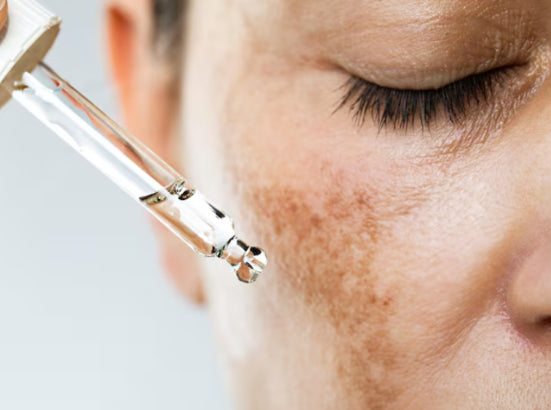
Pigmentation often begins after a trigger that increases melanin activity. Common triggers include UV exposure, inflammation from acne or irritation, hormonal changes, and certain skin procedures or friction. When the skin is stressed, melanin can be produced in greater amounts, and it can appear as dark spots, patches, or lingering marks.
Another factor is the pattern of pigment distribution. Some marks are superficial and respond better to topical brightening and gentle exfoliation. Others are deeper or more persistent and may require clinic-based options. Understanding the source helps you select the right pigmentation treatment strategy.

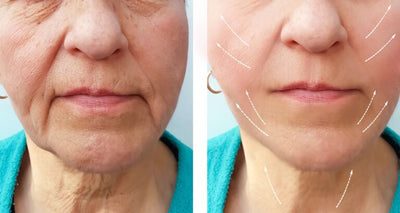
Diagram of melanin activity and uneven tone
4. Personal Experience
When I first started focusing on pigmentation treatment, I assumed the quickest path was to choose the strongest brightening product available. I used it frequently, paired it with additional actives, and expected rapid results. Instead, my skin became dry and reactive. Over time, the surface looked more uneven, and the dark marks seemed more noticeable under certain lighting.
After I returned to basics, the situation improved. I prioritized a gentle cleansing routine, added consistent sun protection, and used a calmer brightening approach with structured frequency. I also tracked triggers such as over-exfoliation and prolonged sun exposure. The turning point was not a single product. It was the combination of lower irritation, consistent daily protection, and an evidence-aligned routine that respected the skin barrier.
5. Choosing an Evidence-Based Approach
A strong pigmentation treatment plan usually combines four elements: prevention, pigment targeting, texture support, and skin barrier care. You may not need every element at once. However, you should avoid skipping prevention, since new pigment can develop even when you are brightening existing marks.
Topical brightening actives
Many dermatology-aligned topical options focus on reducing pigment formation and supporting more even tone. Ingredients such as niacinamide, vitamin C derivatives, retinoids, and azelaic acid are commonly used because they can help improve brightness and the appearance of dark marks while supporting overall skin quality. Choose based on your skin type and tolerance, and introduce one change at a time.
Gentle exfoliation and turnover support
Uneven tone often includes pigmented cells that sit across variable layers of skin. Gentle exfoliation can help improve clarity and support more regular turnover. The key is to select methods that do not cause persistent irritation. Over-exfoliation is a common reason people feel stuck despite using multiple brightening products.
Professional options for deeper or persistent marks
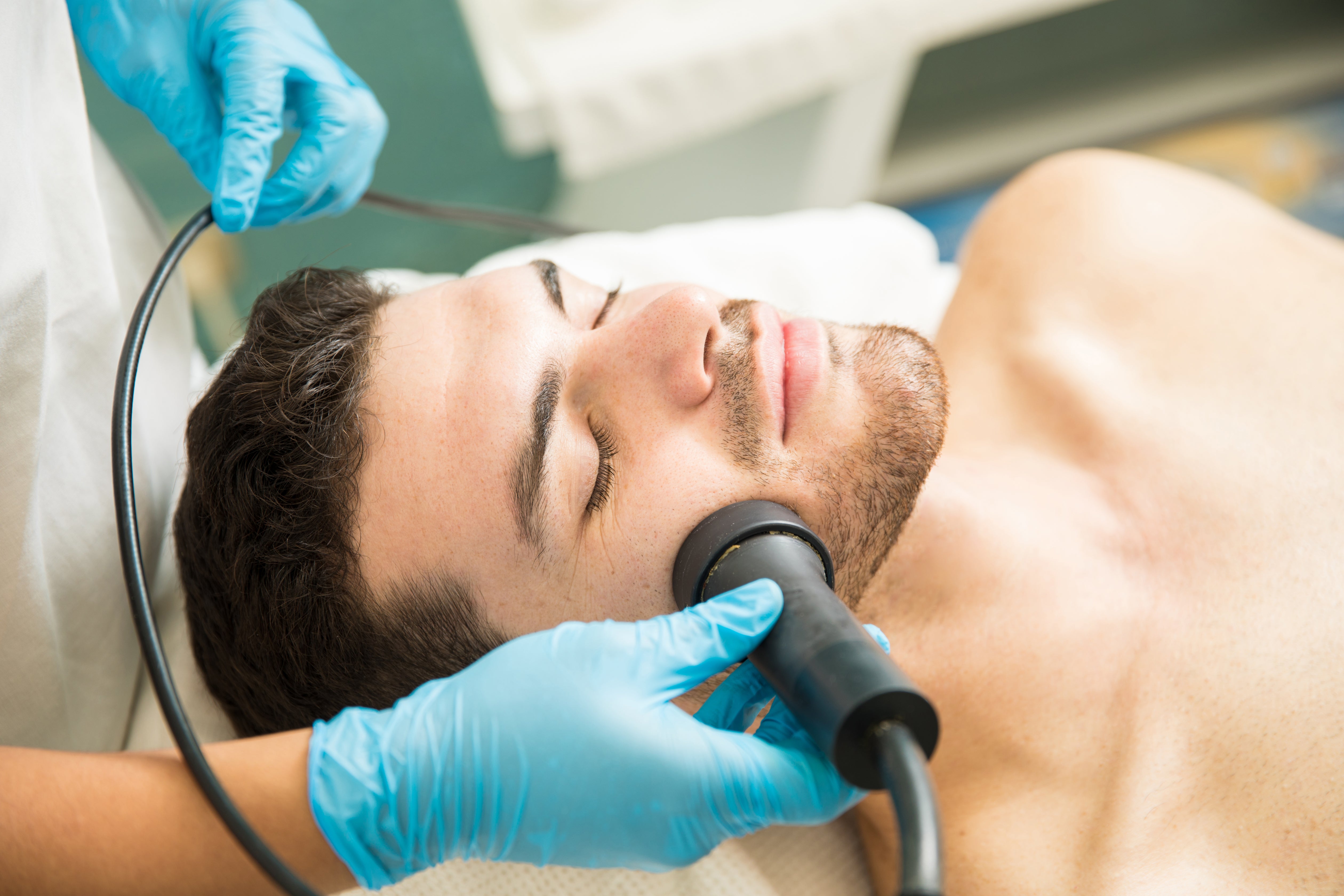
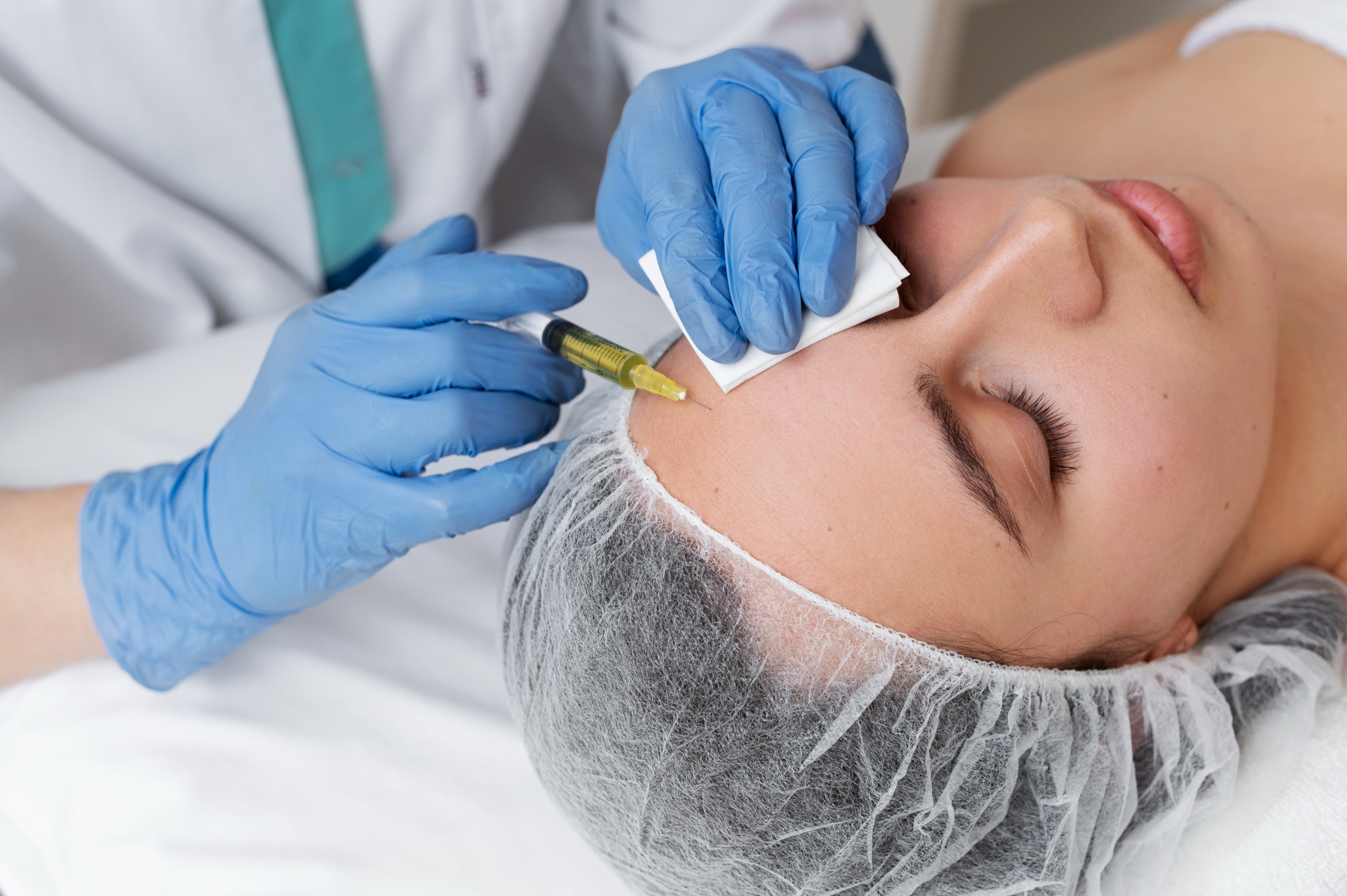
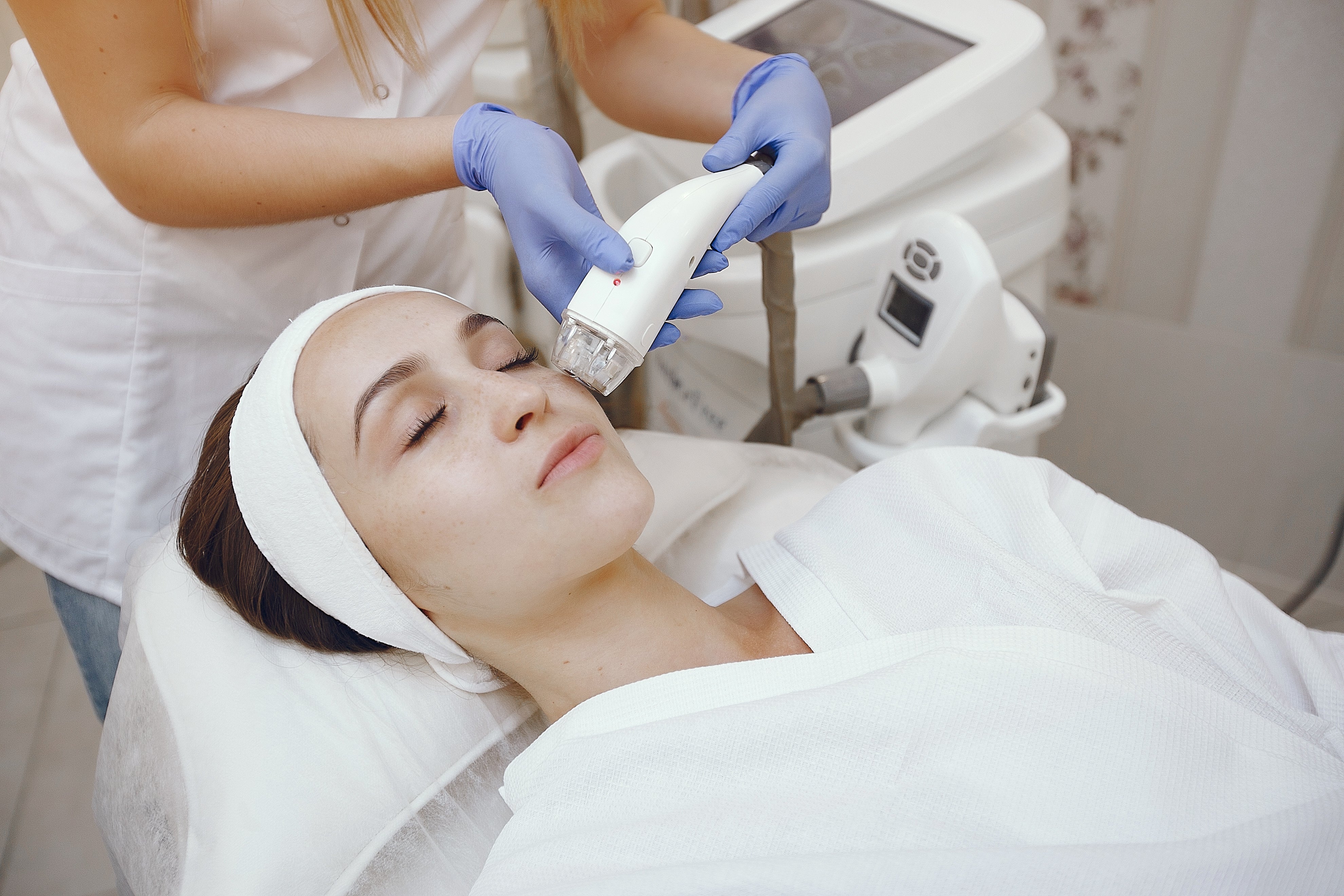
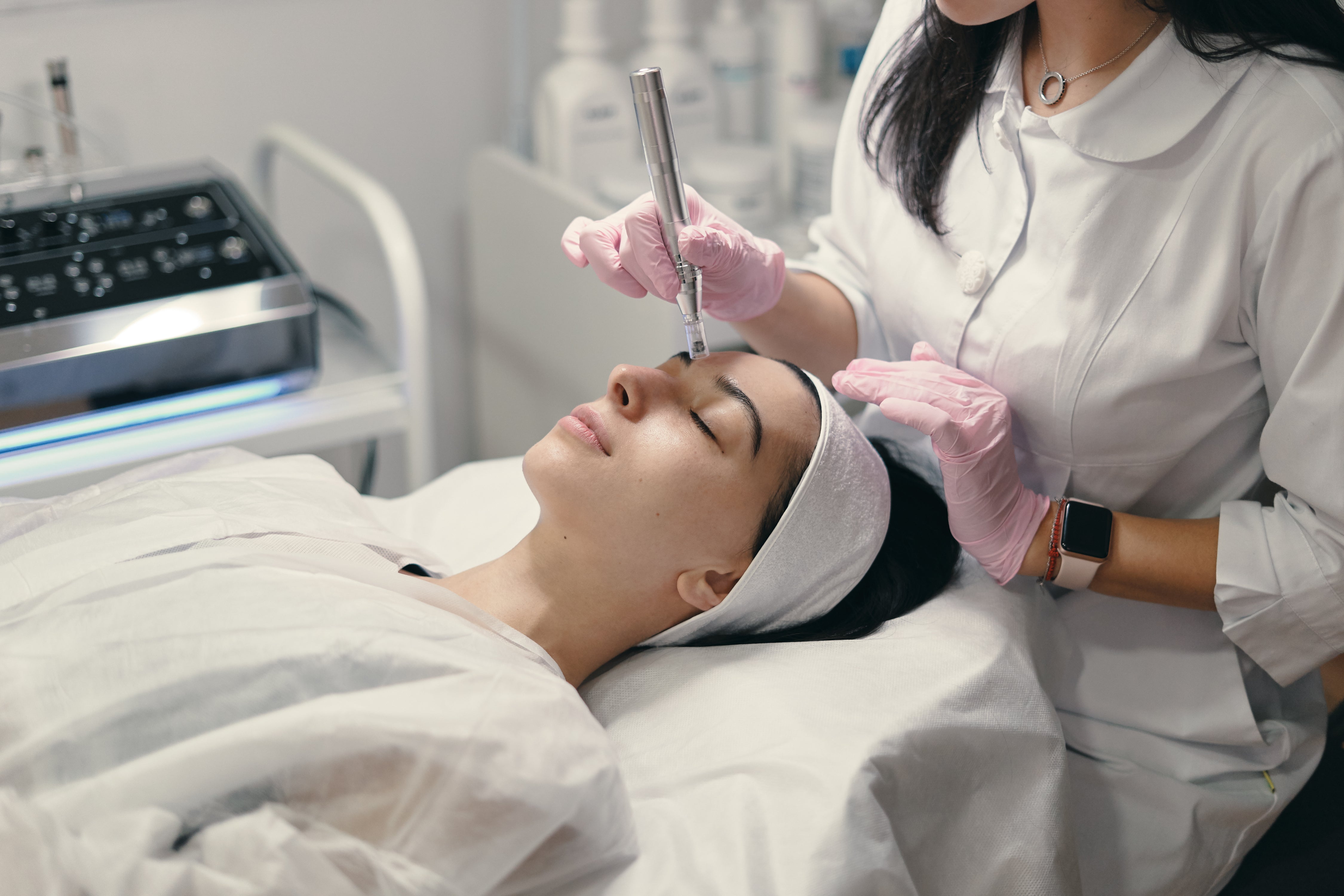
For long-standing discoloration, professional treatments may provide added benefit. Options often include targeted light or laser procedures and chemical peels tailored to skin type and pigment depth. These should be guided by a qualified clinician, particularly for deeper skin tones where risk of post-inflammatory hyperpigmentation must be carefully managed.
If you are unsure where to start, consider discussing your situation with a dermatologist. They can evaluate the cause and pigment pattern, then recommend a plan that matches your skin’s needs and your comfort level.
6. Building a Simple Routine That Supports Results
To approach pigmentation treatment responsibly, build a routine that is consistent, barrier-friendly, and easy to maintain. Below is a practical structure that many people can adapt, regardless of skin type.
Morning routine
- Cleanse gently to remove residue without stripping.
- Apply a brightening or barrier-support product if tolerated.
- Use broad-spectrum sunscreen as the final step. This is the most important part of prevention.
Evening routine
- Cleansing with a gentle formula.
- Targeted treatment such as a serum or cream designed to support even tone.
- Moisturize to maintain comfort and reduce friction and irritation.
As you refine your plan, remember that the skin often needs stability. If irritation increases, pause actives and focus on barrier support until the skin feels calm again.

Routine layout showing morning protection and nighttime care
Examples of ingredient-led product categories
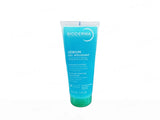
When selecting products, focus on the category and the ingredient logic rather than chasing multiple overlapping formulas. For gentle cleansing, you can consider a product designed for daily use such as Cetaphil Gentle Cleanser. For sun protection during pigmentation treatment, a dedicated sunscreen product like Fixderma Shadow Sunscreen Cream can support daily UV defense.
For targeted dark spot support, some people choose serums with brightening pathways. For example, Dermatica Aze Proactive Serum may support a balanced approach that pairs well with other calming steps. For those focused on acne-related marks and clarity, a product designed for oil control can be relevant, such as Cetaphil PRO Oil Control Foam Wash.
Note that selection should be based on your skin response. If you experience persistent stinging, redness, or scaling, reduce frequency and simplify the routine.
How to avoid common routine mistakes
- Do not stack too many strong actives at once. Introduce new products one at a time.
- Do not skip sunscreen. Treatment without protection often leads to slow results.
- Do not treat inflamed skin aggressively. Calm inflammation first to reduce risk of darker marks.
- Do not change products every few days. Give consistent use enough time to evaluate tolerability and direction of change.
When to consider a clinician review
You should consider professional evaluation if pigmentation is rapidly worsening, if it appears in unusual patterns, or if you have a history of sensitive reactions. A clinician can distinguish between benign discoloration and conditions that require different management.
7. Final Thoughts & Takeaways
Pigmentation treatment works best when it is structured and prevention-led. Instead of relying on a single “miracle” product, plan around sun protection, targeted pigment support, and barrier stability. Avoid harsh stacking and focus on tolerable routines that you can maintain. Over time, consistent care can improve the appearance of dark marks, reduce contrast, and support a more even skin tone.
If you want a simple way to begin, choose one gentle cleanser, one daily sunscreen, and one targeted treatment product. Then refine slowly based on how your skin behaves.
8. Q&A
How do I know which pigmentation treatment approach is best for me?
The best approach depends on cause and pigment type. Post-acne marks often respond well to calming care plus pigment-targeting actives. Sun spots usually require strong daily UV prevention and brightening support. If your marks are persistent, patch-like, or associated with irritation, a clinician evaluation can help confirm the source and guide a safer plan.
Can I use pigmentation treatment products together with acne care?
Many people combine acne care and pigmentation support, but the method matters. Start with a gentle cleansing routine, then choose one acne-focused step and one tone-focused step. If irritation occurs, reduce frequency and simplify. Barrier-friendly moisturizing is essential, since inflamed skin can worsen discoloration.
What is the most important step during pigmentation treatment?
Sunscreen and consistent UV protection are the most important steps. Without sun defense, pigment can continue to increase even when topical brightening is active. This step supports prevention, reduces the chance of new marks, and helps you evaluate progress more accurately.
How long should I stay consistent before judging results?
Consistency helps you judge both effectiveness and skin comfort. You should evaluate progress based on changes in tone and comfort, while watching for irritation. If your skin becomes dry, red, or increasingly sensitive, adjust the routine and prioritize barrier repair before deciding that a product is not working.
Is it necessary to use professional procedures for pigmentation?
Professional options are not mandatory for everyone. Many mild to moderate cases improve with consistent skincare routines and UV protection. However, deeper pigment patterns may respond more efficiently with clinician-guided procedures. A professional assessment can help you choose the safest and most efficient path.
What should I do if my pigmentation becomes darker after starting treatment?
Temporary darkening can occur when irritation or inflammation increases. The first step is to reduce actives, simplify the routine, and focus on barrier support and daily sunscreen. If darkening persists or spreads, consider stopping the active that seems to trigger irritation and seek professional guidance.
Do natural remedies replace pigmentation treatment?
Natural approaches can be gentle in some cases, but they should not replace evidence-based prevention and pigment-targeting care. If you prefer a natural routine, keep the fundamentals consistent: gentle cleansing, daily UV protection, and carefully chosen actives that you can tolerate.
How can I keep treatment consistent on busy days?
Use a minimal routine that includes cleansing and sunscreen every day. Keep your treatment steps to evening when your skin can rest and absorb products comfortably. Consistency improves outcomes more than complexity.
Is pigmentation treatment safe for sensitive skin?
Sensitive skin can benefit from pigmentation treatment, but it should be introduced gradually. Choose products with a barrier-friendly approach, avoid stacking too many strong actives, and watch for signs of irritation. If you have a history of strong reactions, consult a dermatologist for personalized guidance.
Disclaimer
This article is for educational purposes only and does not provide medical advice, diagnosis, or treatment. Individual results can vary based on skin type, pigment cause, and product tolerability. If you have a medical condition, persistent discoloration, or a history of adverse reactions, consult a qualified healthcare professional before starting any pigmentation treatment routine.
About the Author Section
Allodermis supports informed skincare decisions through dermatology-aligned education and careful product guidance. The team’s topic expertise includes skin barrier health, pigmentation pathways, and routine design for even tone and comfort. We emphasize evidence-based approaches and realistic expectations rather than short-lived trends. Thank you for reading, and we encourage you to build a plan that matches your skin’s needs.
Authors & medical review
Swaraj Dhar is a sociopreneur, technologist, and the co-founder of Allodermis.
Every article is fact-checked against current peer-reviewed dermatology literature and Allodermis clinical protocols.
This article was last reviewed and updated on . Published .
Have a skin or hair concern?
Book a free consultation with our AIIMS MD dermatologists. Clinics in Bhubaneswar, Gurgaon, and Delhi NCR.