


































Pigmentation Treatment Options: A Clear Guide for Skin
Related Posts

Dermatologist-Recommended Treatments for Clear, Healthy Skin
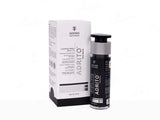
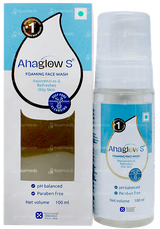
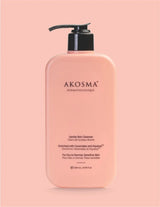
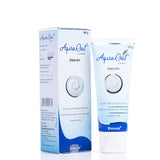
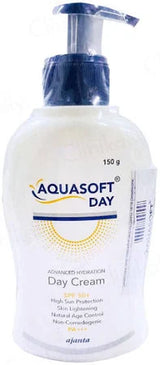
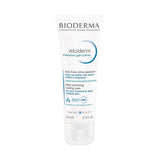
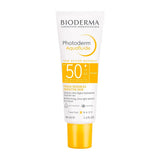
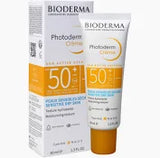
Updated on: 2026-06-10 Dermatologist-recommended treatments focus on safety, consistency, and skin barrier support. Many routines fail because they do not match skin type, climate, and ingredient tolerance. A science-led approach helps you choose actives carefully and avoid unnecessary irritation. This guide explains common myths, practical selection steps, and sensible next actions for everyday skin care. Table of Contents Key Takeaways Product Spotlight Myths vs. Facts Frequently Asked Questions Final Recommendations Q&A Section Dermatologist-recommended treatments for clearer, calmer skin Dermatologist-recommended treatments are built on a simple principle: effective care should be tailored, gentle, and consistent. When you use the right active ingredients at the right time, you can support your skin barrier and reduce irritation. This article helps you understand what typically matters in clinical skin care. You will also learn how to select products by skin concern, how to avoid common mistakes, and how to build a routine that is easier to maintain. If you want results, focus on fundamentals first: cleansing, moisturization, and daily sun protection. Then add actives with a plan. If you do this in a disciplined way, you reduce the risk of flare-ups and wasted product purchases. Product Spotlight Dermatology-style routines often begin with a cleanser that removes oil and impurities without stripping protective lipids. For acne-prone or congested skin, gentle foaming cleansers can help manage excess sebum while keeping the skin comfortable. For daily hydration, lightweight facial lotions can support the barrier and reduce the dryness that often causes redness. Finally, for daily protection, a reliable sunscreen helps limit pigment changes and supports recovery from irritation. Below are examples of categories that often align with dermatologist guidance. These are not replacements for professional care, but they can help you structure your selection process. Layered skincare steps shown by simple icons For acne-prone routines, a product like Oil-control foam wash can support cleansing without over-drying. If your routine includes brightening or uneven tone goals, pairing cleansing with a hydrating base can improve tolerance. For hydration, Hydrating facial lotion can serve as a barrier-friendly step when your skin feels tight or reactive. For sun care, a broad-spectrum approach matters. Consider a sunscreen option such as SPF 50 acne UV gel when you prefer a lighter feel on oily skin. If your concern is pigmentation, you may prefer a more targeted sunscreen formula, but the key is daily use and adequate coverage. In addition to sunscreen and moisturization, many dermatologist-style routines use one active at a time. Common categories include retinoids, vitamin C derivatives, and anti-inflammatory options. The best results often come from controlled use, gradual introduction, and close monitoring of irritation. Myths vs. Facts Misunderstandings can slow progress and cause unnecessary irritation. The most common errors involve oversimplifying skin biology and chasing quick fixes. Myth 1: Strong products always work better Fact: Dermatologist-recommended treatments usually prioritize tolerability first. Many strong actives can increase dryness and inflammation if used too often. A steady routine with consistent hydration and sun protection is often more effective than aggressive cycling. Myth 2: If you cleanse more, you will get better acne control Fact: Over-cleansing can disrupt the skin barrier. It may increase irritation, which can worsen redness and discomfort. Most skin types benefit from cleansing once or twice daily with a gentle approach. Myth 3: Sunscreen is only needed when you plan to be outdoors Fact: Daily ultraviolet exposure can contribute to pigment changes and barrier stress even when you stay close to windows. Using sunscreen consistently supports long-term tone evenness. Myth 4: Brightening requires harsh scrubbing Fact: Dermatology-focused brightening emphasizes controlled actives and barrier support. Gentle cleansing and moisturization improve tolerance, and sunscreen reduces new pigment formation. Myth 5: One product can solve every skin concern Fact: Skin concerns often overlap, but routines usually work best when each step has a clear job. Cleanse, hydrate, protect, and then target one concern at a time with an active that matches your skin response. Decision flowchart for gentle active ingredient selection Frequently Asked Questions How do I choose dermatologist-recommended treatments for my skin type? Start with your skin barrier and sensitivity level. If your skin feels tight or looks red, prioritize gentle cleansing and daily moisturization first. Then add one active category based on your primary goal, such as acne control, texture, or pigmentation. Is it necessary to use multiple actives at the same time? In most cases, it is not. Combining too many actives can increase irritation. A practical method is to introduce one active, observe your skin response, and then add a second only when your skin remains comfortable. What should I do if a product stings or causes redness? Stop the active and return to the basics: gentle cleansing, moisturizer, and sunscreen. Reintroduce more slowly or choose a different active with a lower irritation profile. Persistent burning, severe swelling, or worsening rash should be evaluated by a qualified professional. Final Recommendations To build a routine that supports long-term skin health, use a structured approach. The goal is not only short-term improvement, but also ongoing comfort and consistent results. Protect first: Use sunscreen every day as a foundation for tone and barrier recovery. Clean gently: Choose a cleanser that removes oil and impurities without leaving your skin dry. Moisturize consistently: Select a moisturizer that reduces tightness and improves flexibility. Introduce actives gradually: Use one active category at a time to understand your skin response. Track irritation: Watch for dryness, flaking, or persistent redness. Adjust frequency rather than pushing through discomfort. If you are managing acne and shine, a routine that includes a suitable cleanser and daily SPF can reduce triggers. For example, pairing gentle cleansing with an acne-focused sunscreen such as SPF 50 acne UV gel can support baseline care. If your primary concern is hydration and readiness for actives, you may benefit from using a lotion such as rich facial hydrating lotion before adding a targeted serum. For pigmentation and brightening goals, a vitamin C approach is common, but tolerability matters. If you prefer a structured brightening step, consider exploring a product such as liposomal vitamin C serum. For textured skin and uneven tone, you may also consider a regimen that supports resurfacing gently, while keeping sunscreen as the non-negotiable step. When you aim for balanced care, the strongest strategy is to simplify. Maintain the basics, introduce only one new variable at a time, and give your skin enough time to respond under consistent protection. Q&A Section What are the most common reasons dermatologist-recommended treatments stop working? The most common reasons include inconsistent use, over-exfoliation, and ingredient mismatch. If you change too many variables at once, it becomes difficult to identify what helps. If you push frequency to compensate for slow progress, you may create irritation that reduces overall effectiveness. How long should I keep a routine before deciding it does not work? Skin responds on a biological timeline. It is reasonable to evaluate after a consistent period of use. However, you should not wait if irritation is severe. In that case, you should adjust immediately and focus on barrier support. Can I use dermatologist-recommended treatments if I have sensitive skin? Yes, but you must choose gentler options and introduce actives slowly. Sensitive skin often benefits from moisturization, non-stripping cleansing, and careful sunscreen selection. If you experience persistent burning, swelling, or rash, seek professional guidance. What role does sunscreen play in results for tone and texture? Sunscreen helps reduce new pigment formation and supports recovery from irritation. Many brightening routines underperform because they do not include consistent daily sun protection. Adequate application and regular reapplication, when needed, are key to reliable outcomes. How should I structure a simple morning and evening routine? A practical structure is: in the morning, cleanse gently, apply moisturizer, and use sunscreen. In the evening, cleanse, apply moisturizer, and add your selected active only if your skin tolerates it. If your active is new, start at a low frequency and increase gradually. Where can I find reliable guidance on ingredient selection? Start by reviewing ingredient categories, then align them with your primary concern and skin tolerance. For acne care, look for cleansing and sun protection that match oily or breakout-prone skin. For pigmentation and dullness, consider vitamin C or other brightening categories while maintaining barrier support. If you have chronic issues, a board-certified dermatologist can provide a more targeted plan. Do dermatologist-recommended treatments differ from routine beauty products? They can differ in formulation focus, tolerability, and evidence-based ingredient selection. The most important difference is not the marketing label, but the discipline of building a routine around skin physiology. Evidence-based care typically avoids unnecessary steps and emphasizes consistent fundamentals. About the Author Section About Allodermis Allodermis is dedicated to helping customers build practical skin routines based on dermatologist-aligned principles and ingredient-first selection. Our topic expertise centers on gentle cleansing, barrier support, and daily sun protection for everyday skin health. We aim to make skincare decisions clearer and more manageable. Thank you for reading, and we invite you to explore routines that prioritize comfort and consistent care. Disclaimer: This article provides general educational information and does not replace professional medical advice, diagnosis, or treatment. If you have a skin condition that is severe, persistent, or rapidly worsening, consult a qualified healthcare professional.
Learn moreCase 11: WART
Painful thick skin on the sole that feels like a corn? Look closely — it may actually be a plantar wart Is it a corn… or a wart? Most people treat the WRONG thing Corn is caused by pressure and friction, so it forms a hard central core and is usually painful on direct downward pressure. A plantar wart is caused by HPV infection, shows tiny black or red dots (clotted blood vessels)- which are very typical of warts, and is often more painful on side-to-side squeezing and the normal skin lines are usually interrupted. Walking barefoot in wet public places like gyms, pools, or changing rooms, minor skin trauma, sweating, and low immunity can increase the risk Corn needs pressure relief, proper footwear, and keratolytics. Warts need salicylic acid, cryotherapy, or electrocautery, laser, or needling under dermatologist supervision. Treating the wrong one can worsen pain (Avoid picking or shaving it at home)— see a dermatologist for the right diagnosis Written By: Dr Pranomita
Learn more
Anti-Aging Skincare Products: Key Ingredients That Work
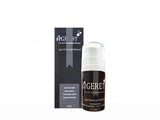
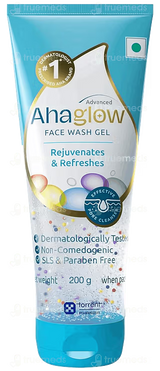
Updated on: 2026-06-10 Anti-aging skincare products are designed to support skin renewal, hydration, and visible smoothness over time. Effective routines usually combine gentle cleansing, targeted actives, and daily sun protection. The best products depend on your skin type and tolerance, not on trends or claims. A consistent, well-tolerated regimen typically delivers the most reliable results. 1. Why Anti-Aging Skincare Products Matter 2. What Actually Drives Visible Aging 3. Common Challenges 4. How to Choose Anti-Aging Skincare Products for Your Skin Type 5. Comparison Section 6. Simple Routine Using Proven Skincare Categories 7. Summary & Recommendations Why Anti-Aging Skincare Products Matter Anti-aging skincare products can help you maintain a resilient skin barrier, reduce the look of dullness, and support smoother texture. Even when you cannot stop the aging process, you can influence how your skin behaves day to day. A well-built regimen often focuses on hydration, consistent protection from ultraviolet exposure, and ingredients that support cell turnover and collagen-related pathways. The most practical benefit is usually improved appearance and comfort. When your skin is well protected and properly moisturized, it often looks more even, feels softer, and tolerates daily life better. This makes anti-aging skincare products a routine upgrade rather than a one-time fix. What Actually Drives Visible Aging Visible aging commonly reflects multiple influences, including cumulative sun exposure, gradual slowing of natural cell turnover, and changes in barrier function. Over time, the skin may produce less supportive structural components, leading to decreased firmness and a higher likelihood of dryness. Fine lines can become more noticeable, especially when the skin is dehydrated or irritated. It is also important to recognize that “aging” on the face is often a combination of tone, texture, and hydration status. Dullness can make fine lines look deeper. Rough texture can make pores appear larger. These effects are frequently improved by consistent cleansing, careful exfoliation, and effective moisturization. Skin texture patterns representing barrier and hydration support Common Challenges Many people start using anti-aging skincare products and then experience setbacks. The most common issues are irritation, inconsistent application, and choosing ingredients that do not match their skin needs. Challenge 1: Irritation from strong actives Actives such as exfoliating acids, retinoid-style ingredients, or high-strength vitamin derivatives can be effective. However, irritation can occur when products are layered too quickly or used too often. The solution is a slower start and a clear order of application. Begin with one targeted product at a time. Use it on alternate nights or fewer days per week, then increase frequency only if your skin remains comfortable. Pair your routine with gentle cleansing and consistent moisturizing to preserve barrier integrity. Challenge 2: Dryness that makes lines look worse Some cleansers can be overly stripping. Others may leave the skin feeling tight, which can make fine lines look more pronounced. When dryness is present, anti-aging skincare products should include strong hydration support. Look for moisturizing ingredients such as glycerin, humectants, and skin-conditioning emollients. Ensure you apply moisturizer right after cleansing, ideally within minutes, to reduce moisture loss. Challenge 3: Uneven tone and “spot” concerns Uneven tone can be caused by sun exposure and inflammatory cycles. If you focus only on texture or only on hydration, pigment concerns may still persist. A practical approach is to pair day protection with targeted brightening actives and gradual exfoliation. Consistency matters more than intensity. Use sunscreen daily and choose products that complement each other rather than competing. Challenge 4: Lack of daily sun protection Sun exposure is one of the most significant drivers of premature visible aging. Many routines fail because sunscreen is not used consistently enough. Choose a broad-spectrum sunscreen you can tolerate and reapply when needed. This step supports every other anti-aging skincare products category because it helps prevent additional damage from daily ultraviolet exposure. How to Choose Anti-Aging Skincare Products for Your Skin Type Choosing anti-aging skincare products becomes easier when you match product categories to your skin type. Instead of chasing a single “miracle” ingredient, build a regimen around cleansing, treatment, and protection. For dry or dehydrated skin Select a gentle cleanser that does not leave the skin tight. Favor moisturizing lotions with humectants and emollients. Consider an antioxidant serum for day use, and add a barrier-supporting moisturizer at night. For oily or acne-prone skin Choose lightweight, non-comedogenic formulas. Use treatment ingredients carefully and avoid over-cleansing. Oil-control and gentle exfoliation can support smoother texture without causing rebound dryness. For sensitive skin Prioritize low-irritation cleansing and fragrance-free or minimal-ingredient approaches where possible. Introduce one active at a time. If you already feel dryness or redness, reduce exfoliation frequency and focus on hydration and barrier repair. For combination skin Use a balanced cleanser and a moisturizer that hydrates without becoming heavy. You can apply different amounts of treatment based on where you experience dryness or congestion. Consistency still matters more than complex layering. For daily support and product category guidance, you can review these options from Allodermis: gentle cleanser, acne-friendly sunscreen, and hydrating lotion. Layered skincare routine icons showing cleanser, serum, sunscreen Comparison Section Not all anti-aging skincare products target the same issue. The table below provides a practical comparison of common categories and what they usually support. Category Typical focus Key benefit Main watch-outs Gentle cleanser Comfort and barrier support Reduces friction and dryness Avoid harsh, over-stripping formulas Hydrating lotion or cream Moisture retention Improves softness and appearance of lines Choose a texture that matches your skin type Antioxidant or brightening serum Tone and environmental defense Supports a more even look Introduce gradually if you are sensitive Targeted exfoliation Texture and dullness Supports smoother surface appearance Overuse can increase irritation Day sunscreen Prevents UV-driven changes Supports overall anti-aging goals Choose a formula that feels comfortable daily If you prefer serums with a proactive approach, you may also consider reviewing proactive serum and night renewer for category ideas. For acne-prone needs and sun protection, SPF 50 gel sunscreen is a relevant option. Simple Routine Using Proven Skincare Categories A reliable anti-aging routine can remain uncomplicated. The goal is to use complementary steps that support barrier comfort, targeted treatment, and daily protection. Morning routine Cleanse gently if needed, or rinse with lukewarm water if your skin is dry. Apply a hydrating product to reduce dehydration signals. Use a targeted serum if it suits your skin tolerance, focusing on brightening or antioxidant support. Finish with sunscreen every morning. This step is essential for long-term visible improvement. For day protection guidance, explore SPF 50 PA sunscreen cream and consider matching the finish to your skin comfort needs. Evening routine Cleansing: remove sunscreen and daily residue with a gentle cleanser. Treatment: apply a single anti-aging active product, such as a brightening or renewal serum. Moisturization: use a lotion or cream that supports barrier comfort overnight. If you are also addressing uneven tone, you can consider a brightening cleanser like foaming face wash for pigment support as part of your cleansing category. For those focused on smooth texture and supportive renewal, reviewing nourishing cream may help match the moisturizer step to dry or normal needs. How to schedule actives safely To protect comfort while using anti-aging skincare products, use a simple frequency approach. Start with the active product two to three nights per week. When skin feels stable, move to alternate nights. If sensitivity appears, reduce frequency again. Consistency and tolerance are more meaningful than aggressive schedules. For exfoliation routines, avoid layering multiple exfoliating products on the same night. This reduces the risk of over-exfoliation. When your skin feels calm, you can keep a steadier rhythm. What to expect over time Anti-aging skincare products typically support visible changes gradually. Hydration improvements can be noticed quickly because the skin surface looks and feels better. Texture and tone adjustments usually develop more slowly as you maintain consistent protection and supportive treatment. It is also normal for your skin to adapt. If you notice dryness, dullness, or sensitivity at the start, adjust the active frequency and emphasize moisturizing support. Summary & Recommendations Anti-aging skincare products work best when they are selected for your skin type and used with a consistent routine. Focus on barrier-friendly cleansing, effective hydration, and daily sunscreen protection. Add targeted serums or exfoliation gradually, especially if you are prone to sensitivity. Choose one active category at a time, and introduce it slowly. Use a moisturizer that reduces dryness and supports comfort. Protect your skin daily with a sunscreen you tolerate. Evaluate your skin response over several weeks and adjust frequency rather than abandoning products immediately. If you want a practical starting point, review gentle cleanser, pair it with a hydrating lotion, and use a reliable daily SPF such as SPF 50 gel sunscreen or another suitable option from the site. This structured approach is more effective than switching products repeatedly. Q&A Section Which anti-aging skincare products are most important to start with? The most important categories to start with are gentle cleansing, consistent moisturization, and daily broad-spectrum sunscreen. These three steps reduce irritation risk and support the effectiveness of any additional treatments. How often should I use anti-aging actives like exfoliants or renewal serums? Begin with two to three uses per week for the first several weeks. Increase frequency only if your skin remains comfortable and does not show persistent dryness or redness. If irritation appears, reduce use and prioritize moisturizing support. Can I use multiple anti-aging products in the same routine? Yes, but layering should be intentional. Use complementary categories, such as a hydrating moisturizer plus a single targeted serum, and avoid stacking multiple exfoliating or irritating actives in the same night. When in doubt, simplify the routine for a stable baseline. What should I do if my skin becomes dry while using anti-aging skincare products? Reduce the active frequency and strengthen the hydration step. Use a gentle cleanser, apply moisturizer promptly after cleansing, and ensure sunscreen does not leave your skin tight. Stable barrier comfort often improves how your skin looks even before deeper changes occur. About the Author Section Allodermis Skincare Team The Allodermis team supports evidence-aware skincare education with a focus on routine design, ingredient categories, and product matching for different skin needs. Our topic expertise centers on hydration support, barrier-friendly cleansing, and consistent daily sun protection practices. We encourage thoughtful selection of anti-aging skincare products and clear, practical implementation. Thank you for reading, and may your skincare routine feel calm, consistent, and effective. Disclaimer: This article provides general skincare education and routine planning guidance. It does not diagnose, treat, cure, or prevent any condition. Individual results vary, and you should patch test new products and consult a qualified healthcare professional for personal medical advice.
Learn more