








Hormonal Acne: What It Really Is and Why Treating It Needs More Than Just Skincare

Acne that keeps coming back—especially around the jawline, chin, or cheeks—could be more than just a clogged pore issue. It may be hormonal acne, and it behaves very differently from the typical teenage breakouts.
At Allodermis, we regularly see patients—especially women in their 20s, 30s, and even 40s—struggling with persistent, painful acne despite trying multiple skincare products. The cause? Hormonal imbalances beneath the skin.
Understanding what hormonal acne looks like, what triggers it, and when to see a dermatologist or skin doctor can save your skin—and your confidence.
What Is Hormonal Acne?
Hormonal acne is triggered by internal hormonal fluctuations—especially androgens like testosterone, which increase oil gland activity and inflammation in the skin. It most commonly affects:
- Adult women (due to PCOS, stress, periods, or contraceptive changes)
- Teenagers entering puberty
- Men with excess androgen levels or high stress
You’ll typically see hormonal acne along the jawline, lower cheeks, chin, neck, and sometimes back or chest. The breakouts are often deep, painful, and cystic—and they tend to recur in the same areas.
If you're wondering what it looks like, search for verified hormonal acne pictures from dermatology sources. These show clear patterns distinct from bacterial or fungal acne.
What Triggers Hormonal Acne?
- PCOS or hormonal disorders
- Menstrual cycle fluctuations
- Stress and cortisol spikes
- High-glycemic diets and dairy intake
- Use (or discontinuation) of hormonal birth control
- Poor sleep or chronic inflammation
Understanding the trigger is just as important as treating the breakout. That’s why the best results come from dermatologist-led care that addresses both skin and systemic health.
Hormonal Acne Diet: Does Food Really Matter?
Yes. While diet alone doesn’t cause hormonal acne, certain foods can aggravate it.
Some dietary habits to watch:
- Reduce refined sugars and high-GI carbs
- Limit dairy products (especially skim milk)
- Include omega-3s (flax seeds, walnuts)
- Add zinc, antioxidants, and fiber to support hormone regulation
Adopting a hormonal acne diet won’t replace medication, but it can complement your treatment and reduce flare-ups [Dreno et al., 2018].
Hormonal Acne Treatment Options: What Works Best
The best treatment depends on age, hormone levels, acne severity, and overall health. Your dermatologist may recommend:
- Oral contraceptives (for hormone balancing)
- Spironolactone (an anti-androgen medication)
- Retinoids (topical or oral)
- Anti-inflammatory agents like niacinamide
- Lifestyle and diet adjustments
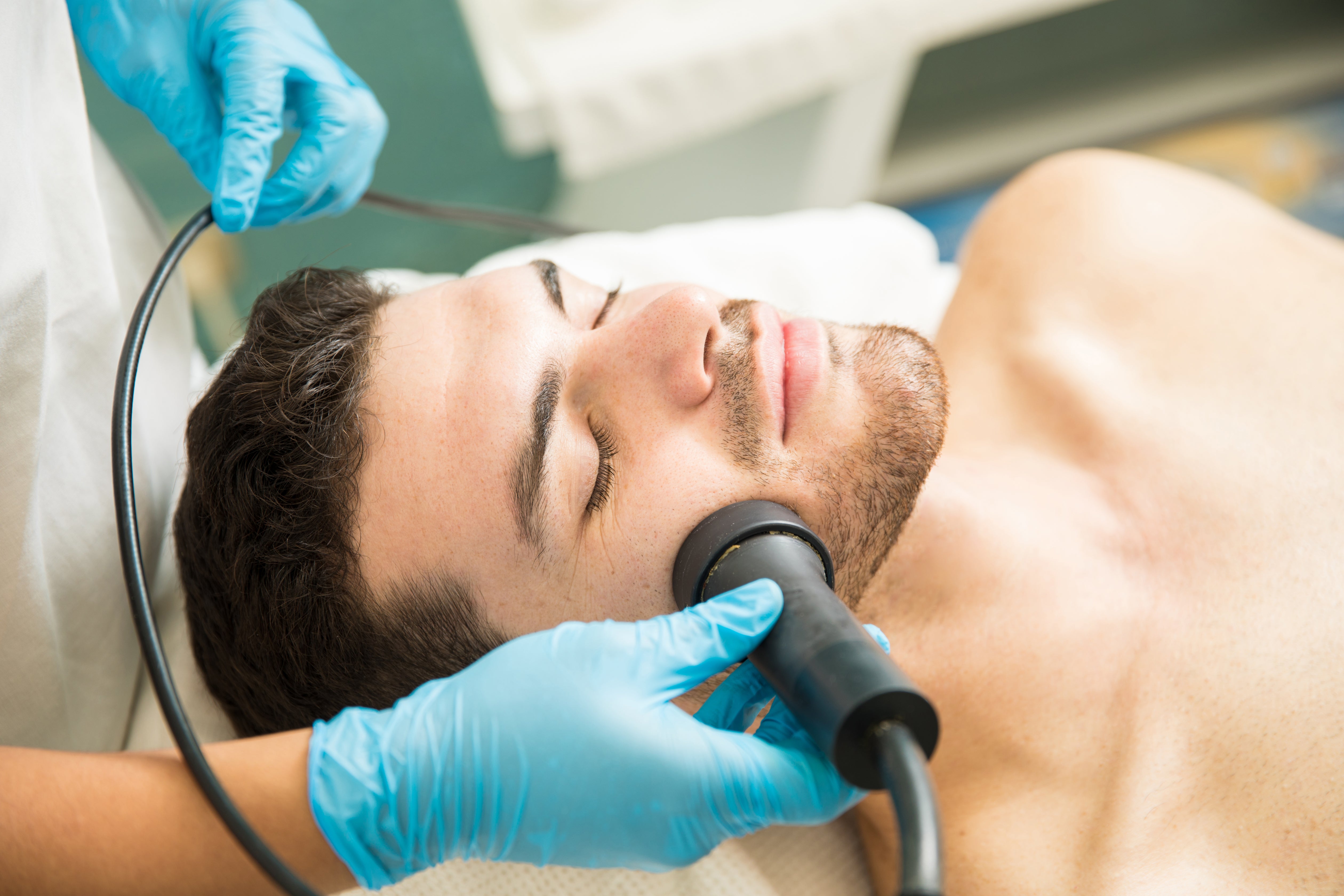
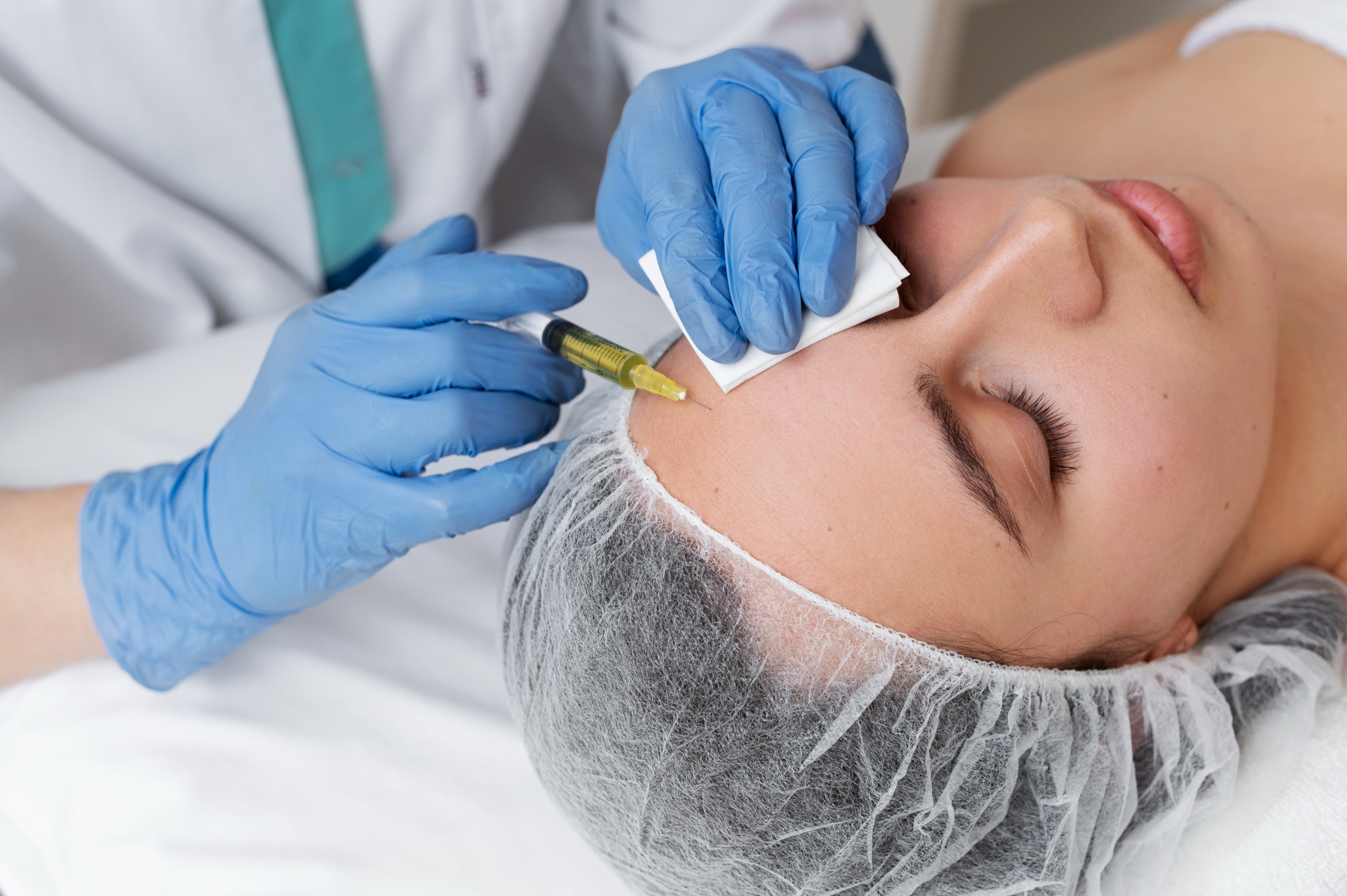
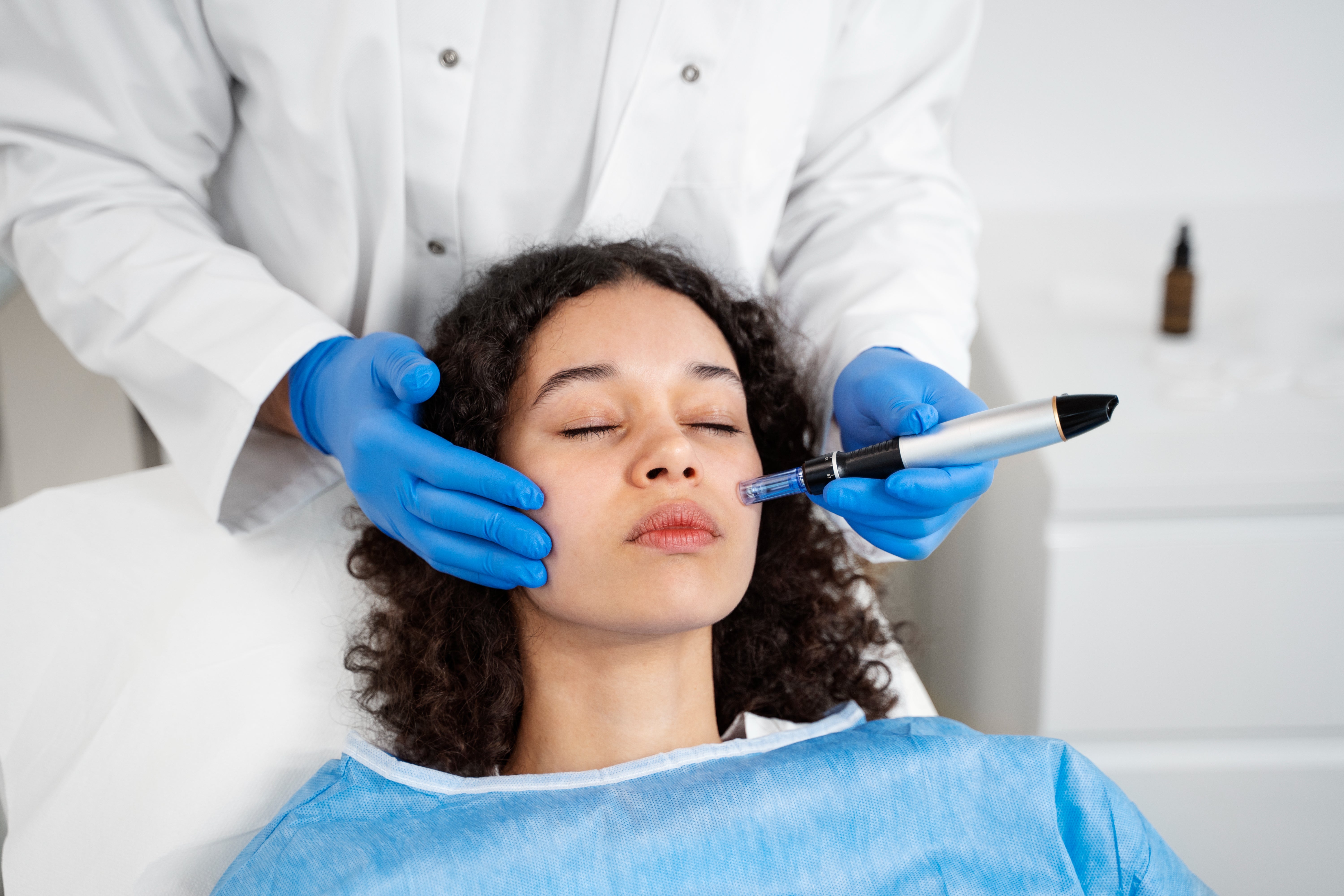
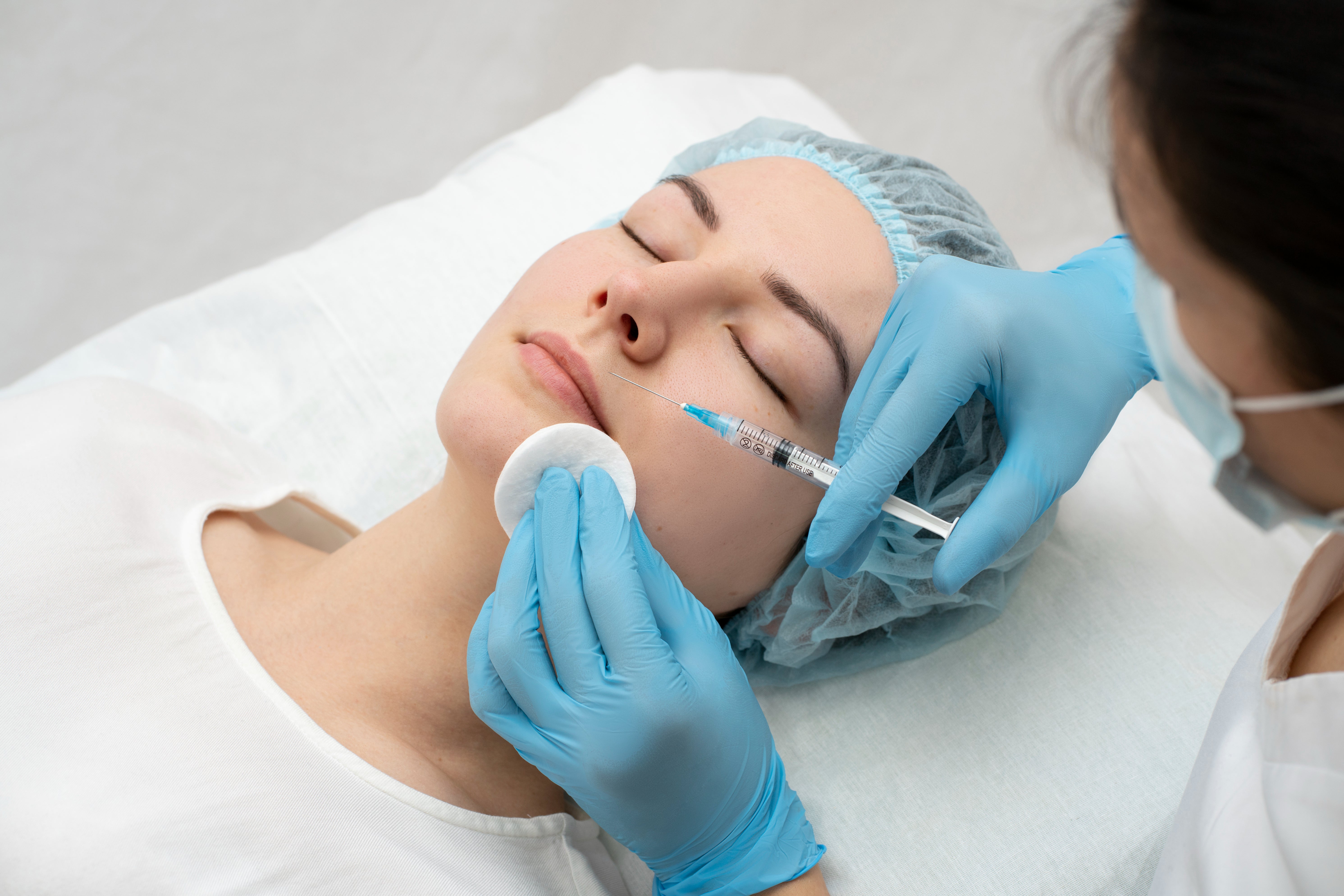
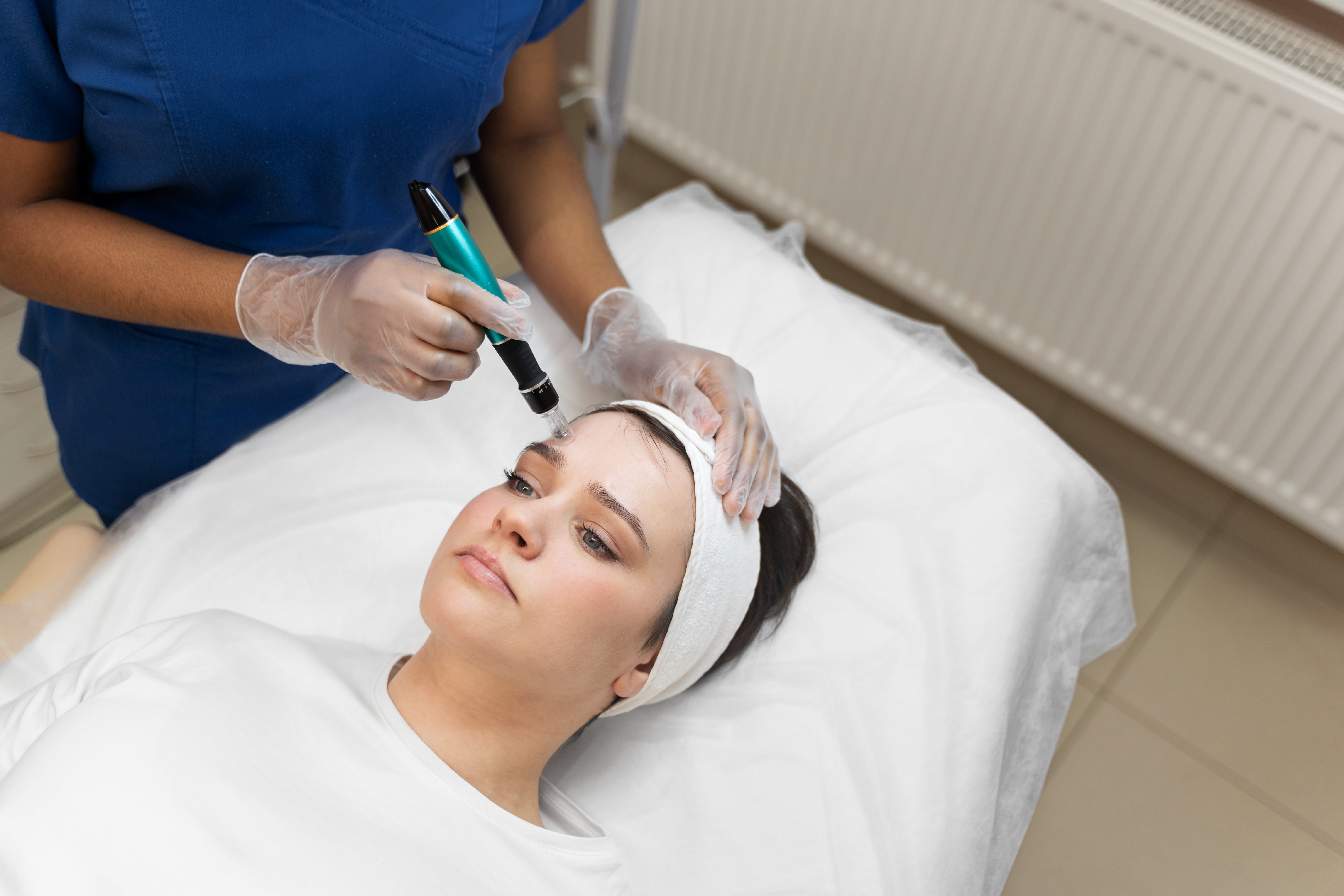
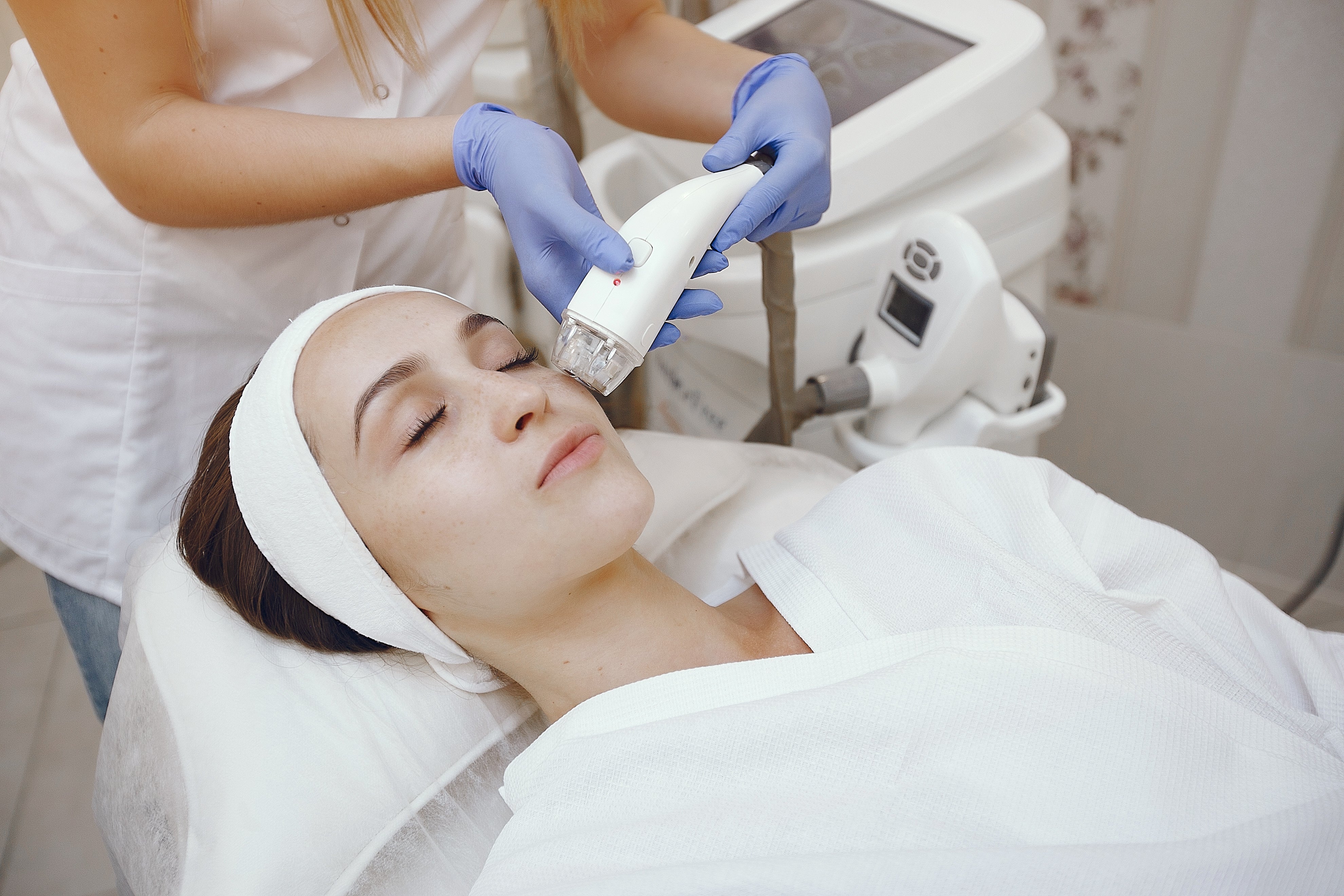
- In-clinic treatments like peels or lasers for persistent pigmentation or scarring
If you're tired of trial-and-error products, find a top-rated hormonal acne doctor who can guide you with both lab testing and long-term strategy.
When to See a Dermatologist or Skin Doctor
If you have any of the following, it’s time to consult a professional:
- Breakouts around jawline, chin, or neck that worsen with your period
- Cystic, painful lesions that don’t respond to skincare
- Irregular periods or facial hair growth (possible PCOS signs)
- Acne that recurs despite clean diet and hygiene
- Acne leaving behind dark marks or scars
The right hormonal acne treatment begins with understanding the internal cause, not just treating the surface symptoms.
Your Skin Is Talking. Let’s Decode It Together.
At Allodermis, we specialize in root-cause-based dermatology—and hormonal acne is one of the most common cases we treat. Whether it’s through blood tests, ultrasound screening (for PCOS), or skin microbiome analysis, we ensure no guesswork.
Our dermatologists develop evidence-based plans for patients looking for clarity, not confusion. Acne may be on the surface—but its origin often runs deeper.
Struggling with stubborn jawline or chin acne? Book a consultation with our skin doctors today and start your personalized journey toward balanced, healthy skin.
References:
-
Dreno, B., et al. (2018). Pathophysiology of acne. Dermato-Endocrinology, 9(1), e1351570.
https://doi.org/10.1080/19381980.2017.1351570 -
Zaenglein, A.L., et al. (2016). Guidelines of care for the management of acne vulgaris. Journal of the American Academy of Dermatology, 74(5), 945–973.
https://doi.org/10.1016/j.jaad.2015.12.037 -
Burris, J., et al. (2013). Diet and acne: A review of the evidence. International Journal of Dermatology, 52(7), 794–801.
https://doi.org/10.1111/j.1365-4632.2012.05697.x -
Smith, R.N., et al. (2007). Low glycemic load diet improves symptoms in acne vulgaris. American Journal of Clinical Nutrition, 86(1), 107–115.
https://doi.org/10.1093/ajcn/86.1.107
Authors & medical review
Swaraj Dhar is a sociopreneur, technologist, and the co-founder of Allodermis.
Every article is fact-checked against current peer-reviewed dermatology literature and Allodermis clinical protocols.
This article was last reviewed and updated on . Published .
Have a skin or hair concern?
Book a free consultation with our AIIMS MD dermatologists. Clinics in Bhubaneswar, Gurgaon, and Delhi NCR.