














Understanding PMOS symptoms in Women: More Than Just an Ovarian Condition
For years, the term PCOS (Polycystic Ovary Syndrome) has been widely used to describe a hormonal condition affecting women. However, many experts and awareness campaigns are now referring to it as PMOS — Polycystic Metabolic Ovarian Syndrome because the condition impacts far more than just the ovaries.
Polycystic Ovary Syndrome is now increasingly being understood as a whole-body metabolic and hormonal disorder that affects:
- Skin health
- Hair growth and hair fall
- Hormonal balance
- Weight and metabolism
- Insulin sensitivity
- Energy levels
- Mental health
- Fertility and menstrual cycles
At Allodermis, awareness around PMOS is important because many women experience symptoms like acne, hair thinning, facial hair growth, fatigue, and pigmentation without realizing they may be linked to hormonal imbalance.
What Is PMOS?
PMOS stands for Polycystic Metabolic Ovarian Syndrome, a broader and more accurate way of understanding PCOS because the condition affects the body metabolically, hormonally, and dermatologically.
PMOS is linked to:
- Excess androgen hormones
- Insulin resistance
- Metabolic dysfunction
- Chronic inflammation
- Hormonal imbalance
This explains why women with PMOS often experience symptoms affecting the skin, scalp, body weight, mood, and overall wellness.
Common Signs and PMOS Symptoms in Women
1. Hormonal Acne Around Chin & Jawline
One of the most common PMOS symptoms is persistent hormonal acne.
Why Does PMOS Cause Acne?
Excess androgen hormones increase oil production in the skin, clogging pores and causing:
- Painful cystic acne
- Jawline acne
- Chin breakouts
- Oily skin
- Acne scars and pigmentation
Women dealing with stubborn hormonal breakouts often require professional Acne Treatment Solutions rather than regular skincare products.
2. Hair Thinning and Hair Fall in Women
PMOS can significantly affect scalp health and hair density.
Why Does PMOS Cause Hair Fall?
Hormonal imbalance weakens hair follicles and shortens the hair growth cycle, leading to:
- Excessive hair shedding
- Female hair thinning
- Reduced hair density
- Weak hair roots
- Slow hair regrowth
Women experiencing hormonal hair loss can explore advanced Hair Fall Treatment Solutions and PRP Hair Restoration Therapy to stimulate healthier hair growth.
3. Facial Hair Growth (Hirsutism)
Unwanted facial hair growth is another major symptom of PMOS.
Areas Commonly Affected
- Upper lip
- Chin
- Neck
- Chest
- Abdomen
High androgen levels stimulate thick and coarse hair growth, which can deeply affect confidence and self-esteem.
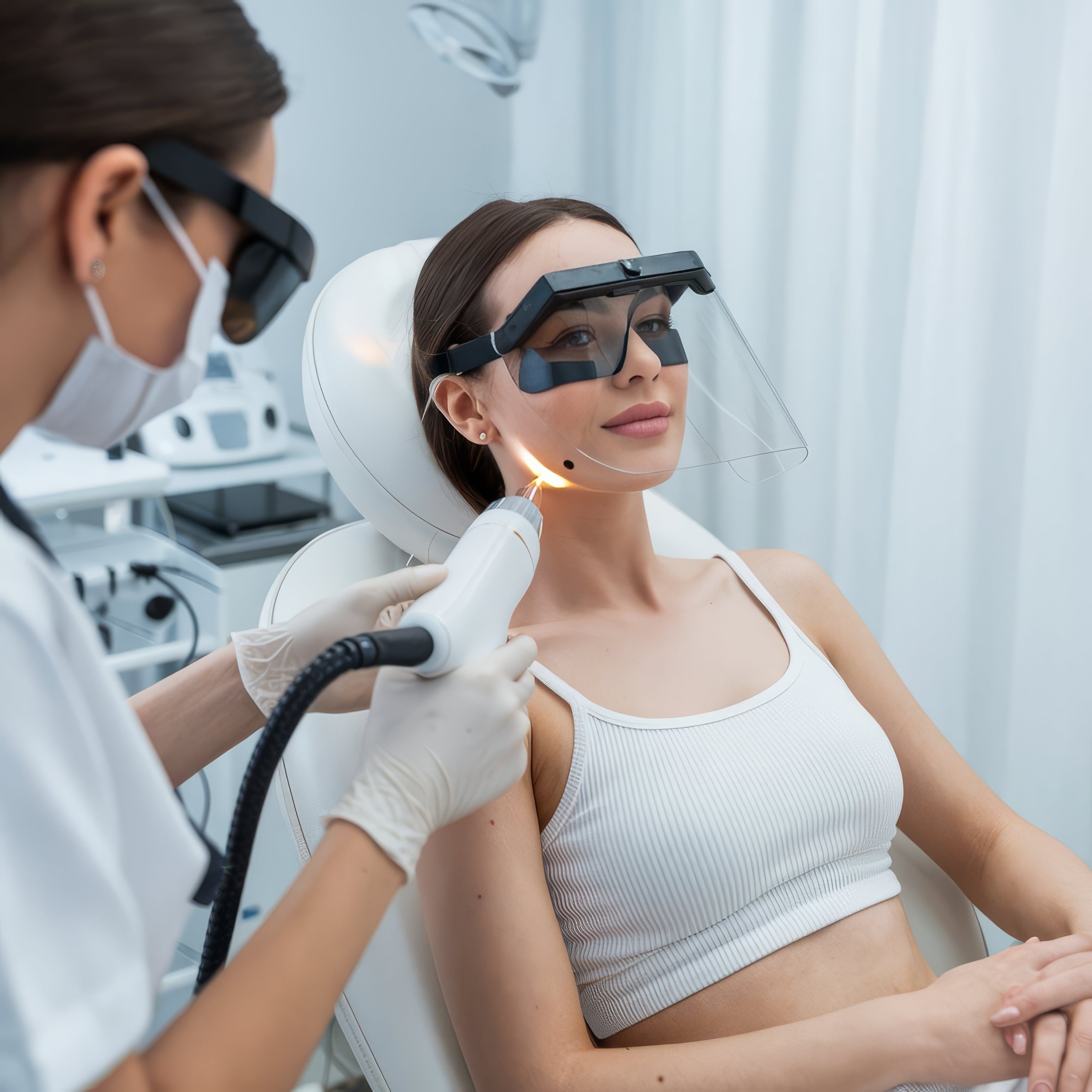
Advanced Laser Hair Reduction Treatments can help manage excessive facial hair caused by hormonal imbalance.
4. Irregular Periods and Hormonal Imbalance
PMOS directly impacts ovulation and menstrual health.
Common Menstrual Symptoms
- Irregular periods
- Missed cycles
- Heavy bleeding
- Delayed ovulation
- Fertility challenges
Hormonal imbalance is often one of the earliest warning signs of PMOS.
5. Weight Fluctuations and Insulin Resistance
PMOS is strongly connected to metabolic dysfunction.
Common Metabolic Symptoms
- Sudden weight gain
- Belly fat accumulation
- Difficulty losing weight
- Sugar cravings
- Fatigue and low energy
Insulin resistance increases inflammation and worsens acne, hair fall, and pigmentation issues.
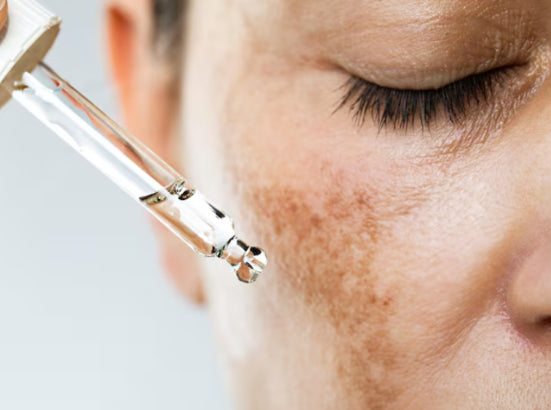
6. Skin Pigmentation and Skin Health Issues
PMOS can affect skin quality and texture significantly.
Common Skin Symptoms
- Dark neck pigmentation
- Underarm darkening
- Skin tags
- Uneven skin tone
- Oily skin
- Dullness
Women experiencing pigmentation concerns may benefit from Pigmentation Treatment Solutions designed to improve skin clarity and texture.
7. Fatigue, Mood Swings & Emotional Health
PMOS does not only affect physical appearance — it also impacts emotional wellness.
Emotional and Mental Symptoms
- Fatigue
- Low energy
- Mood swings
- Anxiety
- Depression
- Brain fog
Hormonal fluctuations and chronic inflammation often contribute to mental exhaustion and emotional imbalance.
Why PMOS Is Considered a Whole-Body Condition
The term PMOS highlights that this condition affects:
- Hormones
- Metabolism
- Skin
- Hair
- Energy levels
- Reproductive health
- Emotional wellness
It is no longer viewed as “just an ovarian disorder.”
What Can Help Manage PMOS?
1. Protein-Rich Balanced Nutrition
A nutrient-rich diet helps regulate insulin and hormonal balance.
2. Regular Physical Activity
Consistent movement improves metabolism, hormonal health, and energy levels.
3. Better Sleep & Stress Management
Poor sleep and chronic stress can worsen hormonal imbalance and inflammation.
4. Medical Support and Professional Care
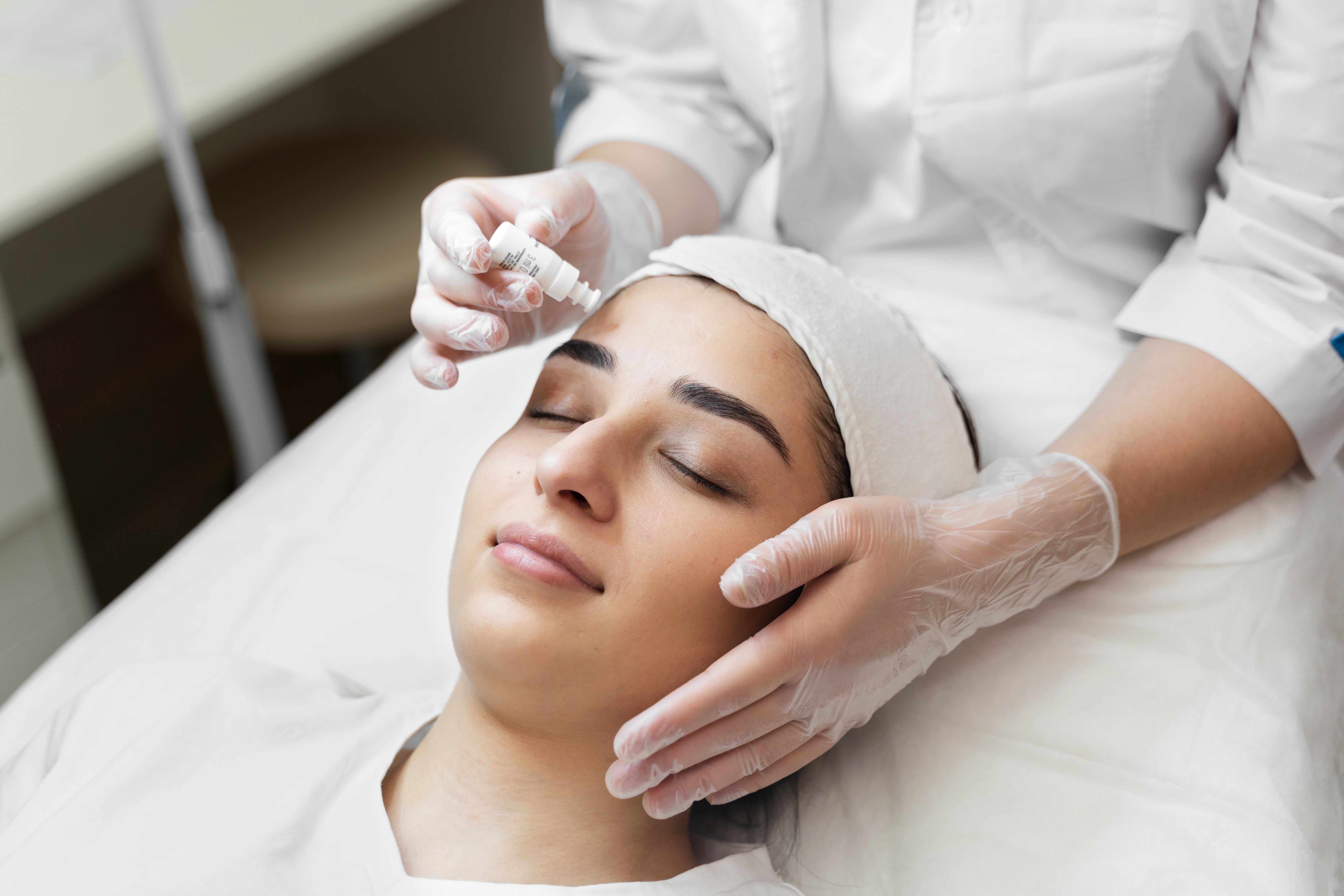
Professional dermatological and hormonal support can help manage:
- Acne
- Hair fall
- Facial hair
- Pigmentation
- Scalp health
At Allodermis, advanced skin and hair solutions are designed to support women dealing with hormonal and metabolic concerns associated with PMOS.
Best Treatments for PMOS-Related Hair & Skin Problems
Acne Treatments
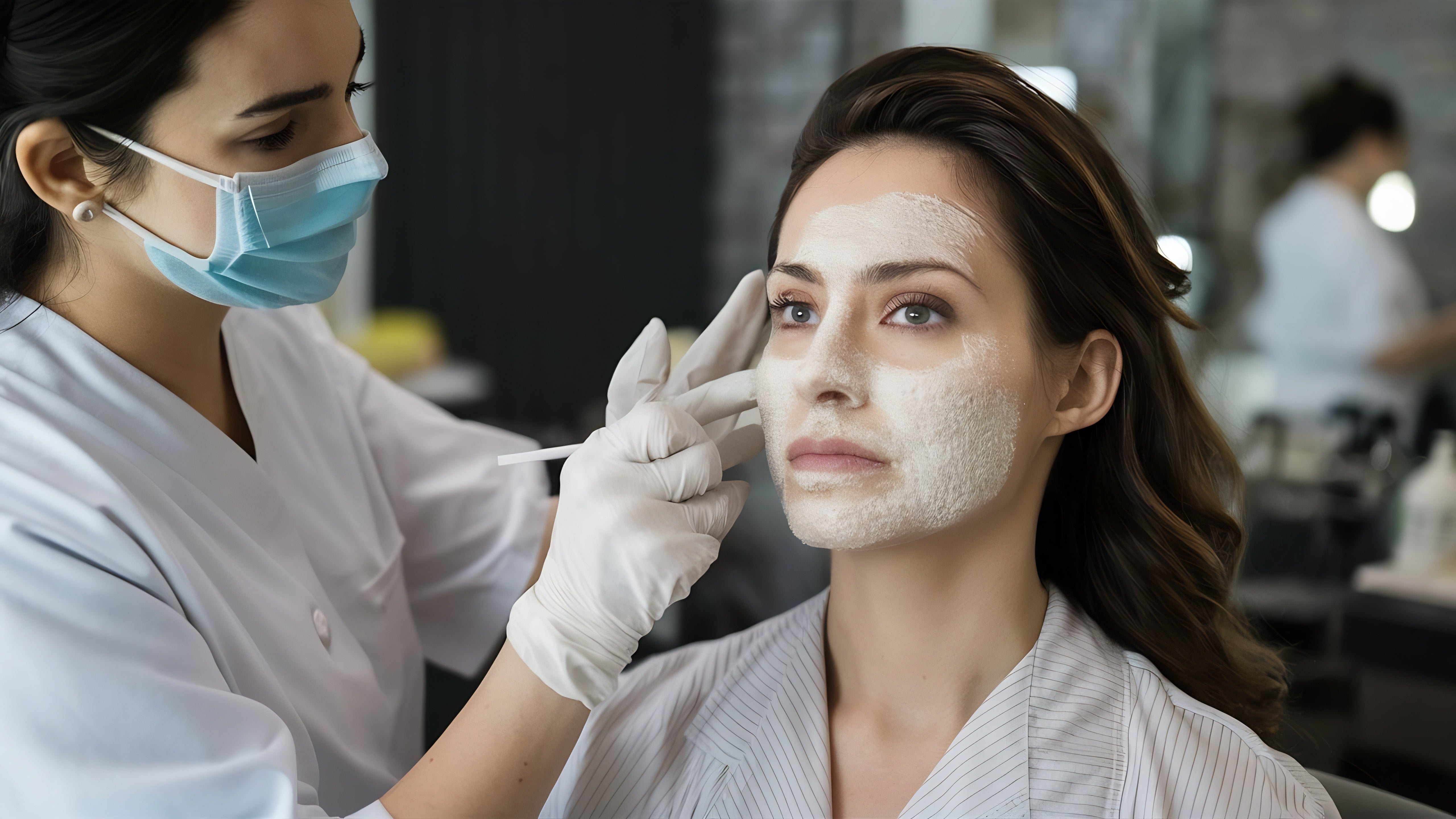
- Chemical peels
- Medical facials
- Laser acne therapy
- Hormonal acne management
Hair Fall Treatments
- PRP Hair Therapy
- Growth factor therapies
- Mesotherapy
- Scalp strengthening treatments
Facial Hair Treatments
- Laser hair reduction
- Hormonal management support
- Skin rejuvenation therapies
Frequently Asked Questions (FAQs)
Is PMOS different from PCOS?
PMOS is considered a broader way of understanding PCOS because it reflects the metabolic and whole-body impact of the condition.
Can PMOS cause hair fall?
Yes. Hormonal imbalance linked to PMOS can weaken hair follicles and cause significant hair thinning in women.
Why does PMOS cause acne?
Excess androgen hormones increase oil production and inflammation, leading to hormonal acne.
Can facial hair caused by PMOS be treated?
Yes. Advanced laser hair reduction treatments can help reduce unwanted facial hair growth effectively.
Does PMOS affect mental health?
Yes. Mood swings, fatigue, anxiety, and low energy are commonly associated with hormonal imbalance and metabolic dysfunction.
Final Thoughts
PMOS, or Polycystic Metabolic Ovarian Syndrome, is far more than a reproductive condition. It affects the skin, hair, metabolism, hormones, emotional health, and overall well-being of women.
Symptoms like acne, hair fall, facial hair growth, pigmentation, fatigue, and irregular periods are all interconnected signs of deeper hormonal and metabolic imbalance.
Early awareness, lifestyle improvements, and professional care can make a major difference in managing PMOS effectively.
If you are experiencing hormonal acne, excessive hair fall, facial hair growth, or skin concerns related to PMOS, explore advanced skin and hair solutions at Allodermis.


