





































Updated on: 2026-05-13
Oily skin needs a routine that balances cleansing, hydration, and protection. With the right textures, you can reduce excess shine without stripping your skin barrier. A consistent approach to salicylic acid, lightweight moisturizers, and non-greasy sun care helps support a clearer look. This guide explains practical steps, common myths, and product selection criteria for daily use.
TLDR
Choose a gentle cleanser, add targeted treatments, and use a lightweight moisturizer to support comfort. Use sunscreen every day with a finish that suits your skin. Prefer products labeled non-comedogenic and fragrance-sensitive when you are acne-prone. Follow a simple schedule: cleanse, treat, moisturize, protect, and adjust based on how your skin responds.
Introduction Paragraph
Skin care for oily skin is not only about reducing shine. It is also about keeping skin calm, supporting the barrier, and preventing clogged pores. In this article, you will learn how to build an effective routine, which ingredient categories matter most, and how to avoid common mistakes. You will also find quick answers to common questions and a clear set of final recommendations you can apply immediately.
Product Spotlight
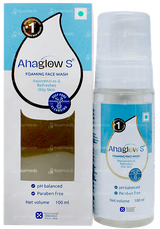
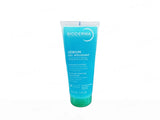
A well-structured routine often starts with a balanced cleanser, then moves to hydration that does not feel heavy, and finally includes reliable sun protection. If your goal is to manage excess oil while maintaining comfort, a foam wash can help remove surface sebum without over-drying. For treatment days, a focused serum approach can help with texture and breakouts. For daytime, a gel or lightweight sunscreen helps maintain protection without a sticky finish.
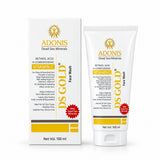
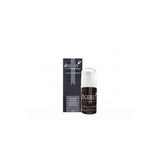
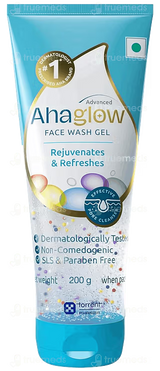
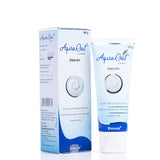
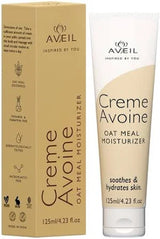
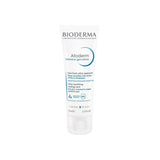
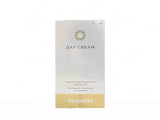
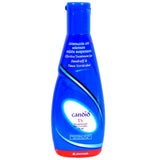
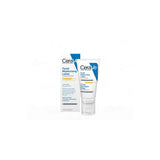
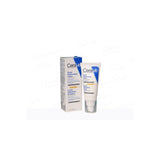
To see examples of how these categories are commonly implemented, you can explore options such as oil control foam wash for cleansing and acne UV gel sunscreen for daytime protection. When you want a soothing hydrating layer, consider a non-greasy formulation like facial hydrating lotion. These product categories reflect a practical strategy for oily skin: clean pores, support hydration, and protect daily.
Myths vs. Facts
Myth 1: Oily skin does not need moisturizer
Fact: Oily skin still needs hydration. A lightweight moisturizer helps reduce tightness and supports barrier function, which can reduce the urge to over-strip. When skin feels balanced, oil regulation often looks more controlled.
Myth 2: Strong scrubbing removes excess oil permanently
Fact: Physical scrubs can irritate skin and disrupt the barrier. Oil production is influenced by many factors, including hormones and genetics. Gentle cleansing and targeted active ingredients are generally more consistent.
Myth 3: Sunscreen always feels greasy on oily skin
Fact: Many sunscreens are formulated with gel, fluid, or lightweight textures. The right choice can deliver protection while keeping a manageable finish.
How to Build Skin Care for Oily Skin
Effective routines for oily skin follow one core principle: control what is causing congestion and shine, while supporting barrier health. Oily skin can still be dehydrated. When skin lacks hydration, it often produces more oil to compensate. Your routine should therefore include gentle cleansing, hydration, and targeted treatment, followed by daily sun protection.
Start by observing your skin over several weeks. Track how your skin feels after cleansing, whether you notice tightness, and whether breakouts cluster around the same areas. Then choose products that match your needs rather than chasing extreme methods.
If you also struggle with body dryness alongside facial oiliness, you may find helpful ideas from Best Body Cream for Dry Skin Nourish and Restore Comfort. Body comfort can improve overall routine consistency, especially during seasonal changes.

Icons showing cleanse, treat, hydrate, protect steps
Daily Routine Framework
A routine for oily skin should be simple and repeatable. Below is a framework that works for many skin types. Adjust strength and frequency based on tolerance.
Morning routine
Cleanse lightly. Use a gentle face wash that removes excess oil without leaving a dry, squeaky feel.
Apply a treatment if you use one daily. If you prefer retinoids or acids, start slowly and confirm your skin tolerates the schedule.
Apply a lightweight moisturizer. Choose a gel-cream texture that absorbs quickly.
Finish with sunscreen. Select a formula designed for acne-prone or oily skin and reapply when appropriate.
Evening routine
Cleanse thoroughly but gently. Remove sunscreen and makeup with a cleanser that fits your skin.
Use targeted active ingredients. This is often the time for salicylic acid, niacinamide, or acne-focused serums.
Moisturize with a light layer. If your skin feels irritated, prioritize soothing hydration.
Weekly routine
Introduce stronger actives gradually. If you use exfoliating acids, limit frequency to reduce irritation.
Use a consistent approach to prevent rebound oiliness. Over-exfoliation can lead to inflammation and more visible pores.
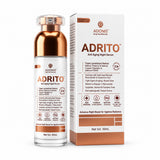
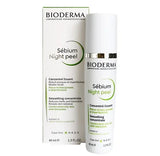
For cleansing options that align with gentle strategies, consider gentle cleanser if your skin is sensitive or if foam washes feel too stripping. For targeted care, you can explore serum categories such as proactive serum for an evening-focused treatment routine.
Key Ingredients to Look For
Choosing ingredient types matters more than chasing marketing claims. For oily skin, the most useful ingredient categories are those that support congestion reduction, oil balance, and hydration without heavy film.
Salicylic acid and BHA
BHA helps with clogged pores because it works within the pore. It is commonly used for blackheads, visible texture, and breakout-prone areas. If you use it, start with a low frequency and increase only if your skin remains comfortable.
Niacinamide
Niacinamide supports the look of pores and can help skin feel less reactive. It is often well tolerated and fits into both morning and evening routines.
Lightweight moisturizers
Look for gel-cream or lotion textures. Ingredients like humectants support hydration, while lighter emollients can reduce the feeling of tightness. A moisturizer that absorbs well helps you stay consistent and avoid irritation.
Antioxidants
Antioxidants can support skin against environmental stress. They are often used alongside sunscreen to maintain a healthier appearance over time.
Non-comedogenic approach
Product selection should prioritize formulas that are less likely to clog pores. When you have a history of breakouts, this criterion becomes more important than fragrance or texture preferences.

Layered skincare labels showing gentle actives and hydrators
Sunscreen and Oily Skin
Sunscreen is a daily requirement for most routines. For oily skin, the main goal is a formula that feels breathable and does not worsen shine or cause pilling. Gel and fluid textures often work well for this purpose.
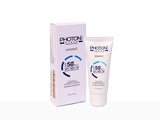
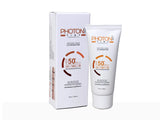
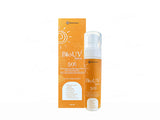
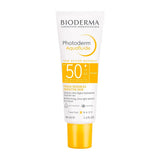
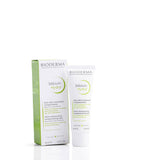
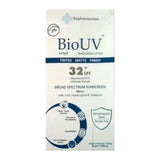
If your skin is acne-prone, you can consider a product designed for acne-safe wear. An example is acne UV gel SPF, which aligns with the need for lightweight protection. If you prefer a different finish, there are other options within the category of sunscreen creams and gels on the same website.
When applying sunscreen, use enough product to reach the intended protection level. If you notice greasiness, reduce the amount of other layers that feel too occlusive, and confirm that your moisturizer is fully absorbed before sunscreen.
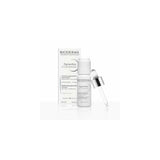
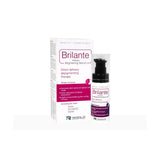
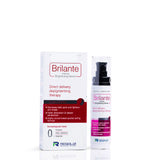
For vitamin C focused routines, consider pairing antioxidant serums with daily protection. A relevant option is brightening serum when you want to support a more even look.
Frequently Asked Questions
How often should I wash my face if I have oily skin?
Most people benefit from cleansing once in the morning and once in the evening. If you have intense sweating, you can rinse or use a gentle cleanse after exercise. Avoid frequent scrubbing, which can irritate skin.
What is the best moisturizer texture for oily skin?
A gel-cream or lightweight lotion texture is often a better fit. The best moisturizer is the one that keeps your skin comfortable without leaving a heavy residue.
Can oily skin still be dry or dehydrated?
Yes. Oily skin can feel shiny yet still lack hydration. Signs include tightness after cleansing and a rough or flaky look. In such cases, a humectant-rich moisturizer can improve comfort.
Final Recommendations
To build a dependable routine for oily skin, follow these practical steps:
Choose a gentle cleanser that supports a clean but not stripped feel. If you experience tightness, switch to a softer cleanser such as gentle cleanser.
Use targeted actives with a slow start. Add BHA or acne-focused treatments gradually and monitor how your skin responds.
Apply a lightweight moisturizer in both morning and evening. This step supports comfort and consistent adherence.
Wear sunscreen daily with a lightweight finish. Consider gel-style options such as acne UV gel SPF.
If you want to simplify your selection, prioritize one cleansing product, one moisturizer texture, one daytime sunscreen, and one targeted treatment category. Consistency usually produces better results than frequent switching.
Q&A Section
Should I use more exfoliation to reduce oily shine faster?
More exfoliation does not always reduce shine. Over-exfoliation can irritate skin and damage the barrier, which may lead to more noticeable oiliness and sensitivity. A better approach is to use a targeted active at a tolerable frequency and focus on supportive hydration.
What should I do if my sunscreen makes my skin feel greasy?
If sunscreen feels greasy, confirm that your moisturizer has fully absorbed before application. Choose a lighter texture sunscreen and use a thin, even layer. If pilling occurs, adjust the order and ensure products are compatible in finish and absorption time.
How do I know if a product is clogging my pores?
Clogging often appears as new breakouts in areas that previously had fewer issues. If you notice repeated congestion after introducing a specific product, pause it and return to your baseline routine. Then reintroduce one change at a time to identify the trigger.
About the Author Section
Allodermis supports evidence-minded skincare guidance with an emphasis on routine design for real-world skin needs. Our team focuses on practical ingredient understanding, texture compatibility, and day-to-day consistency for people who want clearer, more comfortable skin. Thank you for reading, and we invite you to build a routine that fits your lifestyle and skin response.


