







































Professional Skincare Consultations: What to Expect

Updated on: 2026-06-15
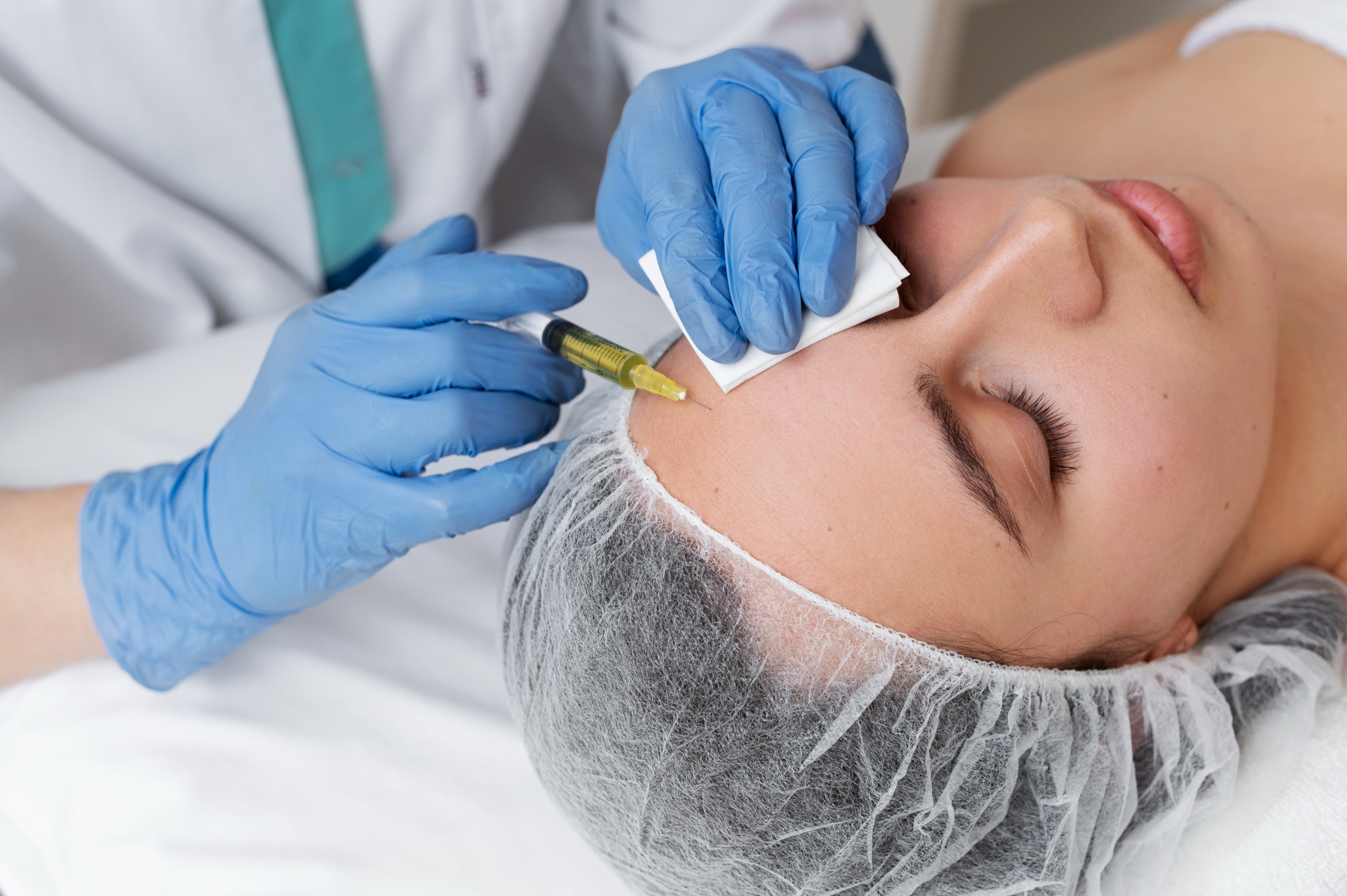
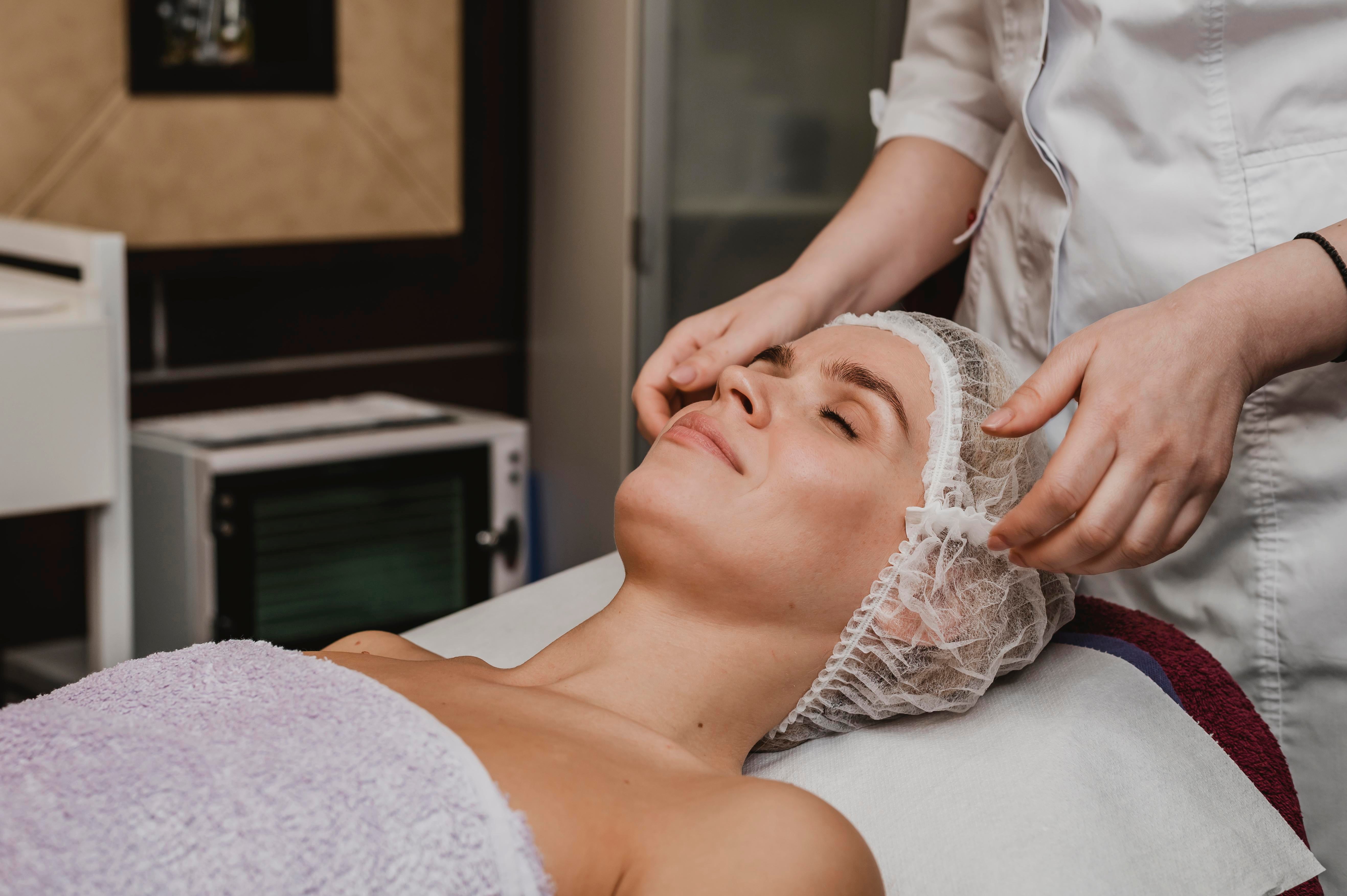
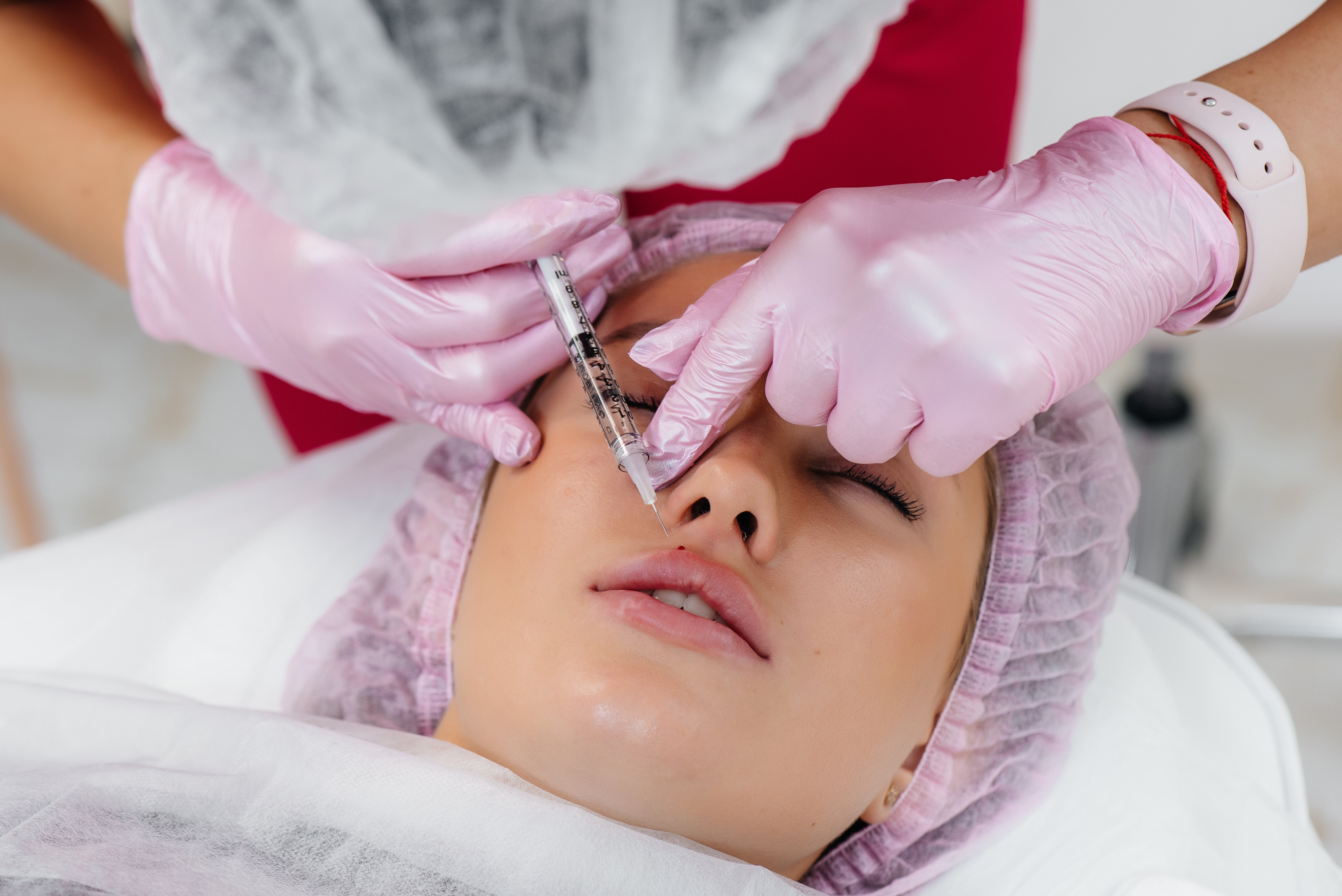
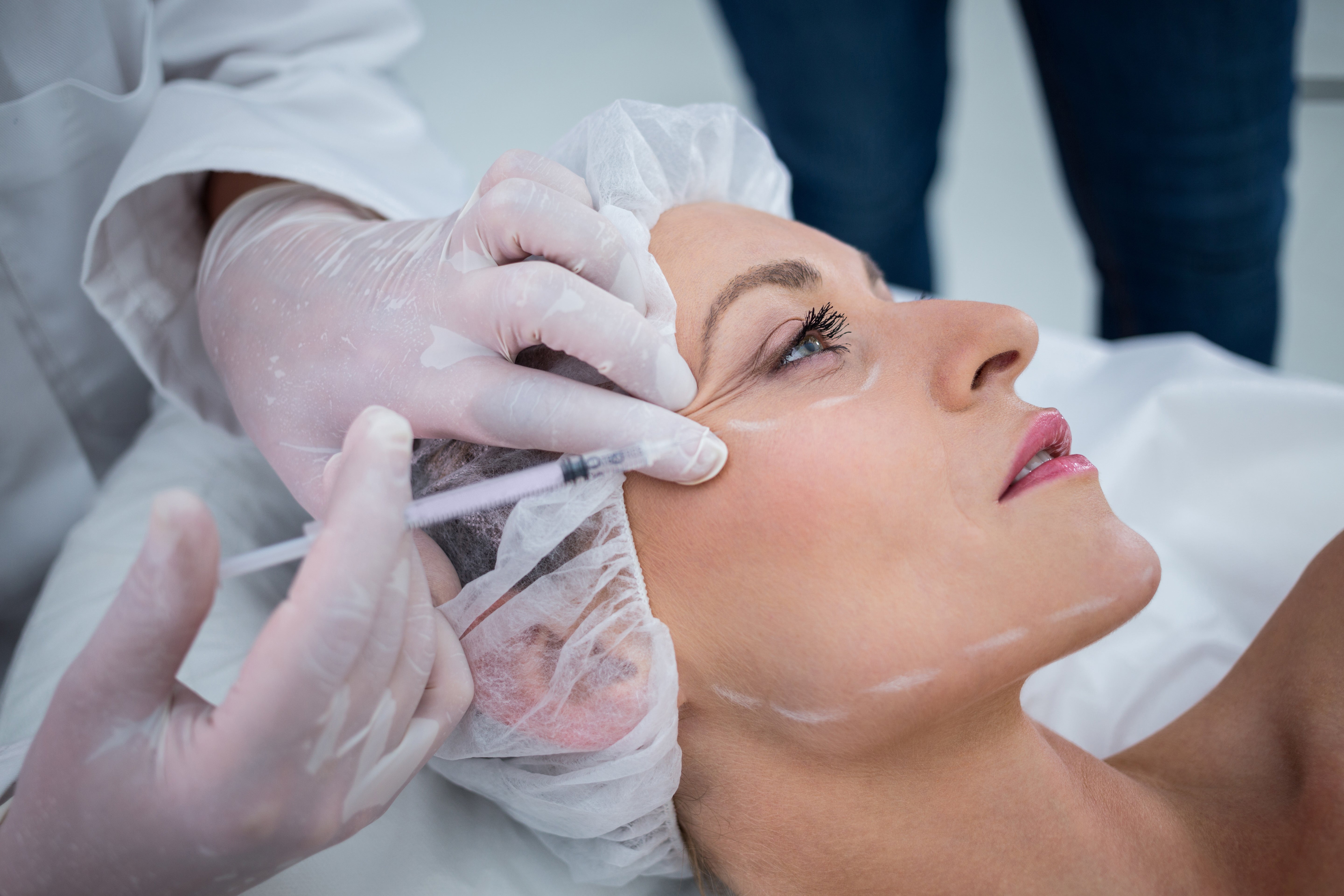
Professional skincare consultations help you translate skin concerns into a clear, personalized routine. A qualified specialist evaluates your skin barrier, triggers, and habits, then guides product selection and application order. With structured follow-ups, you reduce guesswork and avoid common irritation cycles. You also learn how to track progress using realistic expectations and measurable changes.
4. Professional skincare consultations for barrier-first results
Introduction: Why Professional Skincare Consultations Matter
Many shoppers buy skincare products based on trends, packaging, or isolated reviews. Professional skincare consultations change that approach. They connect your actual skin needs with evidence-based routines. The result is a plan that supports your skin barrier, improves consistency, and helps you avoid irritation caused by mismatched products.
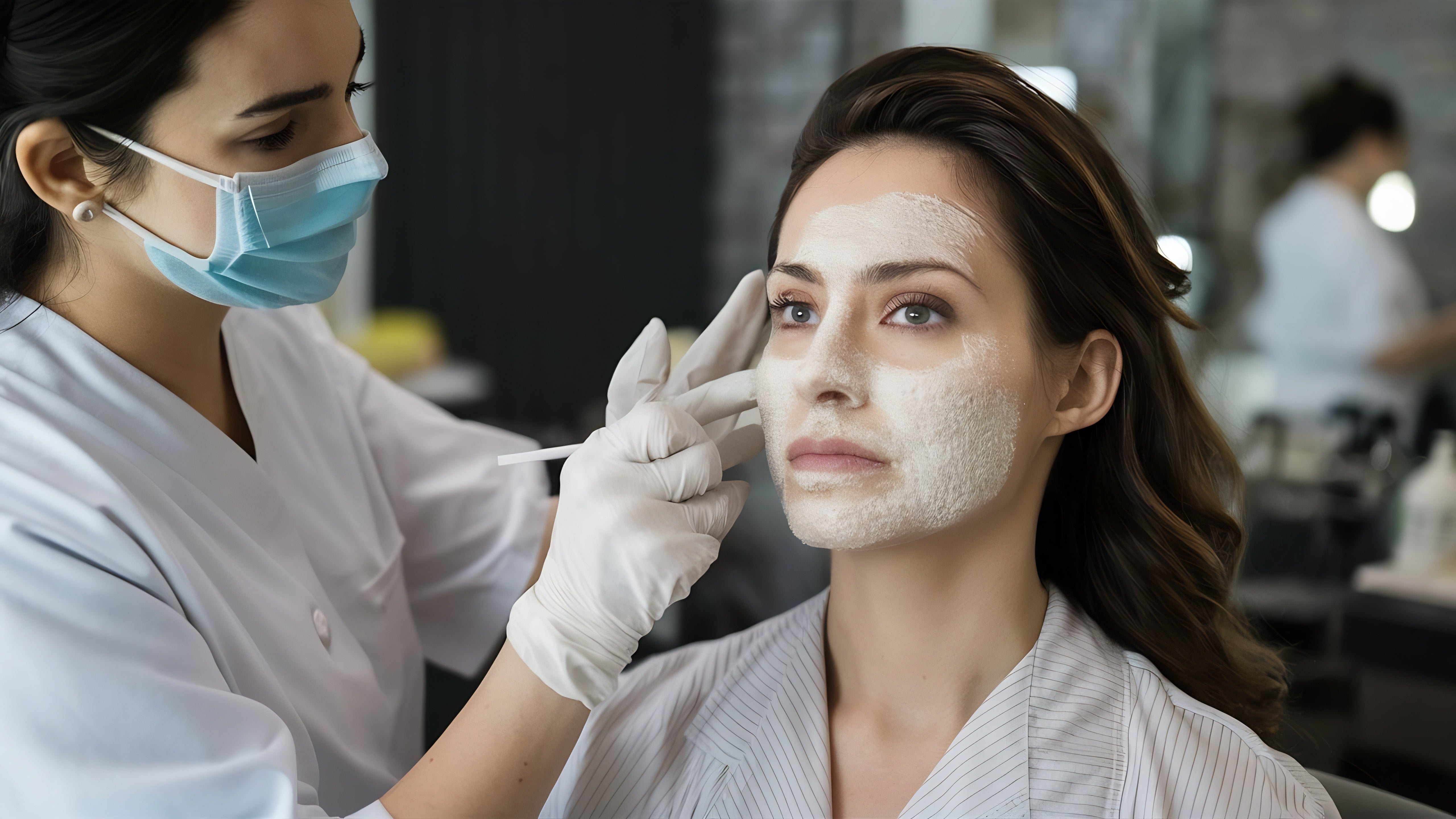
In a consultation, you typically review your current routine, discuss triggers such as stress and weather, and evaluate how your skin responds to cleansing, hydration, and sun protection. The specialist then helps you choose textures and actives that align with your skin type and goals. This does not require complicated steps. It requires correct sequencing, appropriate strength, and a practical timeline for adjustment.
If you want clear guidance, focus on what a consultation produces: a routine you can follow, a method to monitor progress, and a plan to refine products over time.
Product Spotlight
A consultation often includes recommendations for cleanser, moisturizer, and sun care, adjusted to your barrier condition and sensitivity level. For daily cleansing, a gentle, non-stripping formula is frequently a cornerstone. One option is the Cetaphil Gentle Cleanser. It is widely used because it supports a calm feel after washing and helps maintain comfort when your skin is reactive.
During professional skincare consultations, the most important question is rarely “Which product is best?” The more useful question is “Which product prevents your next problem?” A gentle cleanser can support your barrier when you are testing actives, transitioning routines, or managing dryness and sensitivity.
In practice, a specialist may also advise avoiding over-cleansing or frequent exfoliation while your skin adapts. That guidance can prevent a cycle where harsh cleansing leads to tightness, which then drives you to add more products, which can increase confusion and irritation. A simple cleanser choice is often the first step toward stable results.

Barrier support visuals: soft droplets, calm face outline
Step-by-Step How-To: Get More From Your Consultation
Professional skincare consultations work best when you arrive prepared and when you treat the plan as an experiment with feedback. Use the steps below to improve accuracy and make follow-up recommendations easier.
List your current routine in order. Include cleanser, toner, serum, moisturizer, and sunscreen. Note how often you use each item and whether you change anything on weekends or during travel.
Describe your skin behavior, not only your concerns. Use details such as “stings after washing,” “gets oily within two hours,” “breaks out on cheeks,” or “looks dull after sun exposure.” These observations help the specialist assess barrier status and trigger patterns.
Track recent changes. Mention new medications, new hair products, dietary changes, or changes in climate and humidity. Even small shifts can influence sensitivity and oil control.
Bring photos and notes. If possible, take consistent lighting photos every one to two weeks. This supports objective tracking rather than memory-based decisions.
Ask for a routine structure. Request an application sequence and a decision rule. For example, ask what to do if redness appears, whether to reduce frequency, and when to pause actives.
Request product selection logic. A strong plan explains why each product is included and what outcome it supports, such as hydration support, oil regulation, or sun protection coverage.
Implement one change at a time. Add a single product or adjust one step between check-ins. This helps you identify what works and what causes irritation.
Use sun care as a baseline. Many plans require reliable daily sun protection to protect improvement and reduce the risk of rebound pigmentation concerns.
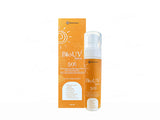
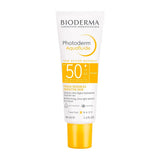
For acne-prone or oily areas, some specialists pair barrier-supporting cleansing with targeted sun care. You can explore product options such as Acne UV Gel SPF 50 when the goal is lightweight daily protection that suits blemish-prone routines.
Professional Skincare Consultations for Barrier-First Results
One reason consultations succeed is the emphasis on barrier-first strategy. When the skin barrier is weakened, many actives feel harsher and results become inconsistent. A professional approach reduces that instability by focusing on comfort, hydration, and gentle cleansing before intensifying treatment steps.
Barrier-first results do not mean avoiding all actives. It means choosing actives that your skin tolerates, introducing them with correct frequency, and pairing them with supportive hydration. Professionals also assess exfoliation habits and check whether you are using too many products at once.
In many routines, moisturizing is not optional. It supports the sensation of comfort and helps you maintain consistency. If you want a hydration-focused lotion option, a specialist may reference the Cipla Excela Rich Facial Hydrating Lotion type of approach, especially when dryness or rough texture is present.
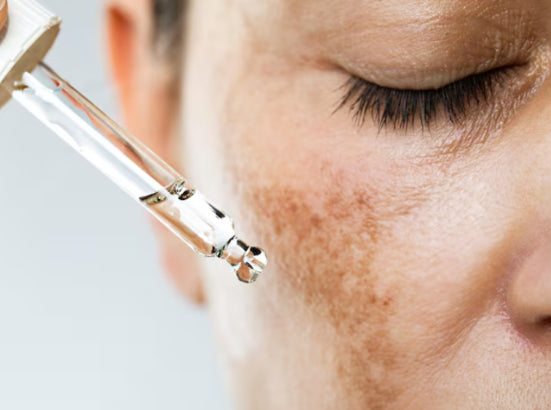
For clients managing uneven tone or persistent dullness, consultations often include guidance on targeted care plus sun protection. A helpful path is to use a targeted serum plan and then ensure daily coverage. This is particularly important because sun exposure can reverse or slow improvement.
If you want an option oriented toward proactive care and daily usage, some specialists recommend serums such as Dermatica Aze Proactive Serum as part of a structured routine. The key is not the brand name; the key is how it fits into your overall routine and whether your skin handles it.

Routine flow: clean, hydrate, protect icons sequence
Personal Experience
I once guided a client who had already purchased multiple serums after reading product reviews. The routine looked advanced on paper, but the skin felt unstable. There was frequent stinging after cleansing and periodic flares around the mouth and cheeks. The client expected faster improvement because the routine contained “active ingredients.”
During the consultation, we reviewed the application order and the frequency of exfoliation. We also confirmed that sun protection was inconsistent on days with outdoor exposure. The plan was not to remove everything at once, but to stabilize first. We simplified cleansing, reduced exfoliation frequency, and prioritized hydration and daily sun protection. Over several check-ins, the stinging reduced, and the skin looked calmer. Once comfort returned, we adjusted the plan with small steps rather than multiple changes.
This experience reinforced a central truth: professional skincare consultations are not about collecting products. They are about designing a routine that your skin can tolerate, so progress becomes more predictable and less stressful.
Summary & Recommendations
Professional skincare consultations turn uncertainty into a structured routine. A specialist evaluates your barrier, triggers, and current habits, then creates a plan for cleansing, hydration, and sun protection. When you follow a step-by-step approach and introduce changes one at a time, it becomes easier to identify what works.
Recommendations:
Prepare a routine list and skin observations before your appointment.
Request a sequence and decision rules for irritation or unexpected reactions.
Prioritize barrier-first comfort before intensifying actives.
Use daily sun protection consistently, because it supports long-term improvement.
Follow up with notes or photos so your specialist can refine the plan with accuracy.
If you want to improve routine quality immediately, start with cleanser comfort and daily sun protection. Then build from hydration to targeted care. Over time, a professional plan helps your skin behave more consistently and reduces the frustration of trial and error.
Q&A Section
What should I bring to professional skincare consultations?
Bring a complete list of your current products in the order you use them. Include how often you use each item, whether you change the routine seasonally, and what you suspect triggers irritation or breakouts. If possible, bring recent photos taken in consistent lighting, plus notes on how your skin feels after cleansing and during the day.
How long does it take to see improvement after starting a consultation plan?
Improvement depends on the skin concern and how your skin adapts to new steps. Many people notice comfort changes first when routines become gentler and better sequenced. For texture, tone, or blemish patterns, the timeline often requires consistent use and follow-up adjustments. A consultation should include a realistic checkpoint plan so you know when to evaluate and when to refine rather than quit.
Can I continue using my current products between consultations?
In many cases, yes, but only if they support your barrier and align with the plan. A professional may keep certain products while adjusting others, such as changing cleanser strength, improving hydration support, or correcting sun care application. The safest approach is to ask what to keep, what to pause, and what to introduce next, then follow that guidance one change at a time.
How do I avoid irritation when adding new skincare actives?
Use patch testing when appropriate, start with lower frequency, and introduce one new active at a time. If redness, burning, or persistent tightness occurs, reduce frequency or pause the new product and document what changed. A consultation plan should include a clear “what to do next” rule so your routine does not escalate irritation.
About the Author
Allodermis Skin Education Team
Allodermis is a skincare education and product guidance brand focused on practical, routine-based care. The team’s expertise centers on ingredient literacy, barrier-first planning, and building sensible regimens for different skin types. We aim to help shoppers make informed choices with clear routines and consistent follow-up habits. Thank you for reading, and we encourage you to consult a qualified professional for guidance tailored to your needs.
Authors & medical review
Swaraj Dhar is a sociopreneur, technologist, and the co-founder of Allodermis.
Every article is fact-checked against current peer-reviewed dermatology literature and Allodermis clinical protocols.
This article was last reviewed and updated on . Published .
Have a skin or hair concern?
Book a free consultation with our AIIMS MD dermatologists. Clinics in Bhubaneswar, Gurgaon, and Delhi NCR.