











PRP Hair Therapy: Benefits, Process, and Results Explained

PRP hair therapy is a widely discussed option for people who want to support healthier-looking hair growth. Many individuals explore this treatment when they notice thinning, reduced density, or changes in scalp comfort. This guide explains what PRP hair therapy is, where it fits in a hair-care plan, and how to evaluate expectations realistically. You will also find a structured buyer’s checklist and evidence-informed questions to ask before choosing a provider.
Updated on: 2026-06-08
Common Mistakes
Choosing PRP hair therapy without a clear plan is a common error. Many buyers focus on the procedure label and ignore scalp assessment, hair goals, and risk factors. A good provider starts with diagnosis and then designs a strategy that matches your pattern of hair loss, hair cycle, and overall skin health.
Another frequent mistake is expecting instant, dramatic results. Hair changes often develop gradually because the hair cycle takes time. It is more realistic to view treatment as a supportive intervention, not a quick cosmetic fix.
Some people also skip careful aftercare. Scalp sensitivity can increase after procedures. If you do not follow guidance on washing, sun exposure, and product selection, inflammation may worsen and progress may slow.
Finally, buyers sometimes choose a clinic based solely on price. Lower-cost offers can still be reasonable, but you should evaluate the protocol quality, centrifugation method, and staff training. Consistency matters when a treatment depends on precise preparation and sterile technique.
Buyer’s Checklist
Use this checklist to evaluate a clinic before you schedule PRP hair therapy. A responsible provider will answer these questions clearly and document their approach.
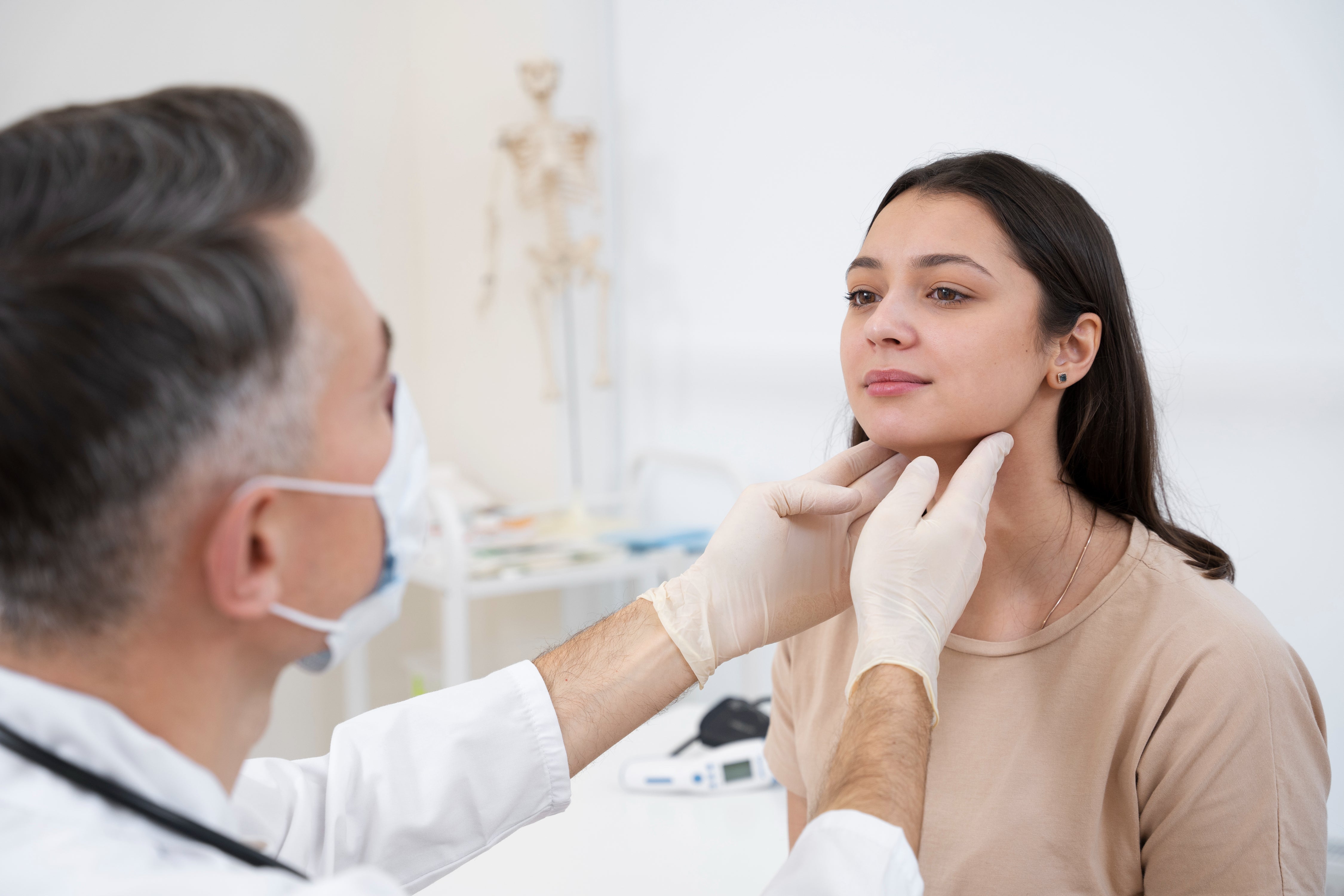
- Scalp evaluation first: Ask whether they assess hair density, pattern, and scalp condition before treatment.
- Protocol transparency: Request a description of how blood is handled, processed, and prepared, including quality control steps.
- Practitioner credentials: Confirm who performs the procedure and their training in scalp injections or dermatologic procedures.
- Risk and contraindication review: Ensure they screen for anemia, bleeding disorders, active infection, or medication concerns.
- Evidence-aligned expectations: Ask what outcomes are realistic for your hair situation and how success is measured.
- Aftercare plan: Confirm guidance on washing, styling, and which scalp-friendly products are recommended.
- Follow-up schedule: Ensure there is a structured plan for reassessment and adjustment.
- Decision timeline: Request time for questions and informed consent before any commitment.
How PRP Hair Therapy Works
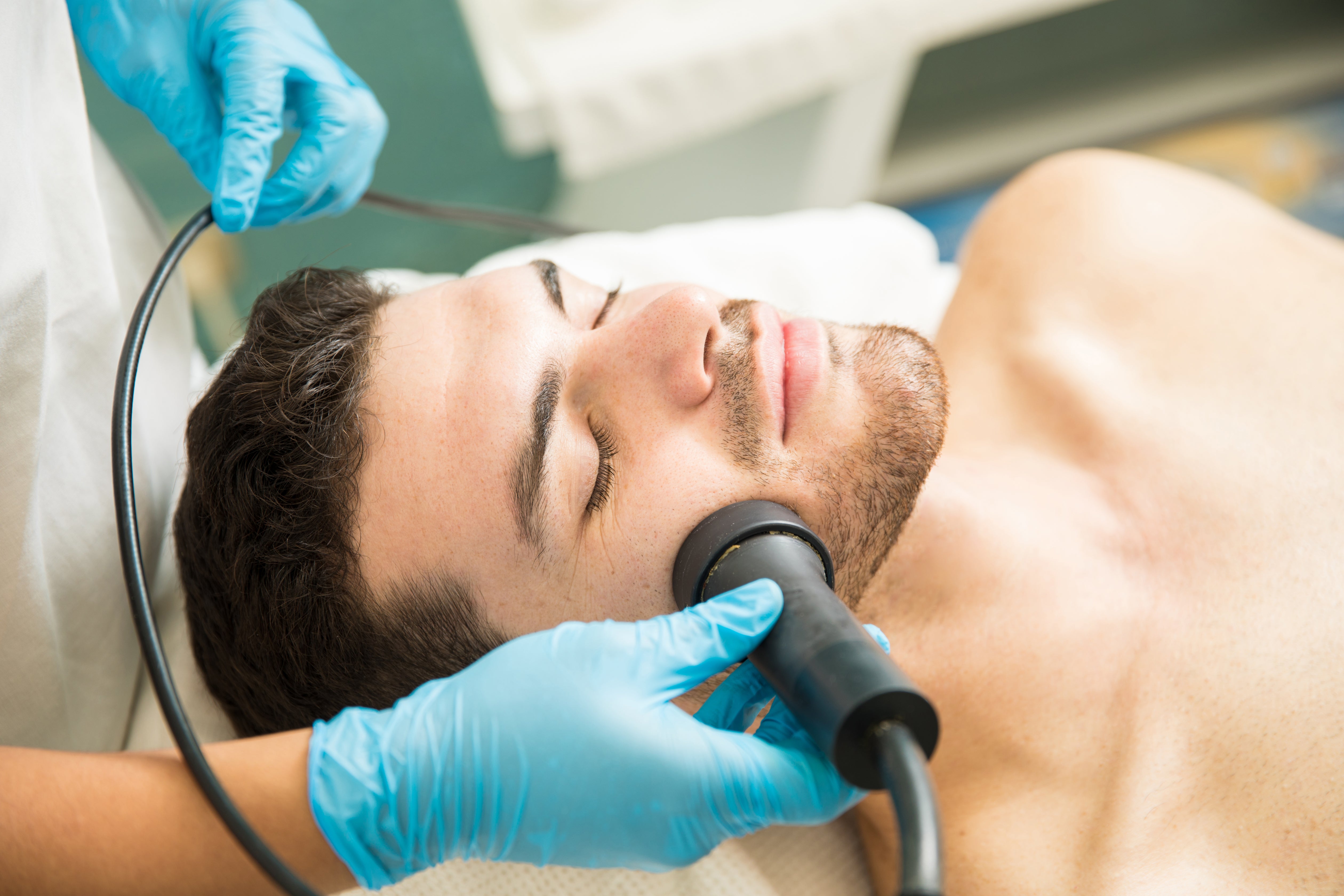
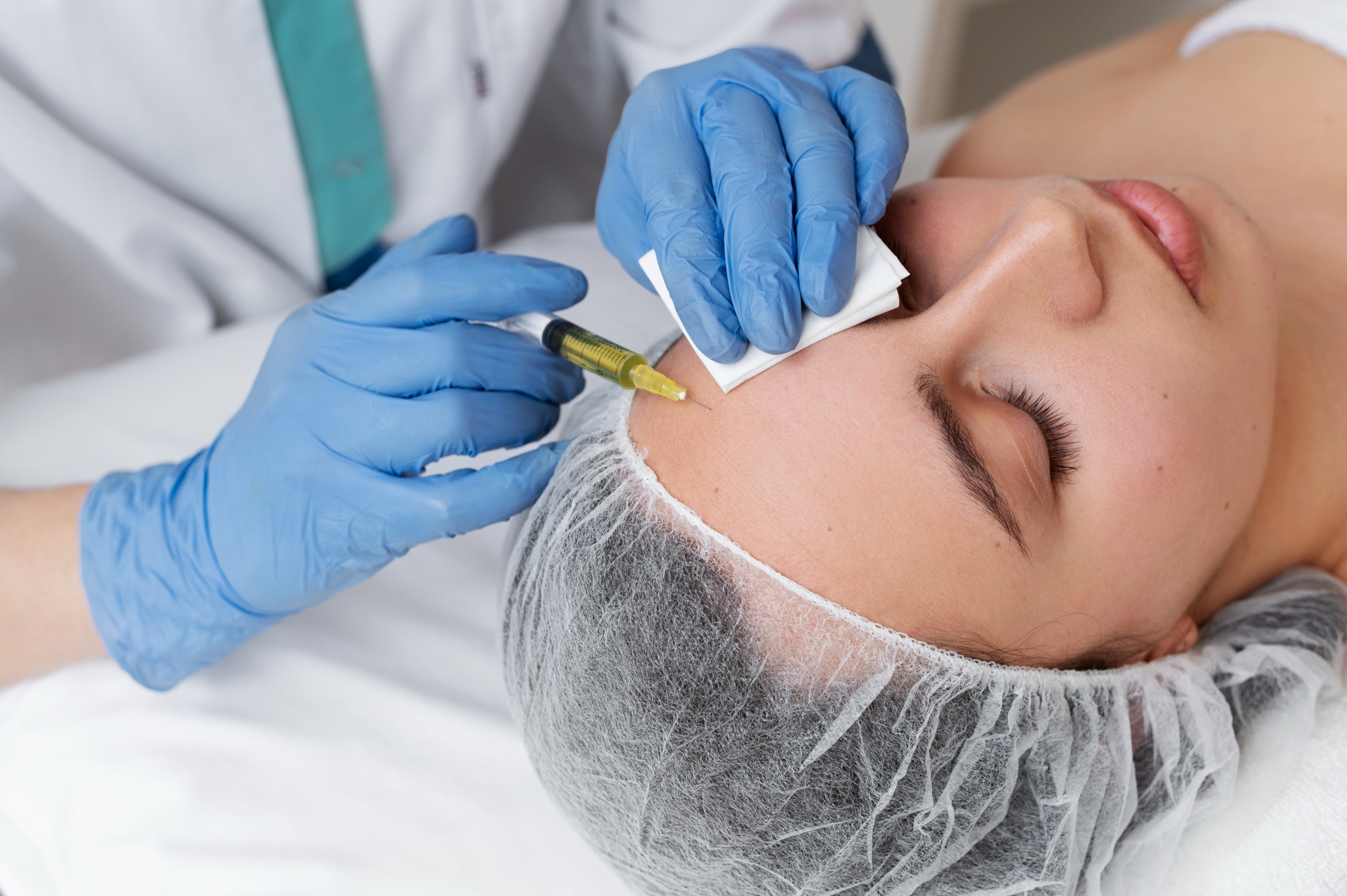
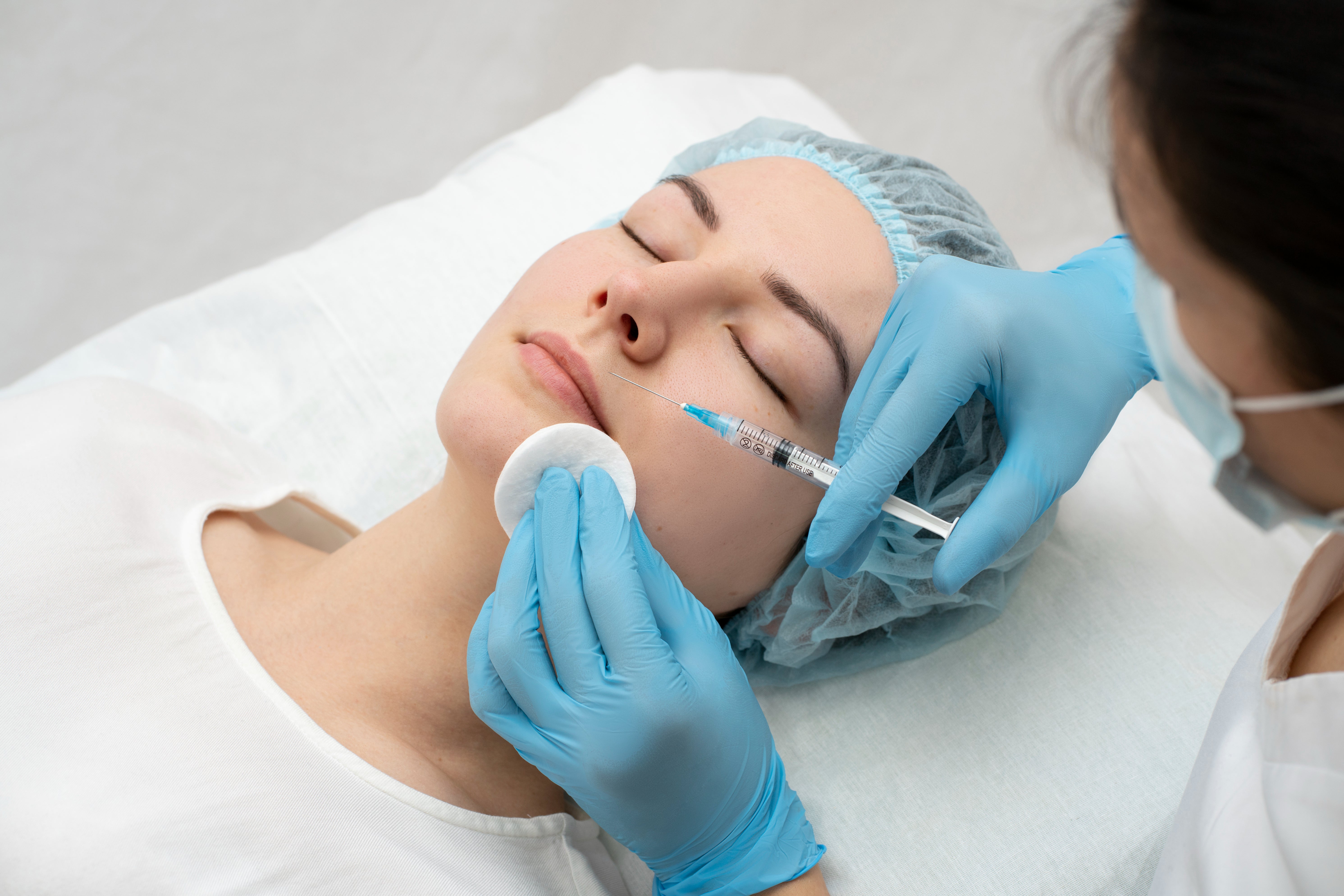
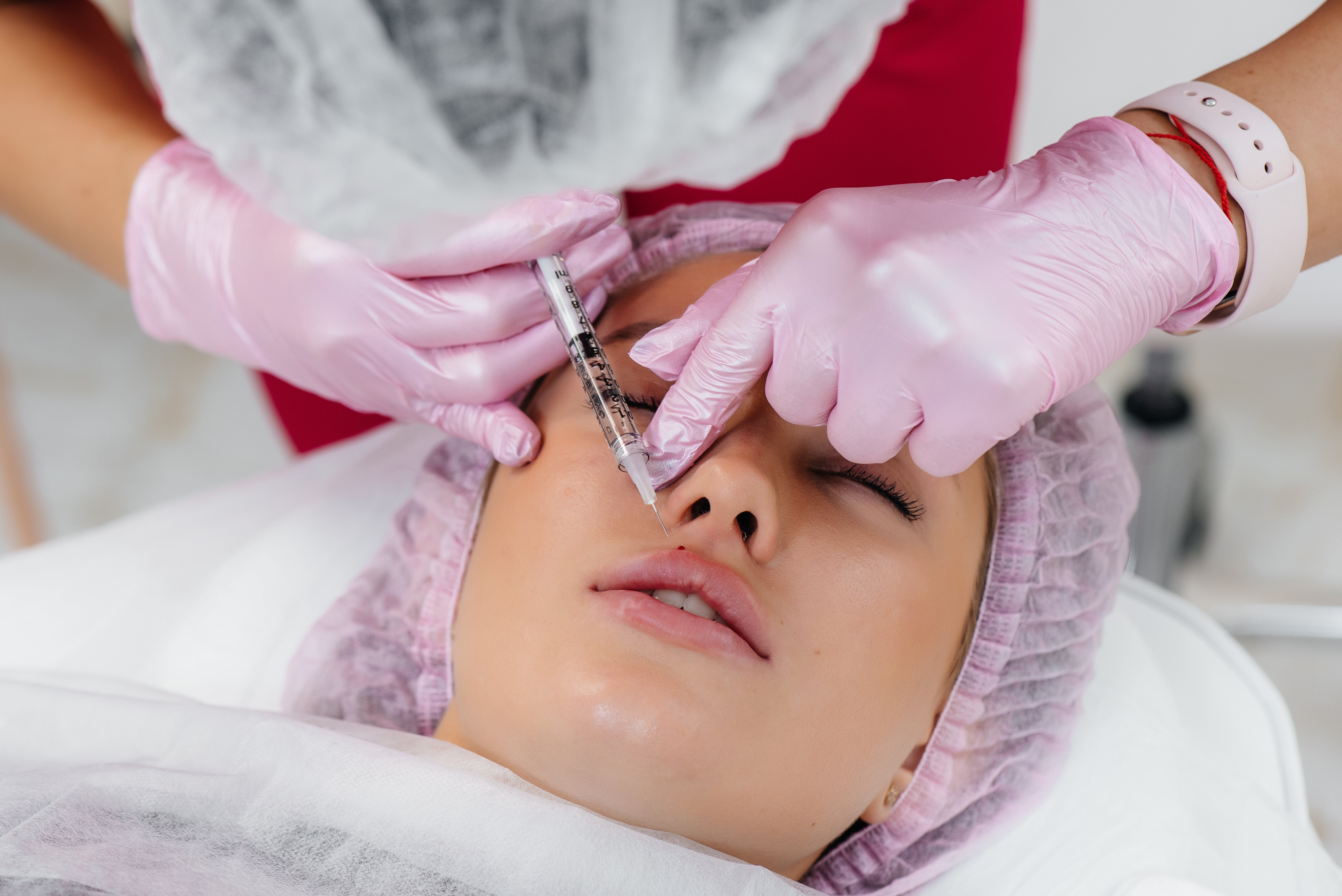
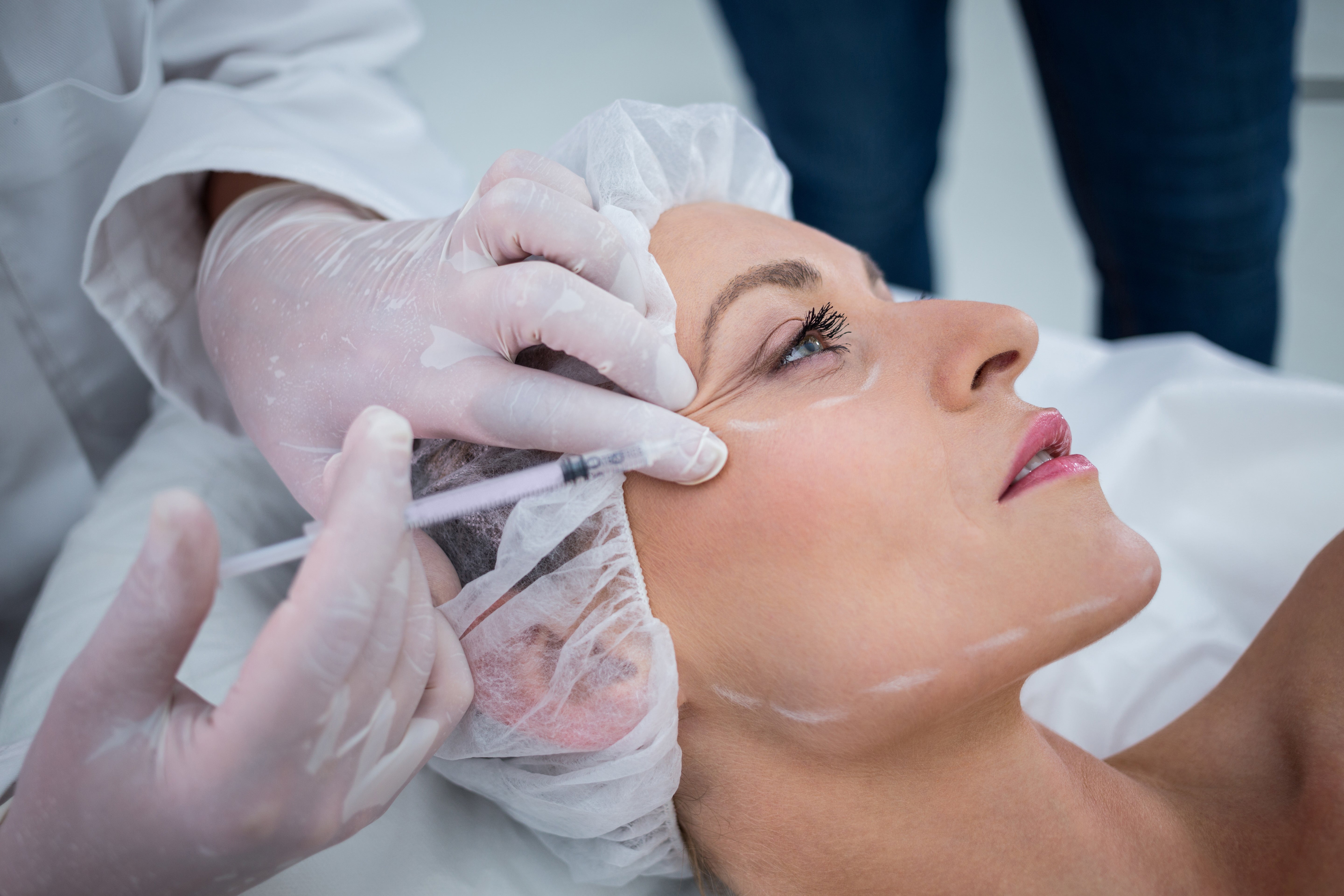
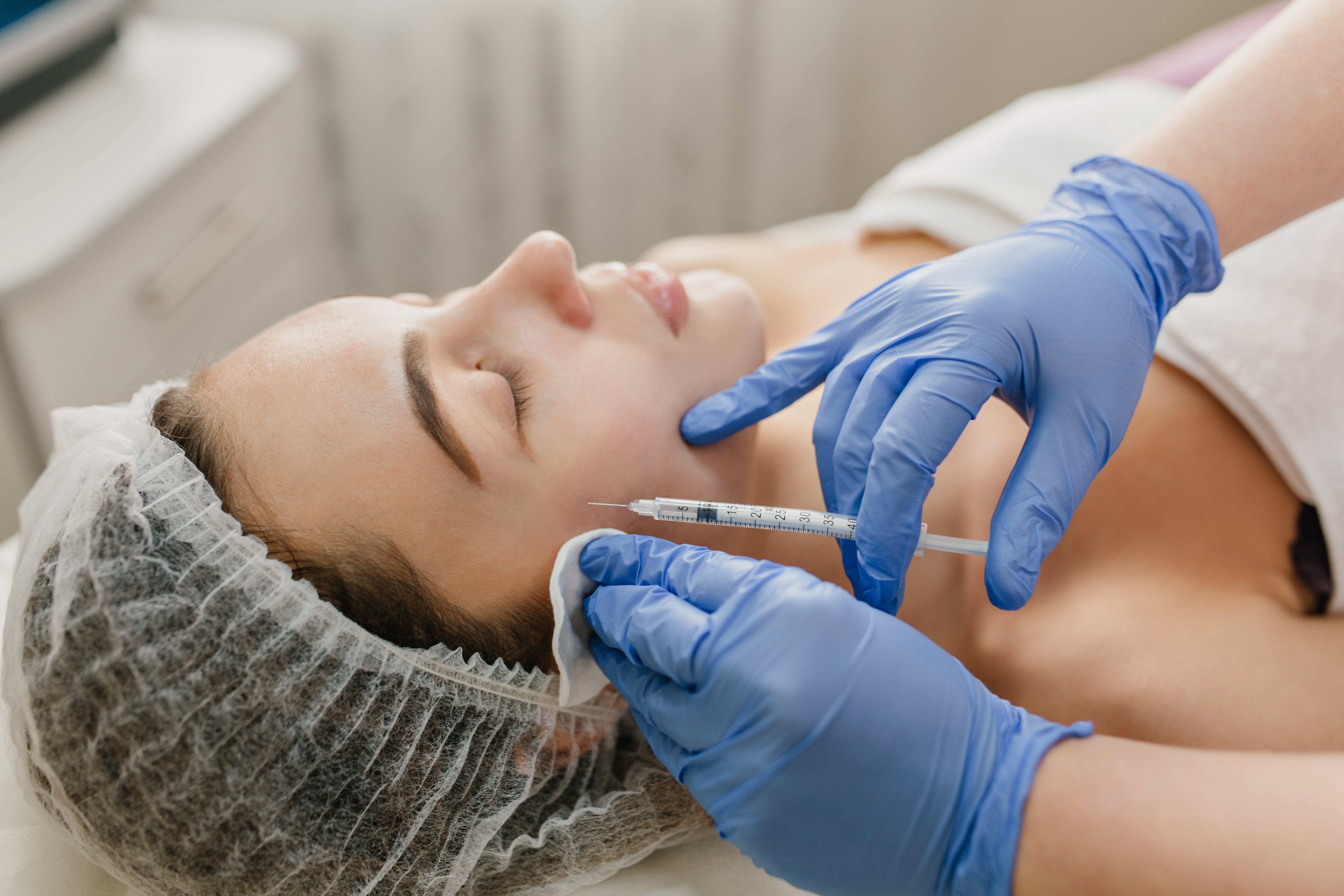
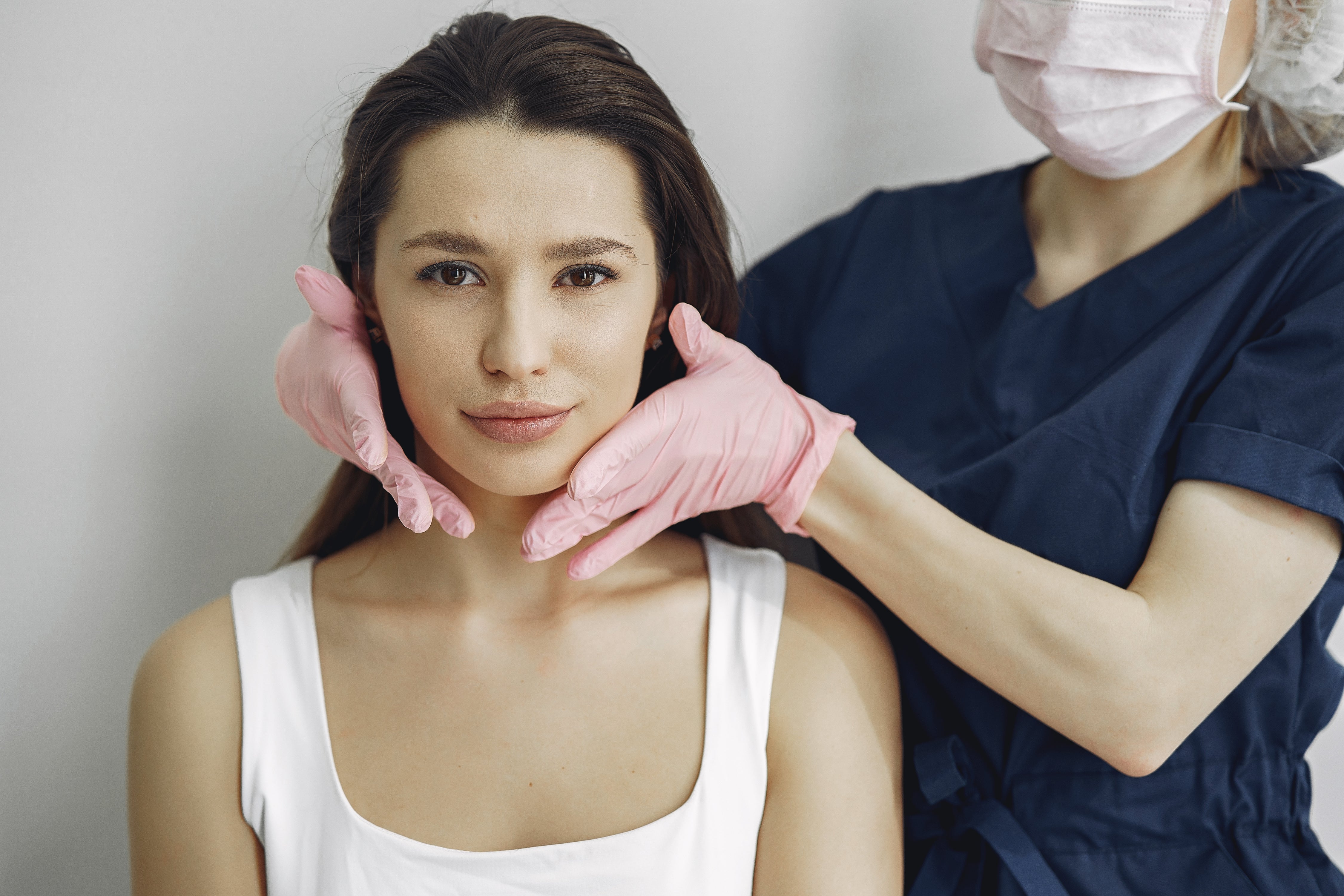
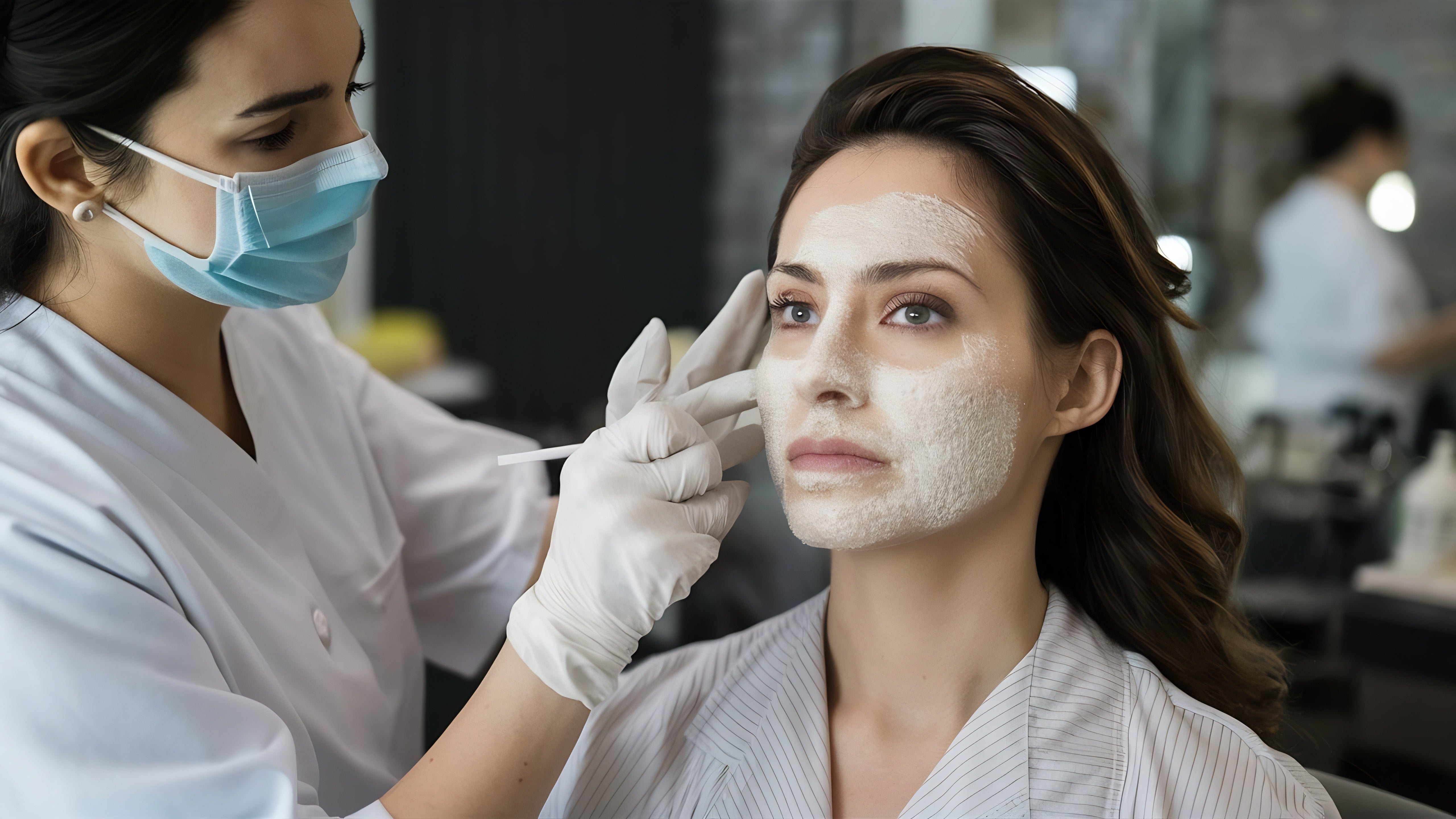
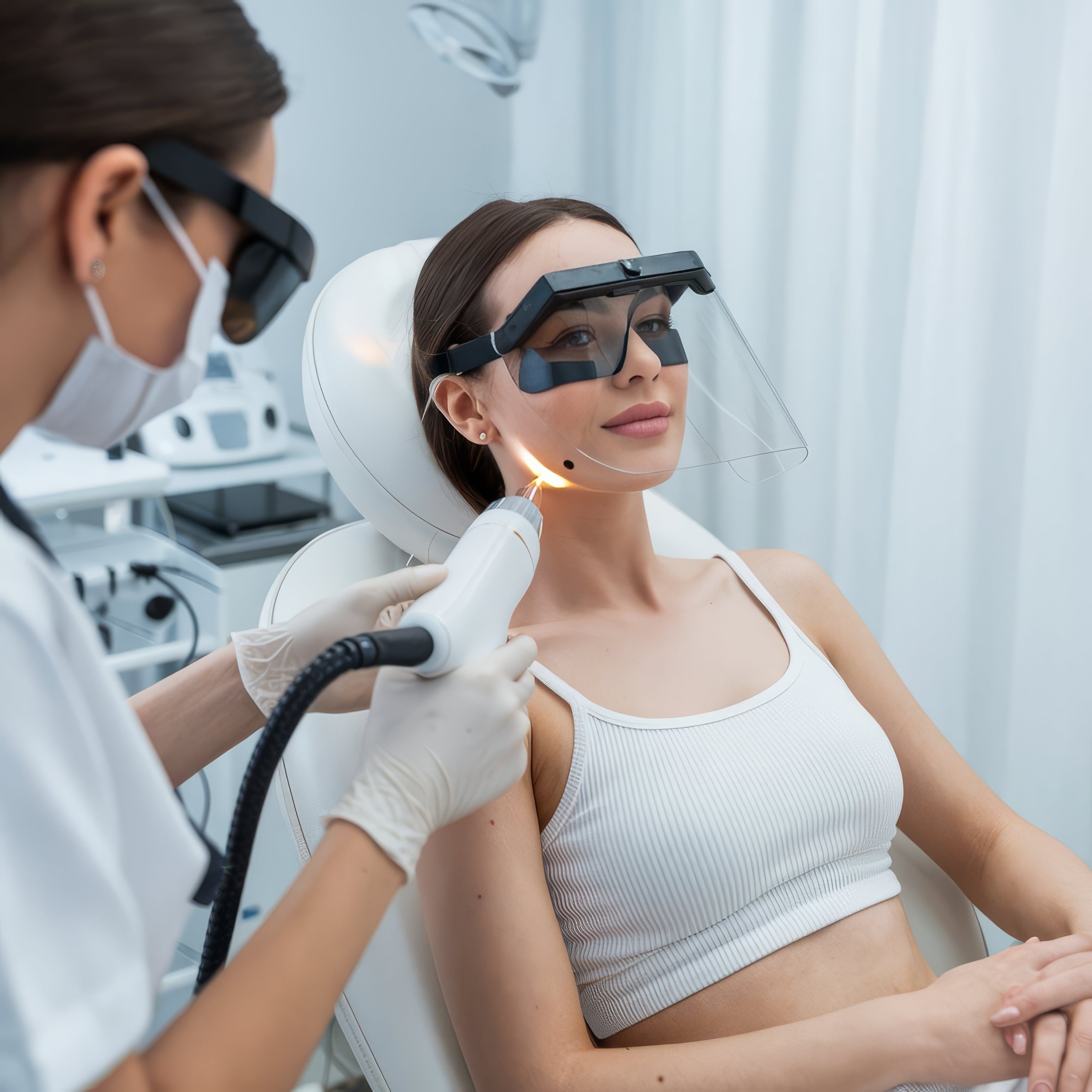
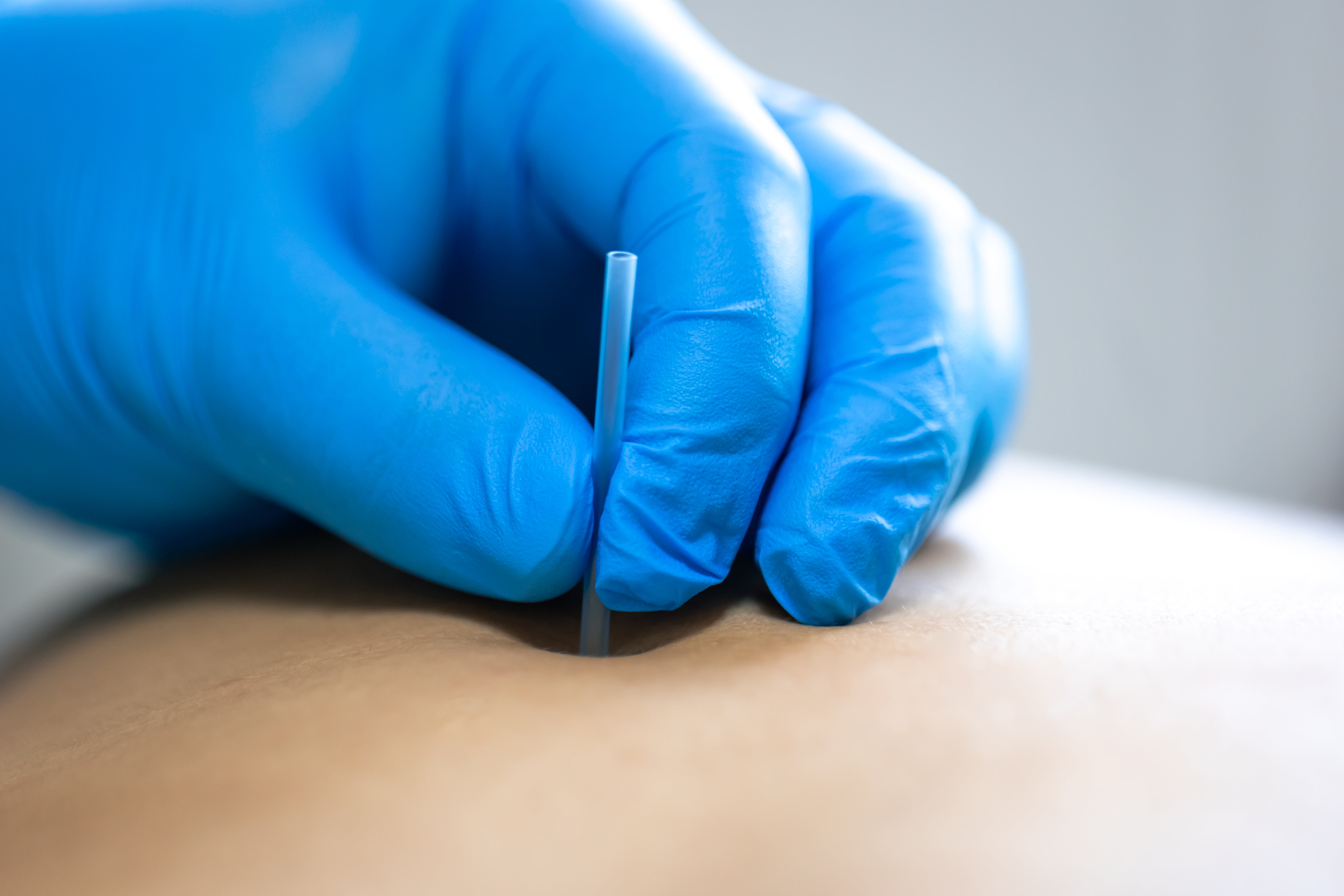
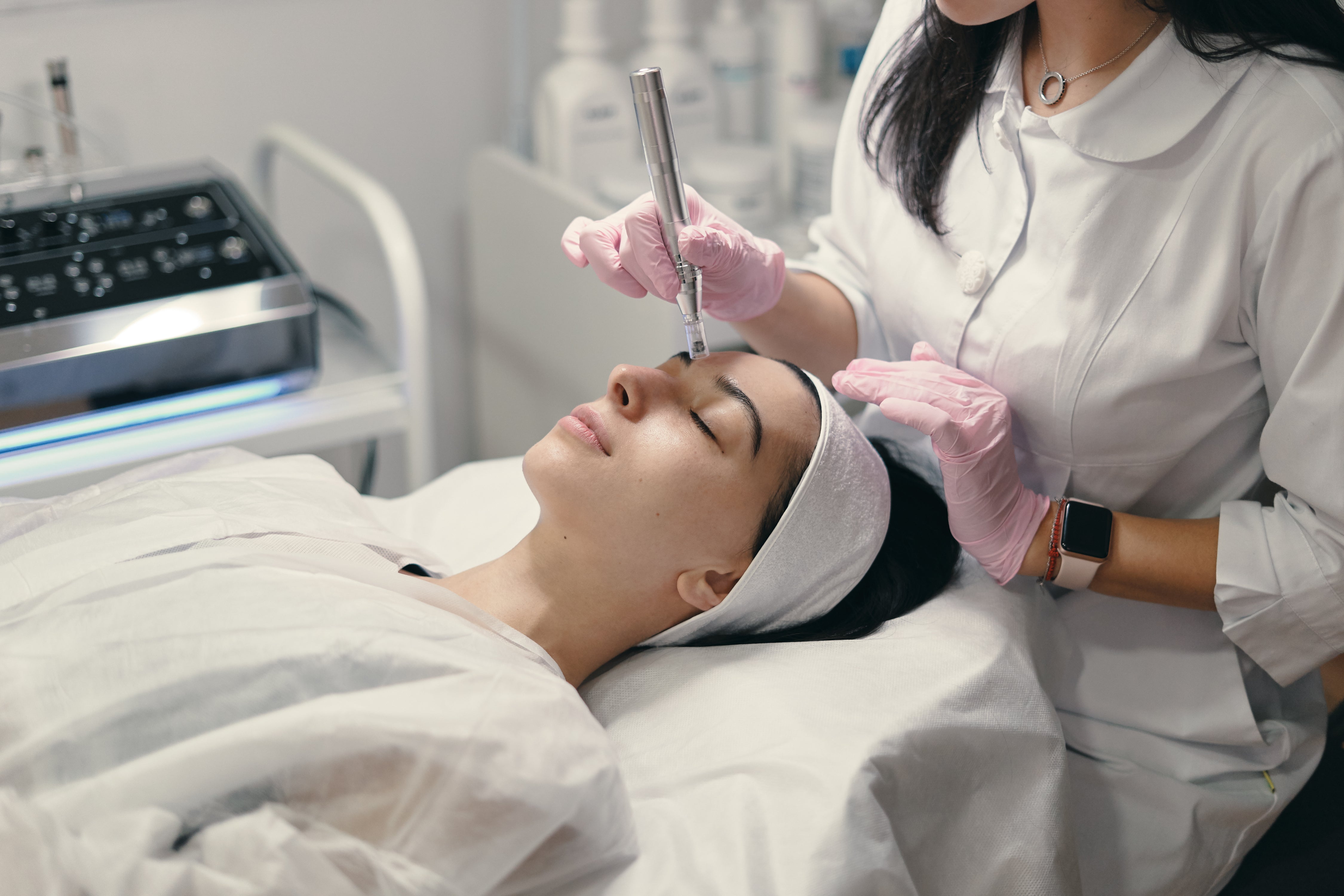
PRP hair therapy uses a person’s own blood components to create a concentrated preparation that is applied to the scalp. Providers typically draw blood, process it in a centrifuge, and then inject or apply the resulting material into targeted scalp areas. The working concept is to deliver growth-factor signals that may support scalp environment and hair follicle activity.
It is important to understand that “concentrated” does not mean “guaranteed.” Response varies because hair loss has multiple drivers, including genetics, hormonal changes, inflammation, and hair cycle disruption. A thoughtful clinic accounts for these variables and may recommend supportive scalp care alongside PRP sessions.
Scalp hygiene and skin barrier support can influence comfort and overall scalp quality. While PRP targets treatment at a deeper level, daily skincare still matters. If your scalp is oily or prone to residue, gentle cleansing is a practical baseline. You can consider a mild cleanser for routine washing such as Cetaphil Gentle Cleanser to reduce irritation and maintain a clean scalp surface.

Diagram of scalp zones and targeted injection points
Who It Is For
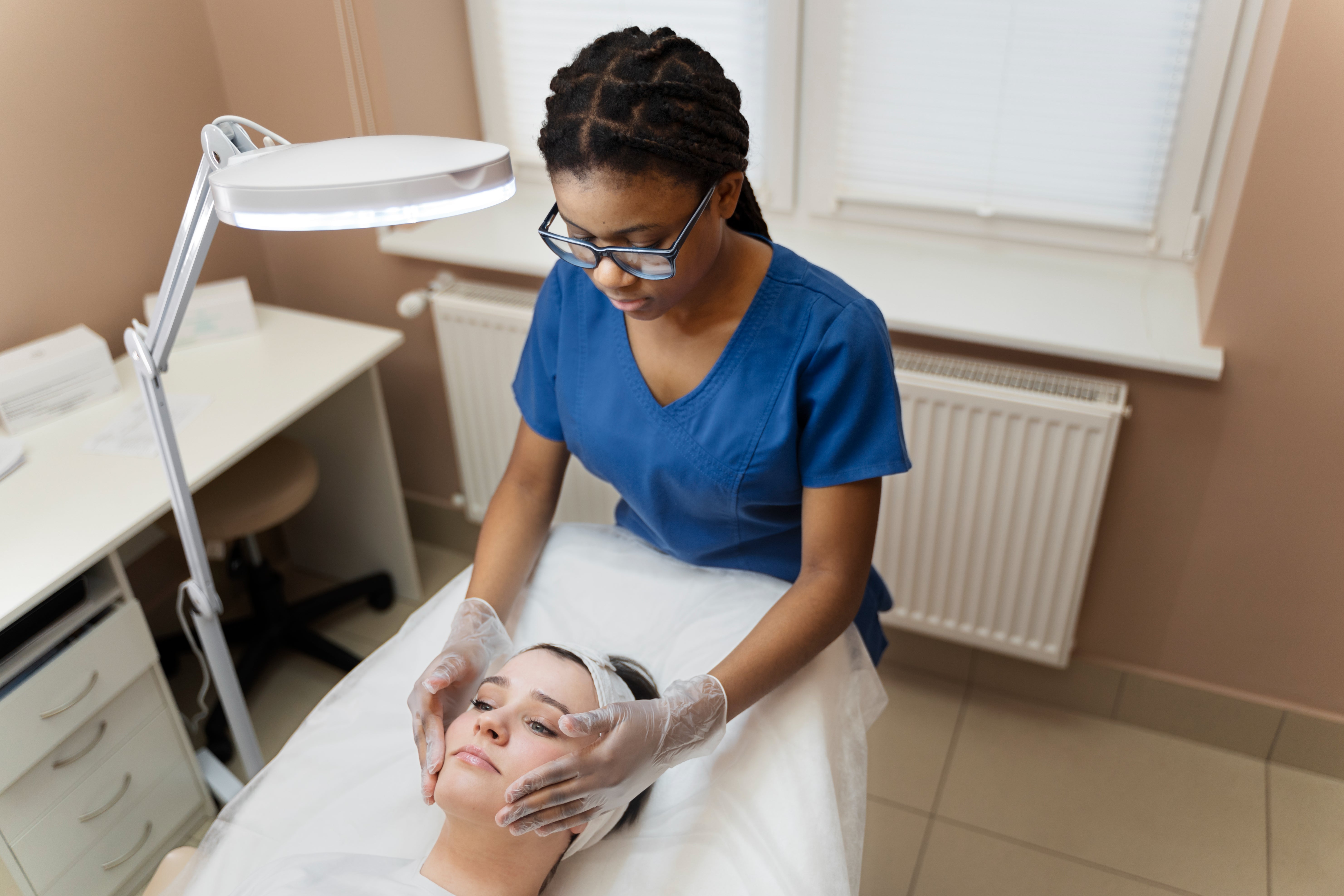
PRP hair therapy is most commonly considered by people experiencing thinning hair or early-to-moderate hair density reduction. It may also be explored for certain scalp discomfort issues when inflammation is part of the problem, but the decision should follow an assessment.
Ideal candidates usually have realistic goals and understand that results can differ. If you have active scalp disease, untreated infection, or ongoing severe inflammation, stabilization is often prioritized first. For individuals with diffuse shedding, concurrent factors such as stress, nutrition, and medication may require attention. A well-run clinic will consider the full picture, not only the hair.
Many buyers also want to support scalp comfort between sessions. A calm routine can include products that help maintain skin balance. If you deal with acne-prone scalp or clogged pores around hairline areas, consider gentle routines and targeted skincare rather than harsh scrubbing.
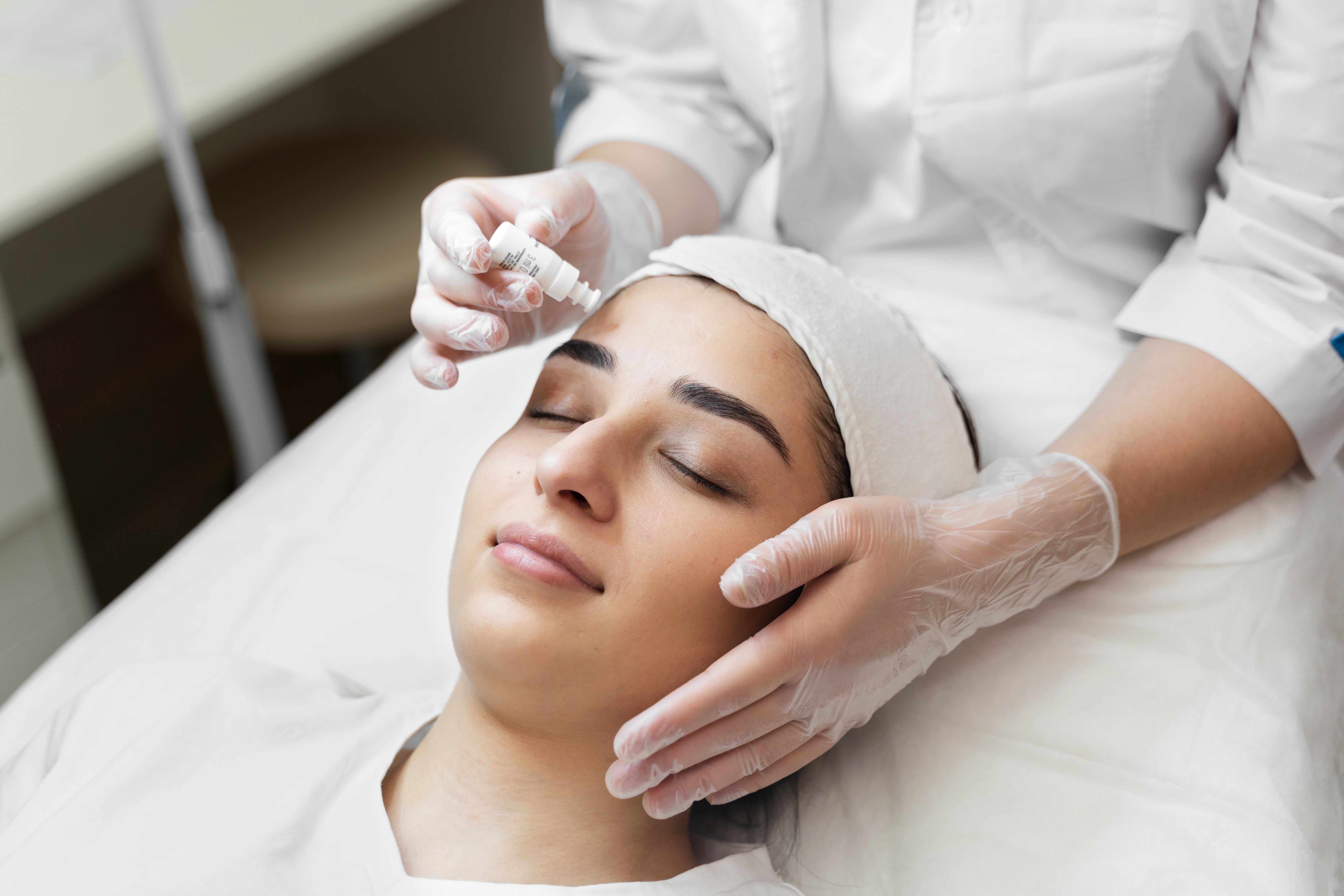
For example, if your routine includes cleansing and you later use serums, choose products that are designed for sensitive use and consistent layering. A clinic may recommend a lightweight regimen, depending on your scalp status and tolerance.
Prep and Aftercare
Preparation and aftercare are essential to any procedural plan. In the days leading up to a session, providers often review medications and lifestyle factors that can affect bleeding risk. Follow the guidance precisely. Do not change prescriptions without medical supervision.
After treatment, the scalp may feel tight, warm, or mildly tender. It is typically advised to avoid aggressive washing for a short period, then resume gentle cleansing as directed. Use a product that supports comfort and does not add unnecessary fragrance or irritant ingredients. If you want a consistent cleansing option, Cetaphil Gentle Cleanser can be part of a conservative baseline routine.
Scalp sun exposure is another practical consideration. While hair covers much of the scalp, exposed thinning areas can be sensitive. If you spend time outdoors, consider a sun protection approach recommended by your provider. For facial skin, sunscreen frameworks can inspire the same discipline. A similar principle applies to scalp protection habits: choose broad coverage, minimize prolonged exposure, and avoid irritation.
If your provider recommends topical support, look for options that match your skin needs. For acne-prone or oily skin tendencies, you may prefer products designed for oil control. For instance, Cetaphil Pro Oil Control Foam Wash can support a routine for people who experience excess oil and want gentle daily cleansing.

Thermometer and calm-skin icons representing post-care comfort
Expected Outcomes and Practical Timeline
Hair response generally evolves over time because hair growth follows a cycle. Buyers should evaluate progress using photos taken under consistent lighting, along with changes in shedding and perceived thickness. Many clinics also use objective assessments such as hair count in defined areas or standardized scalp mapping.
It is also important to interpret what “improvement” means. For some individuals, success looks like less shedding, improved scalp comfort, and gradual thickening. For others, the primary gain is stabilization rather than full restoration.
If you have androgen-driven hair patterns, combining PRP hair therapy with evidence-based hair strategies can be considered. You should discuss options with qualified clinicians who can tailor therapy to your condition and medication history.
Cost Considerations and Provider Standards
Pricing for PRP hair therapy can vary widely. Cost differences often reflect protocol complexity, processing equipment, staff training, and the use of standardized documentation. When comparing clinics, do not rely only on package prices. Ask what is included for each session, including preparation, injection technique, and follow-up evaluations.
You should also confirm whether the clinic provides clear informed consent and an aftercare plan. A clinic with strong standards will explain potential side effects such as temporary swelling, tenderness, or minor bruising. They should also discuss how complications are handled and when you should contact them.
Supporting Scalp Care Around PRP
PRP hair therapy may be only one layer in a wider hair-care strategy. Scalp care influences the environment in which hair follicles operate. While PRP targets growth signals delivered via injections, ongoing cleansing and barrier support can reduce irritation and residue buildup.
Consider your scalp type. If your scalp is dry or sensitive, prioritize gentle cleansing and avoid aggressive exfoliation. If your scalp is oily, a balanced cleanser may help. If you use topical treatments, ensure they are compatible with your scalp and that you follow spacing guidance provided by your clinician.
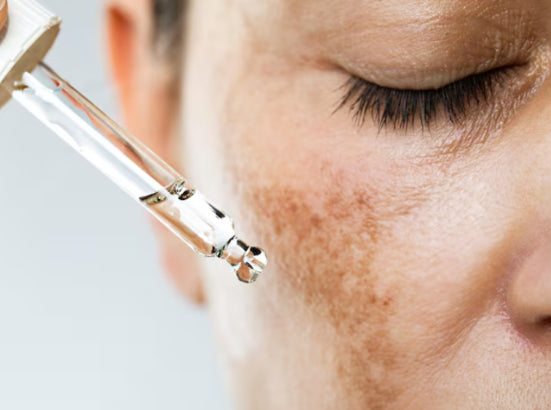
Some people also benefit from antioxidant and vitamin-focused skincare routines, especially when they experience dryness or dullness. For general skin health, you might explore products that align with your goals and tolerance. For example, if you seek a structured approach to skincare, dermatology-minded brands often provide targeted serums such as Dermatica Aze Proactive Serum as part of a broader plan. Always confirm that any topical choice is appropriate for the scalp area you plan to treat.
FAQ Section
Is PRP hair therapy painful?
Most clinics use scalp numbing methods or provide a comfort plan during the procedure. Sensation varies by individual sensitivity and injection pattern. Mild soreness and tightness may occur afterward, typically improving within a short period with proper aftercare.
How many sessions are usually recommended?
Recommendations vary depending on hair density goals and baseline scalp condition. Providers often start with a planned series and then reassess response. If progress is limited, adjustments may include changes to scalp care, repeat intervals, or alternative strategies.
Can PRP hair therapy be combined with other hair treatments?
In many cases, PRP hair therapy can be integrated with other medically guided options. The key is coordination. A qualified clinician should review your current regimen and screen for safety, timing, and compatibility of treatments and topical products.
What side effects should I watch for?
Common temporary effects include redness, swelling, mild tenderness, and small bruises at injection sites. Contact your provider promptly if symptoms worsen, last longer than expected, or include signs of infection such as increasing warmth, severe pain, or persistent drainage.
Does PRP work for all hair loss types?
Not all hair loss conditions respond equally. Pattern hair loss, inflammatory scalp conditions, medication-related shedding, and nutritional factors may require different strategies. A thorough evaluation helps determine whether PRP hair therapy is likely to be supportive for your specific situation.
Wrap-Up & Final Thoughts
PRP hair therapy can be a considered option for people seeking support for scalp environment and hair density. The most effective journeys begin with a credible evaluation, a transparent protocol, and realistic expectations. Pair the procedure with a consistent, scalp-friendly routine and follow the provider’s aftercare plan closely. If you are ready to discuss options, contact a qualified clinic and ask the checklist questions so you can make an informed decision.
If you want to support daily scalp hygiene during your hair-care plan, you may also review your current cleanser and irritation tolerance. For gentle daily washing, consider Cetaphil Gentle Cleanser. For oil-control oriented routines, evaluate Cetaphil Pro Oil Control Foam Wash as part of a conservative approach.
Q&A Section
What should I bring to my first consultation for PRP hair therapy?
Bring a list of current medications, a summary of your hair-care routine, photos of your scalp over time, and details about when thinning began. If you have prior lab work or diagnoses, share them. A strong provider will use this information to refine a plan and discuss safe expectations.
How do I measure results if my hair looks similar at first?
Use consistent photographs, track shedding changes, and observe scalp comfort. Improvement often appears gradually. Ask the clinic about their reassessment method so you can compare progress objectively, not by day-to-day variation.
What are the key qualities of a reliable PRP provider?
A reliable provider conducts a structured assessment, uses sterile technique, explains the protocol clearly, and offers a documented aftercare plan. They should also discuss contraindications and risk management with clarity, rather than focusing only on marketing claims.
Is it necessary to change my hair routine after PRP?
Usually, minor adjustments are recommended temporarily. Your provider may advise avoiding harsh scalp manipulation or selecting a gentle cleanser during the early recovery phase. After that, a stable routine often helps maintain scalp balance.
How should I choose products for scalp support?
Select products based on scalp type and comfort. Favor gentle cleansing, avoid excessive fragrance, and introduce new items gradually. If you use actives or serums, coordinate with your provider to ensure your regimen aligns with your procedural timeline.
Can PRP hair therapy help with hairline thinning?
It may support certain individuals with early-to-moderate thinning. However, the best approach depends on the underlying cause and scalp condition. A provider should evaluate the pattern, inflammation signals, and hair cycle context before recommending treatment.
What questions should I ask about the processing method?
Ask how the clinic processes blood, how it ensures consistency, and what preparation is used for scalp application. Clarity on centrifugation steps and staff training helps you understand whether the clinic follows a standardized quality approach.
About the Author Section
Allodermis
Allodermis is a skincare-focused brand with expertise in dermatology-informed routines and ingredient-aware guidance. Our approach supports practical consumer decision-making for scalp and skin wellness. The team emphasizes evidence-minded education and careful product selection. Thank you for reading, and for choosing a thoughtful path toward healthier-looking skin and hair.
Disclaimer: This article is for general educational purposes only and does not constitute medical advice, diagnosis, or treatment. Individual results may vary, and PRP hair therapy may not be appropriate for everyone. Consult a qualified healthcare professional or dermatologist before making decisions about scalp procedures or hair-loss treatments.
Authors & medical review
Swaraj Dhar is a sociopreneur, technologist, and the co-founder of Allodermis.
Every article is fact-checked against current peer-reviewed dermatology literature and Allodermis clinical protocols.
This article was last reviewed and updated on . Published .
Have a skin or hair concern?
Book a free consultation with our AIIMS MD dermatologists. Clinics in Bhubaneswar, Gurgaon, and Delhi NCR.